Best Of
Steam Boiler Replacement: Don't Make These Expensive Mistakes
This weeks video talks about the common mistakes I have seen on steam boiler replacement projects. I would love to know your thoughts.

Re: Jim Davis has passed
Thank you for sharing this sad news with us, Mark. We're so sorry to hear of his passing. Jim was a dedicated teacher whose knowledge and guidance will live on in the many people he helped. We will miss him and our hearts go out to all of his loved ones. May he rest in peace.
Erin and Andrew

Re: Jim Davis has passed
I just heard the news via Robin Boyd (Roboteq) on FB. I was thinking about Jim this morning and planned on calling him just to catch up but, of course got busy.
Jim was a true legend. The absolute godfather of CO and Combustion Analysis. I've wondered just how many people are still alive or healthy thanks to Jim, both directly and indirectly. If you want to honor Jim, don't let his efforts go to waste. Apply his doctrines uniformly and consistently. Always question things. Do not be afraid to challenge codes, stds, mfrs. instructions or industry Best Practices. Jim always tested the waters. By maintaining a healthy skepticism. He was instrumental in teaching a culture of testing rather than guessing, or worse, assuming. Jim used sarcasm and cynicism to awaken students to the realities of life rather than blind allegiance to the party line. He was a harsh critic, outspoken champion of things he accepted or adopted and filled in with banter, lampooning, humor, and physical demonstrations, such as impact testing analyzers or the floor or against anyone not paying attention.
Jim created many enemies with the august agencies that promulgated codes, standards, and generally adopted best practices because he demanded test data, how tests were structured, who benefited from pass/ fail, and what ulterior motives they had. One of his biggest targets was a favorite of mine- busting codes or standards that favored governmental efficiency and emissions numbers over public safety, equipment thermal efficiency and durability. He was a very practical man who understood his beloved analyzers were still just tools. He indicated he liked my observation from my old paramedic days when we taught the kids to treat the patient and not the machine. You have to look at things holistically.
I was thrilled when I heard David Richardson. was being brought in to take up his mantle and carry the mission forward. I hold them both in the highest regard, respect and appreciation. It has been my honor to call Jim Davis my friend and mentor. I don't consider his passing a loss because Jim left us with his legacy. I wonder if heaven has a smoking section…

Re: Jim Davis has passed
I think the finest way to honor Jim is to continue to practice what he taught you, and teach others. Care as hard as he did. God speed, good man.

Re: YOU WANT TO HEAR A GOOD ONE?
So, about a week and a half ago, @JohnNY posted the question , "Taco should have a video showing how the 570 zone valve works." I had often thought that would be a good thing to have, but I couldn't find one, so I decided to see if some AI program could take the Taco brochure, instruction sheets, and all the information available online and simply "make the video."
...That didn't work either.
Then I looked at some free animation software on the web and typed up a sequence of operation that I put into the AI program HeyGen, which helped me create my first AI avatar video. Now I had a soundtrack and a still screenshot of the Taco valve diagram, but I still had no way to make the thing move.
Then I thought about the old flip-book cartoons I used to make in my Textbooks in 7th grade, where you made a stick figure walk across the bottom of the pages.
This is what I came up with:
EDIT: This is the finished version. The original is below it.
I
Now, a couple of you gave it an AWESOME icon, and I thank you guys for that. I wonder wha @Joe Mattiello and @SteveSan from Taco would think of it .
It took over a week to modify each part of the animation one frame at a time and to learn how the video software worked. I still couldn't figure out how to "render" the video after I was able to play it within the program. So I went old-school again and simply shot a video with my iPhone of the animation running on my laptop within the free video editor software.
I was able to use the same frame over and over again once I got each frame in the proper sequence, especially the part where the heat motor switch opens and closes repeatedly during the call for heat.
I hope you like the video, and as I get better at this, the quality will get better too.

Re: Taco needs to create an animation of how the 570 series zone valve works.
Boiler gauges & boiler parts
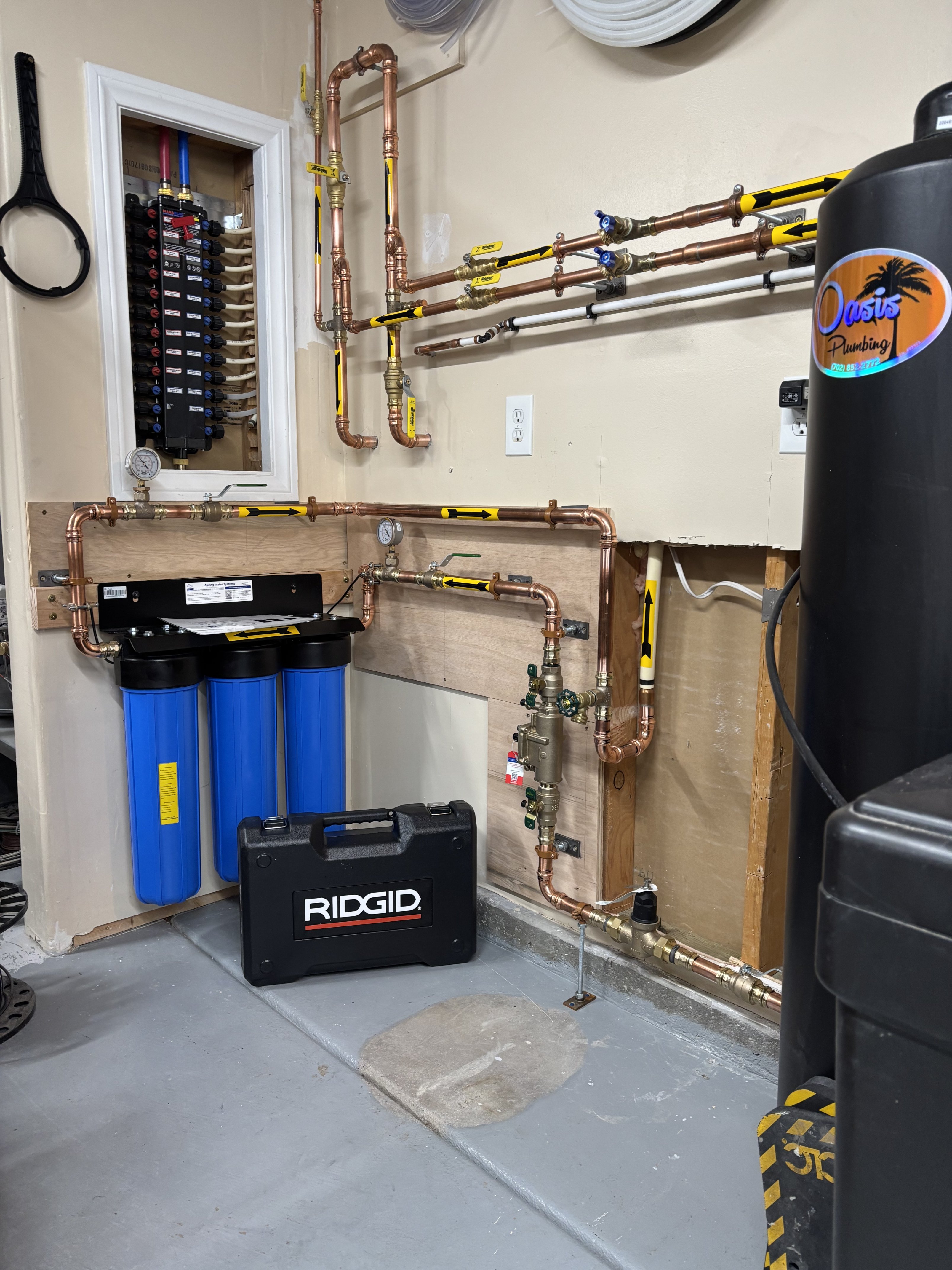
Hello - As some you may know, I’ve been retired for 5-6 years now and I’m becoming more limited. I just finished upgrading our water main and it almost killed me. It was a simple job yet too much for me now.
I had planned to go back to college, but I squashed that because I would attack it like everything else I do. It would take up too much time and energy to meet my expectations.
I think keeping it simple would my best bet now. Reading, listening to music, and working with my hands while seated comfortably at one of the benches in my shop.
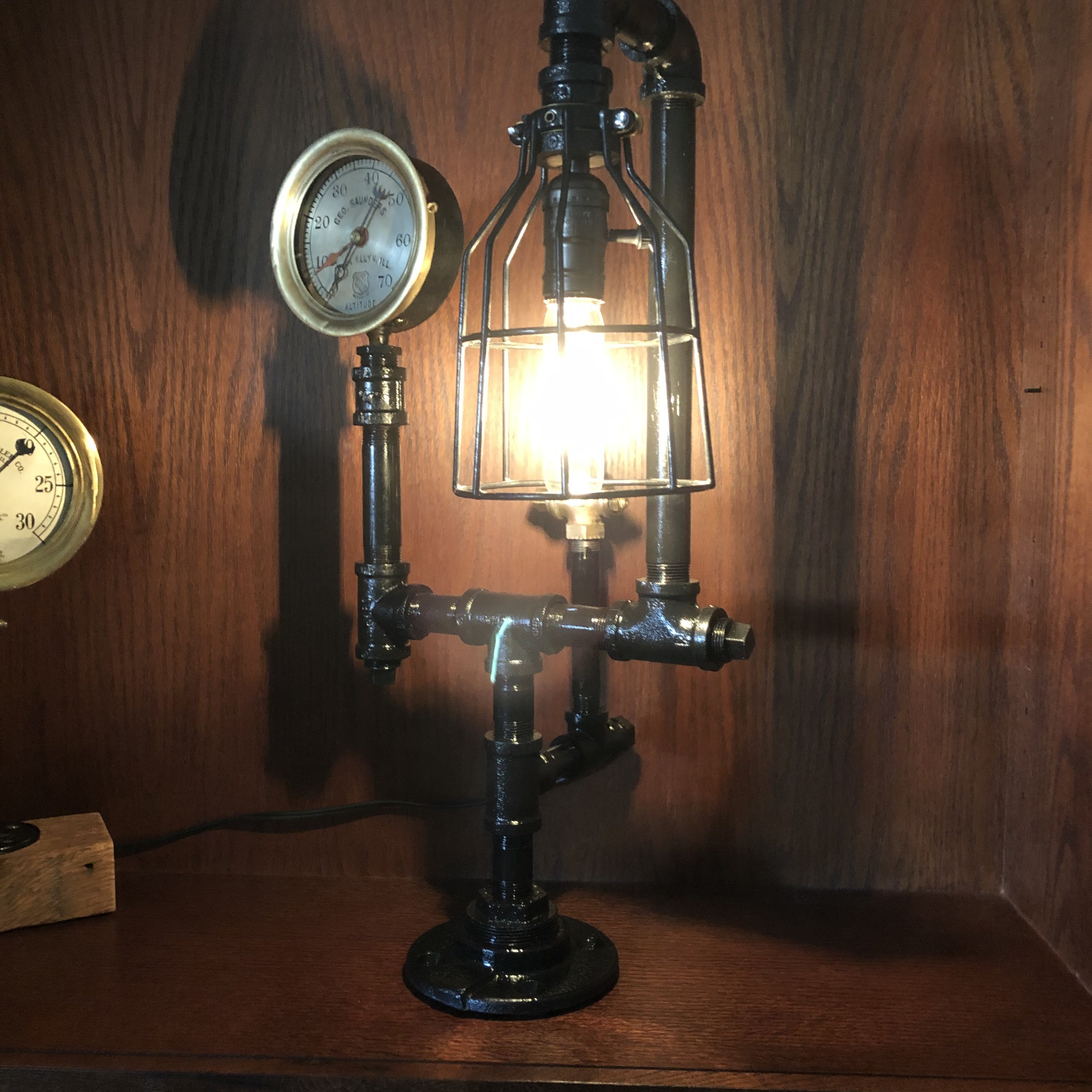
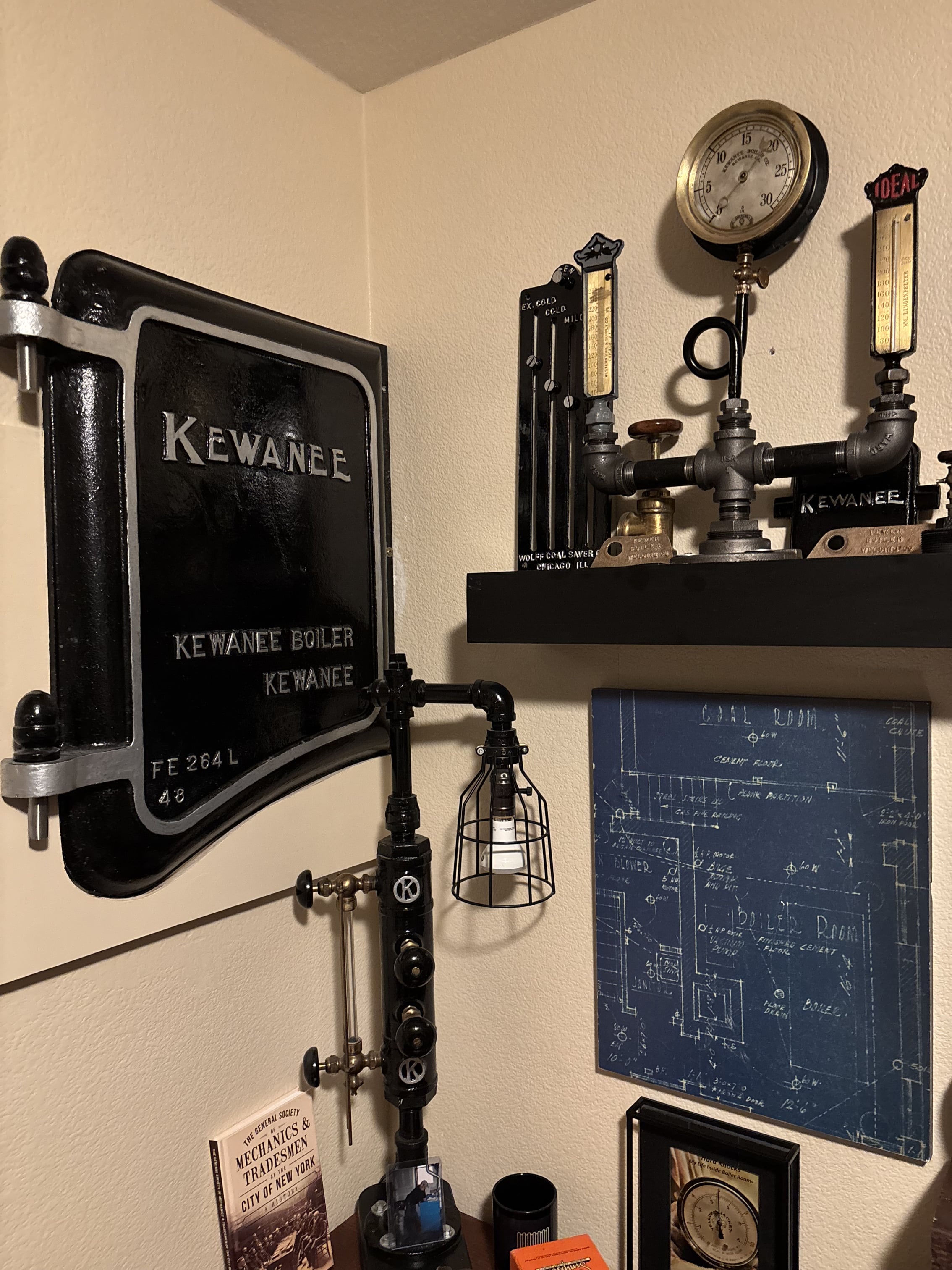
I want to make things from scrap boiler parts, ideally gauges, old valves, and other things like that. My problem is that I don’t have access to these things anymore. Would anyone be willing to set aside some things that’ you’d normally toss out and send then my way? I’d pay for shipping of course, but would need to see the items first. I still have lots of pipe, fittings, and flanges; but don’t have anything to trick out a boiler lamp or some other contraption.
Thank you! I’d be thrilled to put these items to use rather than seeing them trashed.

Re: Taco needs to create an animation of how the 570 series zone valve works.
Basically it works like this:
Terminal 2 receives 24v from R on the transformer. It is connected to the heat motor and the end switch.
Terminal 1comes from the other side of the heat motor and goes to the thermostat. When the thermostat switch closes, it connects to C on the transformer, and activates the heat motor to open the valve. The heater switch keeps the heat motor from overheating.
Terminal 3 comes from the end switch. When the valve opens, the end switch closes, outputting 24V to terminal 3. This tells the boiler to start. But the connection between the 570 and the boiler control can be problematic.
The danger comes from connecting two transformers together via terminal 3. This can burn the transformers up if they are not connected properly. I always use an isolation relay between the 570 and the boiler control, to prevent this. I've used a single relay to handle the Terminal 3 outputs from several 570s that are fed from the same transformer. Yes, it's an extra item and costs a few bucks, but it can save a lot of aggravation.

Re: Draining residential boiler in spring
Thanks! I never took a class, but I’ve read a lot of books, mostly novels. I have a huge collection of brief descriptions that inspire me. For example:
He had the attention of a hummingbird
A yacht of a nose
As quiet as greased smoke
I have never understood the two of you. She’s a steaknife, and you’re a dessert spoon.
She ended the conversation with the efficiency of a guillotine.
She looked at me the way a woman looks at a pair of shoes that are OK, but not quite right.
Her eyes were clover green and Celtic fierce.
He picked his words as though they were fruit on a bramble bush.
As hot as a Tex-Mex picnic on Mercury
He entered the room looking like a Spanish galleon in full sail.
He left like a creaking rocking chair, squeaking and leaning back-and-forth.
He was charismatically challenged.
As crazy as a soup sandwich
He kept smiling at her with a mouth like a wet keyhole.