Best Of
Re: leaking return line
CPVC isn't really rated for the temp if steam ends up in the wet return for some reason. Copper is fine in the wet return because steam isn't supposed to be in the wet return so the higher thermal conductivity that makes copper unsuitable for steam piping isn't an issue below the water line.
 mattmia2
Re: leaking return line
who suggested CPVC?
Although it can handle the temperature it’s not the material to use.
copper if below the water line
Steel above
 pecmsg
Re: I'm getting solar panels. I'll let you know how it goes in this discussion thread.
We're on the same 1:1 deal that @ethicalpaul is talking about. Works out well enough at least so far. Who knows what will come down the road — out power company is happy enough with the deal, but legislators are unpredictable, never mind the public utilities commission…

Re: Recommendation for highly reliable natural gas water heater?...
Someone has a page on how to put a powered anode on different styles of water heater. If it doesn't have a tapping for the anode you can put it through a tee on the outlet.
Anodes that produce the current through an electrochemical reaction are sacrificial. Powered anodes are not sacrificial, they are not consumed to produce the current that favors deposition of iron, it is produced by an external power supply.
mattmia2
Re: Recommendation for highly reliable natural gas water heater?...
Different doesn't necessarily mean goofy.
Unless it's a mouse with 1 button when everyone else has 3. Then it's goofy. 😉
 ChrisJ
Re: New steam boiler - newbie help
While the pick-up factor is always interesting, What I want to know-
Why did the original quote include 2 heat only thermostats for a single steam boiler?
 Shane_2
Re: Tamper free switches
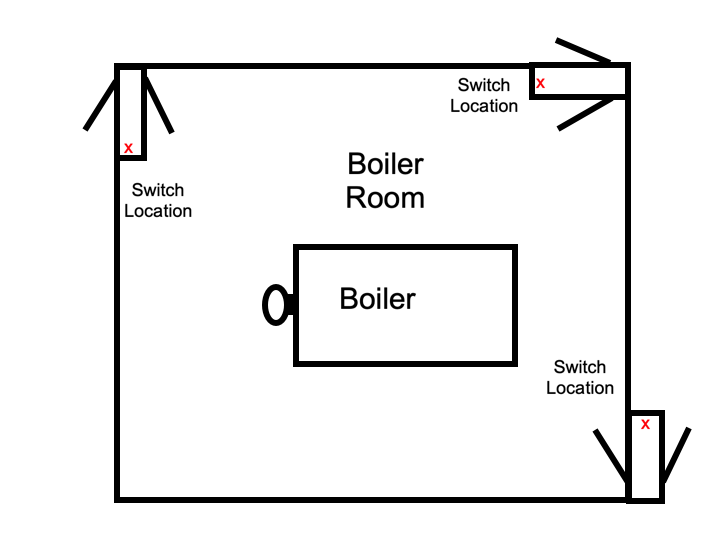
How much room is there inside the boiler room? Is there enough room to place a one foot vestibule just inside the boiler room, or just outside the boiler room in order to make the switch pass inspection outside of the boiler room door but still out of public area?

Re: Venting into a chimney
Absolutely not...that is a 95% Condensing boiler (very low flue temperature). You can ONLY use the old chimney as a pipe chase, as the other guys stated. I'm using the exact same Viessman model on a project right now, but using PP (polypropylene) venting directly outside through basement wall. Mad Dog

Re: Venting into a chimney
To be clear on your query, I can not find any specifications on a Viessmann model BK200E anywhere in the old or new equipment catalogs i have access to. I do know that many of the Viessman gas and LP boilers are condensing boilers and do not fall into the Category I venting design that allows for chimney venting.
here are the venting categories:
Category I is characterized by negative pressure and non-condensing appliances. These systems rely on gravity to vent flue gases, and if there is a leak, air from the space will flow into the flue pipe rather than flue gas leaking out. Category I venting systems can use single wall, double wall, B-vent flue pipe, or even a chimney.
Category II is also under negative pressure but may produce excessive condensate. These appliances are typically condensing and have a combustion efficiency greater than 83 percent under ANSI test conditions. However, Category II products are no longer manufactured.
Category III operates with positive pressure and non-condensing appliances. If there is a leak in the venting system, flue gas will flow from the flue pipe into the space, which poses a safety hazard. Therefore, Category III vent pipes must meet additional safety requirements, such as being gas-tight with gas tight venting systems.
Category IV is positive pressure and condensing, typically used for high-efficiency appliances with an annual fuel utilization efficiency (AFUE) of 90 percent or higher. These systems require sealed joints and are often made of materials like PVC or CPVC.
I believe the Viessman boiler you have would fit into Category IV, but I can not be absolutely sure since the model number you posted is either incorrect or is from a time before internet records are available. Absent more information my vote would be the vent according to the manufacturers venting instructions.
EDIT: it appears that Viessmann does make a steam boiler for commercial use. I do not have information on older models, so it is possible that if @heron98105's old Weil McLain is a commercial boiler in the 20 HP range and above,
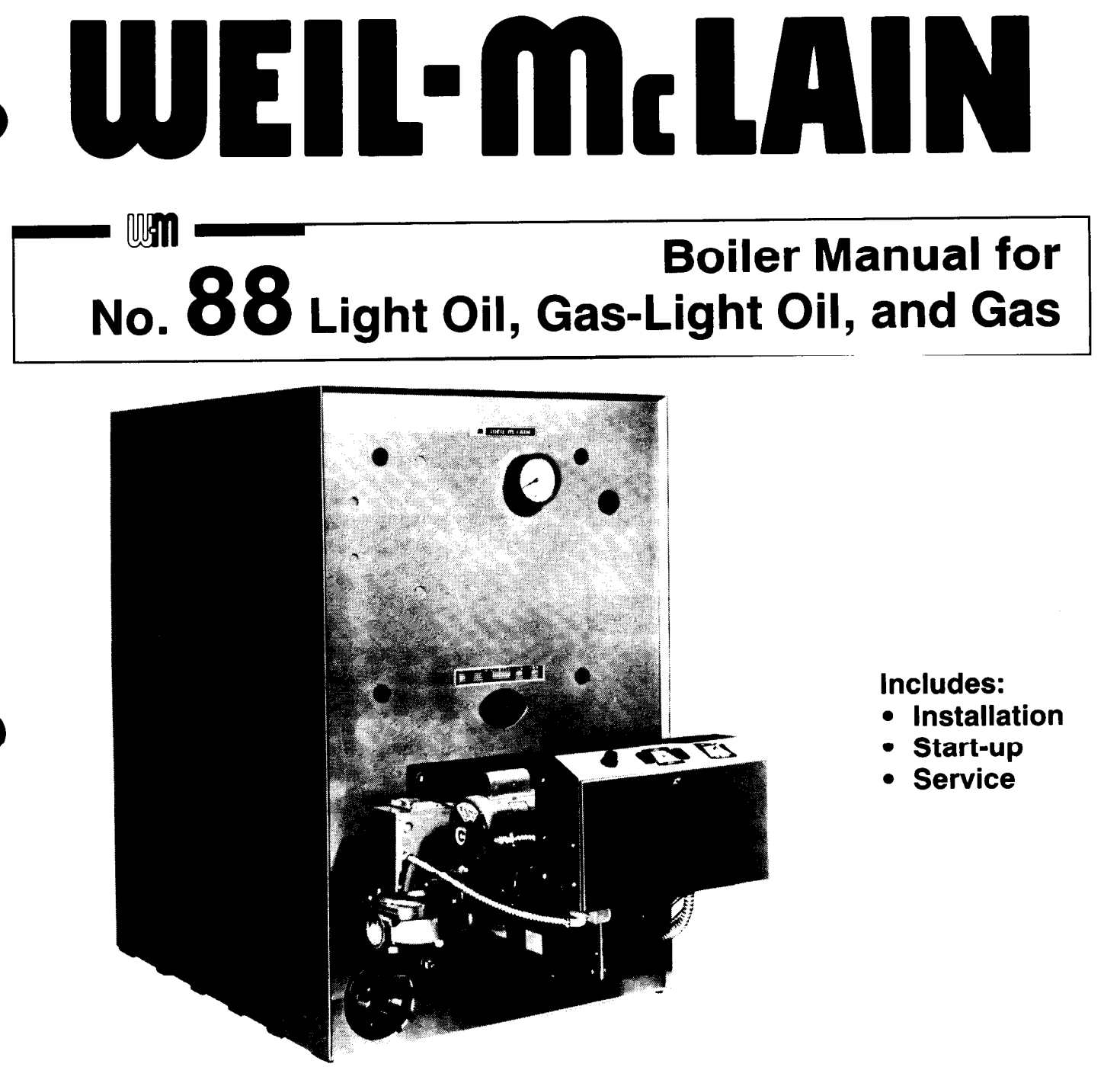
Then there may be a Viessmann steamer to replace it. I don't have access to older model numbers but the newer boilers may be one of these:
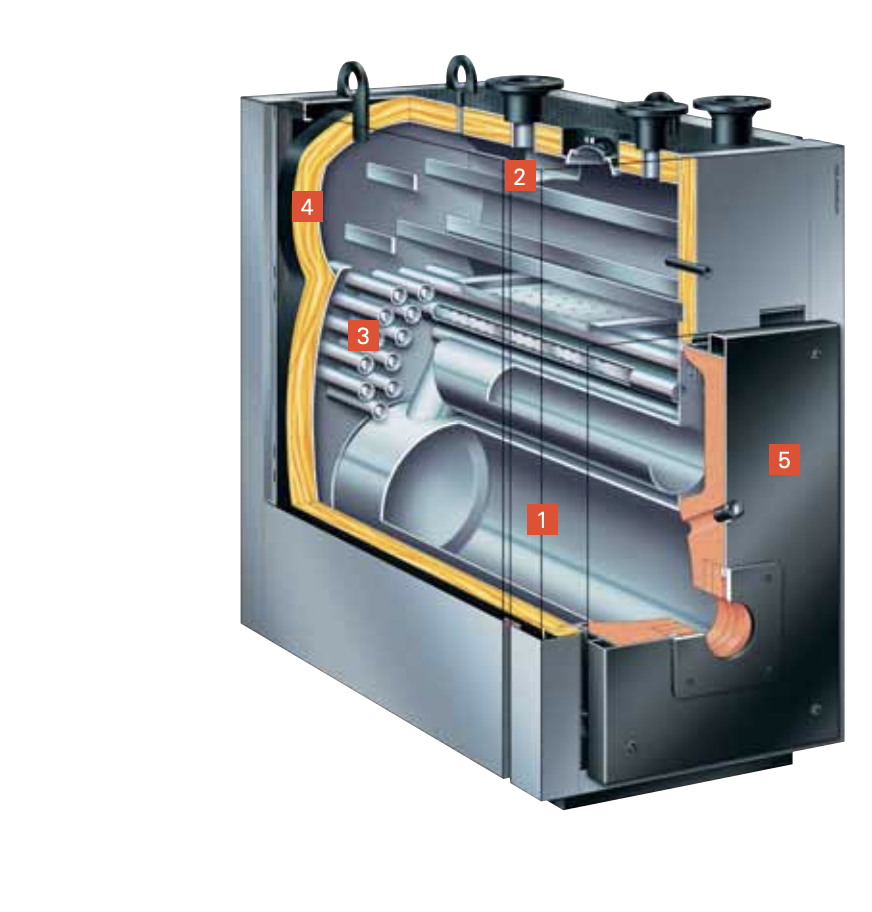
And this Viessmann may be able to be vented into a chimney after you follow @Jamie Hall's suggestion about inspection. The consensus is still "Follow the manufacturer's venting instructions."