Best Of
Re: Literature on Geothermal
Check with IGSHPA…I took some classes with them in the fall of 2024

Literature on Geothermal
Hello!
Looking to expand my knowledge into geothermal. Any good book recommendations?

Re: 1929 House -- decrepit waste plumbing
is that a piece of pvc pipe without a fitting sticking out of the wall or is that some sort of sleeve someone stuck around the pipe?
lead waste will have wiped joints, it won't have fittings, it will be cur and welded together with a blowtorch.
if tubular brass emanates from the wall without a fitting, i would suspect it is lead wiped in to brass.
 mattmia2
Re: 1929 House -- decrepit waste plumbing
» The tile is probably on mortar on metal lath and will outlive all of us
That is the plan.
Not a lofty goal now that i'm over sixty :)
FWIW all the piping I've removed/replaced in this house has been steel. I'm pretty sure, anyway, lead didn't occur to me.
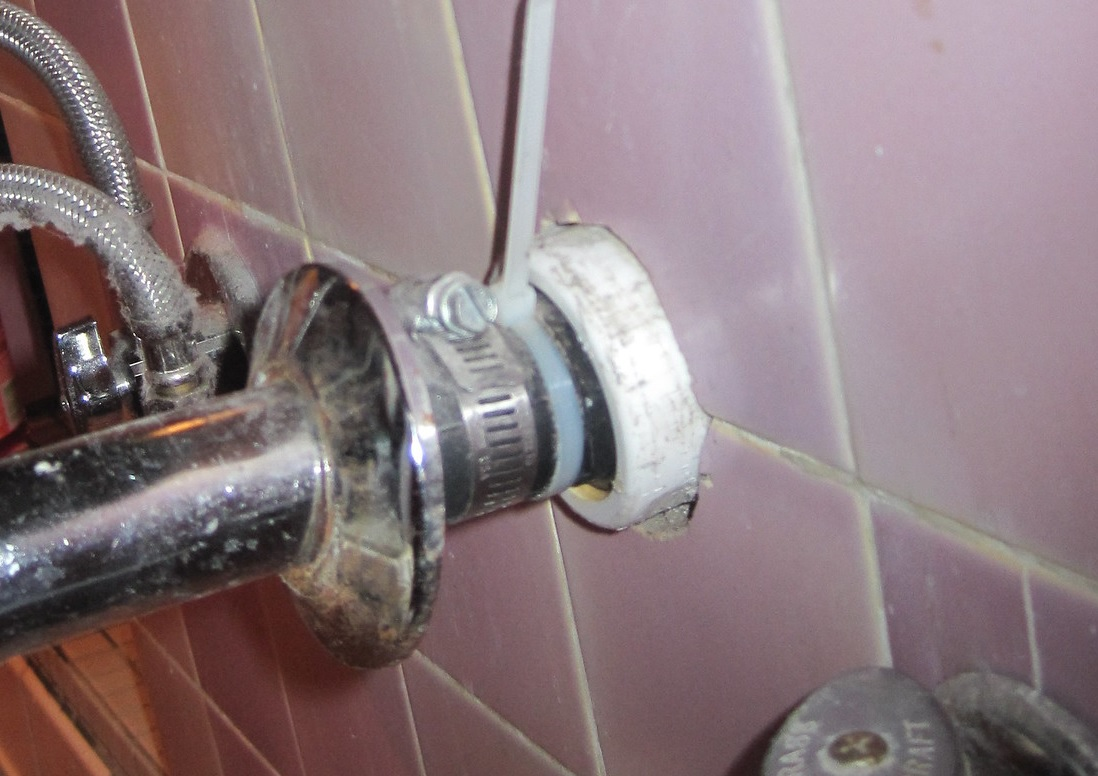
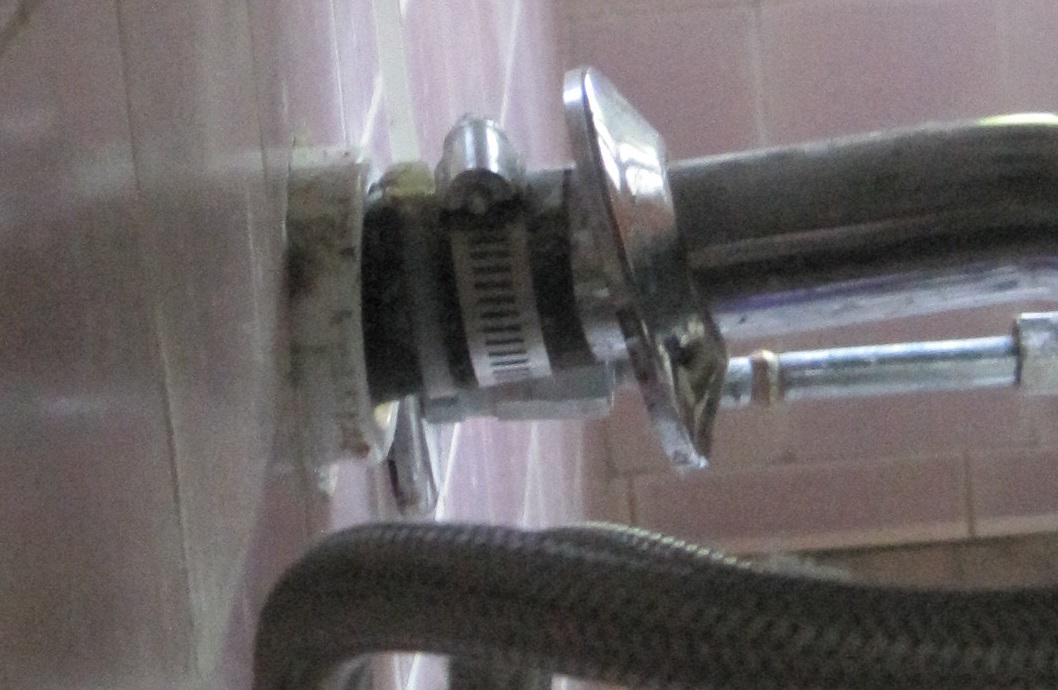
I had pictures of the drain pipe as it sits in the wall, with the fittings removed. Just wasted an hour NOT finding it. I did find the pictures below.. they're from an earlier iteration but you get the idea. Like I said, maybe two threads left and no room to cut.
 mattmich
Re: 1929 House -- decrepit waste plumbing
Quality plastic tubular waste is much more durable than brass if you don't mind the look, brass corrodes and cracks eventually, pvc usually only gets damaged if there is physical damage. it is slippery so it doesn't clog as easily either.
Can you show a close up of the fitting in the wall, all you can see of the outside and inside of it?
What kind of wase pipe is in the floor? If it is from the 20's it could be lead which is soft and brittle and pretty easy to break with an auger.
If it is steel there is a good chance it is rusted through and will start leaking somewhere.
The tile is probably on mortar on metal lath and will outlive all of us, i'd do whatever I can to keep it.
mattmia2
1929 House -- decrepit waste plumbing
Learned Friends:
This forum has been super helpful over on the Strictly Steam Discussion, so I'm trying my luck here. This is about a plugged sink drain in our upstairs bathroom. The picture below is from ten years ago or so, where the SUPPLY plumbing was coming apart. Pay no attention to the missing hot-water spigot…
Now we're talking about the sink drain. After several years of working fine — and being vigilant about keeping hair out of the sink — I noticed the drain had slowed considerably. I got out my trusty drain auger and went to work. VERY carefully, since I know that the plastic "nut" that provides the compression fitting to the cast-iron pipe in the wall is sitting on maybe two remaining threads, and the less disturbed, the better. It's circled in orange.
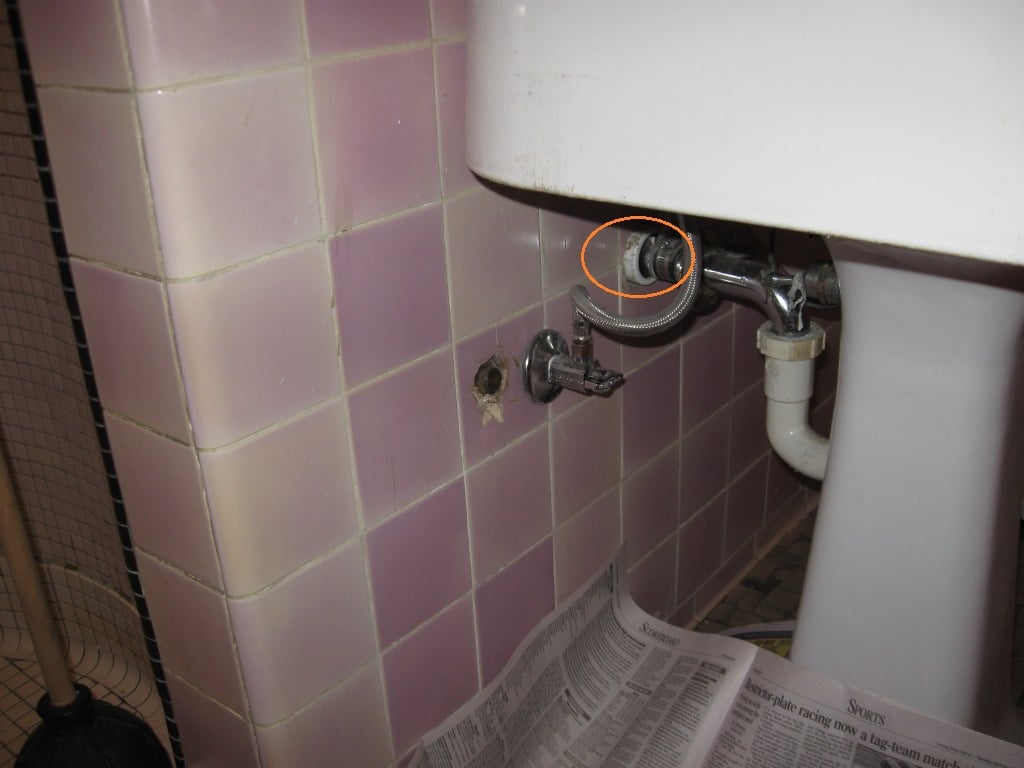
I supported the P trap from below and got the snake in there, running hot water as I go. It backed up pretty badly. Pulled out a hairball, no improvement, went in deeper to where I should be connecting with the the shower drain. All of a sudden, the water gurgles and drains. Success! I think about what to do for a moment, stupidly decide to move forward maybe another foot, and then come back.
Needless to say, somewhere along that process, and even though I did pull out a second small hairball, the sink is now 100% stopped up. The shower drains fine.
I theorize that I mostly pushed a large hairball deeper into the pipe, and when I got to the "T" with the shower drain, the water could flow around it. When I pulled back, the plug got pulled back a ways and stayed behind and sealed things up but good.
Does that make sense to you pros?
My plan:
First, buy a new snake with an intact head; mine is like a short and wide cork screw with three turns and a 3/8" diameter…it got mangled a couple of jobs ago. A smaller with more turns would probably dig into the plug better.
If that does not work, I will once again remove the sink and start over. A new P trap and all new hardware, preferably chromed made-in-USA material. I'm done with big-box stores for this type of work.
I'd love a recommendation on what and where to buy.
Any advice on how to deal with the corroded waste pipe? I'd love to be able to cut more threads but there is just enough room for that white plastic fitting.
It's not that I'm in love with the pink-and-purple tile, but it's original to the house and so period correct that it would be a shame to mess with it. If I can't get the fitting on there properly, the next step involves a chisel or a sledge… I'd like to avoid that another year or five. It's not money in this case, it's other jobs I need to do first.
BTW the other side of that wall is not accessible; there's an outside wall with brick veneer.
Thanks in advance for any suggestions.
cheers -matt
mattmich
Re: Co-op in Brooklyn looking for steam consultant, 120 unit, single pipe, 1950s building
Well now. There is a reason for load shedding when the voltage (or frequency) sags, but it isn't to spike the customers. It's to protect the utility's generating and switchgear equipment — and to try and protect the entire grid from collapsing. I agree that having consumer equipment turn off or fail to start is rather a bore from the standpoint of the consumer. But may I humbly point out that having some major piece of generating equipment or switchgear fail (and yes, today that includes the oddly delicate equipment which allows wind and solar to connect) is a bit more inconvenient for lot more people… and a grid failure, such as the recent one in Spain (they're still trying to figure out exactly what did happen) which might necessitate a black start may take days to recover from.

Re: Loud banging from wall (with video)
So there is no fitting for air bleeding under those doors?
It would behoove you greatly to add air bleeders to one end of each convector and also an air separator at the boiler.
For the convectors one could drill and tap the top of the elbows for a 1/8" coin air vent. Then solder the fitting in place. We are talking only 12-15 PSI pressure.
Just an air vent on one end of the BB heater.
The system would have to be drained for this project. I would do all of the heaters on both floors.
This may not stop your problem but you will need the air bleeders in the future.
The auto air bleeder at the boiler should prevent air from accumulating in the system.
How about pictures of the boiler piping, floor to ceiling all sides.
 JUGHNE
Re: Black soot around gravity heat registers
Hi @anne29b, @mattmia2 covered the points, but I'd like to focus on the soot. It is made in the combustion chamber, which should be completely separated from the air you breathe by a heat exchanger. That heat exchanger clearly is leaking. Older gravity furnaces sometimes had cast iron heat exchangers, so there could be the possibility of replacing a failed gasket. I've welded up cracked heat exchangers, but it's not a small job. Of course, there would be no soot if it were burning correctly, but the heat exchanger is the elephant in this room. The one thing I'd do immediately is to get low level carbon monoxide detectors and put them in bedrooms. Not to put too fine a point on it, but if the heat is on, you risk not waking up every morning. Currently you're doing 80 mph down the freeway and the steering wheel just fell off. 🙀
Yours, Larry

Re: 1929 House -- decrepit waste plumbing
Hi, I wouldn't use brass here because it will damage the remaining steel via galvanic corrosion. Going with PVC, if possible will be a longer term fix. 🤔 I'll add that solvent weld adapters are easy to find 😊
Yours, Larry