Best Of
Re: Makeup water causing boiler failure due to thermal shock
So all of the fear with Hartford loops etc on steam boilers yet hot water doesn't have it and doesn't even have a lwco?
 ChrisJ
Re: Steam Boiler Help
Well water leaks will cause the system to use more water but that is about it in the short term. I believe you have other issues that need attention too.
 109A_5
Re: Makeup water causing boiler failure due to thermal shock
If anything I'm amazed at all the comments about dry fired boilers.
ChrisJ
Re: Makeup water causing boiler failure due to thermal shock
- A house I was renting had a steam boiler crack. The LWCO was broken, the boiler steamed itself dry, and then returning condensate caused it to crack when it met the red-hot boiler.
- As part of my on-going experiments in improving (hydronic) boiler efficiency, I've settled on a scheme that immediately opens all of the zones in the house to do a 'thermal purge' cycle when the last zone is done calling for heat. This effectively means dumping a lot of cold water into a hot CI boiler, and it can drop the temperature from (up to) 180F down to 65F or so in a few minutes. I haven't noticed any detrimental side effects though, and the temperature change seems pretty gradual, as the cold water is mixing with the last-active hot water loop (plus the water + thermal mass of the boiler itself).
I'll definitely report back if I crack my boiler in half this winter!
 fentonc
Re: Makeup water causing boiler failure due to thermal shock
For what it's worth.... Part of my regular maintenance, is to put 8-way into the boiler. Fire boiler until it steams. Shut off. Fire on and off to keep boiler hot. For approx half hour. Drain boiler completely down. Fill, with manual valve. Full speed. Until boiler is full. With cold water. Drain and fill, drain and fill...until water is clean. Fill back up and fire.

Re: How to delete boiler coil and replace it with a HPWH
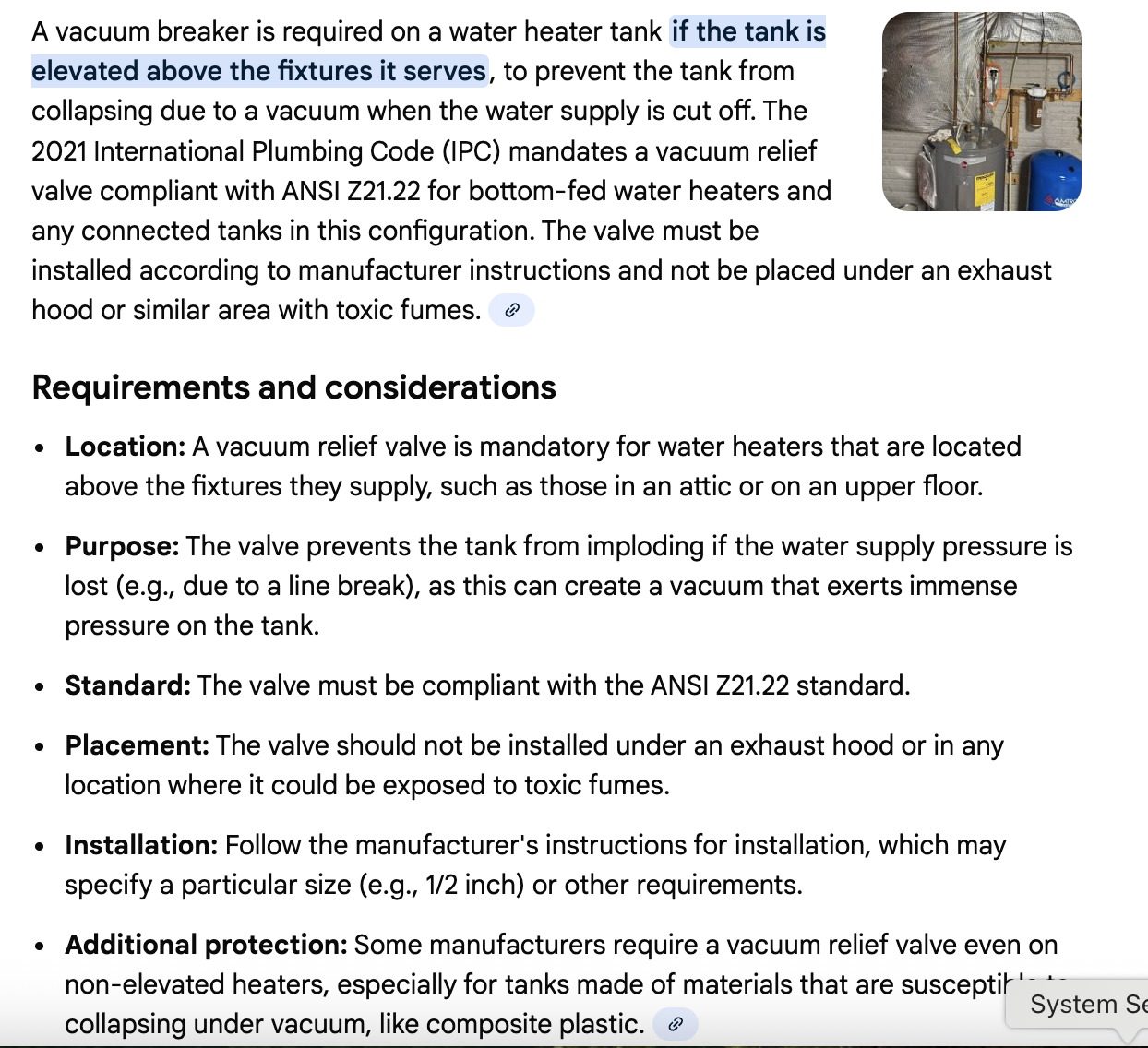
Plumbing codes indicate when a vacuum breaker is needed.
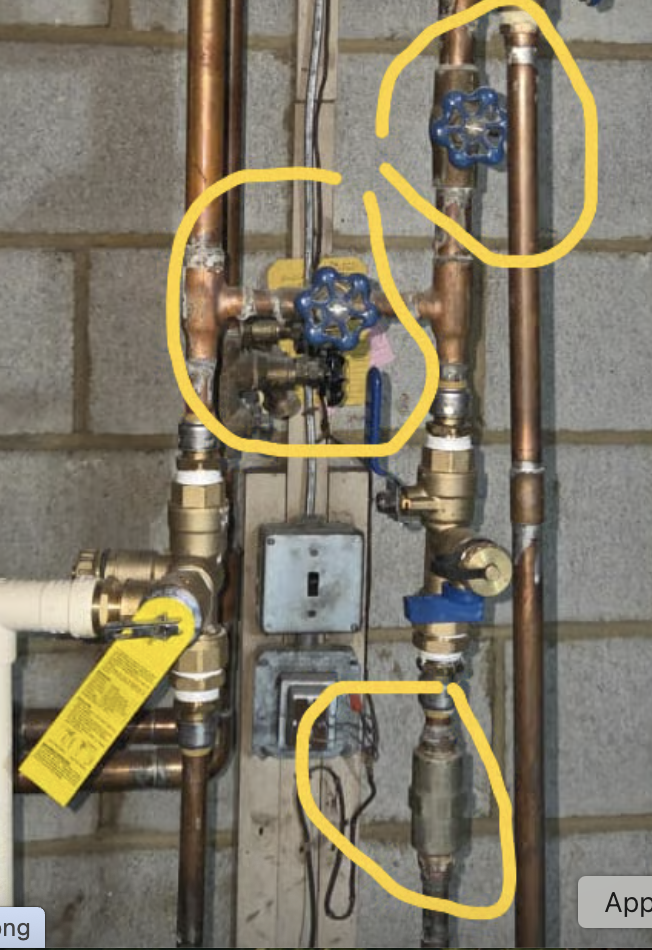
You don't need these purge valve, the bypass, the check valve, or the relief valve.
Just pipe cold to the tank, hot from the tank, delete all this. Use a new ball valve and flex connectors for seismic requirement, if that applies in your area?
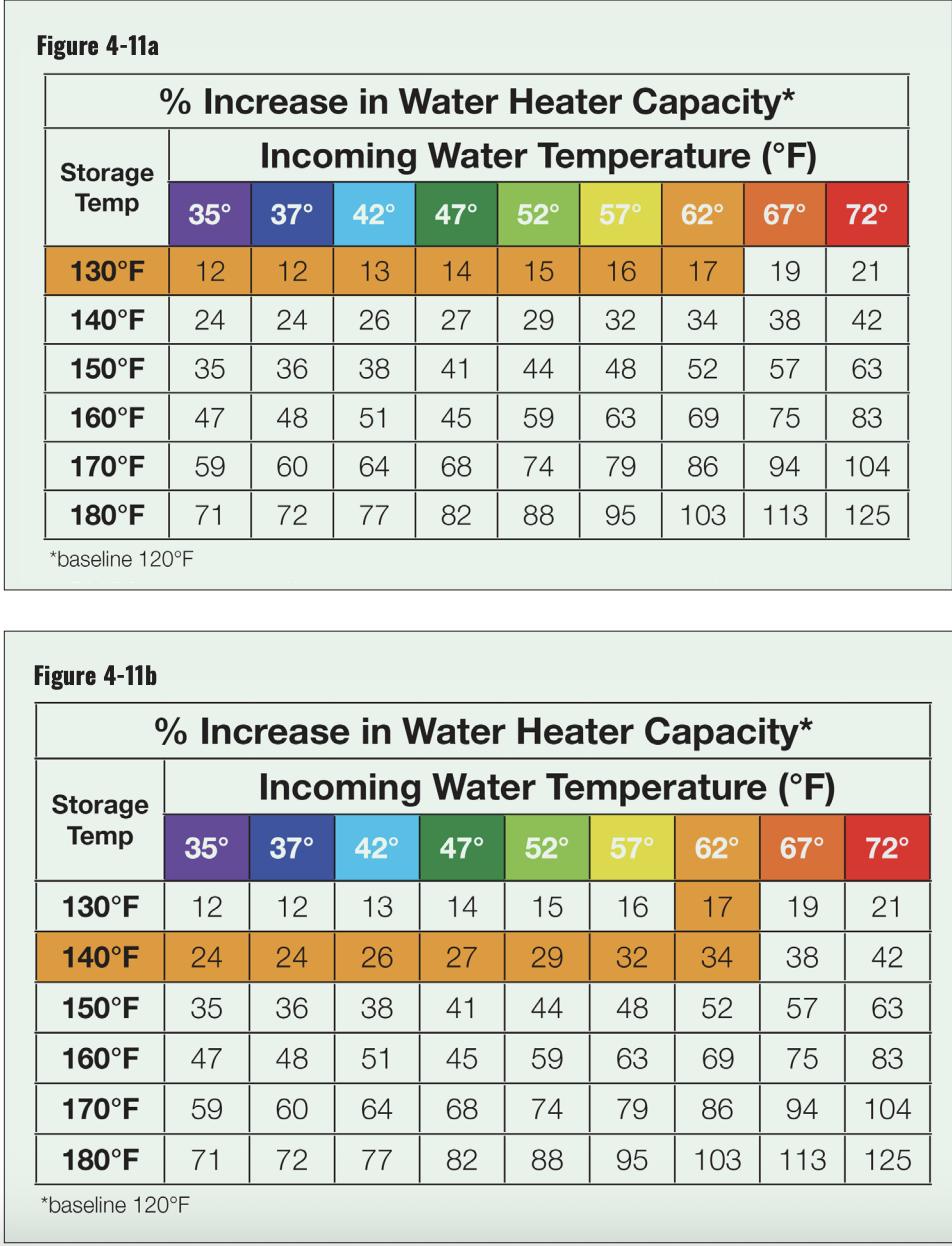
In some areas a thermostatic mix valve is added and the tanks operate to 140F durning the evening hours to leverage lower electric rates. With enough tank capacity you coast all day without starting the HP.If that applies in you area.
My power suppliers has a few low rate options, but they all have a catch, i.e. they can brown you out when the grid is falling behind, as a trade off for you off grid "deal"
 hot_rod
Re: Most reliable heating system for a home unattended for up to 3 months in winter.
what needs to be reset? most of the controls that lock out try a couple times before locking out, if they get to the point that they lock out, something isn't right.
 mattmia2
Re: Most reliable heating system for a home unattended for up to 3 months in winter.
The simple boiler that you want can no longer be manufactured due the the energy efficiency requirements. if you can find someone that will be happy with converting a new boiler from electronic ignition to a standing pilot system that uses a pilot generator that requires no electricity to operate the burner. Of course the circulator pump(s) wont work without electricity but you can get gravity heat during a power outage.
As a repair service company I had several customers in your situation. So I mighr. recommend that toy find a installer that will offer your this service. monitor your heating system with a smart thermostat and have a service agreement with someone that has a key to your house. That way when you get an alarm from your smart thermostat that indicates a low temperature condition, you call the service company with your key to have the repairs made before the home freezes.

Re: Steam Boiler Help
OK, some more details.
Why is the pressure so high, radiation to boiler mismatch, radiator EDR vs boiler Square Feet rating. Is the gauge accurate ? Does the pressuretrol work ? Pigtail and path back into the boiler clear of any obstructions.
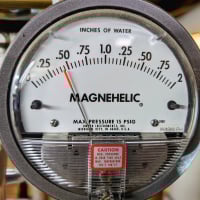
Your 5 PSIG is concerning. With your situation you may have an oversized boiler and/or other issues, my house heats fine at no more than 0.07 PSIG (2 inches of Water Column).
For best performance the boiler size should match the radiators' ability to dissipate the heat the boiler makes (the total of all of the radiators). The steam moves the heat. With the radiators they call it Equivalent Direct Radiation (EDR), with the boiler they call it 'Square Feet' on the rating plate, these two numbers should be close to each other. The EDR of each radiator can be calculated from charts of different radiator types then all the radiator's EDRs are added together.
A common situation is the boiler is oversized so the radiators can't dissipate all the heat the boiler is producing so the pressure rises, to me this is wasteful. The pressuretrol is suppose to shut off the burner when a certain pressure is reached, commonly 1.5 PSIG. Assuming the pressuretrol is set correctly and operating correctly it needs to be able to monitor the boiler's pressure, this is done through the pipes connecting it to the boiler. Very commonly the pipes (including the pigtail) between the boiler and the pressuretrol plug up with debris causing the pressuretrol to not be able to monitor the boiler's pressure. If you have an oversized boiler the pressure will keep building (until the thermostat is satisfied) since in this example the pressuretrol can't sense the boiler's pressure and shut off the burner.
A redundant pressure gauge like 0-5 PSI can be added as a second opinion of the system pressure and to verify the pressuretrol functionality.
Pipe pitch correct, can the system drain condensate back to the boiler properly. Any low spots that traps water. Incorrect piping that traps water.
Since you have odd noises and hammering and water coming out of the vents, besides possible excessive pressure issues there may be water (condensate) puddled in places where it should not be. So the steam pushes it along to places it should not be. In a steam system the pipes should be pitched so they drain correctly, minimizing the amount of condensate in a steam pipe. With age, renovations and other issues the pipe pitch may not be correct in various places trapping water where it should not be causing problems. The system's pipes should be visually inspected (possibly using a level if needed) for proper pitch.
Clean boiler water, skim to remove any oil.
The boiler works best with clean water that is not contaminated with rust or oil and other stuff. Draining the contaminated water can help remove the rust in the water however fresh water has oxygen so draining and refilling should be done as little as possible. Skimming is a process to remove oil contamination from the top of the water. Oil contamination will cause the boiler water to do strange things. Most boilers have a skim port which allows the oil to be drained away from the top surface of the water.
If you don't have the boiler's manual, with the make and model you probably can find one on the net and it should show where the skim port is.
109A_5
Re: Steam Boiler Help
OK, so what is the game plan ?
Are you going to learn about your steam heating system and do the work yourself ?
Be a knowledgeable homeowner and hire a pro to do the repairs ?
Understand the issues and just live with them ?
Other ?
This may be one starting point;
We Got Steam Heat!: A Homeowner's Guide to Peaceful Coexistence
109A_5