Best Of
Re: Can a new steam system be installed in a new residential house?
It's not AI, I've posted in the group before. Yes I edited the post because I didn't want to come off grandiose saying a bunch of boiler techs still exist. The Main Wall is describe as being a place for general discussions. Don't think too deeply on this post it is simply just to "shoot the breeze" and discuss with people who actually discuss heating systems.

Re: Blower motor shaking but not starting
Yes reverse the red that is on #5 with the black that is on A

Re: Can a new steam system be installed in a new residential house?
most new houses have very poorly installed hvac systems as well as all the other mechanical systems and terrible drywall installs and finish carpentry…
 mattmia2
Re: Can a new steam system be installed in a new residential house?
Or it could be converted to propane.
I have often thought about this and what kind of system I would install, but its more like a dream.
I have lived in houses with steam (first 3 houses growing up), oil fired+ my grandfather's house (coal fired), 1 with warm air (awful), and my own house for 33 years with BB hot water (monoflow). Electric heat now😖.
New England used to be over 80% oil fired so my first years working almost everything I worked on was probably 70-80% oil fired steam, some oil fired warm air and oil fired hot water. By contrast the company I was working for also had an office in Hartford which seemed to have a mix of steam, HW and warm air and the first gravity hot water system I ever saw.
Often thought about the "Iron Fireman" mini tube copper system like @gerry gill has used. I worked on one of those systems (also in Hartford) a larger system in a church.
I was very happy with my monoflow system for 33 years it was fine (except when having to bleed it 😔) Seldom ever had to do anything to it except replace the circ., expansion tank and PRV. It was a millivolt system.
I think I would go with the mini tube just to have something to fiddle with.
My HW system didn't break often enough😊
Re: Can a new steam system be installed in a new residential house?
The eccentric homeowner has endless money made from stocks and bonds LOL.
Re: Main vent questions - newbie
You could disconnect the pipe at the Red arrow add two 90 elbows and a few nipples to pitch the vent pipe the other way. However I'd wait and see if it is actually needed. If the Steam / water vapor seems to affect your wood in the area of the main vent you could use aluminum flashing (or the like) as a barrier.

Personally I like the Barnes & Jones Big Mouth Main Air Vent. The air exhaust port is not at the top and it is threaded, so more versatile. Additionally this vent can be dissembled for service, etc.

 109A_5
Can a new steam system be installed in a new residential house?
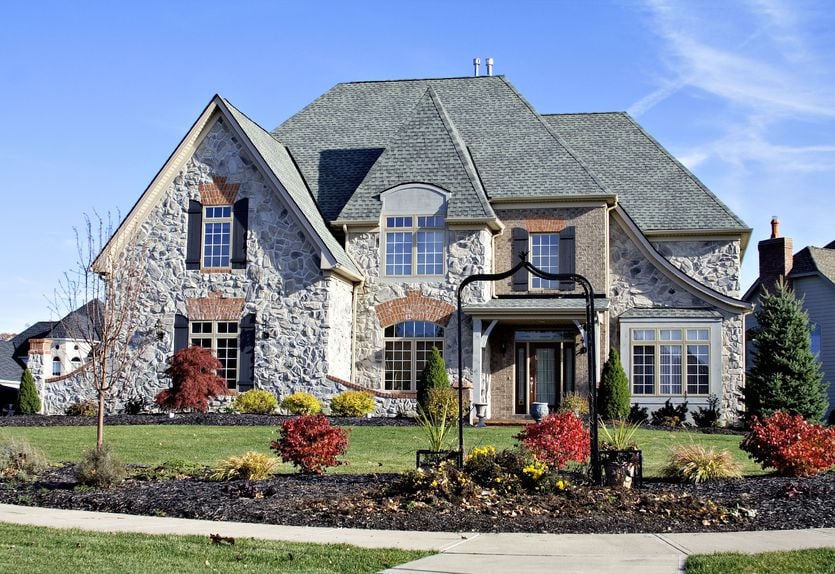
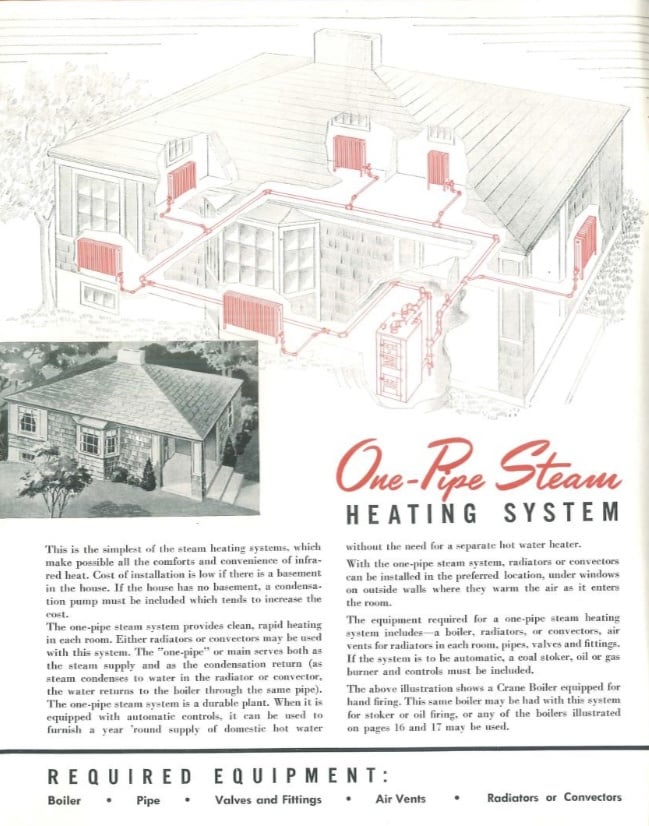
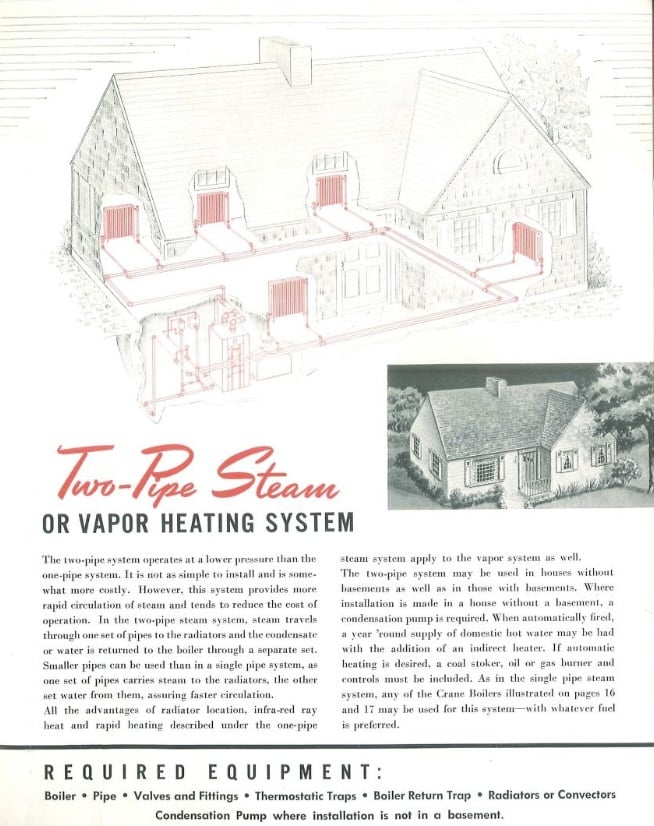
Looking through some vintage Crane/American Radiator Company catalogs got me to wondering if steam is even still an option for new construction residential houses or even old houses undergoing major renovations (gutted to the studs)?
Keep in mind, location matters so I’m referring to Northeast/Midwest/Canada and other cold regions where -edited- professionals exist to install and service boilers. With this hypothetical scenario, money is no object for the homeowner. Use this image from Google as the theoretical new build house we are trying to heat with steam. 😃
From Crane brochure:
Re: Does metal radiator cover affect performance? Absorbs heat or passes it along?
Cutting the lid where you marked it seems an easy immediate remedy for cat and masters. Cats are finicky though. He may like to walk the plank to find his optimal temperature zone😁. Obviously which end you leave him will impact the propensity for a warm seat.
Shield you could probably hook on from the inside. I would lean toward sheet metal or aluminum over an insulating material. Trying to enhance convection, not seriously reduce conduction and radiation.

Re: Can a new steam system be installed in a new residential house?
Obviously, installing these systems is labor intensive. Which is why they mostly went out of style around world war two time. My dream is always been to build one from scratch. Give me the check and I will be right there!!!!!!

Re: help design plan for hydronic and wetback on fireplace
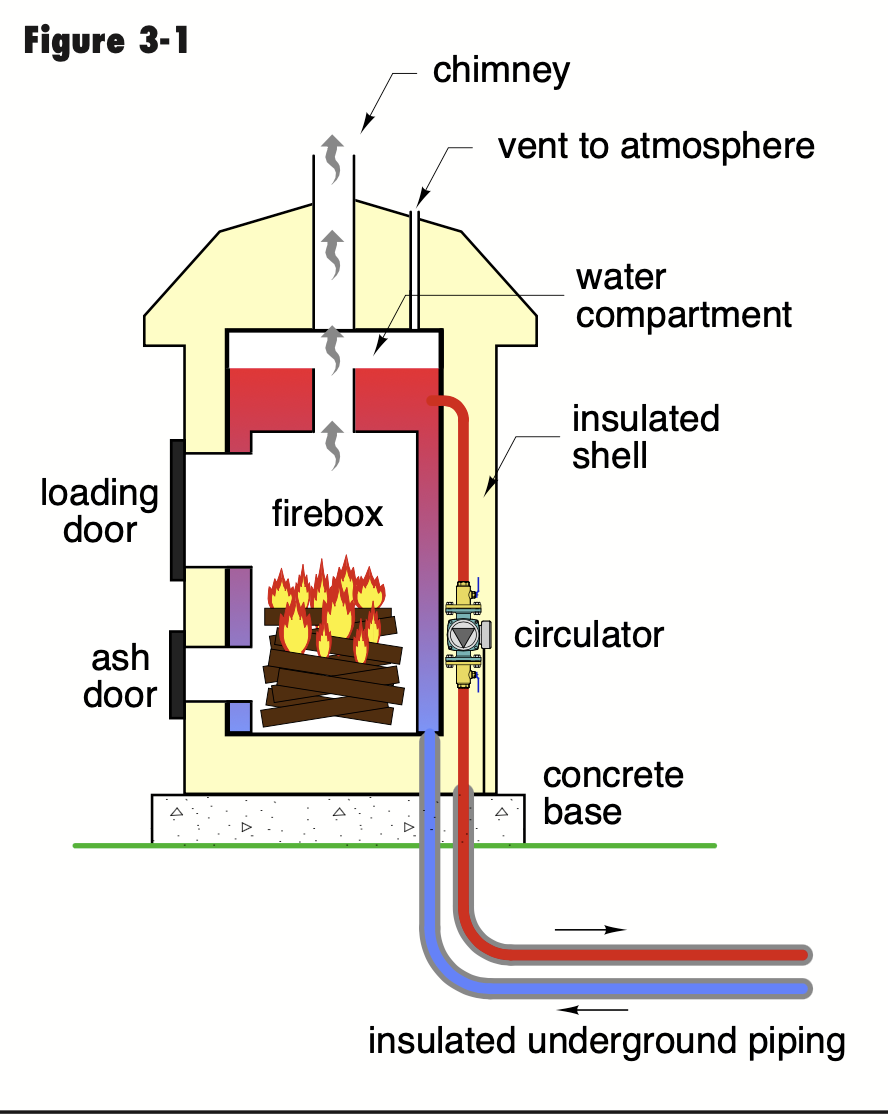
Safety first! Most of the wood heat system these day are open unpressurized systems, to avoid steam explosions.
Typically we see outdoor type wood burners to keep the mess and smell outdoors, like this. Basically a fire under or in a barrel surrounded with water, open to the atmosphere.
Back in the 1970 there were many add on or add in products. The Hydro Heat was a tubular wood rack that went into the fire place, build the fire on top, to heat the water. Weld or bend, I would not use threaded connections.
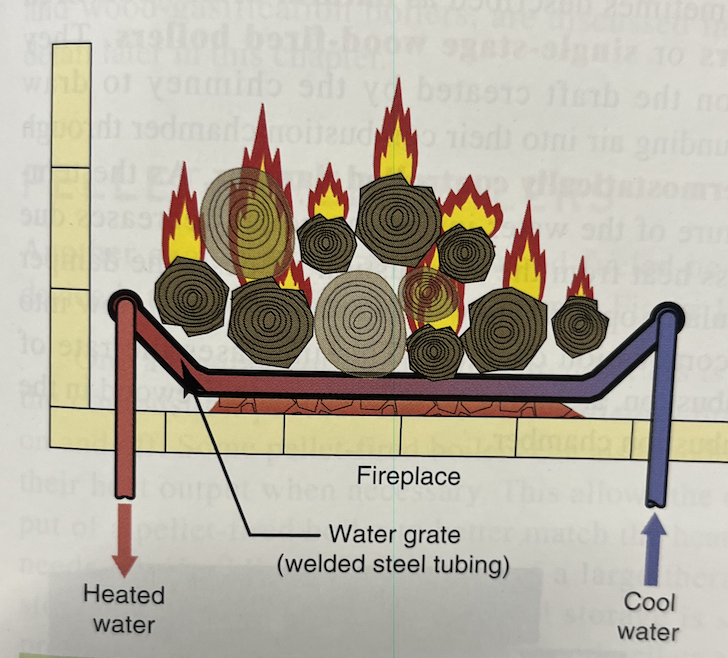
I build a number of barrel stoves with coils wrapped around the outside.
What size fireplace and how much heat are you needing?
I would pipe any fireplace heat exchanger to a buffer or storage tank. This give you some overheat protection and storage to run through a no- fire condition. With a tank next to or above you can thermo siphon without needing a powered pump.
Pump from the tank to the heat emitters.
With any homemade device you need to be careful not to pull too much heat from the fire which will cool the gases and form creosote quickly. I like to keep a thermometer on the stove or stove pipe to keep an eye on burn temperature.l
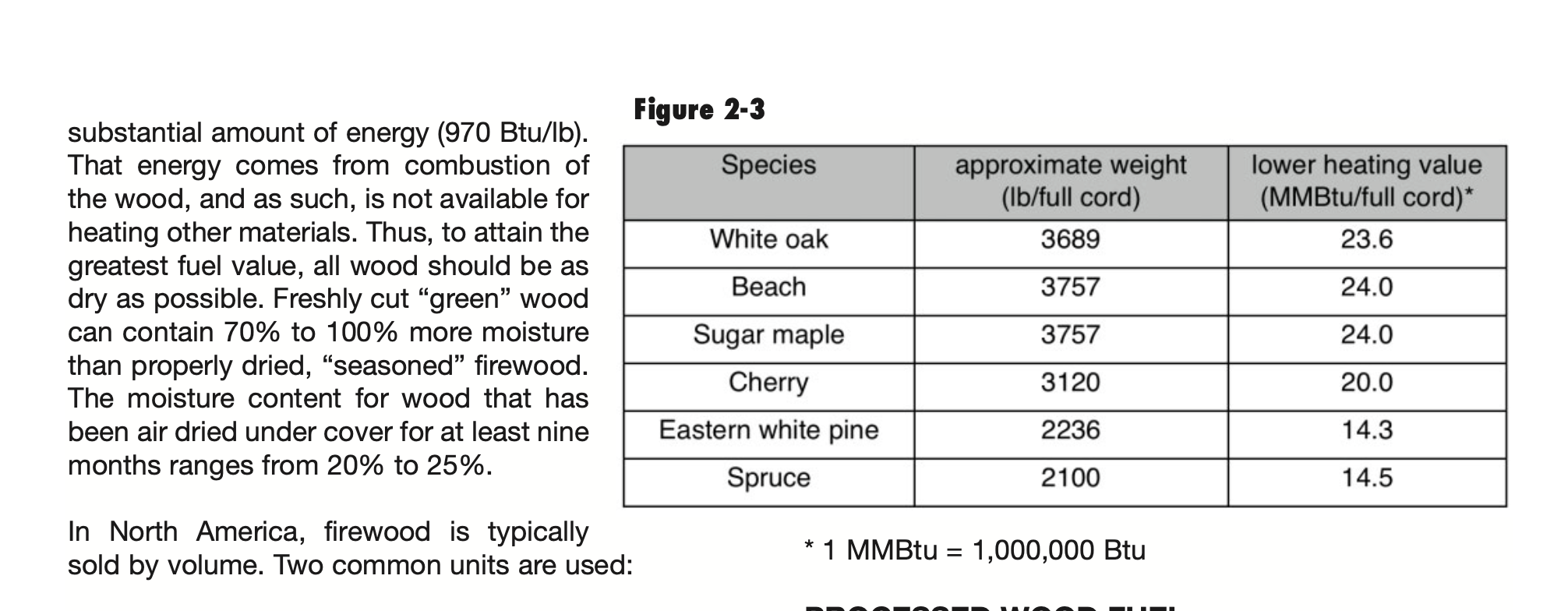
Here are some examples of how much heat you could expect from various wood types. Dry wood is much more user friendly, more heat, less creosote potential.
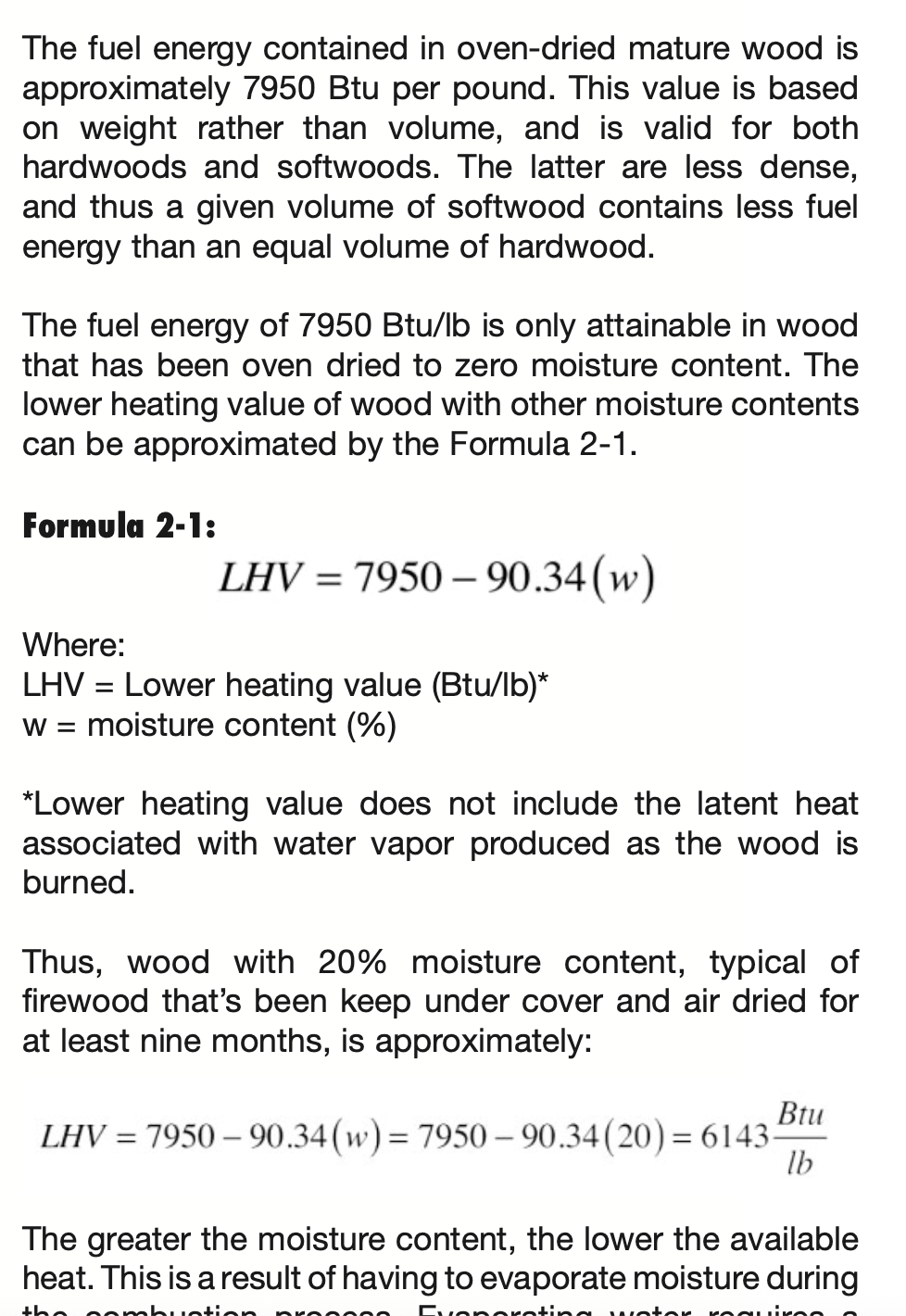
The distribution loop from the tank to the heat emitters can be as simple or complicated as you want. A back up boiler ties in downstream of the tank
I would start with a calculation of how much heat the building requires. Do you want to heat 100% with wood, or depend on a supplemental source?
Do the system need to be automatically controlled, if the fire dies the back up kicks in?
Some ideas here on technology, formulas, piping and control options.
The 850 page! "bible" of Renewable Systems with all the info from load calculation to final design
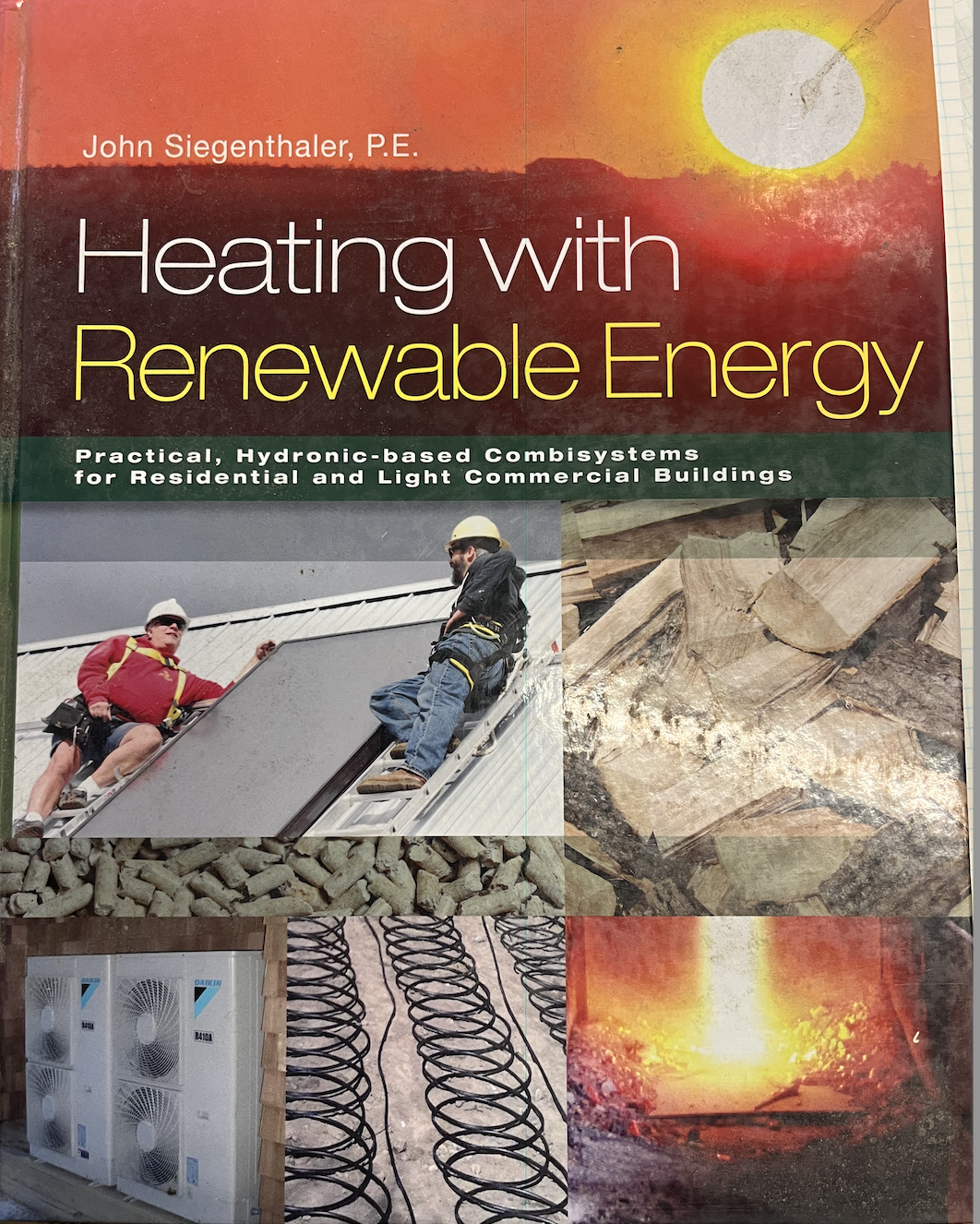
Go to the "boiler room" at a website called The Hearth, lots of homebuilders over there. www.hearth.com
 hot_rod