Best Of
Re: Low water cutoff not working after cleaning pigtail
Well if it fell apart that easily, maybe it is better to find out now rather than in January. Hard to tell exactly what is going on in the picture. Although it looks like mud accumulation at the bottom of the hole in the picture.
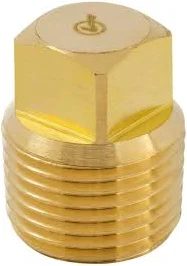
To me it looks like the threads are either all gone or all filled up metal from the old plug. If there is nothing left of the 3/8 inch threads maybe it can be drilled out and tapped for 1/2 inch threads. With a 3/8 inch pipe plug you will know quickly.
 109A_5
Re: Stupid Little Bracket
put some fiberglass or similar sleeving on it when you reterminate it. if the wires to it short it will not sense rollout
i would have used a little piece of hanger iron to make the bracket
 mattmia2
Re: Expansion Tank Orientation
Yikes!
I always get down in the dumps when I fail to explain a situation succinctly. Paragraph 3 of my original post was my best effort at describing the piping and I was sure the photo cinched it. The red tank is the expansion tank, the gray tank is the air separator and I wish I'd never mentioned the blue tank because it just created a distraction. I just thought it was a good example of how air could get on the wrong side of a bladder. Oh well.
I do appreciate all the input but frankly I don't find any of it really speaks to the issue. I'll just put my tail between my legs and walk off stage here but will offer one final question. If it doesn't matter if air is on the wrong side of the bladder then why do you all suppose anyone ever invented a bladder tank? My understanding has always been that it was because someone thought it would be a good thing to keep the water and the air from coming into contact with each other. What I get from you all is that you don't agree and, hot rod, that the manufacturers don't seem to agree either. Go figure.
As for me, I'm going to keep on piping bladder tanks so that air is not encouraged to enter the water side.
ccstelmo
 ccstelmo
Re: Switch vs VFD for submersible well pump
I've got a little experience in this area. We currently have two of the Grundfos Constant Pressure systems, and two of the standard single speed submersibles (spread out over different places, but I pay for repairs on all). There are advantages and disadvantages to both. I have a constant pressure system here at my house/main farm. It was originally a single speed submersible, but the tank went bad and I upgraded the whole system. The VFD really does allow the pump to cycle less, which is good. I can't speak to energy use, but overall I've been satisfied. I've got the pressure set at 60 psi, which is awesome for cleaning up equipment and filling tanks - and the showers in the house are like going to a car wash. The pressure stays between 59-62psi no matter what the demand is (within reason). The main single speed submersible that we have is at a farmstead where we mix most of our spray loads. The pump was put in in the early 90s, and has never missed a beat. I'm sure it's on borrowed time, but I'm not messing with something that works. That particular pump replaced a jet pump that was put installed in the 60s, which replaced a pump jack put in when the REA came through in 1939.
Someone mentioned lightning. I suppose the CP system might be more susceptible, but my experience has been that when there's a lightning strike, we're going to need a new pump. And new TVs and appliances. The second single speed has been replaced twice in my memory - both times due to lightning. It has a surge protector, which may or may not have saved it a few times - hard to say.
The constant pressure system is very particular about the placement of the pressure sensor. Much like anything, it is important to have a professional that understands and is trained on the system install the thing. But honestly, since my kids are drinking this water, I'd say let's go ahead and use a professional for anything well related.
The tank on my house CP system (15 gpm) is a 1 gallon tank. It looks tiny but has performed beautifully. That being said, if I didn't have an automatic generator, I'd rethink the installation. The time between when the power goes out and when the water stops is pretty quick if you're in the shower somewhere between lather, rinse and repeat. 30 seconds waiting for the generator to kick in isn't too terrible.
Finally, we had a problem a few years back at the well where the other CP system is located. The pump was at 65 feet in a well that was 108 feet deep. During the summer, the static level fell below the pump. The CP system shut itself down (until the pump was lowered). My experience has been that a single speed in the same situation will run until it burns up.
Sorry for the long post.

Re: Partially Replacing Hot Water Boiler with Furnaces
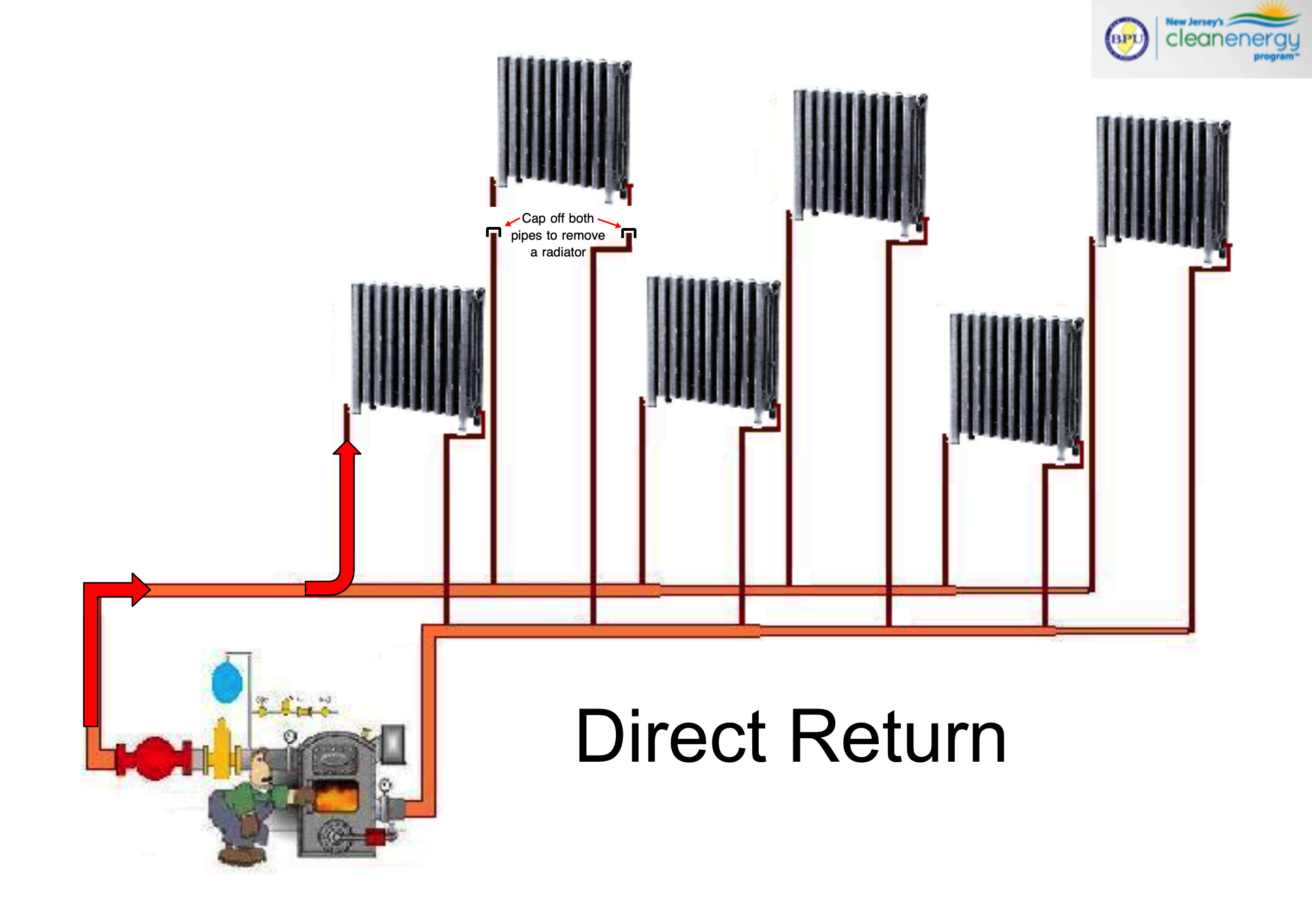
You most likely have an old gravity parallel direct return system. That means the for every radiator you remove you need to cap off both the supply and return pipe to the radiator that you remove in order to fill the system up with water to turn the boiler back on. If removing radiators is what you are asking about.
If you are talking about the rest of the potable water piping in the building, then you may want to use space heaters in the rooms that have pipes that may freeze.

Re: How to- controls question
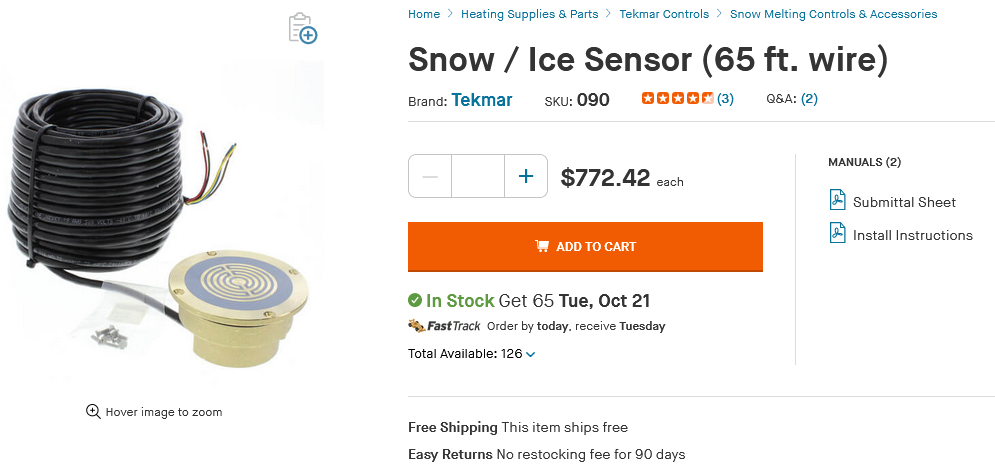
That's expensive wire, $3.95 / ft. more for the longer version. I wonder how that sensor would hold up in that car wash environment.
 109A_5
Re: How to- controls question
I think tekmar has more general purpose controllers that be programmed to do it all in one control.
mattmia2

Re: Shopping for new mod/con, set me straight!
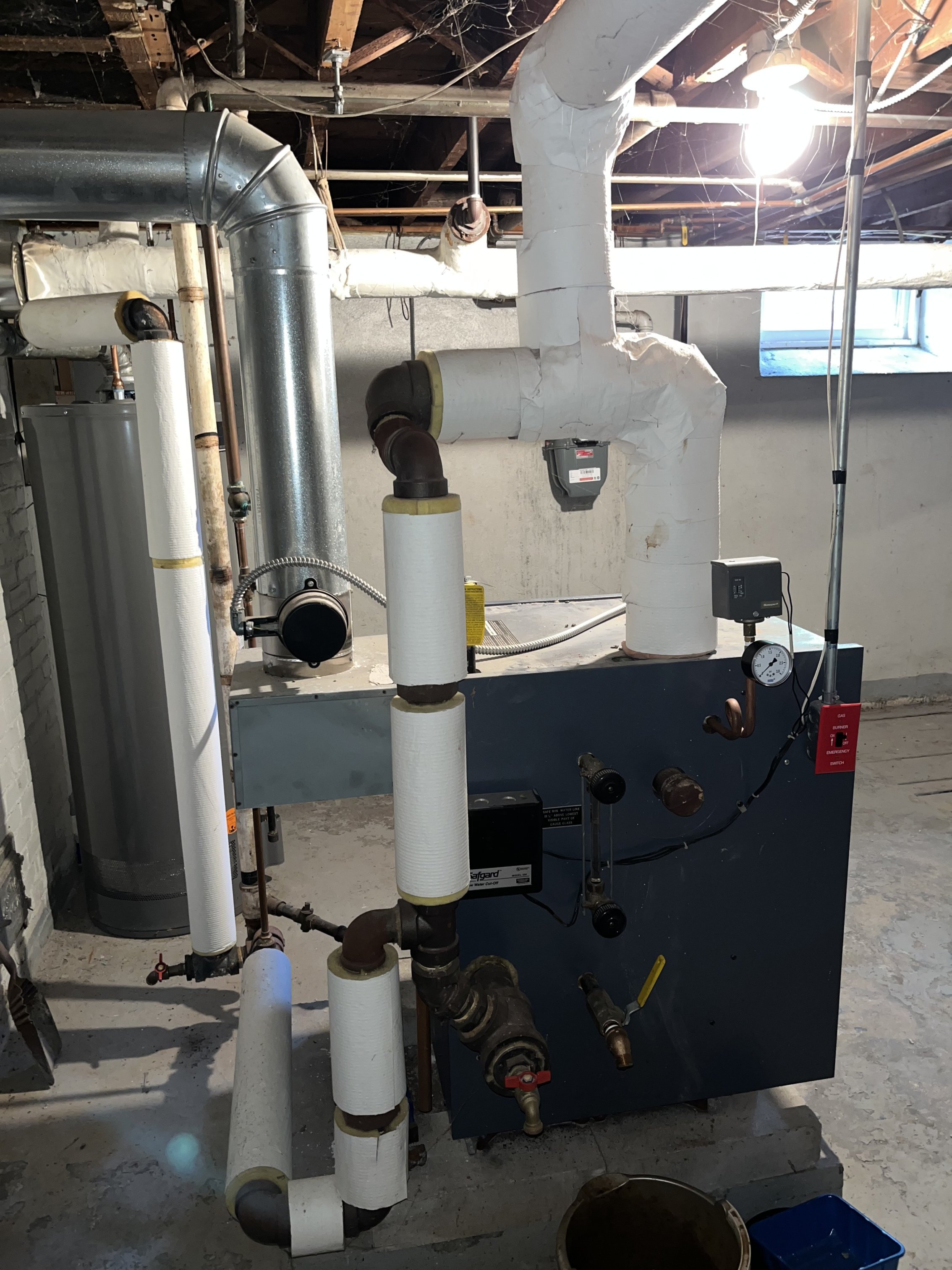
As far as quality, The Rinnai unitsa verg good..mad Dog

Re: Mega press for steam question
I wouldn't use either one on steam if I had the choice.
