Best Of
Re: Literature on Geothermal
"This is important, because our observations with my brother's field, a big 30x60 with 1800 feet of tubing in the 1800SF would cold soak pretty badly deep into the season. His soils were drier and less dense and not good conductors as @DCContrarian was talking about. We did not get much edge effect and that large contiguous field got below freezing by the end of the season."
Frozen soil is a much better insulator than unfrozen soil. If the soil freezes then the capacity of the field drops precipitously and it's pretty much game over.

Re: Radiant Floor Heating System – Is a 10°F Single Space - Same Zone Temperature Difference Acceptable?
Does the alcove probably has a high load? 3 outside walls? Lots of glass or doors that are low R-value.
Unless the alcove room can be doored off from the rest of the room, I don't see a 10° ambient being likely. Hot goes to cold, always. Unless there are some infiltration issues also?
The key number to check is floor surface temperature. , vs the load of that various areas. 2 btu/ sq ft for every degree difference between floor surface and ambient.
70° ambient with 80° surface= 20 btu/ sq ft. Oddly enough the cooler the air, the higher the floor output. So if the alcove is 60° and the floor 80 then 40 btu/ sq ft.
Plates over slab? How is that insulated below?
 hot_rod
Re: Lochinvar burner cleaning
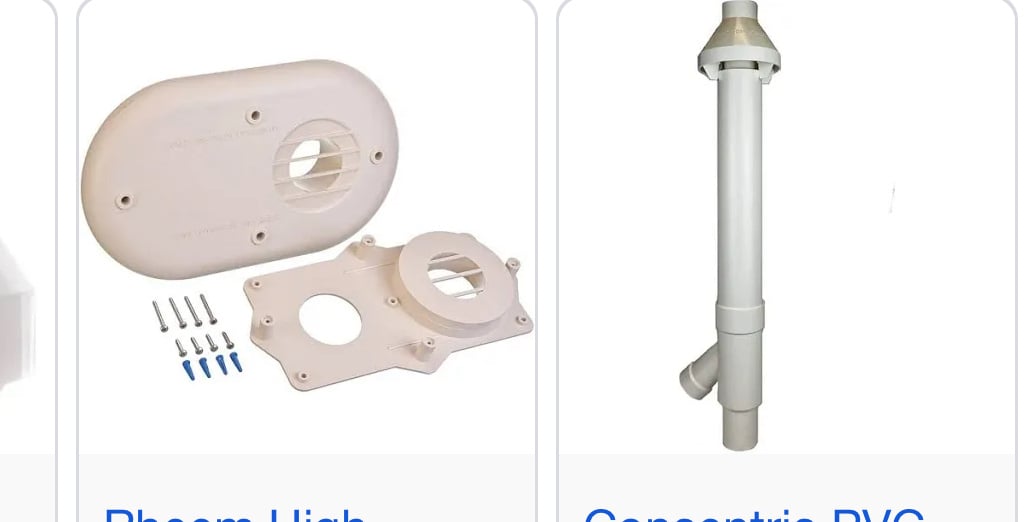
I not a big fan of either concentric exhaust or the cover with both pipes attached
I would like to see the vent out the roof, or the two pipes several feet apart if out the side wall
Your manual should have an entire chapter on venting procedures and locations
 hot_rod


Re: 1966 heating oil tank
When you have a new tank installed, the sludge will be removed with the 59 year old tank. Then fresh fuel in the new tank. Nozzle, filter, strainer, combustion test, done. What the tank looks like on the outside is not what it looks like in the inside.
 HVACNUT
Re: 1966 heating oil tank
You can get a plain steel tank like you have, or Granby sells a steel tank with a liner or you can get a Roth SS tank.
If it was mine and it shows no signs of leaking which your does not I would move the oil line into the top of the tank. Save up some money and make the switch in a year or two. Plan the install so the tank is below 1/4 full when you make the swap to make it easier. If you plan on staying in the house the longer warranty make sense although like most warrantys they look for ways not to pay

Re: 1966 heating oil tank
The sludge is only one problem with a tank that age. The main problem is internal corrosion. Since oil is lighter than water, condensation from changing temperature and humidity will settle to the bottom of the tank, which is steel and will rust. You cannot see this from outside.
A significant leak in an oil tank can turn your house into a hazardous waste site at immense cleanup cost. Most home insurers no longer cover this unless a specific rider is added to the policy. It's time for a new tank if you keep the oil burner.
 bburd
bburd
Re: 1966 heating oil tank
Well the tank is 60 years old it probably does have some sludge. These tanks don't last forever so I would start saving for a replacement.
We can't talk price on here but I will just say I would get other quotes. Changing it during the summer is best to do a planned change over rather than an emergency one.
You could buy some oil treatment "HOT" is one brand you can look on line..
The oil line could be rerouted to pull oil from the top of the tank keeping the suction pipe 6" up from the tank bottom to buy you some time.
60 years is a good run for a tank. If no signs of it leaking I would budget for a new tank and run the one you have for a year or so.