To solder copper tubing
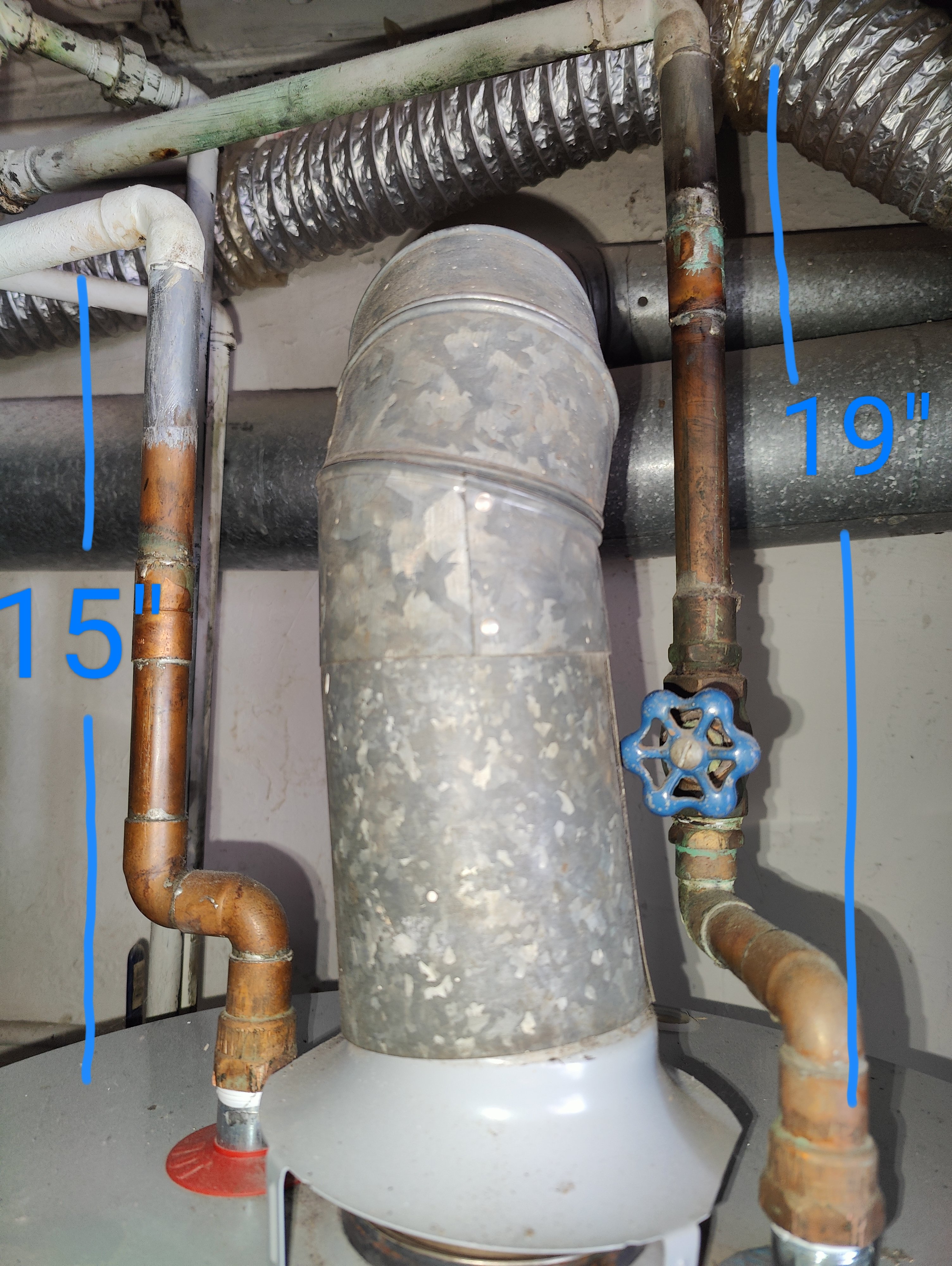
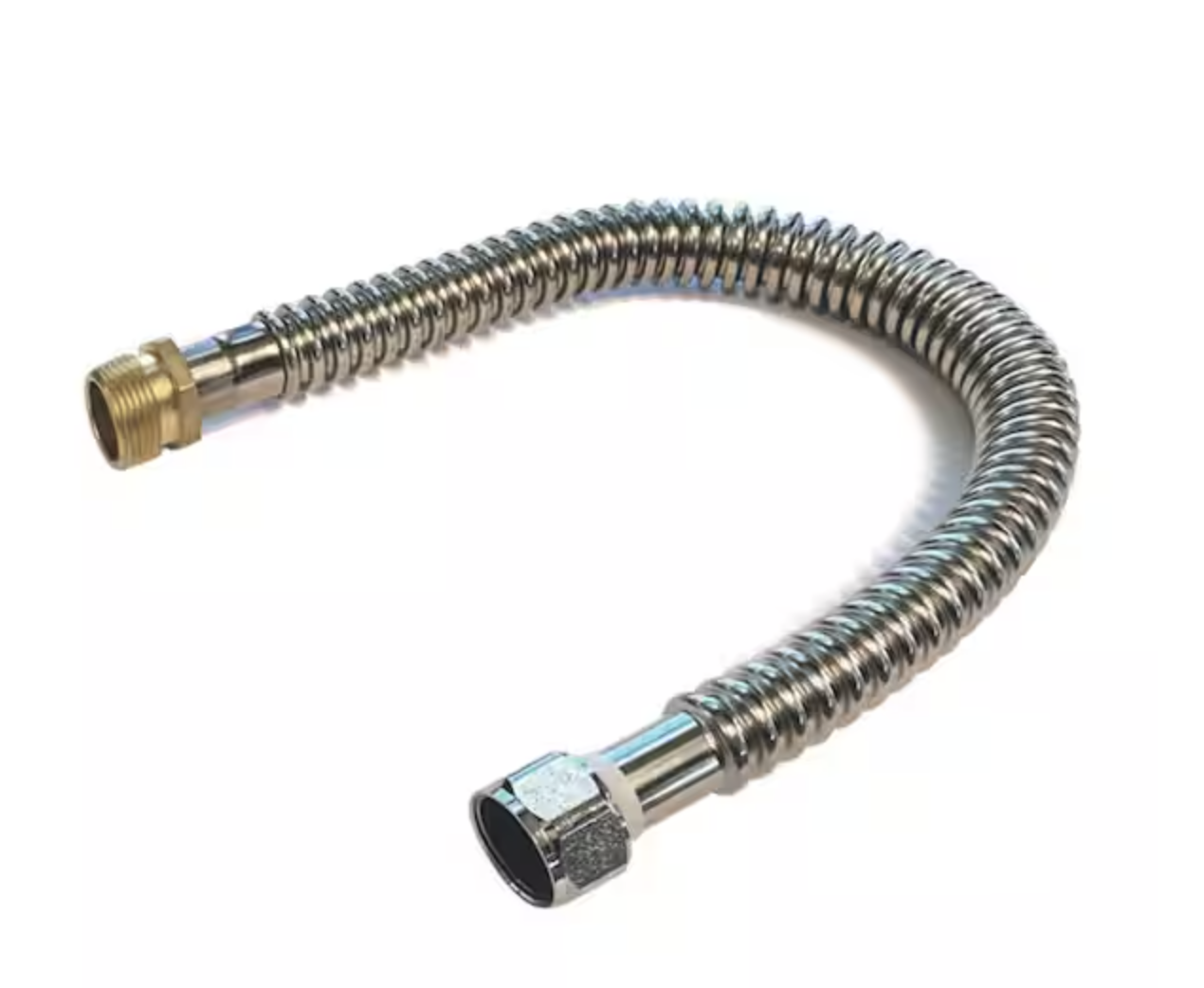
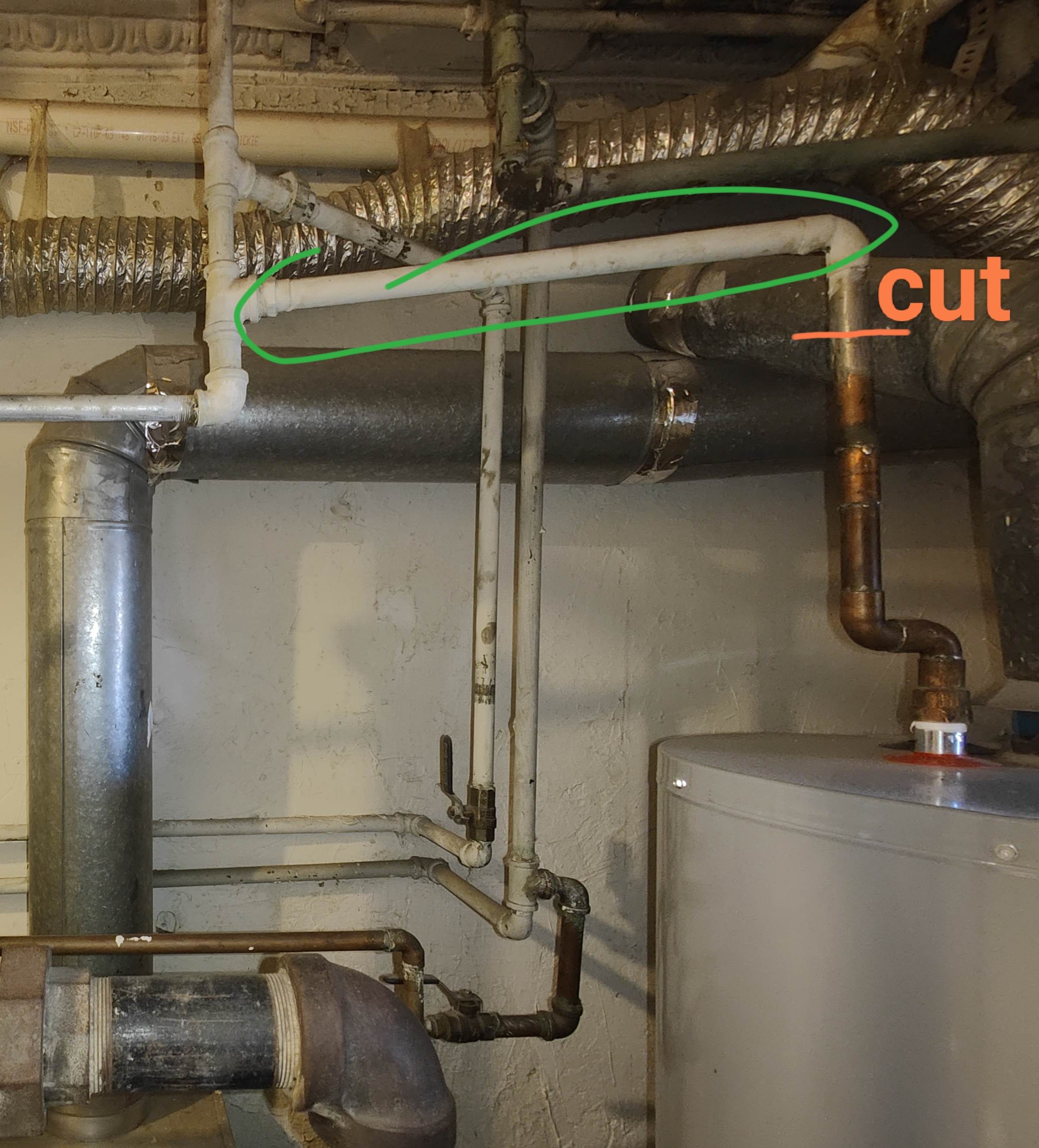
I need to disconnect the water heater. To make it easier to reconnect, I want to replace the vertical h and c tubings with flexible ones. What is a good point to cut the tubing and adapt to npt? These are 3/4 copper tubing.
Some sections are painted with white or silver coatings. What is the purpose of this coating?
Comments
-
either they jus painted everything to make it brighter or there was a fire and the shellacked everything to seal in the odor.
0 -
so the coating has no mystery. The available flexible s.s. tubing is 18 or 24 inch. What is an optimal point to cut?
 1
1 -
why flex?
 1
1 -
Because water heaters change in height and flex is quick and easy.
Mine is hard piped, but you asked why.
Single pipe 392sqft system with an EG-40 rated for 325sqft and it's silent and balanced at all times.
 2
2 -
use some coarse sand paper to clean the painted section and confirm it is copper
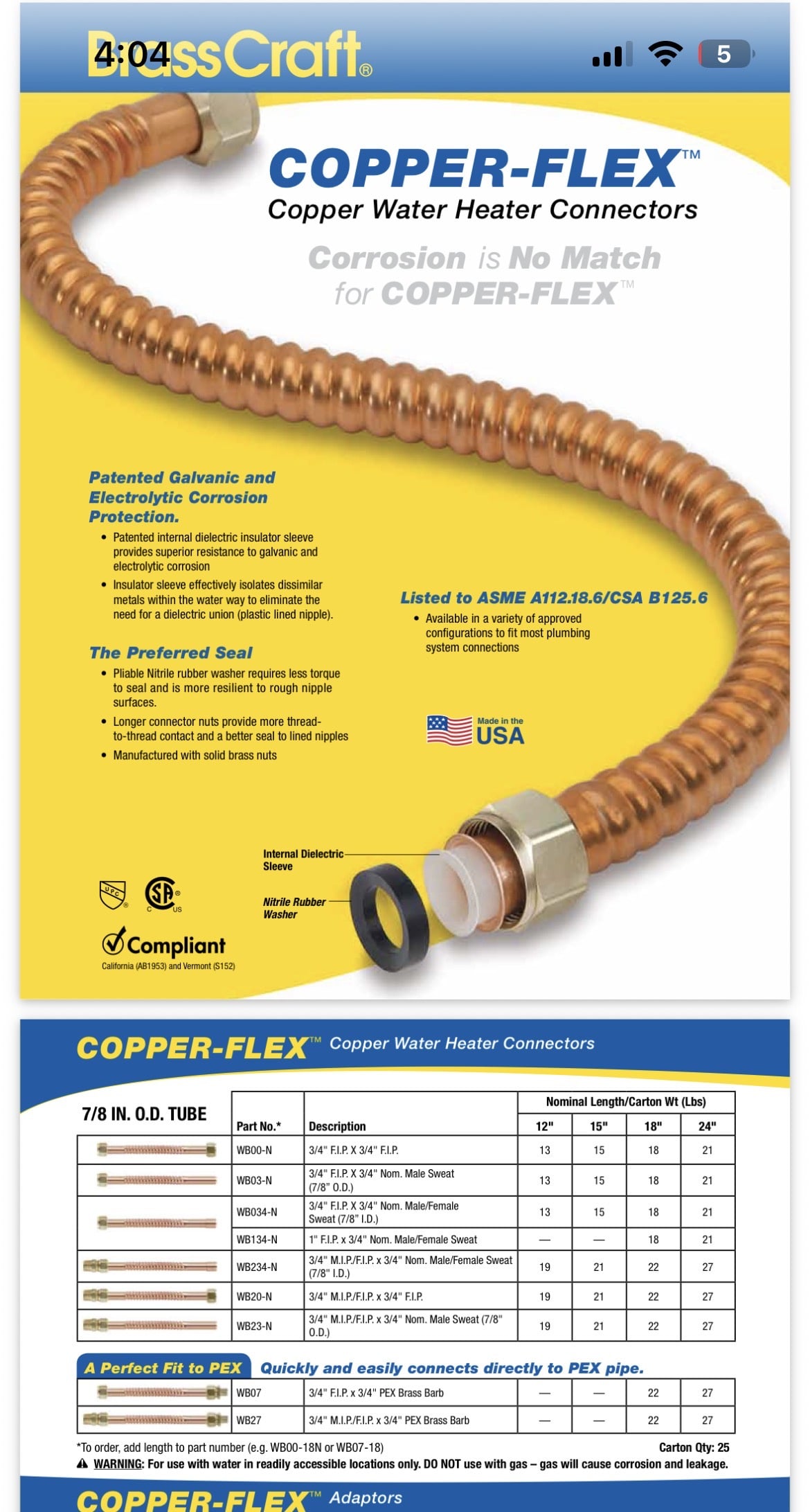
Flex connector are available in a few different types and lengths. I prefer the copper
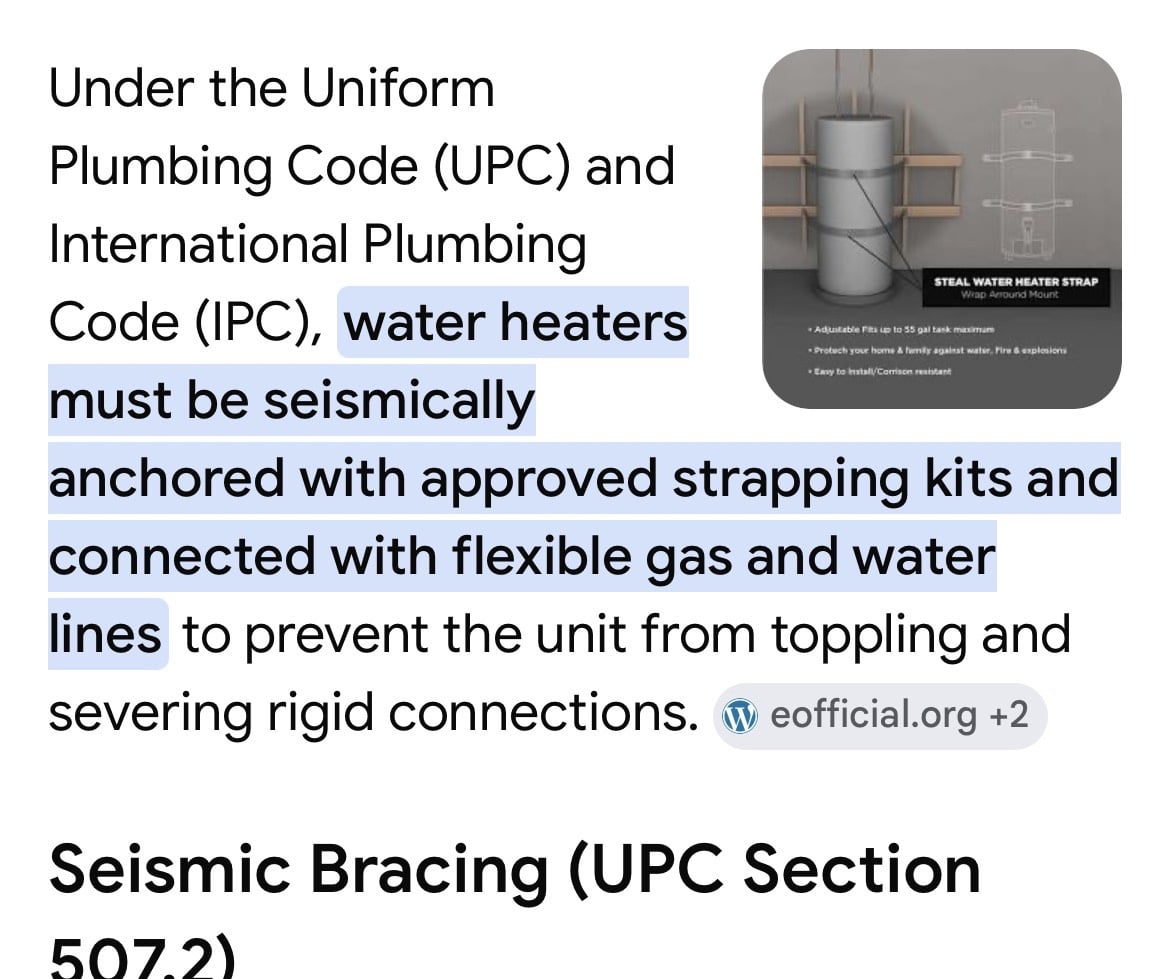
In seismic areas inspectors want to see flex in water and gas
 Bob "hot rod" Rohr
trainer for Caleffi NA
Living the hydronic dream0 -
If you can’t cut copper tubing maybe you should hire someone!
 1
1 -
Hi, I used to prefer copper, but now I get corrugated stainless connectors. They are easier to work with and don't work harden like copper. I'm hoping you'll replace that valve with a ball valve at the same time. I like to use longer lines (like 24") and form a heat trap with the excess length. In this case I'd cur both lines low and make a 360 loop with the flex.
Yours, Larry

 3
3 -
stainless does work harden. that is wat makes it hard to drill or cut, if you don't take enough of a cut the first pass it work hardens the surface and makes it hard to cut.
0 -
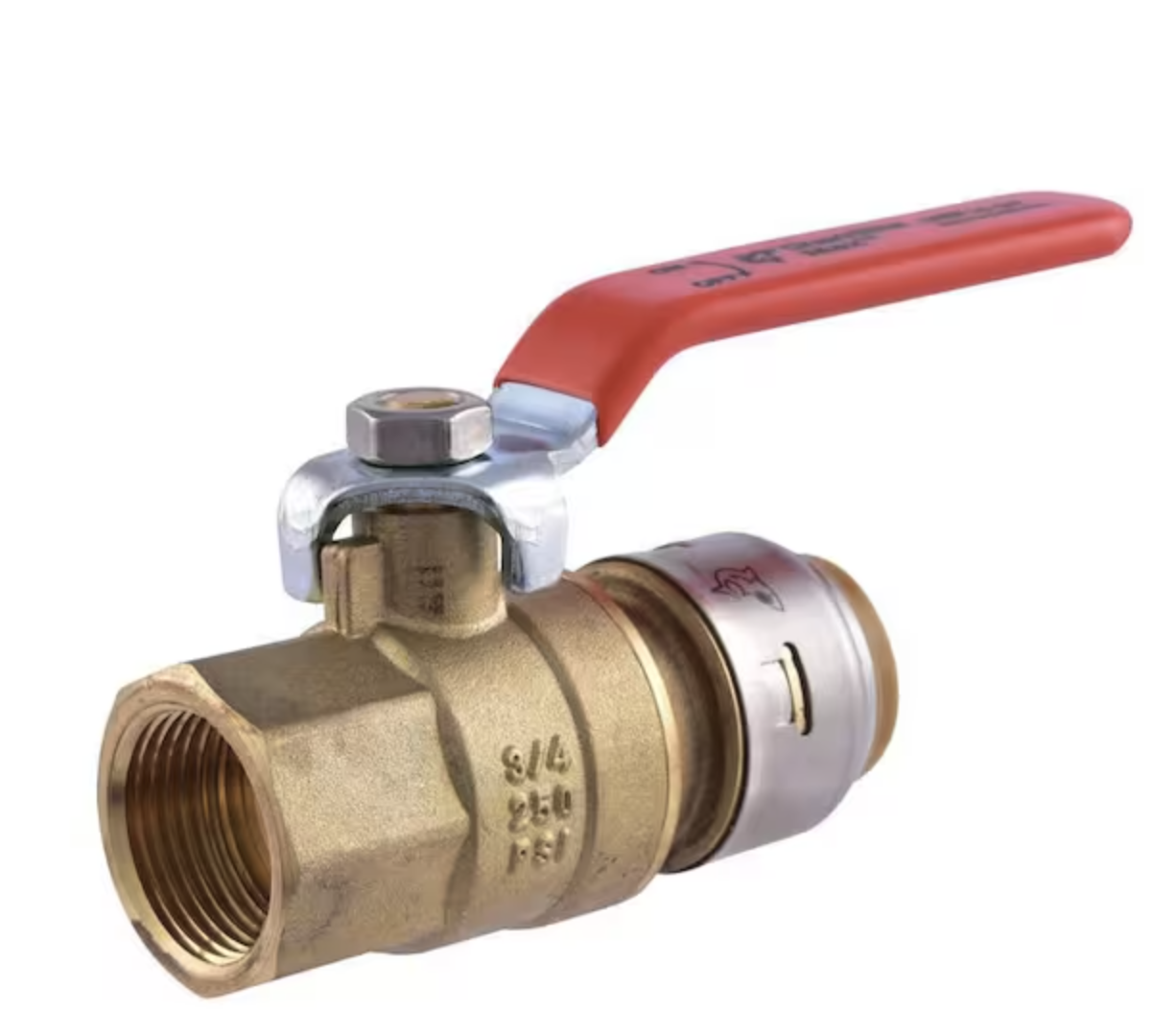
A DIYer might go this solder less route. Sand the copper smooth, no nicks or deep scratches to get the best push connection.
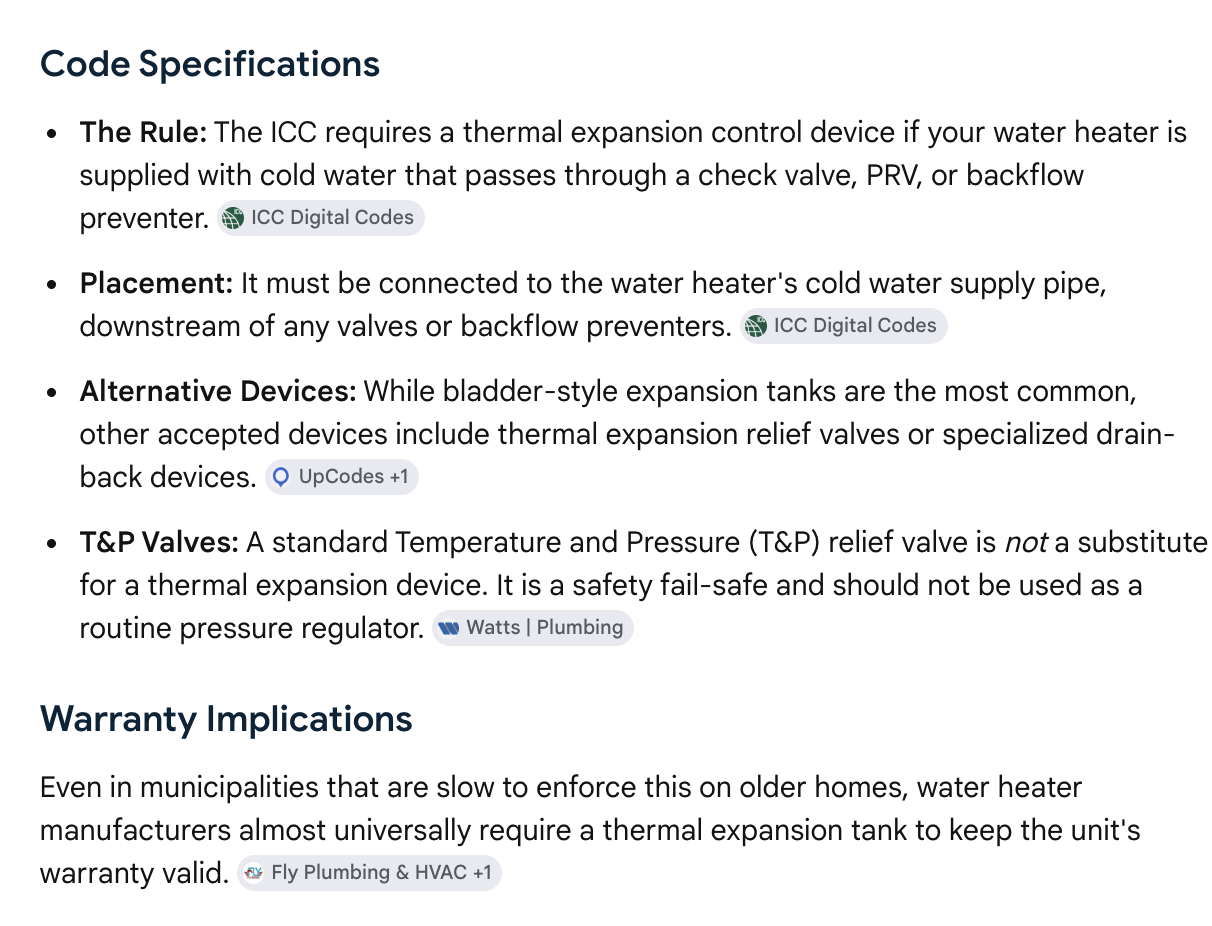
Maybe add a thermal expansion tanks also. Plumbing codes and tank warranties are starting to demand them.
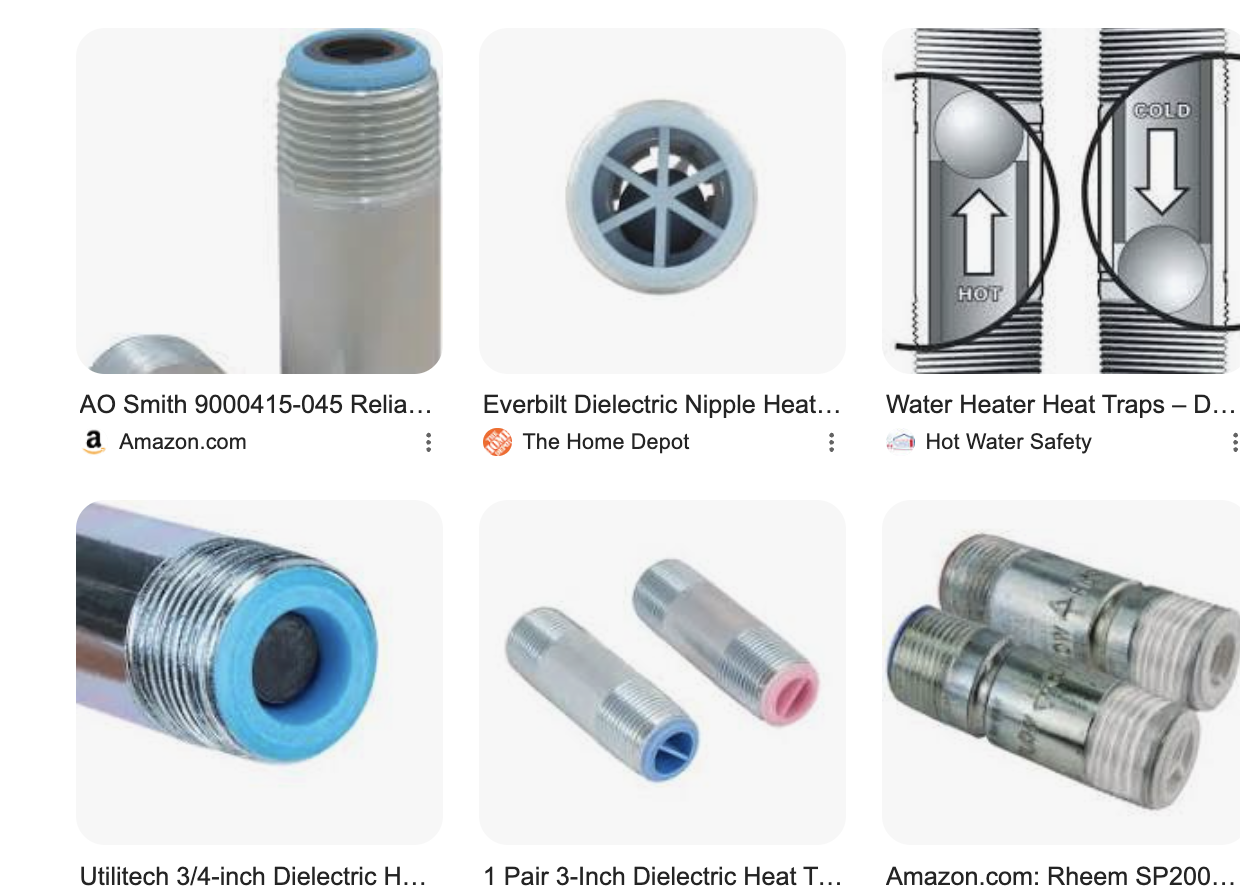
Heat trapper nipples have been going int water heater tanks for probably 25 years or more.
 Bob "hot rod" Rohr
trainer for Caleffi NA
Living the hydronic dream0 -
i hate those heat trap balls. my old water heater had them. every time the pressure in the municipal system would change or a fixture would shut off you'd hear this repeated clicking in the heat traps from the basement as the water sloshed in and out. i still imagine it every time i shut off a faucet or the toilet finishes filling even though i replaced that water heater 7 years ago.
0 -
some brands have a soft rubber flapper instead of the plastic ball
Bob "hot rod" Rohr
trainer for Caleffi NA
Living the hydronic dream 1
1 -
Sometimes called
a thermal trap. Intended to keep the hotter, lighter water from rising into the system. A few ways to accomplish that fuction.
The special nipples of one of these options with a long flex tube.
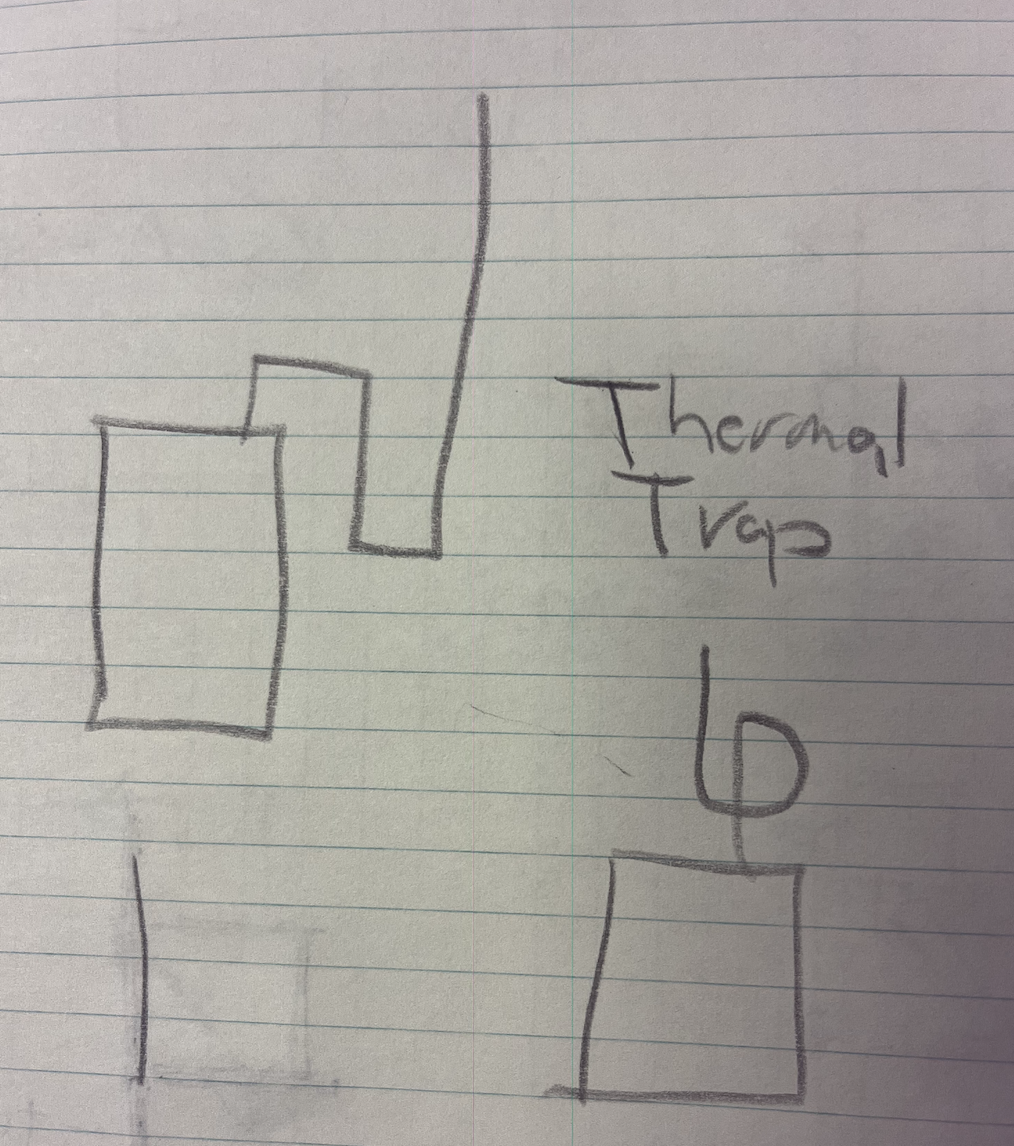 Bob "hot rod" Rohr
trainer for Caleffi NA
Living the hydronic dream2 -
I suspect Larry has found the copper ones tend to become brittle over time in use and will crack, where as the stainless ones do not.
He's not drilling and tapping them, I'm sure of that.
Single pipe 392sqft system with an EG-40 rated for 325sqft and it's silent and balanced at all times.
2 -
that concerns me about stainless gas connectors especially ones to things that vibrate like dryers or some furnaces. i suppose brass is worse. maybe heavier wall copper?
0 -
Why does it concern you? What I got out of this was that it doesn't seem to happen with stainless.
If a furnace or dryer is vibrating / shaking enough to fatigue a stainless appliance connector, there's some major issues going on there.
Single pipe 392sqft system with an EG-40 rated for 325sqft and it's silent and balanced at all times.
0 -
No, my plot is the city water. The location is the rear of the house, about 18' downstream of the water meter. The pipe from the meter goes under the slab all the way to the rear of the house, turns its way up and out of the slab, sending water to all floors. It's always cold water with no thermal to trap, why the detour?
0 -
you're taking like 10# of clothes, picking it up, and dropping it, there is going to be some vibration. since the gas connector is usually in a loop to allow the appliance to be pulled out, there isn't much support to that loop so it is very easy for it to resonate with the vibration from the dryer. the connector is pretty thin and the work hardeing makes it more brittle.
i know brass hardens with age, try using a compression ferrule that has been sitting around for a decade without annealing it first, i wonder if stainless and copper do the same.(i realize stainless encompasses a wide variety of different alloys)
0 -
Hi, A thermal or heat trap would only be used above the water heater to prevent heat loss into the piping. I was responding to the photos of your water heater and it's piping. 😉
Yours, Larry
0 -
Besides my opinion that's it's not a problem, I'll add in how many gas leaks and explosions you hear about from work hardening appliance connectors……
It's not an issue my friend.
Single pipe 392sqft system with an EG-40 rated for 325sqft and it's silent and balanced at all times.
0 -
The copper ones seem to work harden when you try to bend them multiple times, even new ones.
Bob "hot rod" Rohr
trainer for Caleffi NA
Living the hydronic dream0 -
copper work hardens.
0 -
Here is an exhaust s.s. pipe that failed after a year's sunlight and then a few bents a month ago -
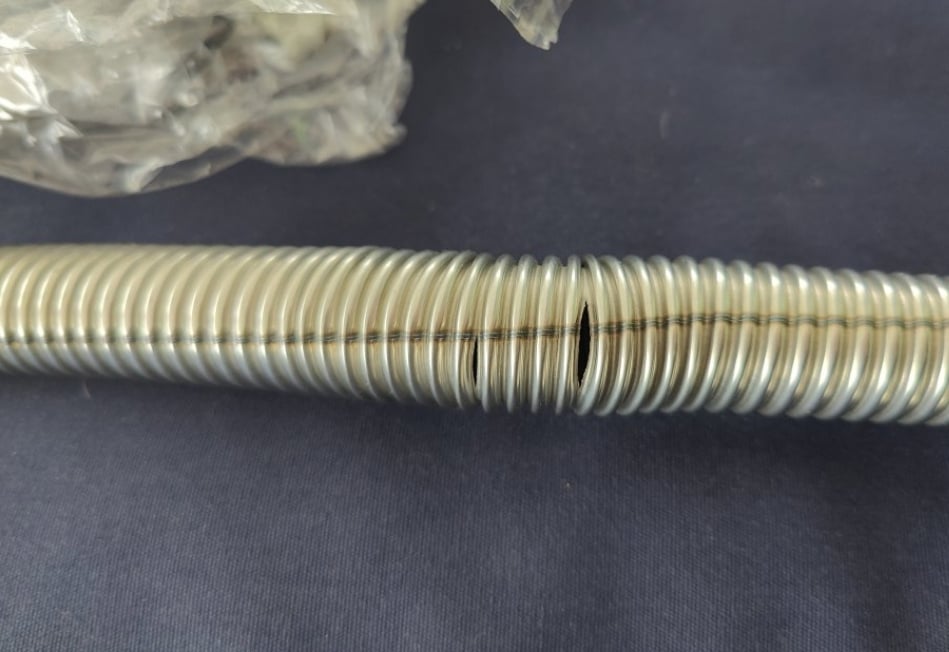
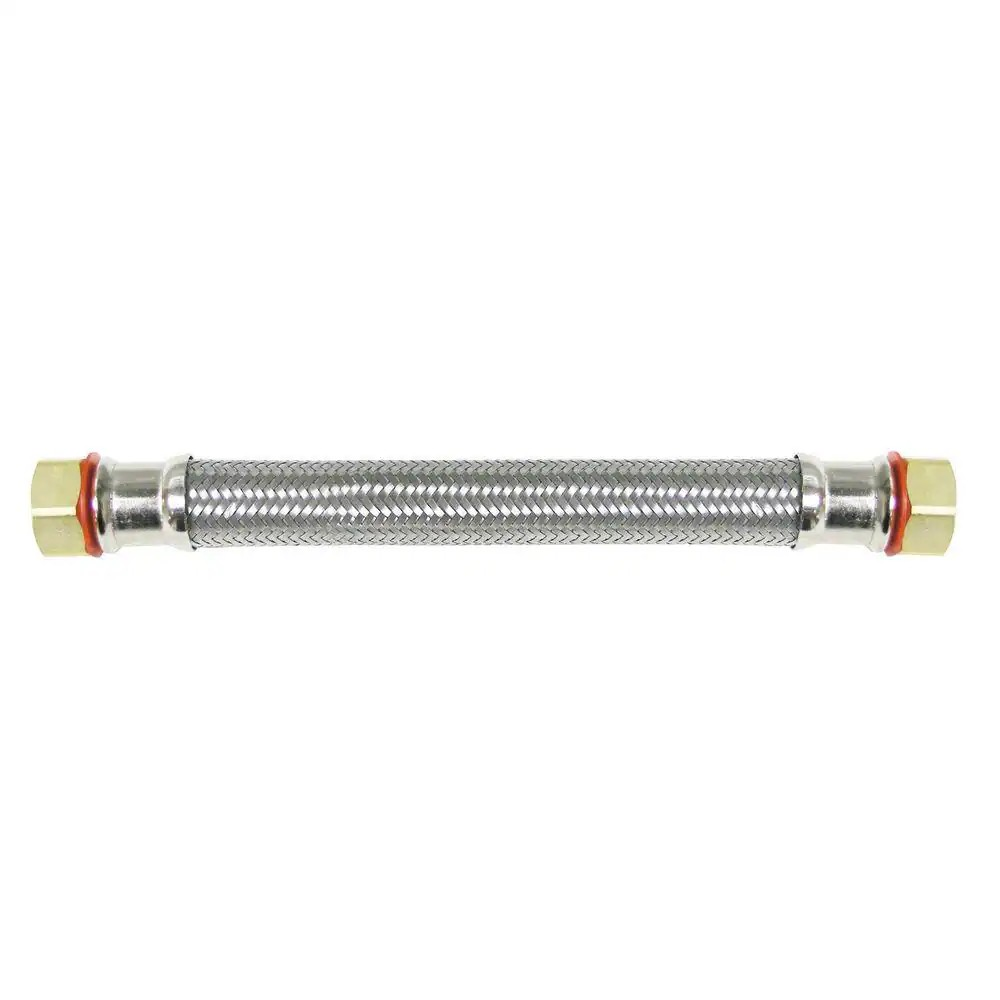
So I want to avoid that and use this type of hose shown below:
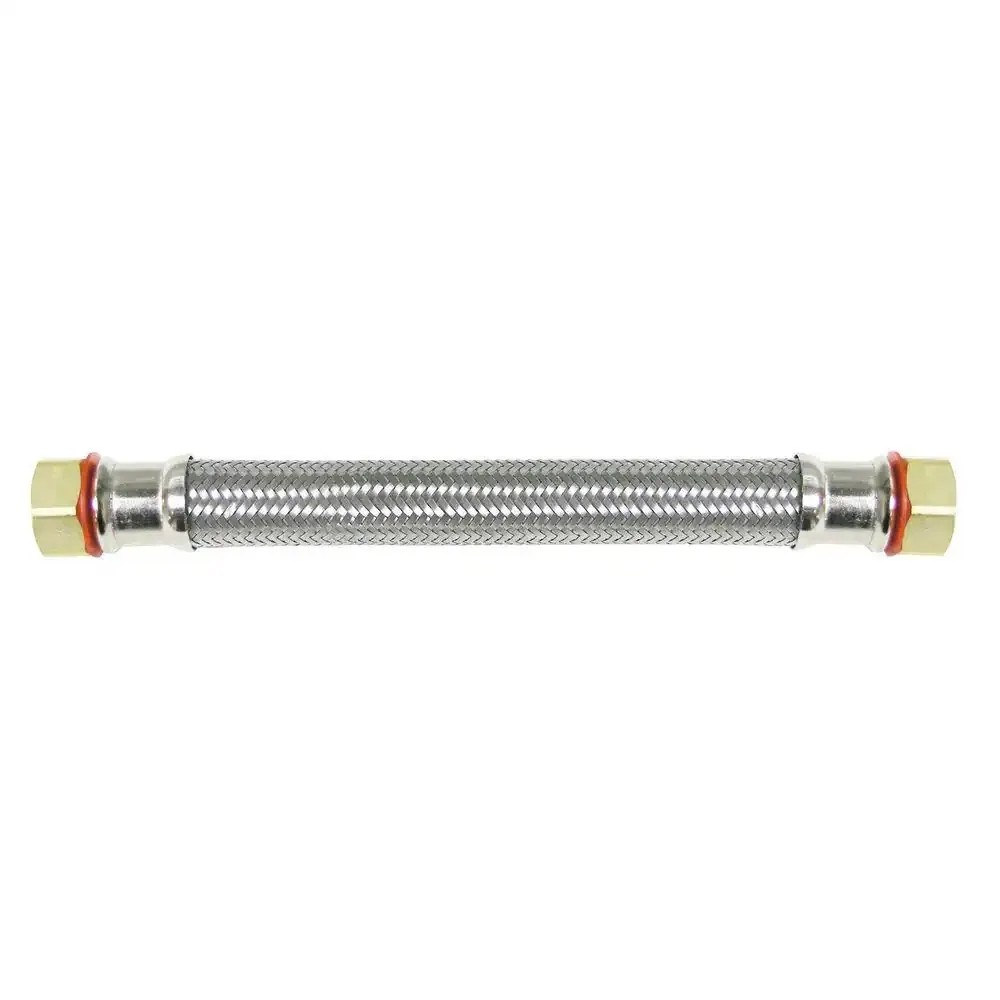
Both have similar price. Anyone can comment on the preference?
0 -
the plastic inside the braded one is likely to eventually fail due to degradation of the plastic, the stainless will only fail if you make it fatigue and break
 2
2 -
my preference is copper tube and fittings.
1 -
Hi, In addition to what @mattmia2 said about the braided connectors, they have flow restrixtion at both ends and the lining has been known to degrade and lose little bits of itself.
Yours, Larry1 -
With the stainless braided WH connectors, the inner lining, depending on the brand, is either EPDM hose or a reinforced PVC core. Either should hold up to the harshest of water conditions.
I doubt the outer braid is water tight, it is the protection for the thermoplastic or rubber core.
I agree the fittings on the ends reduces flow somewhat.
The copper flex flow well and are as durable as the rigid copper tubing in many buildings.
Most plumbers would replace the flex connectors with a tank replacement. Not often do they line up as WH dimensions change.
Bob "hot rod" Rohr
trainer for Caleffi NA
Living the hydronic dream0 -
Tank replacement means copper or PEX tubing that is rigid?
0 -
My interpretation of braided hoses is the metal braiding is there just to prevent a catastrophic blowout of the hose which used to happen on washing machine hoses. Not too long ago all washing machine hoses were just rubber.
It won't stop leaks.
Single pipe 392sqft system with an EG-40 rated for 325sqft and it's silent and balanced at all times.
0 -
Cutting the copper will leave about 3' horizontal 3/4 pipe unsupported. On the cold inlet it would be about 4' copper left unsupported. There is no rigid fixed structure nearby to clamp these pipes. Although the code allows unsupported section under 6', is it better to provide some support?
 0
0 -
you could use clevis hangers and threaded rod or hanger iron but unless the new part is a lot more than you have now or there will be something like a circulator or expansion tank hanging off of it, I wouldn't worry about it.
1 -

a piece of 1x or 2x4 from the joist above, and a 2 hole copper strap is another simple option
Bob "hot rod" Rohr
trainer for Caleffi NA
Living the hydronic dream0 -
how often do you change the water heater?
0 -
Depends.
Every 10 years seems common. But you knew that.
Single pipe 392sqft system with an EG-40 rated for 325sqft and it's silent and balanced at all times.
0 -
I’ll still solder with unions.
0 -
Really the best installation would be welded stainless pipe. It wouldn't have galvanic issues with the tank either.
Single pipe 392sqft system with an EG-40 rated for 325sqft and it's silent and balanced at all times.
0 -
I prefer Titanium on fish tanks
0 -
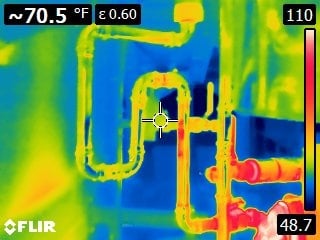
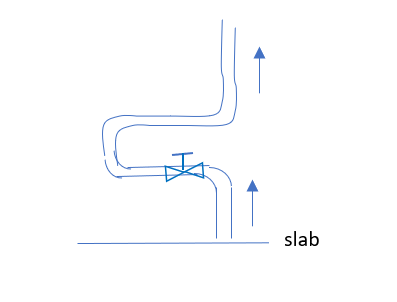
Heat trap thermal circulation by creating high / low spots where hot and cold water naturally will stop.
1



Categories
- All Categories
- 87.9K THE MAIN WALL
- 3.3K A-C, Heat Pumps & Refrigeration
- 60 Biomass
- 430 Carbon Monoxide Awareness
- 133 Chimneys & Flues
- 2.2K Domestic Hot Water
- 6K Gas Heating
- 124 Geothermal
- 170 Indoor-Air Quality
- 3.9K Oil Heating
- 80 Pipe Deterioration
- 1.1K Plumbing
- 6.7K Radiant Heating
- 397 Solar
- 16.1K Strictly Steam
- 3.5K Thermostats and Controls
- 56 Water Quality
- 51 Industry Classes
- 51 Job Opportunities
- 18 Recall Announcements