How to pull wire over ceiling
Comments
-
that wasn't what i asked. does it need a neutral to make 120v or does it run only off of 240v.
0 -
can you even run an 80 amp sub panel off a 100 amp main panel?
0 -
The 240v plug is a standard 3 prong 6-50P. Internal components run across the two hots for power
0 -
So far as I know, yes. So long as the devices (fuses or breakers) protecting the sub panel is less than the rated capacity of the panel — which is determined by the capacity of the busses and main connectors, and so long as the main panel feed throughs are suited to the wires — or the main panel has a breaker or fuse position available suited to the wires.
In this specific instance I don't think our OP will have a real problem, as he seems to have done the obvious arithmetic on loads and is aware that he is going to have to shed some loads — either from the mmain or the sub — to stay within the capacity of the main. Is it a good idea in general? Probably not… but then it's not the only way a DIY electrical job can go astray!
What is essential is to remember that your protective devices — whatever is preferred — must be rated at less than everything downstream, and in the case of feeders (including the power company drop) less than the capacity of the feeder.
Couple of other gotchas — there is never a cutoff, fuse, or circuit breaker in the neutral. Fixed device disconnect switches which cut the neutral are OK as are transfer switches but the should be arranged to isolate all the hots before the neutral when switching (in either direction).
Another common gotcha is bonding — which is a connection between the neutral and the ground system. Which is permitted ONLY at one point, almost always at the service entrance. Auxiliary grounds are permitted in some instances — typically separated buildings — for sub panels for those buildings, but those sub panels are NOT bonded. The underlying reason is that the neutral is a current carrying conductor — and the ground should never be. If you bond at some distant point the ground will become one, and that can have shocking results (sorry) (it's not uncommon for the neutral in a distant buidling to be several volts off the ground, if the building is carrying a heavy load —take a look at the permissible voltage drops!).
Br. Jamie, osb
Building superintendent/caretaker, 7200 sq. ft. historic house museum with dependencies in New England0 -
running a sub panel knowing that you have to shed loads in the main.
not here!0 -
how do you get the ground with 3 prongs?
I stand corrected that’s a 15 amp 115 volt plug.0 -
2 lines and a ground. if it is a 240v appliance it doesn't need a neutral. if it is a 120/240v appliance then it does need a neutral. It depends on how it switches xfmr taps to get the different power settings and if it has any accessories that use 120v.
a 6 series nema plug is a 240v plug.
0 -
previously they said 14-50
 1
1 -
Being from Chicago where the codes are strict and being a former licensed electrician for decades, I’d be running EMT, thin wall conduit, the entire way. Opening up a ceiling, especially if it’s drywall, is easy to do and patch with a little practice.
That being said, I agree with everyone else who suggested hiring a licensed electrician when you’re dealing with a new subpanel.Steve Minnich0 -
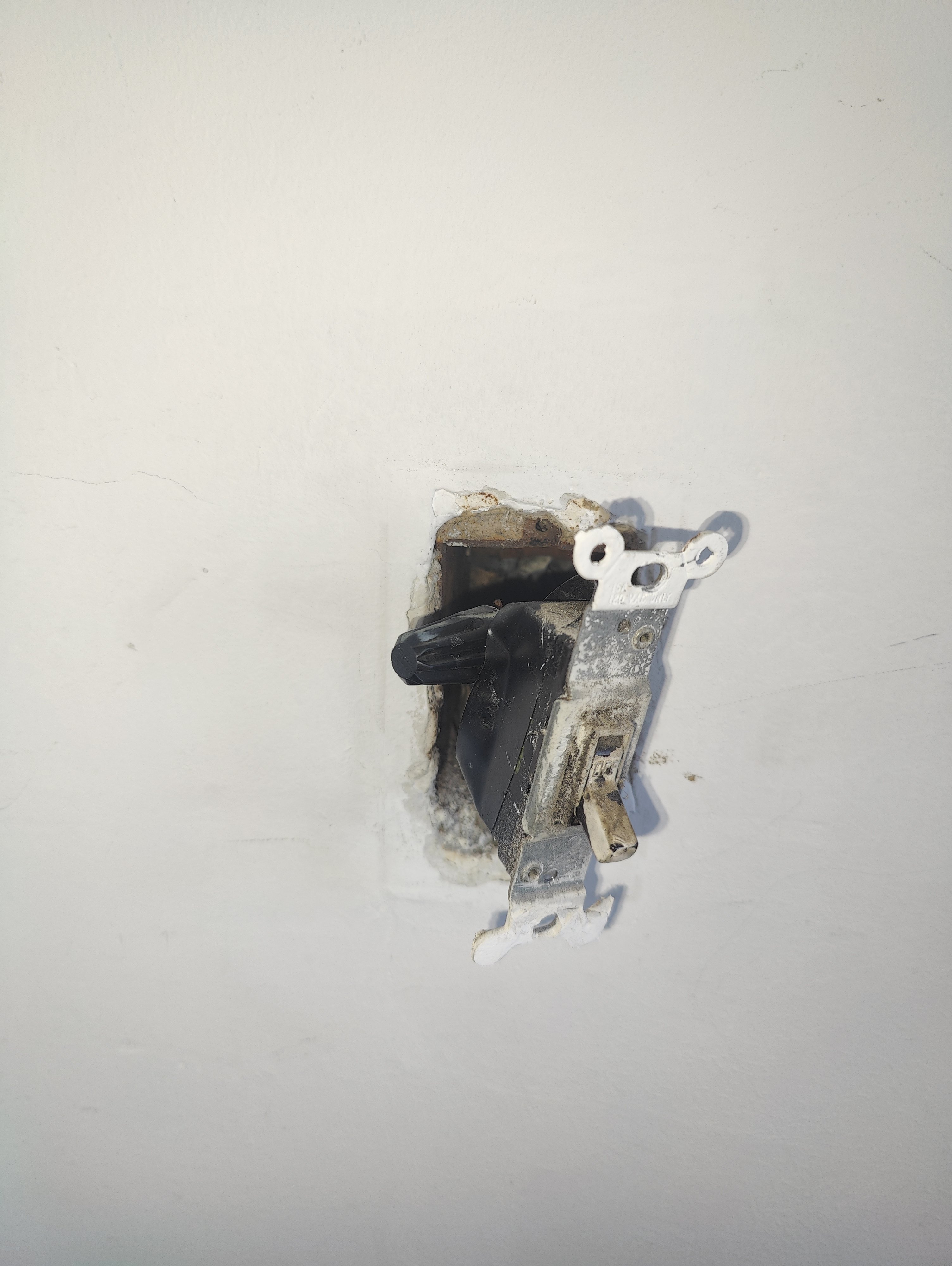
This is a plaster and wood lath wall. How would you flush mount a 24vac transformer?
The transformer sources power from the switch circuit
 0
0 -
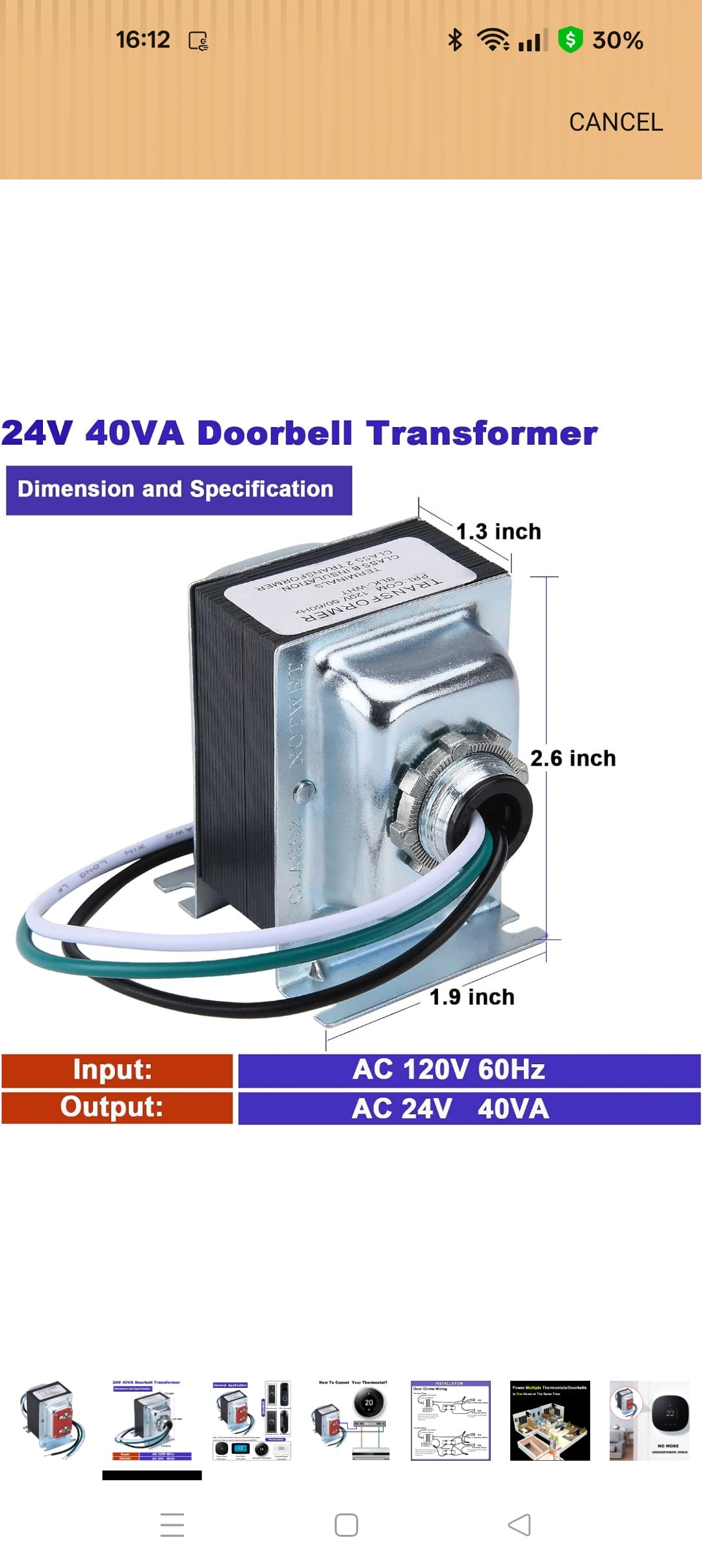
either you'd put it someplace accessible and run low energy wiring to where yo need it or you would use a 4 square box and something like this:
0 -
" flush mount a 24vac transformer " ???
Transformers like the one pictured are often mounted to a knockout hole of a junction box or other electrical enclosures. They are typically found in unfinished locations. They are not meant to be recessed or buried in a finished wall to make it a 'flush mount'.
National - U.S. Gas Boiler 45+ Years Old
Steam 300 SQ. FT. - EDR 347
One Pipe System0 -
That switch is the most convenient location to wire it
0 -
A deep 4 square box will fit the transformer
I want to make an opening on the plaster wall to embed the box inside the wall so it does not protrude from the wall
The wires from the box can be hidden in wire covers
0 -
You can't have low voltage and line voltage in the same box. Get something like this:
https://www.lowes.com/pd/Heath-Zenith-Wired-Door-Chime-Transformer-With-UL-Listed-Rough-In-Box/3079285
0 -
actually you can in limited circumstances. you need to read the rules in the electrical code.
0 -
and once you cover it it WILL overheat!
0 -
I see. the LV has to be on the outside of the box
the transformer is intended to be in free air, not inside plaster or drywalls
I need to reconsider how to mount it on the wall
0 -
you put in a basement or attic or closet or something and run the low energy wiring to where you need it.
0 -
You need a barrier partition between LV and HV, the easiest way is by mounting the transformer outside the box.
Also mounting it inside does create heat issues if you need to run much more than a doorbell. I think Broan used to make a flush mount built into the cover plate but it has been discontinued. That still had the LV wires on the outside for proper separation.
0 -
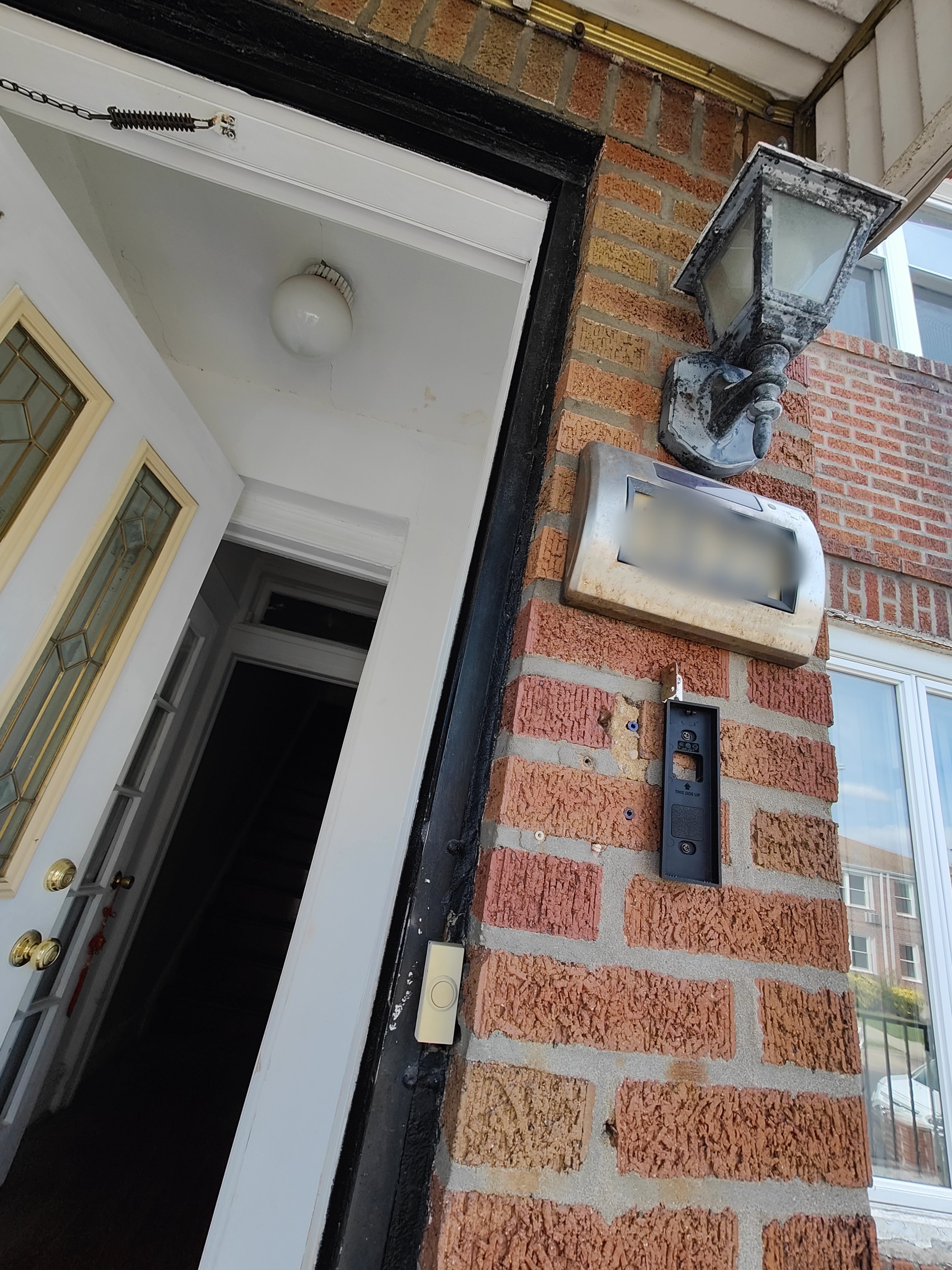
This photo shows where the doorbell is. Plaster ceiling/wall and real brick outside wall. I can open the ceiling and install the transformer on the junction box. Then how to pull the wire to the doorbell?
0 -
You have to leave access to the transformer for service as well as ventilation.
 1
1 -
Where is the doorbell bell? The simplest thing will be to go straight inside with the low voltage wires from the doorbell and run them up to the overhead next to the door frame — exposed. Or down to the basement, particularly if the basement overhead is unfinished. Then run to wherever the bell is located. Then run low voltage from the bel down to the basement and surface mount the transformer down there…
Br. Jamie, osb
Building superintendent/caretaker, 7200 sq. ft. historic house museum with dependencies in New England0 -
@wayneb301 , I agree with @Jamie Hall and others- it's time for a service upgrade. 200A is the minimum acceptable around here for new houses. We upgraded ours many years ago when the garage was rebuilt after Isabel knocked it down- I have an 80A sub feed going out there and a 200A main panel. Both are Square D. My major appliances are all gas, but this setup also leaves some room to expand if needed.
I hired an electrician to do this, and suggest you do the same.
0 -
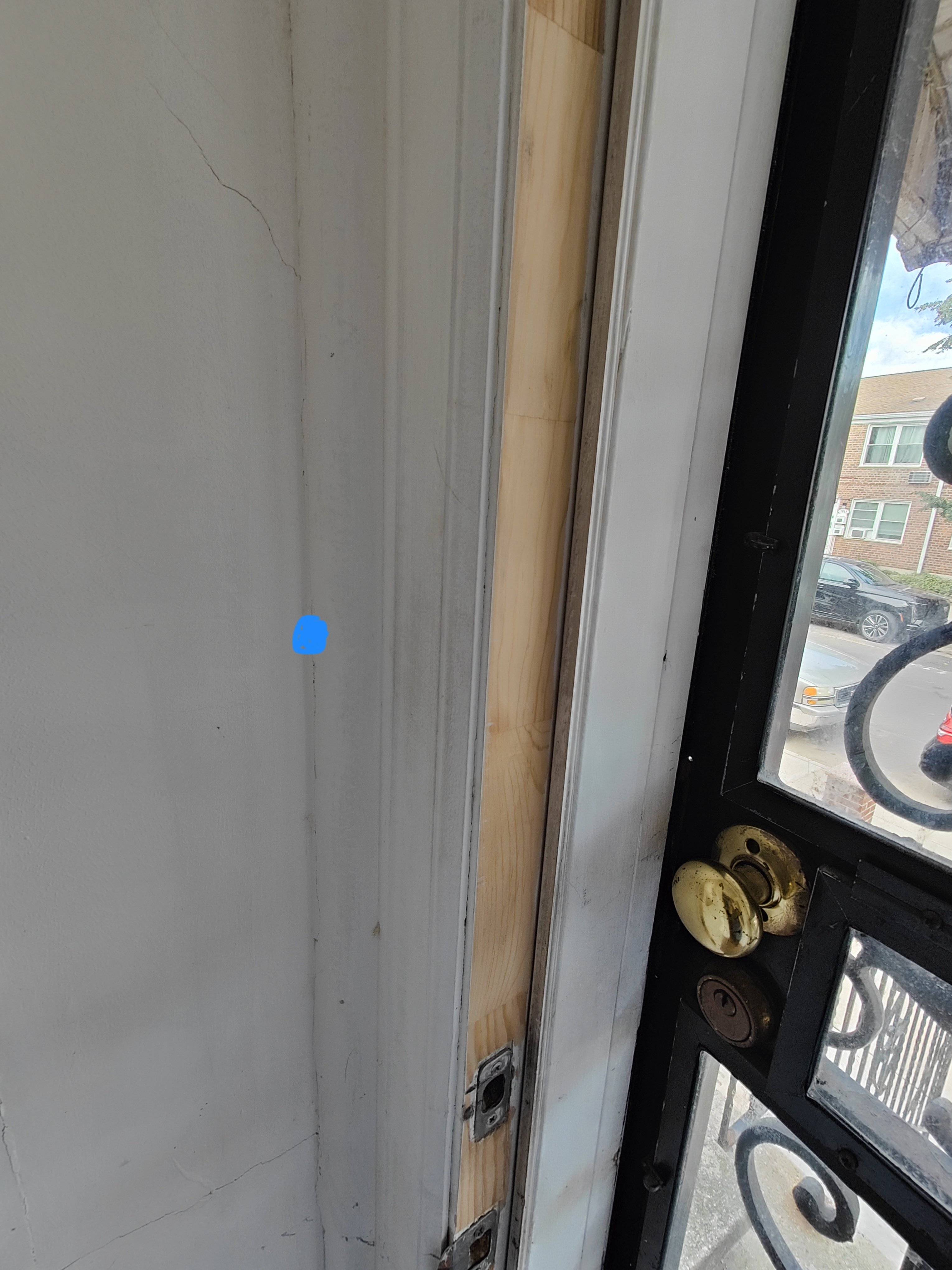
The wall is about 1ft thick. Anyway to start in the correct angle so the bit comes out between the wood trim and the wall?
 0
0 -
That's the hot setup, @wayneb301, or maybe the door molding, there's sometimes space between the rough opening and the door jam. Drill at an angle (measure and math it, or drawl it out on a sheet of paper & measure the paper), I'd go ⅜ or ½.
An SDS Plus drill will go through the brick like a hot knife through butter. Well, maybe not that easy, but still way easier than a regular hammer drill. Make sure your drill bit is long enough.
0 -
This doorbell uses a home base for chiming, does not require a dedicated chime
The boiler room has some accessible ceiling but the room is at the back end of the house. The space in between are finished. The vestibule overhead light is the nearest power source. I can surface mount it in a corner near that light
0 -
What powered the original doorbell and how were those wires ran ? If you have not, I would explore that before I reinvented the wheel.
National - U.S. Gas Boiler 45+ Years Old
Steam 300 SQ. FT. - EDR 347
One Pipe System0 -
Original doorbell is that light almond button in my photo that is battery powered. It wirelessly tethers to a chime that is plugged in an outlet.
0 -
Oh good grief. What's the matter with keeping that? Or buy a brand new one from Amazon for around 15 to 20 bucks?????
Br. Jamie, osb
Building superintendent/caretaker, 7200 sq. ft. historic house museum with dependencies in New England0 -
It does not have the bells and whistles of nowadays doorbell: package notification, security cam, answer to visitors while being away from home
0 -
OK, trying to keep up with the Joneses. I meant the original doorbell, like when the house was built.
I think I see a hole, maybe that path can be reused.
Personally I don't like 'updating' things into a constant cost and maintenance regiment. I'd live without a doorbell before I installed a battery powered unit or a system with constant fees.
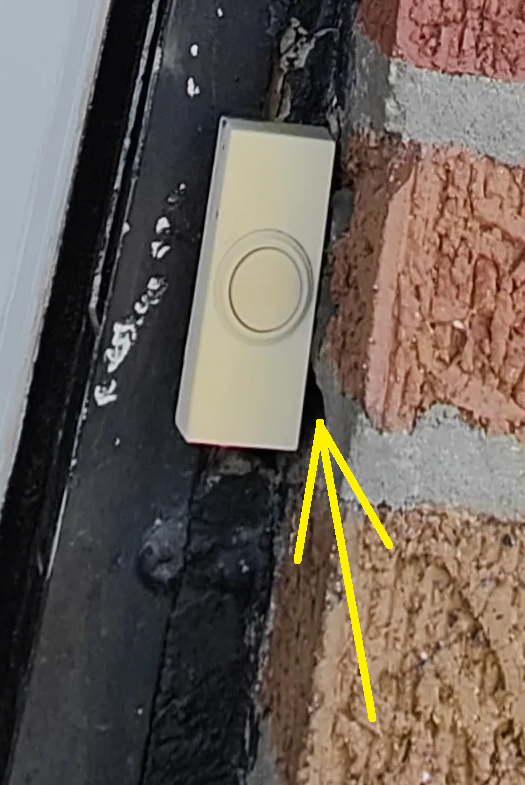 National - U.S. Gas Boiler 45+ Years Old
Steam 300 SQ. FT. - EDR 347
One Pipe System1 -
There is really a hole, thanks.
I just need to drill it through.
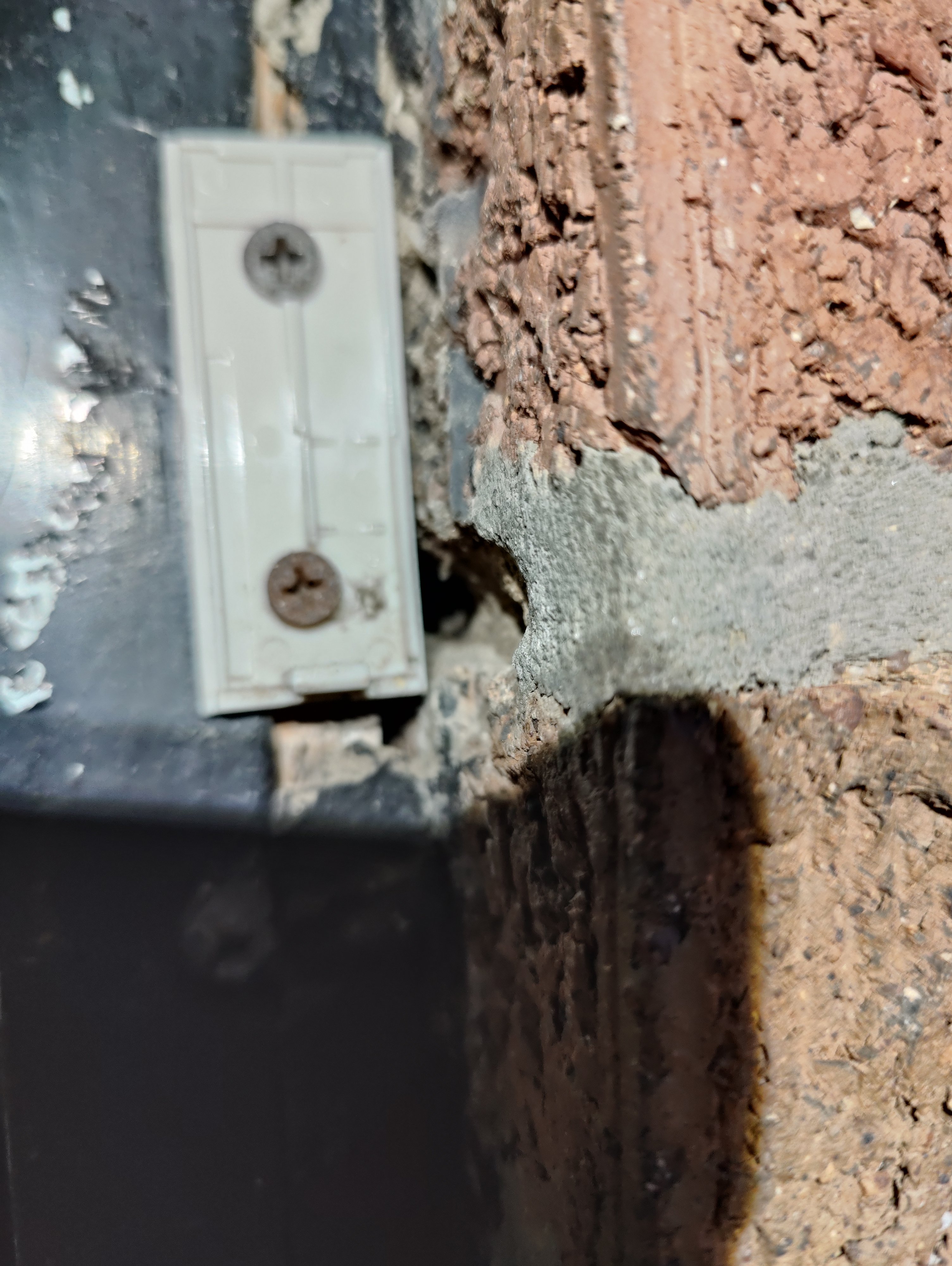
Once out of there, the wire need to go up 3 bricks along the joint (green line), then go horizontally along the mortar line (blue) to the doorbell terminals.
Anyway to hide or clip the wires in these two trips?
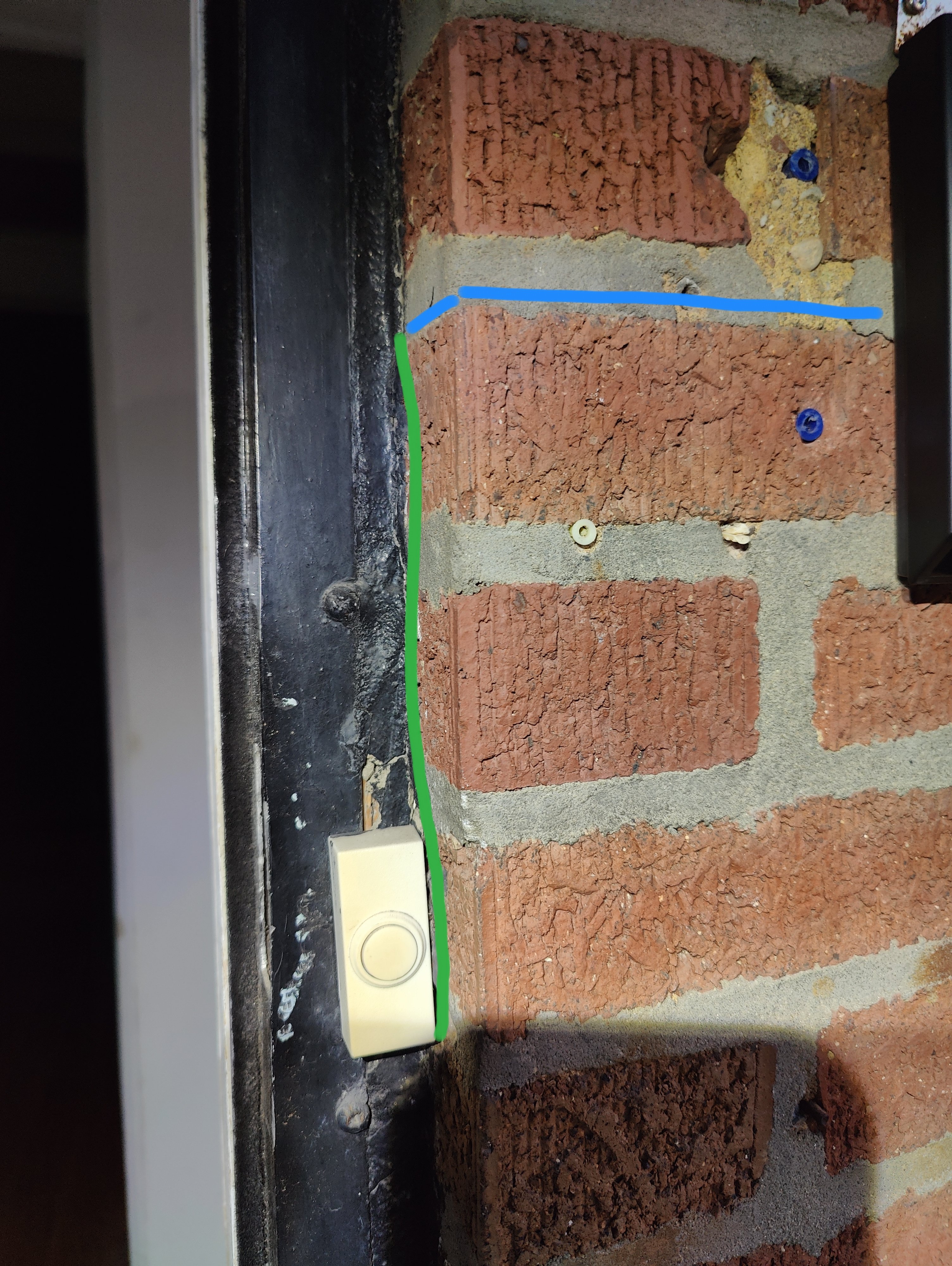 0
0 -
That hole may go to a void in the wall. The void in the wall may have access in the basement or elsewhere. sometimes you can stuff string with a weight at the end, thin wire or small chain in the hole, let gravity help, then snag it with a stiff wire with a hooked end from the other access point. Then pull the new wire through.
National - U.S. Gas Boiler 45+ Years Old
Steam 300 SQ. FT. - EDR 347
One Pipe System0 -
Looks like your brick is turning into Swiss cheese with failed doorbell upgrades or other stuff.
National - U.S. Gas Boiler 45+ Years Old
Steam 300 SQ. FT. - EDR 347
One Pipe System0 -
Fair enough. I wouldn't, but it's your puppy. Keep in mind that if that new-fangled doorbell has a wi-fi connection and is part of your smart home network,, any burglar worth their salt can figure out when you are away in about 10 minutes and disable it. And even be noitfied when you receive a package… security on those things is somewhere between non-existent and abysmal.
Br. Jamie, osb
Building superintendent/caretaker, 7200 sq. ft. historic house museum with dependencies in New England0 -
How did we go from running #4 wire for an 80-amp sub panel on a 100-amp main to a doorbell wire?
 1
1 -
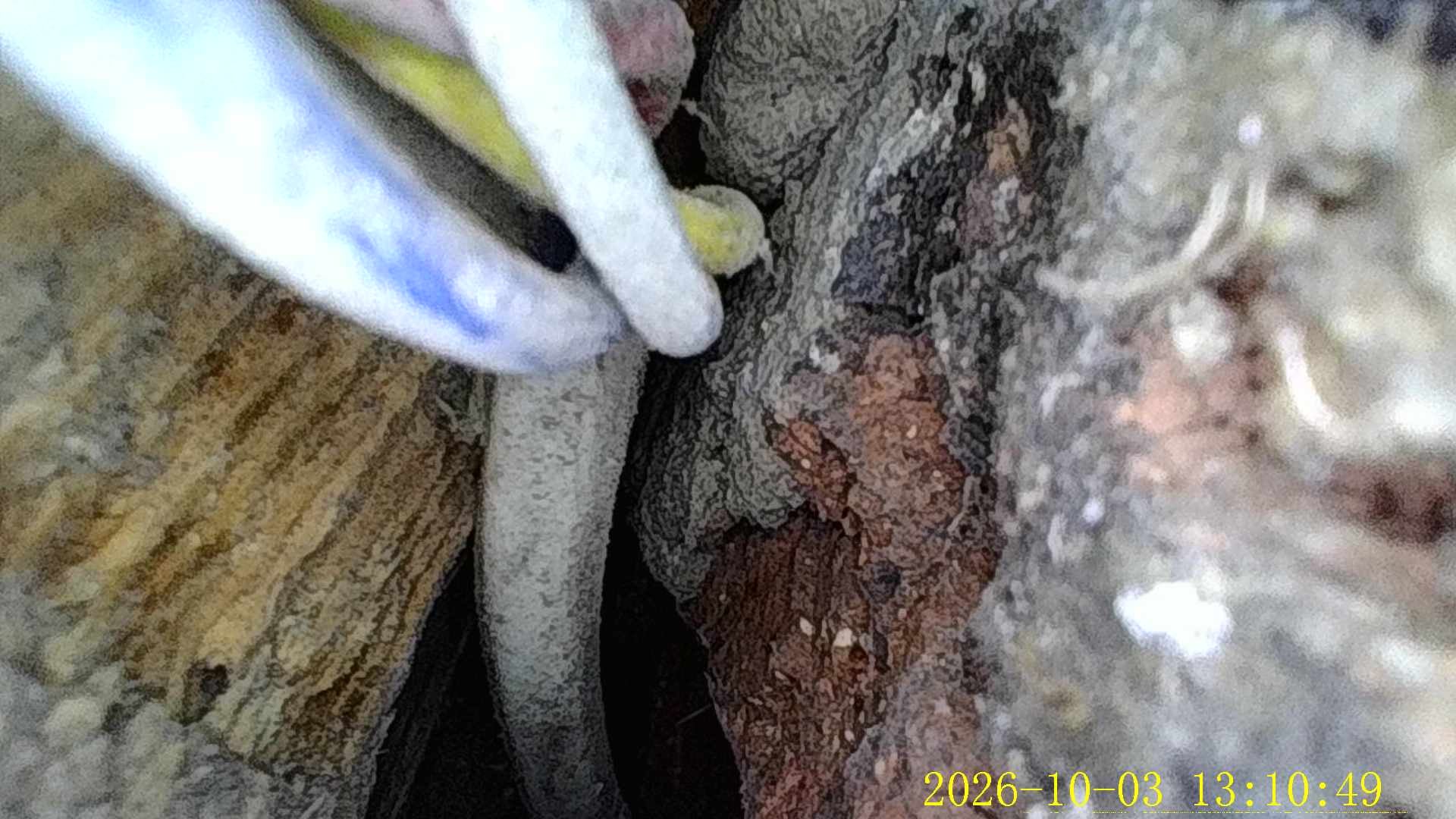
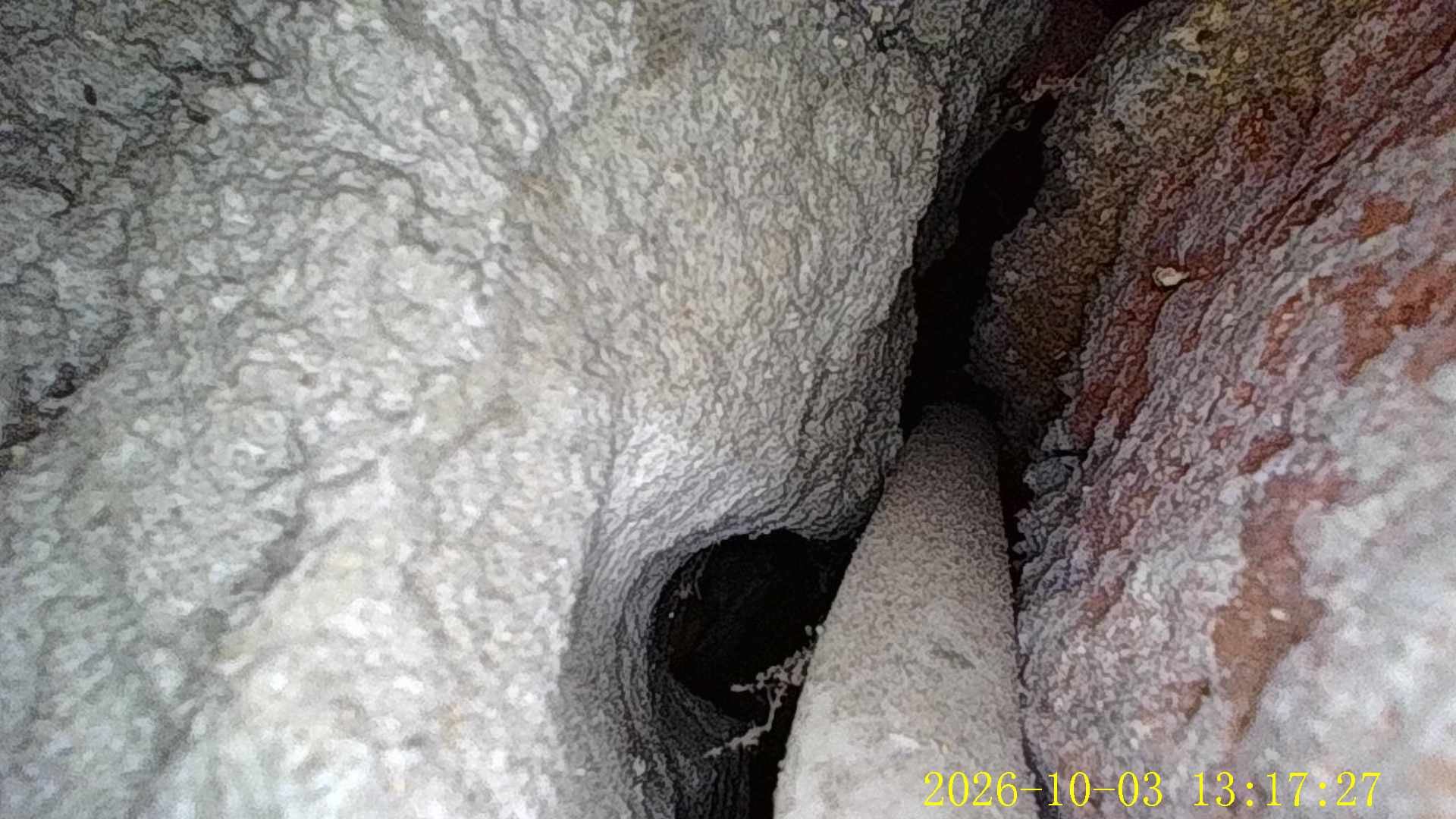
There is a 5 wire cable through the hole. The wires are not powered. It was likely laid before the bare brick wall was plastered, for a CCTV device? The cable is routed from a higher position. I tried a fiberglass rod to trace the cable but always hit into some obstacle. I have ordered a Creep-zit compass to trace the cable on the inside plaster wall.
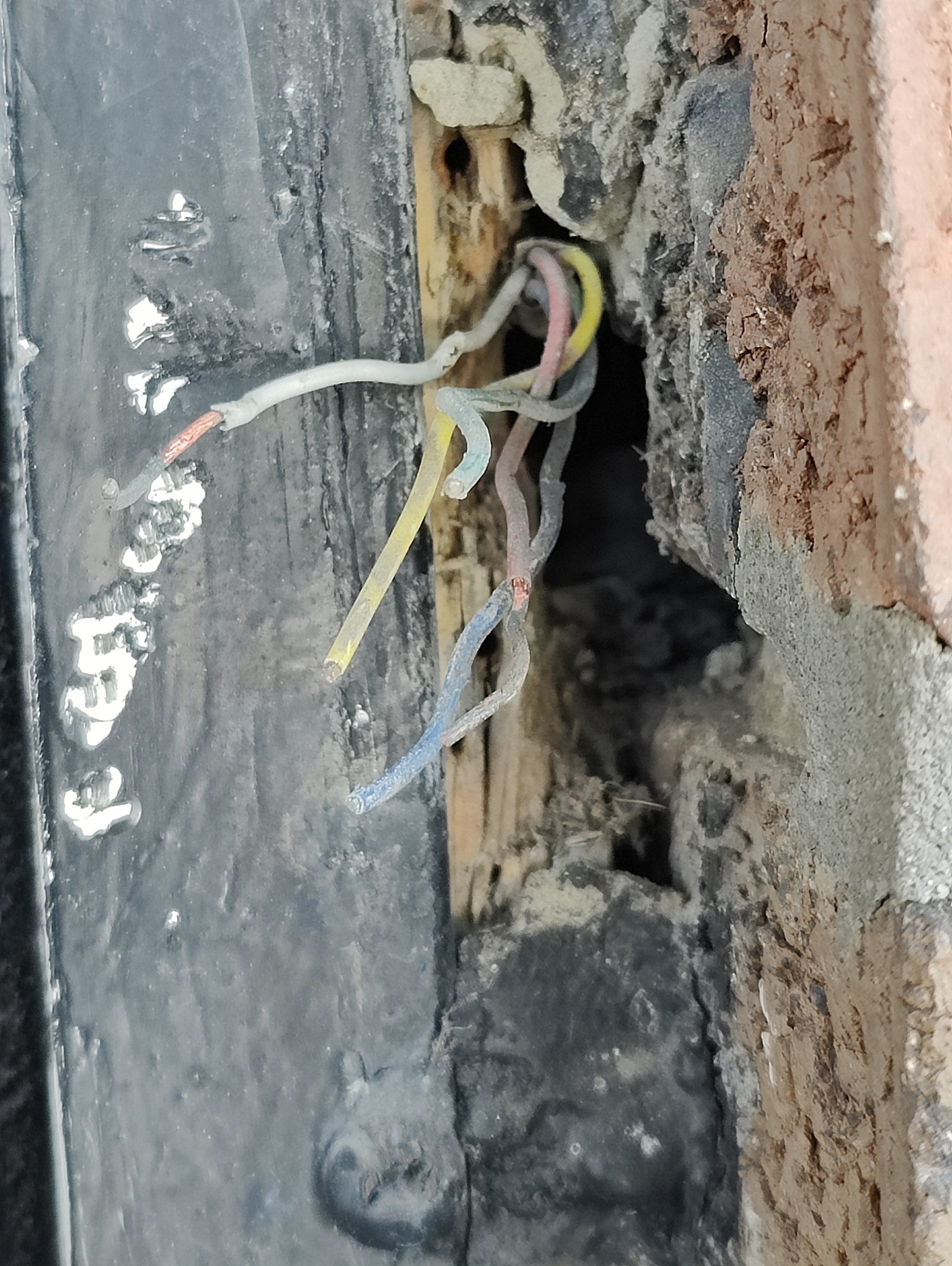
 0
0 -
How old is the house ? I'm thinking that wire is much newer than the house. CCTV back in the day used coax, now much of the video stuff uses network cable.
National - U.S. Gas Boiler 45+ Years Old
Steam 300 SQ. FT. - EDR 347
One Pipe System0




Categories
- All Categories
- 87.8K THE MAIN WALL
- 3.3K A-C, Heat Pumps & Refrigeration
- 59 Biomass
- 430 Carbon Monoxide Awareness
- 133 Chimneys & Flues
- 2.2K Domestic Hot Water
- 6K Gas Heating
- 124 Geothermal
- 170 Indoor-Air Quality
- 3.9K Oil Heating
- 79 Pipe Deterioration
- 1.1K Plumbing
- 6.7K Radiant Heating
- 396 Solar
- 16.1K Strictly Steam
- 3.5K Thermostats and Controls
- 56 Water Quality
- 51 Industry Classes
- 51 Job Opportunities
- 18 Recall Announcements