near toilet floor constantly wet
Comments
-
I have always used a 1/4" drill bit to remove the lead. If a length of pipe was still in the hub then a 16" long bell hanger bit was used.
Then with most of the lead drilled, a hook was used to dig out the remains.
Then the pipe stub could be removed and the oakum drilled or hooked out.
 1
1 -
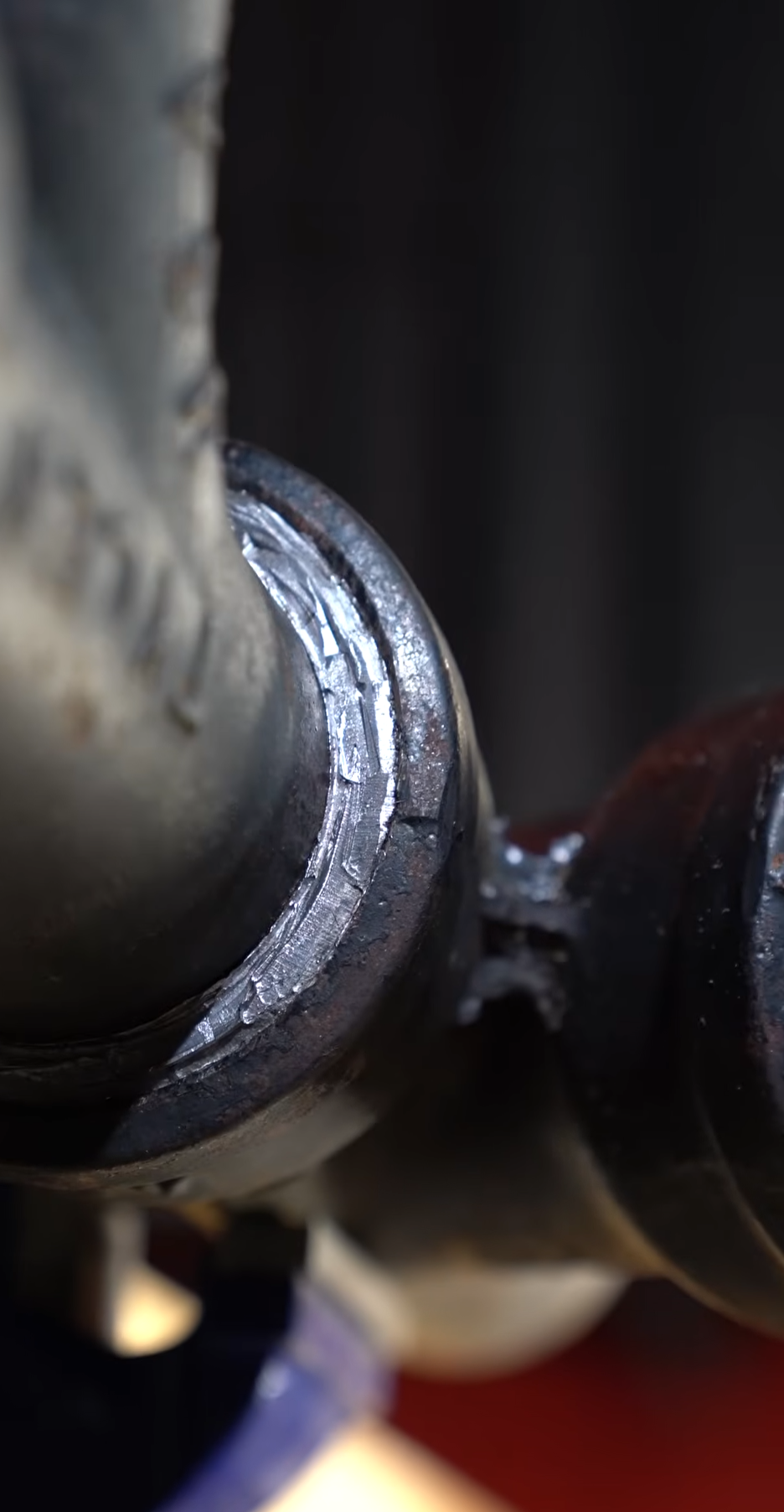
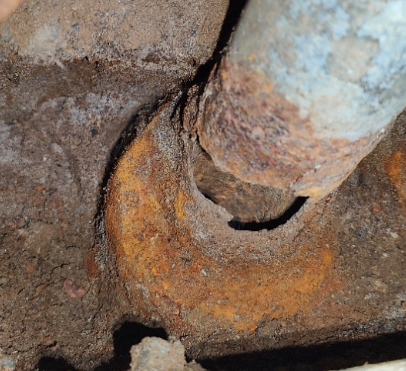
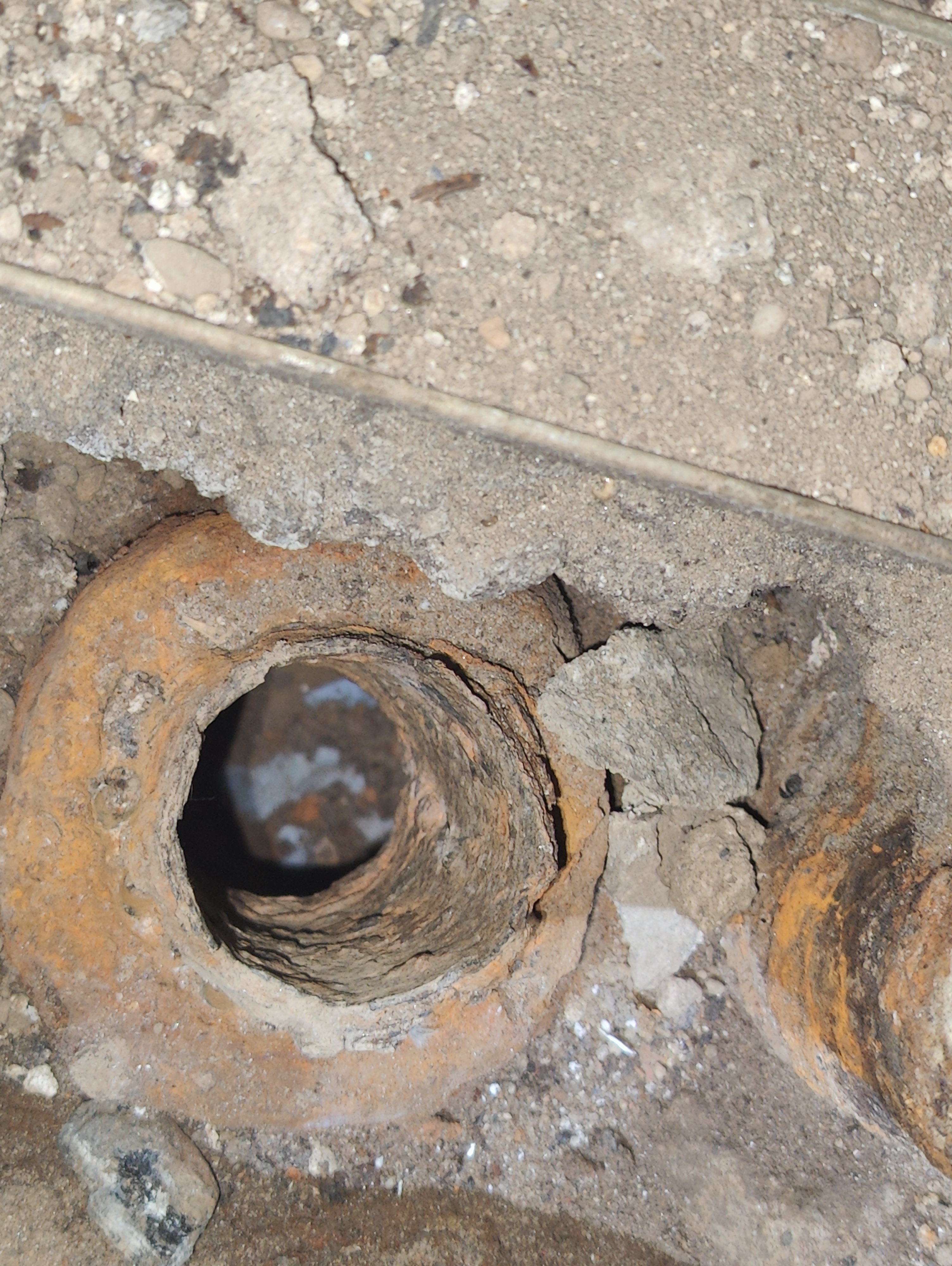
when the lead was packed in, it should be slightly lower than the rim of the hub, like the photo shows. but in my photo, why is the rim not visible?
 0
0 -
Looks like a lot of rust covering the rim.
 2
2 -
do some digging and scraping and see what you find. you can't make it worse.
there is some sort of caulk substance that has been sold for years for use in place of the lead, it could be that too or the lead could have been poured flush and not packed
0 -
could you show a picture of the bell hanger bit and the hook?
0 -
a bell hanger's bit is just a long twist drill, it is maybe 18" long or so. the hook is just a big pick or hook with a screwdriver handle on it. they sell them for releasing radiator hoses but there probably are other ones out there too.
 1
1 -
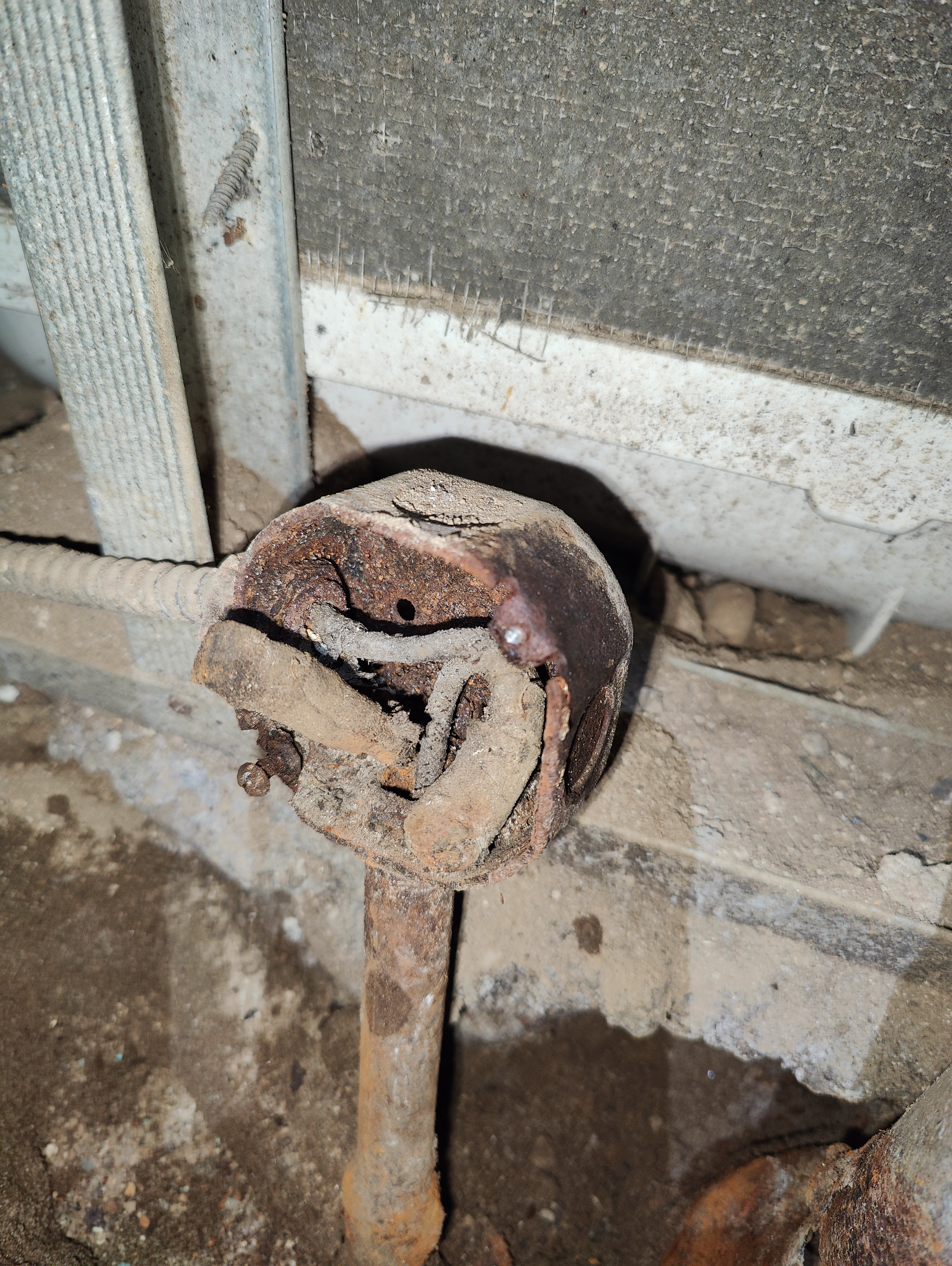
This electrical box houses two spices. Some insulation jacket already shed off exposing the wires. I measured the voltage between the exposed wires and got 0, the differential between the ground and either wire is 0, so this box was decommissioned already.
 1
1 -
that type of wire is pre wwii
0 -
So back to the question, can the electrical box be wired to a buss bar for the grounding of the whole house? The existing circuits in the house do not have a grounding wire. It was the then current code.
0 -
The boxes and the jacket of the bx and the conduit are the equipment grounding conductor in that system. If it is wired with that method all the way back to the panelboard or with another wiring method with a ground then you bond the ground terminal of the device to the box.
that is a branch circuit, that is not part of the grounding electrode system for the service.
0 -
I just got time to get down to it.
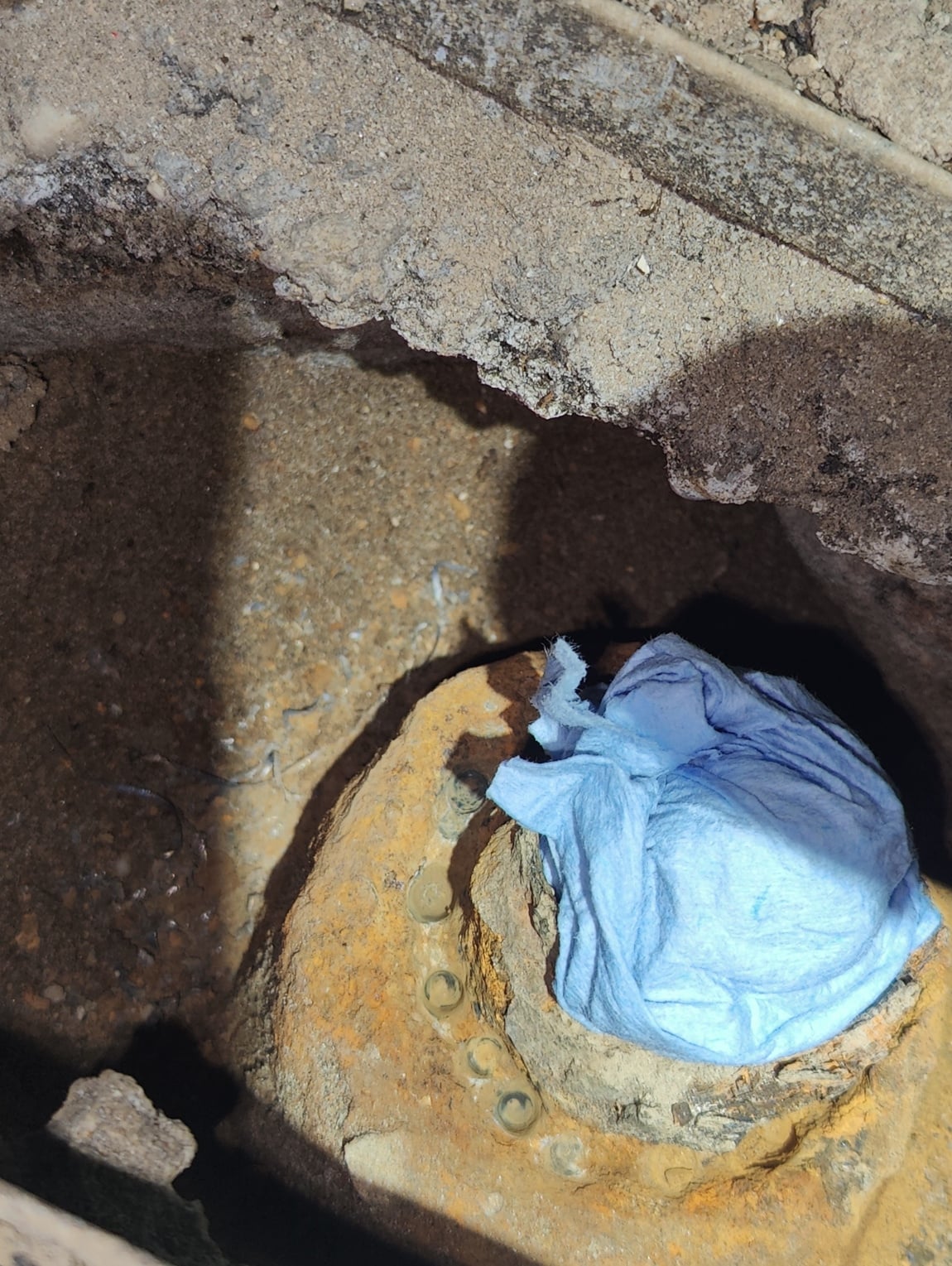
I worked on it with a 18" bell hanger bit for about 30 minutes, then I had to leave for the day. I made several holes, but was not able to go very deep. after about 1/2", it became very difficult to go any deeper, then the progress flattened out, but you can see it's still very far from reaching the bottom
is there a more efficient way to do it?
 0
0 -
the lead should just be a cap on top, there should be oakum which is oiled hemp fiber packed in underneath.
 1
1 -
Why the drill bit was not making progress through the horse hair?
0 -
No idea why it’s not penetrating are you on the cast iron neck?
I use a narrow chisel or screwdriver to get through and remove the lead.0 -
sometimes there is cement impregnated in the hemp which would grind the edge off the bit. they could have used all sorts of other things instead of oakum too.
0 -
The long bit was used if there was still a section of pipe connected to the hub, the length gave the clearance to keep the drill clear of the pipe as the long bit would bend somewhat.
Now that you have no pipe, just a broken stub, you could use standard bits.
If you are drilling lead it will spiral up very easily.
You might have concrete in the hub? Perhaps try a masonry bit.
My father used concrete for lead joints in 1942.
1 -
And if there really is horsehair in there it will foul the cutting edge of the bit and keep it from cutting..
Br. Jamie, osb
Building superintendent/caretaker, 7200 sq. ft. historic house museum with dependencies in New England0 -
there could be some concrete on top of the lead that got there when they poured the floor too, that would take the edge right off the bit. maybe try tapping around with a small chisel or an old screwdriver and see what comes off.
 1
1 -
I have a drill bit sharpener for 135 point of degrees. But the drill bit is 82 degree. Anyway to sharpen it without a bench grinder?
0 -
I need a 18" drill bit to reach down there. Standard bits do not have the reach
0 -
Just look online there are all kinds of drill bits just google 18" drill bits. You can get wood bits , metal bits or masonry bits.
0 -
I mean needed. This drill bit with a 18" bell hanger bit is what I got. It's 82 degrees and I could not find a sharpener
0 -
If you grind enough you'll change the angle to the angle of your jig. Or you could just use a bench grinder.
0 -
Every time when I left I plug the stub with some tissue paper, but the next time when I come back, the paper is pushed aside or down into the stub. I don't know what creature lives in the drain pipe. The house is also infested with lots of giant drain flies. A headache to deal with.
 0
0 -
could be air pressure. or rats
0 -
82 degree is really meant for aggressively drilling wood. it probably would do ok in lead because lead is very soft but maybe not.
0 -
It's rats. I saw a long grey tail snapping out of sight in the stub. A new problem.
Last time I squeezed three Scott blue shop towels into a ball and plugged in the stub. The rat must have dragged the paper down through the pipe. The paper towel is very likely to clog the pipe.
What can be used to plug the stub for now to block the rat and flies? I can think of a 2" Fernco cap. Anything else?
0 -
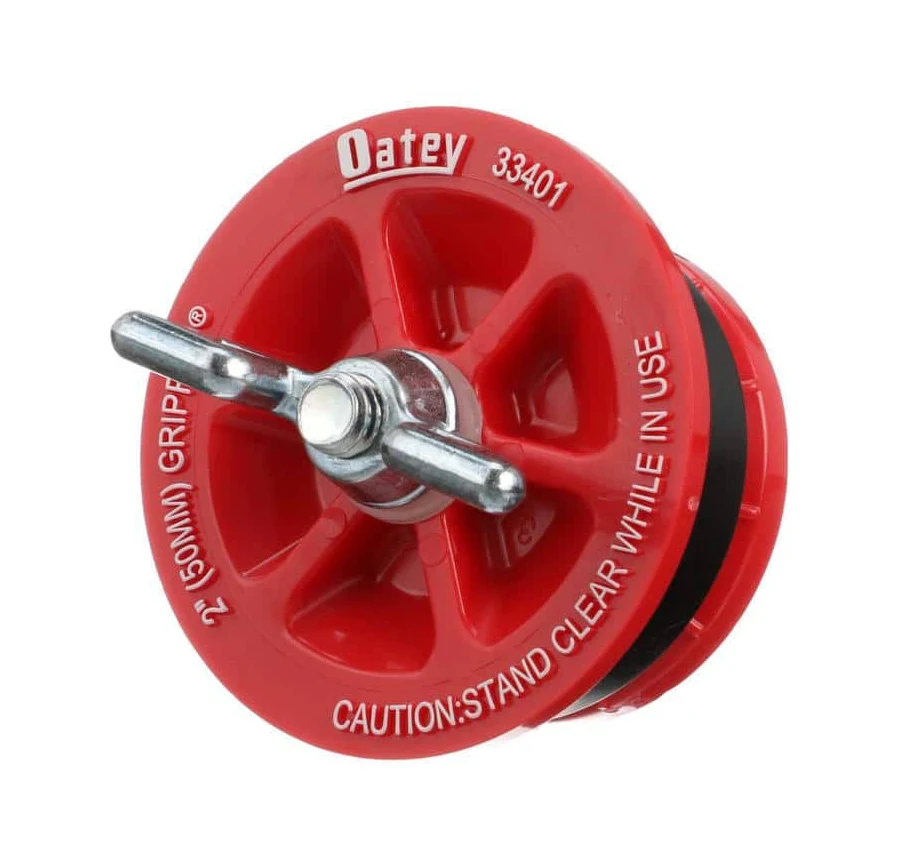
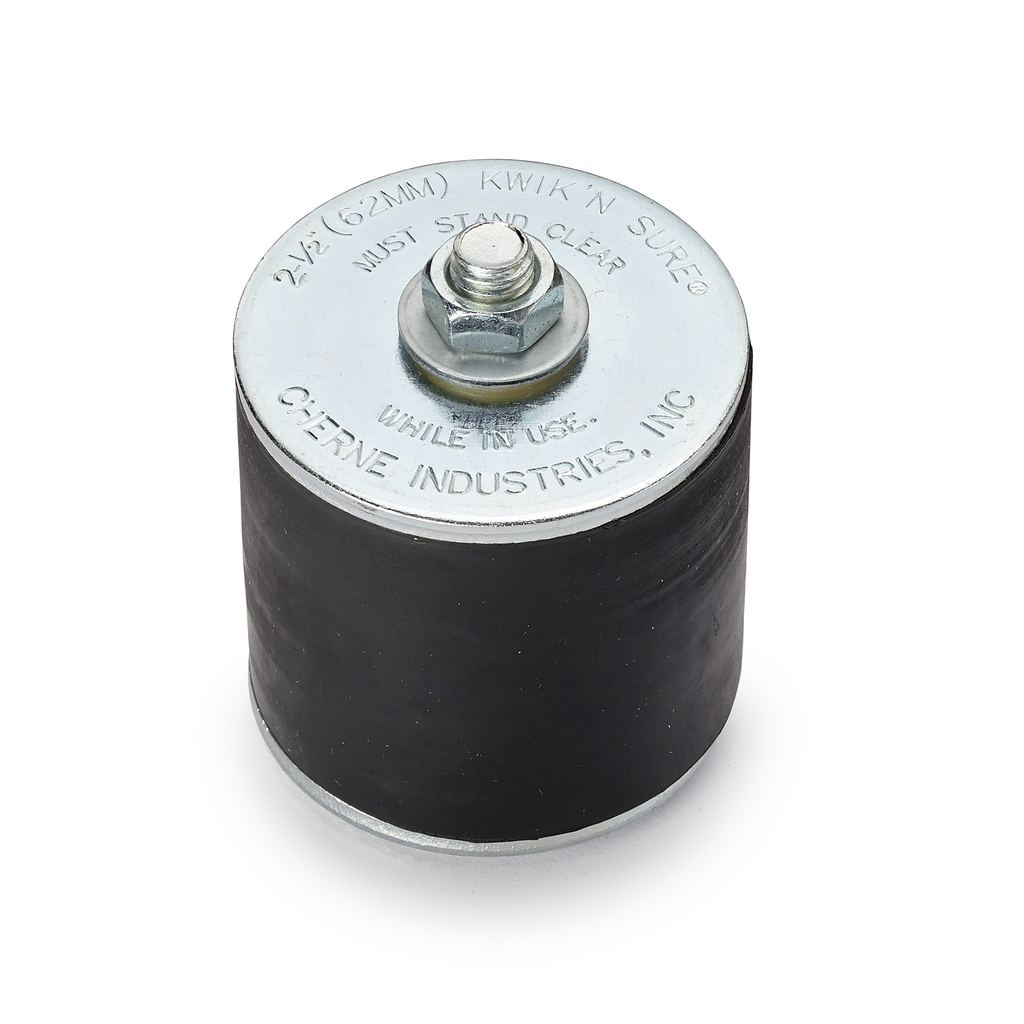
maybe an expanding type test plug if you can find one that is the right od to fit the id of that pipe
in that new picture it definitely looks like there is some mortar or concrete that ended up in the bell of that fitting one way or another.
0 -
Hi, Might something like this work? I've seen rats chew through Ferncos.
Yours, Larry
0 -
Plumber buddy of mine was working in a vacant house and had pulled the toilet out. He didn't have a plug, so he put an upside-down drywall bucket over the drain with a brick on it.
When he went back the bucket had moved away from the drain and "something" in the bucket was moving around.
He got a piece of sheet metal and slid it under the bucket and flipped it over and took it outside.
Poured some gas in the bucket and lit it.
Goodbye Mr. Rat.
0 -
those buckets are kinda pricey…
0 -
Cannot see the pic. Could you reupload?
0 -
The rats live in the city drain network. Endless supply.
0 -
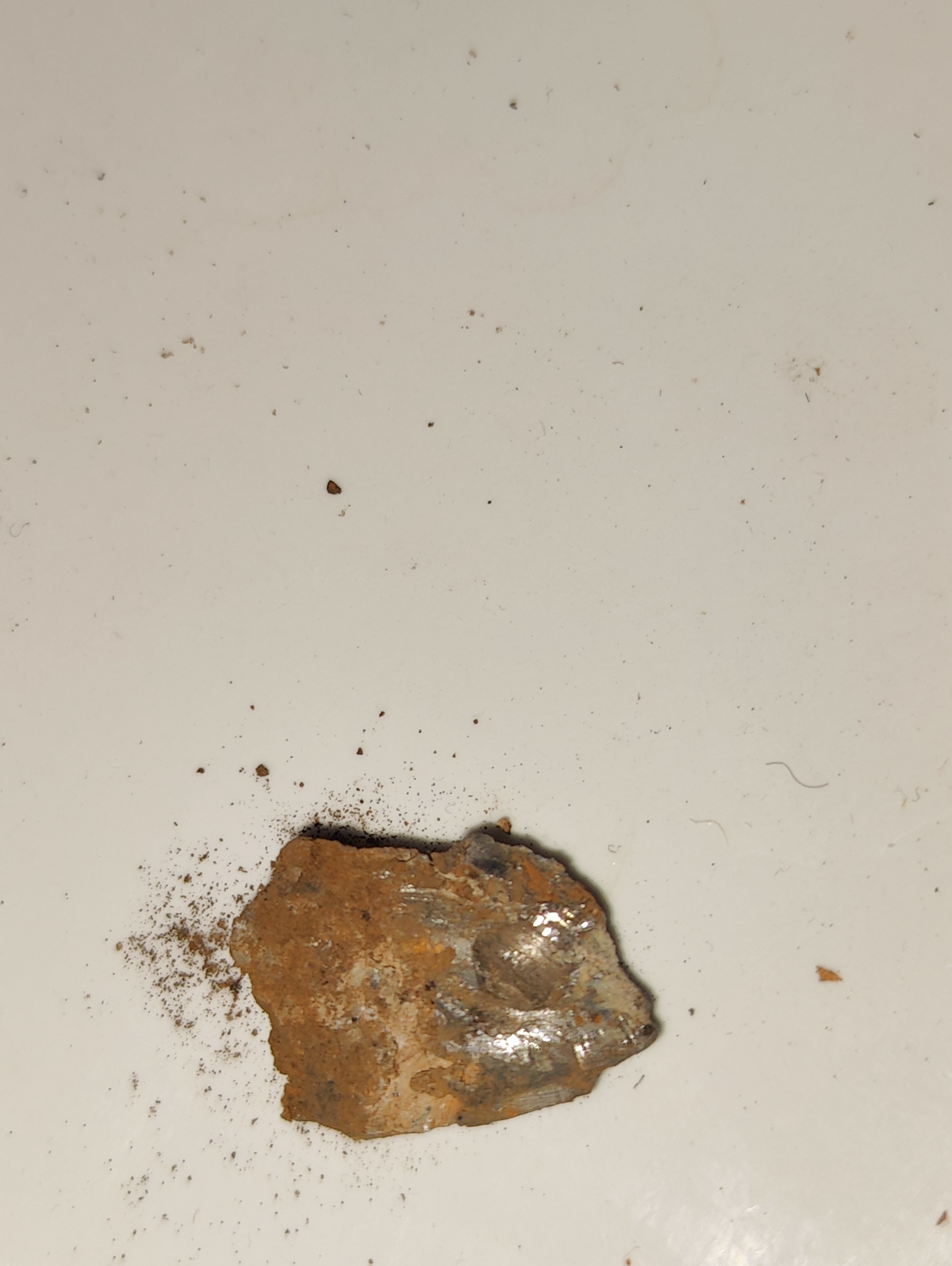
It's a tiny piece that I chipped off yesterday using a hammer and demo screw driver. The shiny color shows it's lead. I don't know why the drill / screw driver don't make progress. When I knocked on the screwdriver, I felt a large resistance preventing it to go deeper
 0
0



Categories
- All Categories
- 87.8K THE MAIN WALL
- 3.3K A-C, Heat Pumps & Refrigeration
- 60 Biomass
- 430 Carbon Monoxide Awareness
- 133 Chimneys & Flues
- 2.2K Domestic Hot Water
- 6K Gas Heating
- 124 Geothermal
- 170 Indoor-Air Quality
- 3.9K Oil Heating
- 79 Pipe Deterioration
- 1.1K Plumbing
- 6.7K Radiant Heating
- 397 Solar
- 16.1K Strictly Steam
- 3.5K Thermostats and Controls
- 56 Water Quality
- 51 Industry Classes
- 51 Job Opportunities
- 18 Recall Announcements