Can my vintage boiler wiring be updated to modern wiring?

Hello,
I’m making plans to finish rewiring the rest of my 1909 house (1st floor and basement) and updating to 200 amp service. Rest of the house was updated in 2024.
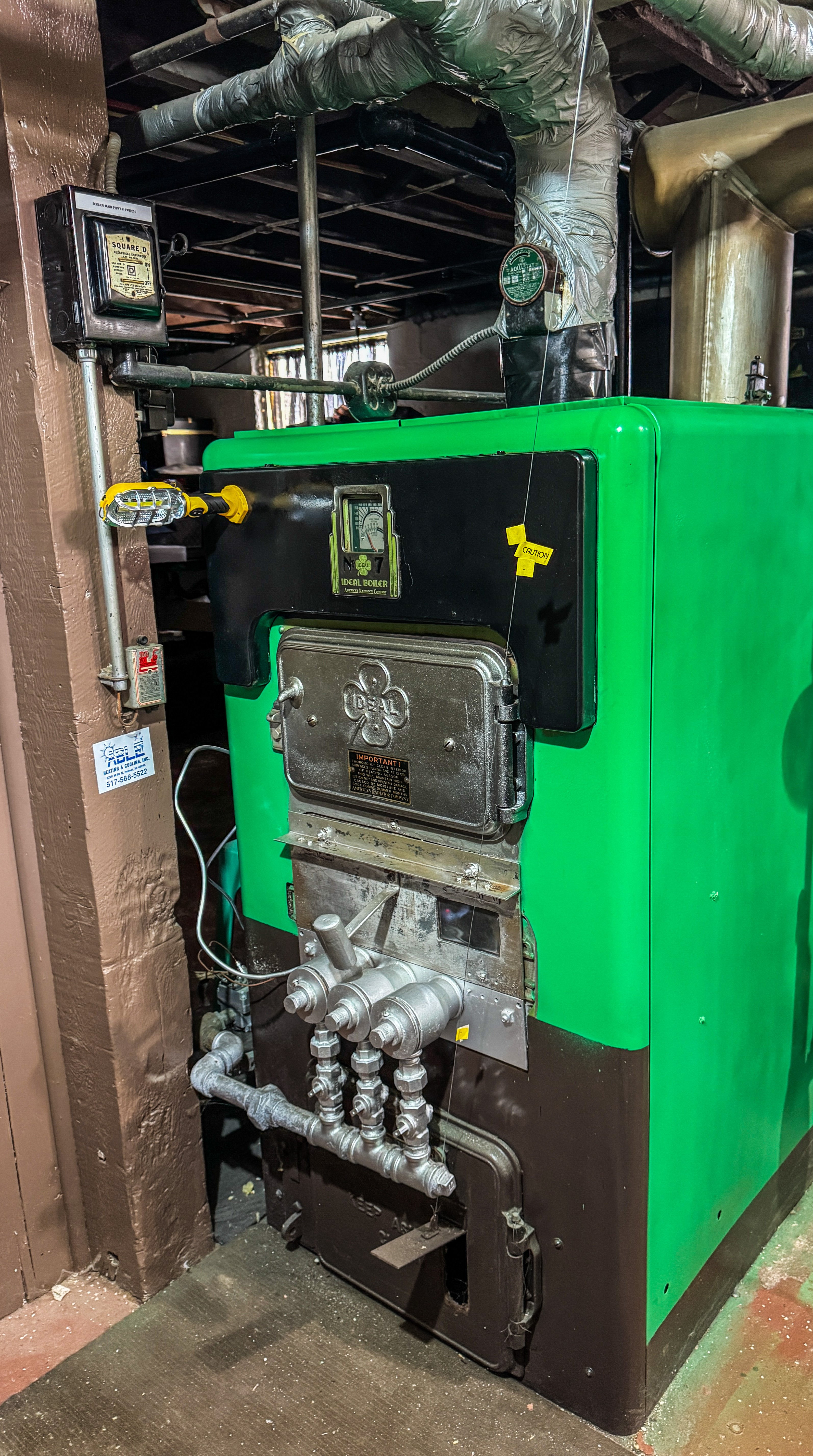
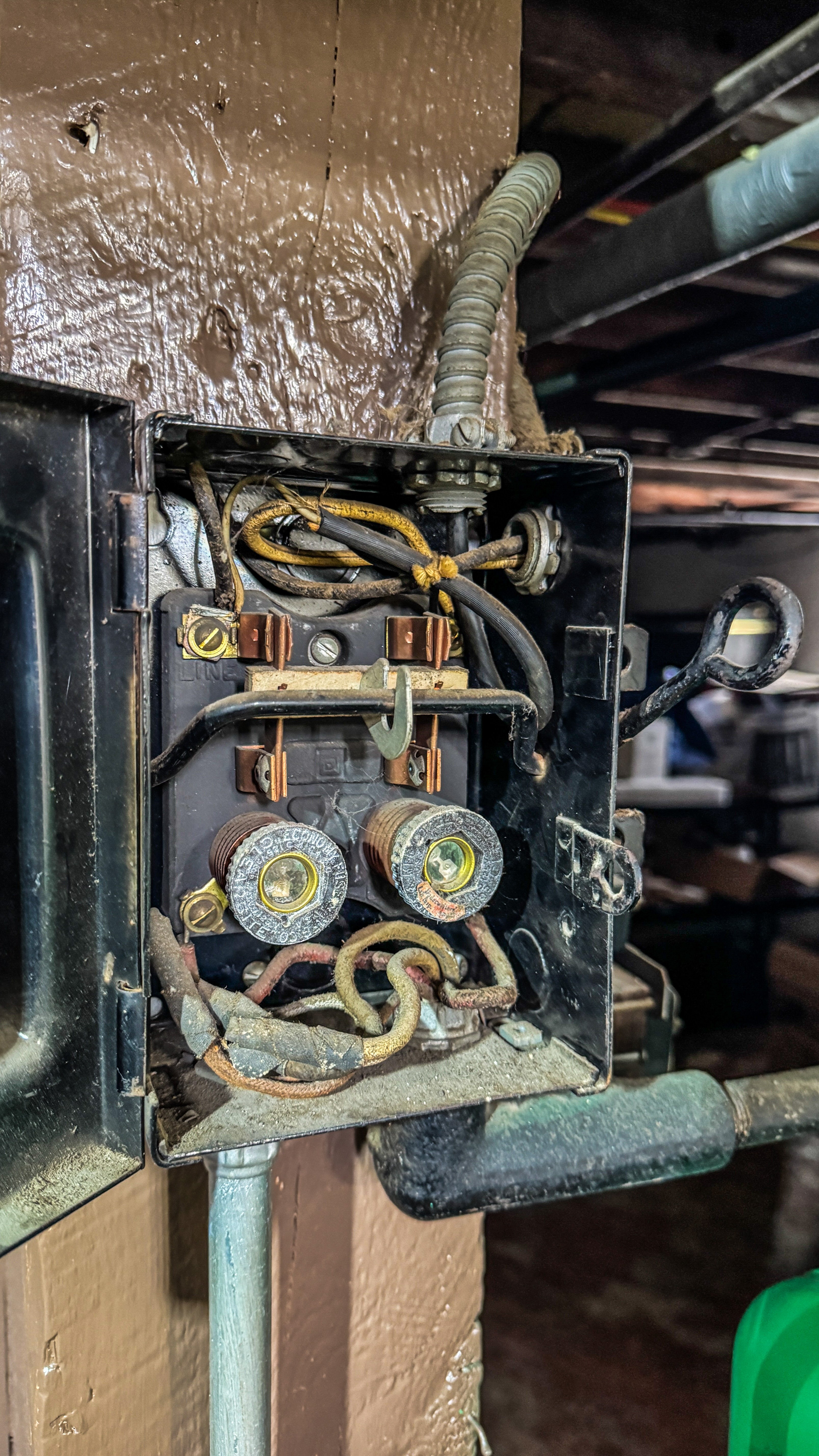
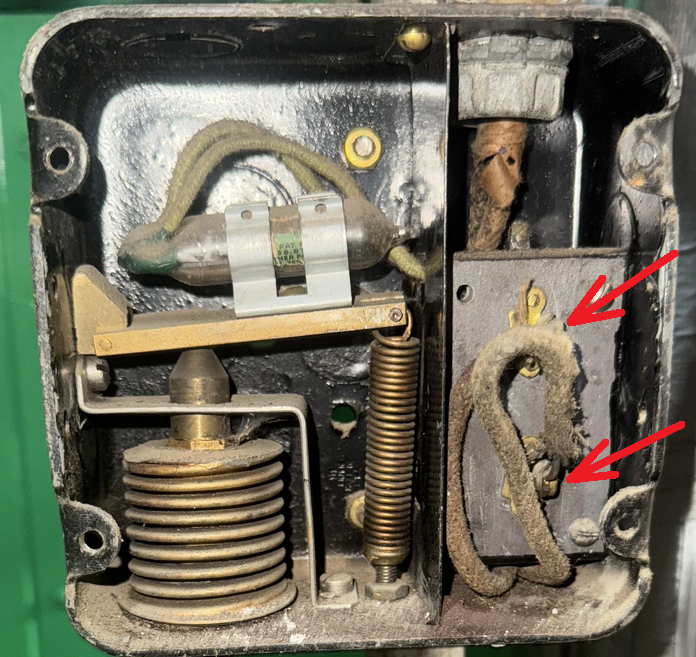
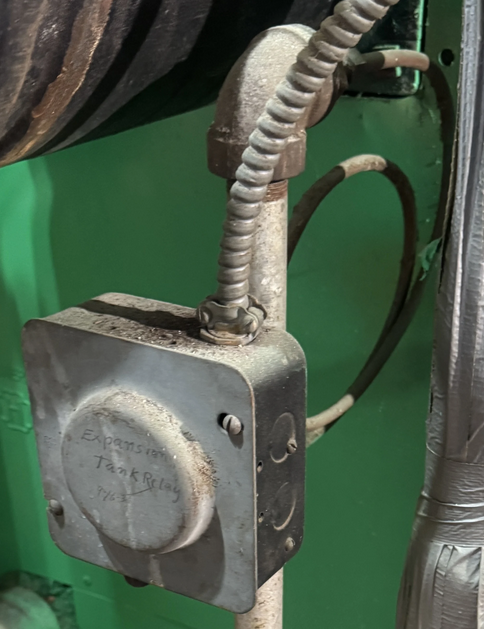
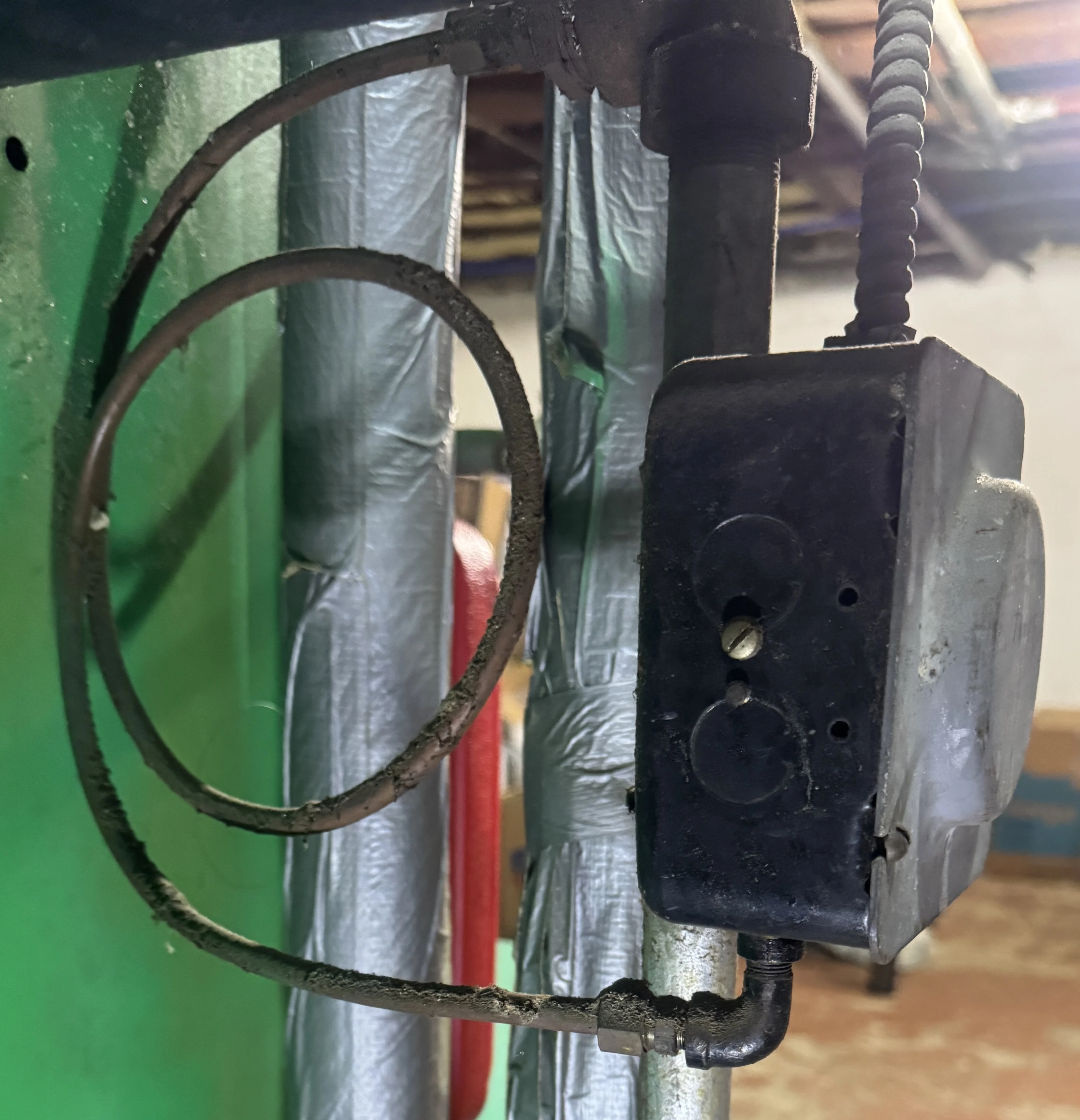
My question for the heating pros here, can my 1937 gravity boiler’s power also be easily updated to modern standards away from the old fuse panel seen here in photos? Any considerations I need to warn my electrician of?
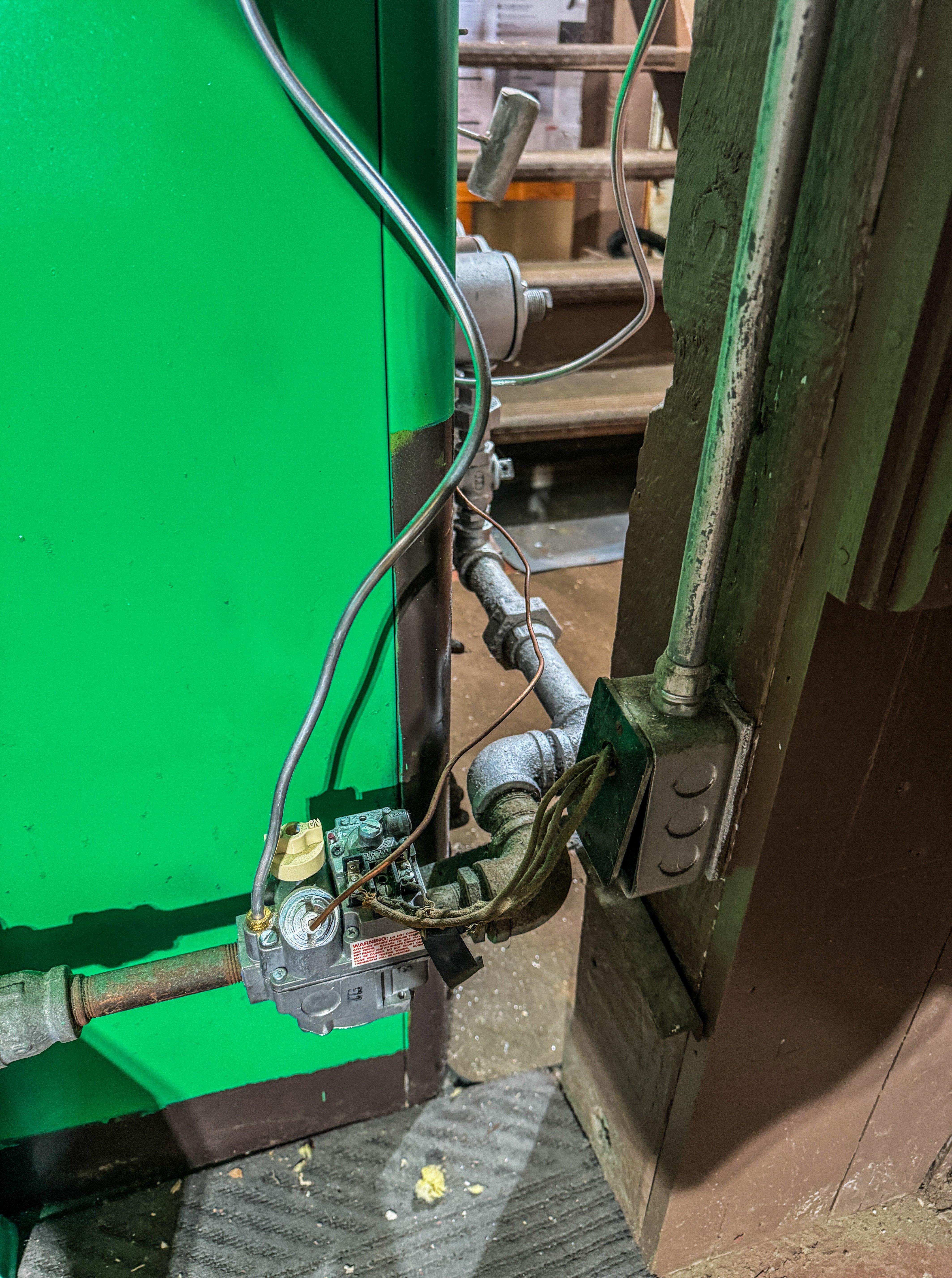
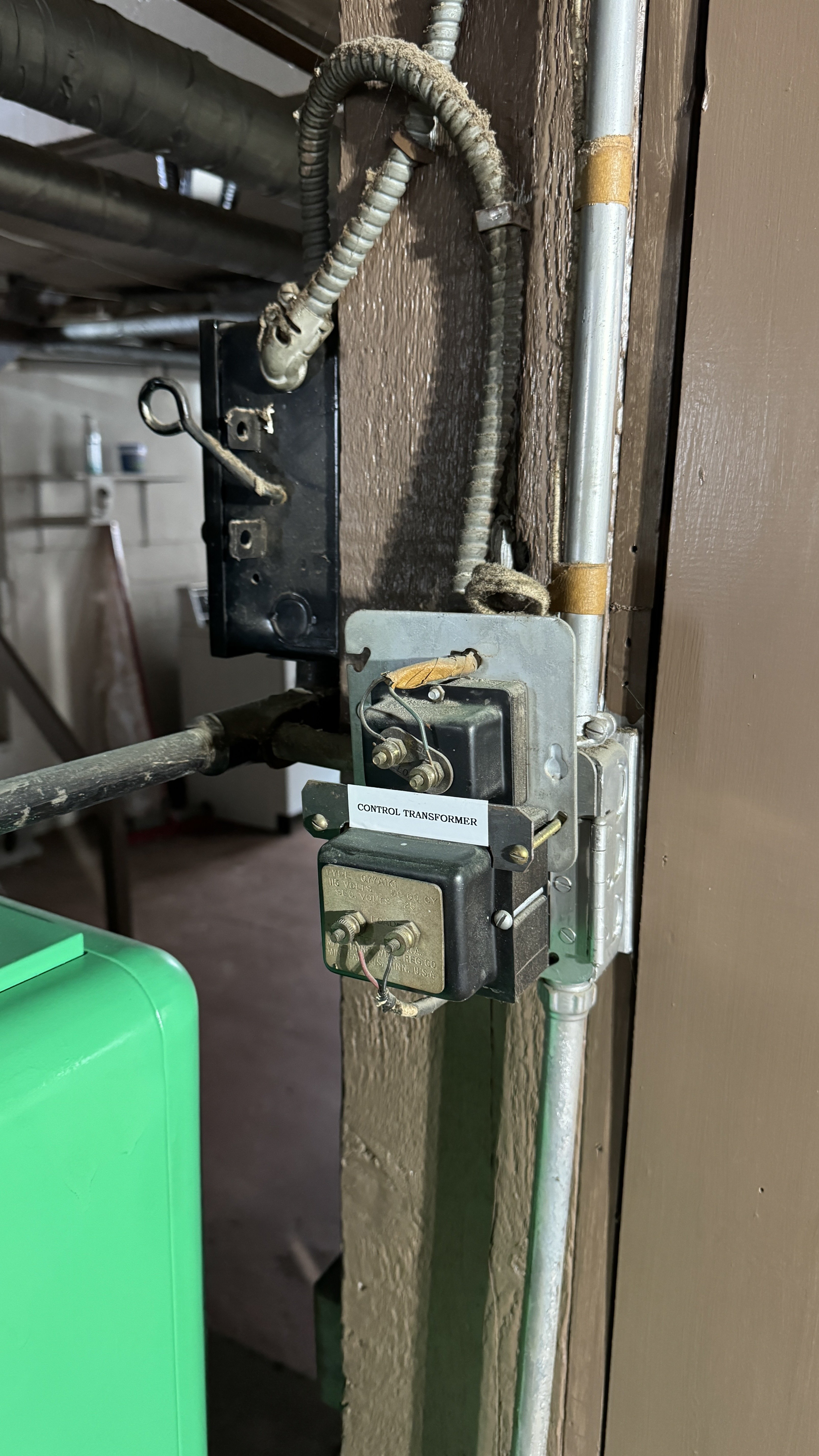
Just to be clear, I have a modern 100 amp circuit breaker panel for the house. Only my boiler has this old vintage fuse box setup. The wiring is old BX that snakes around the basement and terminates to a junction box. The circuit my boiler is on is a 20 amp circuit and as with most old houses shares with a bunch of random areas in the house. If I flip the circuit breaker the boiler goes off just like everything else. The goal after rewiring is to have my boiler all by its lonesome self on a circuit. Most of what you see in the first pic like the vintage Honeywell aquastat is disabled already. The only “live” part is the power switch and transformer.
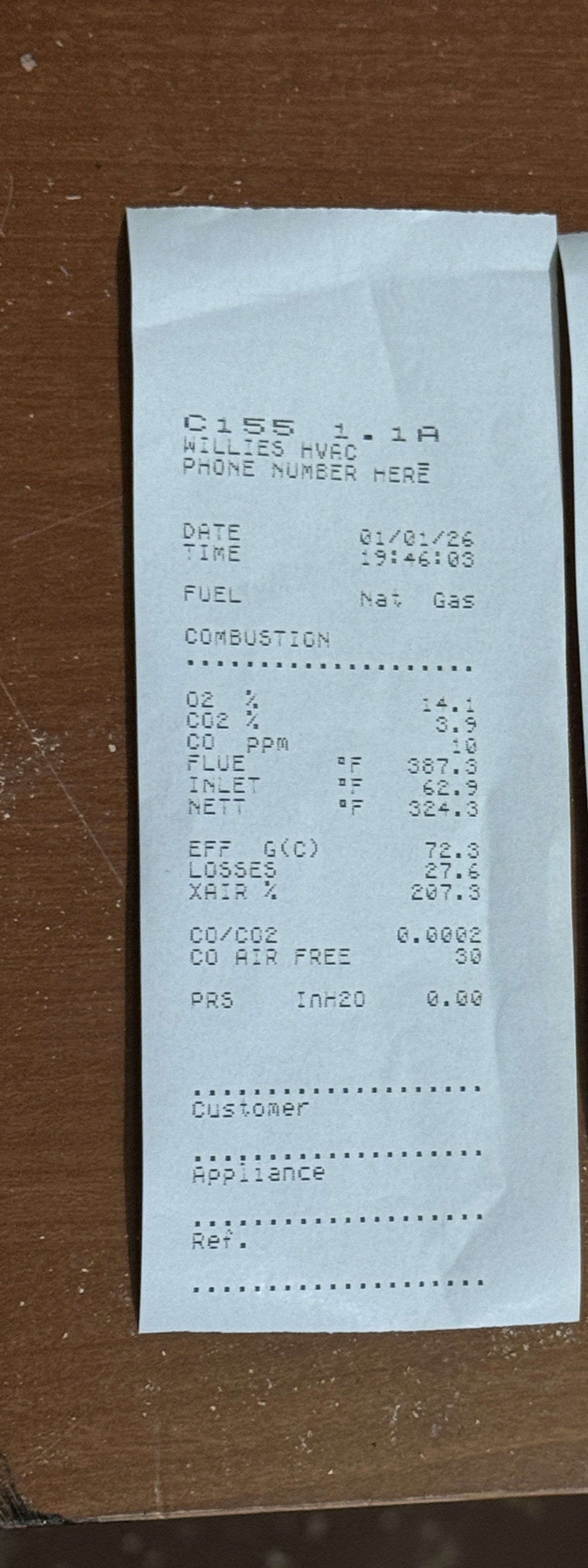
I do NOT want to ever get rid of my No. 7 Ideal boiler unless it outright fails due to a leak or a crack pumping high levels of CO out. But the thing doesn’t have a speck of rust inside so I don’t foresee that anytime soon. It’s celebrating 89 heating seasons and operates well for its age. So I have no desire to ever get rid of my green beast. See power setup and most recent combustion analyzer result from last month. (I have my own analyzer)
Thank you,
Lifelong Michigander
-Willie

Comments
-
Any competent licensed electrician can replace that older wiring with modern wiring and connect to your existing boiler controls, while feeding power from a new independent circuit.
—
Bburd 2
2 -
15 am circuit is all you need. No issue with updating the wiring
Do you have another aquastat? Why is the old one disabled
1 -
I'm unsure, everything here predates me by many years. It works and that's where I leave things. The previous owner lived in the house 60 years with this boiler (she's 92 and I check on her like a grandmother) . Imagine not never having to purchase a boiler, but use the one that was already installed for 60 years. Those days are long gone lol.
Lifelong Michigander
-Willie
0 -
Do update that — although technically, in many jurisdictions, you may not have to.
But two things: remember that when you update, all the new stuff (and sometimes more) has to meet the current code requirements. Since you have other circuits involved, they may (and probably should) need to be updated as well — and, of course, the boiler must be on its own circuit (as @EBEBRATT-Ed said, 15 amp is ample).
I would be VERY surprised if the present 20 amp arrangement is correct, by the way. Just because you can screw in a 20 amp fuse doesn't mean that the wiring it serves is adequate for 20 amps. That age, it's very likely to be 14 gauge, which is a maximum of 15 amps.
Br. Jamie, osb
Building superintendent/caretaker, 7200 sq. ft. historic house museum with dependencies in New England0 -
That thing is running really lean.
0 -
My biggest concern would be this boiler running without a working high limit control if the old aquastat is disabled.
 1
1 -
what is the second pole of the switch used for(i remember trying to figure that out in another thread)? are those 24vac transformers? the fused switch itself can be replaced with a modern toggle switch. if the transformers are 24vac I would replace them with a new transformer because the primary wiring is likely to crumble as soon as you start trying to bend it.
like others said you would wire a new dedicated circuit to it because central heating equipment has to be on its own circuit.
is one of those xfmrs for a doorbell?
 1
1 -
i think those may be replaceable element fuses and it looks like the link says "10"
0 -
You are correct, this area was the subject of another post last year. My doorbell transformer is at the front of the house.
The second one (on the bottom) is not live. I put my non contact tester near it and nothing, other one, loud beeps.
Lifelong Michigander
-Willie
0 -
I think you’re way underfired. The old boiler looks beautiful.
1 -
As I see your setup, you have old cloth-insulated wiring for both the line voltage and the low-voltage wiring. There was nothing wrong with that when it was installed, and you can also use 14-gauge wiring for the new control wiring to keep the look original. Any electrician will certainly want to remove and replace all the wiring
The fuse box can be replaced with a standard 15-amp switch in a standard junction box. The 15-amp breaker in your new circuit breaker panel is all you need for the dedicated circuit.
The only 120 VAC item in your setup is the transformer. It does not even draw 5 amps, so the 15-amp breaker and 14-gauge wires from the panel are sufficient.
Where I think you should change the control strategy is with the 24 VAC transformer. I would replace it with a new one for the reason @mattmia2 mentioned: the wire insulation will likely crumble as soon as you start working with it, and a replacement transformer is not that expensive.
The next step is to connect all the controls with thermostat wire in series from the transformer R terminal to the thermostat, (red wires) then to the limit(s), and then to the gas valve. From the gas valve, you need a return path back to the transformer C terminal (blue wire).

Other limits could be a spill switch at the draft diverter to open the electric circuit to the gas valve if the chimney ever gets blocked. The burner shuts because the hot exhaust gasses can't exit the building. You certainly don't want to be breathing that stuff all night and wake up dead the next day.
That gas valve is not original to the boiler or burner system you have. It is a modern redundant gas valve and has more safety features than the original gas valve and pressure regulators with the pilot safety switch on the wall around the corner from the transformer. So keep that gas valve you have, unless you want to upgrade to electronic ignition.
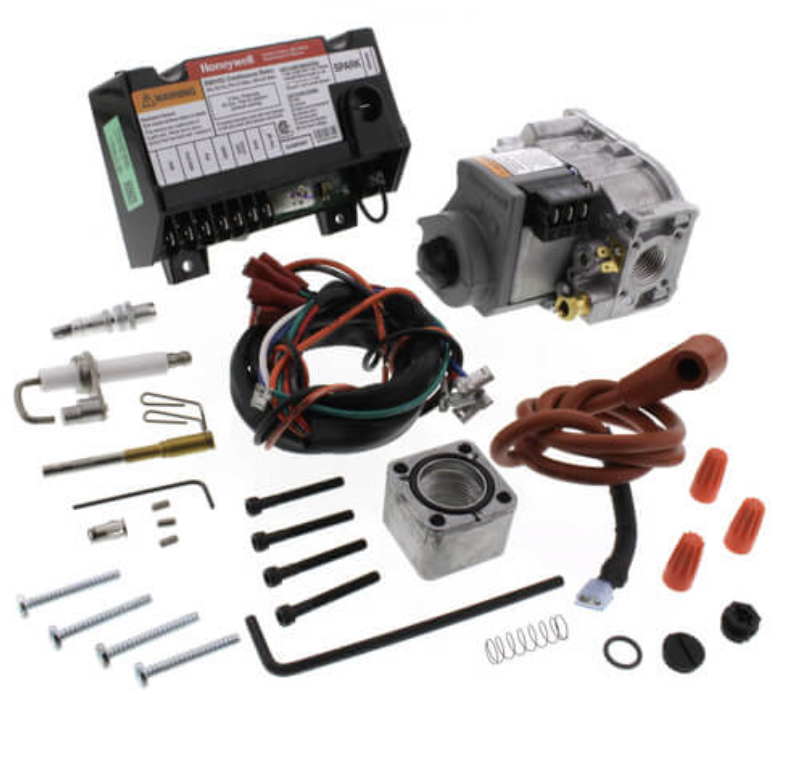
Depending on the size of the pilot that may save you a little on your annual gas bill but only about $20.00 to $40.00 per year if it has a large flame pilot burner this is the kit for that Electronic Ignition retrofit kit
Your electrician may not want to get involved with the old boiler to install that kit so think about before you buy. You will need a gas heat guy that isn’t afraid of old stuff.
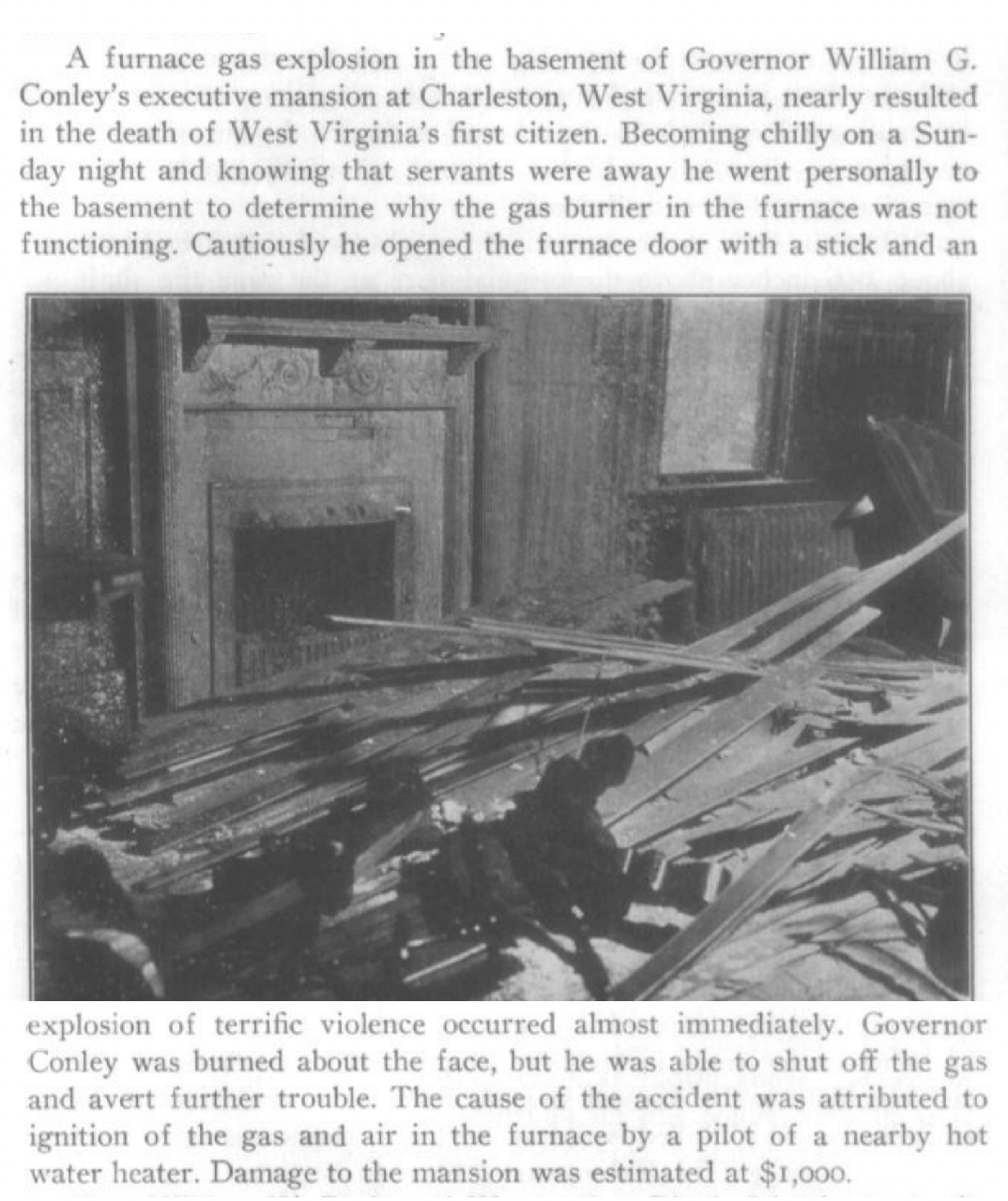
@EBEBRATT-Ed has a concern about your statement about the Honeywell high limit control being disconnected. Do you know for sure that the control no longer shuts off the burner? If that is true, then you need to add some kind of high limit control to protect the boiler from overheating and causing a catastrophic failure. That boiler is of the age that those things happened on a regular basis when it was installed, and your not having a proper high limit can cause you to end up as a newspaper story like these:
December 1933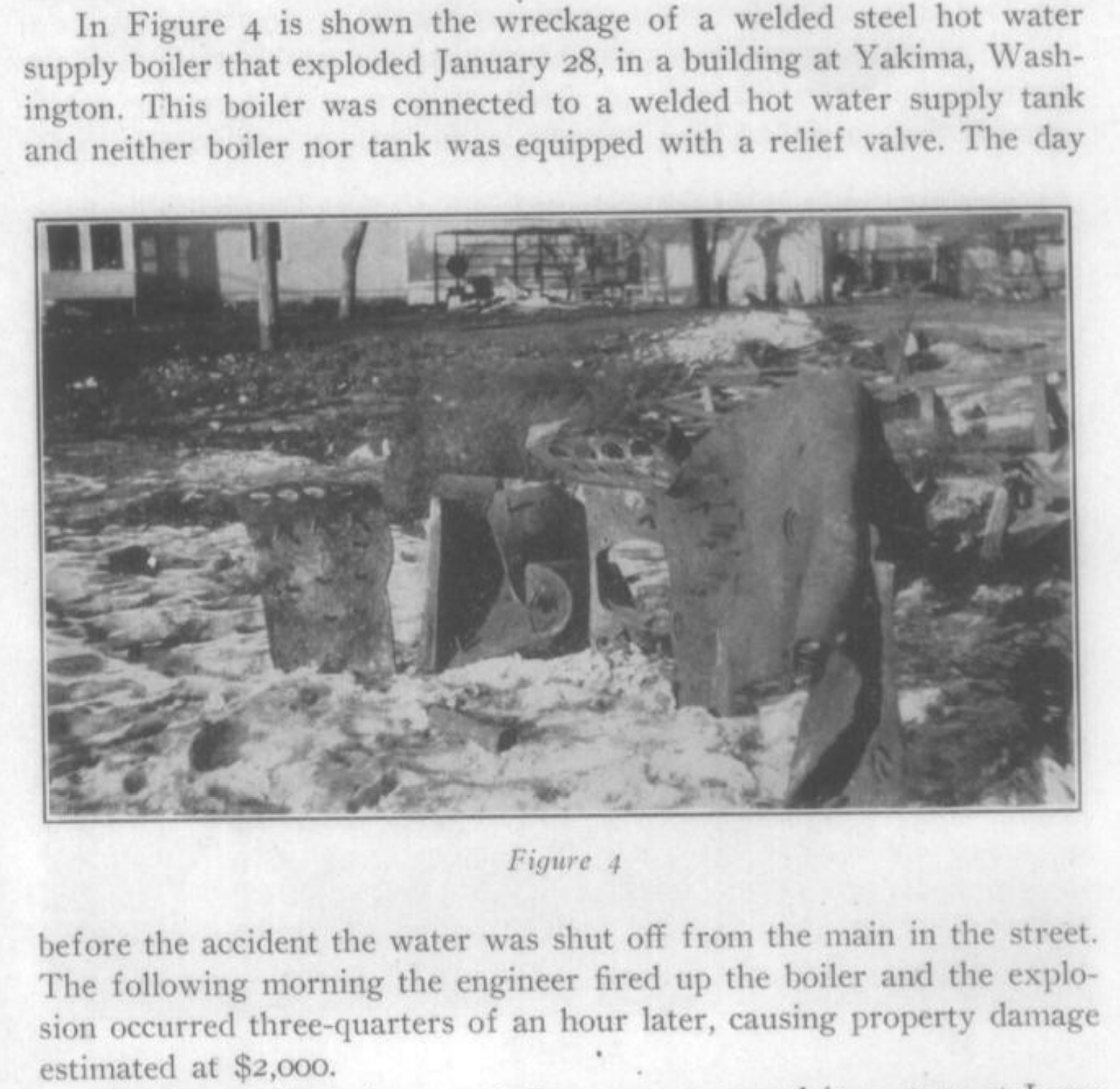
January 1933
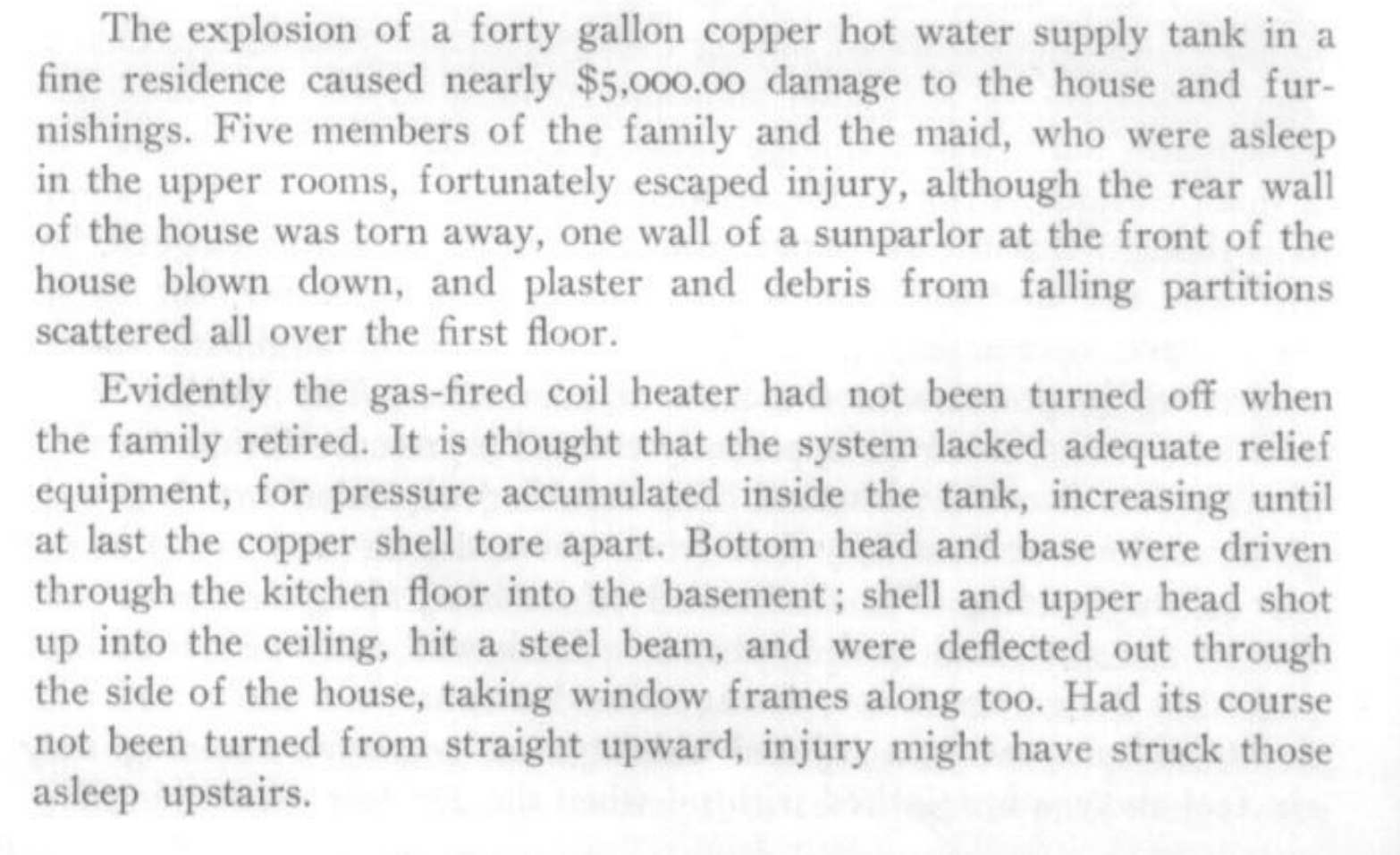
December 1932
Edward Young Retired
After you make that expensive repair and you still have the same problem, What will you check next?
1 -
switching the neutral which they did in the old days and it is still legal to do that as long as you open the hot with the same hand movement..
Some old jobs I have seen had fuses in both the hot and the neutral wires.
1 -
switching the neutral is legal if it is interlocked. fusing it is not.
0 -
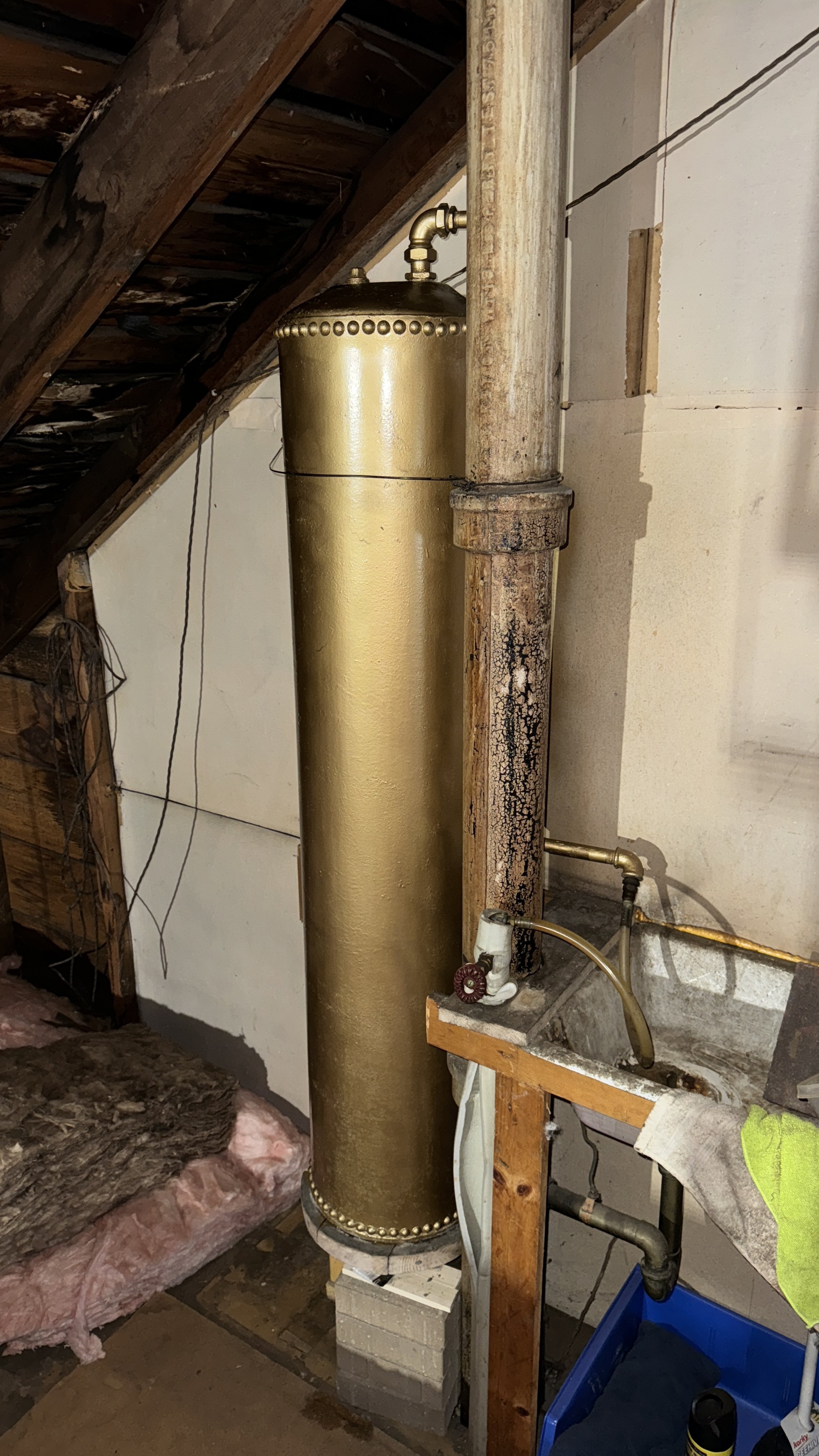
Thank you Ed for that wonderful explanation and warnings! Now I do want to expand further on the whole boiler explosion thing. Because from what I read and even Dan’s videos and books, that was always a steam boiler issue. My system is gravity hot water connected to my Honeywell Heat Generator no. 1 mercury seal and open to the atmosphere at my attic expansion tank. My attic setup has a sink that just drains into the main plumbing stack. Isn’t that why “the wealthy people installed gravity systems” according to Dans video/books? The people who built my house were said wealthy people for sure as my house is on the grandiose side.The hottest my boiler water temps gets on the coldest day, which was the polar vortex we all just dealt with is 190°. That old aquastat tops out at 200°. It’s worth me doing a little experiment this weekend and turning it down to 160° just to see if it shuts my boiler off and it’s some weird power setup that doesn’t set off my non-contact meter.
In the photo below, my water supply line is connected as I had topped off the system with water. Right now, those pipes are disconnected and the system could relieve itself into the sink. I also feel like this is where my system gets rid of air. As only one of my rads (bathroom one just below this area) on occasion will have just a tad bit of air, rad still gets fully hot. When I did top this off two seasons ago, when I disconnected the tube an air lock released and a bunch of air came flowing out. It actually startled the hell out of me because I wasn’t expecting it. 😂
Lifelong Michigander
-Willie
 1
1 -
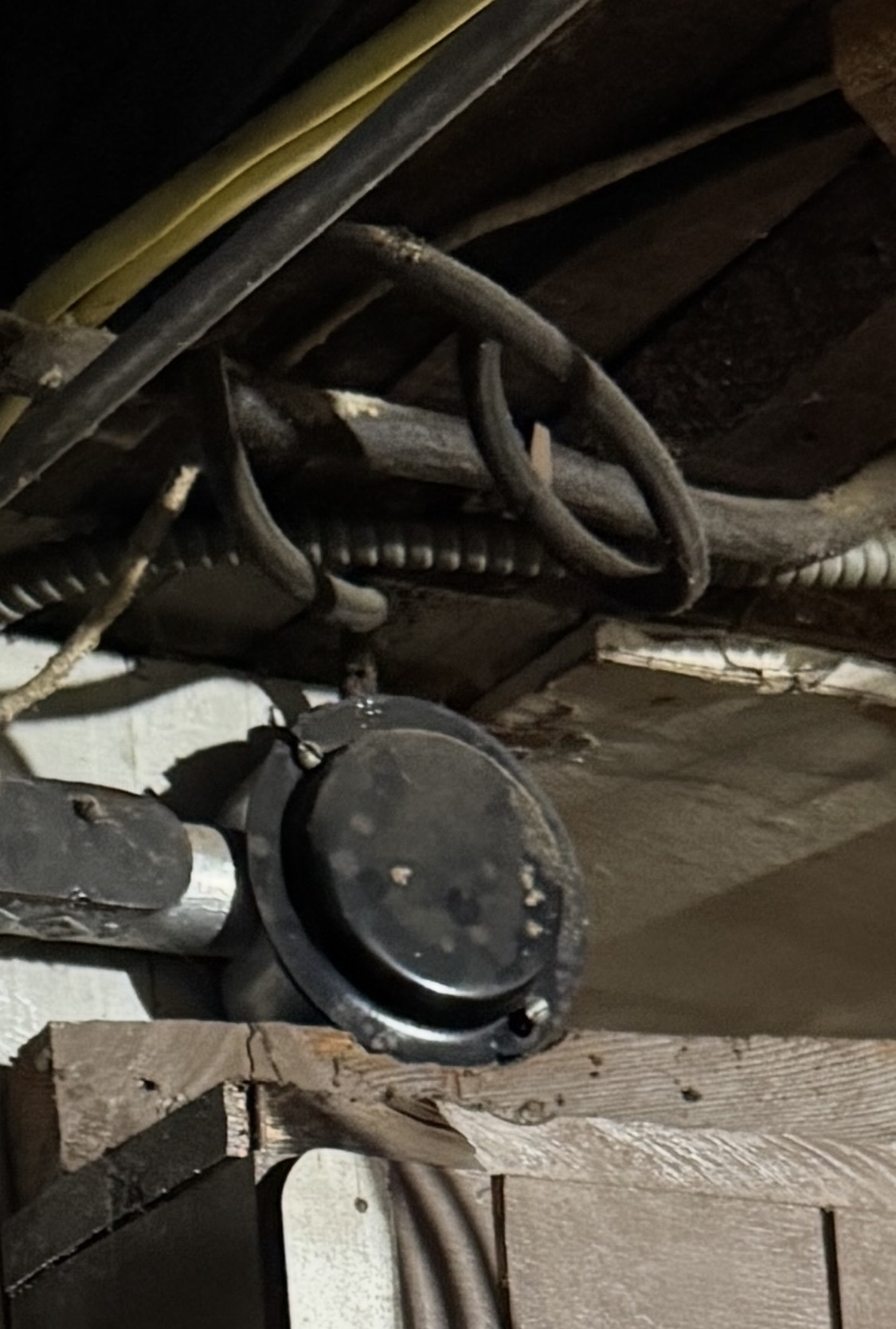
Here’s where things get weird too. So in my other comment, remember I said only the top one has juice. See the picture below. The wire runs up to that bundled coil up in the ceiling in photo 1. Still active. It literally connects to nothing. I’m going to at least cap that off. It’s just me so it’s not like anyone would be monkeying around in my basement.
in the second zoomed in photo, that black cloth wiring coming out that old junction box is completely dead. It seems that the current BX replaced that. My system is such a mystery on what the dead men did. And the fact I was able to get my Google Nest to work, without touching anything down in the basement has me just as talented as them with magic tricks. 😂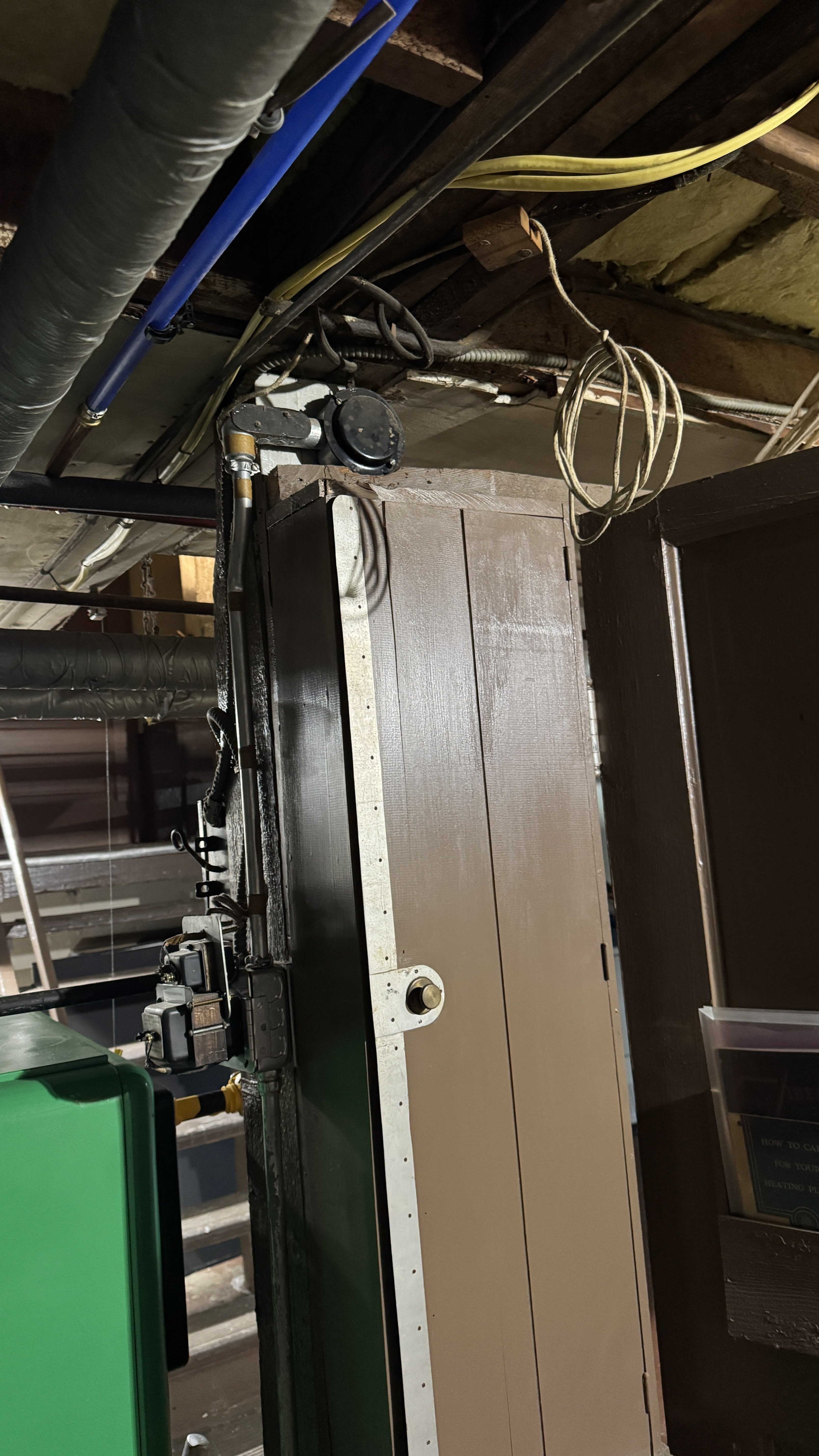
Lifelong Michigander
-Willie
0 -
I guess my question is with the wiring update, does that include all the boiler's wiring or just the 120 VAC side of the boiler's control wiring ?
As far as updating the boiler's wiring, sure why not ? However, the way I see it, you may need the right person to do it. Some skills above and beyond that of a residential Electrician may be needed.
I would not trust a non-contact tester to be reliable on 24 VAC circuits especially ones that are floating (not grounded on one side of the transformer's secondary).
How does the thermostat's wiring make its way to the boiler's wiring ? Not really seeing it.
An example of the right person to do the work. This picture from one of your other threads, these connections may need to be un-soldered then the new wires soldered, I don't see any screw terminals. Maybe the screws are on the back side, however I bet the Mercury switch wires connect on the back side.
 National - U.S. Gas Boiler 45+ Years Old
Steam 300 SQ. FT. - EDR 347
One Pipe System0 -
That bundle of white wire hanging from the ceiling looks suspiciously like old telephone wiring. Wonder what it is… or was…
Br. Jamie, osb
Building superintendent/caretaker, 7200 sq. ft. historic house museum with dependencies in New England0 -
check with a real meter, non contact voltage testers have plenty of false positives and false negatives.
is this the system with a patch on the vent that looks like it used to have a stack control for an oil burner? if this once had an oil burner it would have been reworked from that.
it was very common to have an xfmr to provide power to dial lights for phones(i think that was not 24vac though).
i think there are screw terminals behind the giant insulation of that old cloth and rubber wire in the front
0 -
This does not relieve you from having a high limit. It was the code when the gas burners were installed and it is code today!
"from what I read and even Dan’s videos and books, that was always a steam boiler issue."
That is all well and good, but I have witnessed a gas furnace with a runaway gas valve. I got a call from an absentee customer that his vacation home in Avalon NJ, had a gas bill that seemed a little high. After getting the key from the real estate office I entered the home to find that it was about 92° inside. (outside was 35°) there were candles that had melted over and the electric switch would not turn off the gas. That valve was stuck open and the burner was at a full tilt 110,000 BTU flame inside.
Now think about that happening to your gas valve, which is similar to the one in my example above. Your gravity hot water boiler might turn into a steam boiler in such a case. How does that pan out with all that mercury in that Honeywell No. 1 device work in that scenario?
Of course that would not be solved by a high limit control, but if the thermostat wire happened to get a staple or nail to cut thru the insulation and caused the electricity to keep the gas valve open, even after the room temperature increased above the set point, you could experience that same hot water boiler making steam. Your high limit would prevent that! That is the reason for the high limit.
I also had a prospective customer in Stone Harbor, NJ with a hot water boiler that made steam. It blew out a 12” x 14” piece of cast iron that blasted thru the steel covering and made a 3” deep impression in the boiler room wall made of cinder block. I wanted them to purchase a new oil burner to retrofit their 50+ year old hot water boiler. That cost half as mu h as a replacement boiler. Four weeks later I got a call from that customer asking if it could be fixed. And could I put in that oil burner job.
With half of the end section of the boiler missing, they needed to get the new boiler so another plumber got that job. If he only decided one week sooner, he could have saved $$$ because my replacement oil burner job includes a new combustion chamber, new barometric draft regulator, new thermostat and new boiler operating and limit controls. Basically a new boiler operating system installed in that old boiler (like your old boiler). The reason for the exploding boiler was a control issue and a plugged relief valve. That would have been solved with the work I would have done. So that was never a customer of mine.
Sincerely
ED Young
PS:
None of the explosions in the three 1932-33 stories above were steam boilers. The first was a furnace and the second and third were water boilers, LIKE YOU HAVE.
Those stories were from this book HeatingHelp.com/documents that had 30 or more boiler explosions listed. One story listed there were 5 explosions in the same week, two of those were in the same town. You have an old boiler and your want to keep it. make it safe to keep!
Edward Young Retired
After you make that expensive repair and you still have the same problem, What will you check next?

 4
4 -
Ok so the “High limit switch” isn’t the same as “high pressures” leading to an explosion. I was confusing the two. I have set the experiment, I turned the Honeywell down to 160°. I’ll see what it does during the evening heating cycle.
Thank you.
Lifelong Michigander
-Willie
0 -
You can do the experiment by turning the thermostat uo to call for heat right now. the burner should start. Then you lower the Aquastat as far as you can, and the burner should stop. If that test does not work, then you may need to wait for the boiler temperature to increase and see when it stops. If the boiler temperature goes above the Honeywell Aquastat setting by more than 10° and the burner continues to operate, then that High Limit is disconnected. That is DANGEROUS!!!
Also, a water boiler does not usually have a pressure limit control. Do you believe that your have a pressure switch? Can you show me what you believe is the pressure switch?
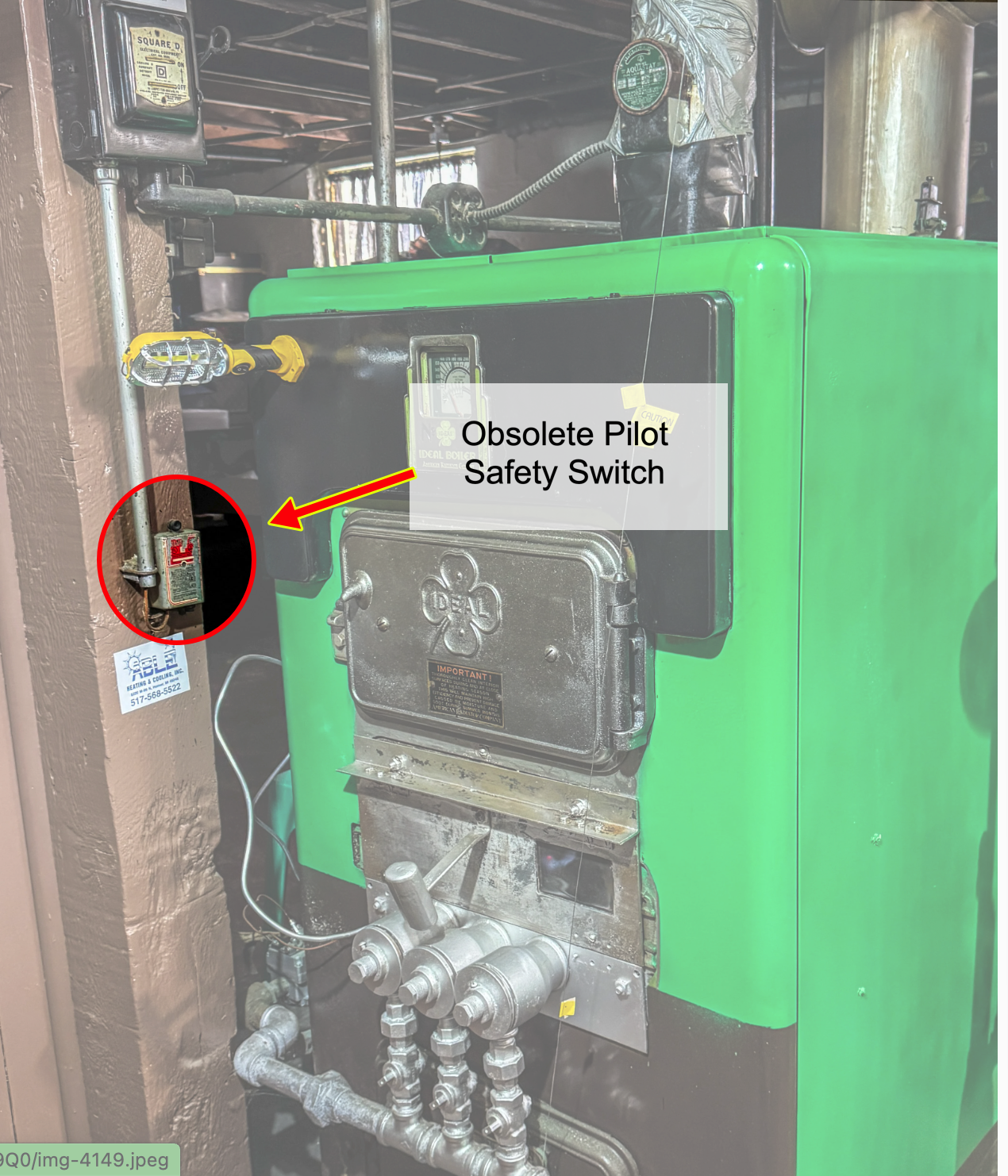
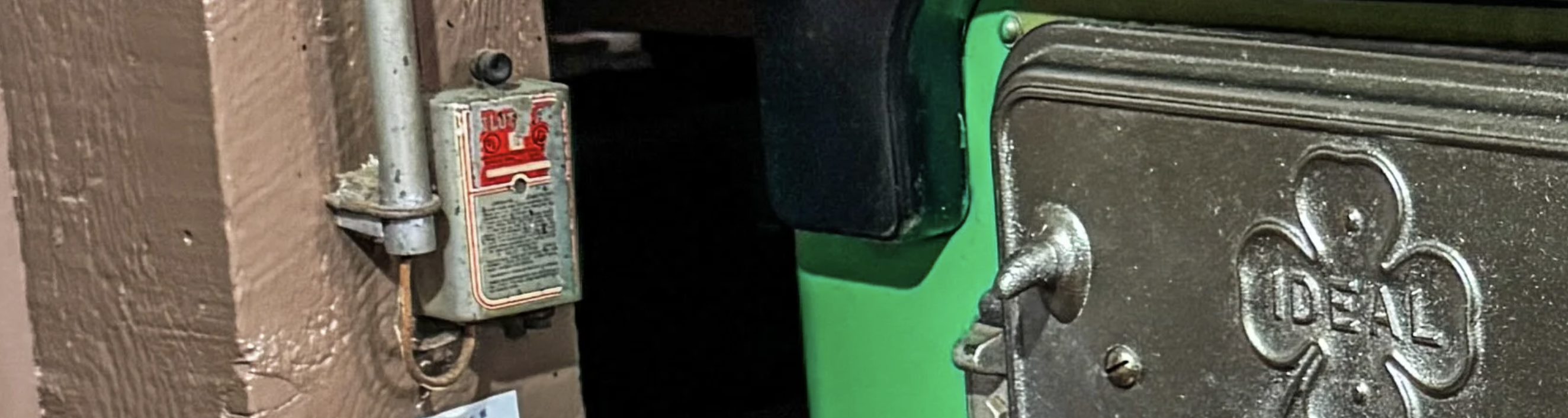
You do have one switch that can be disconnected. It is the BASO switch. BASO is a brand name for the gas pilot safety switch. That switch is no longer connected to the pilot because that safety device is included in your upgraded Redundant Gas Valve. The old gas valve and pressure regulator gas train was replaced some time ago with a modern redundant gas valve that is designed to turn off the pilot gas if the flame goes out. The old Gas Train would allow the pilot gas to continue if the flame blows out. That was not a problem when that burner was installed but it will not pass code today. Since you already have the better gas valve you no longer need the BASO switch.
Edward Young Retired
After you make that expensive repair and you still have the same problem, What will you check next?
0 -
Well! I am fully safe. It’s working! It shuts off at the 20° mark. The Honeywell was set to 150° and the water was 170°. I am ecstatic it proved me wrong. Which means this aquastat is just as durable and reliable as the boiler itself.Here’s the video of it in action. 😃
Thank you, Ed!Lifelong Michigander
-Willie
 4
4 -
I noticed your pilot is rather large, which was normal for that age of gas appliances. If you can find someone that can install that electronic pilot kit, it may be a worthwhile endeavor. To find out hoe much that gas pilot is costing you, try to clock the meter this summer with only the boiler's pilot using gas. See if you are spending more than $40.00 per year. That large of a pilot may cost you more.
Edward Young Retired
After you make that expensive repair and you still have the same problem, What will you check next?
0 -
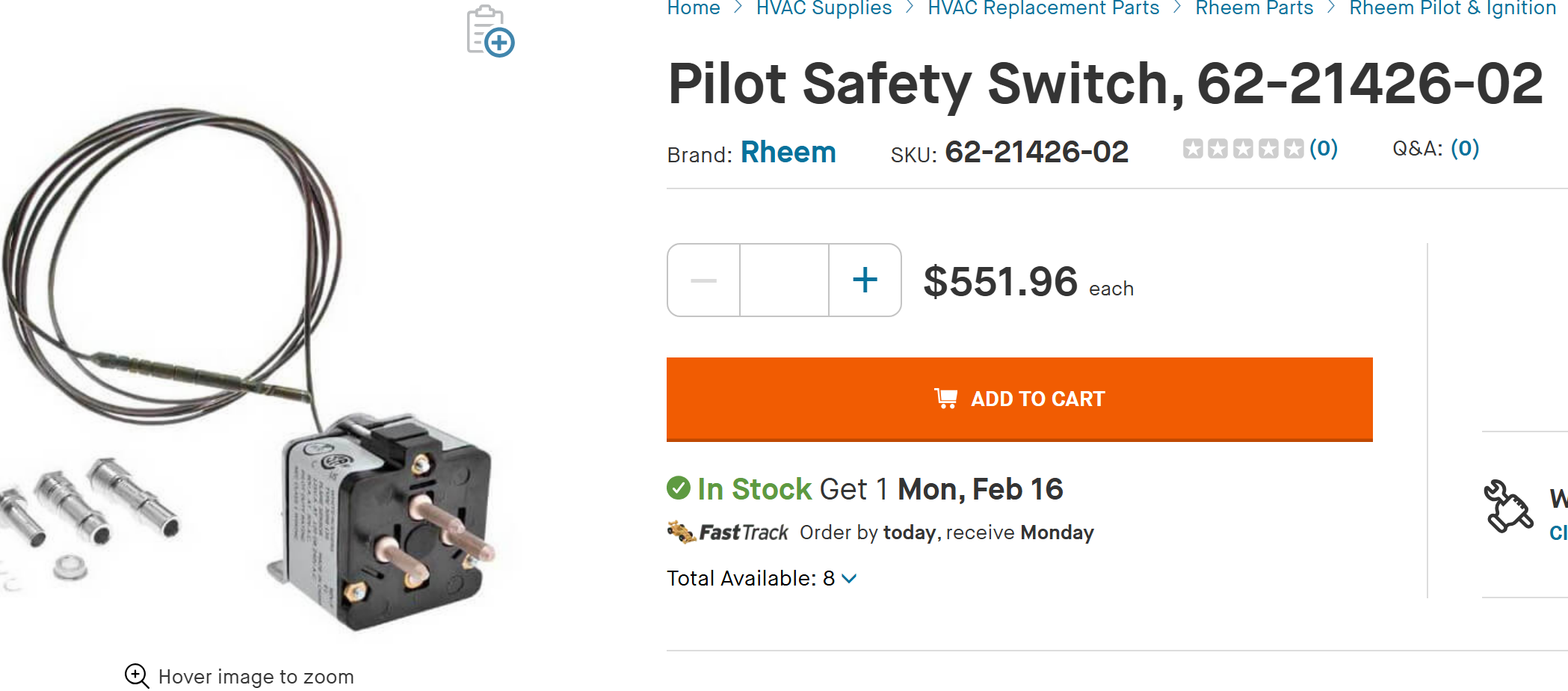
is that existing valve a thermocouple pilot safety or a mercury switch? it kind of looks like a mercury switch which is no longer manufactured although i think some nos is still around.
zooming in on the picture i think it is a thermocouple.
0 -
The existing (current) gas valve is made by Robertshaw. It reminds me of the 700 series that uses a standard thermocouple.
If you are talking about the BASO switch that is about 18" below the fused disconnect switch, I believe that was operated by the same type of thermocouple. No mercury switch involved.
Edward Young Retired
After you make that expensive repair and you still have the same problem, What will you check next?
0 -
i was talking about the modern combination valve, it sort of looked like it uses this type of safety switch that bolts on the top but looking more closely i don't think it is
 0
0 -
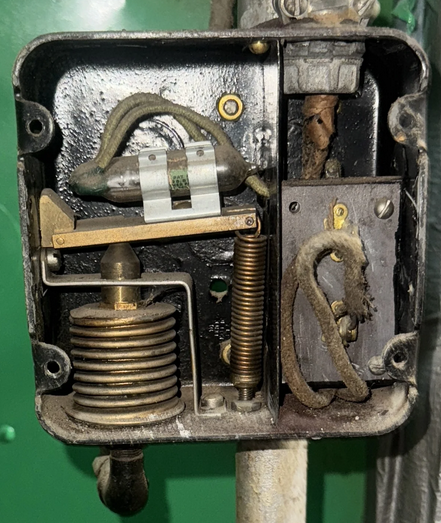
The Mercury switch device is a pressure switch. I suspect it is wired like a LWCO. So if the systems water level drops (pressure drops) due to a leak it shuts the burner off. The trip pressure is unknown, it looks like it can be adjusted a bit.
 National - U.S. Gas Boiler 45+ Years Old
Steam 300 SQ. FT. - EDR 347
One Pipe System0 -
With how cheap natural gas is here I’m not too concerned. Call me weird, I actually like having the standing pilot because it lets me know things are on and working. I’m a very visual person who likes seeing and/or hearing things work. My gas log fireplace and Mr. Heater wall heater have them as well. I turn them all off in late spring. The craziness of Michigan weather last year there were mornings in late May my No.7 fired and then that same day had to turn on the AC in the afternoon. Even with this crazy polar vortex this year, my most recent gas bill was $269 for 27.3 MCF for the month. 5 different things using gas. When I hear people tell their monthly oil/propane bills in the old house circles I get quiet as not to boast. 🤐
Here is everything under the hood. I replaced everything fall of 2024. Including the gas valve which was old new stock my boiler guy had and replaced the exact same model in place before. I was having an issue with the pilot going out randomly. Everything was so old it all needed updating for sure. And since doing everything it’s been reliable ever since. Well worth the fairly low cost as seen here for parts.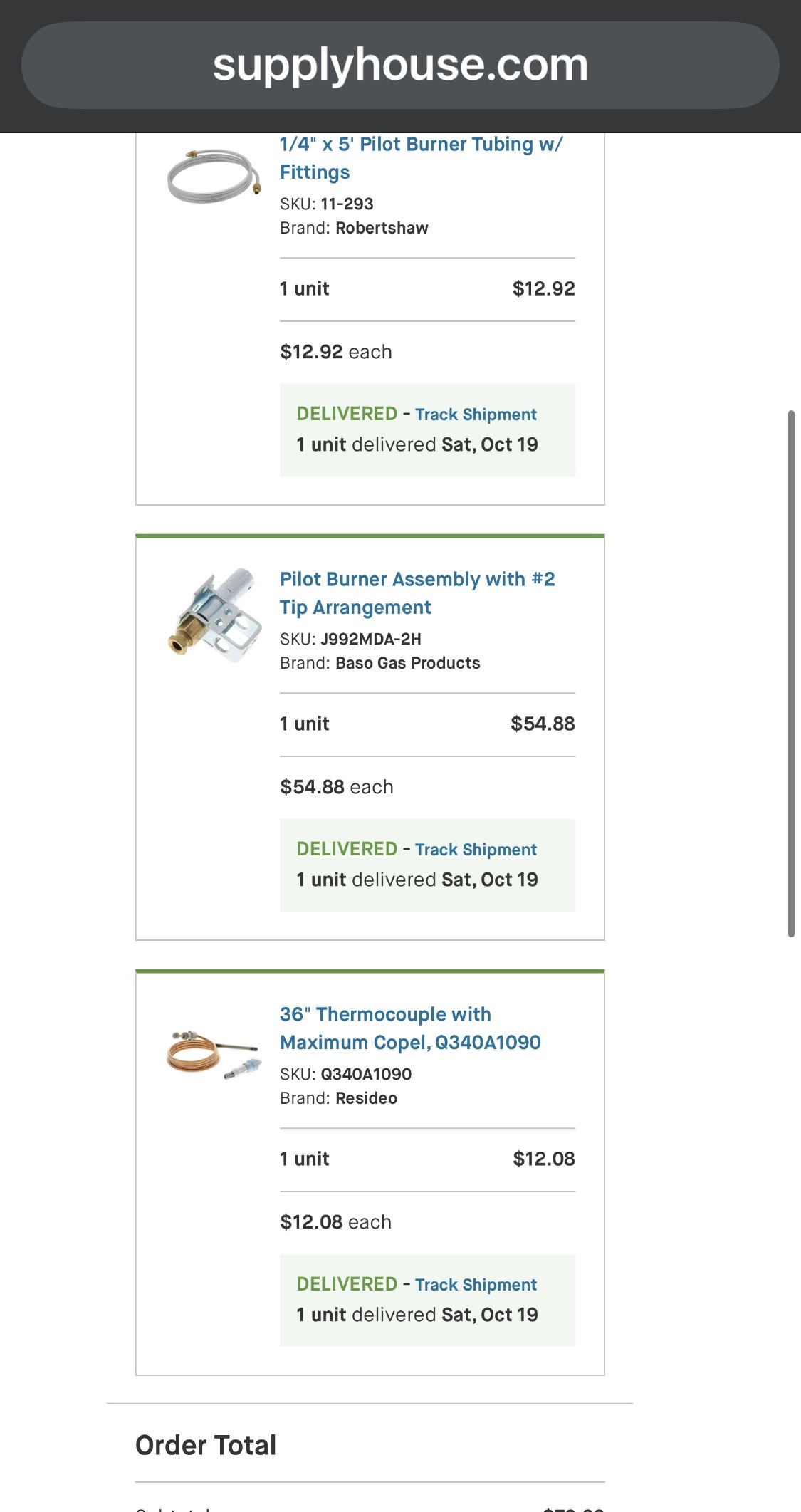
Lifelong Michigander
-Willie
0 -
And see now that’s got me wondering about my last post and that “Expansion Tank Relay” box in the back you are pulling those pics from. I’m still not sure how all that plays in to things. Especially since confirming the Aquastat does in fact still work and is getting electrical. But thank you for giving another guess on how this also plays into my system. The deadmen who did all this is long gone to explain it. I wish they would have wrote it down in an old notebook and left it down here in the basement for me. 😩😂Lifelong Michigander
-Willie
0 -
If you choose to rewire the boiler's wiring, (although I would do it in warmer weather), if you get the right person to do it they should be able to explain it to you and make a drawing of your system so you have good documentation of how it is wired and that all the control and safety devices are appropriately connected.
They can also remove the devices that are no longer being used like (most likely) the pilot switch below the safety disconnect switch and the other transformer and its wiring, reducing the electrical clutter.
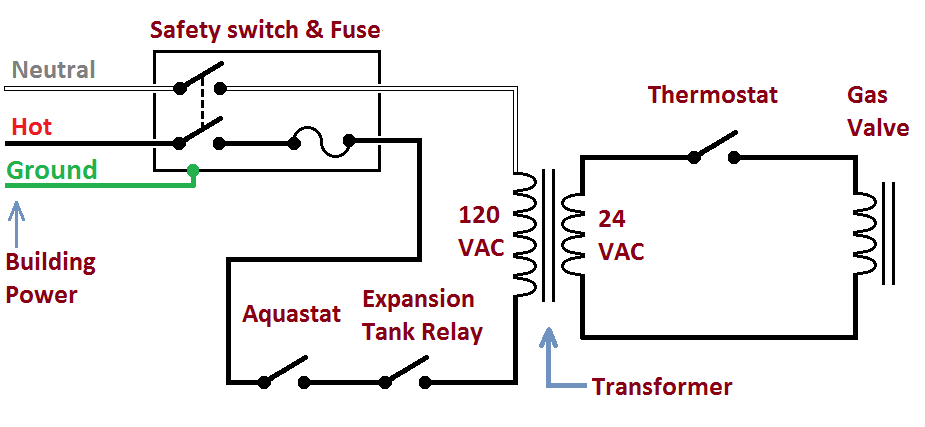
Basically there is a power source, the transformer, there is a load, the gas valve. For control and safety function, the Thermostat, the Aquastat (boiler water temperature limit control), and the “Expansion Tank Relay” (a pressure switch, a LWCO (Low Water Cut Off)), they all have to be closed or 'On' for the burner to work. If any switch opens or shuts off for their own unique purpose the burner shuts off.
Electrically they are all in a series circuit. Like the old Christmas light strings, one bulb burns out (or you unscrew it) they all go out. In this case if one switch opens, it does not matter which one, the burner shuts off.
@EdTheHeaterMan's drawing is probably very close if not exactly the way your system is wired. It certainly electrically describes the functionality of the circuit. The 'High Limit' is the Aquastat, the 'Other limits' would be the “Expansion Tank Relay”.
 National - U.S. Gas Boiler 45+ Years Old
Steam 300 SQ. FT. - EDR 347
One Pipe System0 -
Looking closely at the wires inside the pressure switch there is a possibility that the pressure switch is connected on the 120 V. side of the transformer. in that case the wiring diagram might look like this.

There are several possible ways to connect all the parts to each other. A licensed electrician performing the wiring upgrade should be capable of tracing the existing conductors and developing an accurate wiring schematic before proceeding. From there, both the line- and low-voltage wiring can be replaced methodically, ensuring that every safety and limit control is correctly reconnected and functioning as designed.
It’s also worth noting that several of the boiler failures in that 1933 publication I referenced, occurred shortly after maintenance was performed. That pattern raises an uncomfortable but important point: well-intentioned efforts to “improve” safety can sometimes introduce unintended consequences. In any control system, even small wiring errors can defeat critical safeguards.
After the rewiring is complete, each control should be functionally tested under real operating conditions—similar to the procedures demonstrated in the video you shared. For example:
- Does the thermostat reliably energize and de-energize the burner as the call for heat changes?
- Does the aquastat limit interrupt burner operation when the setpoint is below the actual boiler water temperature?
- Does the pressure switch open the circuit and shut down the burner when system pressure exceeds its threshold?
These verification tests should be performed only after all conductors have been replaced and terminated properly. This is standard professional practice: repairs are not considered complete until the safety controls are proven to operate correctly.
Installing a new safety device is not, in itself, a guarantee of safety. Even new components can be defective or miswired. By testing each safety control immediately after installation, you confirm that it performs its intended function and eliminate the risk of assuming compliance simply because the part is new, or in your case the wires are new. That verification step is what prevents minor oversights from escalating into catastrophic failures.
Edward Young Retired
After you make that expensive repair and you still have the same problem, What will you check next?
 2
2 -
$3 a month to run a pilot?
How long would it take to break even after paying someone to convert it to an electronic pilot? I'd think at least 12 years?Single pipe 392sqft system with an EG-40 rated for 325sqft and it's silent and balanced at all times.
1 -
and it will probably fail within 10!
0 -
thats a really nice system. while i agree that a standing pilot is kind of an assurance that the gas valve safety is working and ready to go, but i might can it for the off season. during heating season it is kind of like incandescent light bulbs, giving a little excess heat to the system.
but of some relevance to gas consumption and operation are the combustion readouts. although if everything is working far be it from me to say change. CO is not going to be any kind of worry with that amount of oxygen but i will admit I've seen a lot of gas conversions but never that particular iteration and I don't see where you adjust the air, if there is adjustment. some excess air can be just from draft induced infiltration where you don't really have a sealed combustion chamber. and you can't really tell what you got for leaks without pulling the skin. again not saying you should, just thinkin' this through.
kind of interesting that what are apparently 'shutoffs' or maybe proportioning valves in the gas line to each burner all seem to be set about halfway. it may be that you adjust the gas input to affect the air ratio but can't see the air inputs to the burners to get an idea on that. for those who are more deadmen than me, are those set screw collars maybe backed off a little and air is pullin there? do those burners have a concentric design so the gas flows to a jet somewhere not visible?. assume with three of them that those are tube style and not petal style burners.
I'm trying to learn something moreso than helping here . . . ;-)0 -
@EdTheHeaterMan In an older thread I posted this wiring diagram. Since the non-contact tester was not alerting on much of the wiring and it seems the wiring was a heavier gauge than common HVAC wiring. I also think the BASO Switch has been bypassed.
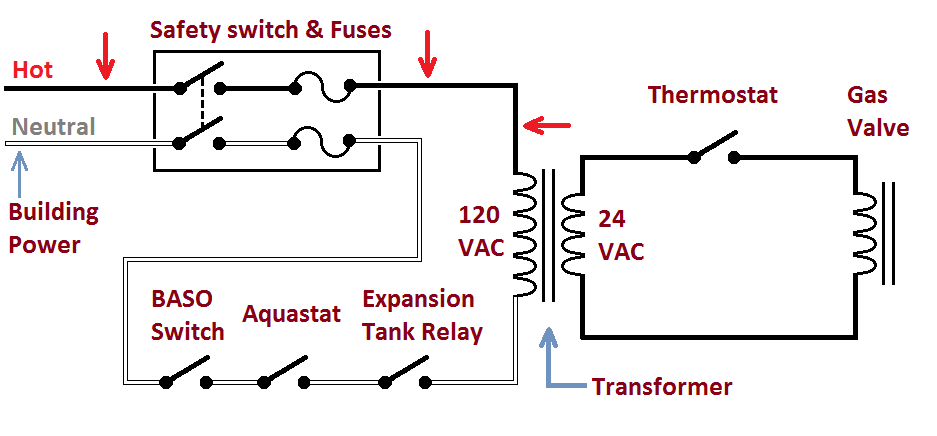
Also I think the pressure switch (“Expansion Tank Relay”) should open on low pressure to act like a LWCO.
 National - U.S. Gas Boiler 45+ Years Old
Steam 300 SQ. FT. - EDR 347
One Pipe System1 -
No worries, it’s a cool setup and I get the interest. My vintage heating system is by far one of my most favorite features in my house which I why I have love learning so much about to keep it not only running but running very stellar.To answer your questions:
- See pic 1, I adjust air at each of the burners, I can twist them to adjust air flow. There’s also the custom made door at the bottom. Having that open gives me an even better clean blue flame.
- The valves on each of the burners control the amount gas flowing to each burner. That was some trial and error to get the perfect blue flame and not have the fire raging. Which just kills efficiency and send a crap ton of heat up the chimney with high stack temp. Not to mention high CO levels.
- No jets but see the second pic of the burners inside.
I love having my own combustion analyzer. I was able to spend time running it and tuning everything for the perfect trio, low co, clean blue flame, reasonable stack temp. So many HVACs in my area don’t even do CA tests. They don’t even have them. One the yahoos who first visited my house shortly after I closed was pushing me telling me I needed a new boiler because this one is old. I asked him can you do a CA test and he almost acted like I was speaking a foreign language. 🙄
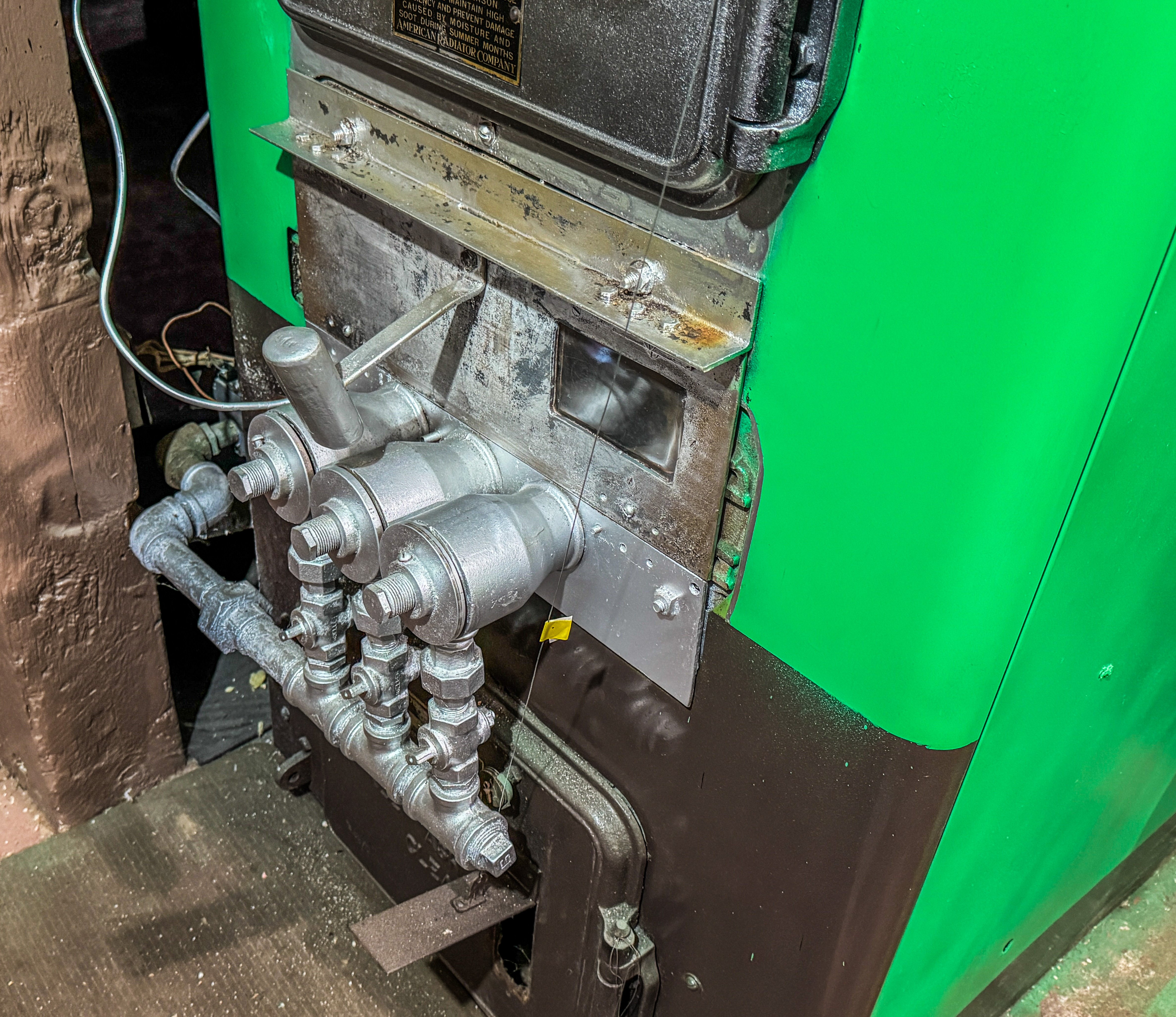
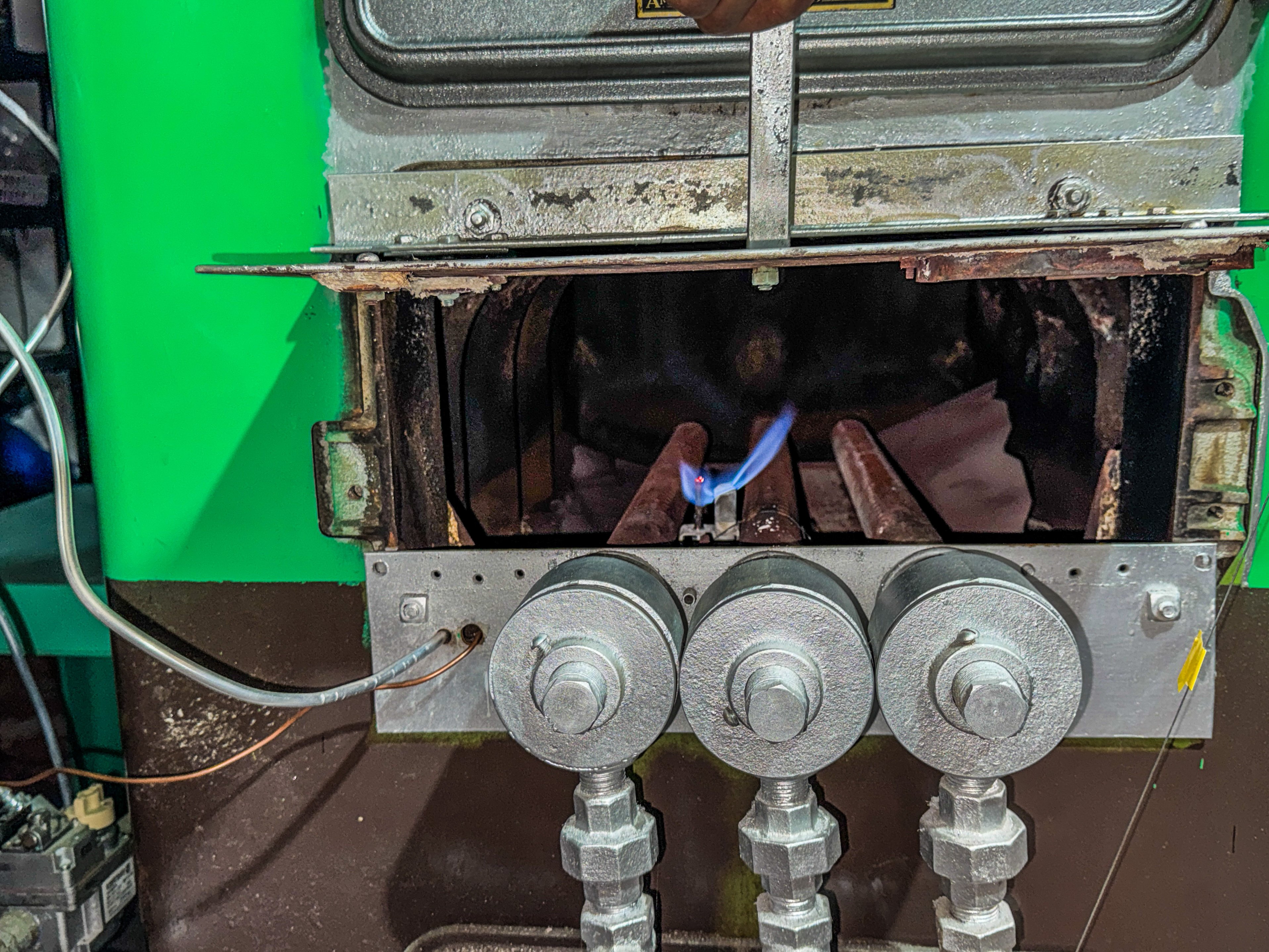
Lifelong Michigander
-Willie
0 - See pic 1, I adjust air at each of the burners, I can twist them to adjust air flow. There’s also the custom made door at the bottom. Having that open gives me an even better clean blue flame.
-
Love the balancing valves on the gas manifold!
1 -
If that fused disconnect was breaking both the L1 and the N as you have it drawn, that would not be consistent with the electric code of the day.
1930s electrical codes did not allow the neutral (grounded conductor) to be fused or disconnected independently in a typical 115 V circuit for a reason. Back then the governing document was the National Electrical Code, already well established by the 1930s. The code required that: The grounded conductor (neutral) remains solidly connected. Overcurrent protection can be placed in the ungrounded (hot) conductor only. A disconnect, when required, opens all ungrounded conductors — not the neutral. If you open or fuse the neutral while leaving L1 energized: The equipment chassis can remain energized through the load. The circuit appears “dead” because nothing operates. But the hot conductor is still sitting there at full potential.
That’s a classic “looks safe but isn’t” situation. I remember learning that in 1976 while taking an evening course on oil heat at Philadelphia Wireless Technical Institute. On the 1600 block of Pine Street. They taught how to fix radios and also about oil burners. I still remember some of the basics from those old classes.
Next time you come across one of those, look closely and you will see the white wire (with all the white paint faded off the cloth insulation) does not get connected the the switched/fused connector terminals. Also you never place a limit or a switch on the neutral side of a 115 VAC control circuit This is a corrected diagram for your perusal. The two poll switch can be used for a 220 VAC appliance or can have 115 VAC with both switches from the same leg of the power entering the building. That is why I didn't label L1 and L2, just Hot and Hot
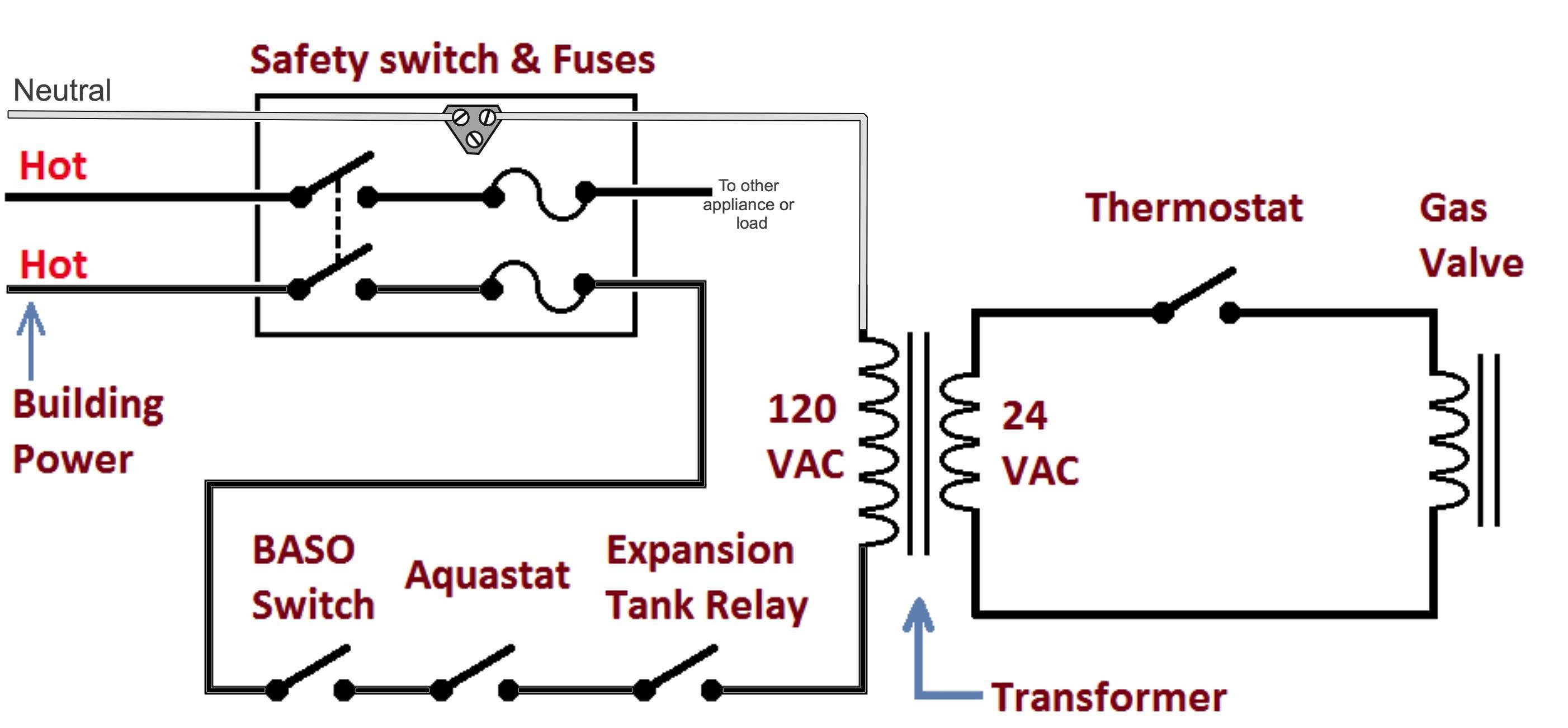
Edward Young Retired
After you make that expensive repair and you still have the same problem, What will you check next?
 2
2 -
@EdTheHeaterMan My example wiring diagram was how it MAY be wired since @TheUpNorthState88 was not having much luck with the non-contact tester, not the way it SHOULD be wired.
And as mentioned above (by others) it is probably OK to switch the neutral as long as the Hot opens also. The Neutral should not be fused.
I would have opened the neutral fuse and re-done the non-contact tester test. But @TheUpNorthState88 did not want to do that.
I would have probably verified it with an actual Multimeter.
To me this would be more acceptable if the safety limits are actually rated for 120 VAC. Although there is really is no benefit to switching the Neutral. I would put the limits on the 24 VAC side of the transformer.
 National - U.S. Gas Boiler 45+ Years Old
Steam 300 SQ. FT. - EDR 347
One Pipe System2 -
@109A_5 The code in the 1930s did not call for a third green or bare copper conductor that you find in romex wires today. About 1947 or 1950 was the first mention of a dedicated ground wire in the NEC code books but I might be wrong about that. But I agree with your newer diagram if Northstate88 wants to keep the old look of the knife switch and fuse. The reason that there were fused disconnects back in the 1930s was to use several circuits off of one 30 amp leg and then drop down to two or three 20 amp circuits that could handle multiple appliances. If the new gas burner needed only 5 amps or less to operate the control transformer, it might be added to a basement 20 amp wire and then drop down to a lower gauge wire that had the 5 amp fuce in the switch box.
The average homeowner in the 1930s was a little bit more hands on with electric stuff and that was the reason for the 5 amp screw in fuse that also fit the same socket as the 30 amp screw in fuse. The homeowner was supposed to know not to put a 30 mp fuse into a 5 amp circuit . We all know how that turns out…
Edward Young Retired
After you make that expensive repair and you still have the same problem, What will you check next?
0




Categories
- All Categories
- 87.6K THE MAIN WALL
- 3.3K A-C, Heat Pumps & Refrigeration
- 59 Biomass
- 429 Carbon Monoxide Awareness
- 124 Chimneys & Flues
- 2.2K Domestic Hot Water
- 5.9K Gas Heating
- 119 Geothermal
- 168 Indoor-Air Quality
- 3.8K Oil Heating
- 78 Pipe Deterioration
- 1K Plumbing
- 6.6K Radiant Heating
- 394 Solar
- 16K Strictly Steam
- 3.5K Thermostats and Controls
- 56 Water Quality
- 51 Industry Classes
- 50 Job Opportunities
- 18 Recall Announcements