What would you do? Thread or remove.

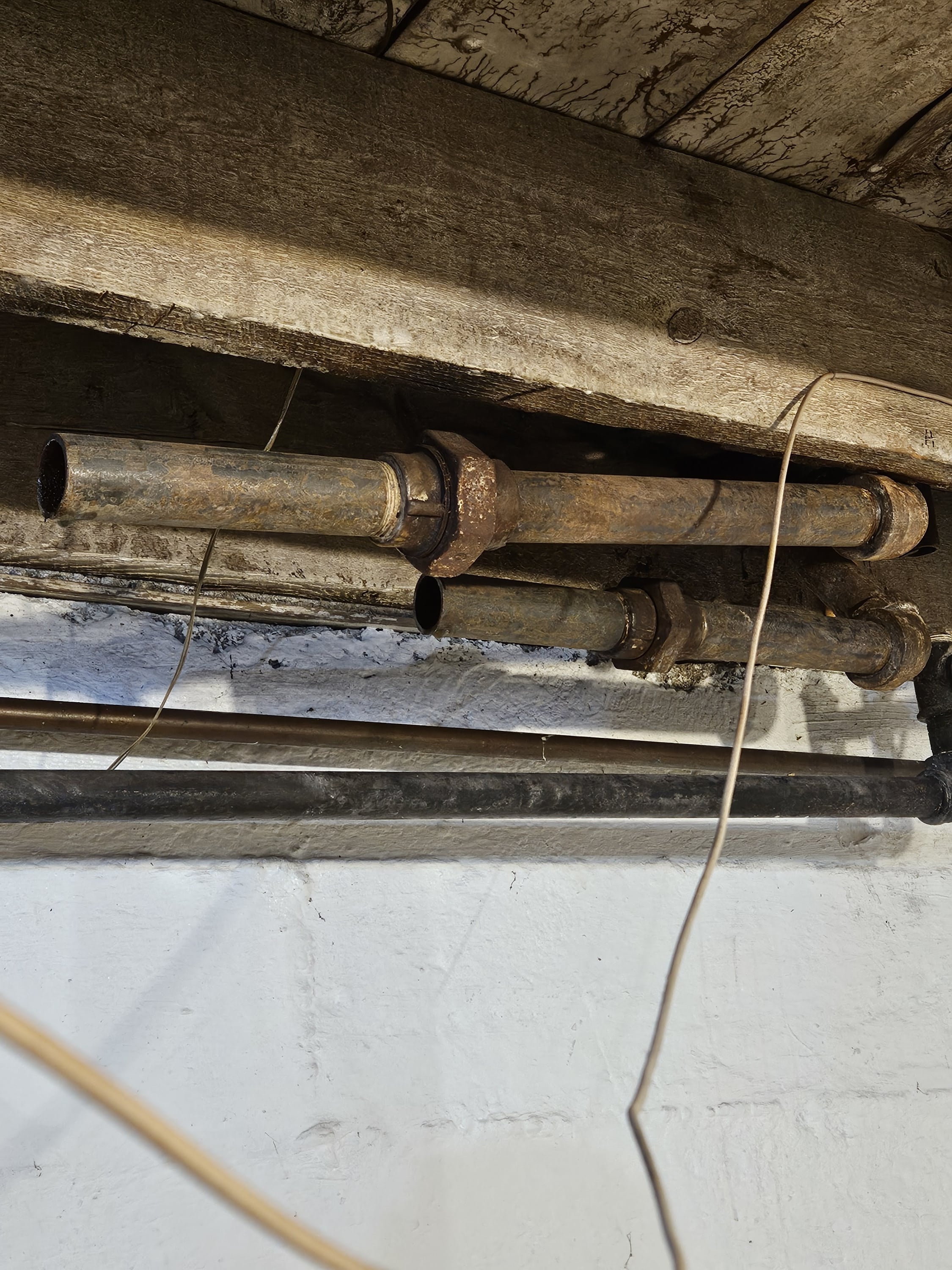
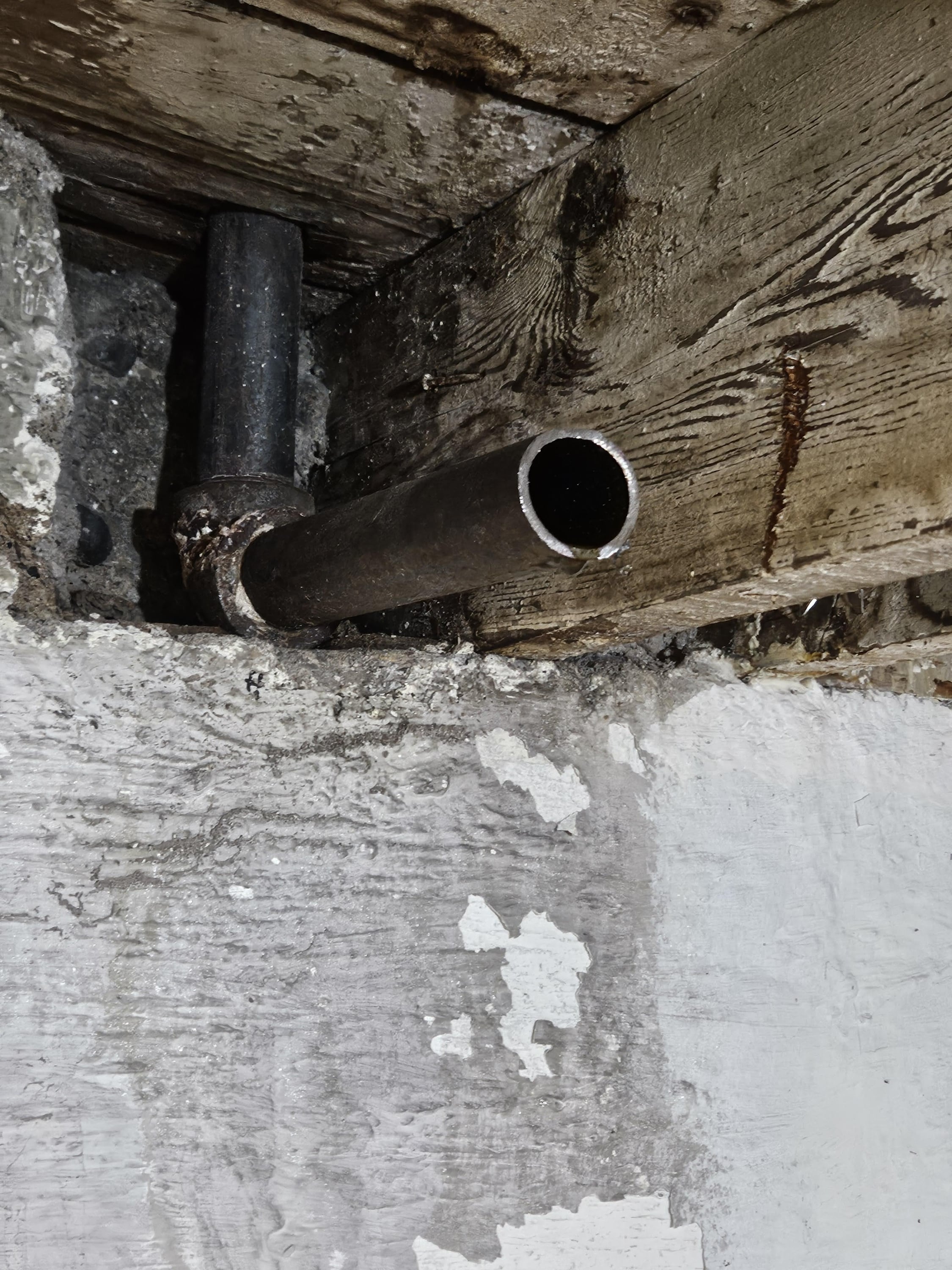
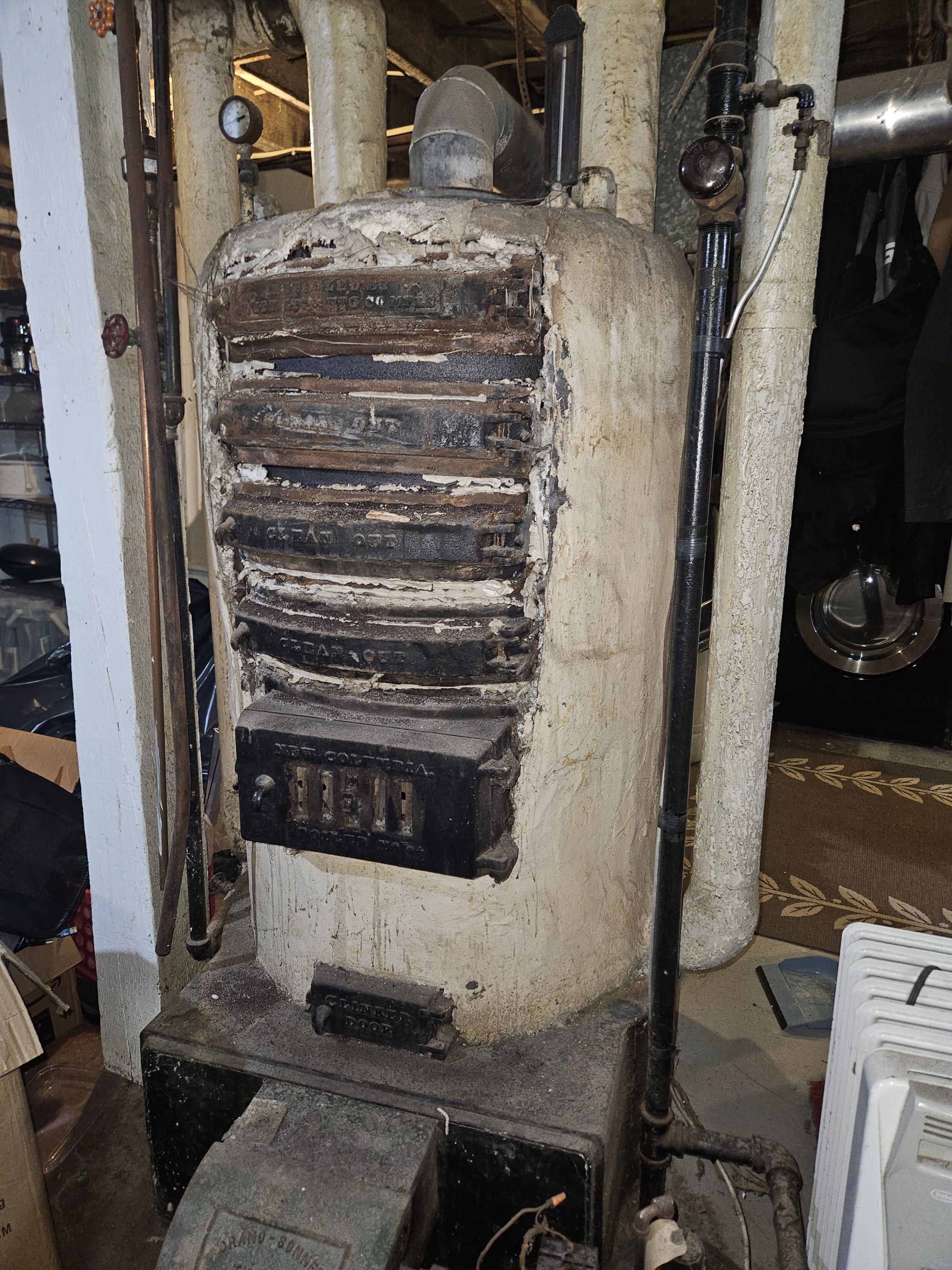
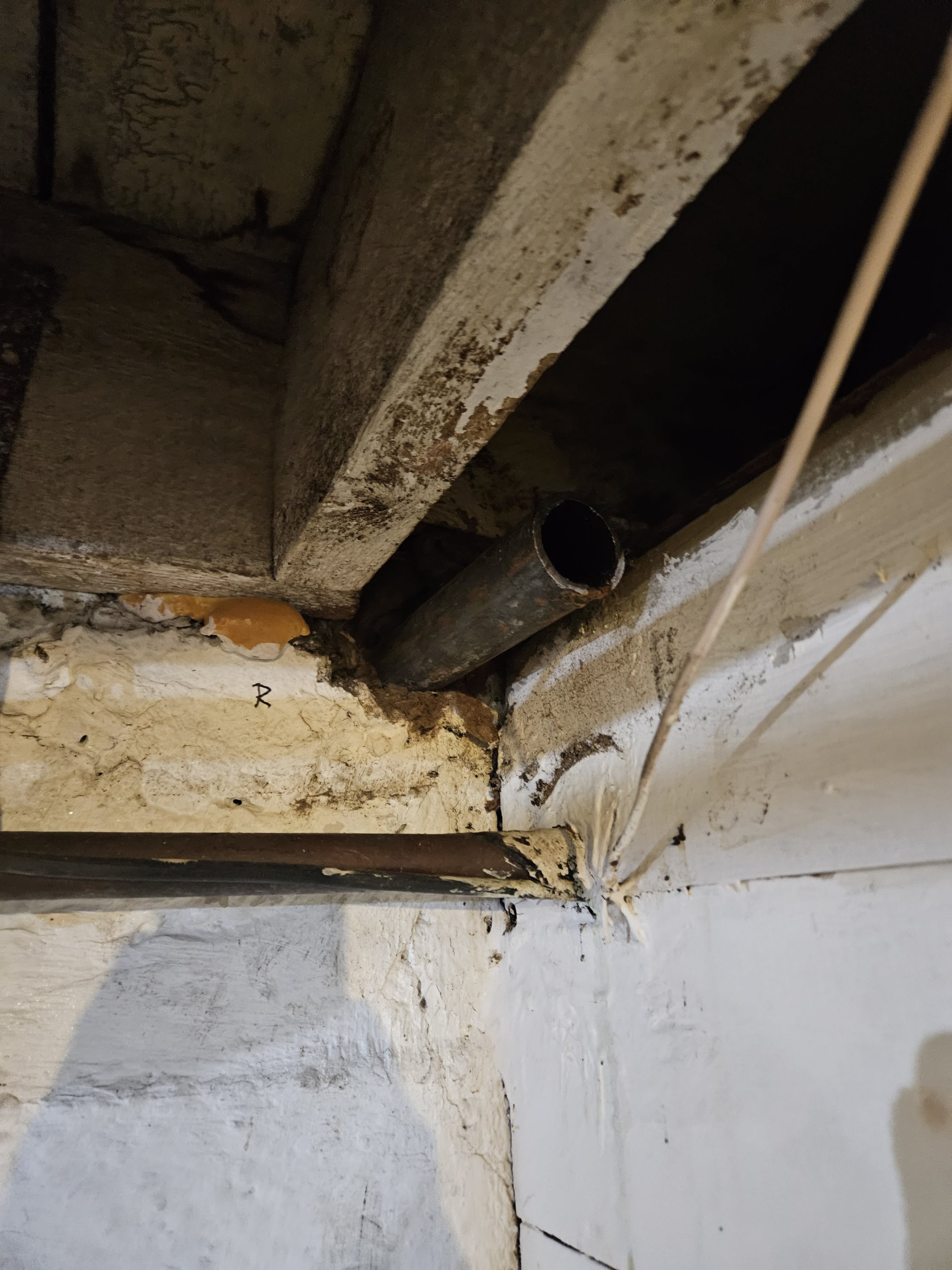
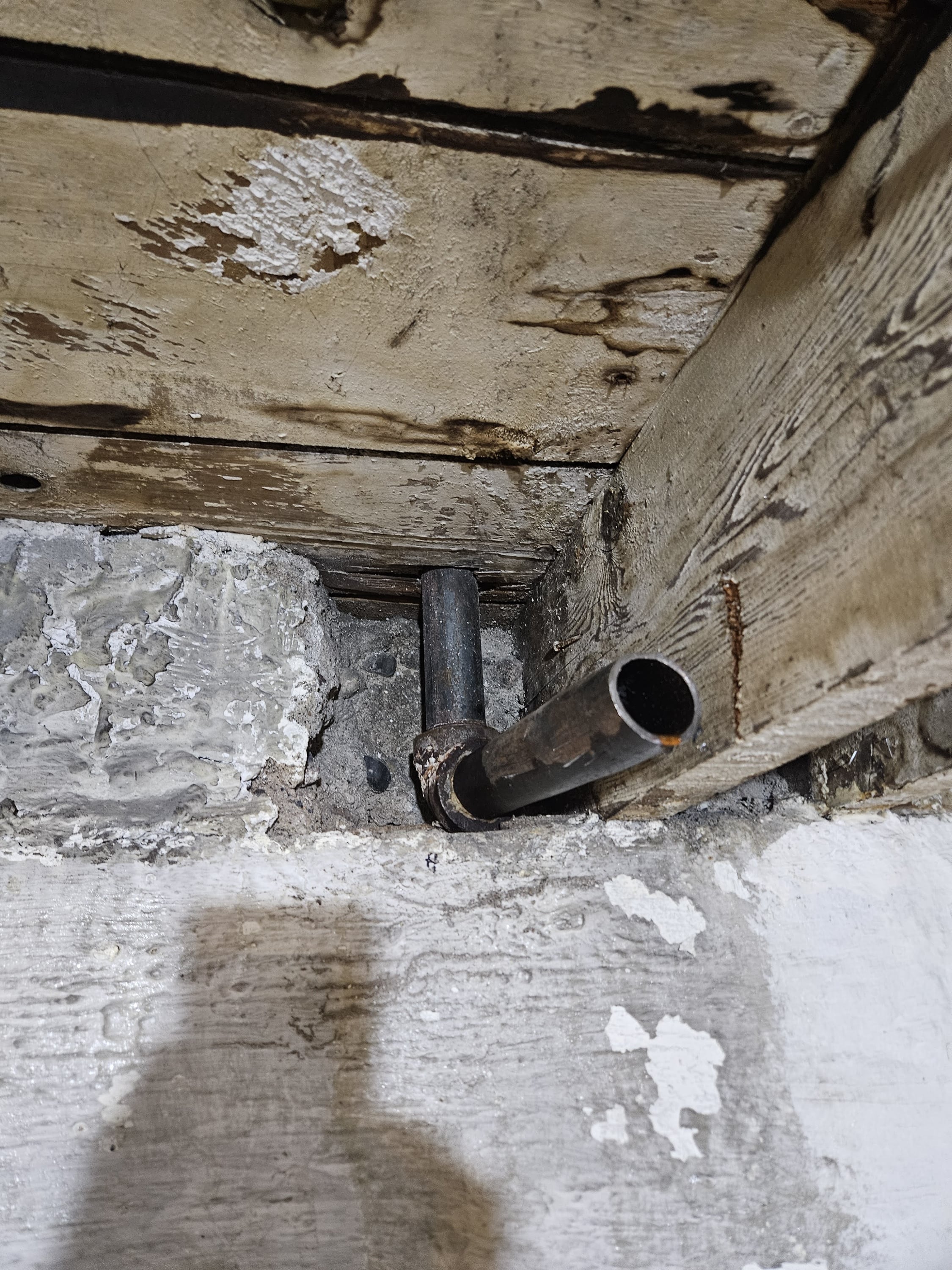
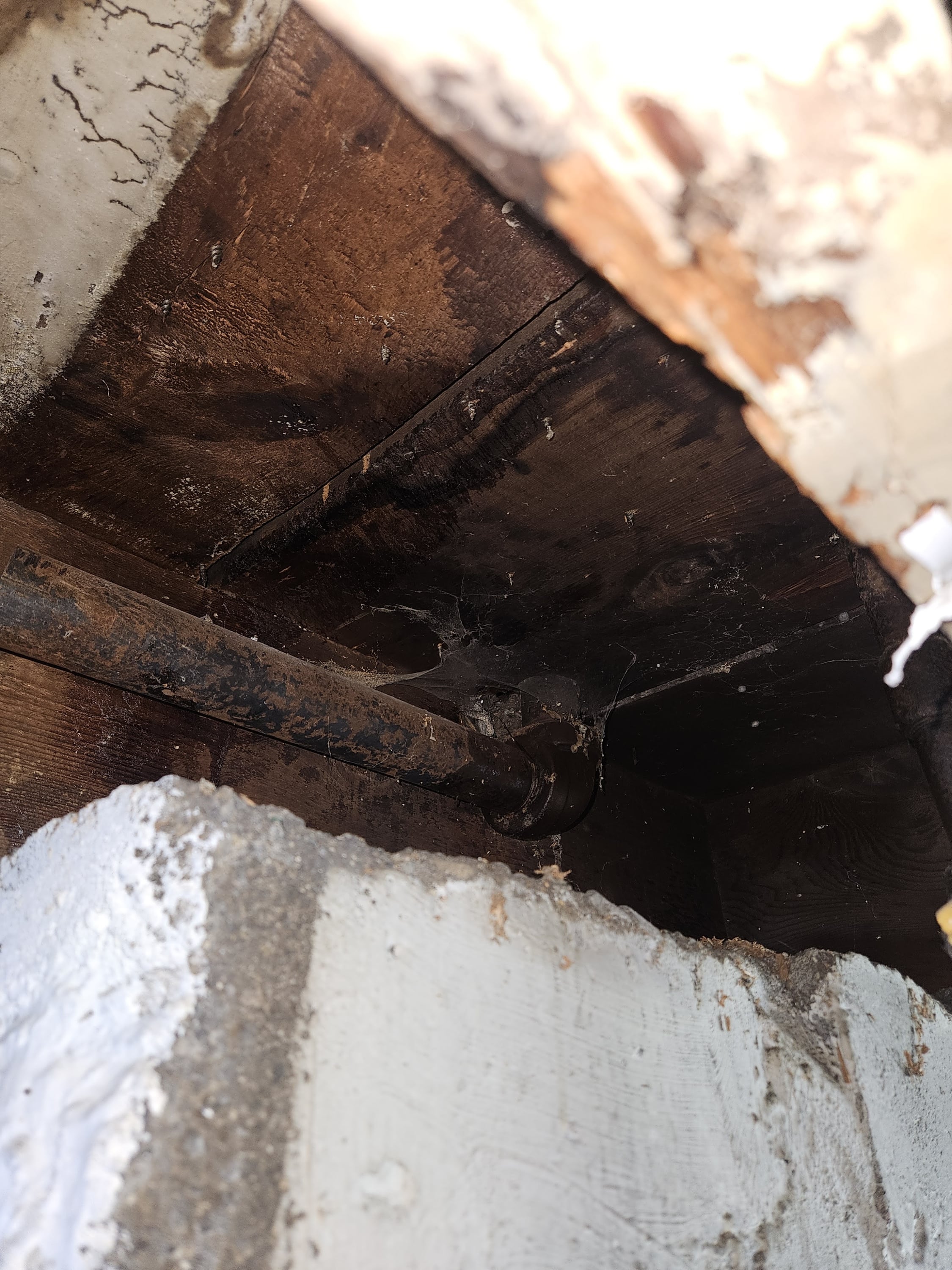
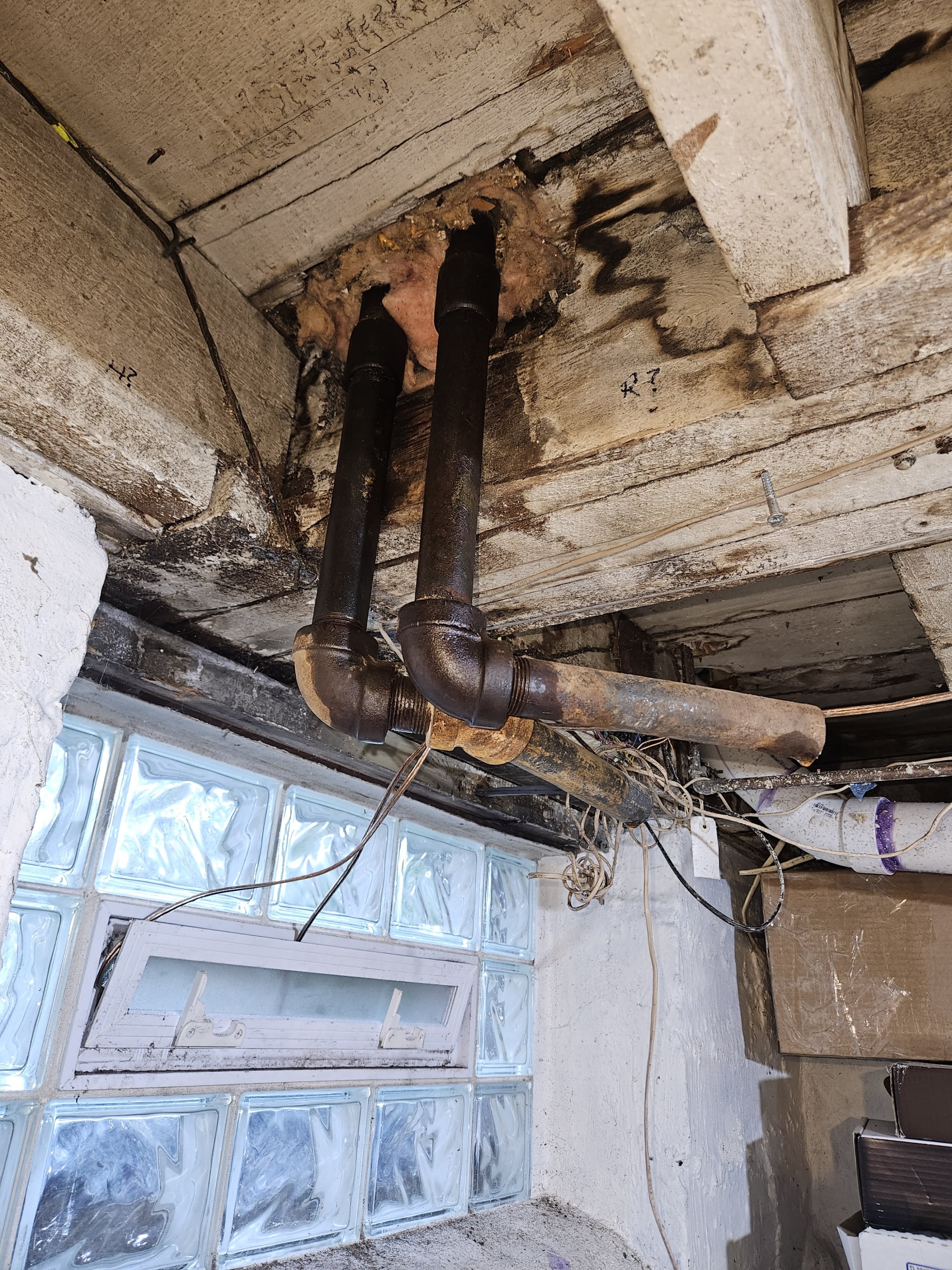
Hi I just had my 1906 asbestos caked boiler and pipes removed from my basement. Old gravity hot water 2 pipes to each radiator system. I will be installing a new high-efficiancy boiler with pumps and two zones. As part of the prep, I need to get these pipe ends able to accept the new PEX. For those who have done this before, would it be easier for me to try and remove, I.E. unthread the bit of pipe they left, or to cut new threads on the stub outs? I tried one with a maybe 18" pipe wrench I have and it didn't budge. I have not tried heat or a bigger wrench yet. Harbor Frieght has a pipe threading kit for about $75. Here are some photos, and some photos of the boiler that was removed. I have about 16 pipes I need to address. 1-1/4" I think.
Comments
-
Cut notches and chisel. Under 10 minutes for those who do this regularly.

 2
2 -
Didn't think of that!
0 -
You could rent a Megapress tool and use this fitting.
https://www.supplyhouse.com/Viega-25145-1-1-4-Viega-MegaPress-Adapter-Press-x-Female
Either way, I'd cut back further and remove those unions.
8.33 lbs./gal. x 60 min./hr. x 20°ΔT = 10,000 BTU's/hour
Two btu per sq ft for degree difference for a slab

 3
3 -
Never seen those. Interesting. Pricey little devils. I might try heat and brute force first. Some radiators are on the floor above, so I could always cut the pipes off there, open the union, and thread a new piece of 1-1/4 down the hole, add a new elbow and reducer to the PEX size.
0 -
That old boiler was probably 40% efficient……………
0 -
Probably, but in 25 years I did absolutely zero repairs on it. Heated the home smoothly, evenly and comfortably. Problem is if I ever go to sell the house that thing would get red tagged so fast. All the asbestos would be a no-go too. I just hope the new one doesn't become a maintenance nightmare, with all the moving parts. Amazing on the old system the only moving part was the gas valve opening and closing.
0 -
unscrew back to the ells, get rid of the union two hammers, one for backing and tap around the fittings to help loosen them
Bob "hot rod" Rohr
trainer for Caleffi NA
Living the hydronic dream0 -
Were your radiators used as a closed expansion tank system by leaving an air charge in each radiator creating the point of no pressure change or do you have an open to air expansion tank in the attic?
You could use an EFMDF520 stoker boiler with a gas burner with its large steam chest and tapping and leave your existing system intact. It would save you a lot of work and money giving you a boiler that would work just like your snowman conversion boiler.
The EFM DF520 coal stoker boiler is certified and pressure tested for steam heat as a standard certification. You would not have to use the coal stoker if you have no desire to do so.
 2
2 -
I had an expansion tank in the ceiling near the boiler. No air in the radiators. Now that the boiler and pipes are out I need to run new PEX lines to the radiators. I'm not changing out the old cast iron radiators.
0 -
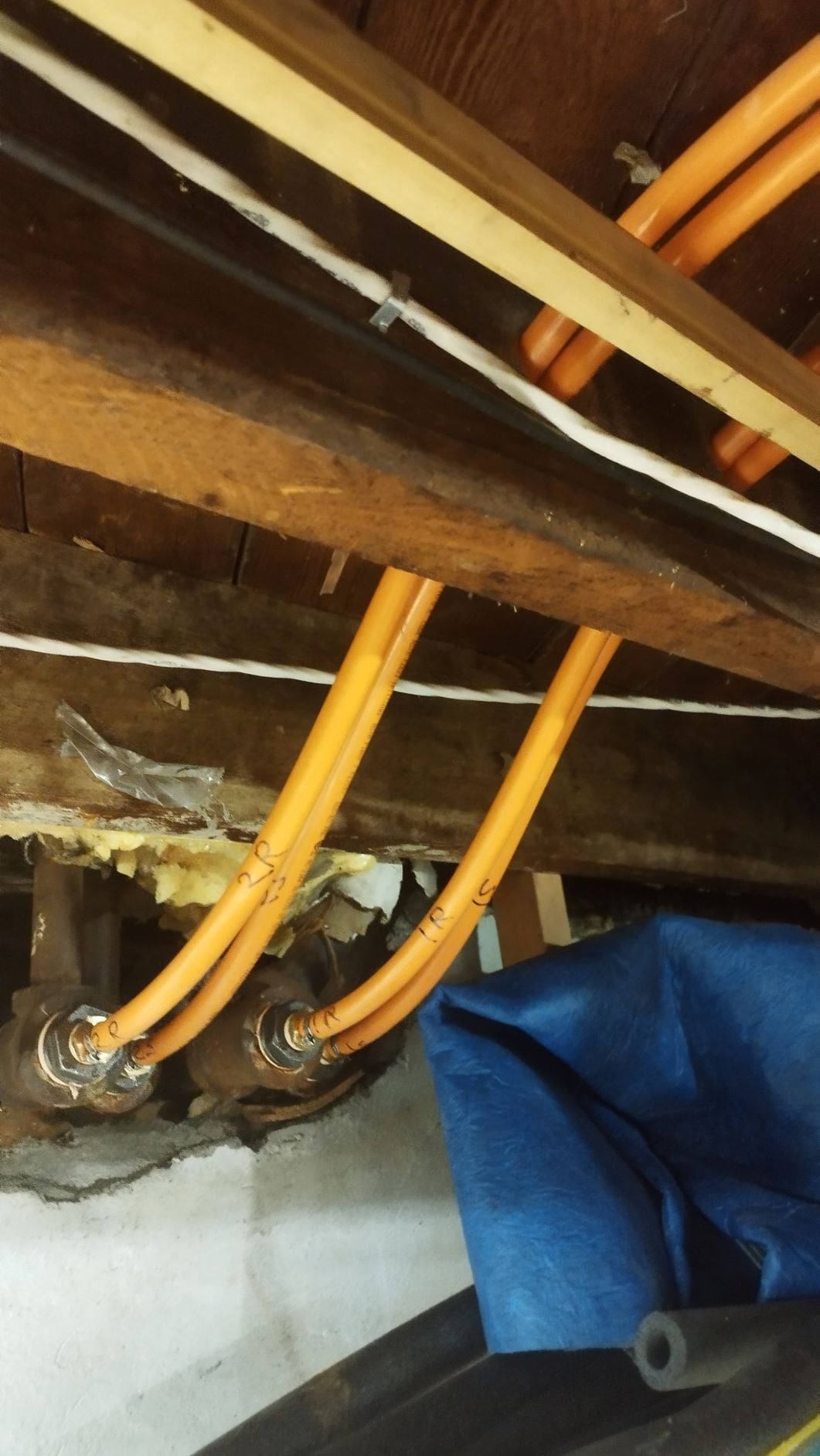
Did exactly this a while back on a 100 year old system. Pipe wrench with a 6' cheater bar got them out. Did bend the pipe wrench a bit on one of the pipes.
Remove the elbow and install adapter for there. Does feel wrong to connect a 5/8 pipe to a 1" riser but works great. The new piping completely eiminated the cold rad at the end of the run issue the house originally had.
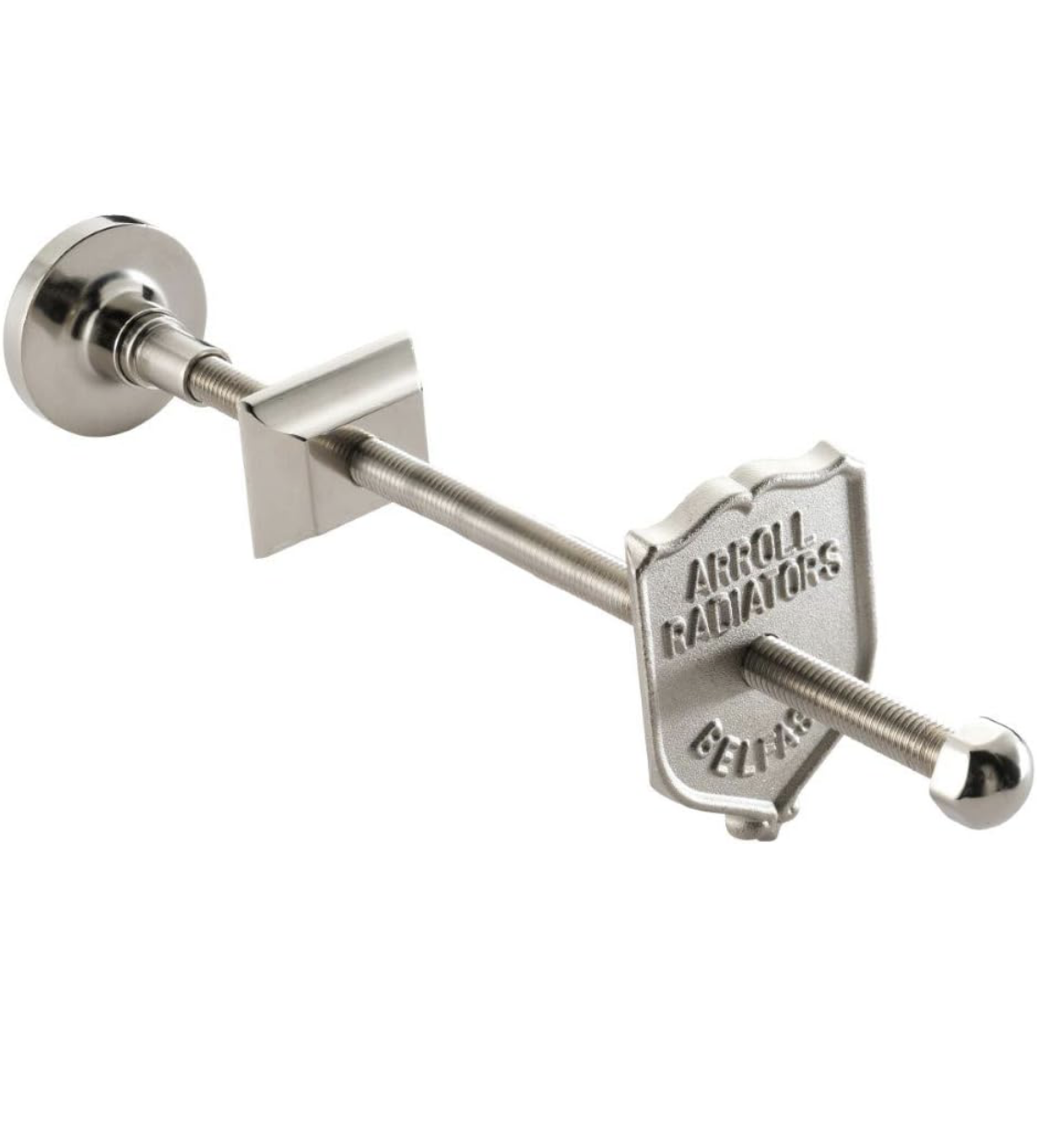
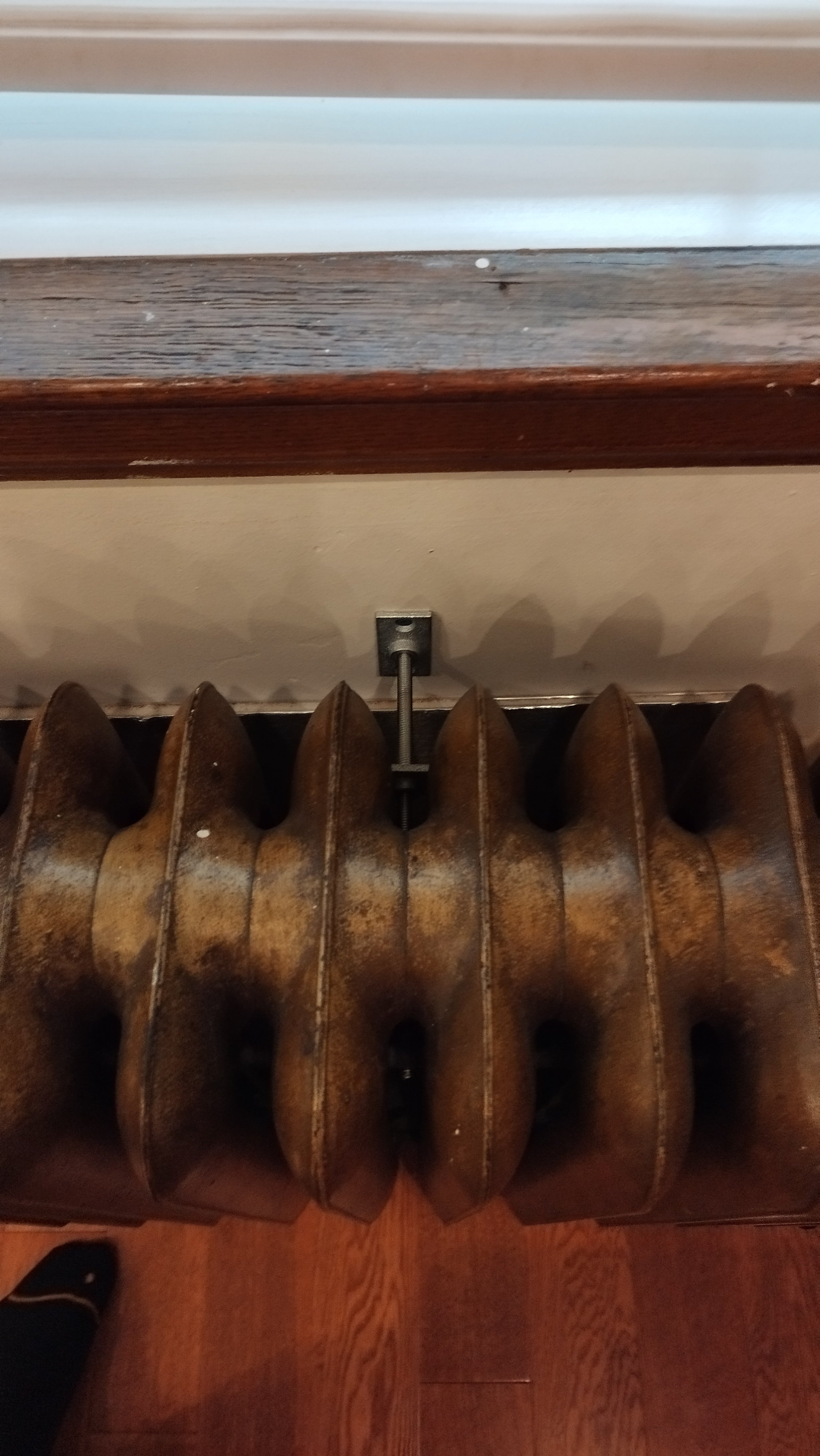
That steel piping was keeping your rads from tipping over originally. Depending on how much pipe you have left in the wall, you will most likely have to anchor the rads to the wall. Threaded rod with ceiling flange hanger plates between the rad columns works well.
 0
0 -
Good point about them tipping over. They are taller radiators.
0 -
Cut a "tooth" out of the piece and pound it out with a Lump hammer....Don your safety goggles. Mad Dog
 2
2 -
I'm seriously considering that Megapress system. I tried one of the fittings with some penetrating oil overnight, then Mapp gas heat today with a 36" pipe wrench. Nothing. Not a bit of movement. I have a total of 14 fittings, all stuck up high in the corner and in hard to reach places. They were cut at all sorts of angles, so I would have to recut them nice and square, which is not a big deal. May be worth the money on those Megapress fittings ($35 each) just to get it done. Alternative is all kinds of grunt work, some I would have to cut at the radiators, etc. All sorts of messing around.
1 -
The less yanking you do on that old piping the better!
Many plumbing suppliers rent or loan the press tool if you buy fittings from them.
Get some coarse open mesh sand cloth and get the outside of the pipe as smooth as possible for the press fitting.
Bob "hot rod" Rohr
trainer for Caleffi NA
Living the hydronic dream0 -
For the first floor I would go all the way to the rad. Put new drops in with copper or black and connect the pex to it. It will take less time.
Second floor it's unlikely you have no elbows between the ff ceiling and the second floor so snaking the pex through the existing pipe is probably not happening. In that case thread, mega press or unthread back to a fitting
 1
1 -
I'd give one pull with a cheater bar first. If it doesn't budge then go the destructive route.
0 -
just cut them out, don't bother trying to get them to unscrew. cut the nipple to within an inch or so of the fitting, cut 2 slots almost to the threads in the pipe, break the section in between out with a caping chisel or a punch. that will release the tension and it will unscrew easily. you can do similar to cut the fitting off a pipe too. or you can shatter the fitting if it is the right kind of iron.
 1
1 -
Those old pipes that are inside the walls and connected to cast-iron radiators are not going anywhere. You need a 6-foot pipe wrench to move those threads, and for the most part, those elbows are held in place by the attached pipe.
You could use even more leverage than that with this tool, which was made specifically for that purpose.
That wrench is not cheap, but if you look on eBay, you may be able to get one at a very reasonable price. Use it for all those pipes, then sell it on eBay when you are finished with it.
You may even be able to sell it for more than you paid for it if you find the right deal.
Edward Young Retired
After you make that expensive repair and you still have the same problem, What will you check next?
0 -
Wow. That's a new one for me. But now that I know it exists, I'm not sure I can live without it.
 2
2 -
Here are some photos of the other battles that await. I think I'm going to rent a portable bandsaw and pipe threader. Cut the ones I can get with the bandsaw. I have a Sawzall I can use on the hard to reach ones. Then, where I can access wise, I'll thread that bit of pipe. On the ones where I can't fit the manual pipe threader in there I'll use those Megapress fittings. I think working all in the basement is better than getting into removing pipes and fittings on the first floor, running new pipes down, etc. One of the reasons is clearance. Most of the pipes from the first floor radiators make a hard right angle at the top of the foundation. If I cut the pipe at the radiator on the first floor there would not be room (I don't think) to remove the pipe- it would hit the foundation. I would have to move the radaitor a bit, lift the pipe up and cut it again on the first floor. Lots of messing around. I would also then have to replace the short length of pipe and the elbow. There are a total of ten 1-1/4" pipes, and four 1" pipes. The photos show the variety of problems.
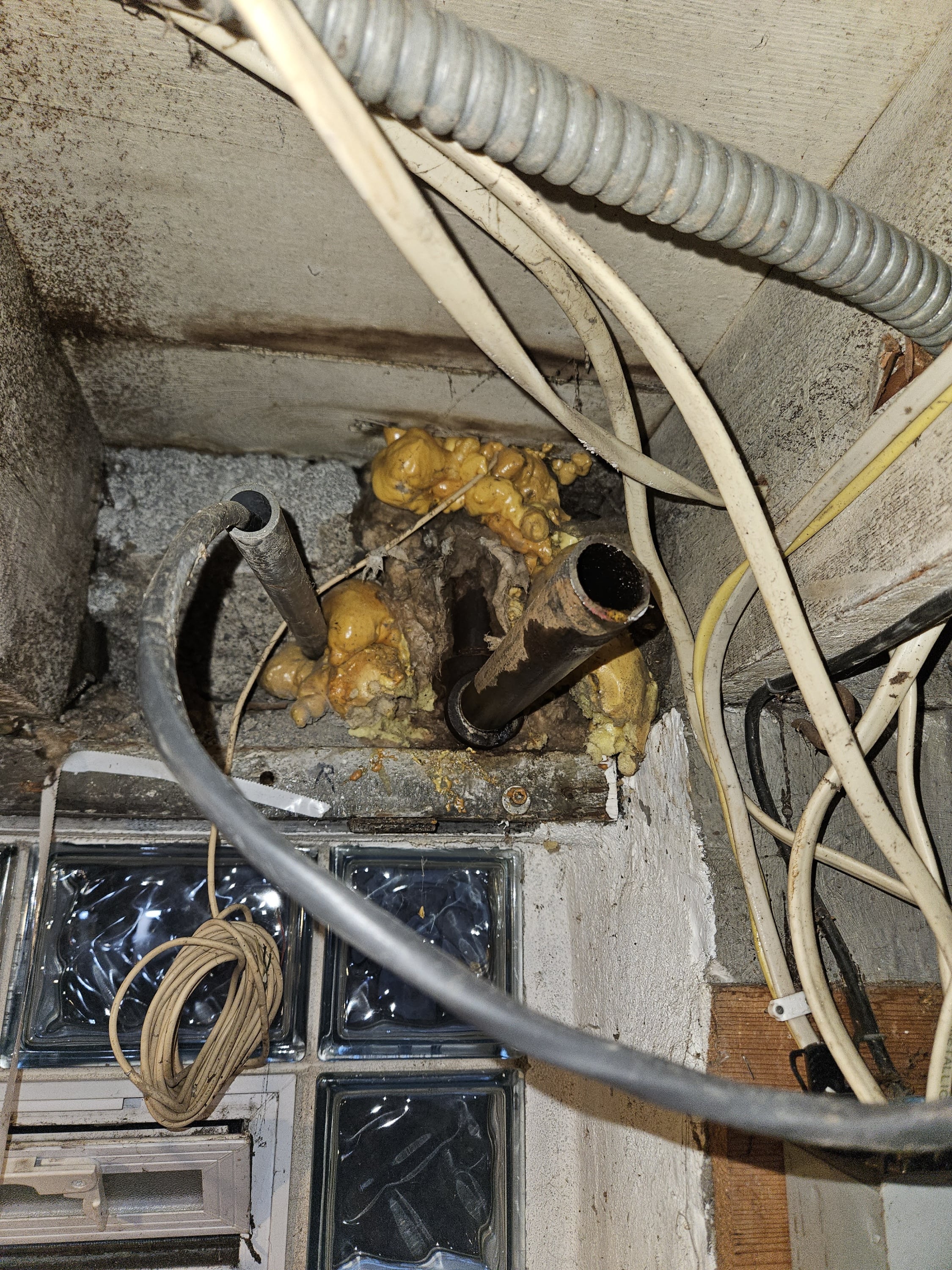
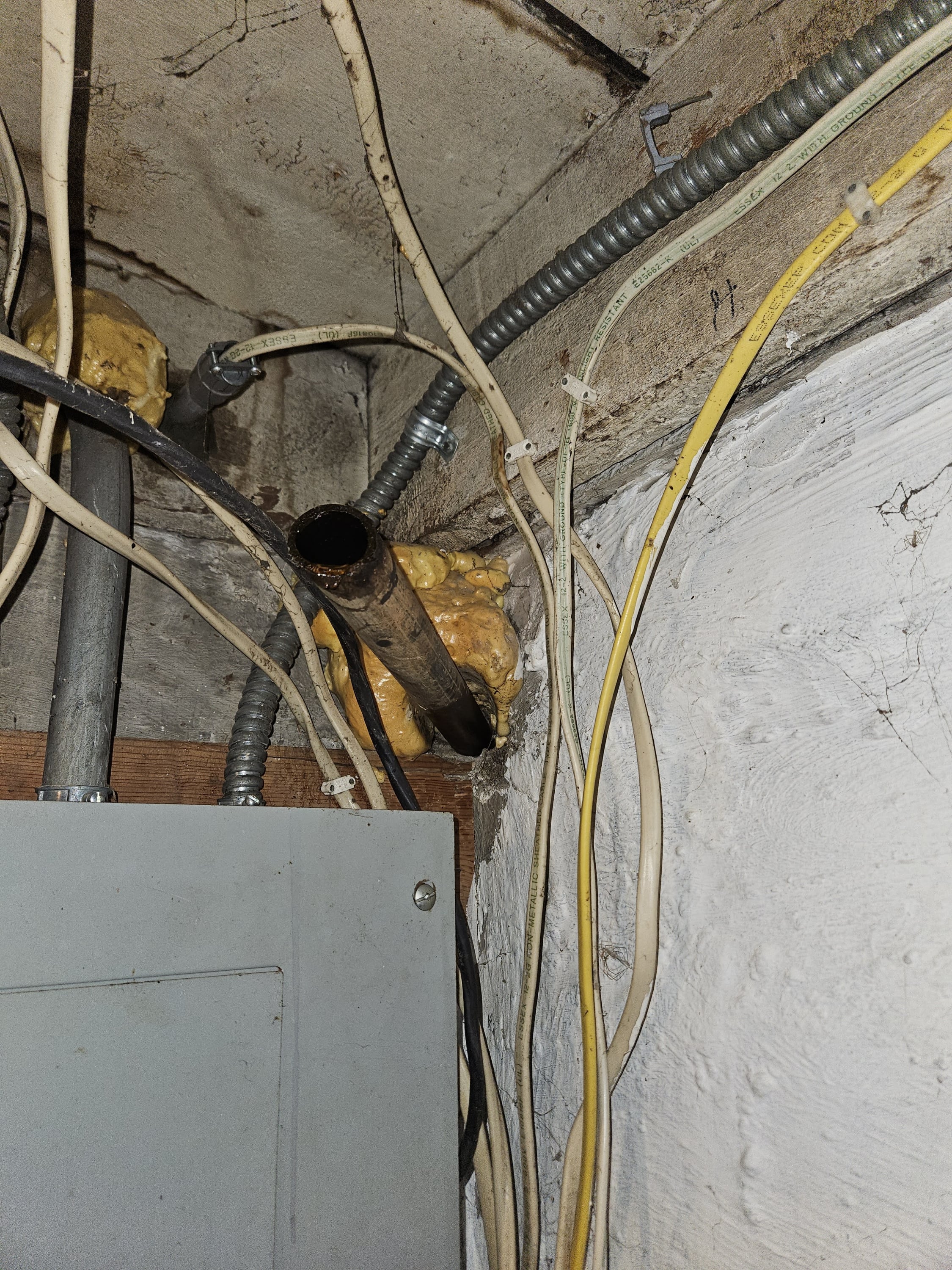 0
0 -
If you have a riser in a wall with 90s at the bottom you not getting a huge wrench or a compound wrench up between the joists to break it loose and the farther, you go from the rim joist the more you risk breaking it off. Not an easy place to get to with a chisel or to swing a hammer either. it all sounds easy until you try it. The little Milwaukee Hackzall is pretty good in a tight spot to slot the pipe.
Every joint and every location is different. You have to pick and choose the best method. Not one size fits all.
Threading in place is one of the safest methods as long as they left you enough pipe.
0 -
Whatever your reason and whatever your method, you are correct to leave those 90's in place. Removing them will make you very unhappy.
8.33 lbs./gal. x 60 min./hr. x 20°ΔT = 10,000 BTU's/hour
Two btu per sq ft for degree difference for a slab 1
1 -
These are cast fittings and they split very easily.
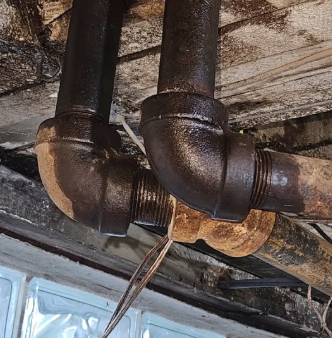
Two hammers, a heavy one against the fitting, the other striking opposite the large hammer.
Pieces fly, wear a face shield, long sleeves gloves.
You should end up with a good male thread exposed
The galvanized fitting in the pic would not split, it is a malleable type not cast or forged.
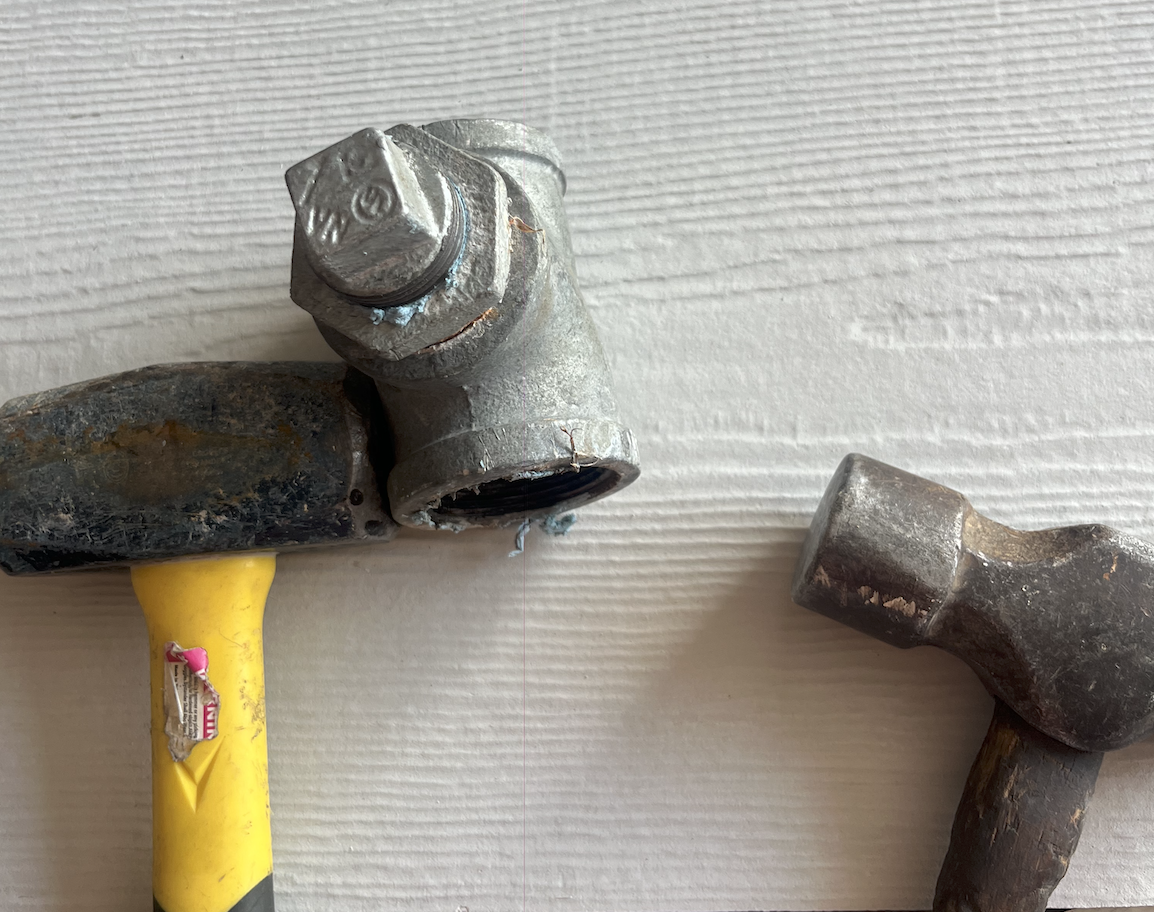 Bob "hot rod" Rohr
trainer for Caleffi NA
Living the hydronic dream 2
2 -
Have a megapress man clamp some felame adapters or unions on that bit-ch and pipe in the rest with copper.
0 -
Concur with to use mega press adapters. I’d also cut the pipe that goes over top of electrical panel further back to minimize intrusion into the panel keep out zone.
0 -
Does anybody have a concern about Megapress on over 100 year old black iron pipe?
I have had seams on black iron leak for me.
Seth
0 -
-
Thats the pipe not the press. You could still have issues threading it!
Just press it!
0 -
Harbor freight pipe threader is junk.
 1
1 -
How we did it in olden days.
The fittings look to be cast iron. If so, they will break with a hammer and hold back. Threads should be fine but check the pipes. If malleable see above. a little heat won't hurt but water down the wood. Don’t burn the house down.
Not sure I’d recommend as a DIY job.
1 -
I used to say notch, chisel and hammer.
now 40 years later mega press on 125 year old systems.
0 -
Wear gloves!
0 -
Take the house down and start with a completely new building. That is the easiest solution. Of course I am spending your money, so it is free for ma to give this option. LOL 🤣
Edward Young Retired
After you make that expensive repair and you still have the same problem, What will you check next?
0 -
Be careful MegaPressing old pipe. I've seen some where the lettering showing manufacturer's name, schedule# etc is slightly raised from the actual surface of the pipe. This can cause the seals in the MP fittings to not seal properly, and they'll leak.
0 -
that's an expensive mistake
0 -
It's the press with the pipe whether it's a seam or lettering.
If the combination doesn't work, it doesn't work and it doesn't matter whose fault it is.
I feel the information being provided is excellent and it's certainly things I wouldn't have looked at before. I guess the outside of the pipe needs to be in good condition and fairly smooth otherwise press is a bad idea.
Single pipe 392sqft system with an EG-40 rated for 325sqft and it's silent and balanced at all times.
0 -
Just another little bit when you start repiping. Most typical oversized radiators will only need 3/8 inch tubing, with 1/2 inch on the big radiators. 3/8 should give you around 6,000 btu/hr @ 3 feet of head for 100 feet of run, 1/2 inch about 12,000 btu/hr for 3 feet of head @ 100 feet of run. If you're running a condensing boiler, a large temperature drop should give you more heat conversion efficiency and your pump electrical energy needs will drop dramatically.
To learn more about this professional, click here to visit their ad in Find A Contractor.2 -
Wouldn't Dresser type compression couplings be a good way to make these connections? I have seen them used many times for these type applications.
Dennis Pataki. Former Service Manager and Heating Pump Product Manager for Nash Engineering Company. Phone: 1-888 853 9963
Website: www.nashjenningspumps.com
The first step in solving any problem is TO IDENTIFY THE PROBLEM. 0
0








Categories
- All Categories
- 87.8K THE MAIN WALL
- 3.3K A-C, Heat Pumps & Refrigeration
- 60 Biomass
- 430 Carbon Monoxide Awareness
- 133 Chimneys & Flues
- 2.2K Domestic Hot Water
- 6K Gas Heating
- 124 Geothermal
- 170 Indoor-Air Quality
- 3.9K Oil Heating
- 79 Pipe Deterioration
- 1.1K Plumbing
- 6.7K Radiant Heating
- 397 Solar
- 16.1K Strictly Steam
- 3.5K Thermostats and Controls
- 56 Water Quality
- 51 Industry Classes
- 51 Job Opportunities
- 18 Recall Announcements