Williamson Octopus Furnace still alive and well

Hello,
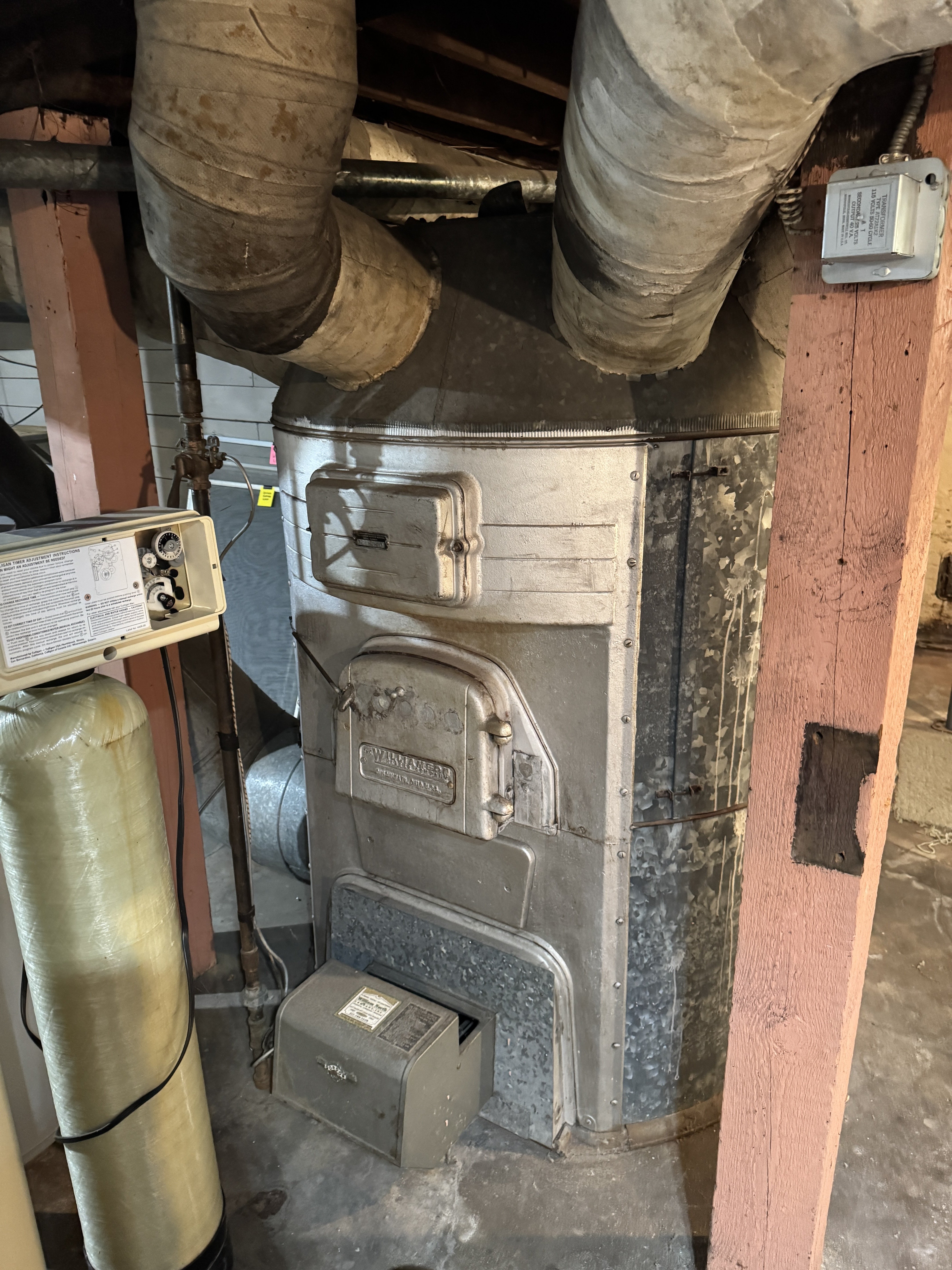
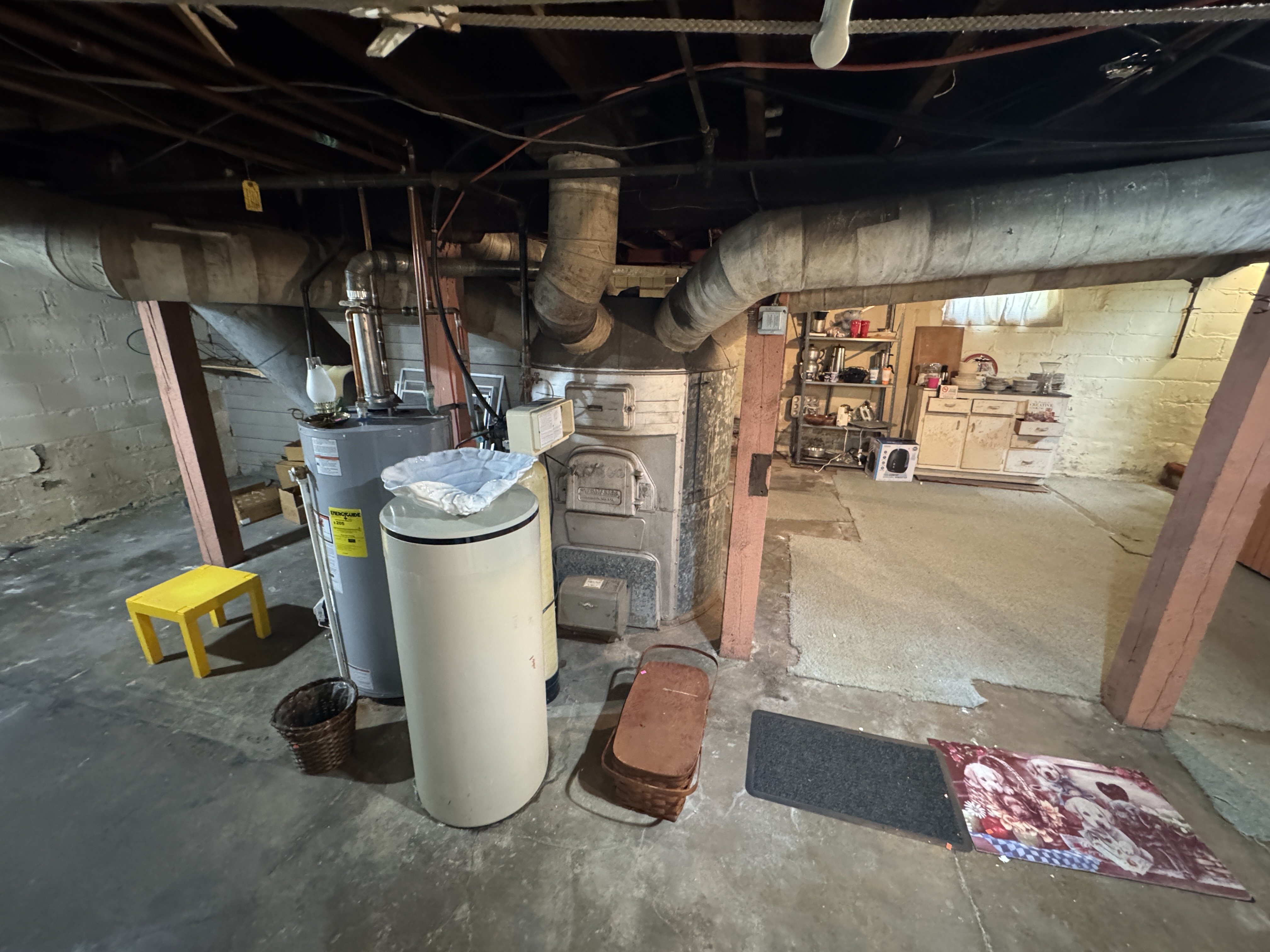
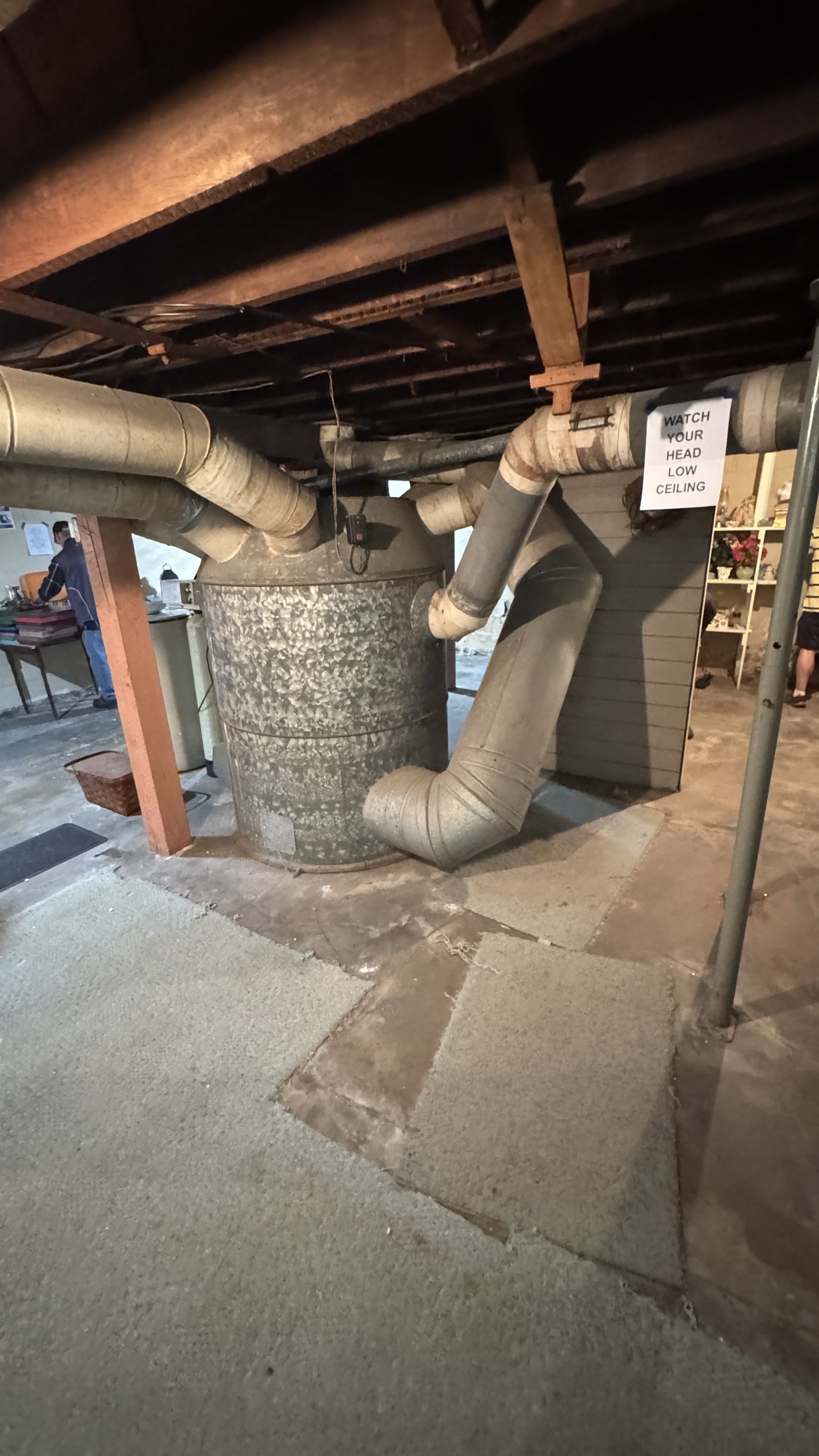
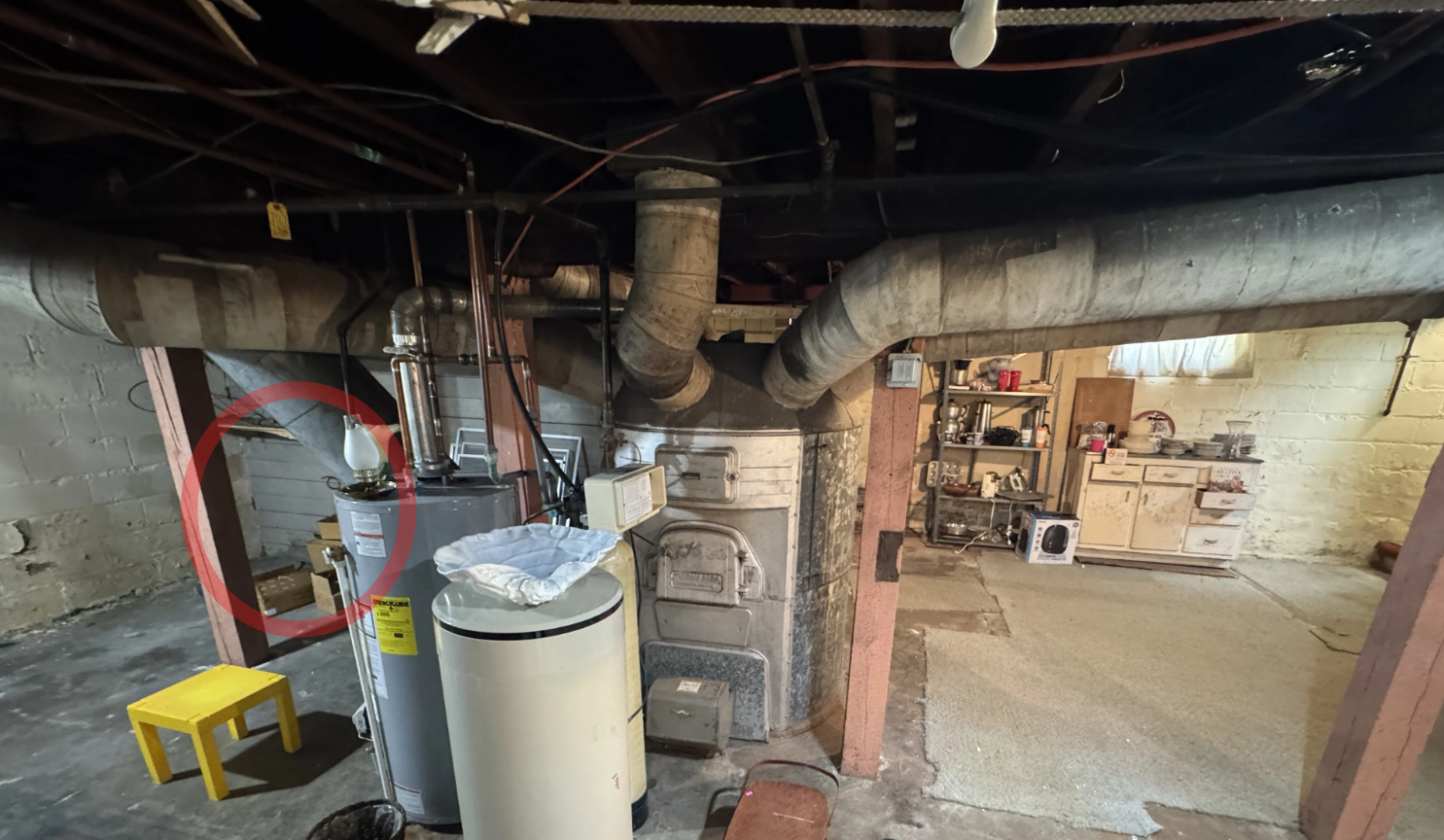
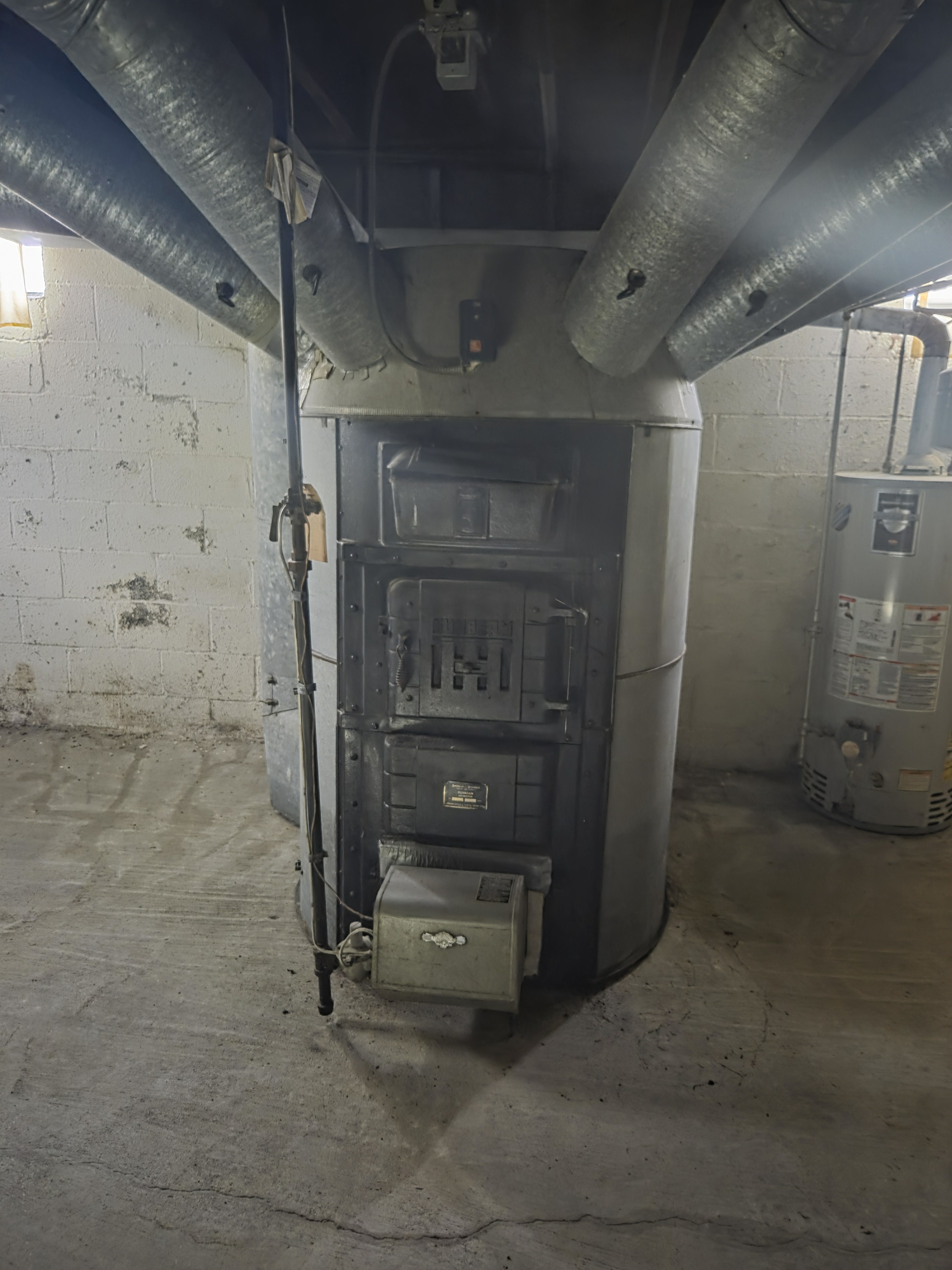
Went to an estate sale down the street from me (actually my across the street neighbor’s late aunt) and to my surprise heating her house was still the original Williamson gravity furnace and massive ducts wrapped in asbestos. While other people were checking out the estate items not paying attention at all, I was geeking out at the furnace. 😂🤣. As I tend to do at these estate sales in old houses when I encounter original heating equipment. Figured I would share here where others get excited about this stuff. Not a speck of rust anywhere. The house had gorgeous unpainted woodwork and other original features.
My neighbor tells me his aunt kept this thing cranked at 80° in the house throughout winters.
Enjoy!
Lifelong Michigander
-Willie





Comments
-
Williamson. That name has been around for some time. the Willimson boilers and furnaces you can buy today are not from the same company. Marley is reusing the name pf a company that has gone out of business. And I think that William's son does not even care
Edward Young Retired
After you make that expensive repair and you still have the same problem, What will you check next?
0 -
is that a coal bin in the corner to the left?
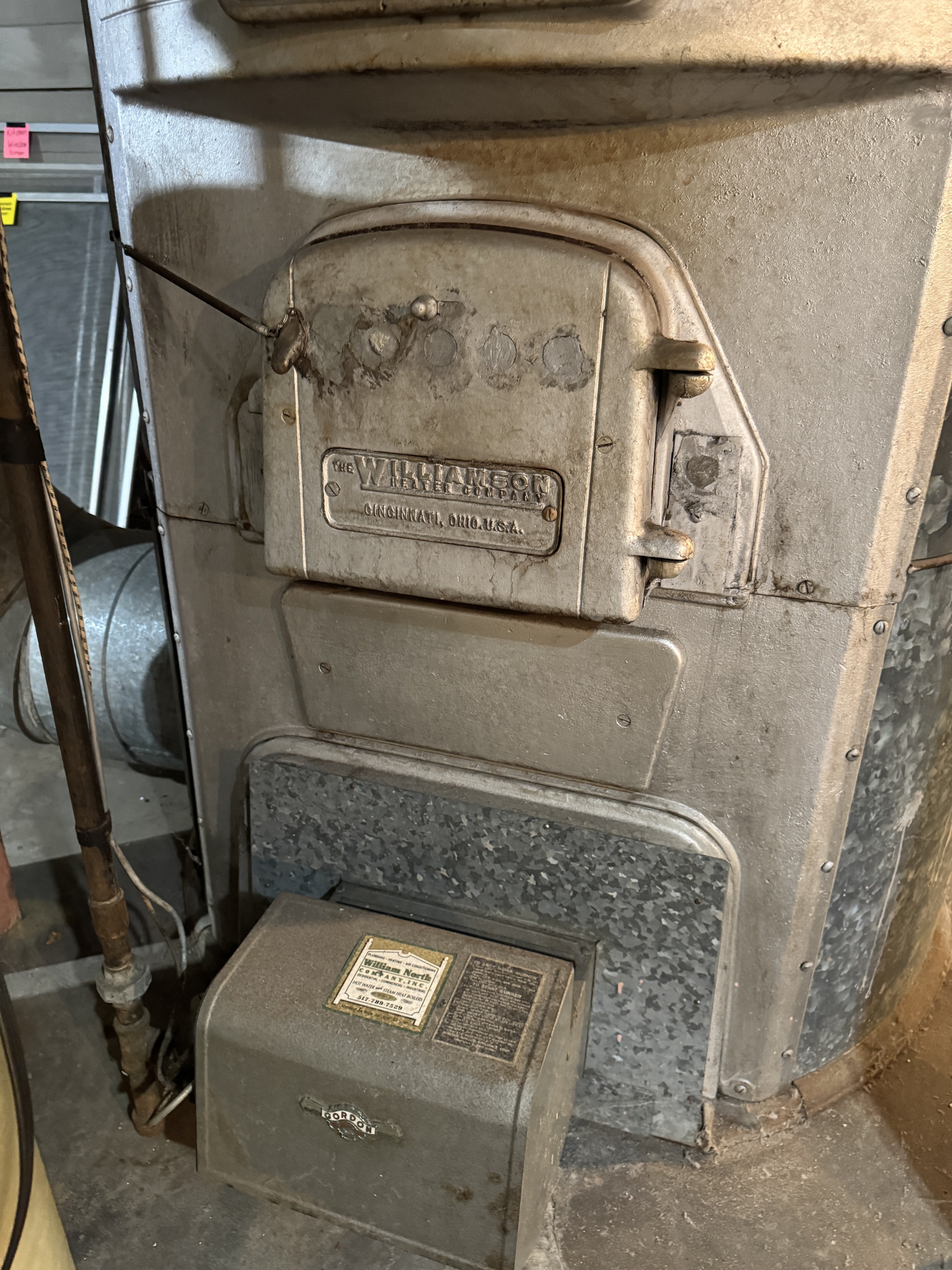
was it always automatically fired? it is weird that one of the covers blanking off one of the fire access doors appears to be a factory made cover which makes me wonder if it was installed new with an early oil or gas burner in the 30's or 40's.
0 -
@mattmia2 I think what you are referring to is just a picnic basket someone left there. There was no coal bins. And that gas burner looks old but no idea when or if it was a convert. I was a total stranger in this house. I hope the new future owner keeps it around. The thing literally so simplistic and just works.
Lifelong Michigander
-Willie
0 -
that roberts-gordon conversion burner is probably from the 50's. That sheetmetal around it clearly is a later retrofit .
this is what I thought looked like part of a coal bin
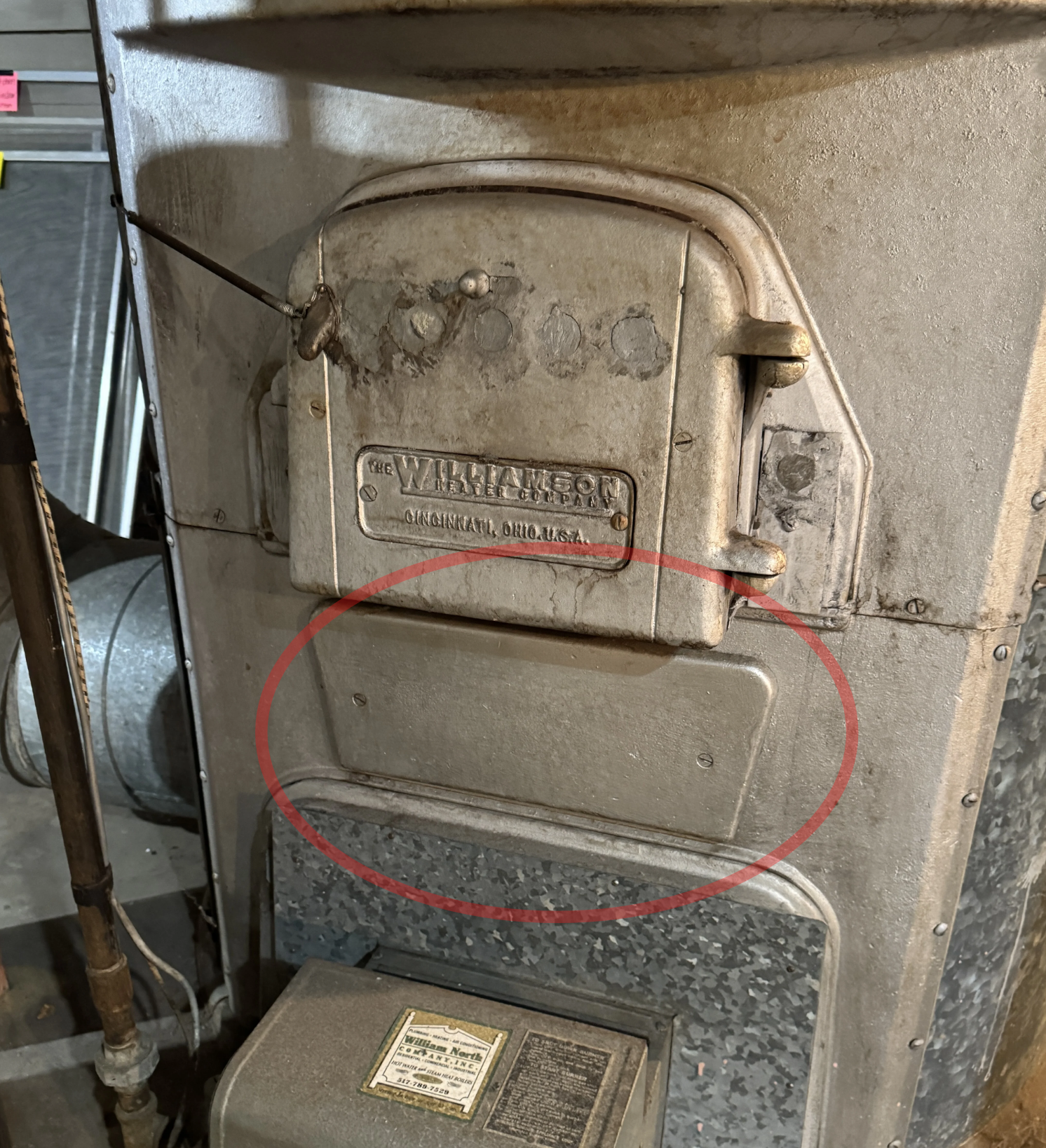
The fact that this is a factory piece covering the coal grate access door is what makes me wonder if it was installed with a older conversion burner originally:
 0
0 -
Did anyone notice the screen door spring on the upper door?
Those were added whenever something like this was converted to gas.
That was the pressure relief point in case of a delayed ignition. The latch catch was ground off so the door could not be held shut.



 7
7 -
i noticed, i had questions about what combustion problems it had making that necessary.
0 -
Factory specified re-engineering in the 1930s was sometimes very unusual, but practical.
I remember playing with pulleys as a child that were designed for opening and closing hand fired furnace dampers. My Dad had hundreds of them laying around the garage.
Mom always wanted to know where her clothes lines were vanishing to? The pulley driven draw bridge staircase to the back yard tree-fort would be my guess!
Edward Young Retired
After you make that expensive repair and you still have the same problem, What will you check next?

 3
3 -
I'm thinking that red circled panel is where the "humidifier" went. On my dad's coal fired Holland, behind that panel there was a place where you could put a pan of water.
Dennis Pataki. Former Service Manager and Heating Pump Product Manager for Nash Engineering Company. Phone: 1-888 853 9963
Website: www.nashjenningspumps.com
The first step in solving any problem is TO IDENTIFY THE PROBLEM. 1
1 -
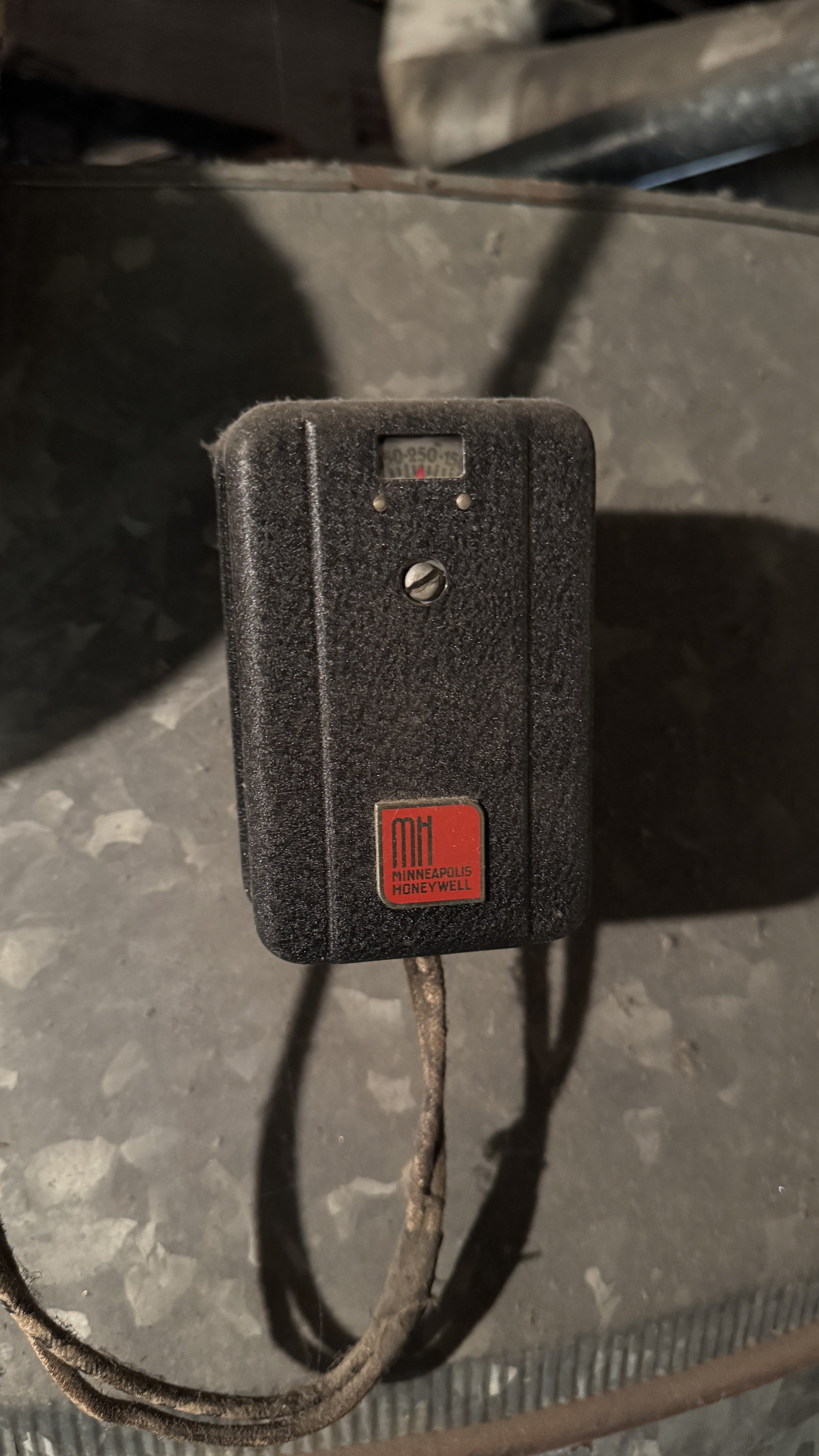
Anyone notice the high limit set at 250?
I can't imagine what 250-degree air is like.
I bet the stack temp is like 1000 degrees. There is no danger of squirrels or birds coming down that chimney.
And no worries about flue gas condensation.
Luckly the house hasn't gone up in flames.
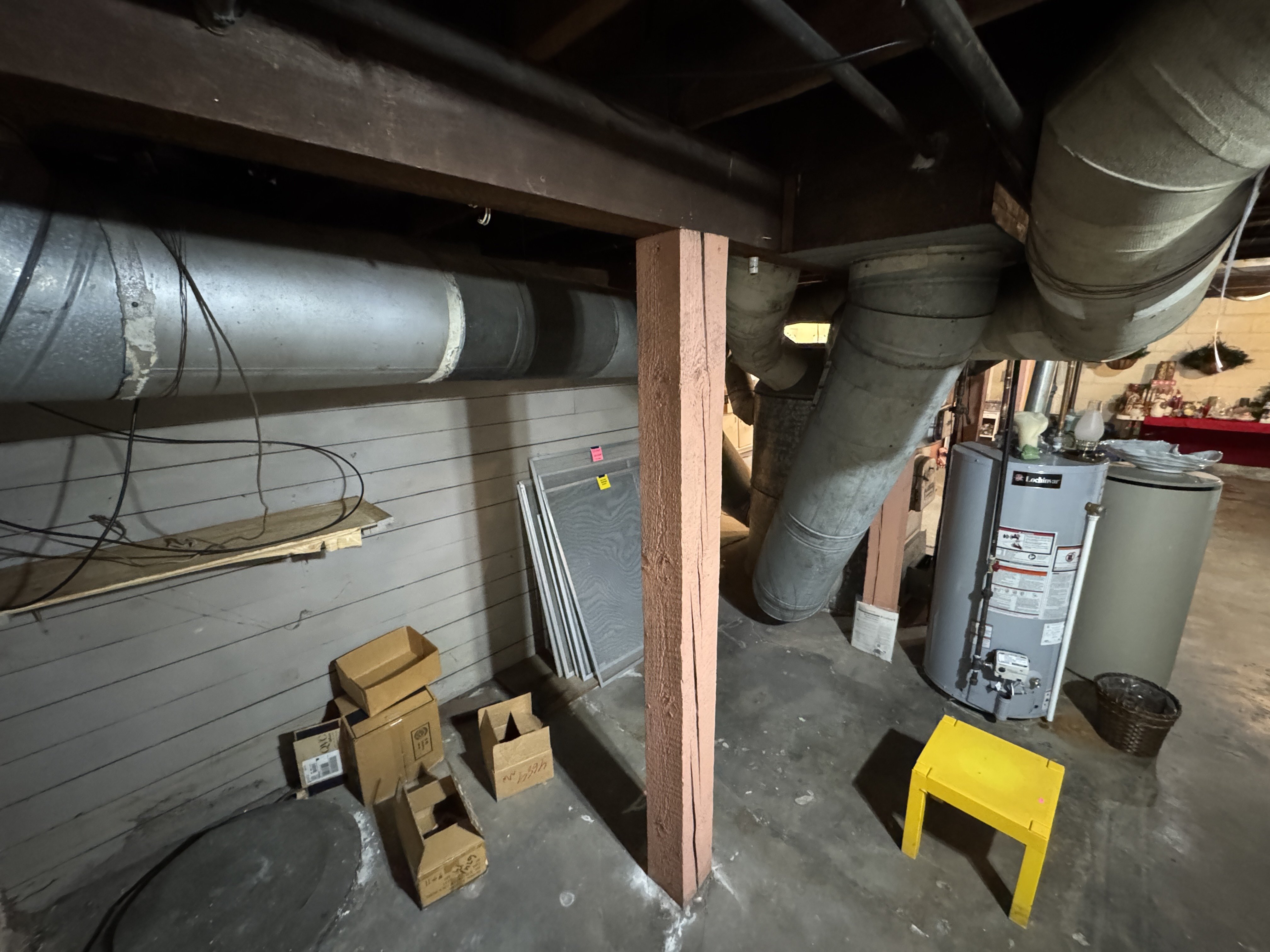
Does it take house air for the return air or is it taking in outdoor air?
I agree that that Roberts Gordon burner is probably 1950s Used to be thousands of them around.
1 -
you can see a return duct in one of the pictures. i would think if the firing rate is anything reasonable it doesn't get anywhere near 250.
0 -
-
The spring was SOP for our gas company here.
They were trying to avoid damage to equipment, flue etc.
Burner adjustment was by eyesight back then.
1 -
I don't think it was a coal conversion .. If it was ,they did a over the top job..
I think you are right . that circle door was for a optional humidifier. Cast iron tray that held water ..
There was an error rendering this rich post.
0 -
That was definitely a coal conversion.
The door with "Williamson" on it was originally for shoveling coal onto the grates. Gas-designed units don't have or need doors like that. The grates were removed when the conversion was done.
The door on top was for cleaning the flueways. Again, gas-designed units don't have these.
And by the time that burner was made, gas-designed furnasties had been available for years. You could still get gravity units, but most had blowers.
If there is no iron coal door, it was either removed, or they probably delivered the coal through a basement window, as they did in my house. Yes, I still have the old coal bin.
0 -
The furnace in Cedric's home is very much like that. installed in 1893, and was gravity hot air only in the north end of the building which was added on in 1893. It never was converted, but the last time it was used was in the winter or 1960, and it did help to heat the place (the steam boiler at that time was a H. B. Smith, large and woefully inefficient, with a Quiet May oil burner. Cedric is an improvement…).(steam had been installed in 1930) The dang thing is still there, along with a couple of tons of coal, but is too rusted in places to be even remotely safe to use. Not quite sure why I haven't removed it…
Br. Jamie, osb
Building superintendent/caretaker, 7200 sq. ft. historic house museum with dependencies in New England0 -
Still beautiful even though it has a gas burner. I wonder if the galvanized sheeting is covering asbestos mud?
You can buy EFM and keystoker coal stokers with scorched air systems. Building and bending the hot air ducts and cool air returns in this case would take a little more time but it can be done as both of the coal stokers have a top hot air plenum exit point and a lower floor level cool air return through the air filter/blower box.
0 -
looks like they fabricated a plate to support the conversion burner and control the excess air instead of just gobbing furnace cement around it, that plate looks like it is as old as the conversion burner. the only place i would expect to find asbestos inside besides the furnace cement you can see in the firebox door sealing up the vent in it is in between the sections of the cast iron heat exchanger.
there was almost no fabrication involved in installing that duct work, it was factory made register boxes, factory made duct sections and factory made elbows cut in to the bonnet of the furnace.
if you replaced it you would probably abate the asbestos, cut all the ducts at about the basement ceiling, run a trunk down the middle of the basement and join the old ducts with reducers and smaller duct sized to the load to the trunk.
0 -
Here the gravity systems had the supply vents on the inside walls and the returns were on the outside walls under the windows to grab the cold air that entered.
So when "upgrading" to forced air for heating and AC, I use the existing interior wall grates/grills for cold air returns. This preserves the integrity of the maybe 100 year old house.
Then the supplies are cut into the floor as usual in new construction.
The old return grills under the window are just left in place unless the wall is to be remodeled/refinished.
1 -
my house and my parents house both were done that way in the 50's. not sure it is worth rearranging it unless there is a lot of work that needs to be done to the ductwork anyhow.
0 -
-
It is definitely a converted hand fed coal fired octopus furnace and also thing of beauty.
1 -
what's with the flex to the limit? is it line voltage? was it converted to oil before it was converted to gas?
0 -
There were several popular furnaces made in a similar way. In the greater Philadelphia area I found lots of Holland Furnaces. I even remember seeing a working scale model of a Holand Furnace some time ago. The Holand Salesmen would use them to demonstrate how the furnace operated ins your home using tobacco as coal so you could see the smoke come out the flue and no smoke came out the ducts to your home. "See how safe this is"
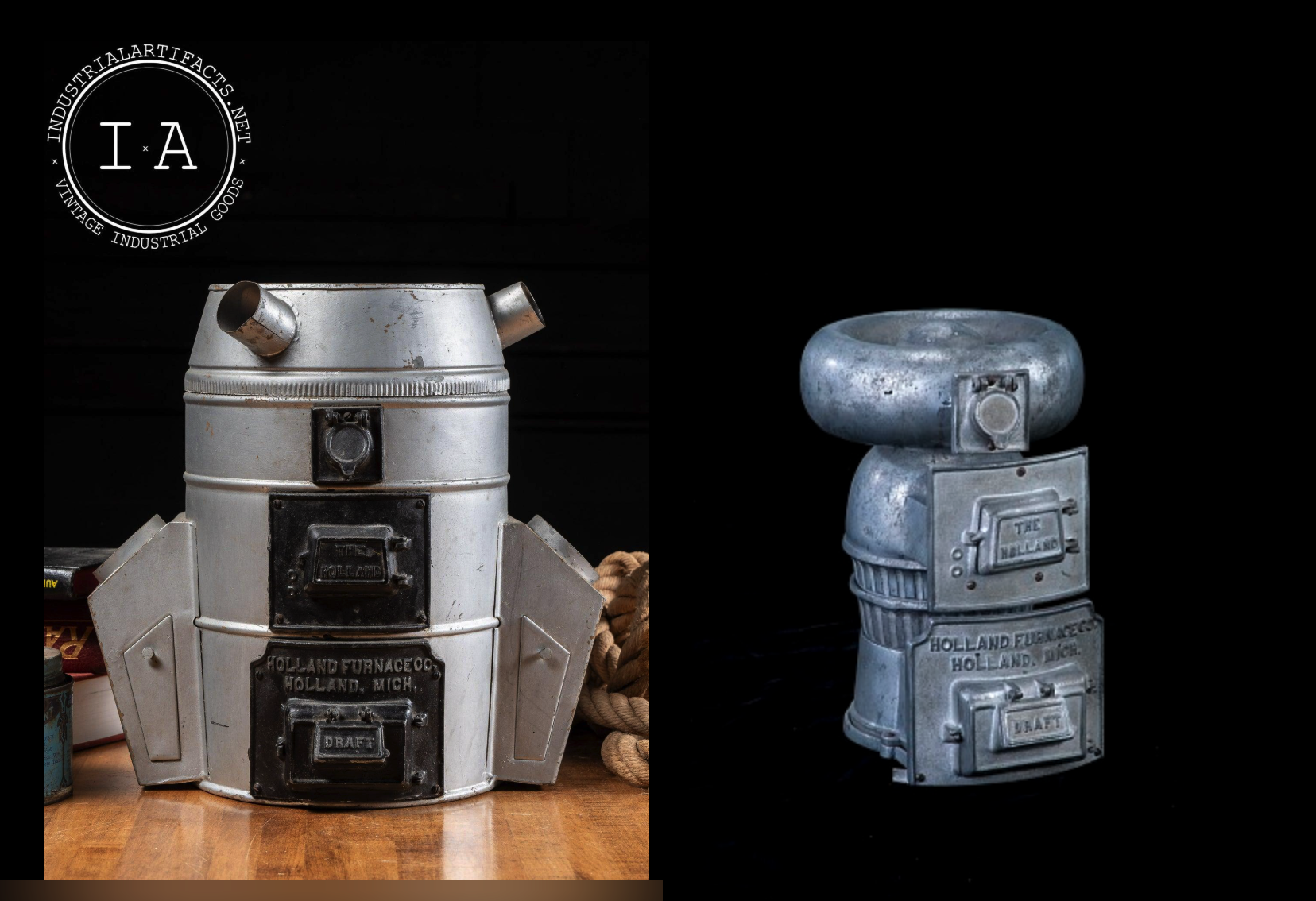
Yoiu could take off the outer metal cover to reveal the heat exchanger so a customer could see how it works. I remember taking those apart when a new Gas furnace would be installed
Edward Young Retired
After you make that expensive repair and you still have the same problem, What will you check next?
0 -
are those filter holders on the side or just bins to catch the heaviest of debris?
0 -
did the working model have a little mouthpiece so once the salesmen closed the deal he could take a few puffs?
1 -
Holland Furnace.
I think they were involved in some type of scam.
In the picture it looks like a transformer (maybe ) mounted above the limit control
0 -
It seems like the scam was more post wwii but basically their salespeople were telling people their furnace was unsafe and had to be replaced and in many cases were actually damaging it.
where have i heard this before…
0 -
Those are the return duct connections.
0 -
why are there doors in the side of the return transitions?
0 -
LOL for cleaning out all the dirt leaves and grass pulled in through the OA
0 -
I started my work on heating equipment in the later 1970s and actually, the Holland Furnace Company built very well-made furnaces. I worked on many furnaces that had been converted from coal to oil, much like the Williamson Furnace Company furnace that was converted to gas in the original post.
What led to the company’s downfall was its disreputable sales practices, as previously noted above. After being directed by the courts to stop those practices, the company continued condemning perfectly good furnaces in spite of the court orders. The company’s chairman, Paul Cheff, actually spent time in jail as a result of contempt charges.
The way I heard the story in the greater Philadelphia area, a Holland Furnace Company salesman was accompanied by a “fire inspector” wearing a firefighter’s uniform who was actually a Holland Furnace employee.
The salesman would invite the consumer — often an elderly homeowner — to receive an official “safety inspection” of the home heating system at no charge.
Once the inspection was completed, the furnace was often left unusable as a result of the inspection process and then condemned as unsafe to operate. The “fire inspector” would act very apologetic about discovering such an unsafe condition, but assured the consumer that it was for the best.
The Holland Furnace representative would then explain that he could solve their safety problem, after which the “fire inspector” might even leave the home while the salesman pressured the consumer into purchasing a new furnace if they wanted heat restored.
This whole debacle was, in many ways, part of the beginning of the broader consumer-awareness movement that eventually led people like Ralph Nader to bring national attention to situations where corporate profits were being placed ahead of consumer interests and product safety.
It was during this same era of growing consumer protection awareness that the U.S. Consumer Product Safety Commission was created in 1972.
Edward Young Retired
After you make that expensive repair and you still have the same problem, What will you check next?
 4
4 -
My grandparents had such a huge monster furnace in the basement of their big ol' farmhouse in Langley, B.C.
I don't know if they bought or built the house; they moved there in 1928. I believe the fuel was sawdust from the lumber mills in the Fraser Valley, fed by a large screw mechanism.
Resident in 25-unit co-op, Toronto, built in 1925. In self-defence,"expert" on our 2-pipe steam system.
1


Categories
- All Categories
- 87.8K THE MAIN WALL
- 3.3K A-C, Heat Pumps & Refrigeration
- 60 Biomass
- 430 Carbon Monoxide Awareness
- 133 Chimneys & Flues
- 2.2K Domestic Hot Water
- 6K Gas Heating
- 124 Geothermal
- 170 Indoor-Air Quality
- 3.9K Oil Heating
- 79 Pipe Deterioration
- 1.1K Plumbing
- 6.7K Radiant Heating
- 397 Solar
- 16.1K Strictly Steam
- 3.5K Thermostats and Controls
- 56 Water Quality
- 51 Industry Classes
- 51 Job Opportunities
- 18 Recall Announcements