Cracked Heat Exchanger

My furnace has been short cycling for 2 years. I’ve had various techs to examine it and they haven’t been able to identify an issue. Consensus was “oversized, gets too hot, old.” It’s 10 years old.
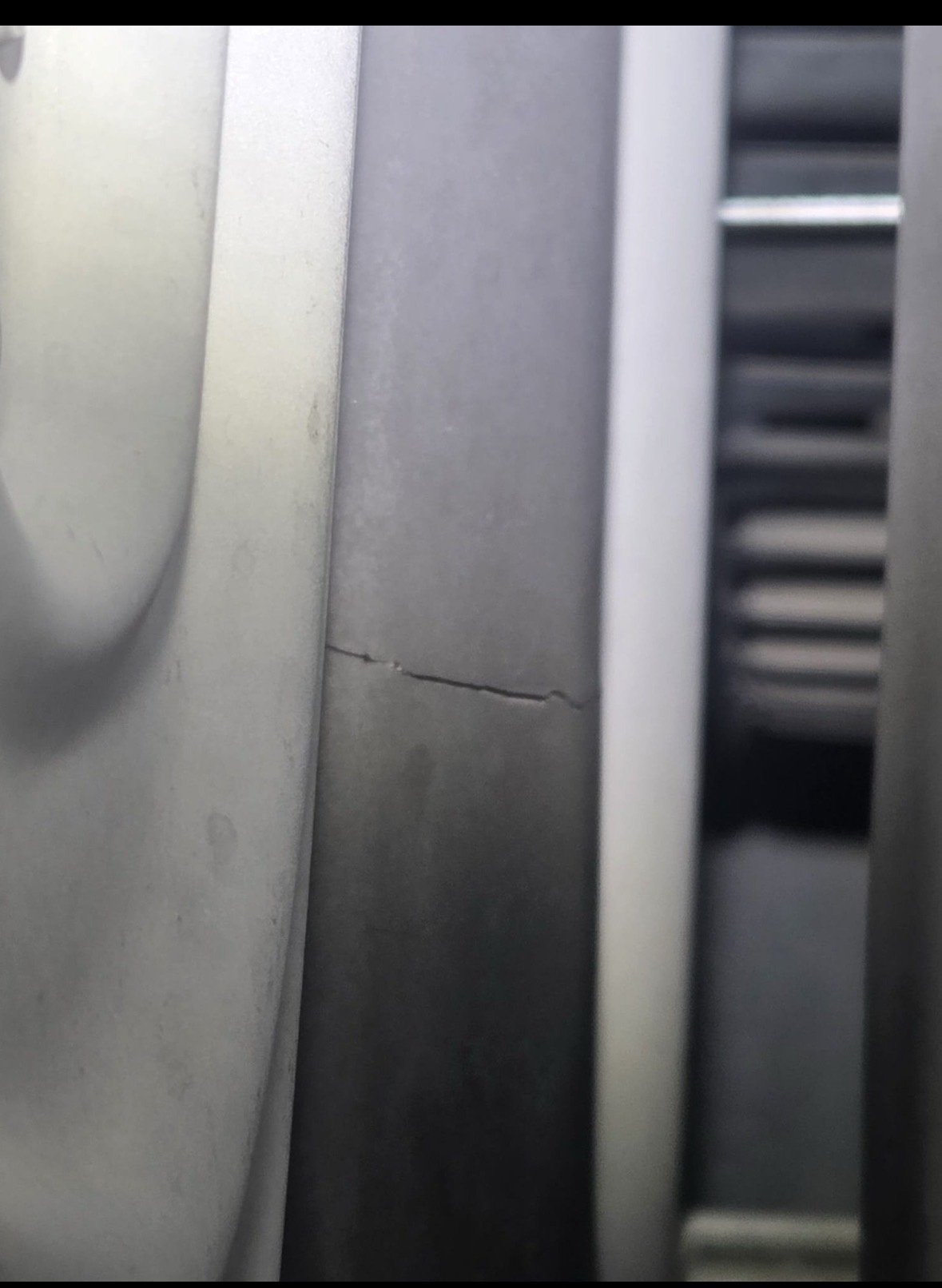
Last week I called a new tech. After 90 minutes he discovered a cracked heat exchanger.
His advice was to immediately turn off the system and replace it. He warned that turning it back on can kill me with CO poisoning.
I have a newly purchased Kiddie CO detector next to the furnace showing 0. I believe it won’t register CO under 30 ppm. I have CO detectors through out the home that have never gone off.
How do I know if this furnace needs to be replaced immediately for safety reasons or if this is just an aggressive sales tactic?
Comments
-
Hi, I'd get some low level CO detectors right away, and just to be safe, don't run the furnace until they are installed. There might be some useful info here:
Yours, Larry
 1
1 -
By the time those hardware/big box store co detectors go off you could be dead or at least taking a bus to the nearest ER.

 3
3 -
If the heat exchanger is cracked replacement is required.
The CO detectors that you got at the big box store are worthless - except for paper weights.
Bob Boan
You can choose to do what you want, but you cannot choose the consequences.1 -
every item on the list you suggested is sold out
0 -
can someone explain why regular CO detectors are worthless? If they are as crap as everyone says, wouldn’t the standard be low level detectors?
Looking for constructive information.
0 -
What is that a picture of? I see a crack, but that doesn't look like a heat exchanger.
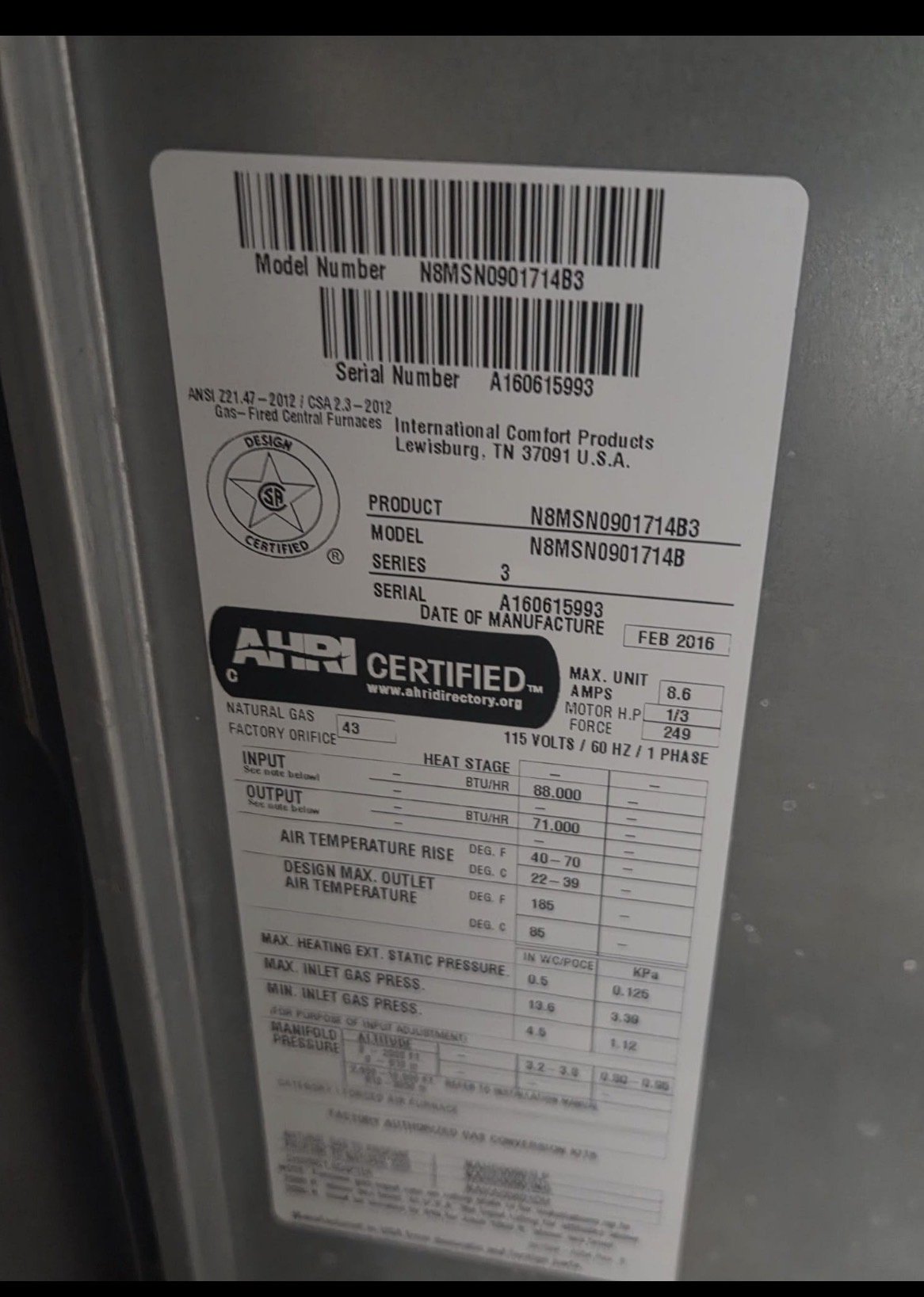
What make and model furnace? What's the approximate square ft of the heated space? How did the tech prove the heat exchanger was cracked?
1 -
UL Listed CO Detectors will not alarm until 70 PPM is exceeded for up to 4 hours.
my personal CO detector alarm when 15 PPM is reached.
https://www.myhomecomfort.org/wp-content/uploads/2015/09/CO_Levels_Risk_Chart.pdfThe3 -
i had the same question, i wanted the bigger view. it could be the fire side of a hx but it doesn't really look like a piece of metal that has been exposed to the heat of the products of combustion.(and even if it is, I don't think it would cause enough of a change in pressure to affect the combustion to cause short cycling)
0 -
he showed me that photo and said “that’s your heat exchanger and it’s cracked” 2,000 to 2,400 square feet.
 0
0 -
I can't say for sure if it is or isn't. It doesn't even look like metal.
If its an upflow furnace, and that looks like the blower fan on the right. Did the tech open the supply duct or remove the AC evaporator coil to get a down shot pic like that? Any other tests done? Draft? CO in the supply?
0 -
Don't always assume technicians are gaming you..what if he is honest and correct? Is it worth risking your health or life? Mad Dog
 1
1 -
Regular CO detectors aren't really "crap" — it's just that the level at which they alarm is the "shut everything off and get out of the house" level. Which is useful to know… in a way…
Low level CO detectors will warn of CO in the "moderate" range (10 to 50 ppm) which, to quote OSHA, will cause symptoms such as headaches and nausea over longer exposure; the OSHA limit is 8 hours. The problem is that the exposure time in a residence is longerr than that, and additional symptoms — particularly for older foils — can start to appear. Such as increased risk of heart attacks… it also appears to harm the brain in unborn or new-born children. somewhat subtler, however, is that it also, over those time spans, creates a sort of "brain fog" effect.
Br. Jamie, osb
Building superintendent/caretaker, 7200 sq. ft. historic house museum with dependencies in New England0 -
I don't know what the picture is showing but if it is the HX it does look like a crack and not some kind of factory seam.
10 years old any warranty on the HX????
My gut tells me if he spent 90 min looking for the problem and found that I would tend to think he is right.
Someone out to sell you a furnace wouldn't take that long to condemn it.
But need more info to tell.
0 -
Hi @2lefthands , I did a search on Amazon and got this:
The choices need looking at, but I'm sure you'll find something that fits the need. I think you need the information a detector will give, to have a better idea of what actually needs to happen next.
Yours, Larry
0 -
Absolutely true. But I'd need a little more verification than a picture I can't even tell what it is. There are actual tests. And if the furnace is continuously short cycling on high limit, then that could contribute to a cracked heat exchanger. But a cracked heat exchanger isn't the cause of short cycling.
2 -
For those curious, I had the gas company come out. They didn’t detect any CO issues. The guy also mentioned the flame is blue and not rolling back.
Video of flame
Circled part was removed and he told me to look down into it to see the cracked HX.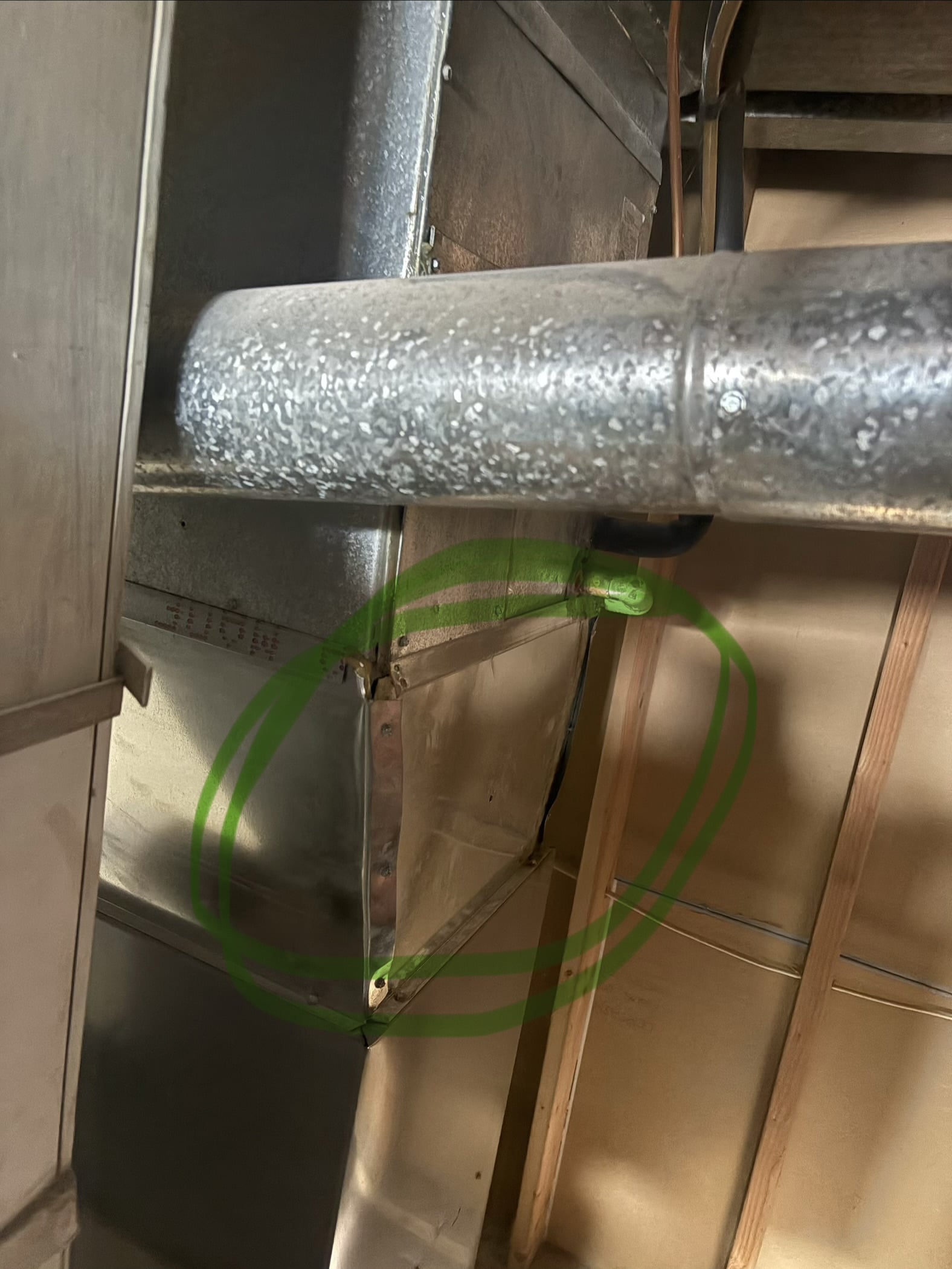 0
0 -
did someone make that transition with a pair of channelocks?
1 -
1 red flag is hvac company told me “your warranty lapsed.” Manufacturer told me it’s 20 years and HX is covered.
0 -
if there is a crack you would see it looking in after removing the side of that transition. if whatever that picture is of is a crack in the hx i wouldn't expect a detectable amount of co to get through it. if the burner is burning right the co concentration in the undiluted exhaust is <~50 ppm and that thing in the picture is tony so you are adding a tiny amount of 50 ppm gas to a much larger volume of gas and most instruments start detecting co in the 5-10 ppm range.
but without a bigger picture of where that even is, i'm inclined to think that is some of the sheet metal or insulation around the hx, not the hx itself.
0


Categories
- All Categories
- 87.6K THE MAIN WALL
- 3.3K A-C, Heat Pumps & Refrigeration
- 59 Biomass
- 429 Carbon Monoxide Awareness
- 124 Chimneys & Flues
- 2.2K Domestic Hot Water
- 5.9K Gas Heating
- 119 Geothermal
- 168 Indoor-Air Quality
- 3.8K Oil Heating
- 78 Pipe Deterioration
- 1K Plumbing
- 6.6K Radiant Heating
- 394 Solar
- 16K Strictly Steam
- 3.5K Thermostats and Controls
- 56 Water Quality
- 51 Industry Classes
- 50 Job Opportunities
- 18 Recall Announcements