Sears and Roebuck Boiler Questions

Hi,
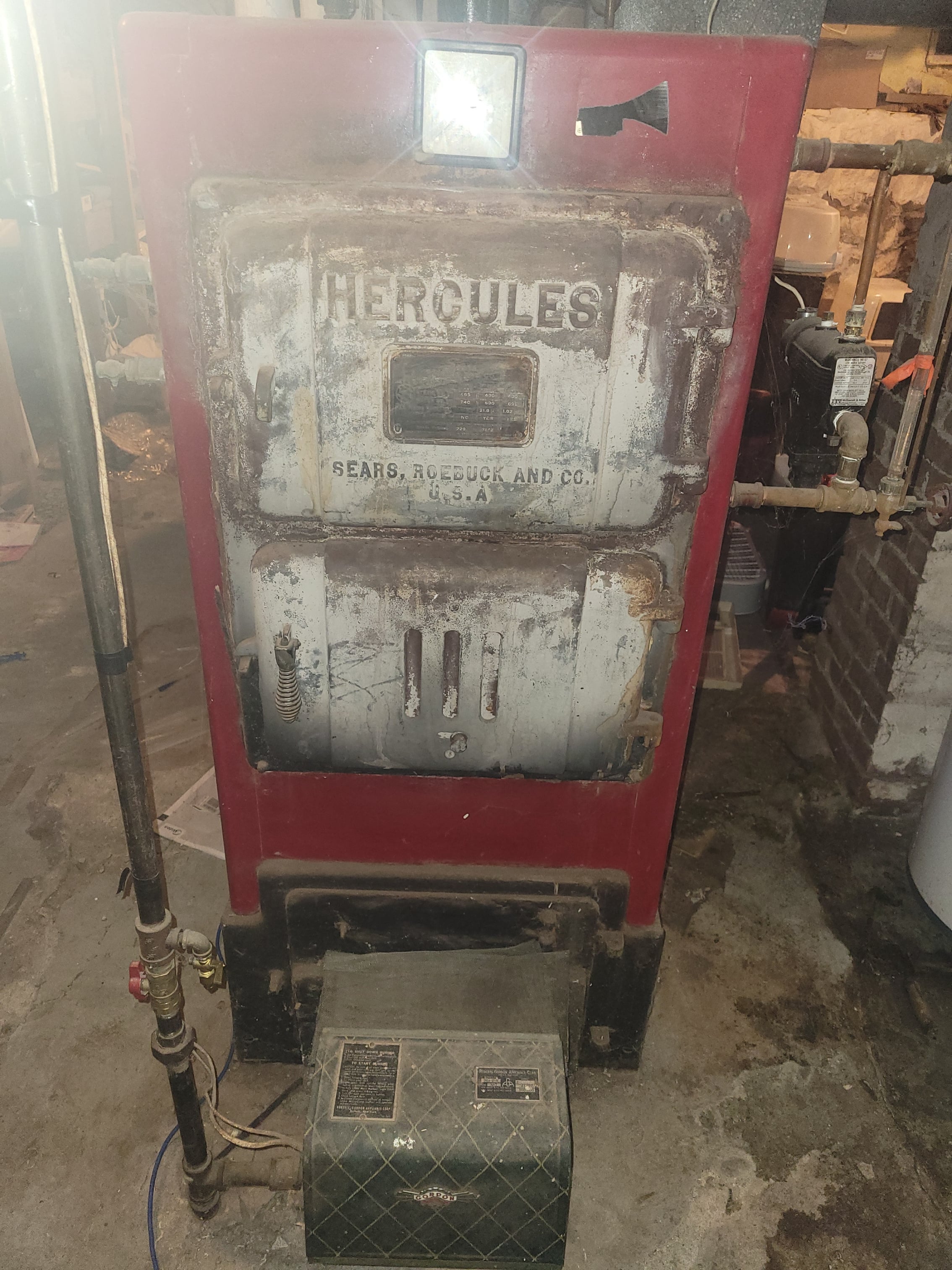
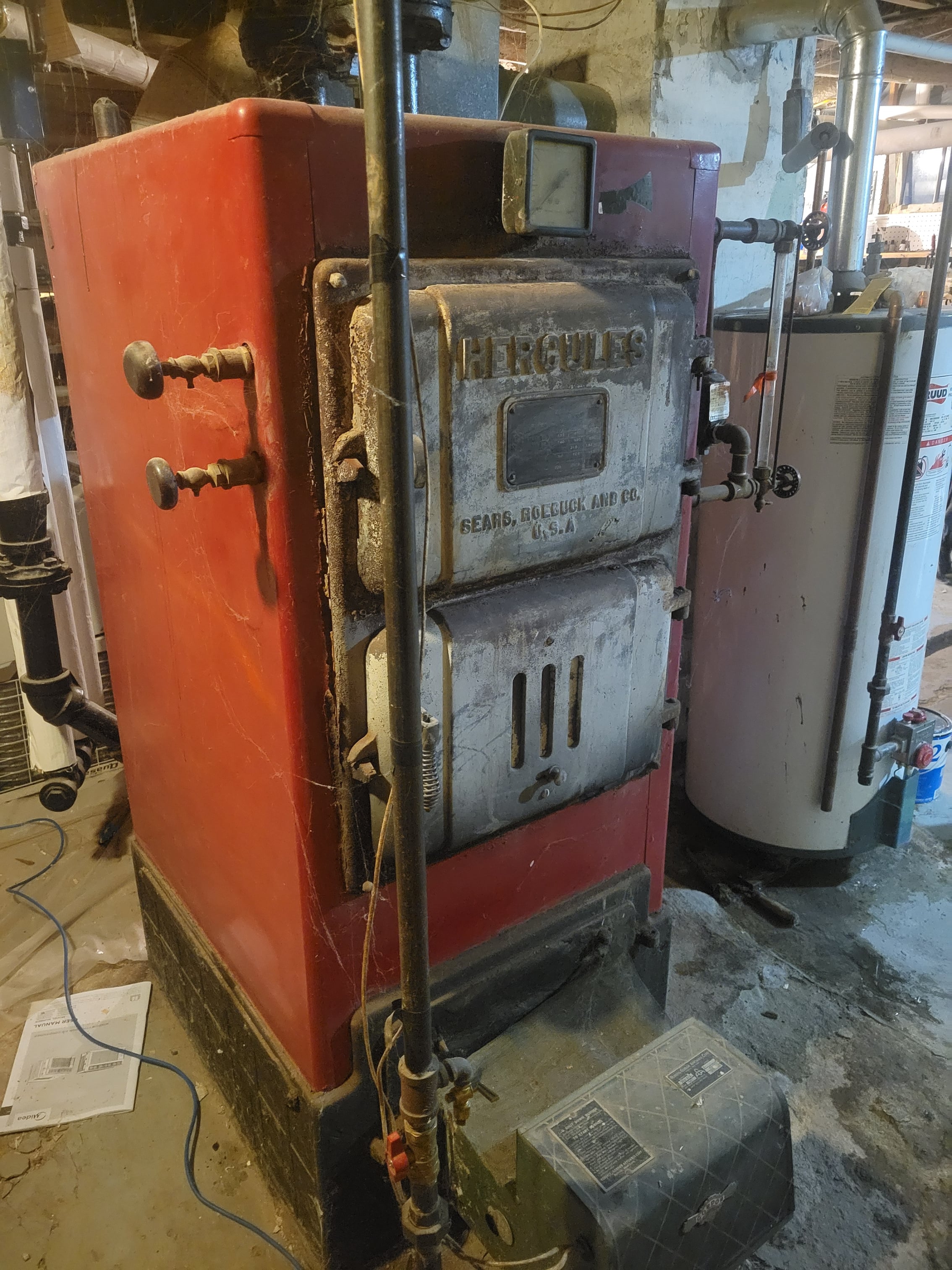
I just stumbled upon this website today while trying to learn more about my current heating system. I have a Hercules boiler- I believe it was converted from coal, to oil, and then gas. The house I live in was built sometime between 1890-1910, and I was wondering if anyone knows how old this model is?
I'd also like to know how efficient or inefficient they are. My brother and an HVAC guy who serviced it in the past both think I should keep it going until it fails. I figured it might be worth reaching out to see who else might have one, or who has worked on one, and gather more information about this Hercules in general and what their thoughts are on keeping it running versus modernizing??
I have steam heat with old-fashioned radiators.
Thank you
Comments
-
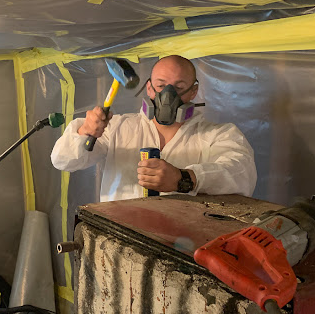
Here's a fun look at how to remove one of those, if you decide to replace it:
https://www.sopocottage.com/2019/05/bunny-suits-vs-hercules-who-will-win.html
1 -
Fun?!? LOL Your renovations are so beautiful!
0 -
Thanks, but that's not me, just a Google search result.
1 -
@Ananda , later Sears boilers were made by Dunkirk. Not sure if that one was since it's older. I'd say 1930s or 1940s on yours.
Where are you located? We might know someone near you who knows steam.
 2
2 -
I agree with the 30s-40s
2 -
probably not super inefficient but a new boiler might be 15% more efficient. you can buy a lot of gas for the cost of a new boiler and the new boiler probably won't last 80+ years.
1 -
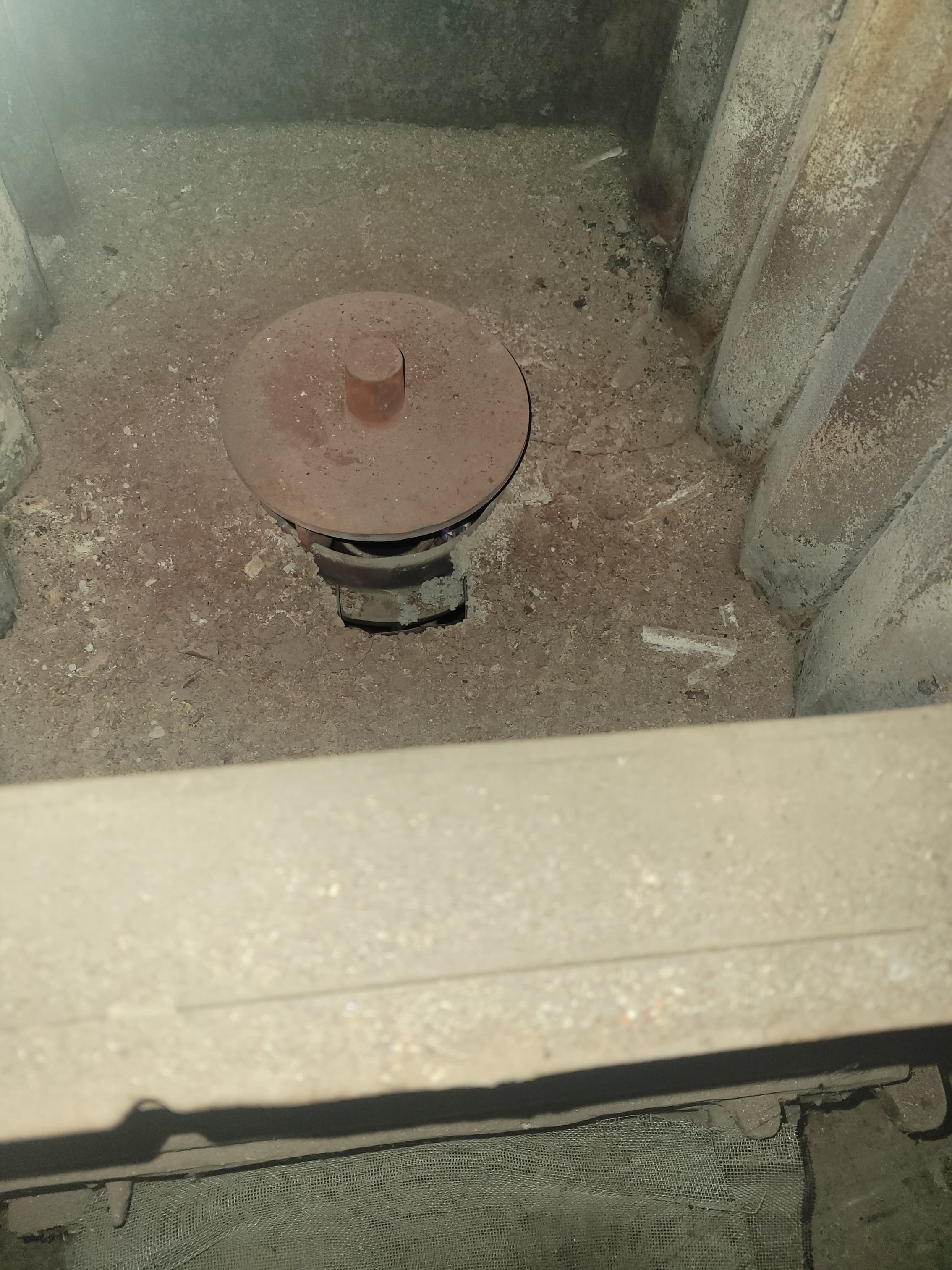
also be careful of that refractory disc on top of the conversion burner. they are kinda fragile and long ago unobtainable.
0 -
Definitely keep the boiler. There’s nothing better than these old original boilers and they are more efficient than people think.
I regularly get the “it’s 40% efficient” incorrect guess on my No. 7 Ideal boiler which is 90 years old. I bought my own combustion analyzer, it’s actually 72-75% efficient and my heating bills back that up. The talent just doesn’t exist like back then with the installation of that boiler. We have seen it here in the group countless times with newer installs. Just crappy install work and of course, people are here because it’s giving issues.
Yes, technically a new cast iron boiler would be slightly more efficient, but honestly, the cost to install, especially if your basement piping is asbestos covered (abatement will be needed) just is NOT going to be made up in the mild savings you will earn. And once again, the fact nothing lasts, you are lucky to make it 10 years with a new boiler. I’ve seen peoples boilers develop a crack in the cast iron section after 5 years. Keep that thing going and maintained.Here is A Hercules Guide
https://www.icloud.com/iclouddrive/081khJkB19VdQQNj0b07z9kRw
@Erin Holohan Haskell
Feel free to add to the archive if one is not already uploaded. ThanksLifelong Michigander
-Willie


 4
4 -
Thank you, everyone, for your feedback. And thank you @TheUpNorthState88 for the guidebook!
0 -
@Ananda @TheUpNorthState88 during World War II, when fuel was rationed, this type of boiler was often "baffled" when burning oil or gas. Baffling used bricks or other deflectors properly placed so the hot exhaust gases would contact the cast-iron instead of flowing through the middle of the flueways on the way out. This transferred more heat to the boiler water instead of having it go up the chimney, resulting in lower stack temperature and reduced fuel consumption.
One of the best discussions of this technique appears in the old Audel Oil Burner Guide, by Frank Graham. You can find copies on eBay- here is one:
Note that this should be done by a pro with a combustion analyzer, to make sure baffling doesn't restrict the draft and cause poor combustion and CO.
After the war, a lot of these baffles were removed, likely by oil or gas suppliers who wanted to sell more fuel.
 2
2 -


Categories
- All Categories
- 87.8K THE MAIN WALL
- 3.3K A-C, Heat Pumps & Refrigeration
- 59 Biomass
- 430 Carbon Monoxide Awareness
- 133 Chimneys & Flues
- 2.2K Domestic Hot Water
- 6K Gas Heating
- 124 Geothermal
- 170 Indoor-Air Quality
- 3.8K Oil Heating
- 79 Pipe Deterioration
- 1.1K Plumbing
- 6.7K Radiant Heating
- 396 Solar
- 16.1K Strictly Steam
- 3.5K Thermostats and Controls
- 56 Water Quality
- 51 Industry Classes
- 51 Job Opportunities
- 18 Recall Announcements