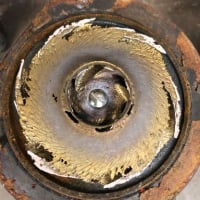
What is this?

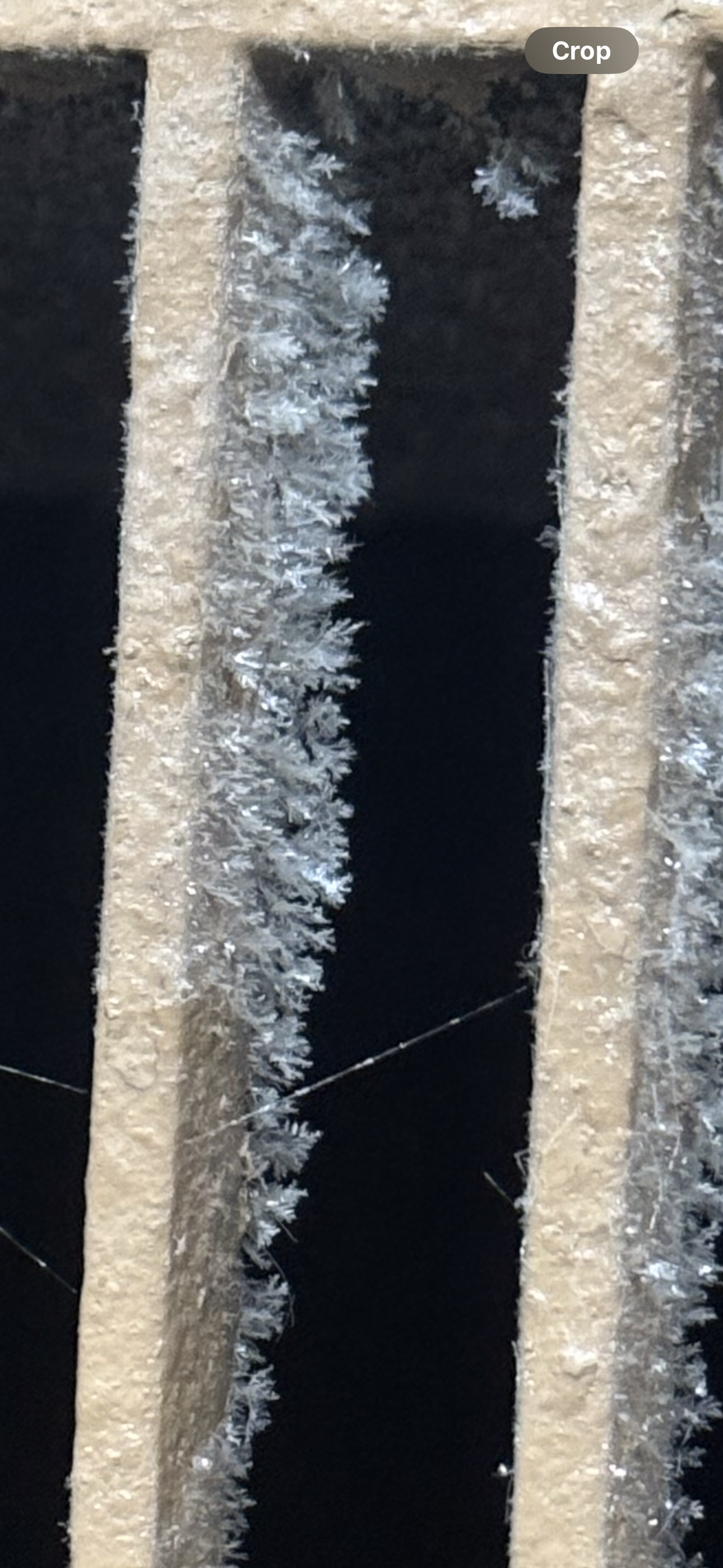
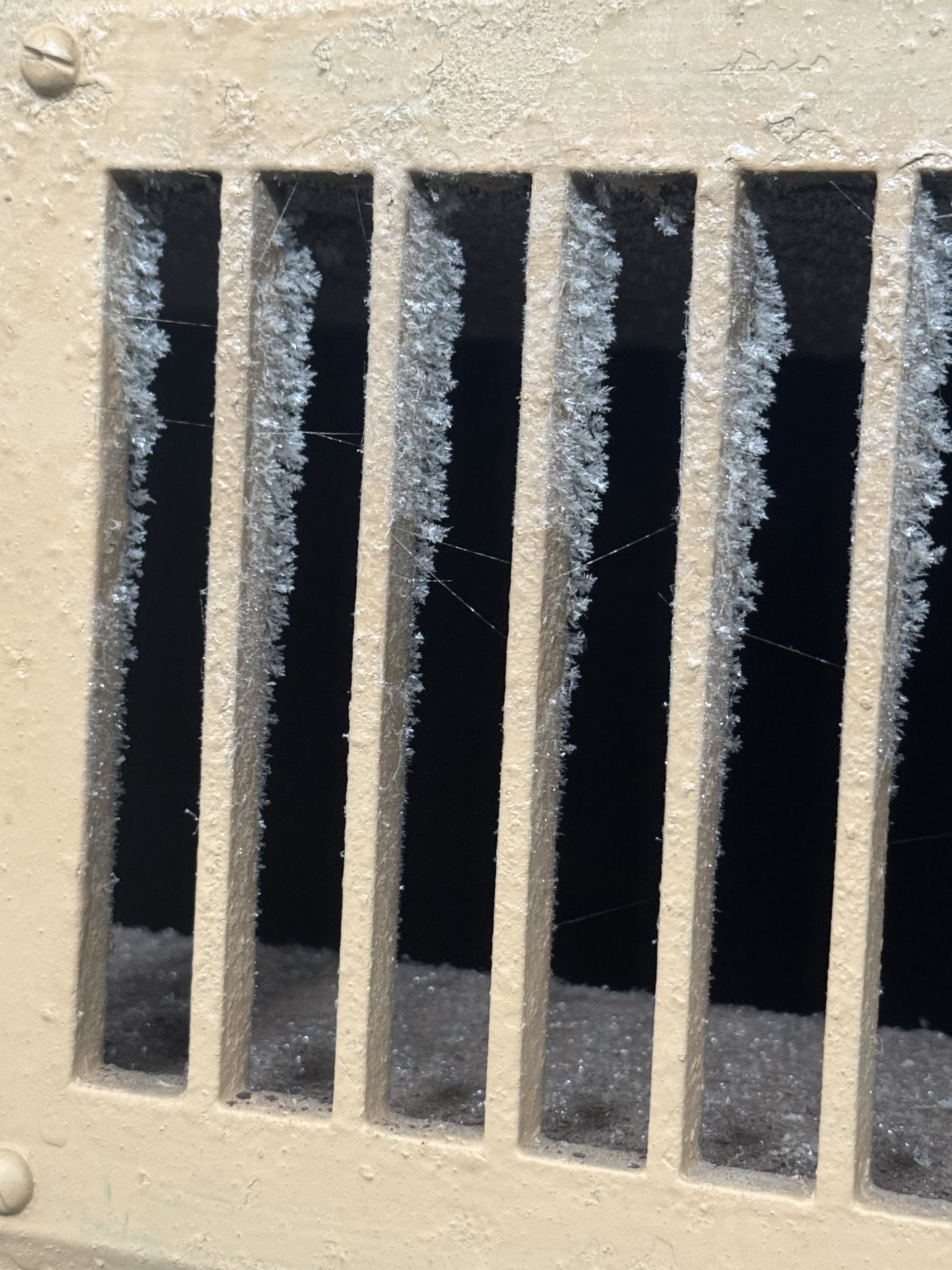
it is off a steam radiator. Boilers are running about 6psi. This crystal like substance is all over steam and condensate pipes everywhere.
Any help? Thanks
Comments
-
First thought — unless you have some kind of air handler system, get the pressure down where it belongs — less than 2 psig, or even lower for some systems.
Now… that white stuff is from something — probably some kind of dust — in the air. Without doing a chemical analysis it would be quite unwise, in my opinion, to say what. That said, it is very unlikely that it has anything to do with the heat source, just with the movement of air through those grilles.
Br. Jamie, osb
Building superintendent/caretaker, 7200 sq. ft. historic house museum with dependencies in New England0 -
radiator or forced air blower?
Can we get a picture it the unit?
0 -
it is a radiator. The boiler chemicals have been quite high on sulfite lately. The radiator also has a chemical stench coming from it and it’s not leaking. All the steam piping is ran in copper. (Condensate as well) very old plant over 100 years. We have 14” copper steam mains. Also it’s not just the radiators the steam mains also have this build up as well as condensate return lines.
0 -
Is that the top of the radiator we see through the grill? It's not a hard connection so I wouldn't think the heat would directly cause whatever that is. Maybe high moisture from venting? Biological growth? Do you know if the grills have been cleaned and it returns? If that's known, how long before it returns?
I searched snowflake growth on HVAC grill and one of the results was this.
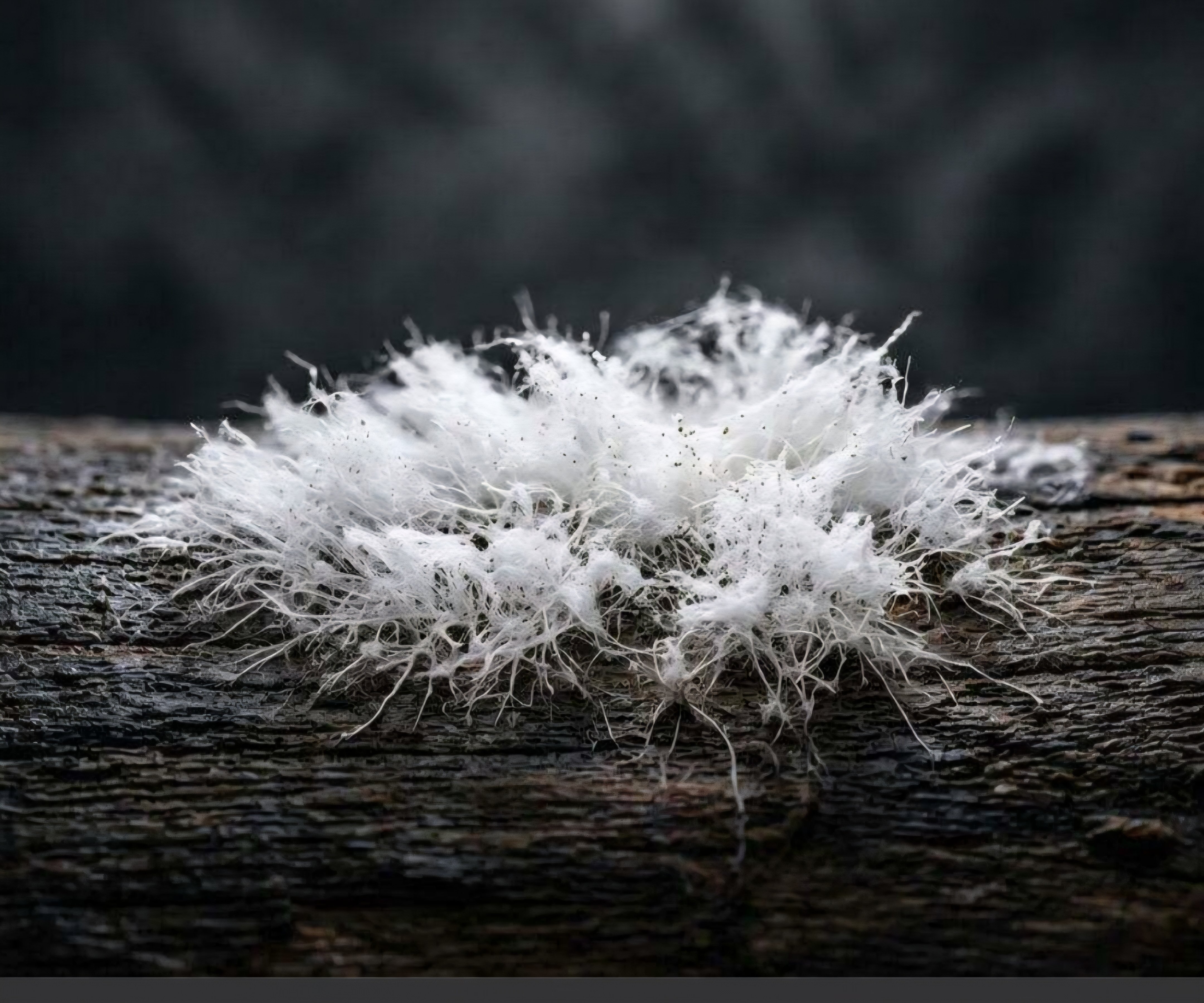
White mold. Similar?
0 -
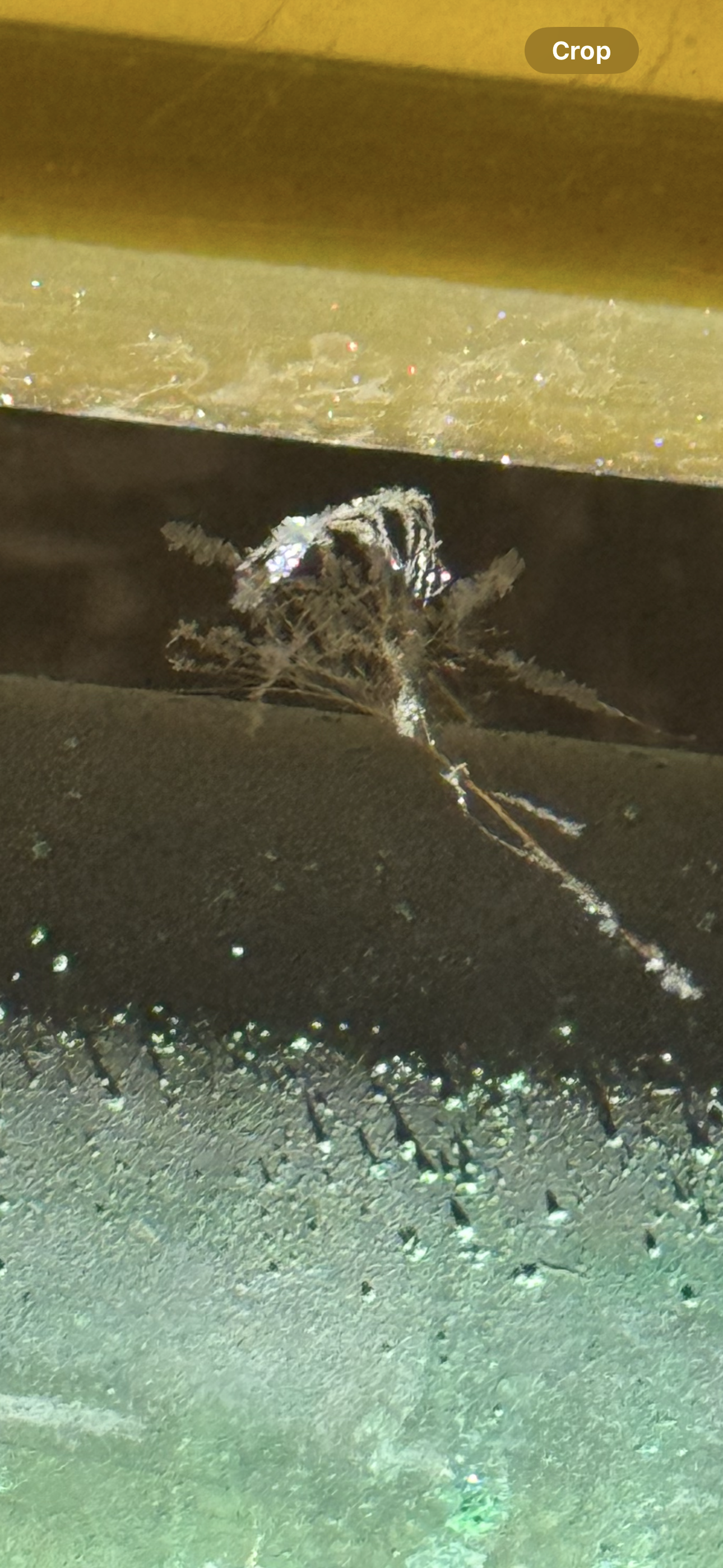
when I took a sample of it to send to the lab, it’s very flakey and as soon as I touched it most of it turns into small crystal like particles. Looks like a spider web, but it isn’t. And it isn’t dust, the lab is going to test it tomorrow should get results by the end of the week.
0 -
also, to answer your question hvac nut. We have cleaned the pipe and it’s back the next day. So within 24 hours.
0 -
Definitely look like some sort of crystalline deposit over dust or mold to me. Seems like something is getting carried along and deposited once it cools down.
Don't know how expensive it would be to do, but someone with a Mass Spectrometer should be able to help ID the compound or compounds. It could be some sort of sulphate salt or something like that
 2
-
thank you, it’s also only on the Steam/condensate lines.
0 -
Can you take a picture of the entire system? I just want to see your 100 year old heating plant. This from someone with a 90 year old system.
Lifelong Michigander
-Willie
0 -
I can take a picture of the boiler room. But the plant is massive it’s on over 30 acres. Large steam mains run throughout the inside of the plant.
0 -
Kind of reminds me of the Tin / Zinc Whisker growth phenomenon.
National - U.S. Gas Boiler 45+ Years Old
Steam 300 SQ. FT. - EDR 347
One Pipe System 1
-
That is definitely not mold. It has a crystaline structure that "grows" as it forms. It reminds me of efflorescence that forms on concrete walls in basements. All to say, it is chemical and not a life form like mold, mildew or fungus. It is probably from a gas lighter than air, hence its forming (after condensing) on the upper part of those vertical, grill bars. It is then breaking up and falling off onto the sill.
 2
-
I would love to see a photo of those fourteen inch copper steam mains. I do not remember ever seeing copper bigger than eight inch. Never saw (original) copper steam mains.

 2
-
Agree with @psb75, definitely crystalline structure, maybe a salt compound, hopefully not something nasty like a chlorine. Get a sample and have it analyzed as recommended by @pumpcontrolguy.
Given the size of the operation it could originate anywhere in the processing area.
Pictures from a distance are needed to understand context.
1 -
sorry it’s 12”-10” my bad, still massive but not as crazy as 140




Categories
- All Categories
- 87.8K THE MAIN WALL
- 3.3K A-C, Heat Pumps & Refrigeration
- 60 Biomass
- 430 Carbon Monoxide Awareness
- 133 Chimneys & Flues
- 2.2K Domestic Hot Water
- 6K Gas Heating
- 124 Geothermal
- 170 Indoor-Air Quality
- 3.9K Oil Heating
- 79 Pipe Deterioration
- 1.1K Plumbing
- 6.7K Radiant Heating
- 397 Solar
- 16.1K Strictly Steam
- 3.5K Thermostats and Controls
- 56 Water Quality
- 51 Industry Classes
- 51 Job Opportunities
- 18 Recall Announcements