Buderus furnace losing water from overpressure pipe

I was emptying about 4 gallons from a bucket twice a day. Yesterday the expansion tank and relief valves were replaced. Later in the afternoon I had the same leak. After releasing a fair amount of water into a bucket by moving the valve manually, the drip would stop for about 45 minutes or so then resume. The heating company came out again today with the diagnosis that the indirect water heater was causing high pressure and recommended a new indirect tank next to the system.
I wonder if a standalone electric water would be a valid option? I know it would be less efficient, but if oil prices stay as they are now, I was thinking during the warm weather season I could just turn the furnace off? I asked about that a while back before this happened and heard due to the efficiency of the Buderus system that may not be the best option.
I realize the during cold weather the indirect system would be more efficient when the furnace is running. Maybe the best choice overall would be the indirect system. The furnace is 24 years old. I don’t have the knowledge about these systems and respect those that do and appreciate any ideas.
Comments
-
A stand alone electric water heater is the lowest cost to get you where you need to be. As long as you have a large enough electric service to handle the water heater you need. That is what most plumbers that don't pay your bill would recommend. That plumber has no stake in it so your oil company and the electric company heating your water is no skin off his back.
EDIT: your oil company or service tech that did the relief valve replacement did not give you the benefit of experience.
- I would have done the same thing with the addition of more information
- If the relief valve discharged again after this repair you may have a bad water feeder or a water heater that is passing.
- The water feeder passing is the less expensive repair but it will not fix the problem if the water heater is passing pressure.
- That is why I would have tested those two possibilities on the service call when i replaced the relief valve.
But # 2, 3, and 4 comes from over 40 years experience
After 5 years of electric water heating with that low cost replacement, you may wish you spent more time today selecting your replacement water heater.
In many locations, you can spend over 900.00 per year to heat water with electricity. and your may have only spent under $400.00 with that indirect. That comes to $2500.00 over 5 years. So lets look at the options.
- LP Gas or Natural Gas stand alone water heater
- Oil fired stand alone water heater
- Electric water heater
- replace the indirect tank.
I would take a close look at #4 since many of those indirect water heaters have some pretty good warranties. Some are Lifetime, some are 25 years, others are less. these warranties do not cover the labor to install it. The warranty can reduce the cost quoted for a new one out of warranty.
I need more info about your leaker? then we can go from there.
Edward Young Retired
After you make that expensive repair and you still have the same problem, What will you check next?
1 -
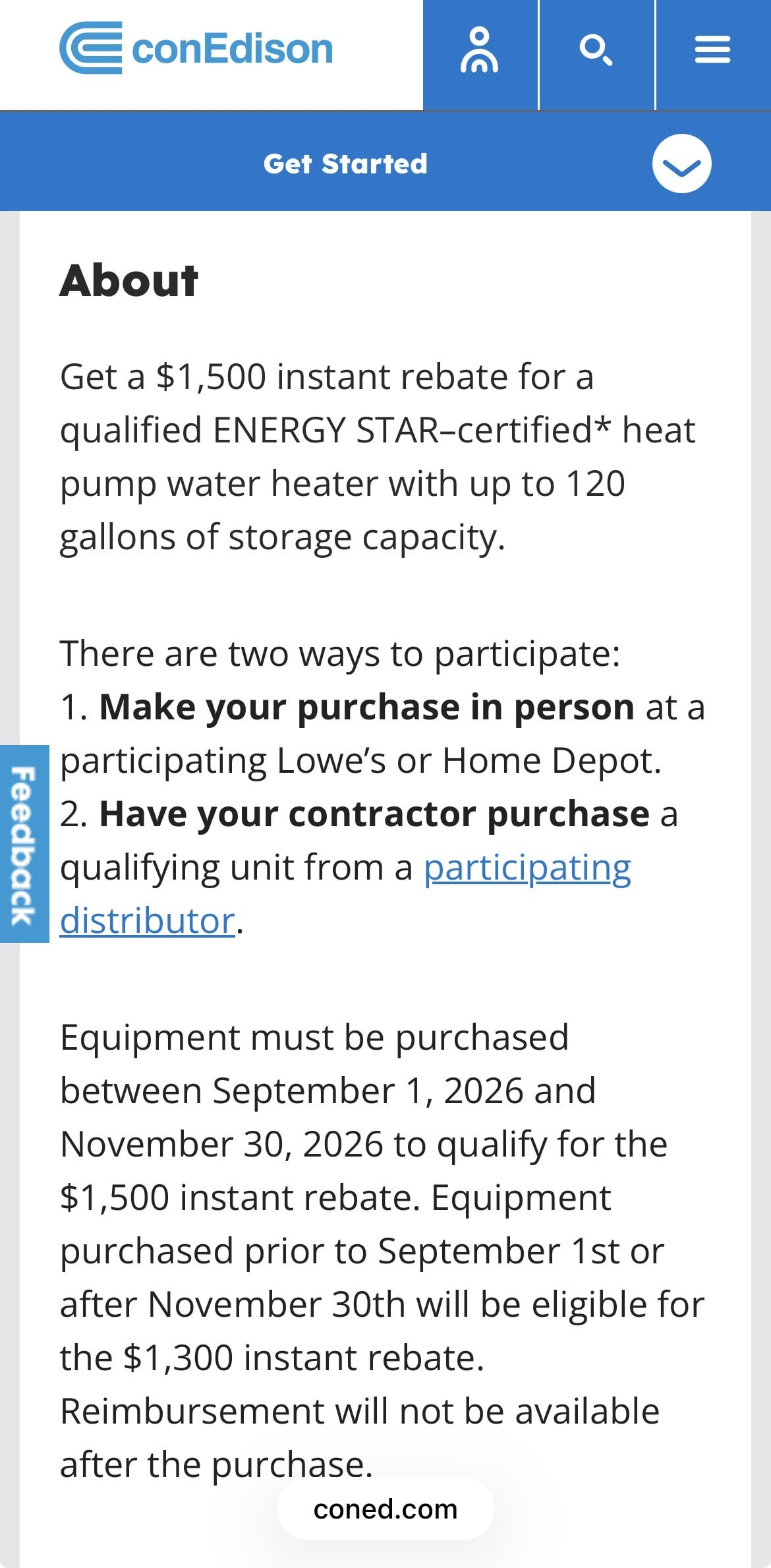
A heat pump water heater is an option
Check with your energy provider and state tax code, there are some good rebate programs
www.dsireausa.org for programs
 Bob "hot rod" Rohr
trainer for Caleffi NA
Living the hydronic dream 1
1 -
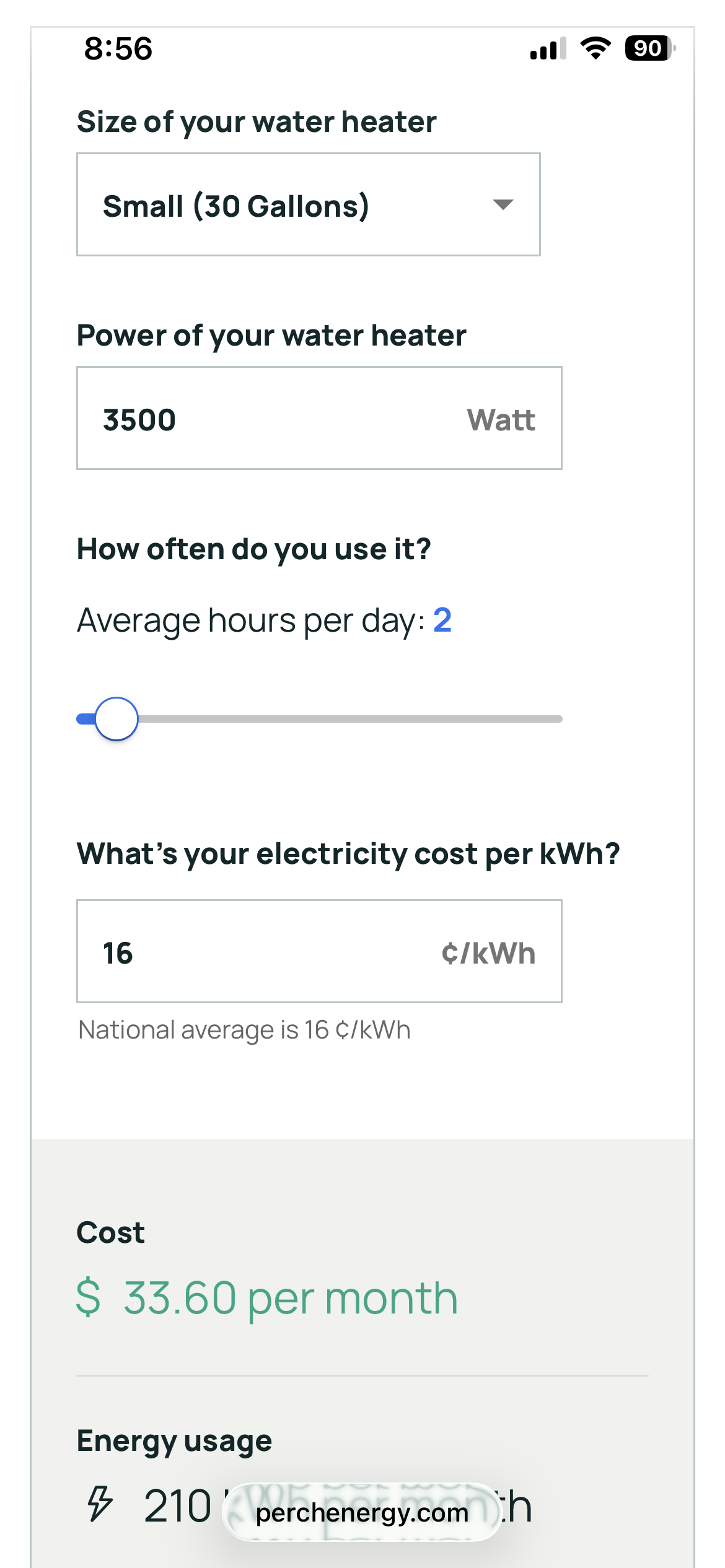
electric water heater calculator
It comes down to how much hot water you use a day
https://www.perchenergy.com/energy-calculators/water-heater-electricity-usage-cost
 Bob "hot rod" Rohr
trainer for Caleffi NA
Living the hydronic dream 1
1 -
@EdTheHeaterMan - I agree option 4 is looking like the best one. Re: "bad water feeder or a water heater that is passing"- Passing meaning causing water to flow into the system, be it the radiator distribution pipes and/or the hot water (faucet) pipes? And regarding not getting experience from the repair - true. I always ask questions, trying not to be a pain. The 'kid' (younger than my youngest) was good with explaining and answering my questions, but I could tell I should let him concentrate fully on his work. He was on the phone with the office, sending photos and videos.
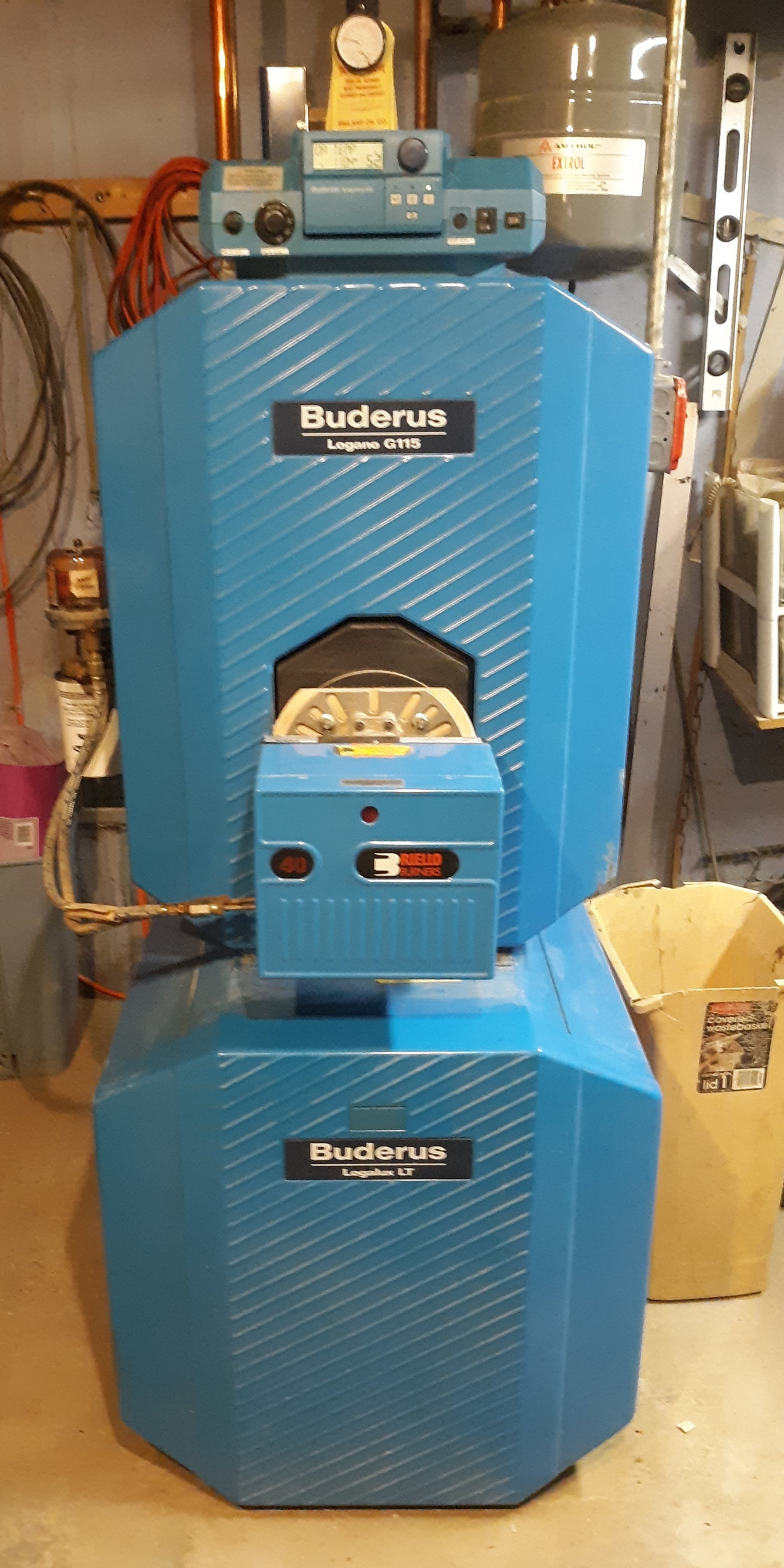
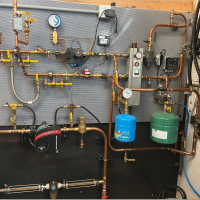
My concern now is - which is really causing the over pressure? The bottom hot water tank as shown in the photo? And I'm likely thinking too simply, but could some kind of check valve be installed to prevent it from flowing back to where it shouldn't? Or maybe that's not the case, but instead the pressure in the pipes (water supply and/or radiator) is high for another reason.
As you can see I'm naive about this technology, but have always been interested in it which is why I signed up and read posts. I really appreciate the reply and information. Interesting that your signature 'After you make that expensive repair and you still have the same problem, What will you check next?', applies in my situation.
I appreciate that you and other members share your knowledge and suggestions here. I'm past full retirement age but still at it part time in a different profession and contribute on related forums0 -
If the boiler pressure rise is continuous with a steady drip on the overflow, it tells us there is a bypass from the higher pressure domestic water system into the lower pressure heating system .
It can be a bad pressure reducing valve bypassing . The test for that will be shutting off the PRV and make sure the shut off valve holds . If the boiler pressure holds then you have a bad PRV ..If the pressure rises again we would suspect the heat exchanger in the indirect
It may be a hole in the indirect heat exchanger . The test for that is to shut off the cold water to the indirect and leave open a hot water faucet open to drop pressure. If pressure gauge holds or even drops . Then we know the tanks heat exchanger has a hole in it .. The dilemma of the LT tank with the boiler sitting on top . Normally the LT tank is used when there is a lack of boiler room space .
There was an error rendering this rich post.
 1
1 -
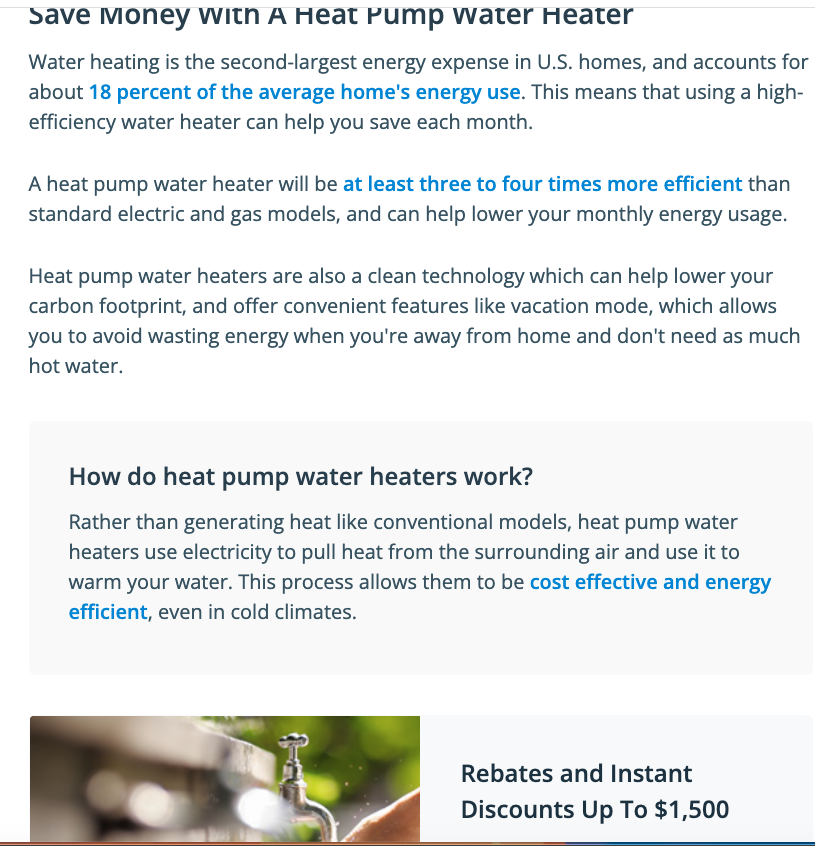
Go to the Eversource website, click on your state ad it shows rebates. These show up for MA.
 Bob "hot rod" Rohr
trainer for Caleffi NA
Living the hydronic dream0 -
IMO a replacement indirect would be the best all around choice considering cost, comfort, and ROI with the Buderus, 2107 Logamatic, and Riello. An electric or HP won't give the same recovery.
 3
3 -
That is the indirect I had in my previous home. See if Bosch has any warranty left on that tank.
Edward Young Retired
After you make that expensive repair and you still have the same problem, What will you check next?
0 -
What is the model and serial number of your tank? I installed that same setup for a few customers. You may have warranty left.
Edward Young Retired
After you make that expensive repair and you still have the same problem, What will you check next?
0 -
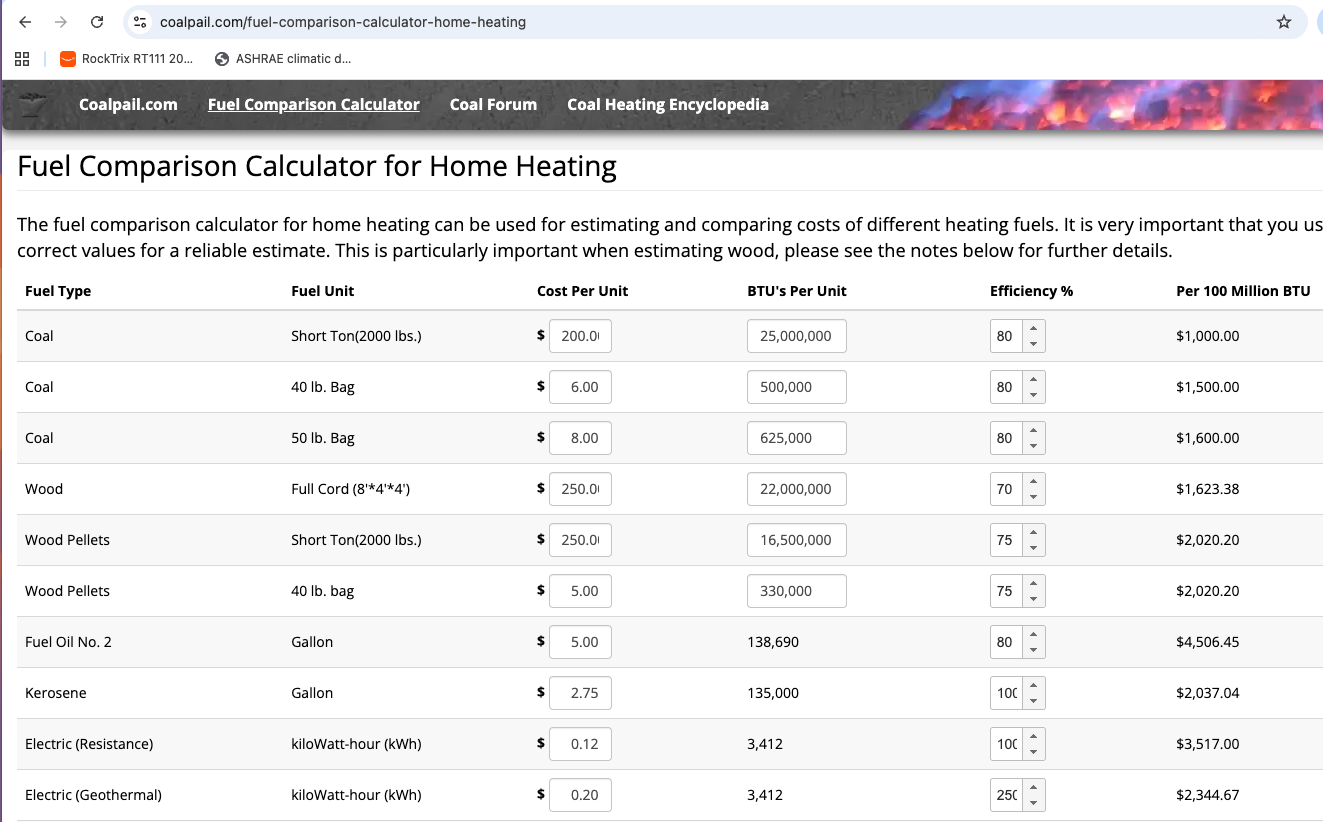
Here is a fuel cost calculator
Put oil at $5.00, electricity at .20
Enter your own figures if you have them.
10 million BTU/ yr for a small household 16% of the homes total energy
, 20 million of more for family of 4, 24% of a homes energy.
So maybe $900 for oil, $460 for HP per year?
So an estimate of you hot water use and your actual delivered fuel costs, to narrow down on a number.
If you use a lot of hot water, or large dump loads like tubs, then a HPWH may not be for you.
Rebates can pay for the HPWH, so the installation costs. But price your options.
I'm guessing 4 grand or more for one of those Buderus tanks now.
 Bob "hot rod" Rohr
trainer for Caleffi NA
Living the hydronic dream0 -
Domestic hot water comparison calculator
0 -
Here is a tank by Buderus that has a lifetime warranty: Buderus Water Tank Warranty. Look for the model and serial number. Bosch is hoping that you dont ask for that warranty. Even if it is only a few hundred dollars, that is better than nothing and keeps you using a Bosch tank. You can leave that old tank there as a stand for your boiler and place the replacement tank next to the boiler. You will want to have records of your heating system tune up to satisfy the warranty requirements. (even if the maintenance does not specifically say anything about the tank). You were asking the professional to do the recommended maintenance. Done be to specific on details. "be dumb as a fox"
Edward Young Retired
After you make that expensive repair and you still have the same problem, What will you check next?
 1
1 -
@EdTheHeaterMan I'd need to find the model and serial number of my Buderus tank. It was installed in 2002 though, so likely no warranty remaining unless I was lucky enough to have the lifetime warranty, thanks for the link.
And @hot_rod & @PatN thanks for the fuel comparison calculator. Just 2 of us here, not a lot of hot water usage so a HP may be somethng to consider. I returned to add this, wow - the heat pump is very efficient!
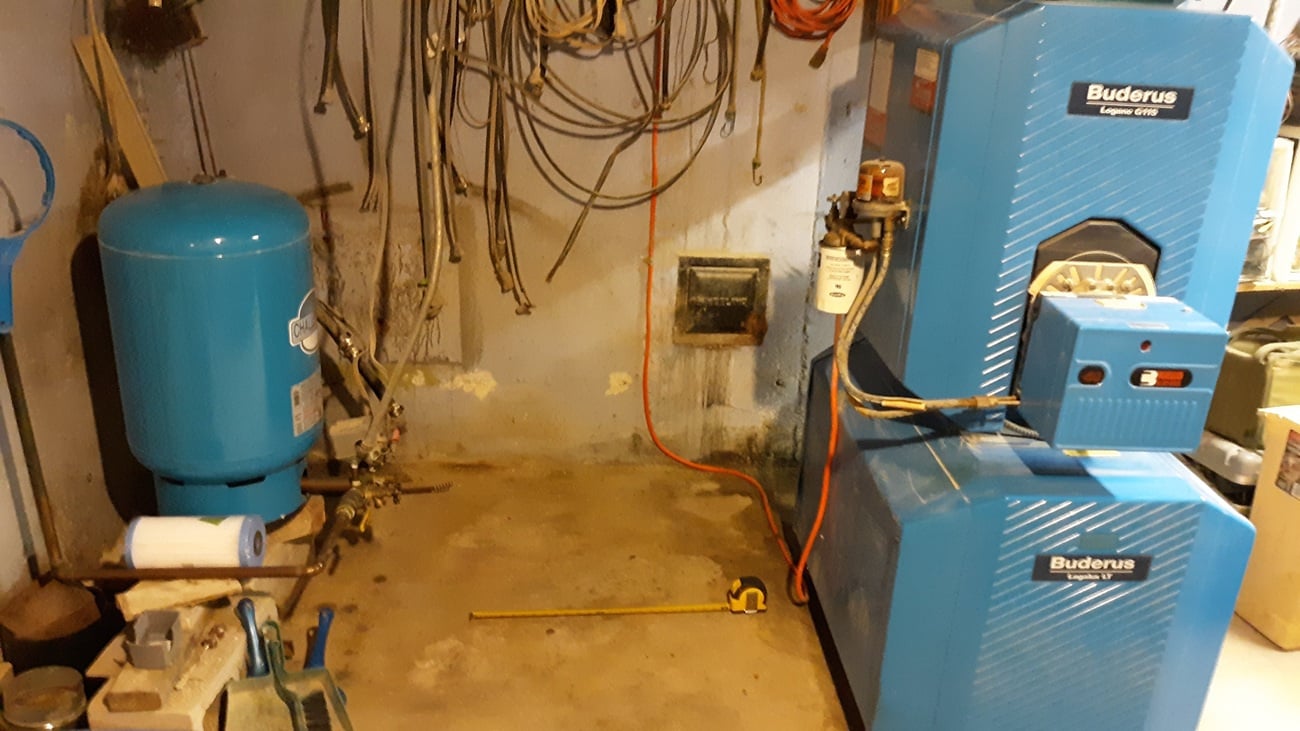
My son's friend called be today who's in the business, we discussed the situation and some options. He suggested a 'hybrid' electric hot water heater, but after talking he was referring to a heat pump. That's what he has in his home. I guess the question is will being able to turn the furnace off for about 4 months make economic sense overall. That's where the calculator will be helpful. I'm also considering that we've had record heat it seems the last few years. but that doesn't necessarily mean the warm season is starting earlier and ending later. The HP he mentioned is about 22" in diameter. Shown on the floor is a a tape at 24", so it will be quite a close fit between the well system and the Buderus. And I suppose an indirect tank may even be wider.
 0
0 -
I think you'll want to use less #2 fuel oil (also called diesel).
0 -
says the current political climate. but all things follow that eventually. so maybe not so much the best advise. unless of course, you can get a water heater that can work on natural gas, #2 oil and electric, and possibly even solid fuel like coal or wood. Then all you need to do is read the wall street journal each morning before you take a shower so you know which commodity you need to heat your water with that day. 🤣 Is there an App for that? LOL
Edward Young Retired
After you make that expensive repair and you still have the same problem, What will you check next?
0 -
I like the heat pump idea if it is low enough price to install. @ethicalpaul uses one to heat his water but he got in early when there were incentives that almost made the install free. or at least as low as a regular electric water heater. If you can live with short showers, you may be able to get the HPWH to operate on HP only and the expensive electric resistance will never operate. I think that is how Paul does his. Hope he chimes in on this one. He wont believe I am recommending a HPWH over an indirect. LOL
But I am not actually doing that. I am recommending the indirect if the warranty gets you to a lower install cost. The HPWH if there are rebates and incentives that make that one lower to install.
What you should avoid is your first knee jerk reaction to get an electric water heater. that is probably your worst option
Edward Young Retired
After you make that expensive repair and you still have the same problem, What will you check next?
 1
1 -
I do take short showers, but my wife fills the soaker tub with hot water and the water heater doesn't flinch. Repeated long showers at a strong flow rate could overwhelm it no question in heat pump only mode, that's why they make an 80 gallon unit.
I did have incentives, but I would install another one without them without hesitation. The annual cost of operation is very low-cost.
But I do really hate indirects it's true and I would happily replace one with a Rheem Marathon plastic tank traditional resistive heating unit in a heartbeat, especially if I had solar power. The annual cost of hot water just isn't expensive enough to justify the massive install costs and annoying maintenance issues of an indirect (in my opinion).
And I don't like too many things reliant on a single system. When my hot water goes out I don't want my home heating to have to be taken down to work on it, and vice versa.
NJ Steam Homeowner.
See my sight glass boiler videos: https://bit.ly/3sZW1el0 -
As for an electric water heater being the worst option, a conventional non heat pump one, or any? Thinking about it more, the heating season is more often that not. Meaning less than half the year would the furnace be able to be turned off.
What I don't know is, while the furnace is running to heat the water circulation through the radiators - how much more fuel would be required to heat the hot water supply? If it's negligible, then during cold seasons I'd be using more energy (electricity) if there was a separate water heater. When I get home I'll have to see when I last had a heating oil delivery, I think sometime in May. Since then I've used not quite a 1/4 tank (I think) of the 275 gallon tank.. Of course that's just been for hot water. Doing some general/quick math with fuel at $5.00/gal (paid under $5 when filled) that comes out to around $320 for fuel used. For the same interval with a HP water heater, let's say it cost $30/mo., the HP has an advantage. I could be way off as these are very general calculations.
0 -
So noted, good information. Re: maintenance costs, I'm way overdue for the anode replacment, the 'sacrificial' rod in the tank. When I brought it up during the annual cleaning/maintenace last year, the tech mentioned even with an anode replaced when it should be, the lining of the 24 year old tank may be getting toward the stage where it can leak. He recommended another indirect next to the system, but since then things have happened to consider the HP option.
The only other thing besides a shower I can think of using a good amount of water is the clothes washer, maybe once a week or so. I haven't used the dishwasher for over 3 years.0 -
Clothes washers don't use very much water today. Dishwashers use very very little.
The maintenance I was referring to is all the complaints we hear on this site regarding "Why is my boiler making steam in the summer?" and circulator pump replacement, stuff like that
NJ Steam Homeowner.
See my sight glass boiler videos: https://bit.ly/3sZW1el0 -
Got it. A few years ago during the annual maintenance I mentioned how the furnace would be running on a hot July day, of course for hot water. The tech said that the Buderus system by default heats the hot water supply 24/7, but it can be set to do that just when in operating (non-overnight) mode, which I did to save some fuel.
1 -
There is bo question regarding opetating costs, and if oil prices keep rising…
The only unknown is what your delivered Kwh costs are.
50 gallons per day sounds reasonable for your use?
This calculator shows up on a lot of uility websites.
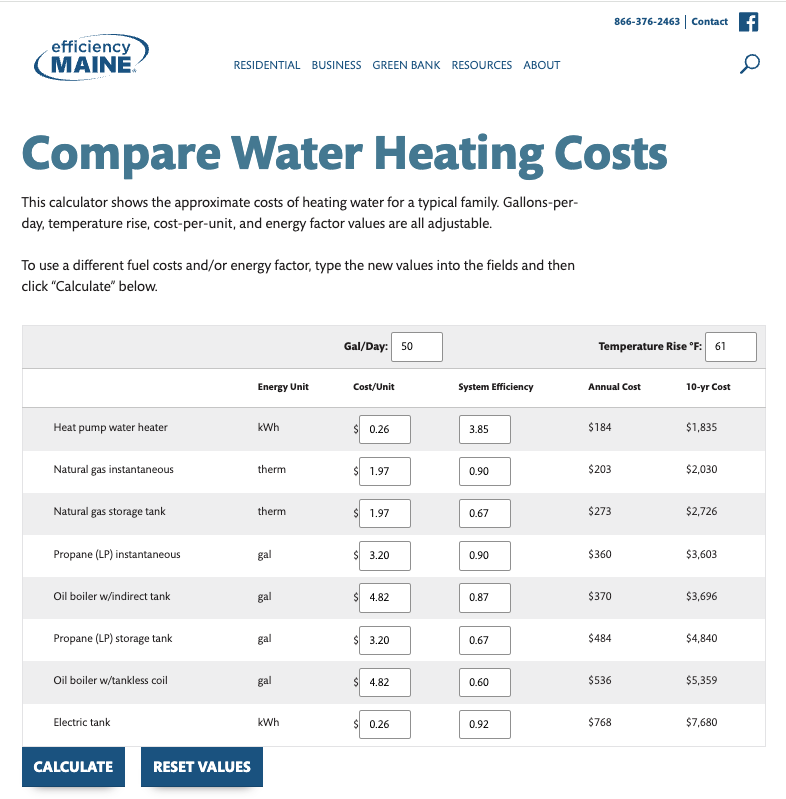
In the winter the HP has a good source of heat to "pump" the boiler jacket loss.
In summer it pulls heat from that boiler space, so it needs to be large enough, to supply some energy. It will discharge about 43° air. That could be vented outside if it is too much cold air into the boiler room.
The question with a HP water heater is longevity, probably like any steel tank 7-10 years.
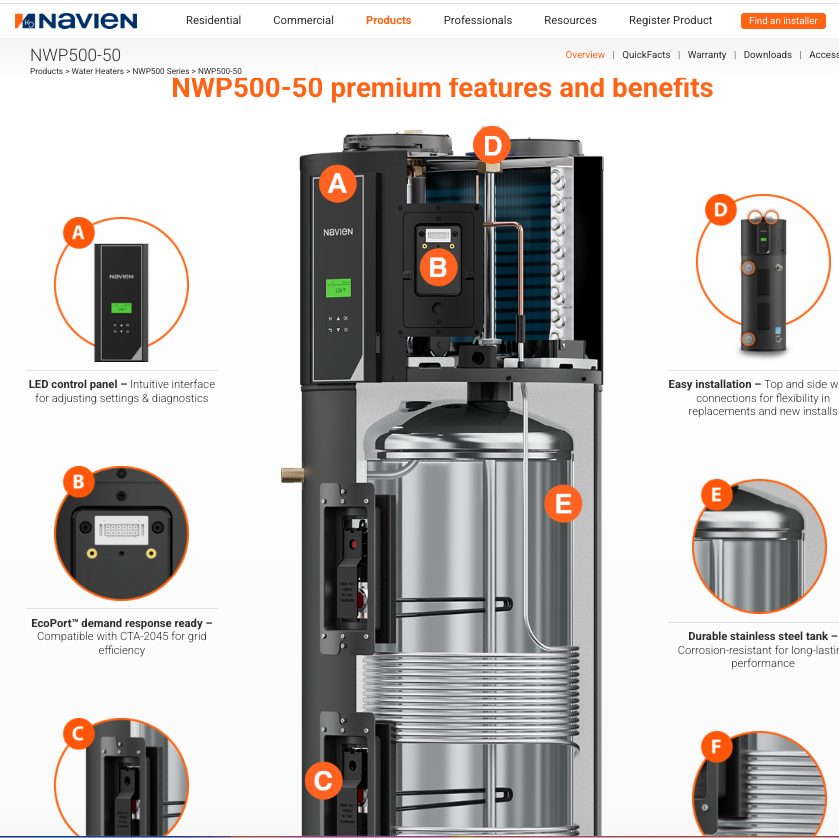
There are stainless HPWH now, this avian is a 10 year warranty.
 Bob "hot rod" Rohr
trainer for Caleffi NA
Living the hydronic dream0 -
Oh 50 gallons a day is probably more than typical. Interesting looking device, that Navien NWP500-60 is. I just got off the phone with my heating company. The HP the service manager mentioned has a plastic liner! So, no anode, but I wonder about the longevity. He seemed to be a bit resigned to saying a HP would be more efficient and save some operating costs, but maybe because they're an oil delivery company as well but I get heating oil elsewhere. It clearly seems a HP for hot water would be quite efficient and cost effective once up and running.
I asked about turning the Buderus system off during warm weather a few times. He never said yes, but that it 'would not run' which is accurate enough I guess. With it in 'Summer' mode, it won't heat, and with an HP there would no longer be hot water to heat.0 -
It's probably been asked and referenced many times, and I did find some information regarding how much a heat pump typically reduces the basement temperature where mine would be. It's pretty cold down there as it is in winter. I would think though, maybe a few degrees less with a heat pump. maybe down into the 40s? I've seen questions asking if cold enough to freeze pipes, but I'd think there would be some kind of automatic change to electric (conventional) mode if it could potentially get to that point.
0 -
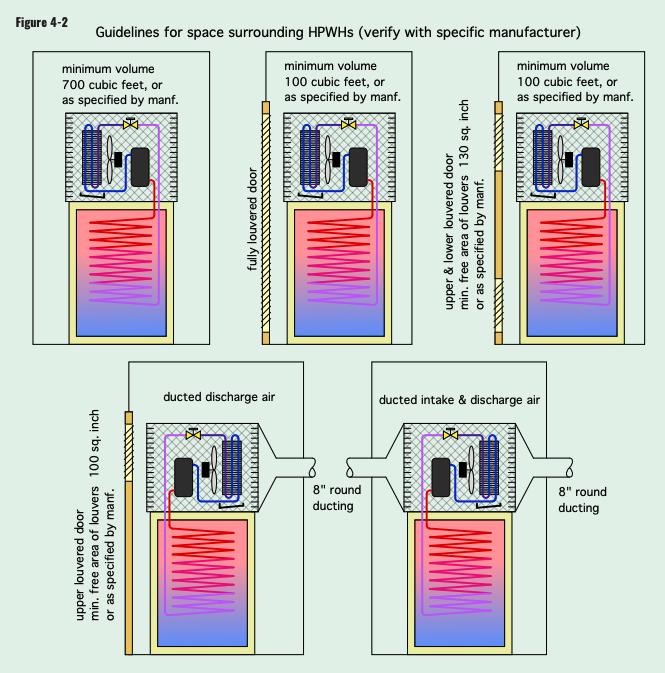
It depends on the volume of the room where it is located. It is getting it's heat from the heated space above, either through the floor or open doors.
This idronics explains the concepts in general terms, regardless of the brand.
If the cold air is excessive they make vent kits to vent outside.
In some cases air comes into the unit, and discharges out another duct.
 Bob "hot rod" Rohr
trainer for Caleffi NA
Living the hydronic dream0 -
Thanks for the cooling down details. Had my son's friend stop by to check out the situation and discuss options. I removed the basement door 41 years ago when I bought the house for various reasons. I was concerned about cold air coming up to the main floor. The guy has a hybrid/heat pump water heater, and he explained how it can or will go into electric only mode during cold seasons. Sure more electrical usage, but a wothwhile tradeoff IMO.
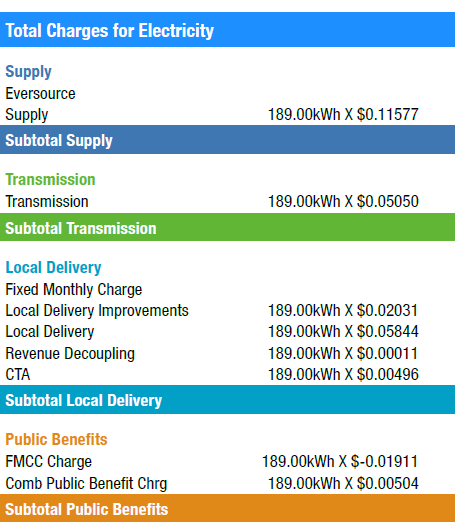
As for electric rates, I'm not sure. Would it be the summary of these values? We're staring to get a small refund on the contoversial Public Benefits charge.
 0
0 -
I think all the HPWH have a selection of modes and you can lock out the backup element in ECO mode.
Rarely do people drain the whole tank down to 50°, so recovery is more like 100- 120 or 140.
Some people run them to 140 for both legionella protection and extended drawdown.
A 50 gallon at 140, mixed down to 120 is more like a 65 gallon tank.
Or just get an 80 gallon version.
You can chose 120V or 240V, so the higher output tanks would require a 240V circuit.
Plenty of misinformation out there, mainly from people who have never owned or used a HPWH. Same with tankless.
That is why we give you all the info to make a decision. A number of members here have been using HPWH, like @ethicalpaul. Good to get feedback from an actual user.
I'm guessing 4 grand or more for a new indirect installed? But we can't discuss installed prices here, just materials.
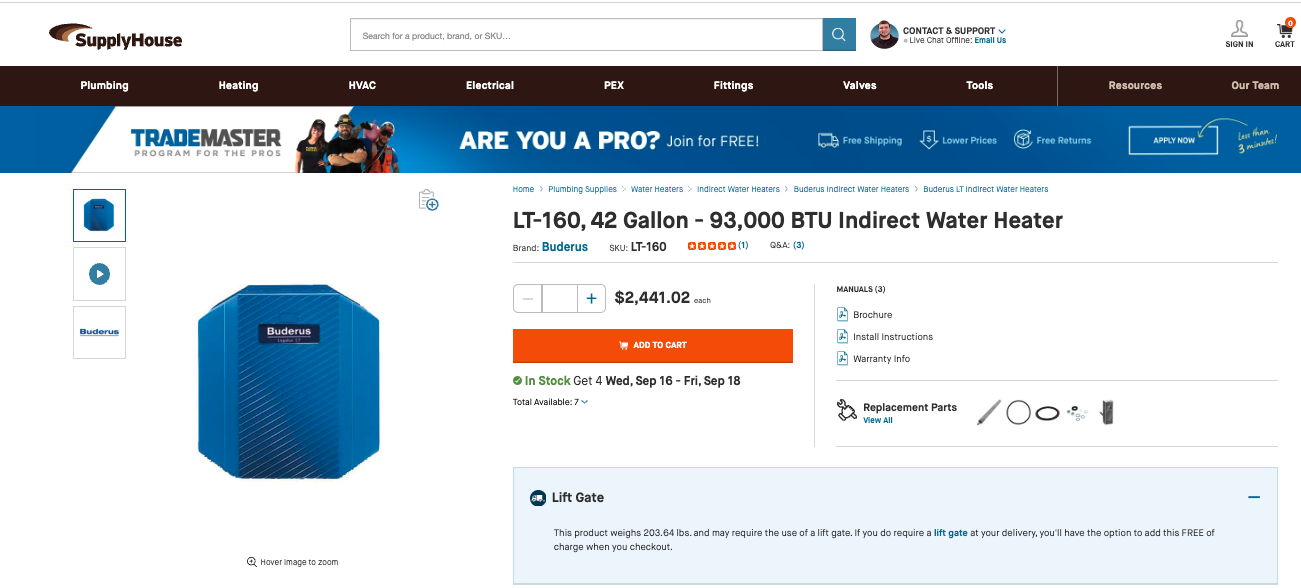
Waranty on your current tank is probably pro-rated. The tank is 24 years old?
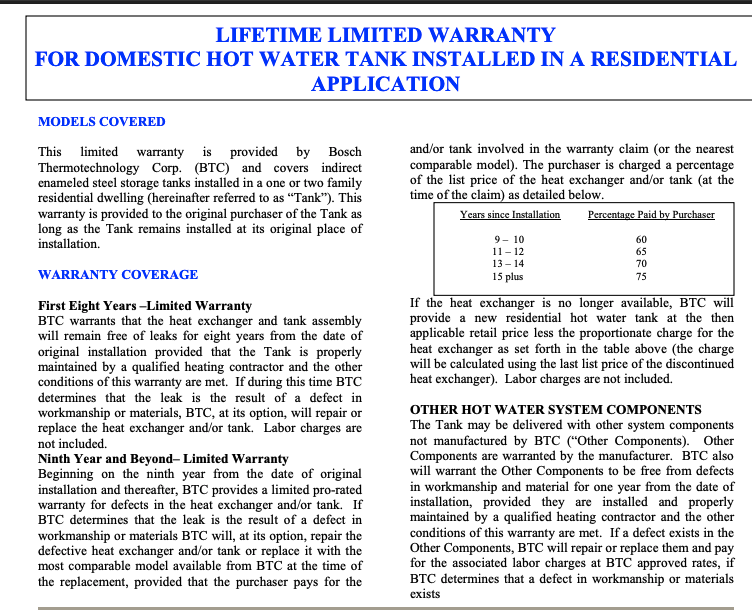
 Bob "hot rod" Rohr
trainer for Caleffi NA
Living the hydronic dream1 -
That's the Buderus that I have! The quote for the HPHW from my heating co. was well over $4k. The guy (who will solely work in his business this January, does HVAC on the side now) will write up a quote as well. Spoke to my son who's an electrician about running the 240V to where the heater will be. He said "dad, you're not gonna pay me *&$% for labor" Oh yes I will !
Great information here so far, I respect and appreciate everyone's knowledge and experience, and how a HPWH works for them as a 'customer'. I know I should check to see if by extreme luck my tank had the lifetime or 25 year or so warranty, it's 24 years now.
1 -
There is zero concern about the water heater cooling off your basement in any way you will ever notice upstairs. It's sitting near a boiler. Your boiler is sending heat into a leaky basement with 50 degree walls. The HPWH will sip a little of this heat before it goes into the ground and out your windows. I have a video about this that I haven't published yet.
And even if it did cool your basement (it doesn't), that cool air will sink, not rise.
Your son is an electrician!! Definitely check out any state-driven or utility-driven incentives and have a Rheem shipped from Home Depot (get the 5 year warranty if you're nervous), and then report back. It's a piece of cake! I installed mine myself including plumbing and electric, AND the approved permits and I'm just a computer nerd.
NJ Steam Homeowner.
See my sight glass boiler videos: https://bit.ly/3sZW1el1 -
Ok thanks for that information. 'Heat rises' is significant here. 'Cool' does not. In a very cold part of winter, the basement did in fact get down to 50º. It's a walk out basment with a door in the back, so about 1/3-1/2 of the back side is underground. Evidentally enough to not be affected by extreme temperatures, in the summer it's considerably cooler than upstairs.
0 -
Hot air rises :) But yes
NJ Steam Homeowner.
See my sight glass boiler videos: https://bit.ly/3sZW1el0 -
Yes, usually I'm more specific, I welcome the correction! Now this is strange, in the morning before work i've been emptying about 2-3 gallons of water from the bucket collecting the drip from about 10:30pm. This morning there was less than a gallon, saw 1 drip. Around 5:45pm today maybe 1-2 cups, noted no dripping. The pressure looks the same, maybe 25 lbs. What the heck? Maybe a temporary lapse with the sitution for some reason. Keeping the bucket in place of course.
This morning, 9/16 from overnight around 10:45pm, about a tablespoon of water.
0 -
did you determine the cause of the over pressurization? Slow leak is harder (takes more time).
Oh—- seems like you’re still battling. Give me your phone number and I’ll explain the process. It’s easy but hard to type every nuance.
0 -
Per the heating company and another heating/furnace pro - possibly a crack or hole in the heating coil(s).
The way I understand it is my well system is pump on at 30psi, off at 50. The heating system should be around 25(?) so the higher pressure cold water supply is 'leaking' into the heating system.I didn't check it this morning, but what's been strange is in the last few days, including last night there has been minimal water in the bucket under the relief pipe, maybe an ounce or two and no dripping. The pressure appears to be around the same value when the pipe was dripping, I'll check this evening to try to get a psi number.
Thanks - will send a PM.
0 -
Until you replace with a new unit , shut off the cold to the tank and leave a faucet open when done using the hot water . You dont want to exercise the boiler relief …For safety ….
There was an error rendering this rich post.
0 -
So noted. This evening, I don't think anything dripped from the relief pipe, and very little at all the last few days.
If I'm reading the gauge right, the system is at 25 lbs.0 -
I realize it's very likely a temporary pause, but there have been no significant drips from the overflow pipe for several days. In discussing this last weekend with some others - one theory was the overflow valve, while new could have been on the shelf for quite some time, causing the seal to somewhat dry up and maybe initially not be as effective. Then, over time the seal regained it's orifinal properties? Maybe not a valid thought at all, as that should have been within a few minutes, not several days. But at the moment it's a 'holding pattern'. In preparation for a heat pump water heater, I removed a sparsely used cabinet in the basement. It would be too tight in between the furnace and well water system.
I really appreciate everyone's contribution and ideas about this situation.
0 -
I don’t think most people can accurately guesstimate how much hot water they are using. It’s usually lot more than they think.
0 -
I'll admit I really can only guesstimate. and probably on the low side. We don't use a dishwasher, but I've heard they can be more efficient with water usage compared to washing by hand.
For the last 2 weeks, the bucket under the overflow pipe has been totally dry. The pressure I believe has been staying around 25 lbs. I wonder if the suggestion about the gasket in the new relief valve was dry and needed several days to recover was valid? Anyway - the annual furnace cleaning is scheduled for this week. When I made the appointment quite a while ago, I asked that the anode be replaced, as it's probably a couple of years overdue. Now I don't know if that's a good choice given what happened and have been considering a hot water heat pump. I guess it would be worth the expense if I could get a few more years from the existing system.
0



Categories
- All Categories
- 87.8K THE MAIN WALL
- 3.3K A-C, Heat Pumps & Refrigeration
- 59 Biomass
- 430 Carbon Monoxide Awareness
- 133 Chimneys & Flues
- 2.2K Domestic Hot Water
- 6K Gas Heating
- 124 Geothermal
- 170 Indoor-Air Quality
- 3.8K Oil Heating
- 79 Pipe Deterioration
- 1.1K Plumbing
- 6.7K Radiant Heating
- 396 Solar
- 16.1K Strictly Steam
- 3.5K Thermostats and Controls
- 56 Water Quality
- 51 Industry Classes
- 51 Job Opportunities
- 18 Recall Announcements