Cheap Propane

This week there was a propane delivery at the job where I was working (south-central PA). I asked the price and he said $1.25 for this amount, which was 600 gallon. WOW, that makes my $4 gallon oil seem a bit painful! 1.25 a gallon doesn’t seem far from free!

Comments
-
Can most propane fueled homes accommodate a 600 Gallon delivery ? You would probably need a 1000 Gallon 16 foot long tank.
National - U.S. Gas Boiler 45+ Years Old
Steam 300 SQ. FT. - EDR 347
One Pipe System0 -
I'm in CT, I can get propane for $1.99, 100 gallon minimum. The same supplier has oil at $4.39. I am planning to switch my 30 year old oil boiler out for propane when it comes time for replacement, these prices have me thinking that time is coming sooner than later!
0 -
Who has it that price? I'm in CT and propane is about $3 - $4 a gallon. The sub $2 are for "first drop" new accounts as far as I know. That would be great if that was a regular price.
When they get the Strait figured out, oil will be in the low 3s. when..
0 -
$2.34 in Utah. Average across the USA $2.67 according to EIA
Bob "hot rod" Rohr
trainer for Caleffi NA
Living the hydronic dream0 -
Anthracite Coal has even more BTU per pound than propane, natural gas, fuel oil or kerosene.


 3
3 -
Are their any restrictions on where you can or can't burn coal? EPA or state restrictions? Or are residential sized systems exempt?
0 -
HOA and most cities will have general bans on solid fuel with varying degrees of whether or not they would actually enforce those as they are typically regulations born from people burning their trash in a wood furnace and making it stink for the neighbors. I'm not a coal fan personally but the anthracite tends to burn quite a bit cleaner than I think most people would guess
0 -
I'm in the process of installing a PV array. That provides enough power to cover my heat and house electricity use and about the same BOM cost as a modcon+large tank.
Price never changes, basically free heat. PV is so cheap nowdays that if you have net-metering, you can't beat the cost.
2 -
As far as I know you can still burn the magic black rocks in a lot of places except Eastern Canuckistan-The Province of Ontario-in some areas.
Alaska, North Dakota, South Dakota, Montana, Wyoming, Texas, Ohio, New York State, Pennsylvania, Kentucky, Michigan and many other states and British Columbia, Saskatchewan, Alberta, Manitoba, Prince Edward Island, Newfoundland, Labrador. Western Sub Bituminous Coal and Lignite Coal is used to heat homes, factories and it is still used to generate electricity.
0 -
The forest eaters do not make that much useable heat in the scheme of things because they do not have a great deal of water to store the heat created by a fire. If they had a 500 or 1,000 gallon insualated cylindrical tank with a submerged rectangular firebox and the firebox was lined completely with standard firebrick on all five wet wall sides, including the rear wet wall and under the steam chest they would create a great deal of hot water with very little smoke between batch burns or while reloading the firebox several times a day with smaller loads of firewood.
The problem they continue to fail to fix and deny is their poor efficiency because of the fire boxes and the lack of firebrick.
The forest eaters offered today do not burn firewood well as they do not have a fully firebrick lined combustion chamber to absorb the heat generated by the fire and in the process continue to increase the heat generated by the wood fire to burn the smoke almost completely.
Also stuffing the firebox full of wood causes and poor combustion more smoke.
When I had my hand fed wood and coal boiler I filled it half full in volume with standard fire brick from the just above the shaker grates to just under the flue breech. I used a piece of 2 inch by 12 by 12 inch channel iron and placed it on the shaker grate frame to allow the grates to function normally. By doing this I reduced my firewood and coal consumption by almost half.
A better design:
A Garn outdoor wood boiler uses very thinly split 24 inch long dry wood burned with an induced draft with either a 2 or three pass fire tube design that is submerged in a water bath that is vented to atmosphere.
The Garn wood boiler produces very little smoke and mostly low temperature water vapor at the flue exhaust when the fire is burning at its hottest because of the cast refractory brick in the cylindrical fire box that is also submerged in water.
www.garn.com
0 -
PC70, please look at the fuel comparison charts that are available if you do not believe it.
0 -
uranium has even more.
0 -
I am going to take a wild guess and say that the 600-gallon delivery was made to a fuel tank owned by the customer purchasing the fuel.
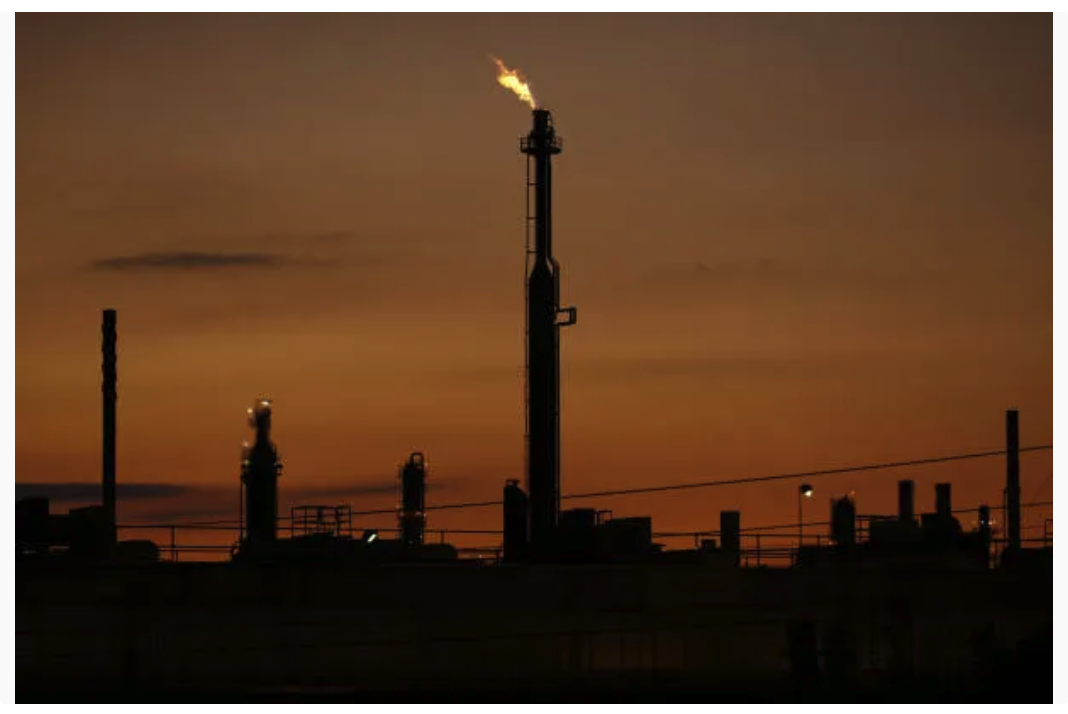
Propane is often a byproduct of crude oil refining and natural gas processing. If the LP storage tanks at a refinery are full, some excess gas may be sent to a very tall flare stack and burned off high above the refinery. If you ever drive past a refinery, you will often see a very tall stack with a flame at the top. That flame can be excess refinery gas being burned off because it cannot be stored or processed at that time.
The real cost in LP gas is not just the raw material. A larger part of the cost comes from insurance coverage, storage, transportation, equipment, and regulatory compliance. That is why LP gas can be inexpensive in some locations and more expensive in others.
If you are purchasing LP gas for your home and the LP company owns the tank at your home and is simply lending it to you, then the insurance coverage and much of the liability still remain with the company selling you the propane. Many insurance claims come from storage issues, leaks, or faulty connections at residential customer locations. All of those costs are figured into the price of delivering the fuel to your home, not just the fuel itself.
So, your LP gas price for a propane-company-owned tank at your location, with a capacity of 200 gallons or less, may be much higher. But that answer did get you thinking about switching to propane, and once you have their tank on your property, no other propane company will deliver to it. You are locked into only one fuel company.
So, if you are stuck purchasing propane to heat your home at $3.36 per gallon, and #2 fuel oil is $4.39 per gallon, you will have essentially the same fuel cost after spending more than $18,000 for a new gas boiler operating at 92% efficiency.
If you go with the less-than-$5,000 conversion-burner job and keep your existing boiler, then the cost comparison for an 80%-efficient oil boiler and an 80%-efficient propane boiler is about $2.89 per gallon for propane versus $4.39 per gallon for fuel oil.
The chart I used is here: https://coalpail.com/fuel-comparison-calculator-home-heating?utm_source=chatgpt.com
A gallon of propane contains about 91,500 BTU of heat energy.
A gallon of #2 fuel oil contains about 138,000 - 140,000 BTU of heat energy.
For easy calculations, those numbers are often rounded to 91,000 BTU per gallon for propane and 140,000 BTU per gallon for #2 fuel oil. The exact BTU content can vary slightly depending on the specific composition of the fuel and the reference conditions used for measurement.
Edward Young Retired
After you make that expensive repair and you still have the same problem, What will you check next?
0 -
And just keep in mind — as most of us have said before — the price of any fuel can vary widely — by as much as a factor of three or four — from place to place and circumstance. Even from town to town or country to county. That's ANY fuel. I can also vary from day to day or month to month.
So if you are planning on changing energy sources, base your thinking on what YOU will pay NOW, not what someone else paid somewhere else last year.
Br. Jamie, osb
Building superintendent/caretaker, 7200 sq. ft. historic house museum with dependencies in New England0 -
LP has mostly been $1.60-2.20 here for the last few years depending when and where you buy. I found someone else last year for a couple of my properties up north and with the "summer fill" price, it was $1.39 for 1300 gallons. 5 or 6 years ago I paid just $.89 at my home as a new customer buying 1000 gallons. I have no idea what heating oil costs because nobody uses it anymore, but off-road diesel is about $4.50 so I'd think it's somewhere near there. I own a heating business and have literally seen one oil boiler in my entire career.
Our electric here seems to be some of the lowest in the nation as well, with some off-peak rates being under 4 cents.
0 -
Yes, the customer has two buried tanks which, of course, are his. Not knowing where prices will go in the future has always been a frustration to me in knowing what to recommend to people. But the last years its been pretty obvious. I haven’t done a new oil install in 10 yrs, just an oil replacement here or there. With over 1/2 of LP coming from natural gas, I don’t see it becoming more expensive than oil for the foreseeable future. The US produces more NG than the next few biggest producing countries put together.
0 -
Just as an example in Cape May NJ where I used to work. the retail price of propane for a customer that uses a propane company 100 gallon tank that may use about 400 gal;lons per year for heat and hot water and cooking would have paid $3.829 per gallon for that 70 gallon delivery in March 2026. the wholesale price was $1.510 at the rack. so that is a cost of business gross margin of $2.319 per gallon to deliver thet fuel, answer the phones, put fuel in the trucks, and all the other costs of running a propane delivery business. So the company has $162.33 gross sales on that one delivery to use to pay all of its bills and employees and the like. If the driver does 15 deliveries like that per day, that is only about $2500.00 per day on average for that one truck. Do you know how much it costs to run a company like that so it can stop at your home for 20 minutes after driving for 30 minutes to get there, while it makes the delivery and do the paperwork? It is about the same for a fuel oil truck I might guess. And that margin is only about $150.00 to $185.00 per gallon but they deliver 11o to 150 gallons per stop on average. So the gross margin is about the same at $2560 per day per truck using the same math averages per truck.
A fuel oil margin for the average delivery of 130 Gallons is $1.50/gal x 150 = $195 per stop.
A propane margin of 2.319/gal x 80 gallons is $184.00 per stop.
So if you want to take a guess at what the future holds for heating oil and propane look at the futures market for your area and see what a barrel of #2 heating oil is and convert it to gallons and add the standard margin to that number and you will be seeing into the future. But market and world events can change those numbers overnight. …so there is no crystal ball. Just good guessing.
You can find more discount fuel oil dealers that do not offer full services like automatic delivery, burner service contracts, budget plans, 10 day credit terms, and other benefits. Thay may work on a smaller margin like $1.40/gal or less. but there are less of that kind of propane dealer as a result of the propane tank ownership issue. with that sain if you want to shop propane prices yopu need to get a bigger tank and own it yourself.
Edward Young Retired
After you make that expensive repair and you still have the same problem, What will you check next?
0 -
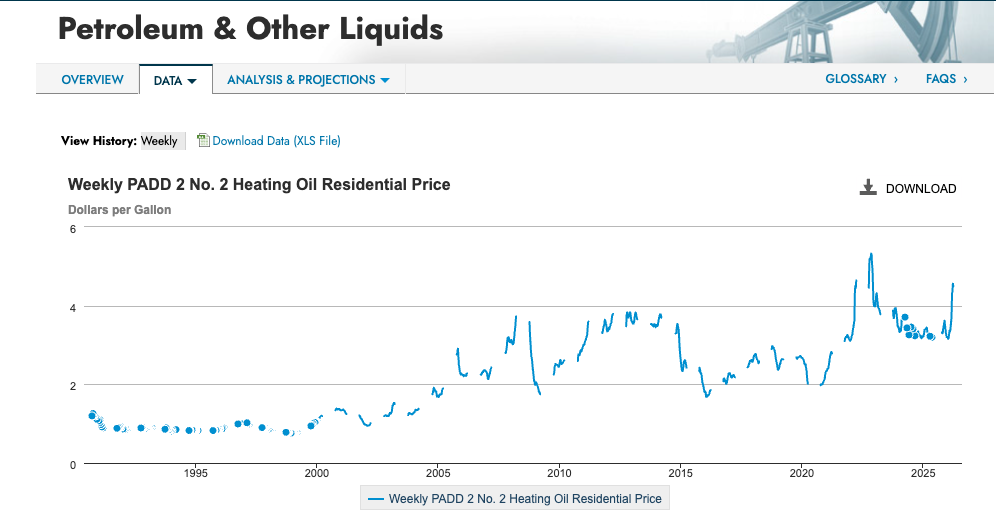
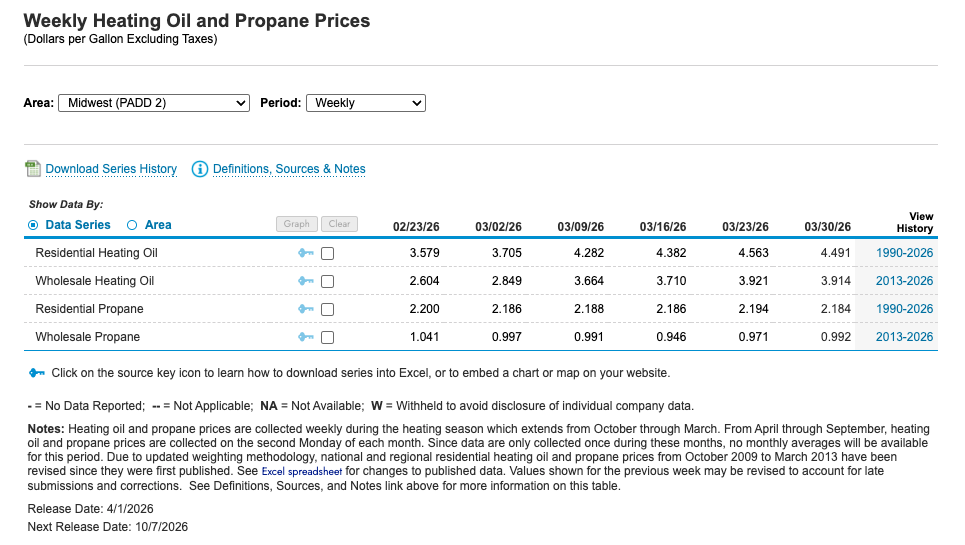
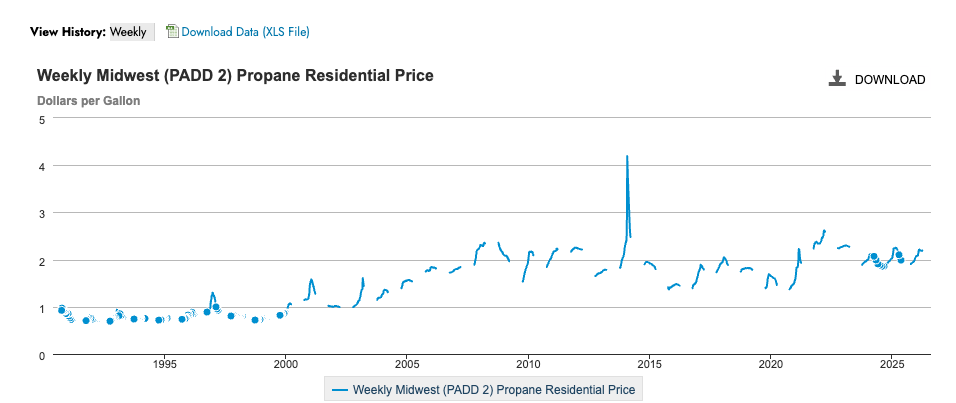
You can go to the EIA website and find the history of fuel costs across the country.
Typically in the midwest LP is the least expensive
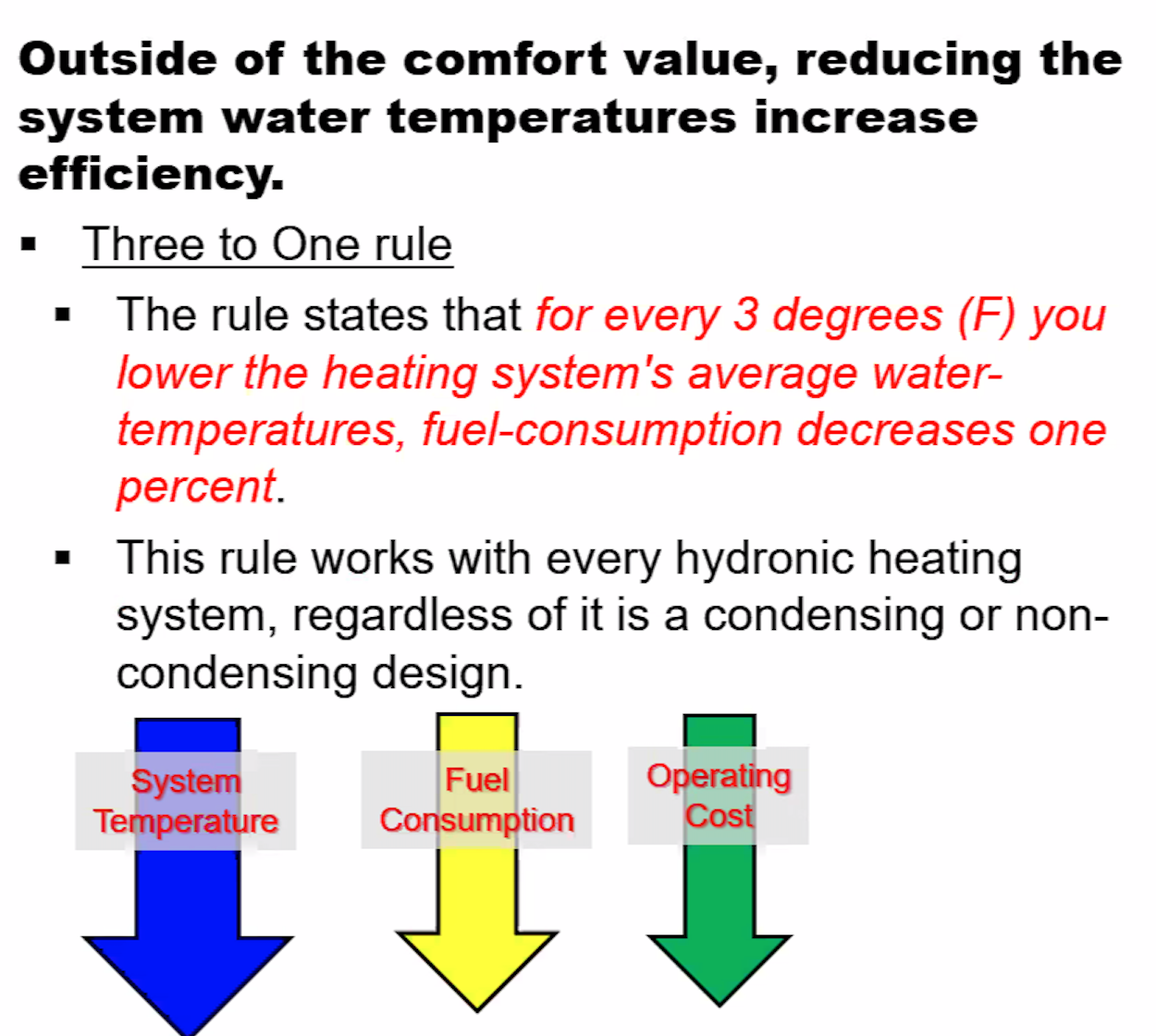
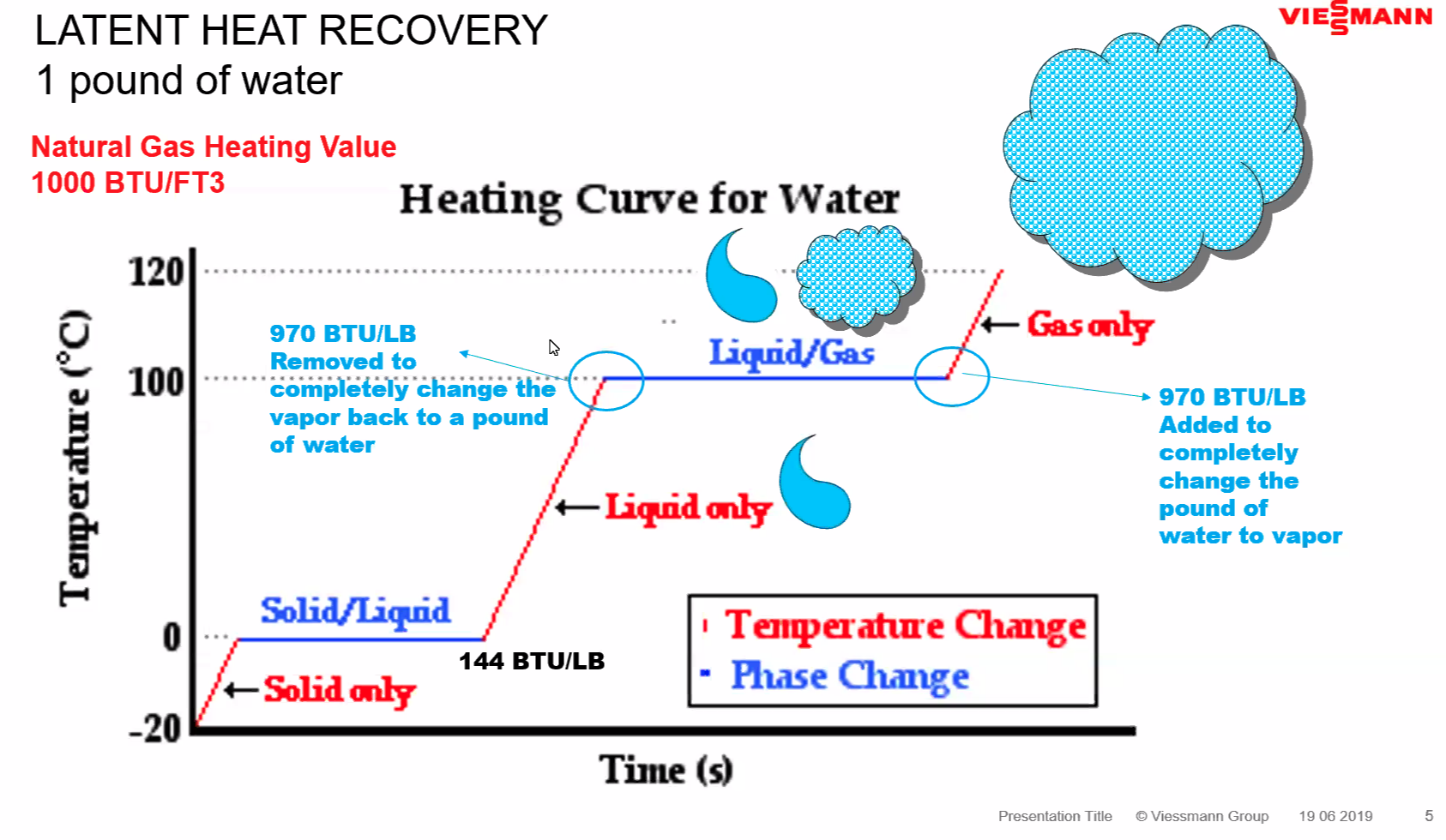
If you can massage the distribution system and run cool returns, below 120F you can get mid 90% for an LP mod con. Runing a wide delta is another way to get condensing.
Even with high tempetature, on ODR some of the season should be in condensing mode.
But the modulation is a real nice feature on zoned system also.
Owning a couple 500 gallon tanks is a good way to leverage off season rates
 Bob "hot rod" Rohr
trainer for Caleffi NA
Living the hydronic dream0 -
Forbes in New Haven. You would have to own your tanks
 1
1 -
Read the fine Print.
0 -
I have 2 propane tanks on my property in Northern NJ. I own a 120 gallon tank that I use to heat my pool I can go from 75 to 85 degrees in about 4 hours. The heater needs to be replaced at a cost of 4K dollars. Electric heater is 2K dollars but would take days to reach 85 and need to run continuously. The gas suppliers 1,000 gallon tank is used for 2 stoves, gas grill, 2 propane fireplaces and standby generator.
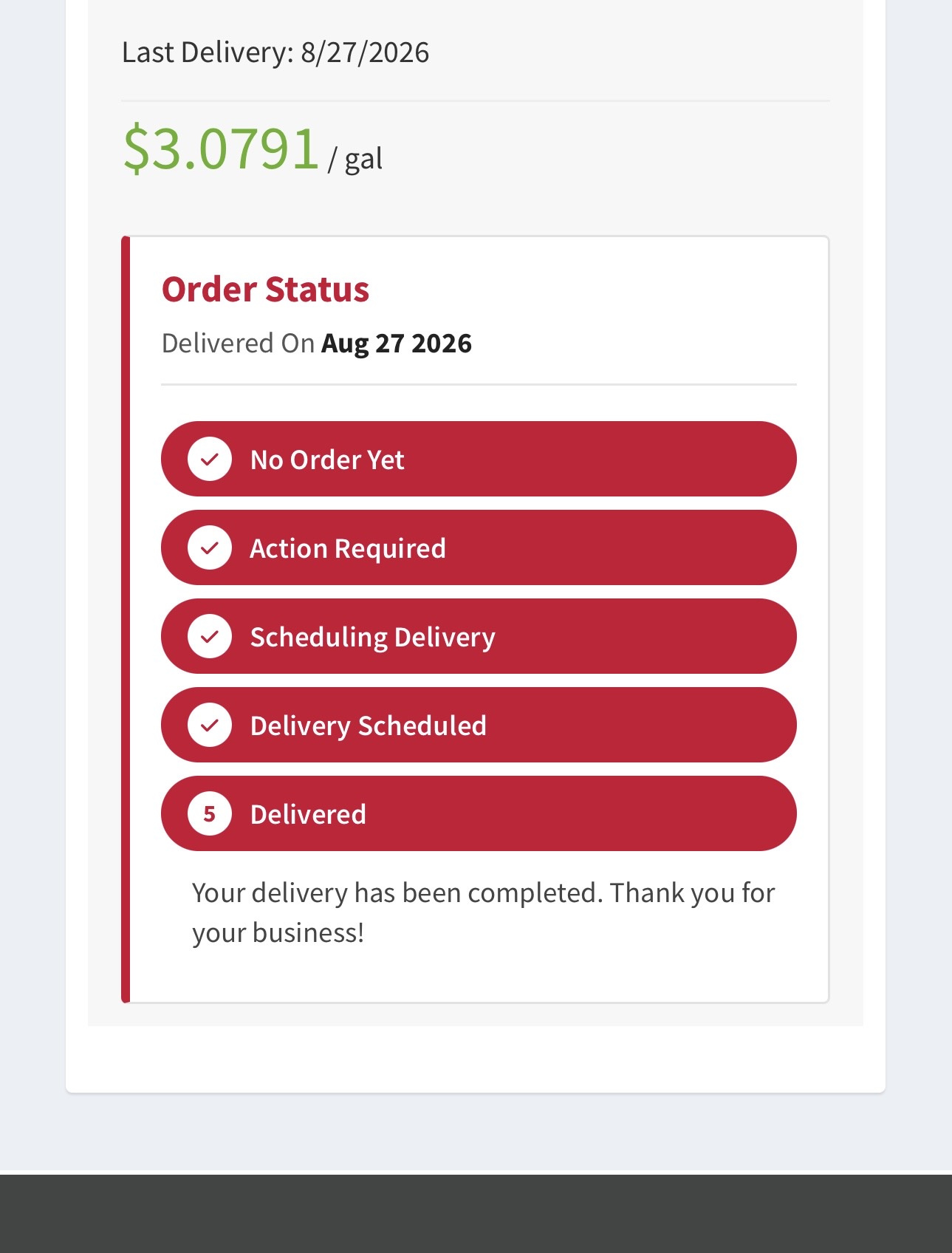
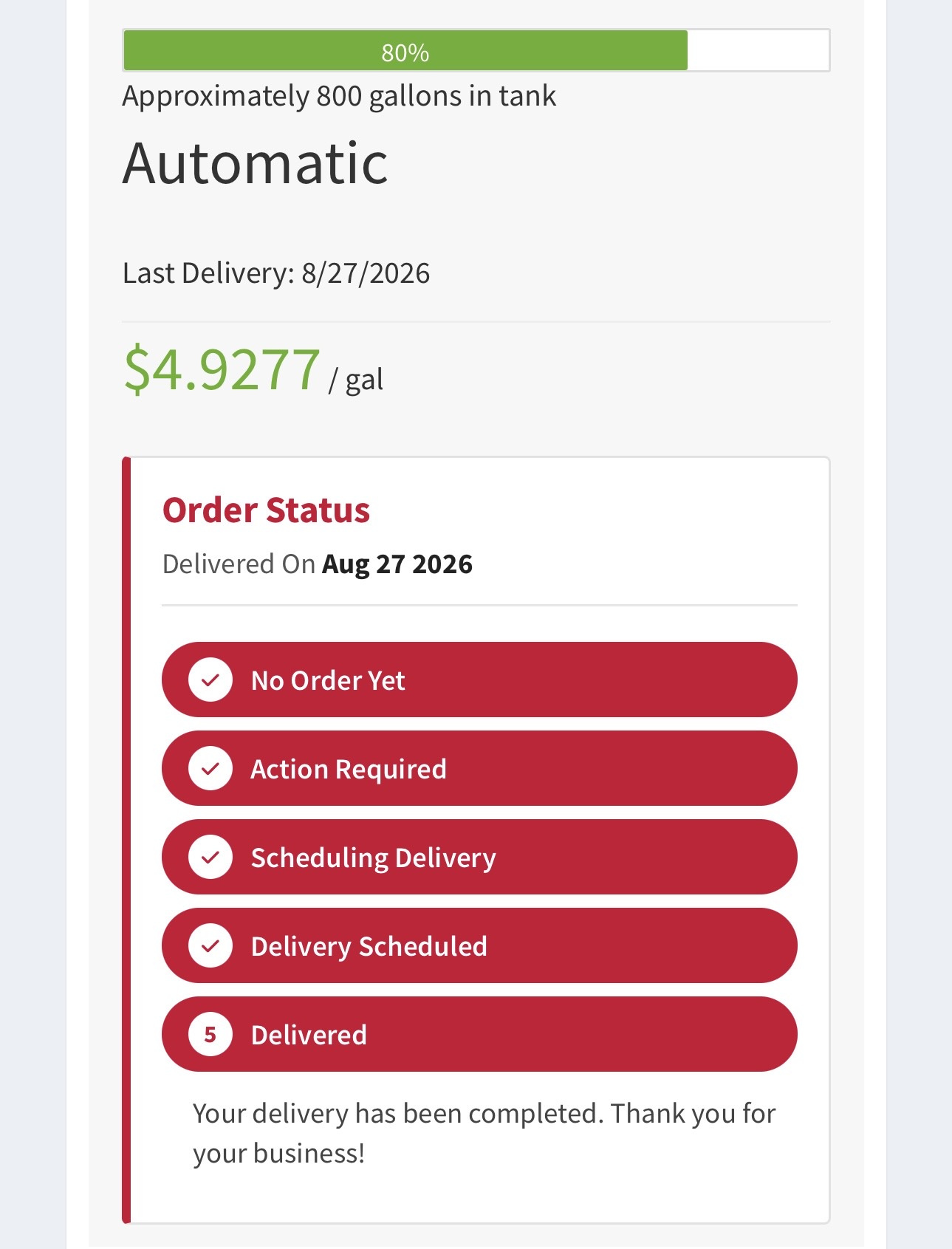
I recently had both tanks filled they charged 1.85 more for filling the company owned tank which took about 400 gallons. I called and complained and am still awaiting a call back.
-1








Categories
- All Categories
- 87.8K THE MAIN WALL
- 3.3K A-C, Heat Pumps & Refrigeration
- 60 Biomass
- 430 Carbon Monoxide Awareness
- 133 Chimneys & Flues
- 2.2K Domestic Hot Water
- 6K Gas Heating
- 124 Geothermal
- 170 Indoor-Air Quality
- 3.9K Oil Heating
- 79 Pipe Deterioration
- 1.1K Plumbing
- 6.7K Radiant Heating
- 397 Solar
- 16.1K Strictly Steam
- 3.5K Thermostats and Controls
- 56 Water Quality
- 51 Industry Classes
- 51 Job Opportunities
- 18 Recall Announcements