Steam radiator section separation mystery

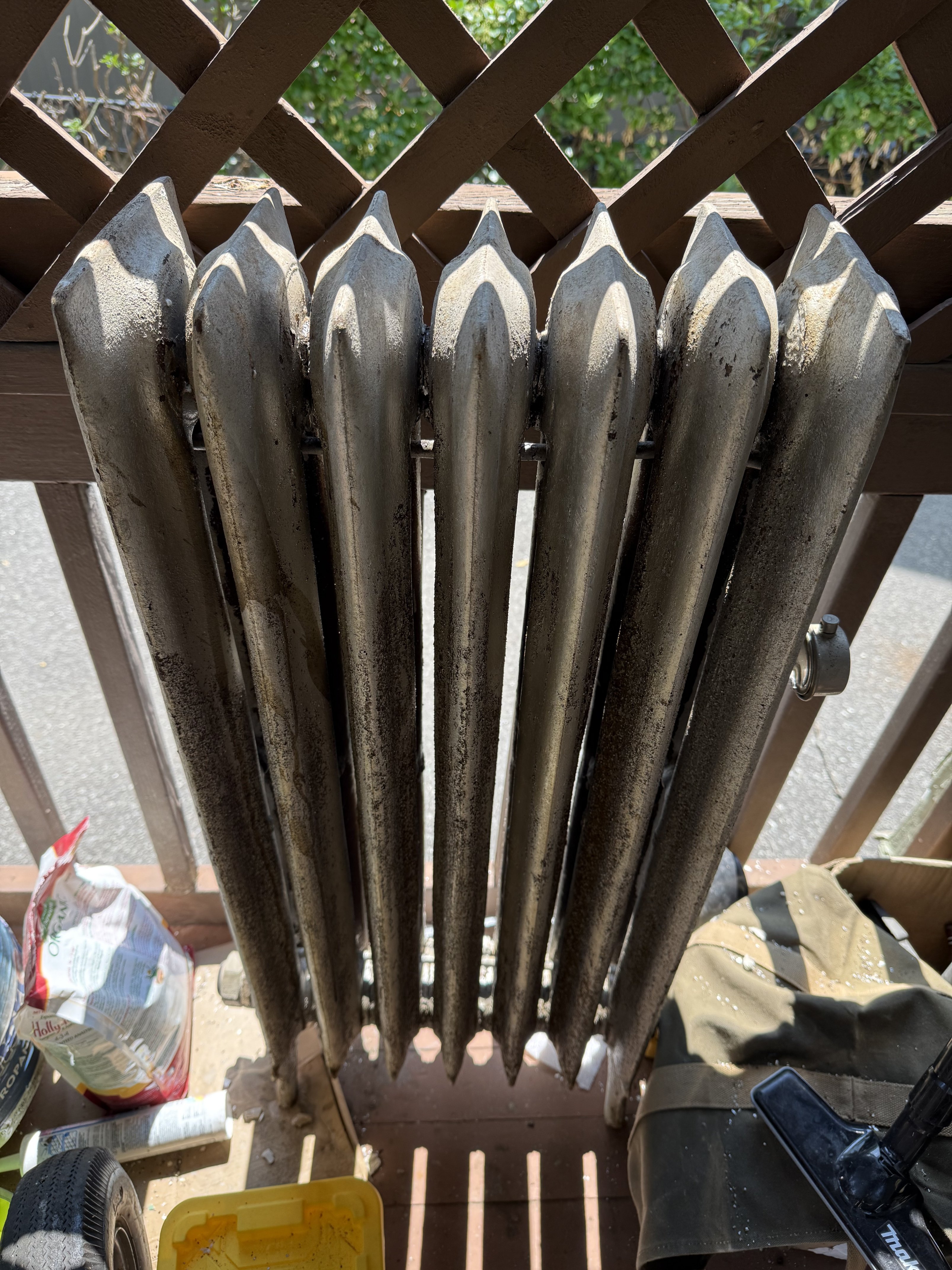
So we recently remodeled our kitchen, which had one tall-ish 7 section single-pipe steam radiator. Our contractor initially removed it and it's been sitting on our back porch (covered) for a couple months. My intention was to get it sand-blasted and powder-coated before reinstall.
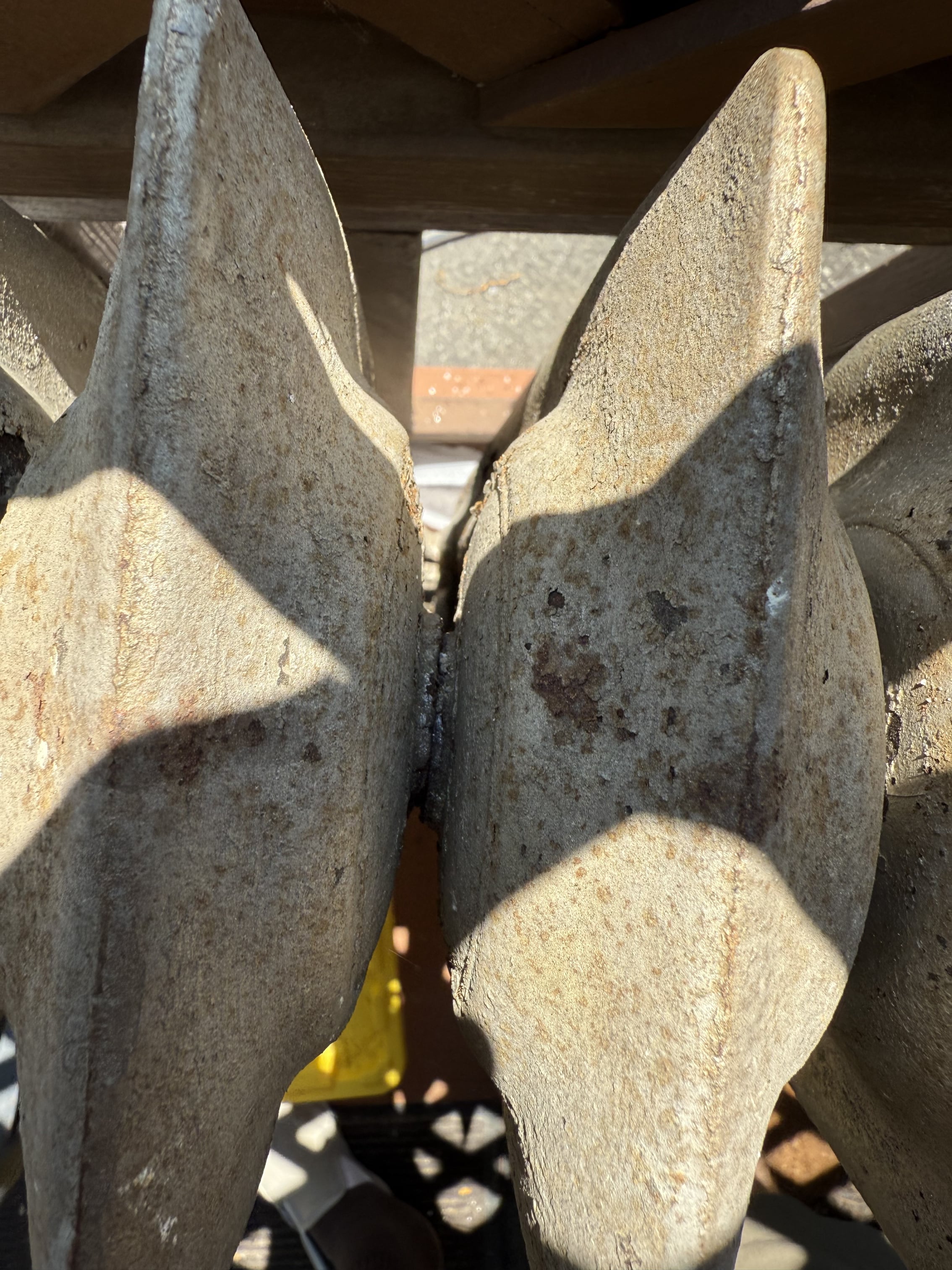
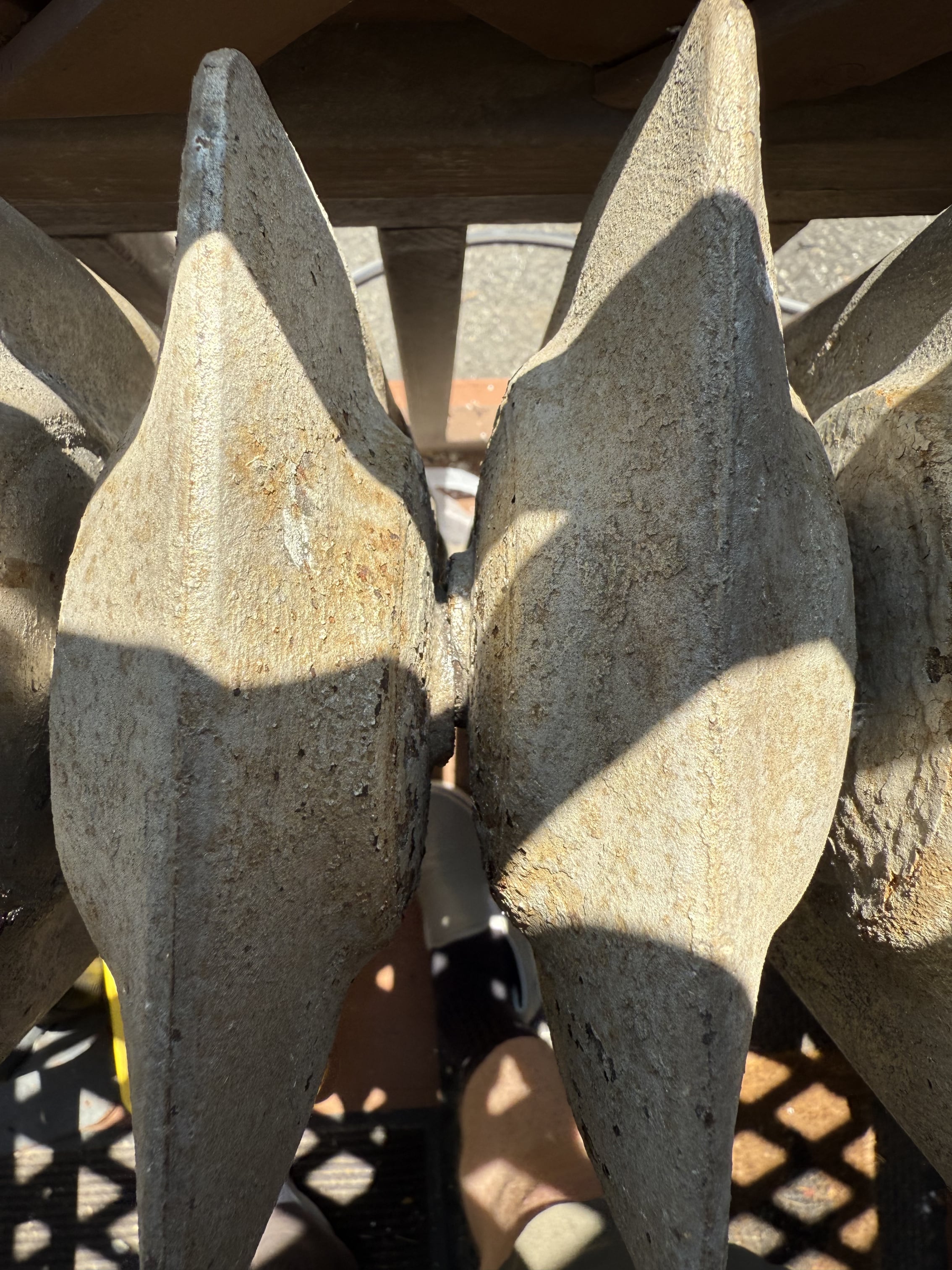
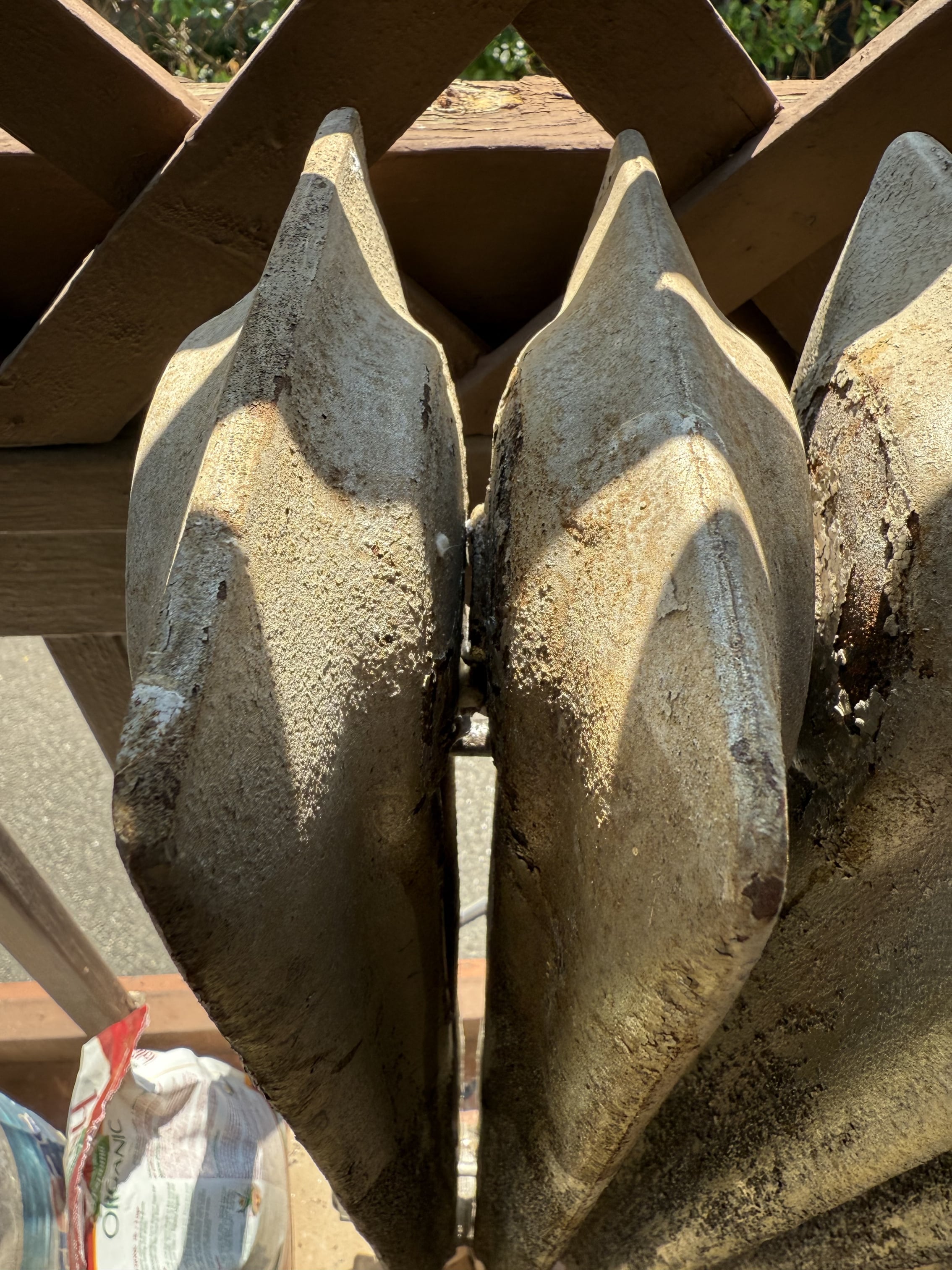
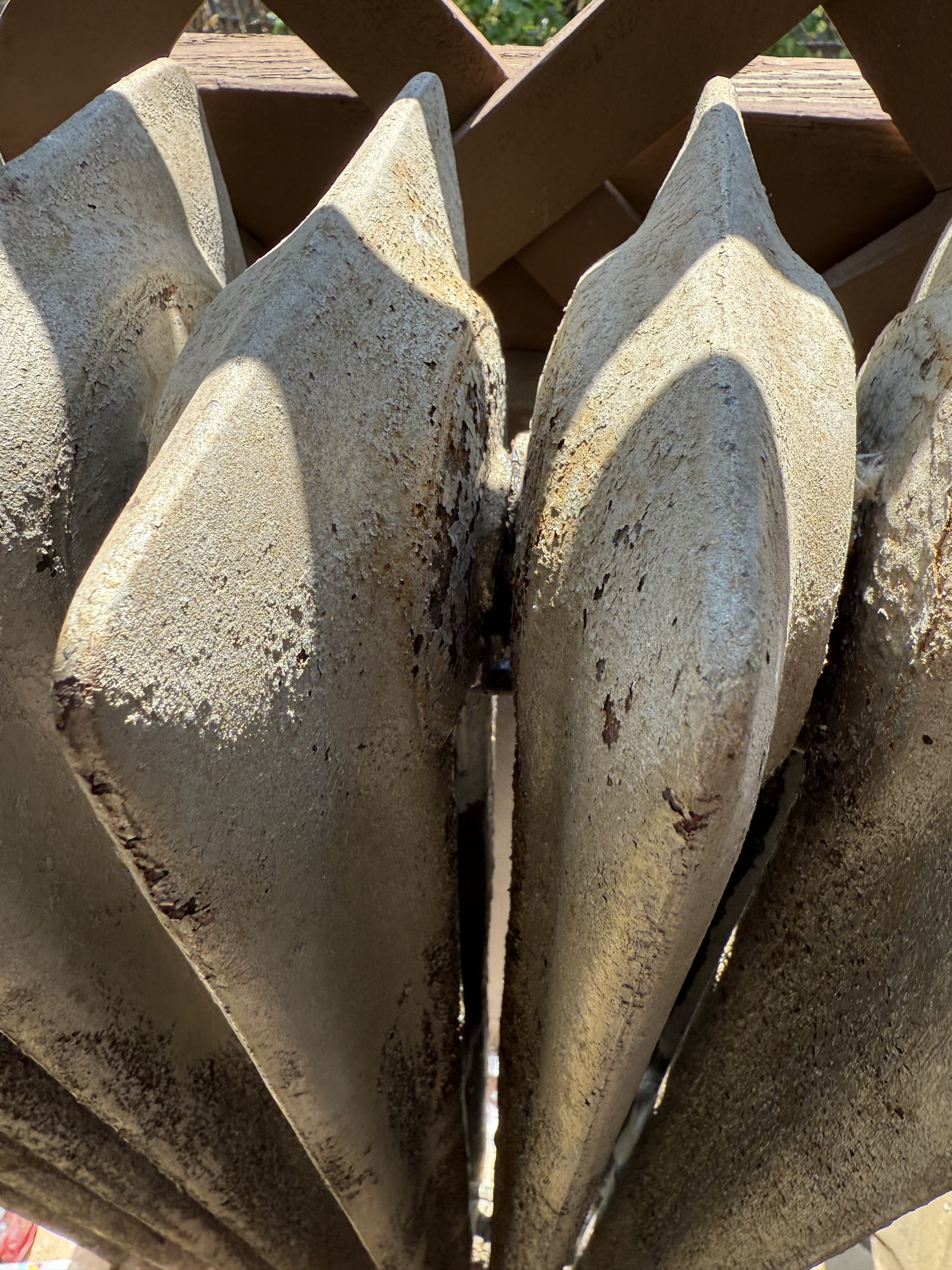
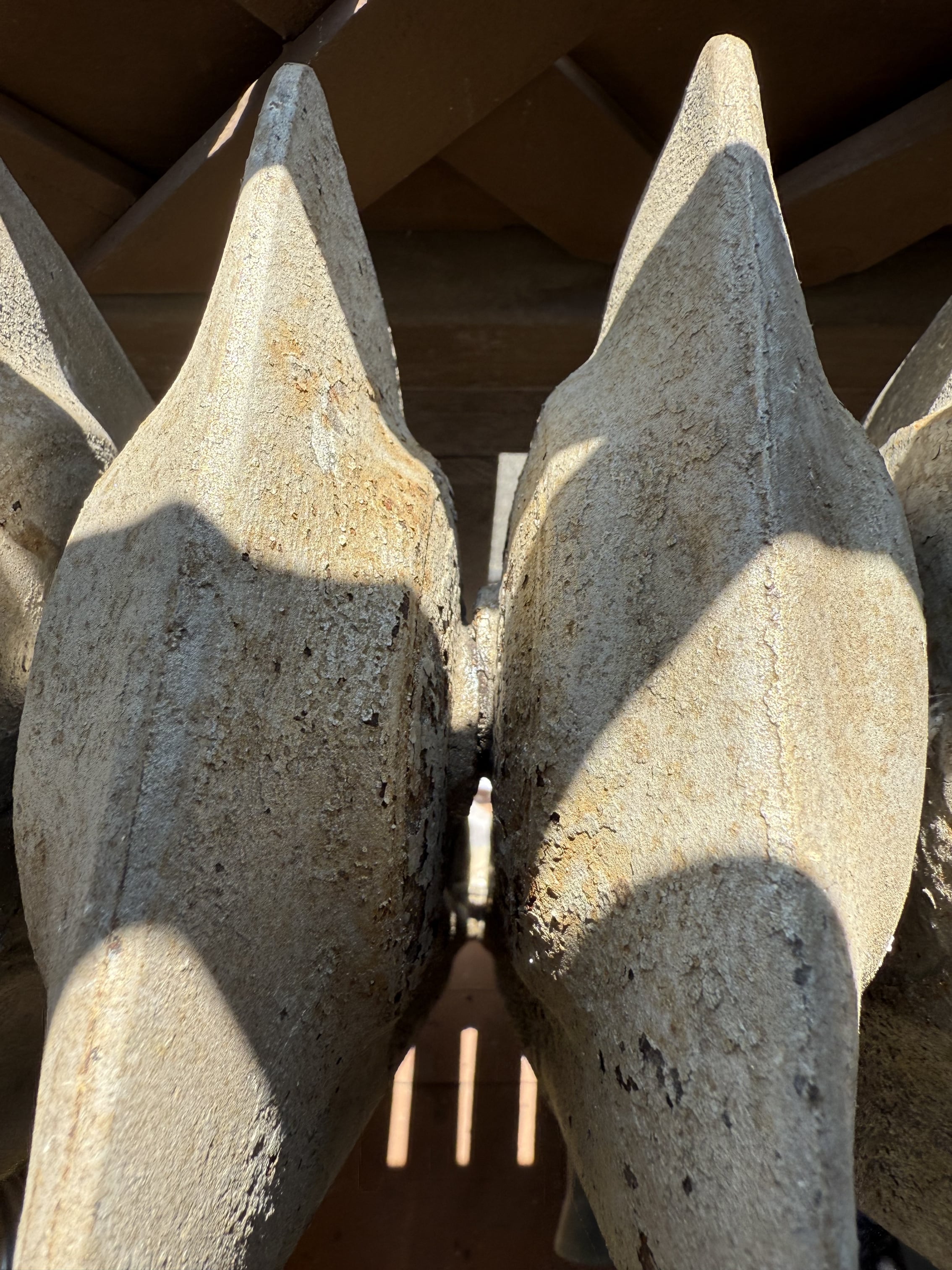
However, when I was cleaning it off today, I realized that the top sections appear to be separated? See pictures.
Any idea how this happens? I really don't think it was our contractor, I was there when they removed it and it didn't require much.
What makes this weirder is that we used this radiator for two winters before removal, and it seemed to heat fine. How could it be like this and not be clearly leaking tons of steam into the room?
Comments
-
Are the nipples between the sections actually damaged? Or is it just that the sections were never pulled together tight in the first place? The sections don't have to be touching, as there are nipples which actually make the connection.
Br. Jamie, osb
Building superintendent/caretaker, 7200 sq. ft. historic house museum with dependencies in New England0 -
Actually, I just sorta answered my question, though I'm still curious how this works.
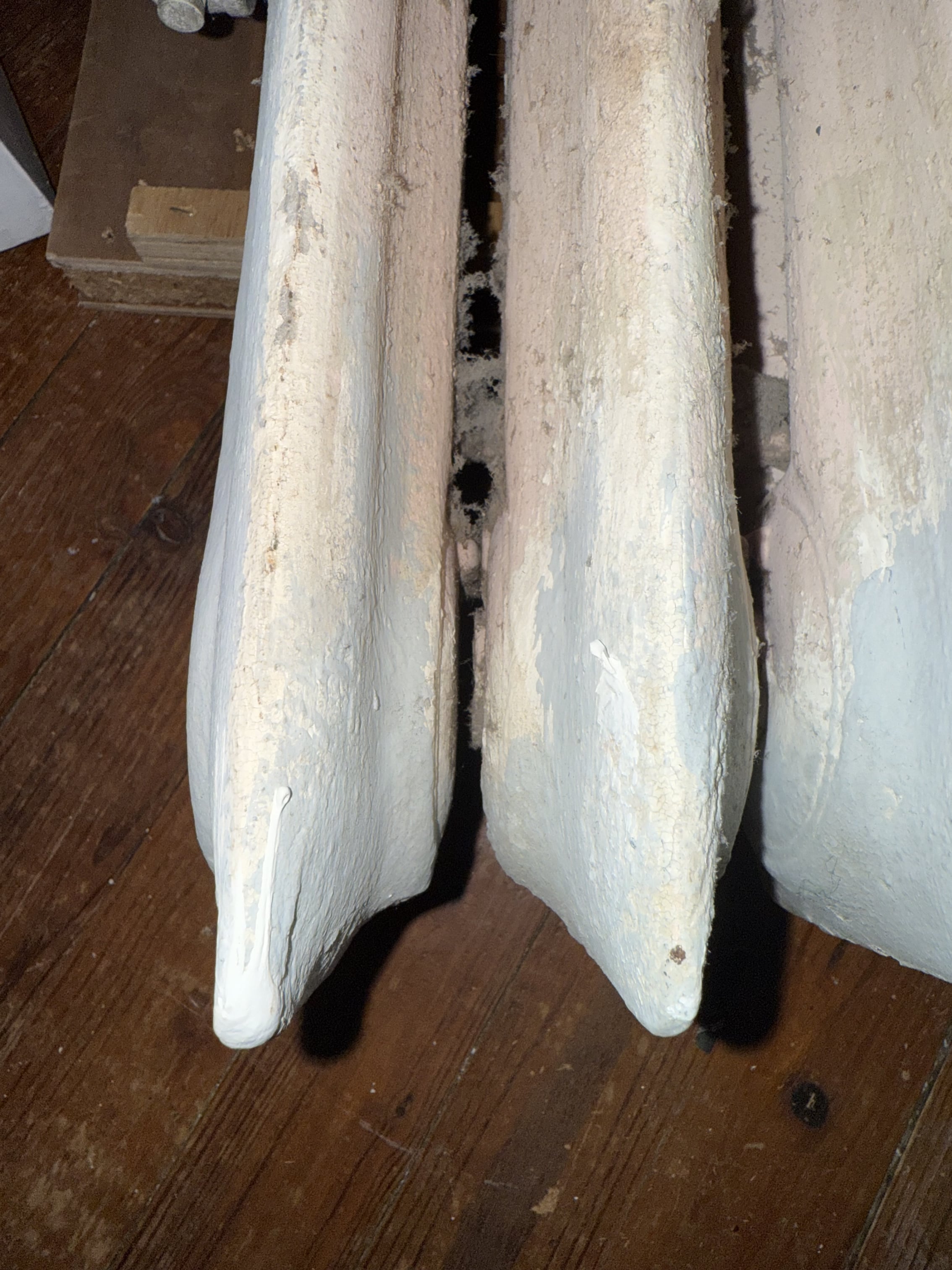
I just checked 3 other similar working rads in my house (should have done this first), and they are the same way. You can clearly see light between the sections, definitely no nipples, and almost certainly designed this way? (More pics below)
I'm no steam expert (but I read the Dan Houlihan book), but shouldn't the tops be connected via nipples so the steam can push the air out? Is this some special type of steam radiator.
House was built in NJ in the 1920's, if that means anything.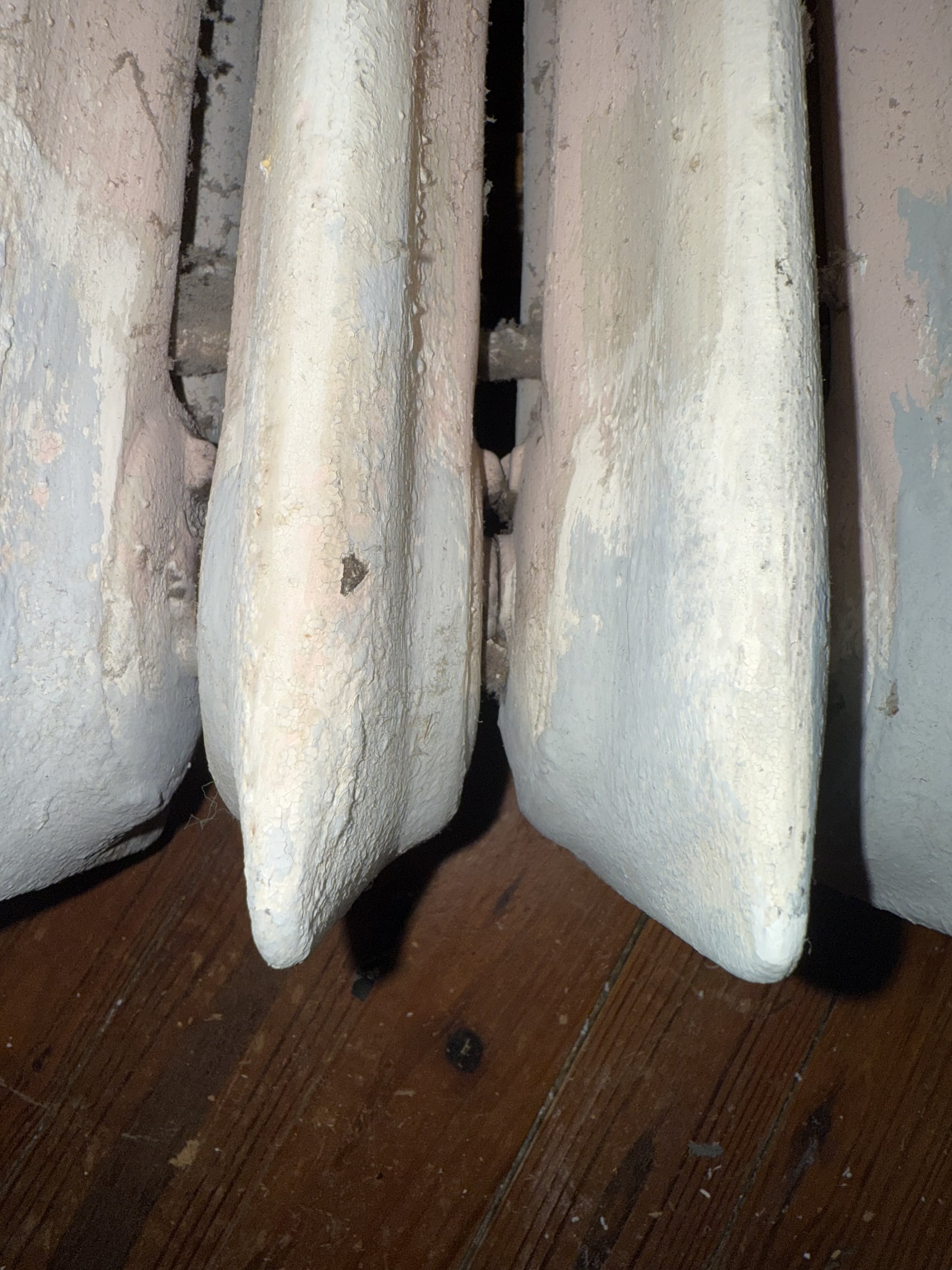
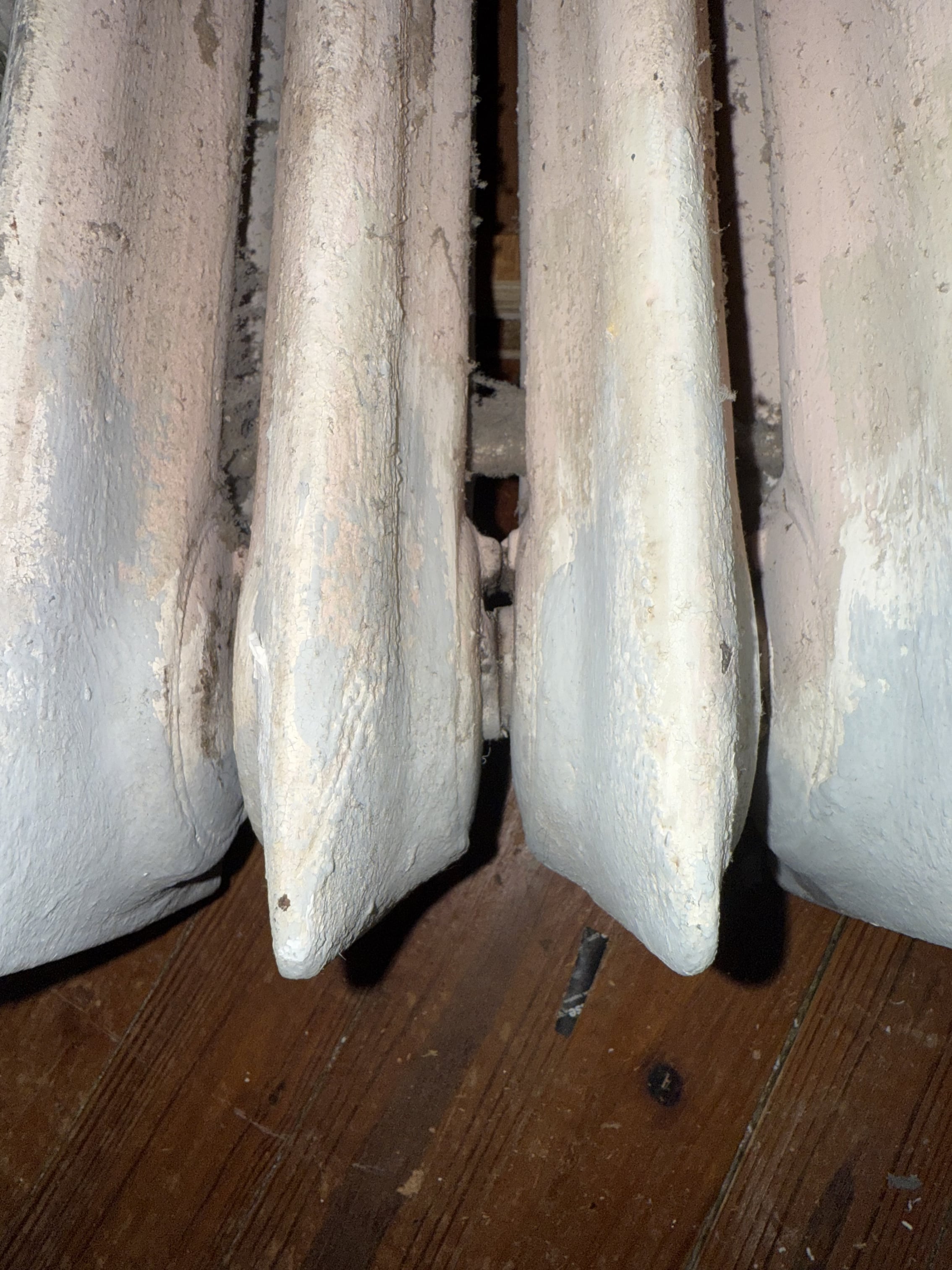 0
0 -
Not a problem on that radiator. The sections are not actually connected across the top, only at the bottom. This works since steam is lighter than air, and it will rise to the top of the section. It also was less expensive to manufacture this way.


 6
6 -
Awesome, thanks for the help!
0 -
IIWM, I would pressure test it with water before refinishing.
Your contractor should be able to do this. Use very low pressure.
0 -
If all the other rads look the same I would suspect no issue as it worked before
2 -
No worries at all. There are thousands of steam radiators that look exactly like that.
2


Categories
- All Categories
- 87.8K THE MAIN WALL
- 3.3K A-C, Heat Pumps & Refrigeration
- 60 Biomass
- 430 Carbon Monoxide Awareness
- 133 Chimneys & Flues
- 2.2K Domestic Hot Water
- 6K Gas Heating
- 124 Geothermal
- 170 Indoor-Air Quality
- 3.9K Oil Heating
- 79 Pipe Deterioration
- 1.1K Plumbing
- 6.7K Radiant Heating
- 397 Solar
- 16.1K Strictly Steam
- 3.5K Thermostats and Controls
- 56 Water Quality
- 51 Industry Classes
- 51 Job Opportunities
- 18 Recall Announcements