Abandoning domestic coil by intentionally drilling hole in it and plugging

PSI was constantly creeping up on old Columbia Emerald EM-100 oil fired boiler. Troubleshooting pointed to a pinhole leak in the domestic coil, which is no longer in use. Wanted to just abandon it, but the consensus seems to be either:
a.) Buy a blank plate, which is impossible in my scenario given Columbia is out of business. Tried searching online, can't find a blank plate that would work.
b.) Leave the coil in place but uncapped and open to the air (obviously not possible since its got a pinhole leak and water would just be coming out constantly).
c.) Take the face plate off, cut the coil off, then put the face plate back on and plug it. Hesitant to do this because it disturbs the gasket, and when placing it back, might not seal. Replacement gaskets for this boiler don't seem to exist anymore… so, let sleeping dogs lie…
which brings me to my solution, which I haven't seen suggested anywhere (and im not sure why):
d.) Stick a long drill bit into the inlet and outlet and intentionally drill a hole in the coil (one on each side for redundancy). Then flush the coil to get any shavings out, and cap the coil inlet/outlet with threaded NPT brass plugs.
My understanding is that the concern over capping the coil is pressure build up. Well, if you have a hole in the coil (two 1/8" holes in my case), then that shouldn't be a concern; pressure in the coil will always equalize with the surrounding water jacket.
Am I missing something or is this approach reasonable given the circumstances? Just find it a little odd that in all the posts I've been reading about abandoning coils, no one has suggested this.
Comments
-
cut the lines inside and out.
plug the fittings!0 -
If you have water in the boiler and the coil connections are uncapped water will leak out of the coil if it is bad.
It will not leak if the coil is good.
If the connections leak then plug them on the outside
If they don't leak leave them alone
No need to drill holes or mess with the gasket.

 5
5 -
This^^^. Or look at it this way. If you already have a leak, there's no need to add another one…
Br. Jamie, osb
Building superintendent/caretaker, 7200 sq. ft. historic house museum with dependencies in New England0 -
A gasket for that boiler/coil is easy to find.
Drilling holes would work, if it’s even necessary. But keep in mind the coil is…well coiled. So no need for a long drill bit.
Personally, removing the plate, cut out coil and either put the plate back on with a new gasket and plug the holes, or getting a blank and new gasket are the proper solutions.0 -
The op states the boiler is old
If the gasket is not leaking on an old boiler leave as is or you will regret it. Snapped bolts and pitted gasket surfaces are no fun
3 -
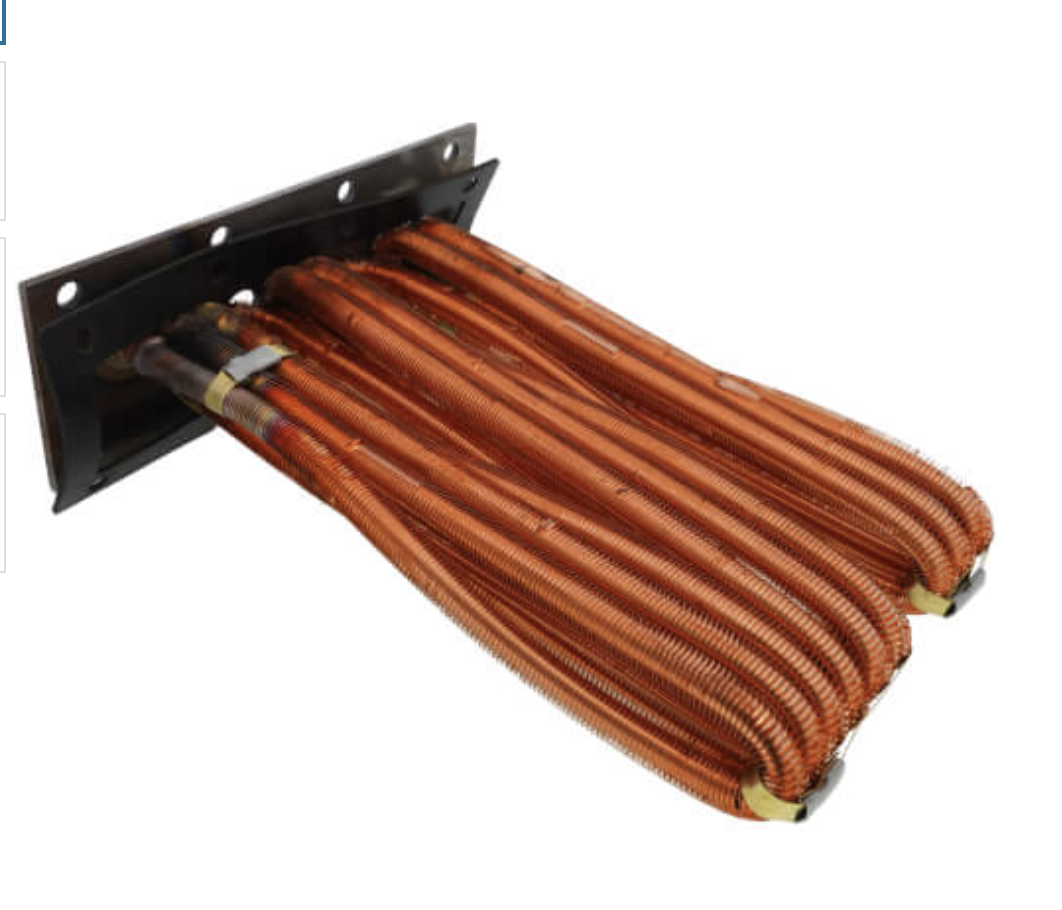
The coil on this boiler is not the spiral type you're thinking of — the coil goes straight back about 14" before curving back toward the inlet (see attached pic for example). I ended up using a 24" drill bit from HF and it worked well enough! As for the gasket, I cant find an exact replacement anywhere online, but feel free to link me.
 0
0 -
I ended up going through with drilling holes in the coil. As much as id like to cut the lines inside, that would mean taking the front plate off an old gasket. If it doesn't seal when I put it back, that's a major headache considering I cant find an exact replacement gasket anywhere. Drilling holes in it was easier than taking it apart and should accomplish the same thing I believe
0 -
This is what I thought initially, but there's a bunch of conflicting advice in other threads where people said never to cap them
I suppose maybe it's possible for a pressure buildup if the pinhole leak isn't enough to reduce it quick enough or gets clogged … well in any case I ended up drilling the holes (1/4" each) so I won't have to worry about it!
0 -
Contact TFI-Everhot in the Boston Area
Tel. 1-617-924-3877
or ; Sales at TFI Everhot.com
They make tankless coils for every boiler ever made. If you want a new coil they can make one. They have the drawing for most all boilers.
If you want just a gasket, I am sure they would have one.
They make tankless coils for all the boiler MFGs
1 -
1
-
Cut the coil and scrap it.
 1
1 -
What is so hard about finding a replacement trombone domestic hot water coil????
 1
1 -
Cap one end, put a PRV on the other end.
1 -
@leonz he doesn't want a new coil he is abandoning it.
0 -
Has anyone told @PeachPlantoon12 that he should set up the control system so it no longer maintains the boiler temperature for domestic hot water ?
Cutting the pipes and plugging the tankless coil connections does not tell the control to stop making hot water. Depending on the type of control installed, you may need to change the control, reprogram it, or rewire it.
If the person who replaced the tankless coil with a separate water heater did not make that change, then he may be wasting fuel by keeping the boiler hot for domestic hot water that he can no longer access.
For more information about this process, contact me or read some of my earlier posts on the subject.
And it sounds like you already drilled holes so there is no point in talking about that anymore.
Edward Young Retired
After you make that expensive repair and you still have the same problem, What will you check next?
 1
1 -
National - U.S. Gas Boiler 45+ Years Old
Steam 300 SQ. FT. - EDR 347
One Pipe System0 -
@109A_5 Said: "@EdTheHeaterMan, makes you wonder if the coil abandoning folks thought of that."
In my experience, there are more that don't then those that do.
Also I find a lot of second zones added with a R845A relay that do not wire them for DHW priority and folks end up taking a cold shower when that zone calls for heat. I believe their thought process is that "the boiler is hot anyway, so just turn on the circulator pump and we have heat"
Edward Young Retired
After you make that expensive repair and you still have the same problem, What will you check next?
0 -
Never heard of anyone drilling holes in a coil. If the coil is adding DW to the boiler it is leaking and already has a hole in it so if abandoned in place you need to cap the water connections on the coil.
If a good coil is abandoned in place because an indirect or tank type gas /electric/heat pump water heater is added you would assume?? (bad thing I know) the coil is drained and the H & C water is disconnected.
In that case it doesn't matter if the connections are capped or not. It will not build up pressure with air trapped in the coil if the connections are capped or the connections can be left open.
And if the connections are capped and the coil builds pressure and explodes so what? Its not going to do anything
0


Categories
- All Categories
- 87.8K THE MAIN WALL
- 3.3K A-C, Heat Pumps & Refrigeration
- 60 Biomass
- 430 Carbon Monoxide Awareness
- 133 Chimneys & Flues
- 2.2K Domestic Hot Water
- 6K Gas Heating
- 124 Geothermal
- 170 Indoor-Air Quality
- 3.9K Oil Heating
- 79 Pipe Deterioration
- 1.1K Plumbing
- 6.7K Radiant Heating
- 397 Solar
- 16.1K Strictly Steam
- 3.5K Thermostats and Controls
- 56 Water Quality
- 51 Industry Classes
- 51 Job Opportunities
- 18 Recall Announcements