Roof vent cap

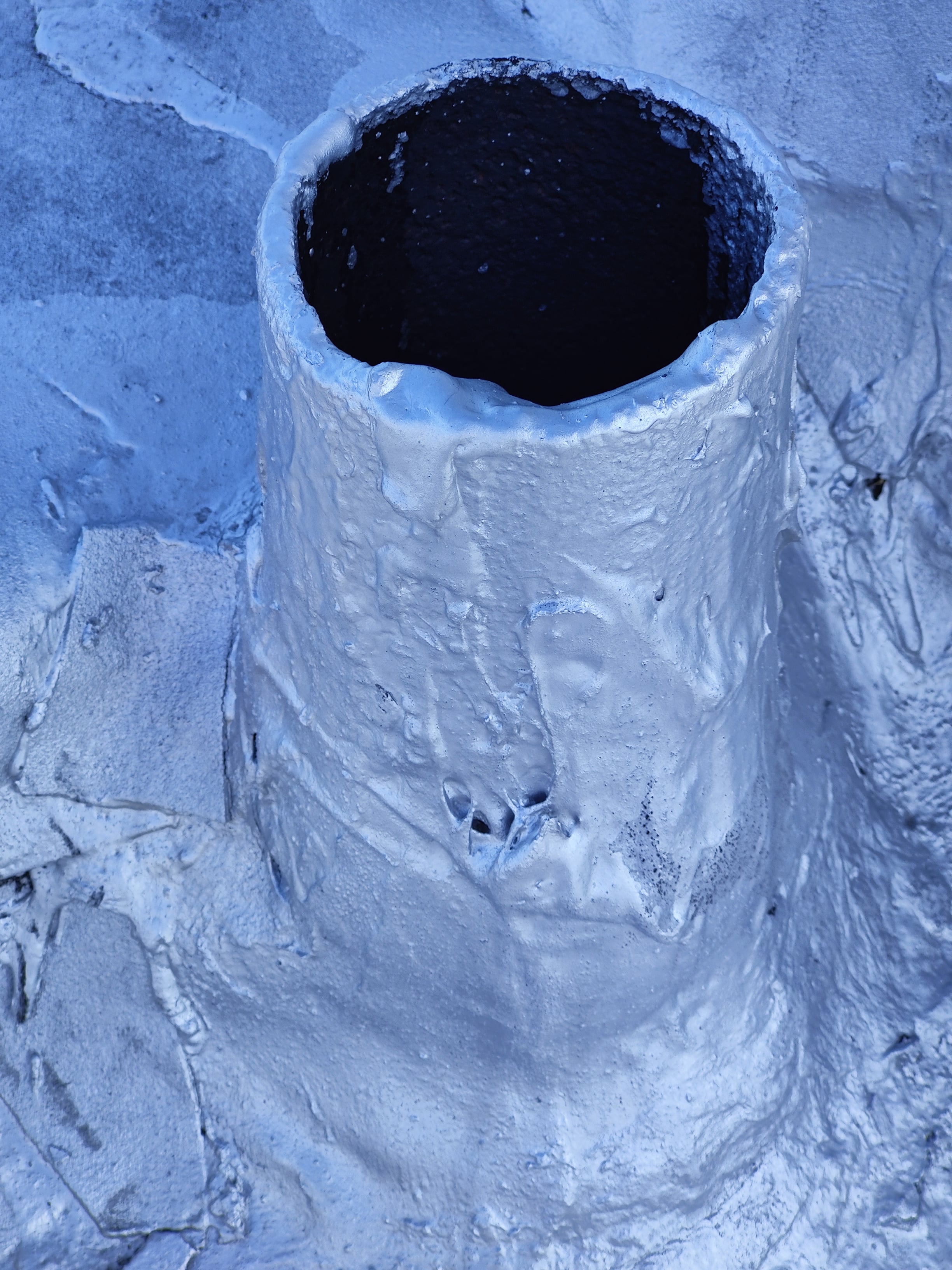
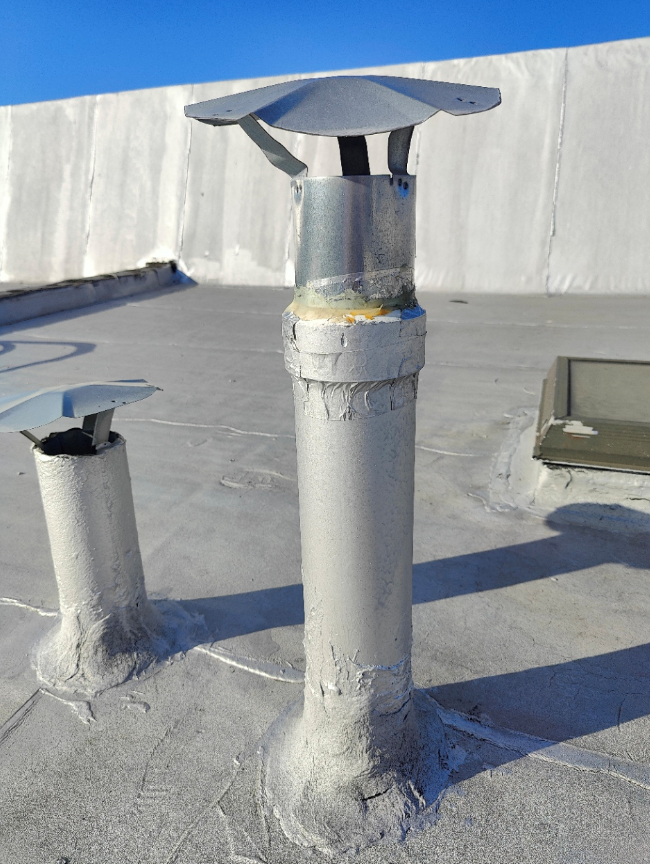
My roof has three such vent pipes. The o.d. measures between 4.6 and 4.8 inch. What size of rain cap should I order?
https://www.amazon.com/ventsgalvanized-rainproof-galvanized-Adjustable-customizable/dp/B0CRJVNF1X
Comments
-
those look like 4" cast iron stack vents with several roofs built up on the outside of them. since they connect to the sewer they generally don't need a cap.
0 -
From the looks of that pipe, I believe you have plumbing vents to the sewage system. These are not the type of vent pipes that are used for venting gas fired appliances. The plumbing code covers this type of vent, not the Fuel Gas Code. The vent cap you show in your link is a vent for a gas furnace or gas boiler vent pipe. I believe your looking for information for a sewer pipe line not a "Chimney" vent pipe
Furnace vent where exhaust from a gas flame exits the roof.
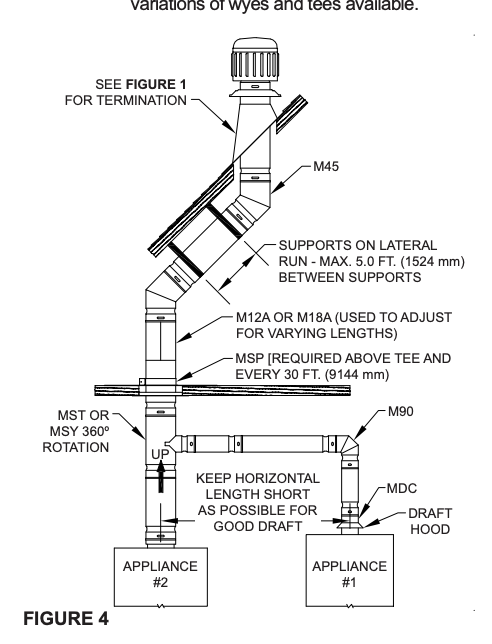
This type of vent pipe is rarely cast iron and it is recommended that you have a rain cover to keep rain water and critters from entering your heating system.
This is an example of a plumbing vent that is connected to the toilet and other drain lines in your home
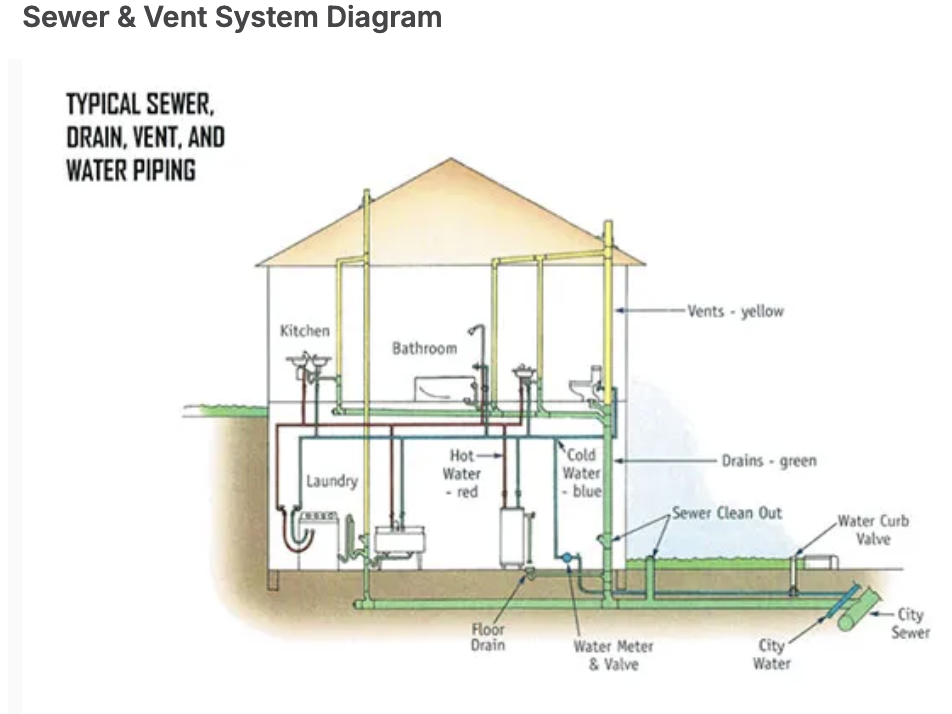
The yellow parts of the pipes in the above illustration are what your picture illustrates. The green pipes are the same system but contain the wet waste water to the sewer lines. These are sometimes PVC plastic however in older homes that are often Cast Iron Pipe like in your photo. These do not require a rain cap.
Edward Young Retired
After you make that expensive repair and you still have the same problem, What will you check next?
0 -
saw the neighbor's vent pipes all have a cap, so I thought the cap is for protection from debris or critters entering the pipe
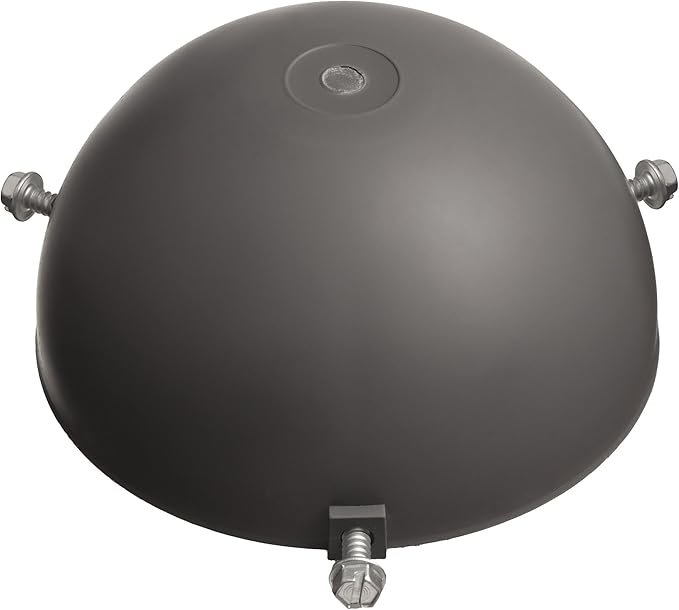
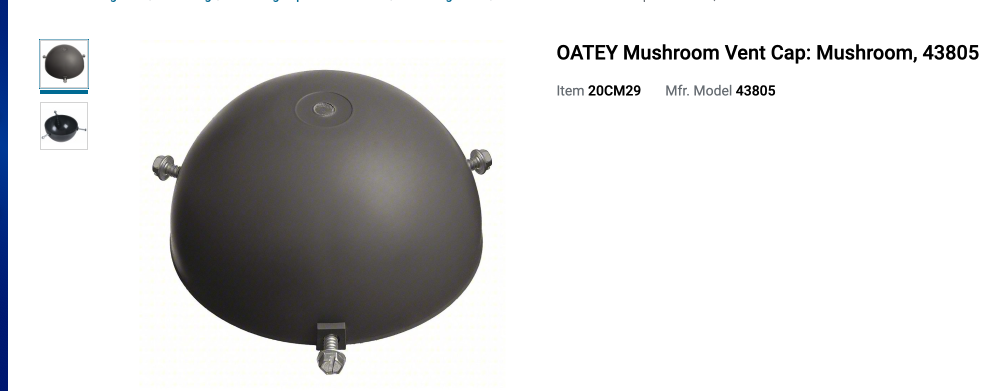
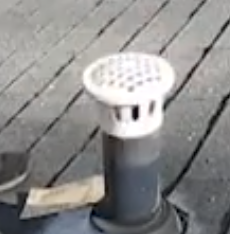
this mushroom vent cap should be the right cap for DWV pipe
https://www.amazon.com/Oatey-43805-Mushroom-Vent-Cap/dp/B000BO6PKO
 0
0 -
those caps were commonly used on yard trap vents in your lawn. Mainly to keep stuff from dropping down into the trap.
Putting one on you house vent on the roof could lead to frost closing off the vent and the entire system not being vented.
No harm in trying, observe in winter for a frost ball forming around the cap.
Bob "hot rod" Rohr
trainer for Caleffi NA
Living the hydronic dream0 -
No need for a rain cap- the little bit that makes it in goes out with the Drain, Waste, and down the Vent. If you have a problem with suicidal critters you could screen it but that temps critters to build a nest on it, thereby blocking the vent.'Stuff' would cease to drain. That mushroom cap would work but they look like, well…
I'd be more concerned if this was in snow country. That's a stubby.
BTW, if you are in snow country, check the vent stacks after a snowfall. If you see melted snow around the vent stacks (or large portions of your roof, you have air bypasses that need to be sealed then insulated. Huge heat loss source. Often, builders didn't check so free-range plumbers would leave gaping holes or gaps around the DWV stacks where they penetrated the attic. This wasn't a problem prior to '72. It is now.
1 -
i found that the reason my kitchen was cold was that in 1950 when they connected my house to the municipal sewer they cut about a 15" x 24" hole in the drywall to connect a vent stack then covered it up with a cabinet.
 1
1 -
You don't add vent caps to plumbing vents. Plumbing stacks will carry warm moist out into the atmosphere, like when you take a shower. If you put something on the stack and the temperature drops below freezing you can increase the chance of plugging up the stack with a block of ice. We already have codes that restrict the distance (18"-24") of vent thru the roof to prevent moisture from freezing inside the pipe when it tries to escape out the stack. The exposed part of the stack is going to be the temperature of the ambient or close to it.
0 -
Agree in most cases however not every vent is in a tall city building where there are not trees around and no critters that like the warmth of that opening. look at this video
Edward Young Retired
After you make that expensive repair and you still have the same problem, What will you check next?
0 -
Mass code don't specify for height. It doesn't matter the height of the building when exiting the building. The max exposed pipe outside is 24". The only time we are allowed more is when we come to close to the economizers on rooftop units and that's only because the local AHJ doesn't want to create a hardship situation where you have to relocate it. It would become a big expense to relocate.
0 -
NJ code just wants it 6" or more above the highest point where it exits the roof. I didn't see any maximum length above the roof. NJ also allows a minimum vent size of 1 1/4" through the roof.
It does say you cannot use it for supporting tv antennas etc.
I could be wrong, but I think NYC wants a 4" minimum diameter vent a minimum of 24" above the roof. Don't recall maximum height though.
Single pipe 392sqft system with an EG-40 rated for 325sqft and it's silent and balanced at all times.
0 -
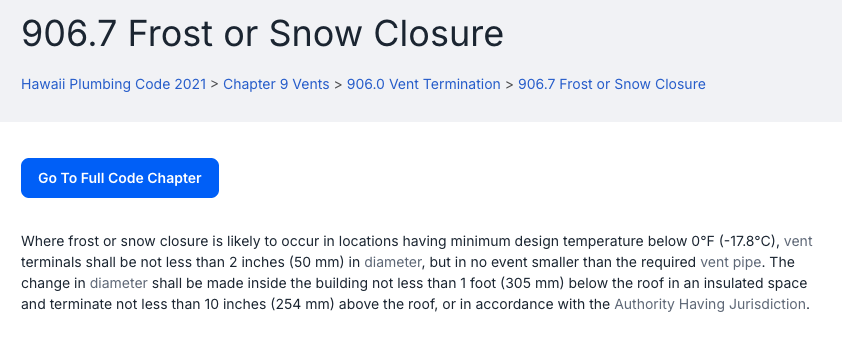
I plumbed in snow country, most all my plumbing career, so inspectors required 1 size larger pipe through the roof for frost closure protection. So 2, 3 or 4".
We would occasionally use cast iron no hub for the penteration to lessen snow shear potentially breaking the ABS.
UPC and ICC have a slighty different opinion.
 Bob "hot rod" Rohr
trainer for Caleffi NA
Living the hydronic dream 1
1 -
Yeah
It's interesting when inspectors start making their own requirements rather than following the code isn't it?
Single pipe 392sqft system with an EG-40 rated for 325sqft and it's silent and balanced at all times.
0 -
so this cap is a good buy for keeping particles and creatures out of the pipe, even though it's not called by the code?
0 -
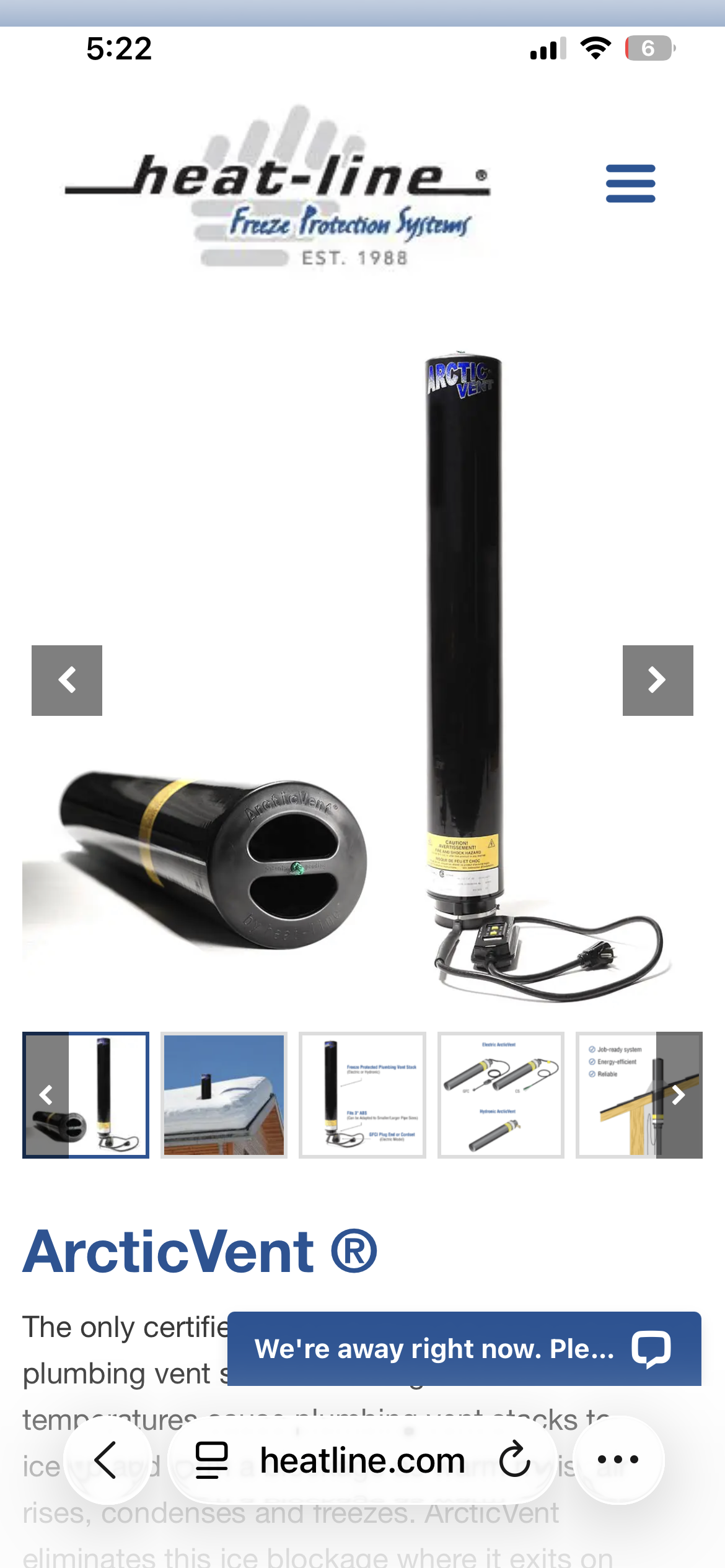
there is actually a company that makes an electric or hydronicaly heated double wall vent termination piece. Invented by a Canadian electrician😉
 Bob "hot rod" Rohr
trainer for Caleffi NA
Living the hydronic dream1 -
my previous house was built in tbe 1980 with no sheathing other than 1/2” RMax / steel strapping; well before Andrew showed up and all the codes changed.
The foam sheathing was promoted as energy efficient but the house was always cold and drafty. Mystery was solved when we removed the siding for replacement and found boot sized holes along the floor line around the window where the original crew would just kick a hole through for a handy when fitting the windows.
Filled and taped the holes & added Tyvek. No more drafts. 🤣1 -
though i'm sure that didn't help i would think the issue would be more on the inside where they'd use kraft faced insulation but just push it behind or tear it around anything that was in the way, especially the electrical boxes, wiring, and windows.
the vapor proof insultion on the outside also seems like a very bad idea. my parents' house had a section that looked like it was eaten away by carpenter ants.
 1
1 -
You seem to want one so do it.
Personally it can create more issues then solve.
1 -
As mu Uncle Sherman used to say. It is better than a poke in the eye with a sharp stick.
Edward Young Retired
After you make that expensive repair and you still have the same problem, What will you check next?
0 -
Most of these vent stacks are just open to the sky and that's totally fine and normal. Sometimes you'll see where a super has put wire mesh over top to keep critters out, but if you go that route make sure you go with a large hole mesh and check every once in a while and make sure they're not plugged up with anything caught in it.
0 -
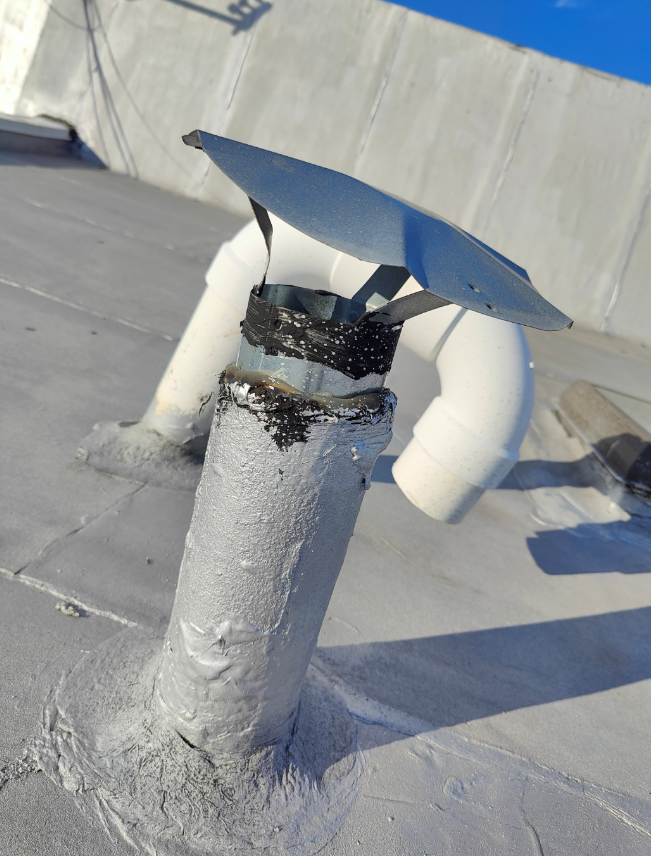
this is the rain cap on the neighbor's roof. the cap has 4" base fitted into the stack vent then sealed with asphalt or silicone
@EdTheHeaterMan is this cap actually meant for a furnace vent?
 0
0 -
if i were to fabricate something like that I would probably clamp it on the outside with a hose clamp instead of sticking it inside, when it is inside it reduces the id of the pipe and makes it more prone to icing.
0 -
I have never seen a sewer vent on a roof with any cap.
My house had a 90 deg elbow someone stuck on the 4" pipe for some bizarre reason but it's long gone.
There's no reason to have a cover on it, it literally goes to the sewer, rain isn't going to be a concern.
Single pipe 392sqft system with an EG-40 rated for 325sqft and it's silent and balanced at all times.
0 -
unless things are nesting in it. the more directly you try to block things from nesting the more likely it becomes that it may ice or get covered in some sort of debris. or become a platform for a different type of nest.
0 -
I've never heard of anything nesting in a sewer pipe.
I guess I'm about to be given examples, but I've never seen it, or known anyone that has. Seems like an awfully stinky place to build a nest.
Chimneys, furnace vents, water heater vents yes. Sewer vents, that's a new one on me.
Single pipe 392sqft system with an EG-40 rated for 325sqft and it's silent and balanced at all times.
0 -
Again…You seem to want a cover then put one on.
Sewer vents do not get covers!
 2
2 -
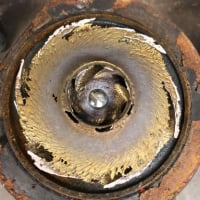
those looks like they are factory made rain caps for stovepipe.
 1
1 -
Yes, that is a gas furnace vent cap. it is designed to keep rain from falling into the exhaust vent of a gas fired heating system of sorts.

This is not the first time something that was intended for one thing was used for another. I can give you an example of other devices used for things that they were not intended for. My biggest regret is when computers stopped including cup holders.
Edward Young Retired
After you make that expensive repair and you still have the same problem, What will you check next?

 2
2 -
is there an eyeroll reaction?
 2
2 -
You need to ask Andrew @HeatingHelp.com to add that one.
Edward Young Retired
After you make that expensive repair and you still have the same problem, What will you check next?
0 -

😉 -Andrew
Forum Moderator
 3
3 -
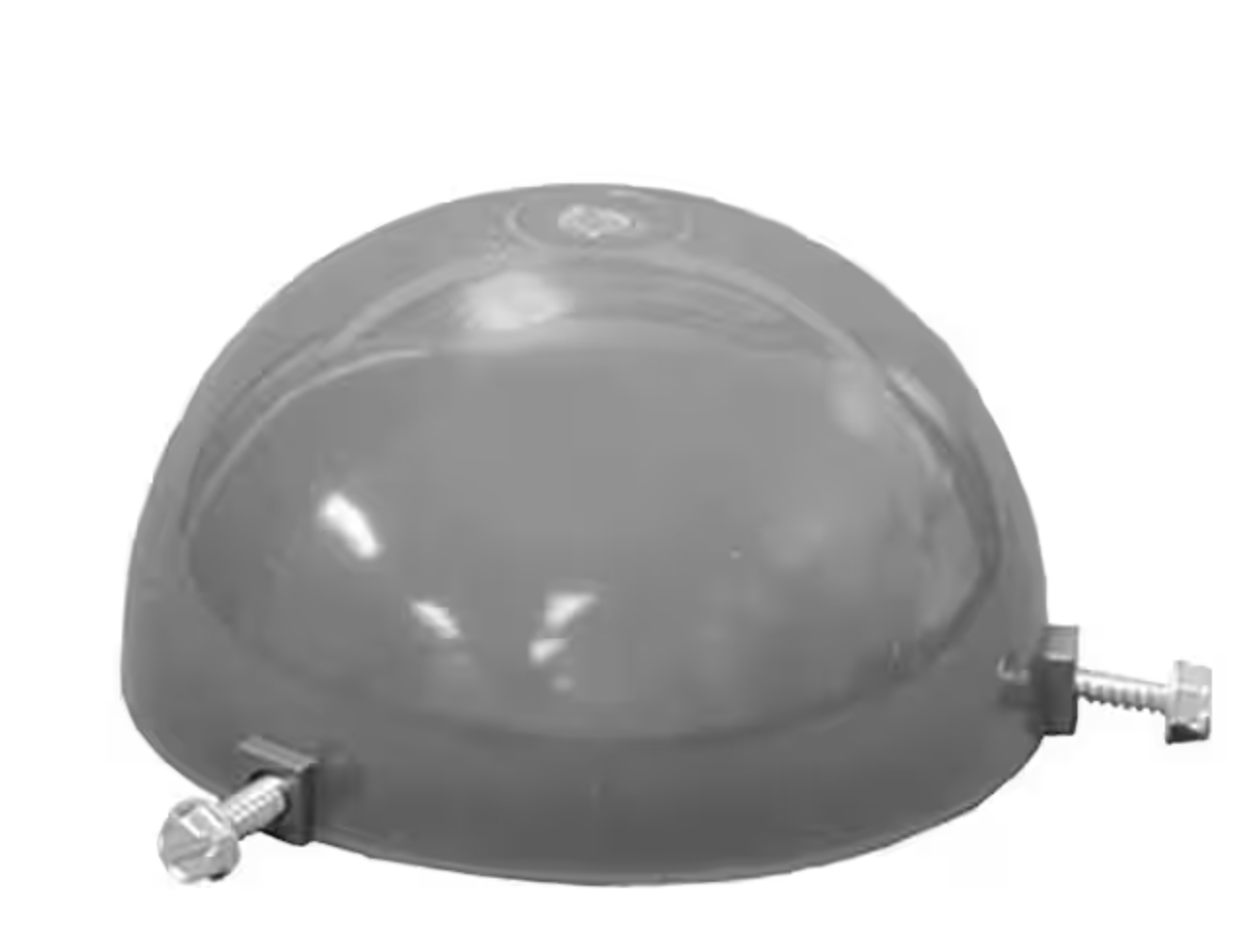
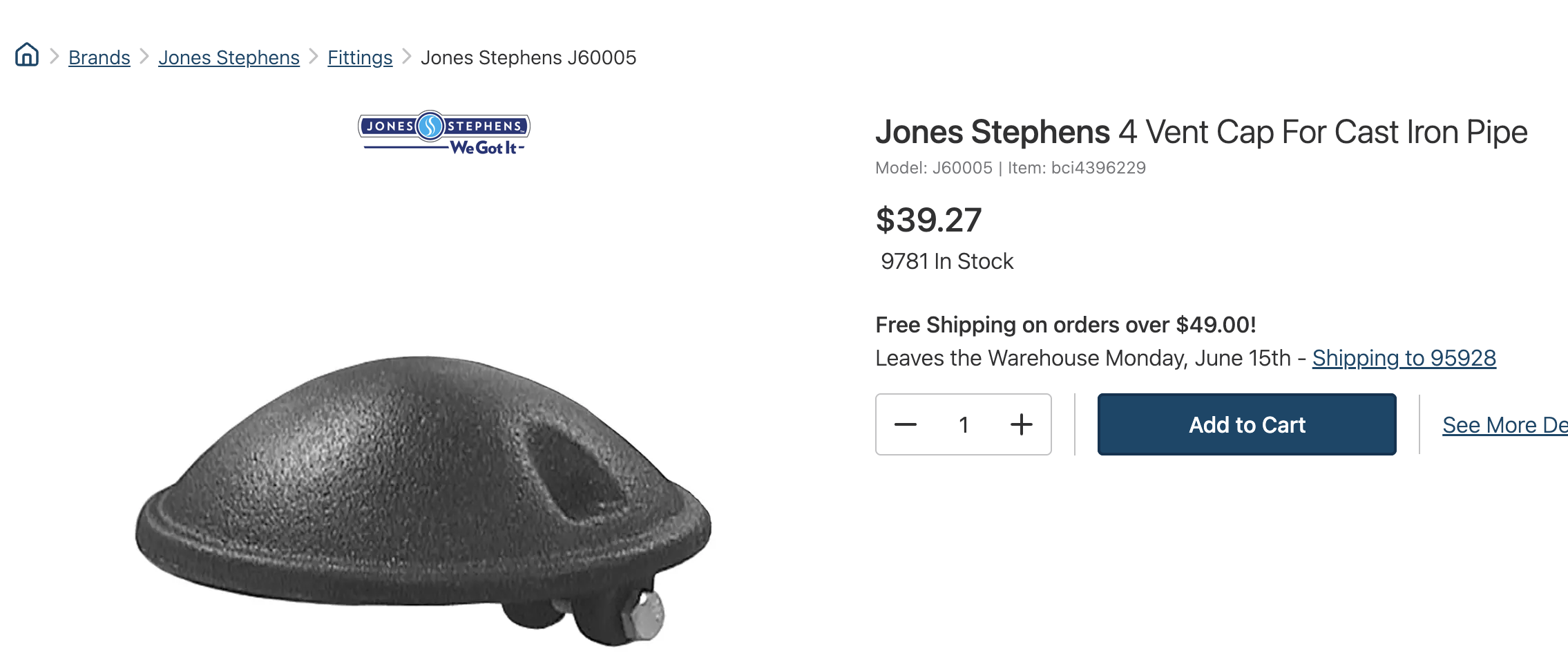
Jones, IPS, Oatey, and other make sewer caps, must be someone installing them.
The ones I remember were those cast iron type with a single pinch screw.

 Bob "hot rod" Rohr
trainer for Caleffi NA
Living the hydronic dream0 -
We need eyeroll, and Charlie Brown with "Good Grief"
Single pipe 392sqft system with an EG-40 rated for 325sqft and it's silent and balanced at all times.
0 -
Aren't those for vents down by the ground, like for building / house traps?
Single pipe 392sqft system with an EG-40 rated for 325sqft and it's silent and balanced at all times.
0 -
those are to prevent the kids from filling up the ground level house trap with rocks.
0 -
I've seen caps like that on oil tank vents.
0 -
Does it mater if it is on the vent of a house trap in the lawn or on them roof? in either case is sees the sewer gas and is intended to keep debris out.
If it is installed on the VTR and it frosts over, remove it, simple enough?
A couple installs videos
 Bob "hot rod" Rohr
trainer for Caleffi NA
Living the hydronic dream0




Categories
- All Categories
- 87.8K THE MAIN WALL
- 3.3K A-C, Heat Pumps & Refrigeration
- 60 Biomass
- 430 Carbon Monoxide Awareness
- 133 Chimneys & Flues
- 2.2K Domestic Hot Water
- 6K Gas Heating
- 124 Geothermal
- 170 Indoor-Air Quality
- 3.9K Oil Heating
- 79 Pipe Deterioration
- 1.1K Plumbing
- 6.7K Radiant Heating
- 397 Solar
- 16.1K Strictly Steam
- 3.5K Thermostats and Controls
- 56 Water Quality
- 51 Industry Classes
- 51 Job Opportunities
- 18 Recall Announcements