Water Tanks on Roofs?
Comments
-
There's the question if wimpy showers save h2o? Perhaps they encourage baths?
0 -
That would fall right in line with low consumption toilets when you have to flush twice to get rid of everything.
0 -
After graduating high school in ‘78, I became a cook on Amtrak to pay for college. We actually cooked real food back then. I had three routes; Los Angeles, Seattle, and New York City. In New York, we’d get a day layover and they put us up in the Hotel Edison. The city was gritty at the time and that area was a little tough. I didn’t care though, I was from Chicago. But, what I remember most about that route is looking out my hotel window and seeing wooden water towers everywhere across the city’s landscape. I loved the look! I’d never been in a building high enough in Chicago to see them, but from Edison’s window they were everywhere. I had no idea what the purpose was, but to this day I save black and white photos of them. I hope this helps 😂
Steve Minnich 1
1 -
-
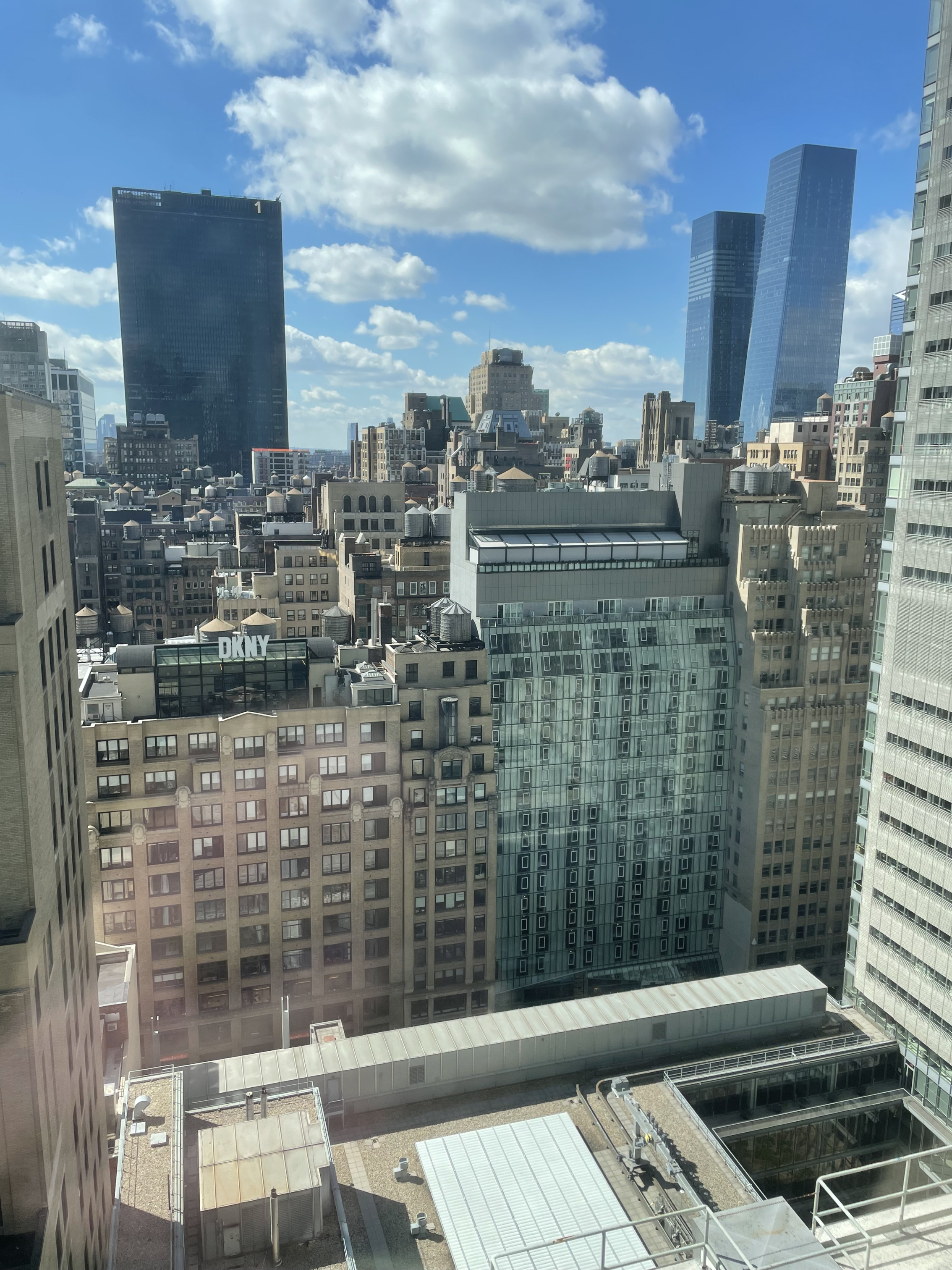
If you can zoom in you will see so many. Its unbelieveable

 3
3 -
I took that from my room window at the Hilton in times square. St Patricks day 2024
2 -
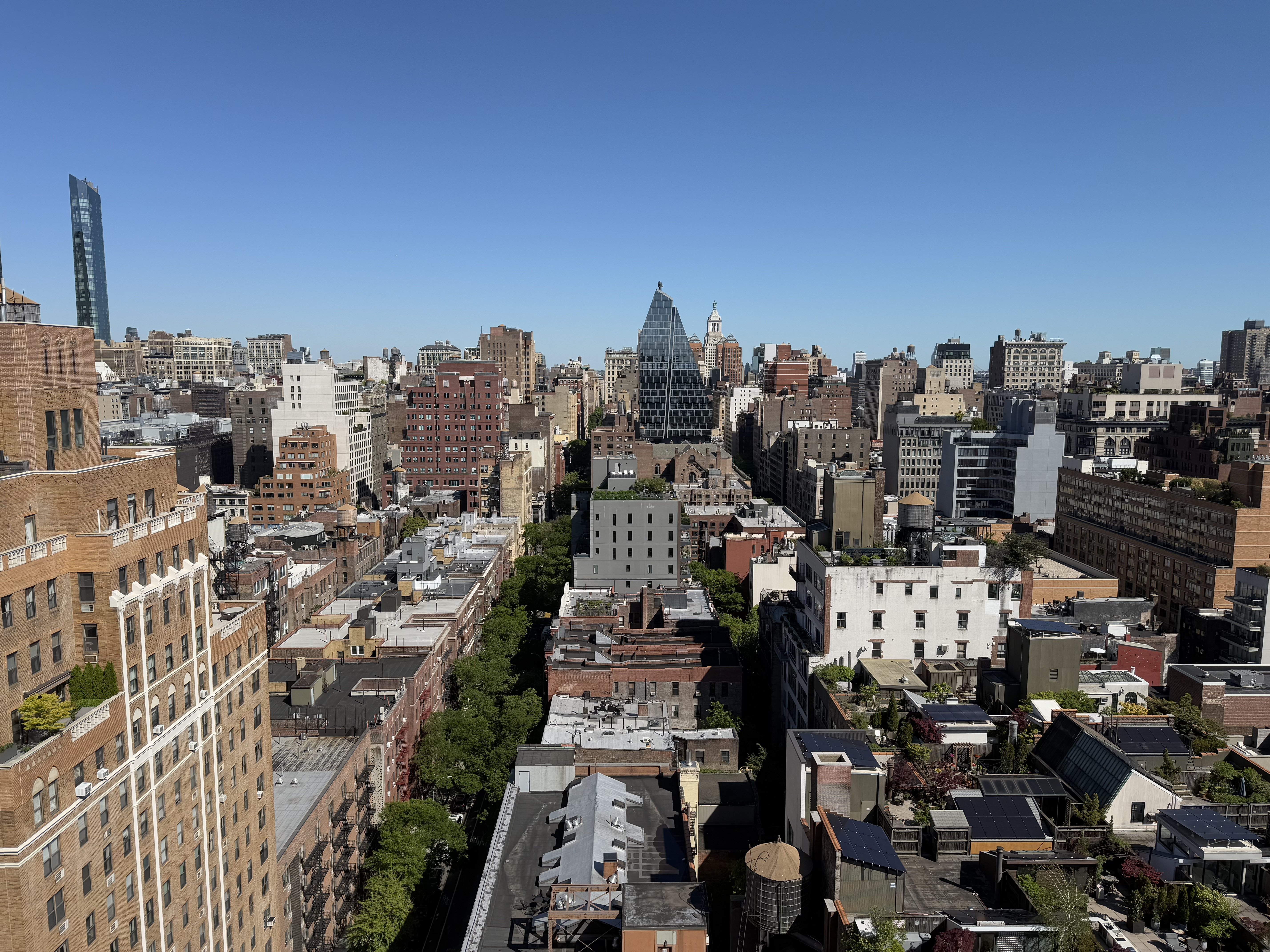
Took this photo the other day from the top of a roof tank, and as you can see there's plenty more around. I always take a moment to enjoy the views I get and sometimes get some nice photos
2 -
I believe the Unadilla Silo company built a great number of these water tanks.
1 -
I understand they're wood, but I'm still surprised they do not have freezing issues with these during weeks where it's really cold consistently.
Single pipe 392sqft system with an EG-40 rated for 325sqft and it's silent and balanced at all times.
0 -
Wooden silos made from hardwoods were use for ensilage and water both and are great insulators.
0 -
The R value of wood is fairly low compared to insulating materials.
Single pipe 392sqft system with an EG-40 rated for 325sqft and it's silent and balanced at all times.
0 -
Is there is enough mass in the water tank and the movement of water into and out of the tank through constant use that keeps the temp above freezing? Maybe an ice cake forms on top of the water at the most. Something must work well or there wouldn't be so many of them.
0 -
The water tanks made of wood were used for decades in cold climates when water was needed for coal and wood fired steam engines.
When the railroads switched to using concrete water tanks at water stops in cold climates they had to install oil fired heaters under the elevated concrete bases of the water tanks to prevent them from freezing from what I remember of them.
www.farmshow.com/article.php?aid=5321
0 -
for the most part there is enough movement of warmer water in to the tank from the supply to keep them from freezing but several people have also mentioned that they have worked on systems with steam heating coils to keep the tanks from freezing.
0 -
NYC Buildings with roof tanks seldom have much inactive flow. The connected piping will usually be well insulated
0 -
i'd imagine that the river the nyc gets its water from is not much above freezing at certain times in the winter.
0 -
NYC's water comes not from the river, but from reservoirs, mostly in the distant mountains. It travels through three tunnels bored deep in the bedrock. I suspect the temperature is relatively stable compared to more local water supply systems.
—
Bburd1 -
Domestic tanks have enough flow in/out that its not usually an issue for them. Fire service only tanks are more likely to freeze since they just sit around doing nothing basically all the time. Rarely you'll see submerged resistance heaters in a roof tank. Buildings are more likely to put heat trace wiring on the in and out lines under the insulation because its simpler and easier and those are usually enough to keep things from turning solid during extended cold periods.
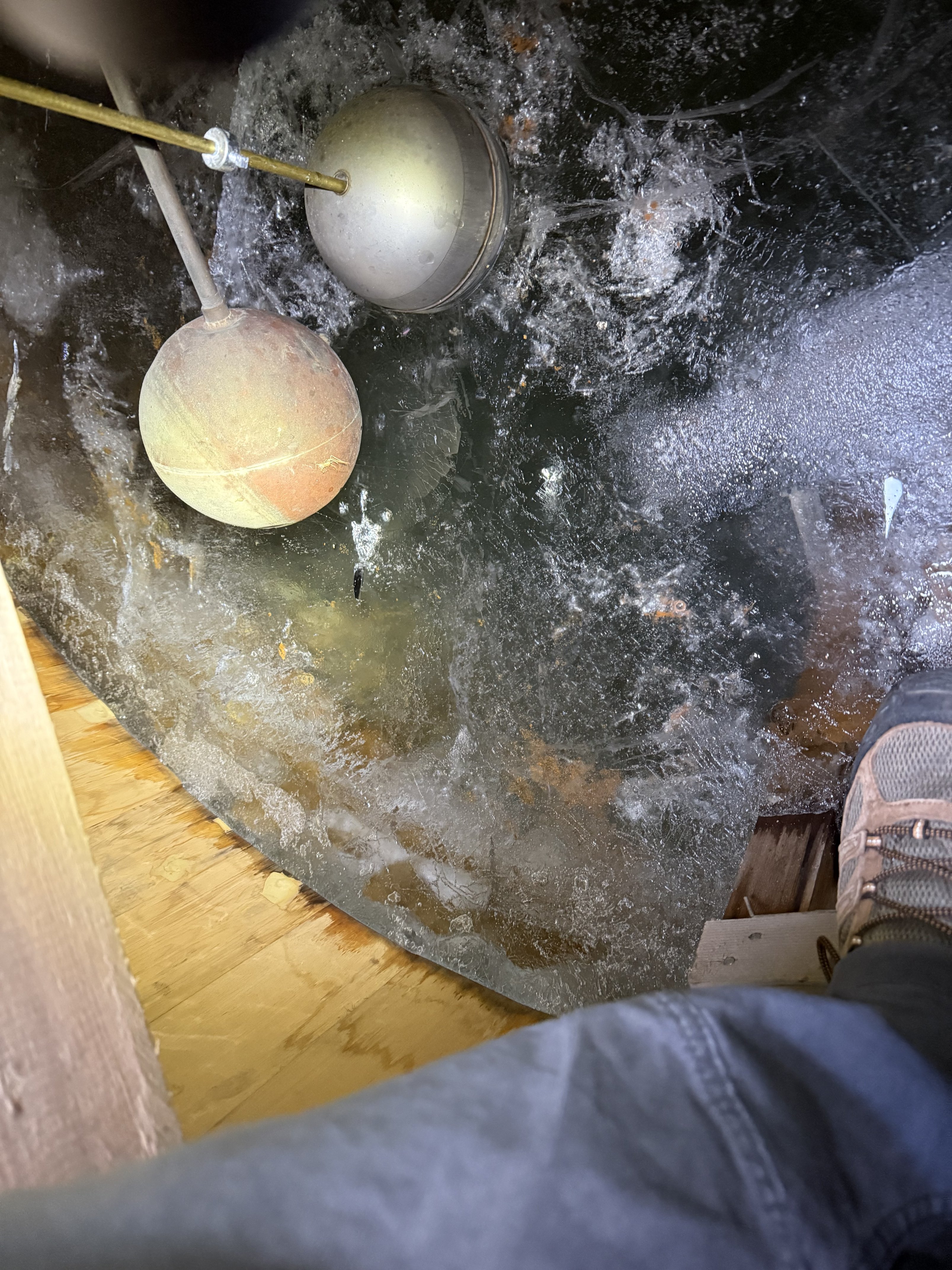
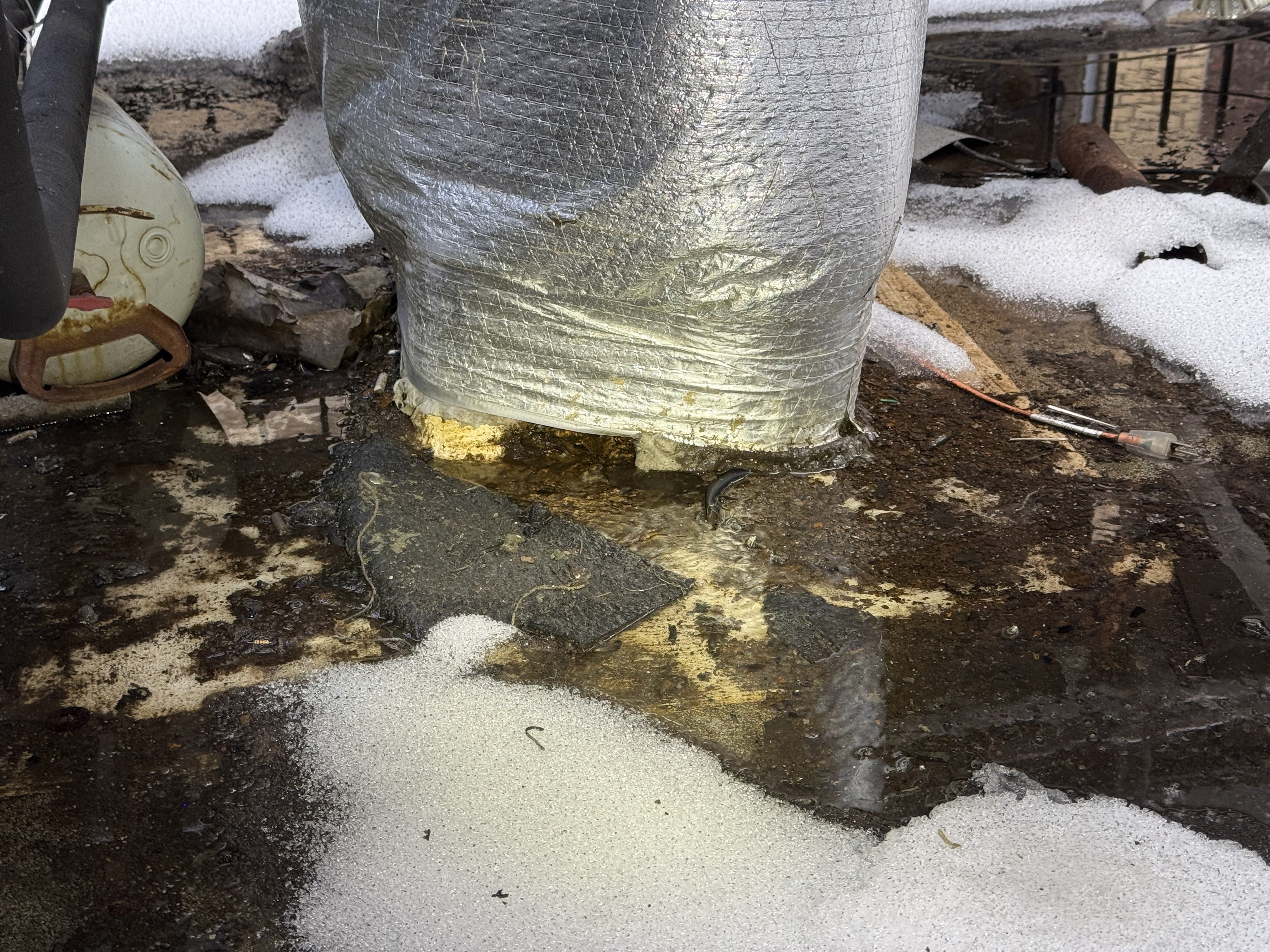
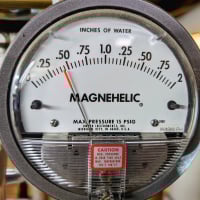
Below is that same fire tank that I shared a photo of before. It froze this past winter when we had that cold spell for couple weeks. Couldn't break it by stomping it as hard as I could. I was there on a warm day when things had started to melt because all the sudden the controls were throwing low level alarm. The piping down to the building had frozen and cracked somewhere under the insulation and it had just thawed enough to start leaking out of the tank. The pumps couldn't push water in either because the inlet was still frozen too. All they could do was let everything thaw first, then fix stuff. I'm sure the building wishes they had kept their heat trace wire plugged in, but as you can see by the naked plug in that second photo… oops!
 2
2 -
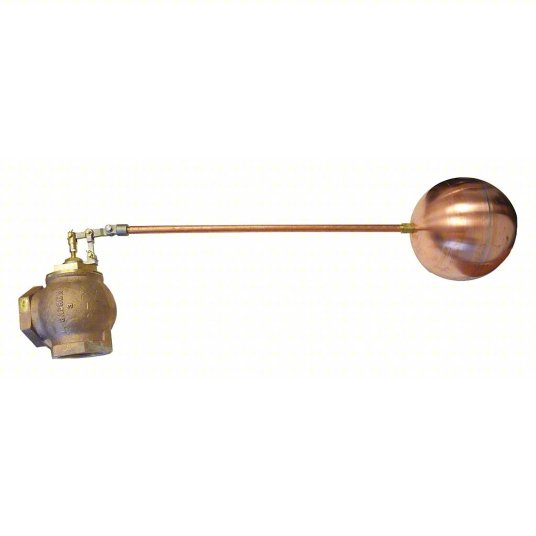
Look at those floats!
What does the valve those connect to look like?
Single pipe 392sqft system with an EG-40 rated for 325sqft and it's silent and balanced at all times.
0 -
I have not seen float balls that big since my father had his 8 bay car wash.
0 -
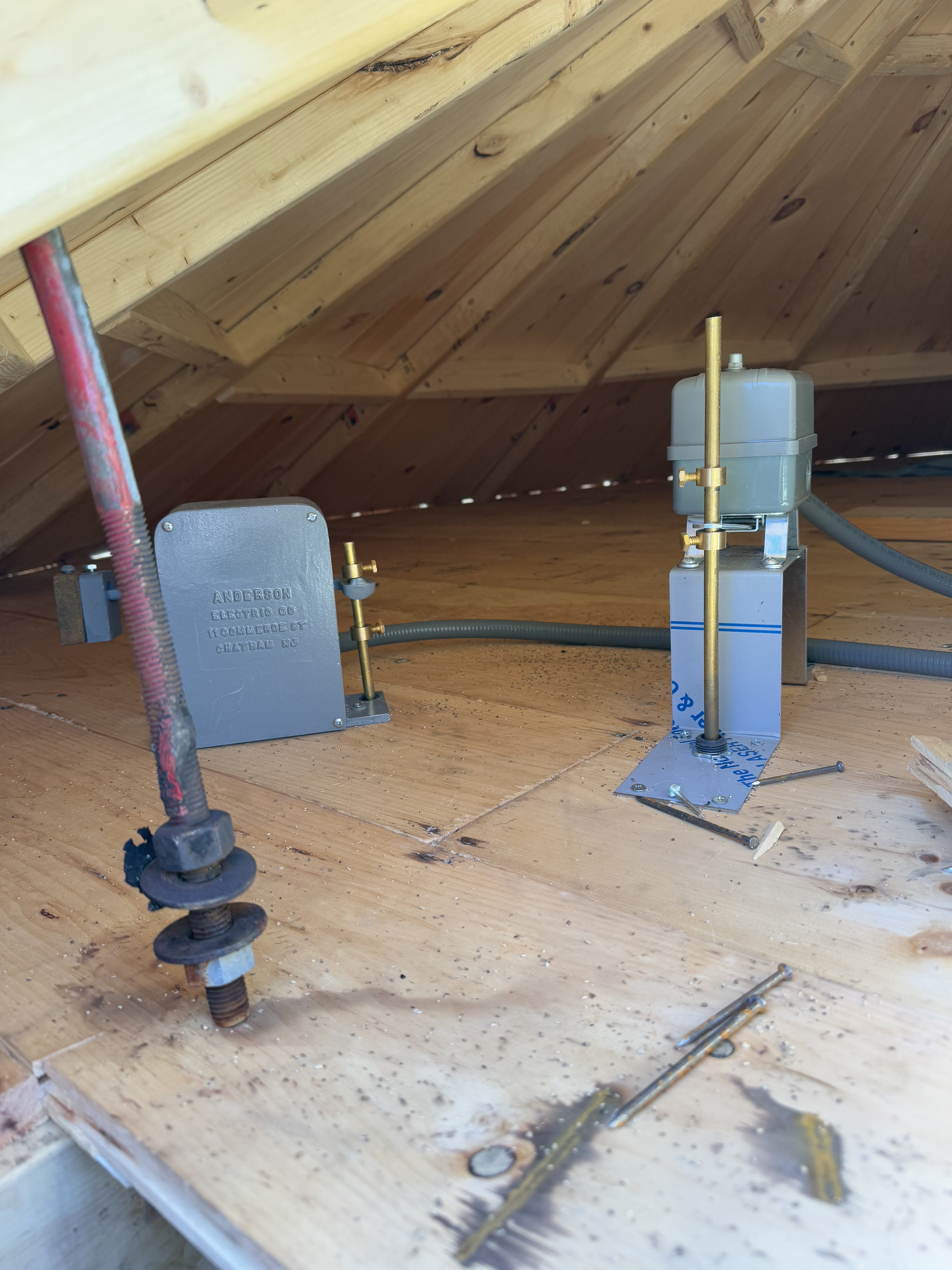
@ChrisJ The float ball with the angled rod is on a fill valve like this. If I recall the riser up to it is 2". The vertical one goes up to a level switch for fill or high/low alarm. Attached a good photo from a different tank of some of those switches.
@leonz any time you see float balls and rods for rooftanks or sewage pits in the city, they're almost always 8"
 1
1 -
I am pretty sure that that was the size of the float balls in the hot water tank and wax tank at his car wash as I had to run over to the plumbing supply house to buy a replacement float ball for him.
0 -
Similar to the valves and floats used on water towers although probably larger.
0





Categories
- All Categories
- 87.6K THE MAIN WALL
- 3.3K A-C, Heat Pumps & Refrigeration
- 59 Biomass
- 430 Carbon Monoxide Awareness
- 125 Chimneys & Flues
- 2.2K Domestic Hot Water
- 5.9K Gas Heating
- 121 Geothermal
- 170 Indoor-Air Quality
- 3.8K Oil Heating
- 78 Pipe Deterioration
- 1K Plumbing
- 6.6K Radiant Heating
- 396 Solar
- 16K Strictly Steam
- 3.5K Thermostats and Controls
- 56 Water Quality
- 51 Industry Classes
- 51 Job Opportunities
- 18 Recall Announcements