Cutting a concrete radiant slab

I'm adding a bath to the read of my shop space to create an ADU.
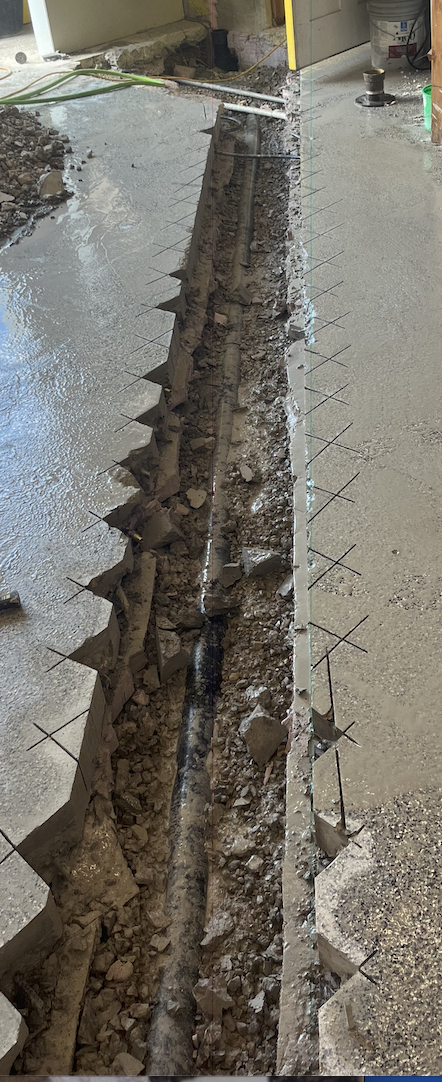
Unfortunately I needed to cut a utility trench through a slab that is only a few years old.
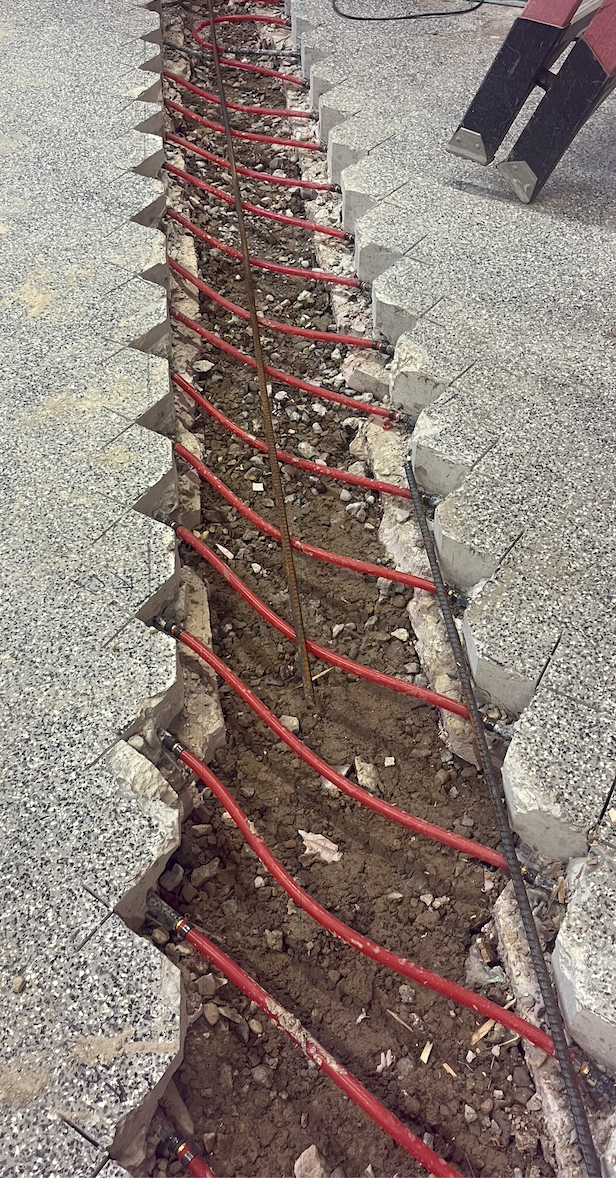
I do want to retain the radiant heat so I came up with a method to re-attach the cut loops.
The loops are 6" OC so it required a number of couplings, and some concrete sawing.
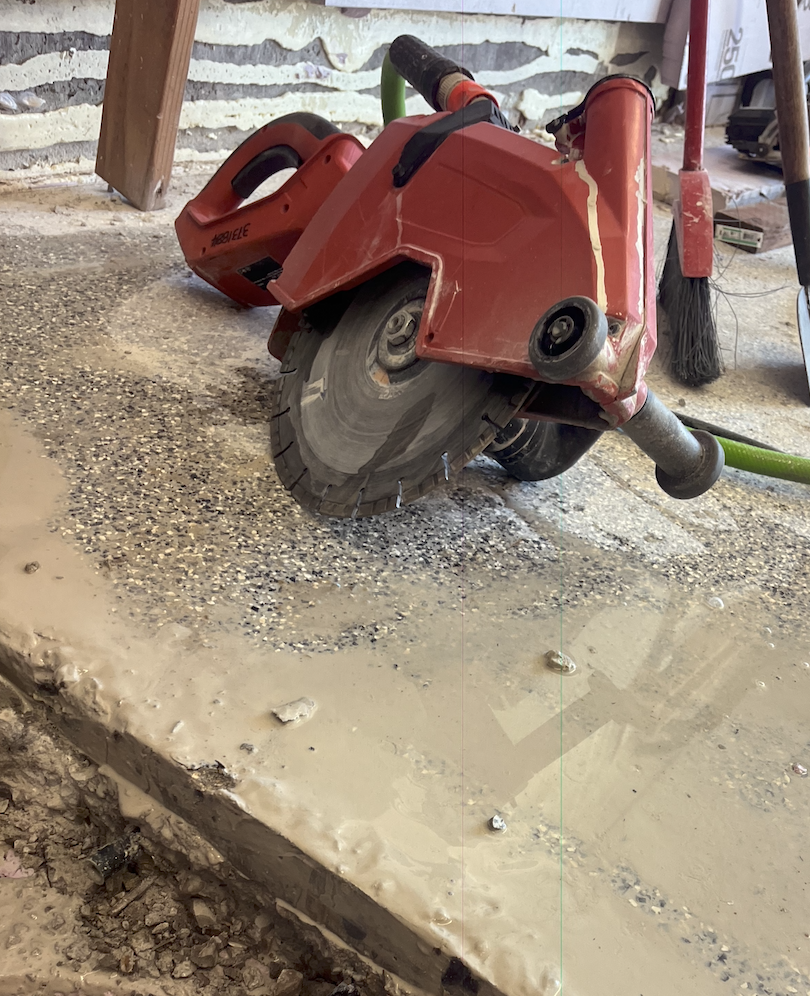
These 12" electric hand concrete saws work amazingly well. I used a gas powered walk behind sam for them long cuts. The hand saw was just as fast to cut, actually.
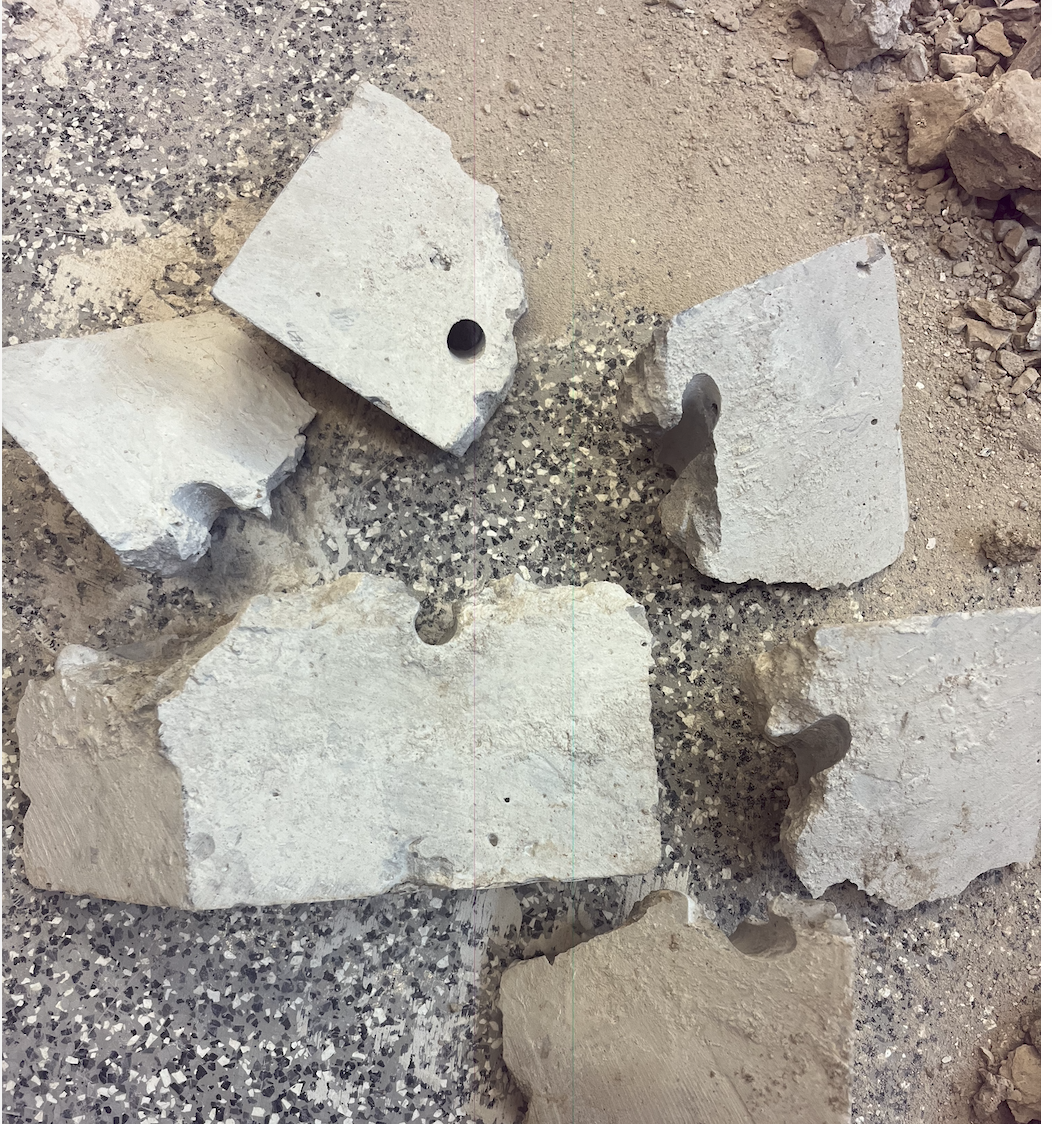
I used the wet saw to cut parallel to the loops first. Then a cut across the tube about 1-1-2" deep. The piece came out easily with a chisel. Luckily concrete doesn't stick to pex, so the tube was undamaged to reconnect. This provided just enough room to get a crimp tool around the tube.
I can slide some insulation below the tubes, some rebar to keep the pour stable.
trainer for Caleffi NA
Living the hydronic dream


Comments
-
Looks like a LOT of work.
No pressure test needed LOL!!!

 3
3 -
My back and knees are hurting just looking at your project. Unusual cuts in the slab.
Are you at all concerned with not being able to re-tamp the soil and stone under the new pex? Do you plan on "connecting" the two slabs with rebar before pouring your new concrete?
As usual with your projects, there will be no corners cut. Thank you for sharing the photos.
1 -
Maybe its the pic but those pex lines look pretty deep in the slab. Looks like they are on the bottom of the slab.
0 -
I would have trusted Uponor’s joining method more than crimp rings. Also, less pressure drop when you add up all those splices, no?
8.33 lbs./gal. x 60 min./hr. x 20°ΔT = 10,000 BTU's/hour
Two btu per sq ft for degree difference for a slab0 -
I thought I had done a better job of suspending the mesh on 2” foam blocks You learn a lot when you cut into a slab 🫢
It is 6” oc, and I run constant circulation, and ODR, so it maintains an even room temperature
Bob "hot rod" Rohr
trainer for Caleffi NA
Living the hydronic dream0 -
I did get to un disturbed ground to put in the sewer line, I wet the back fill to help settle it
Not a bad idea to pin it across with some rebar drilled into both sides
Bob "hot rod" Rohr
trainer for Caleffi NA
Living the hydronic dream1 -
The black pex is Viega B pex, I didn’t want to expand that
I looked for a crimp x expansion coupling as the red pex is Mr Pex, A pex
Bob "hot rod" Rohr
trainer for Caleffi NA
Living the hydronic dream 1
1 -
Wow. Just…Wow.
0 -
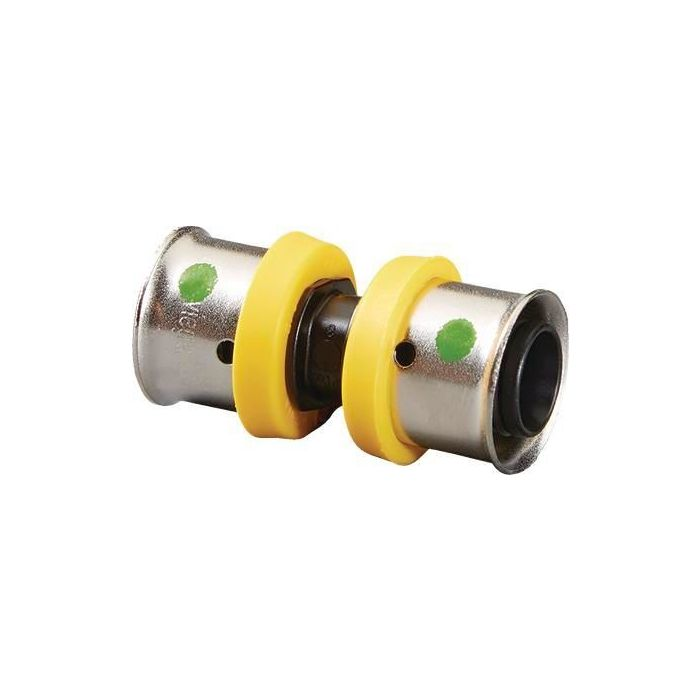
I like these Viega PureFlow couplings for non-PEX A tubing. (Thank you @kcopp.)
 8.33 lbs./gal. x 60 min./hr. x 20°ΔT = 10,000 BTU's/hour
Two btu per sq ft for degree difference for a slab 2
2 -
Hat off to you @hot_rod!
I don’t have your experience with or appetite for cutting into a hydronic floor assembly like that.
I think I’d gone for a macerator pit with pump to route the waste line over the or around the living space. Could you have routed the sewer in trench around foundation?1 -
I looked st sll the options fir routing and the line does run to an ejector pump located in the shop that is connected to this space . I looked at an over the top product also, but height is tight.
The cutting was easier than I thought, took about an hour and 1/2
Splicing and crimping took a lot longer
It was as much about the challenge as the destination.
Loop flow is under 1/2 gpm, so the 80 couplings are not too much of a restriction to flow
Bob "hot rod" Rohr
trainer for Caleffi NA
Living the hydronic dream1 -
Around here 12" spacing seems to be common.
I have a bathroom add on to do, ideally would be able to bust the floor up to run piping, as I'm limited on height, but likely will do a false floor.
0 -
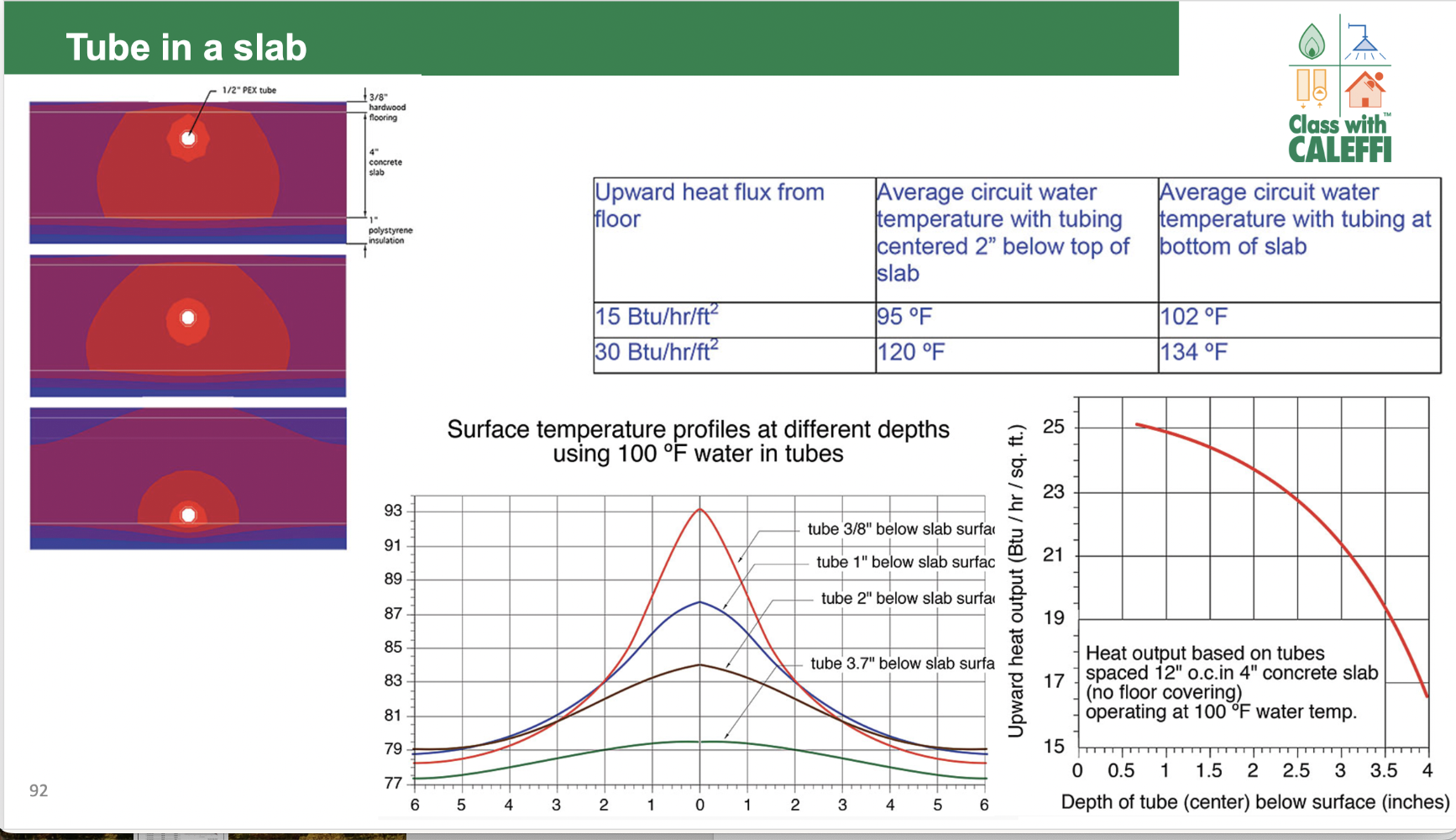
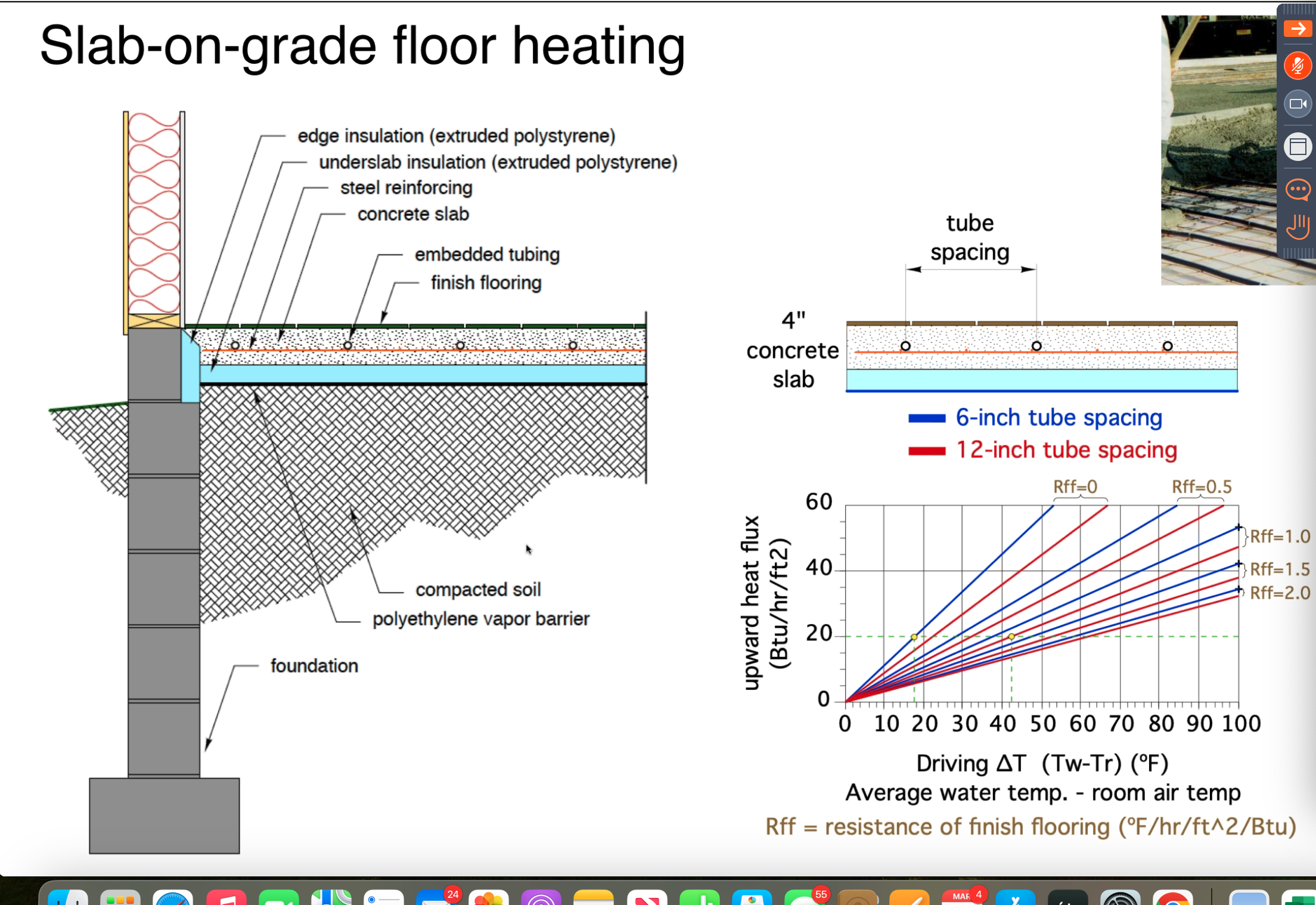
The closer spacing give you more consistent slab temperature, good for baths to use 6". You feel a wide temperature spread wit 12" min bare feet.
It also gives you higher btu/ ft output, quickens response and allows for lowest supply temperature. I run an A2WHP so low temperatures drive the HP efficiency up.
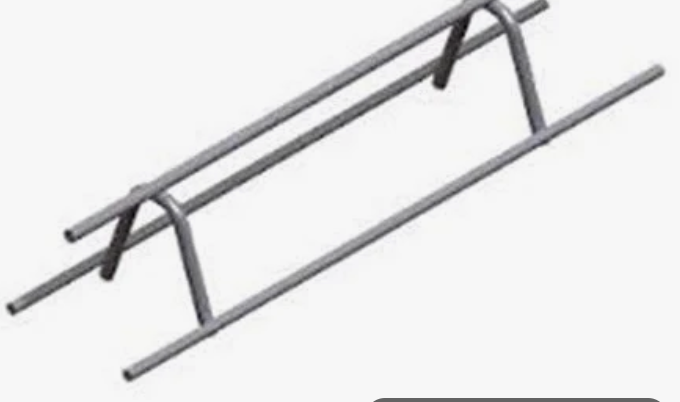
The depth of the tube matters also. I had thought I did a better job getting the tube 2" below by raising the mesh on foam blocks. You really need to use continuous bar chairs every 2' to assure the mesh stays up into the pour. That adds a lot of steel cost.
Tube 6" OC and into the slab can drop your supply 10 degrees or more. See below charts.
For my own slabs I always do 6" oc. It can be done with 1/2" pex if you light bulb the ends.
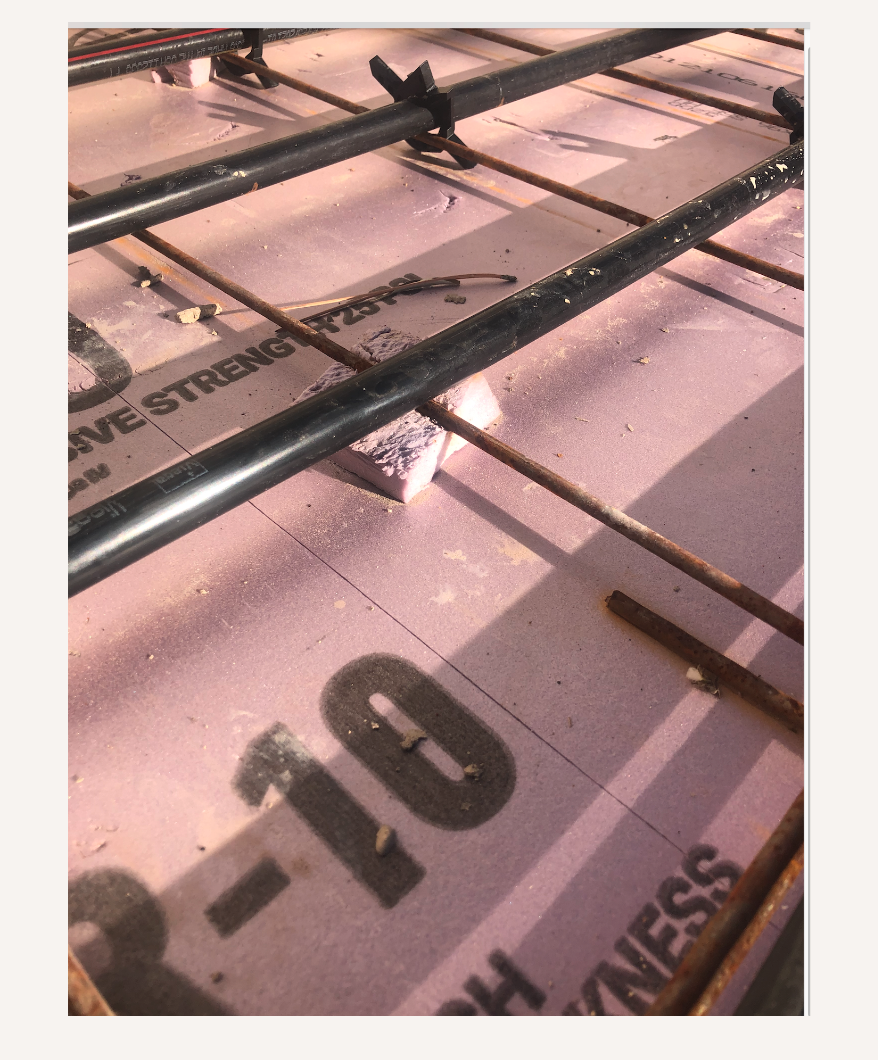
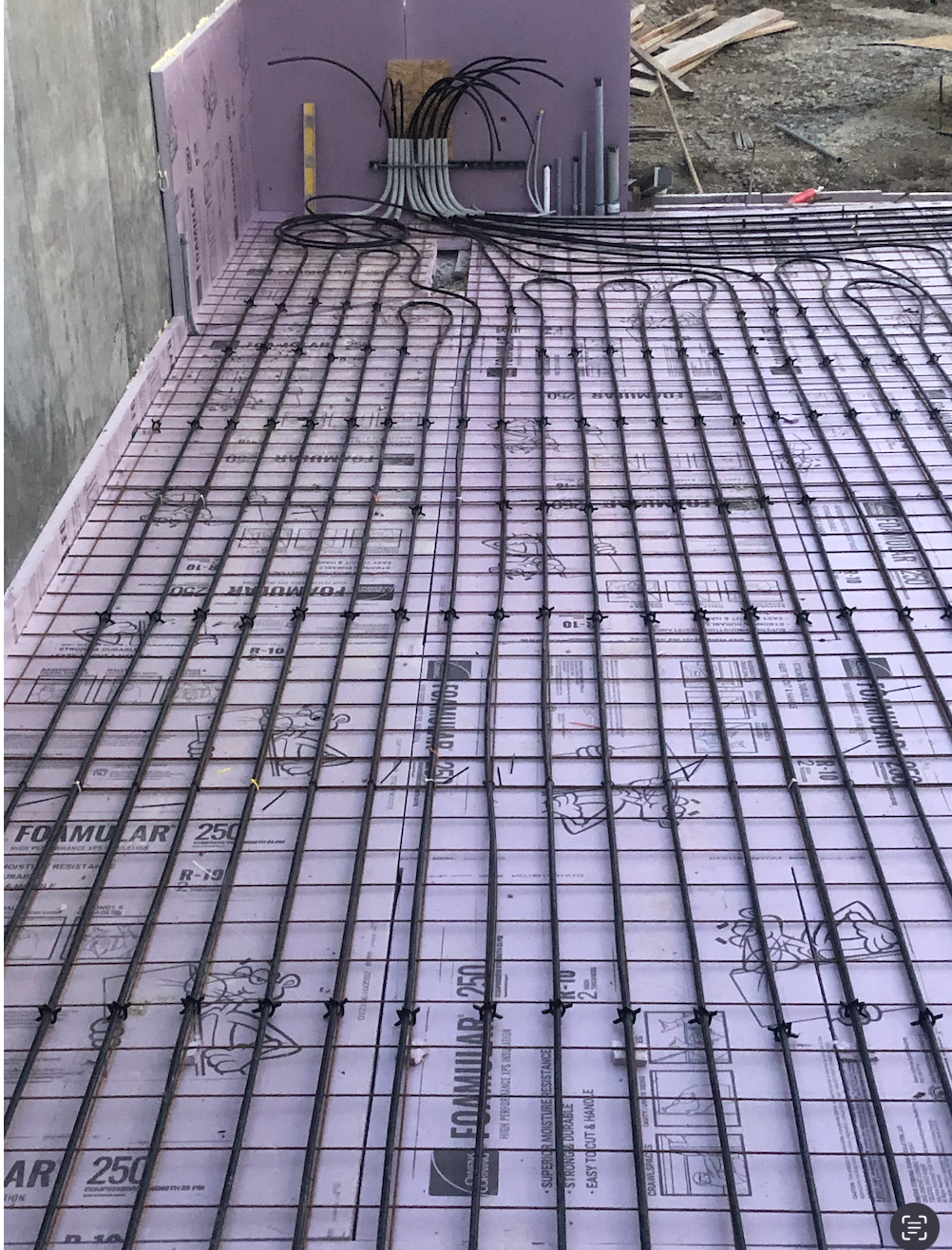
This slab as poured several years ago.
Bob "hot rod" Rohr
trainer for Caleffi NA
Living the hydronic dream1 -
wow, 1.5 hr is not bad; hauling it away probably took that long.
If i did that many joints, 1/3rd would leak! 🤣
1 -
I sure hope you wrapped those brass couplings and copper rings with something to keep the concrete off of them….. Even electrical tape does wonders, but I switched to poly couplings and SS collars a few years ago after repairing a few of my old repairs that were not wrapped. And still wrap those joints.
0


Categories
- All Categories
- 87.6K THE MAIN WALL
- 3.3K A-C, Heat Pumps & Refrigeration
- 59 Biomass
- 430 Carbon Monoxide Awareness
- 124 Chimneys & Flues
- 2.2K Domestic Hot Water
- 5.9K Gas Heating
- 120 Geothermal
- 168 Indoor-Air Quality
- 3.8K Oil Heating
- 78 Pipe Deterioration
- 1K Plumbing
- 6.6K Radiant Heating
- 396 Solar
- 16K Strictly Steam
- 3.5K Thermostats and Controls
- 56 Water Quality
- 51 Industry Classes
- 51 Job Opportunities
- 18 Recall Announcements