Exterior insulation on foundation wall
Hey gang—
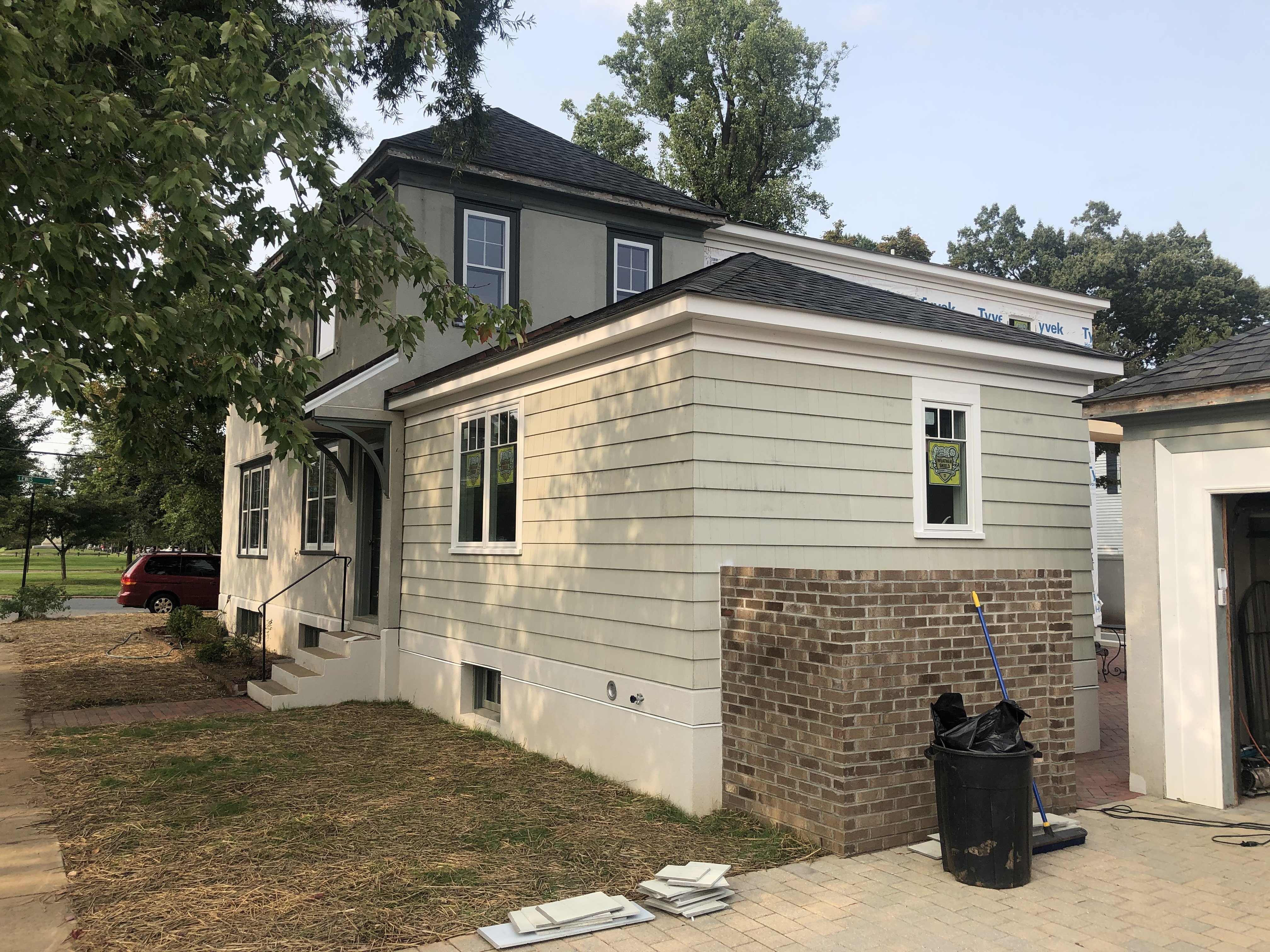
Has anyone been involved with exterior insulation (probably 2” poly-iso panels) on a new foundation (in this case on an addition)?
Here in NJ they just like to insulate in the first floor joists, but I’d rather consider the basement to be my building envelope and keep the heat inside even though the basement is unfinished.
I think I can get the contractor to do it, but they are hesitant to have it on the top 4 above-grade courses, which in my mind are the most important ones.
I have read you can put cement board then mortar/stucco over that to cover the foam board.
Has anyone done exterior foundation insulation? Thanks!
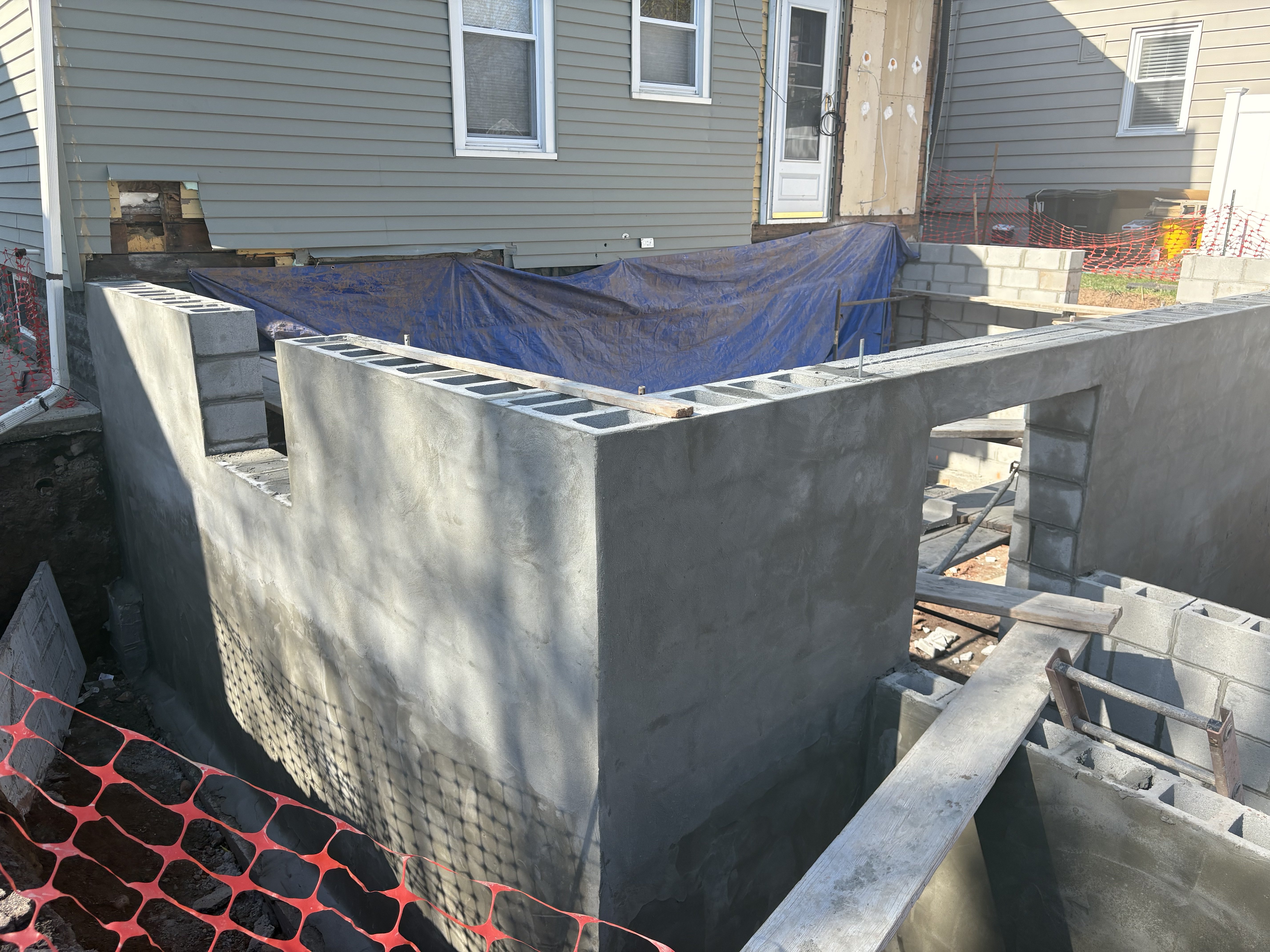
(they just put the “plaster” layer of mortar over the blocks yesterday. Next is the sealant I’m told)
NJ Steam Homeowner.
See my sight glass boiler videos:
https://bit.ly/3sZW1el
Comments
-
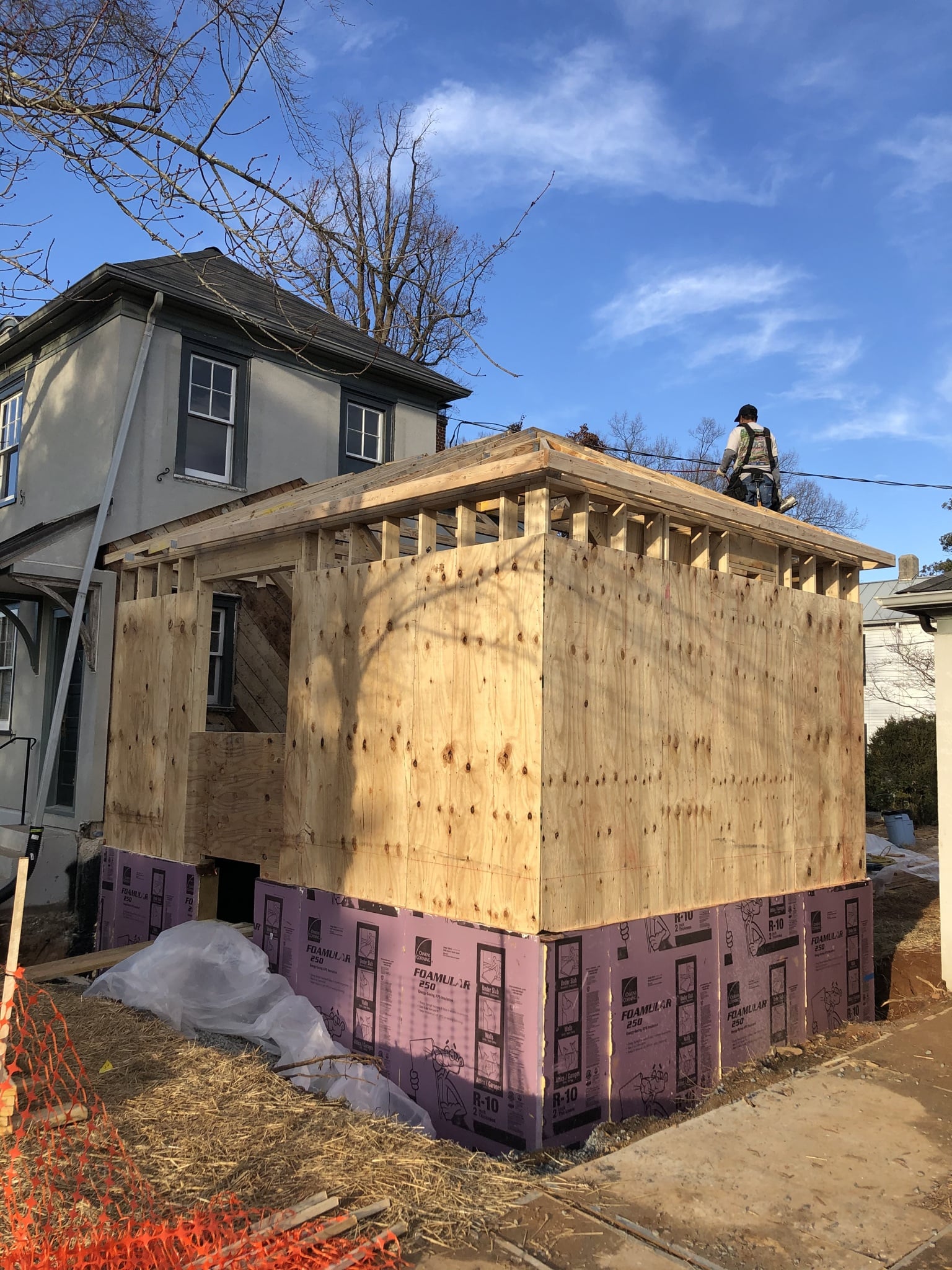
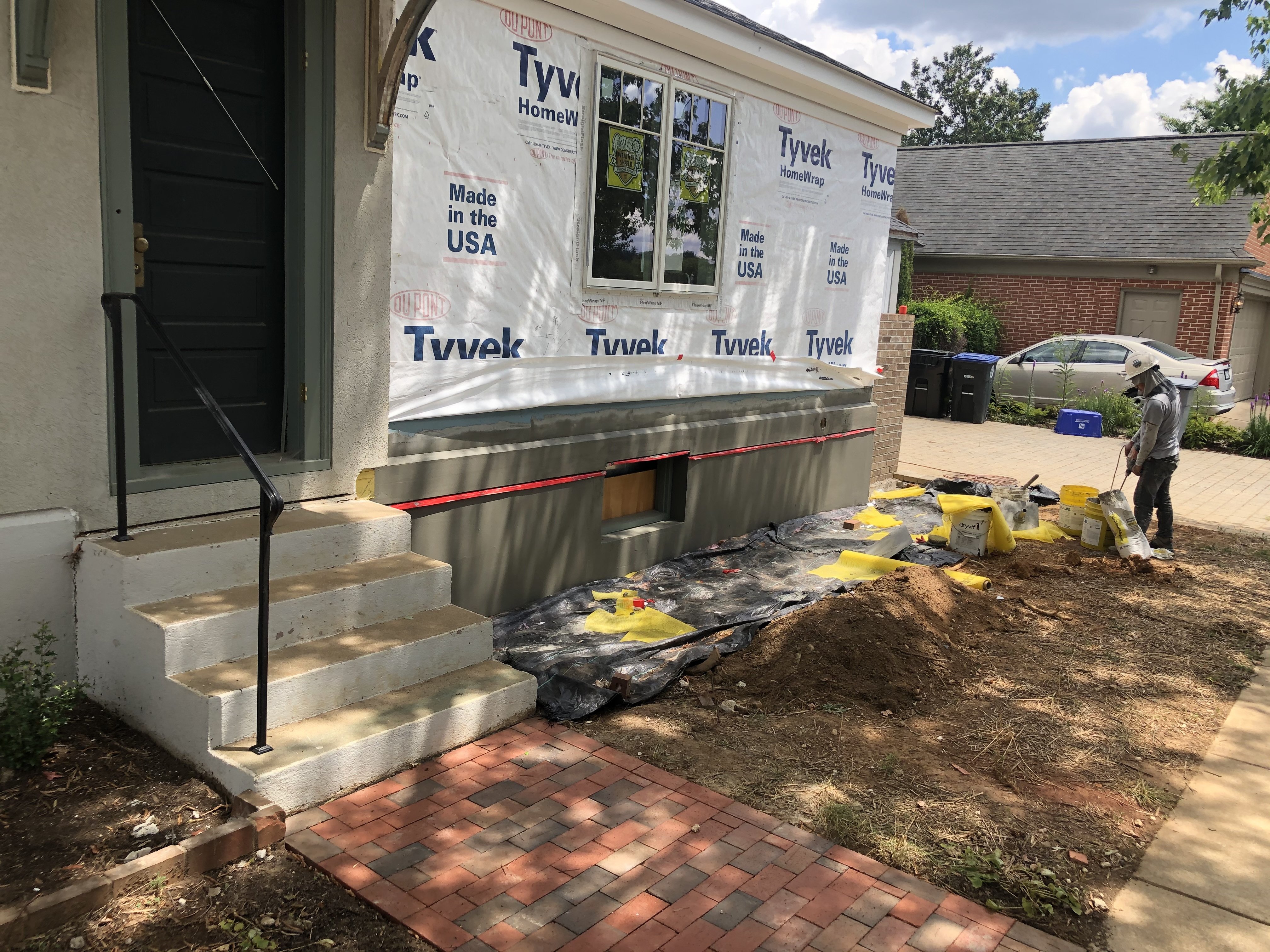
I used 2” XPS screwed to top plate with foam adhesive to attach to foundation. It’s important to plan ahead on how to the transition from foam to the siding, especially the flashing

 4
4 -
i'd cover it in stucco.
you have to coordinate the wall assembly so it doesn't stick out beyond it
make sure all f it is sealed up against rodents, the foam is capped with masonry so they can't burrow and tunnel up through it, the interface between the top of it and the bottom of the siding is all sealed off so rodents can't climb under the siding because they can climb up the masonry
 2
2 -
thanks @PC7060 and @mattmia2 that is perfect and exactly what I was looking for.
I will have to do a sloped transition near the sill plate I think in order to not have to get into modifying the framed part.
It blows my mind that contractors here (at least mind) have never heard of this
NJ Steam Homeowner.
See my sight glass boiler videos: https://bit.ly/3sZW1el0 -
Hi, I did something similar building my house. in California, termites are a concern with foam, so termite shielding and good flashing above the foam are essential. I just bought copper sheet and had it bent to form that flashing, so will never need to worry about replacement. Getting the copper sheet metal cost less than getting preformed galvanized back then. 😊
Yours, Larry
 2
2 -
i'm guessing back then was a while ago. galvanized steel is pretty pricy now but copper might double the cost of the addition
0 -
Hi, Back then was a bit over 20 years. Still, having the copper bent by the hour made it cost a lot less than buying preformed. Couldn't hurt to see what prices are now. 🤔
Yours, Larry
0 -
Thanks for sharing your experience @Larry Weingarten!
my contractor is now telling me that 2” of foam doesn’t do what I think it does?
I appreciate you doing the research, I really do. But the exterior foam on the foundation wall is not a solid thermal strategy. Its only job is protecting the waterproofing membrane from backfill damage. The Building Science Corporation, which is the gold standard on this, is clear that exterior foundation insulation is not the right approach for thermal performance.
By what magic is heat able to pass through foam as if it’s not there? Am I missing something?
NJ Steam Homeowner.
See my sight glass boiler videos: https://bit.ly/3sZW1el2 -
Hi, From Building Science:
Yours, Larry
2 -
That sounds absurd
2 -
no, that is where most of the loss is from the foundation and basement, it is far more important there than below ground or in the floor….
1 -
In a stick framed house, a common myth is you can have a the basement as unconditioned space. There is no such thing, living space is near impossible to isolate from the basement. You are on the right path with your plan.
I've read a lot of BSI over the years. I'm 100% sure, they never said that exterior rigid insulation doesn't work. They even show it here:
Exterior rigid is somewhat common around me, box stores even sold a grooved version for a while so you could get drainage and insulation in one product. The bonus of exterior rigid over interior is that it doesn't need any protection so you can skip the interior framing/drywall until you
You don't want polyiso though as it can absorb water over time, XPS is really the best product here.
Another thing that can greatly help with thermal comfort is air sealing between the foundation and framing. The simplest is tape the two together. Siga Fentrim is the ultimate for this as it sticks like crazy, 3m 8067 flashing tape also works pretty well. Both tapes need to be rolled with a small J roller for proper adhesion. Taping all the seams of the plywood on the framing is also a great DIY job that makes a big difference on energy use.
Hard to tell from the pictures, but a another common mistake a lot of contractors make is putting the foundation drain on top of the footing. This doesn't work as it means water level needs to go above the interior slab before it will drain. Foundation drains need to be put BESIDE the footer. Also make sure they put in the sub slab vapor barrier.
 4
4 -
Thanks very much @Kaos. Everything you said makes perfect sense. I will continue to gently promote my exterior insulation desire to them. It's totally on me that I didn't see it missing on the plans, but I am not familiar with looking at them so there are things I miss.
They are putting the drains beside the footer I believe and will keep an eye on that—that detail is not on the plans.
I am right there with you about the building envelope especially with my 212 degree boiler in the basement—I hate losing that heat to the walls.
NJ Steam Homeowner.
See my sight glass boiler videos: https://bit.ly/3sZW1el0 -
does the energy code apply in your jurisdiction? what does it require?
0 -
there is something called rescheck, yes. I’m not familiar with it myself but I’ve been told it is 2x6 framing insulated, and the basement walls can be uninsulated as long as the joists are insulated. Plus sill insulation.
NJ Steam Homeowner.
See my sight glass boiler videos: https://bit.ly/3sZW1el0 -
normally it is a separate code for commercial work and a section of the residential code for residential work, you can look at the code online because code books now have to be public. you need to figure out what code your jurisdiction is using if any.
1 -
Isn't that why he hired people to handle this for him?
Single pipe 392sqft system with an EG-40 rated for 325sqft and it's silent and balanced at all times.
0 -
in theory.
2 -
Insulation?
My only question is are you going to heat the addition with steam with a condensate pump???😊😎
1 -
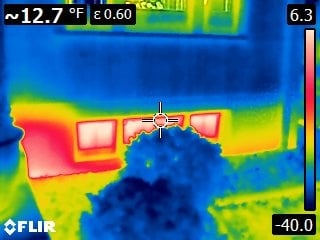
@ethicalpaul - if the exterior insulation doesn’t pan out with the GC, you can always apply to interior walls. I used exposure rated DuPont gray board on the interior of the original basement. Went up quickly and made significant difference.
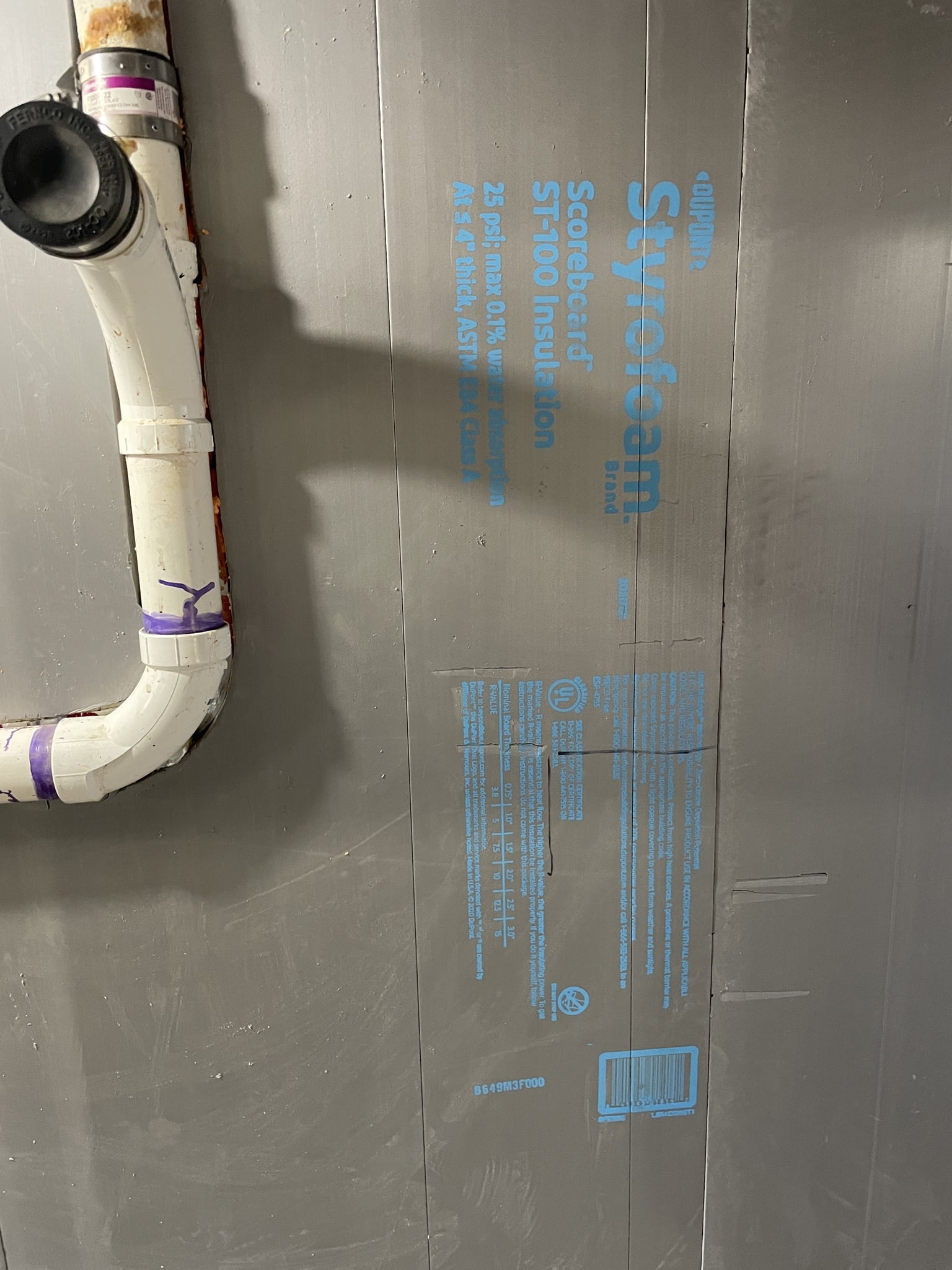
The FLIR image give good before (left) and after (right) of the 1.5” R7.5 panel
 1
1 -
hah, not too likely! Even with the addition, this house works fine with gravity return.
It’s not the return that takes time, it’s the outward flow! I’d love to see a system that actually runs out of water.
NJ Steam Homeowner.
See my sight glass boiler videos: https://bit.ly/3sZW1el0 -
yes that’s probably what I’d do, thanks!
NJ Steam Homeowner.
See my sight glass boiler videos: https://bit.ly/3sZW1el0 -
there are all sorts of trims to do the detail where the stucco is proud of the upper wall.
But I'd prefer it on the inside. Termites and some ants bore into foam.
The foam from around my foundation in Missouri.
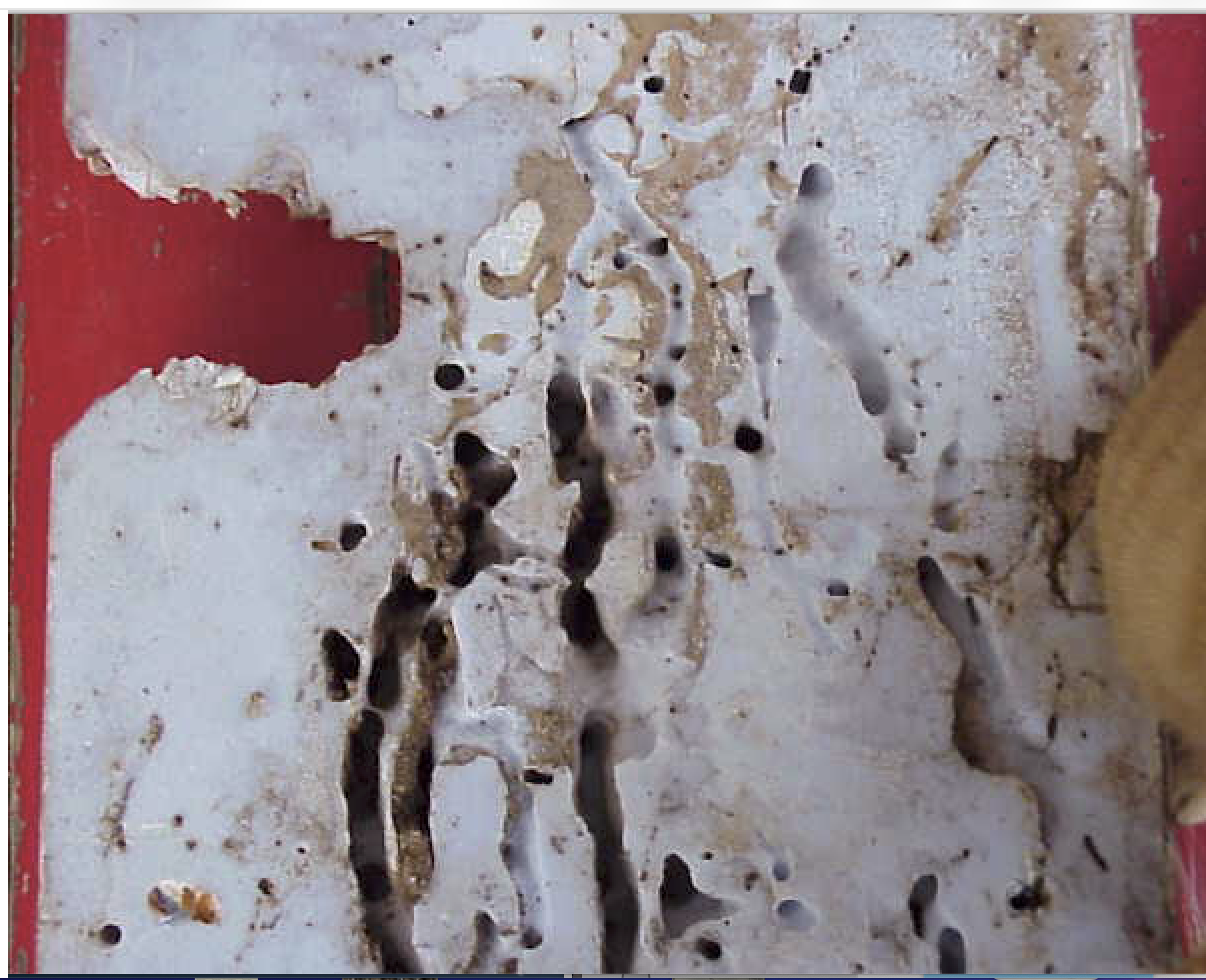
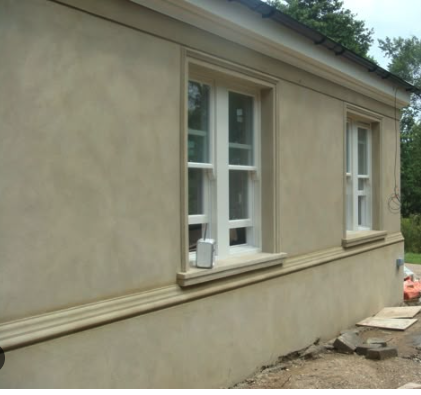
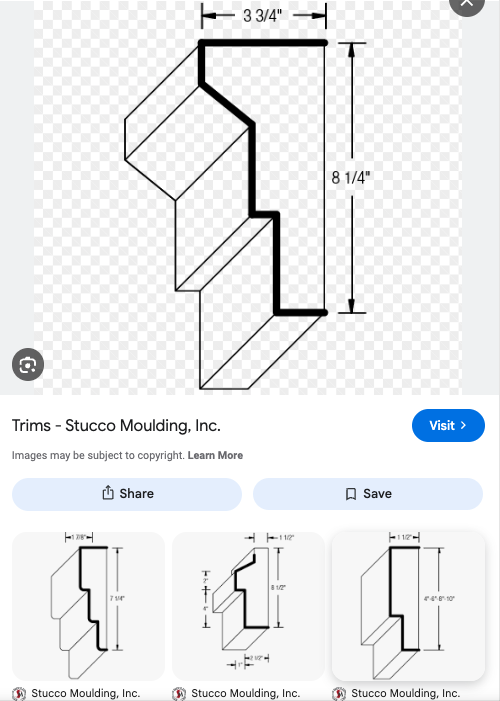 Bob "hot rod" Rohr
trainer for Caleffi NA
Living the hydronic dream1 -
If your jurisdiction uses a modern version of the IRC, the energy code is incorporated in it.
I would start with finding out what the inspector is going to want. You don't want to be having to do it over.
Recent versions of the code require testing for air-tightness. Here in DC that is enforced, a lot of builders get burned when they don't do a blower door test until they're almost done. It's much harder to air-seal a finished building than to do it as you go during construction.
Modern codes require insulation on all six sides of a building.
1 -
i intentionally didn't get in to this and I haven't checked recently, but for something like the last decade there was some lawsuit that prevented enforcement of the energy portion of the code in michigan.
1 -
I called the town inspector first actually to find out if there were requirements that the foundation be insulated. "Uninterested" was how I would gauge his response. He basically said that's between me and my designer and my contractor since what was submitted on the plans had already been approved.
I'm late to learn that the energy codes in my jurisdiction aren't as strict as I thought they were. Plus this is just an addition, not new construction so I think there is some reduction in requirements there.
I'm going to ask my architect if he will specify this, to include the 2" on the exterior of the framing as well. Hello change charges!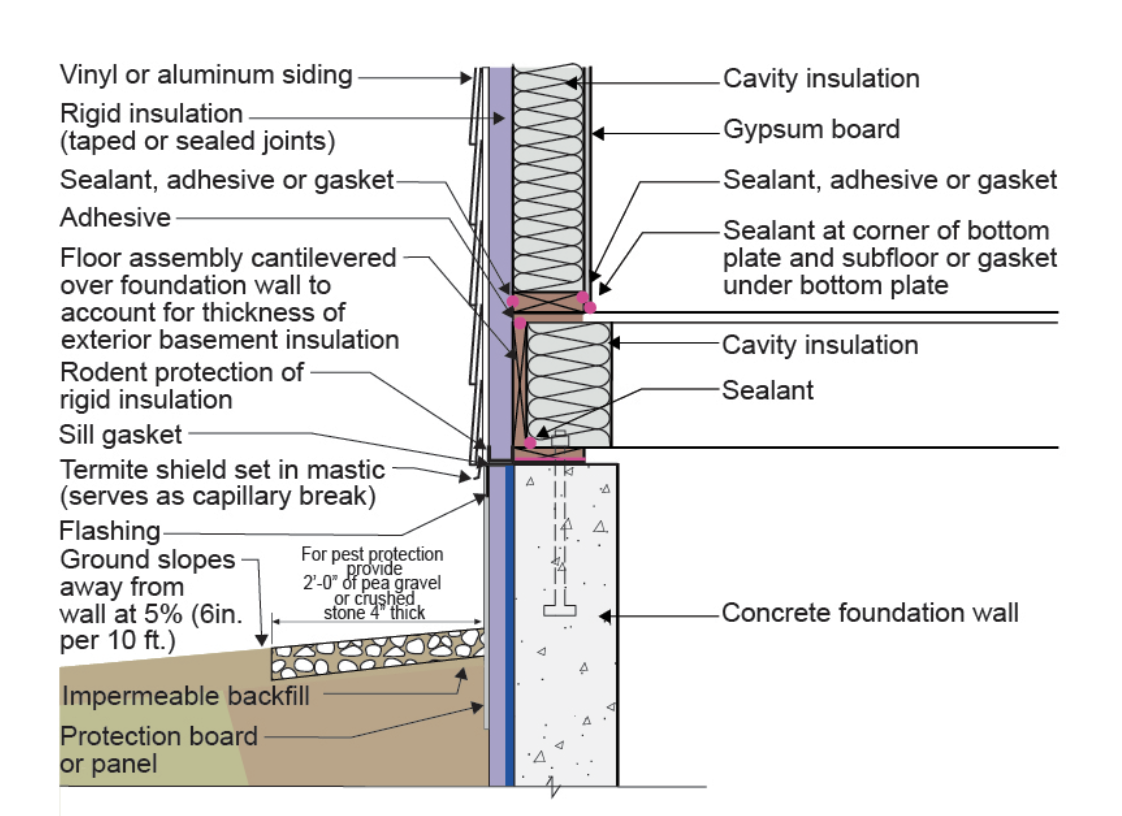
NJ Steam Homeowner.
See my sight glass boiler videos: https://bit.ly/3sZW1el0 -
I haven't looked at it in a while but I seem to remember a lot of ambiguity to when the model code applied to changes vs new construction.
1 -
New Jersey is split between climate zones 4 and 5.
In climate zone 4, the IECC requires either R10 continuous or R13 non-continuous.
In climate zone 5, the IECC requires either R15 continuous or R19 non-continuous or R5 continuous plus R-13 non-continuous.
2" of polyiso is R12. But it's not rated for exterior exposure or ground contact. XPS, the blue solid styrofoam, often sold under the Dow brand, is R5 per inch. EPS, the pebbly styrofoam, is R4 per inch.
If you're using faced polyiso for the above-ground portion of your continuous insulation, the interior insulation should not have a vapor barrier so it can dry to the interior if needed.
0 -
isn't extruded polystyrene more or less impermeable to moisture?
1 -
Yes.
Polyiso (which is what the OP said in his first post) is not, it soaks up water and loses insulation value. Polyiso has a higher r-value per inch so you want to use it where you can.
0 -
yeah sorry. In my (non-construction) experience with polyiso, (we used to call it iso-poly), it was closed cell.
But I was just thinking of that 2” rigid blue or pink stuff like they have at home depot
NJ Steam Homeowner.
See my sight glass boiler videos: https://bit.ly/3sZW1el0 -
-
If your permit shows no insulation, you don't need to put any. Any amount of insulation is better than zero, so I would not sweat meeting any code.
Exterior rigid on walls only make sense in areas where it is code and contractors are familiar with it. If that is not the case, the cost increase will be very steep (think trying to convince an old boiler guys to install a HPWH).
Instead of exterior rigid on the walls, your best bet (if the contractor is a bit flexible and you can source it) is Zip R. You can get the R9 panel which is 2" and can be nailed up with standard 3 1/2 framing nails.
Overall, your path of least resistance is what @PC7060 suggested. Keep the framing as is, glue up exposure rated rigid (ie Dow Thermax) on the inside and call it a day.
0



Categories
- All Categories
- 87.6K THE MAIN WALL
- 3.3K A-C, Heat Pumps & Refrigeration
- 59 Biomass
- 430 Carbon Monoxide Awareness
- 124 Chimneys & Flues
- 2.2K Domestic Hot Water
- 5.9K Gas Heating
- 120 Geothermal
- 168 Indoor-Air Quality
- 3.8K Oil Heating
- 78 Pipe Deterioration
- 1K Plumbing
- 6.6K Radiant Heating
- 394 Solar
- 16K Strictly Steam
- 3.5K Thermostats and Controls
- 56 Water Quality
- 51 Industry Classes
- 50 Job Opportunities
- 18 Recall Announcements