gas inlet piping

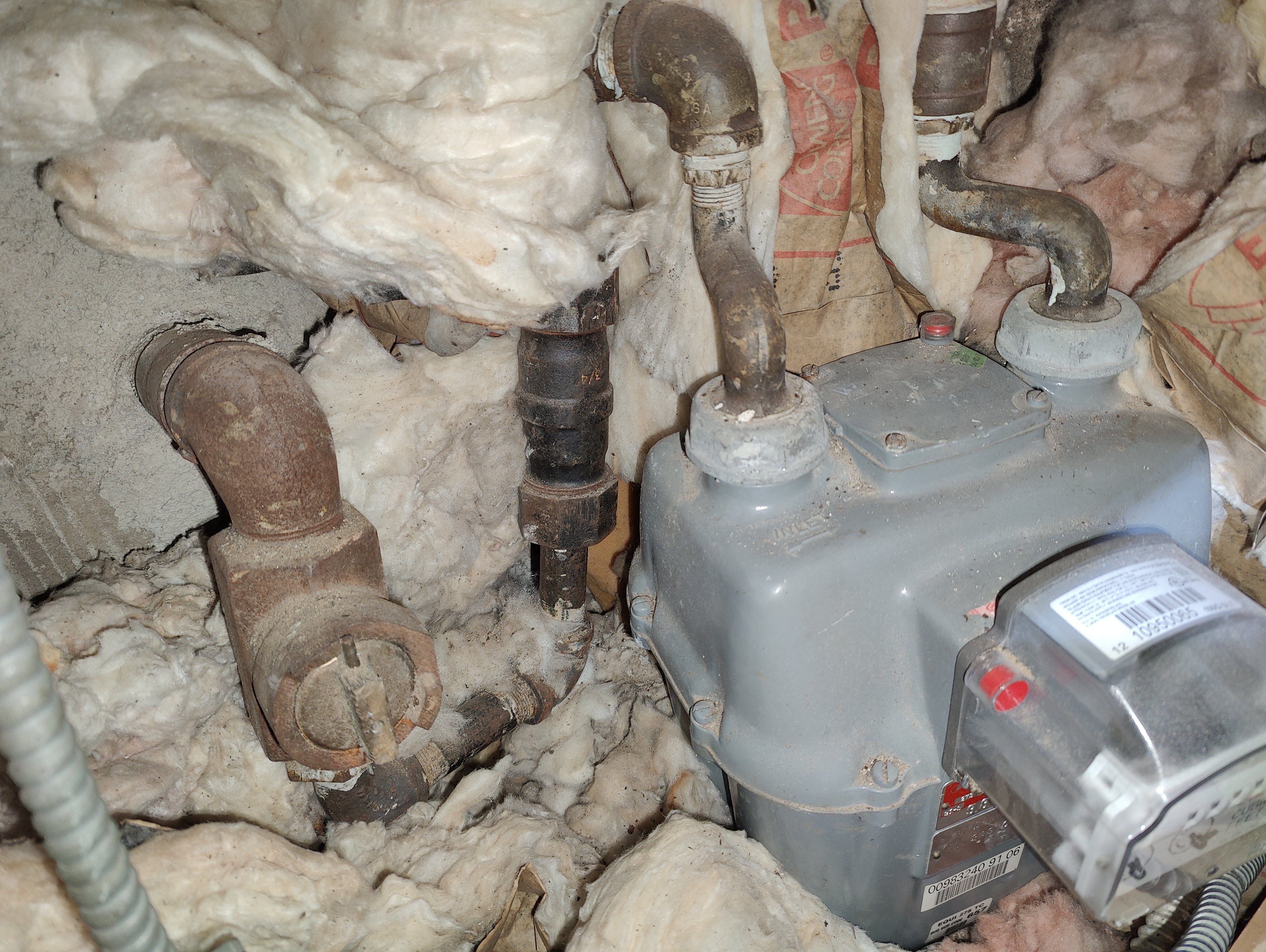
Hi, what does the material of the inlet piping look like?
The gas company told me it is cooper. so it's no longer in compliance, and therefore they need to replace it with a new plastic line
Comments
-
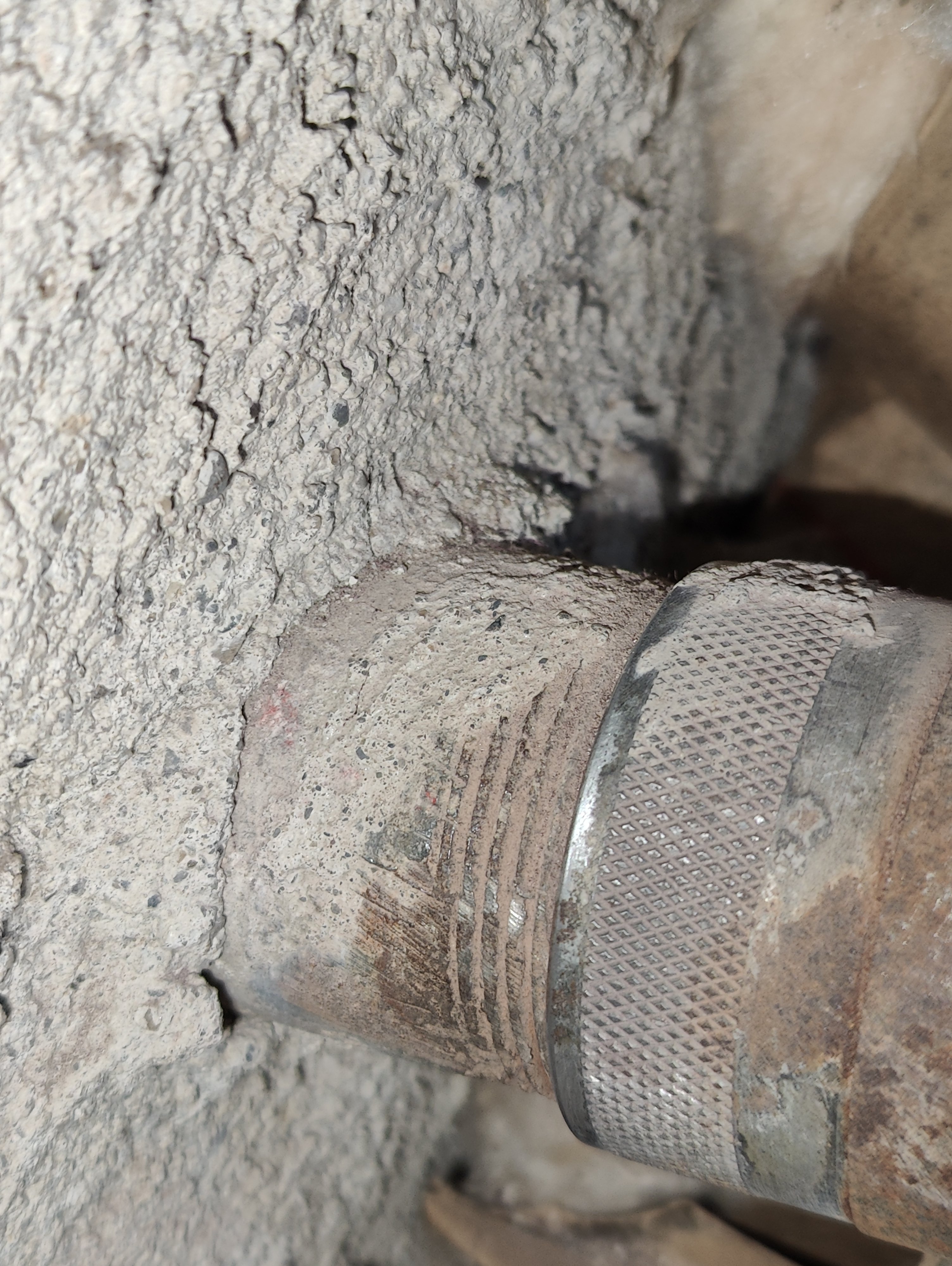
I don't see any copper there, it all looks like black iron pipe. The one fitting with the knurling looks odd though.
Are you sure they were talking about that piping specifically?
Single pipe 392sqft system with an EG-40 rated for 325sqft and it's silent and balanced at all times.
 1
1 -
There might be copper in the basement.
Eather way……. What the gas company wants the gas company gets!
0 -
a supervisor from their marketing who reviewed reconnection said, the pipe from the main to the meter is cooper, and should be replaced
0 -
she was talking about the inlet pipe specifically, and said the piping downstream after the meter does not need to be replaced
0 -
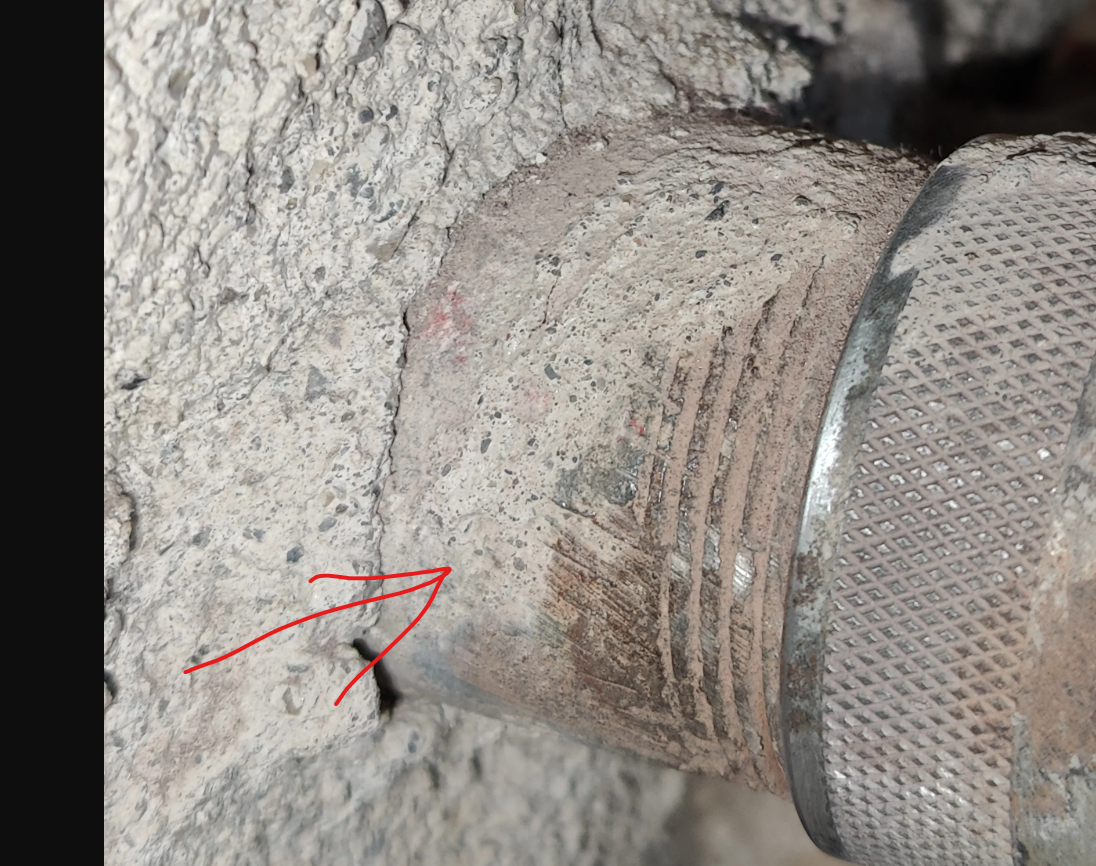
Is that funky knurled fitting a dielectric coupling?
Maybe that's a threaded copper pipe? Is there a such thing?
Does a magnet stick to this pipe? Other's that know more than me will chime in, but maybe this will help them. Perhaps they know something about your incoming line on the other side of that wall that you don't.
Single pipe 392sqft system with an EG-40 rated for 325sqft and it's silent and balanced at all times.
0 -
I believe they’re claiming the inlet to the meter is copper we don’t have a picture of that
0 -
cooper line changed to iron pipe just outside of the entrance?
not possible to snap a photo of the underground portion until the project starts and the front yard concrete is broken
if it turns out to be iron all along, this project would be a waste of money. installing a new header and the subsequent city inspection risks more compliance issues
0 -
uncoated black iron is no longer allowed underground but it was used for decades. are they paying to renew the service or you? might ask for an explanation from their engineering if they want you to pay for it.
@ChrisJ not sure what that fitting is but i've seen them a lot on gas services. might be a compression fitting.
0 -
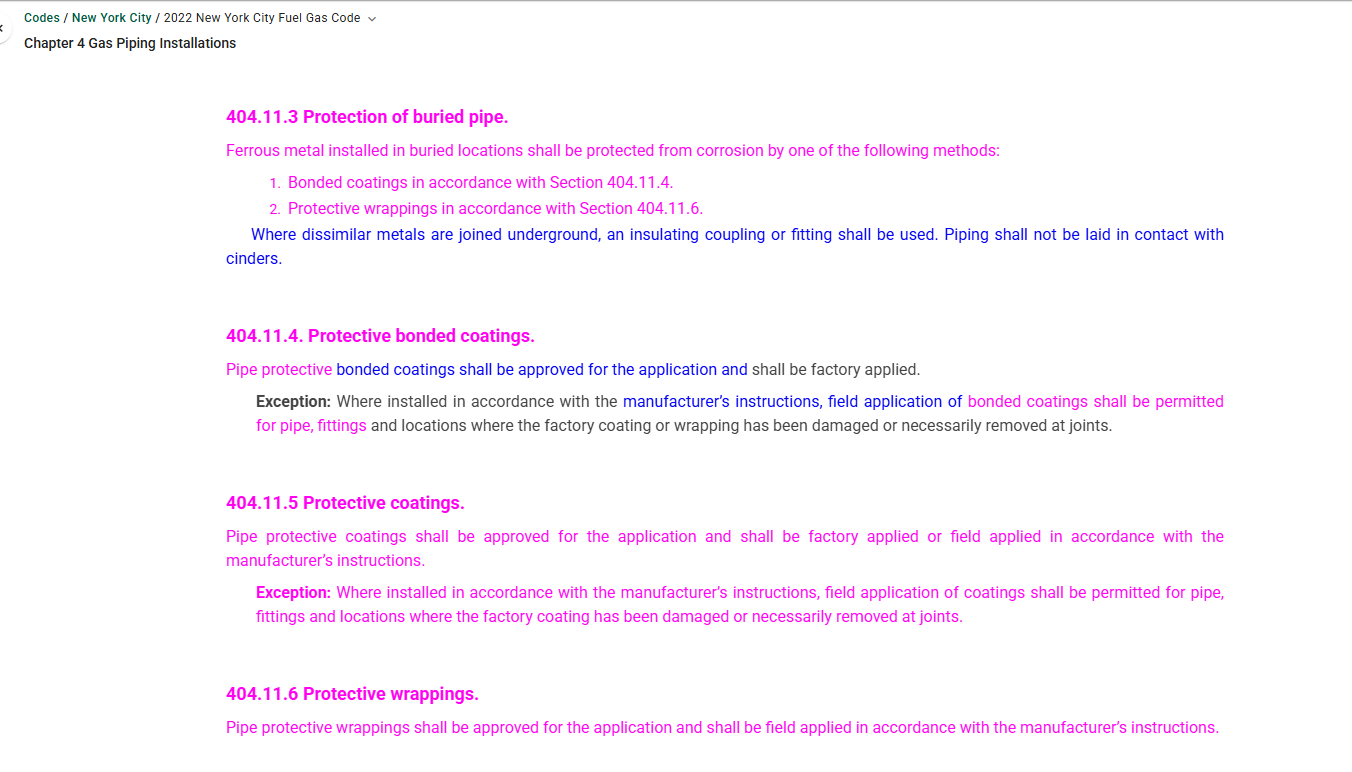
carbon steel or wrought iron is the permitted pipe material, as i checked the fuel gas code.
does the pipe in my photo look like carbon steel?
the gas company pays for all costs up to the point of entrance. Home owner pays for a plumber (for permit and new header installation). Not sure if the DOB inspector of the new header will bring about new headaches
0 -
black is fine inside the building. black underground must be coated now. in the past bare black iron was allowed. your service should be grandfathered unless there is some weird local regulation.
0 -
Single pipe 392sqft system with an EG-40 rated for 325sqft and it's silent and balanced at all times.
 1
1 -
she didn't mention anything about coating. she just said the existing pipe is copper and they cannot reconnect a copper pipe to their main
so they need to replace the inlet pipe with a plastic pipe. the plastic pipe supports up to 1.1 million btu
0 -
that sounds like underground piping.
here that’s your responsibility.Today it’s not that bad.
0 -
If it's polyethylene (plastic) it doesn't need a coating.
You need to follow their instructions and we can't see what's on the other side of your foundation but I have a feeling you need to have the work done regardless.
Single pipe 392sqft system with an EG-40 rated for 325sqft and it's silent and balanced at all times.
1 -
It's a wee bit cold out today.
Single pipe 392sqft system with an EG-40 rated for 325sqft and it's silent and balanced at all times.
0 -
not for Real Techs!🤣
 2
2 -
I'll take this over a 130F attic any day, but, it's not as nice as a 40f day.
Single pipe 392sqft system with an EG-40 rated for 325sqft and it's silent and balanced at all times.
 2
2 -
could you clarify?
the underground piping is the gas company's responsibility?
the new header is the home owner's responsibility?
0 -
Here the homeowner is responsible from the street shut off.
Each jurisdiction is different.
1 -
I see.
she told me the home owner only pays for beyond the point of entrance, i.e. installation of the header
how much do you estimate the cost including everything from the main?
here for a master plumber to pull license (for filling gas load letter and permit), it will start from $k
0 -
We don't discuss pricing. That's a regional issue.
0 -
another question is on the piping length.
the gas company told me the existing pipe is a 1” service that is 55’ in length according to their service records (so it's insufficient to carry the required load and need to be replaced with a new line)
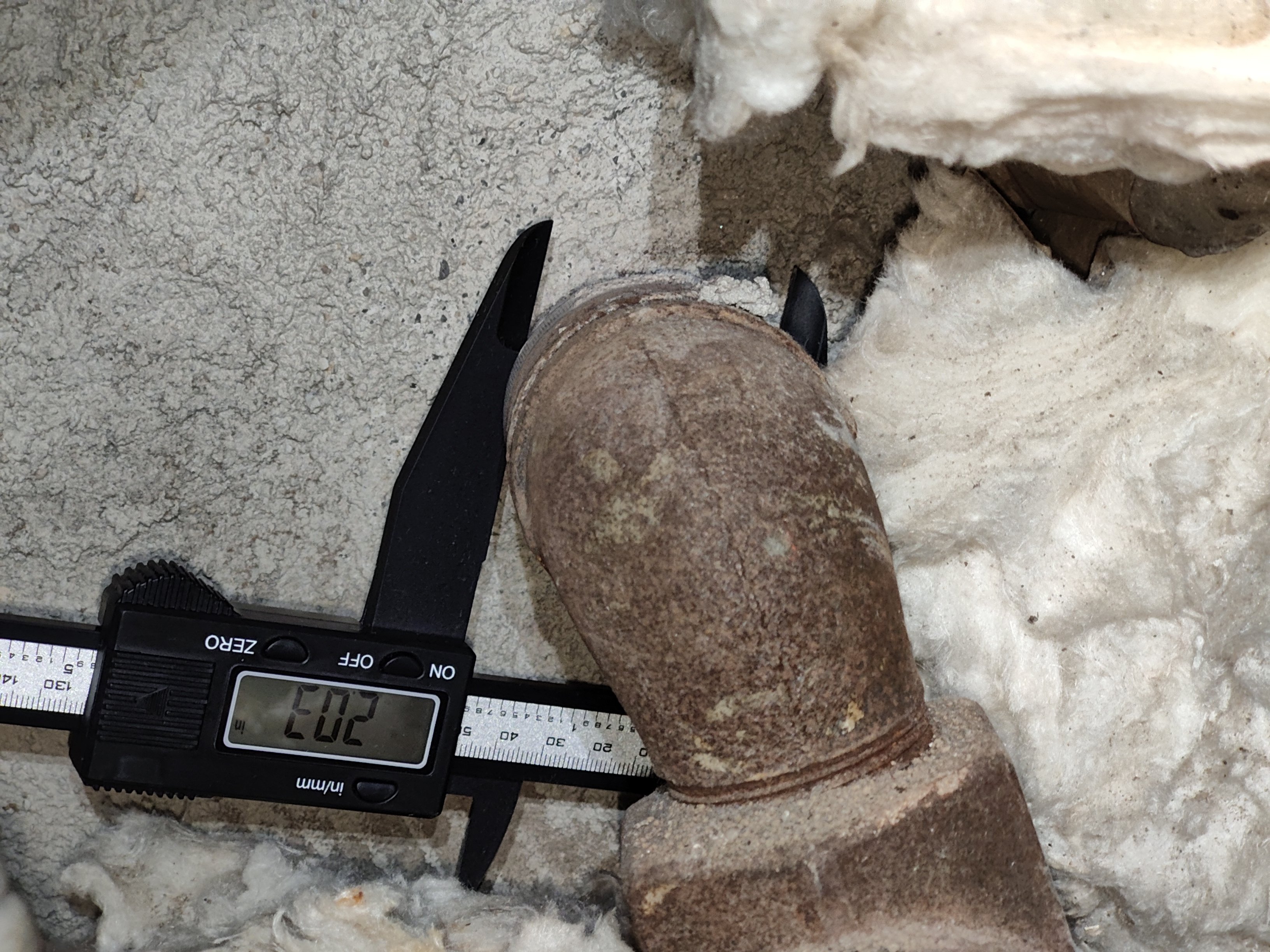
However, the distance from the curb (gas main) to the wall (entrance) is 27' as I taped. The O.D of the pipe in the 2nd photo in post #1 is 2".
How is the pipe length determined regarding its BTU capacity?
0 -
it is just the length of the pipe(either with the equivalent length of fittings added or many tables have an allowance for some number of fittings built in), but if the pressure of the main and service is more than the house, if there is a regulator at the meter that brings it to 7"wc then you need to use a table for that pressure or calculate it for that pressure rather than for 7" wc. typically mains are 2psig or more but it varies by utility and what infrastructure is in the street.
is there a regulator buried in the insulation somewhere or does that meter have a built in regulator?
1" iron pipe is about 1.25" od. 1.5" pipe is about 2" od.
0 -
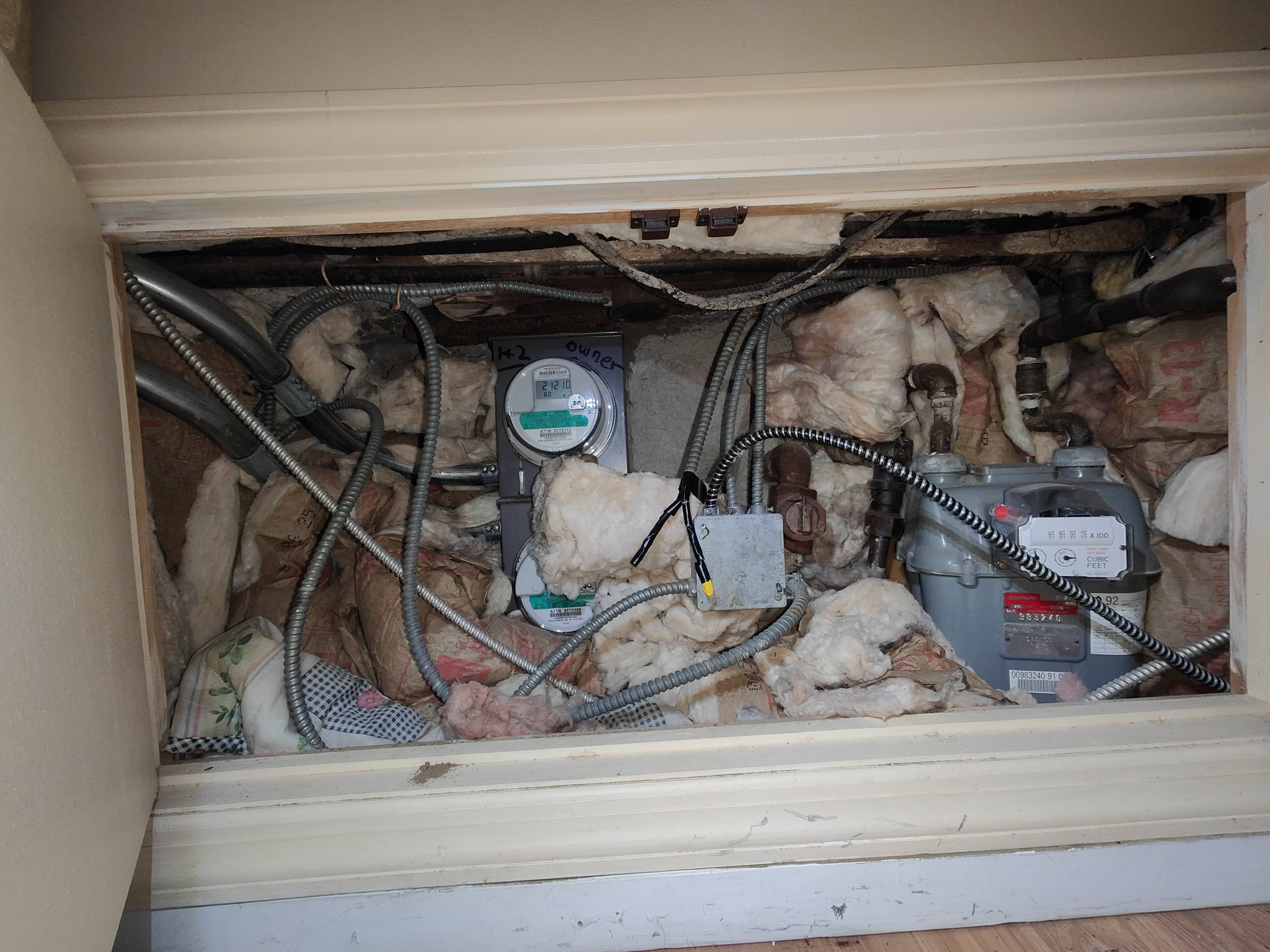
last time I didn't see a regulator before the meter. After the shutoff valve, the piping forms a loop then rises up and connects to the meter via a nipple and elbow
so 27' was converted to 55' using a table based on the main pressure.
but this pipe is likely a 1.5" IPS, not 1"
 0
0 -
I see no copper only steel in you pictures.
In most cases unless there is something unusual the Gas Co owns the pipe up to the meter and including the meter and the HO owns everything after the meter.
Sounds like a snow job.
Add up the btu load of all connected appliances and check the pipe size of the main coming out of the meter (not the meter connection size).
0 -
the pipe after the meter is about 1" OD. The total btu is 255K.
the gas company's 1" x 55' referred to the line from their street main to the meter. They also said there is no need to do anything to the piping after the meter (only need to change the inlet pipe into plastic).
0 -
Either way the pipe on the inlet belongs to the gas company. It's up to them when it needs replacement or not.
They are getting away from steel pipe especially to feed residential properties. Nothing for you to be concerned with it's their issue. If they say the piping inside the building is adequate, then your fine.
You might ask them if they are going to relocate the meter outdoors which is another change they usually do for safety reasons.
0 -
Their replacing the inlet pipe requires the home owner to get a plumber to install a new header for the meter. Then it involves permit and inspection. Cost wise it is $k plus, I'm not sure if the dob inspector would want to bring more into compliance. Currently two electric meters and the gas meter share the same cabinet. Many old townhomes have this kind of cabinet. Not sure if the city inspector would flag it as issue after the header is done, or flag other issues.
 0
0 -
If this is all in NYC, the first person I'd ask is @Mad Dog_2
Single pipe 392sqft system with an EG-40 rated for 325sqft and it's silent and balanced at all times.
 1
1 -
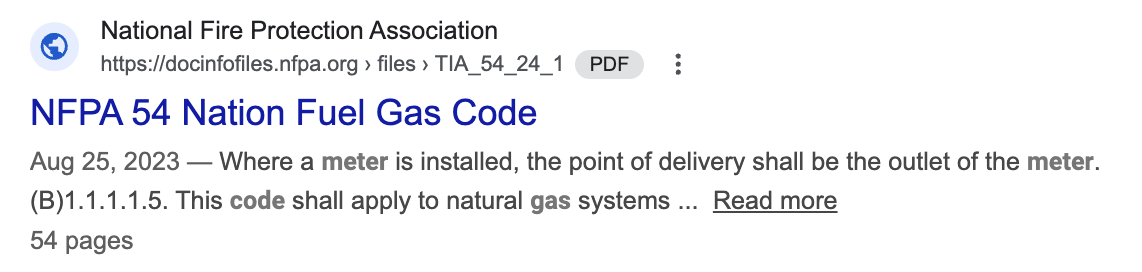
Most all the plumbing/ mechanical code books refer to the NFPA 54 as their code, or a modification of it.
I'm not sure a meter can be enclosed in a non vented enclosure, or the regulator typically below the meter?
Check with the code official to see what code they use, what year version and download the section on gas meters.

 Bob "hot rod" Rohr
trainer for Caleffi NA
Living the hydronic dream0 -
i don't think that meets the current working space requirements for electrical equipment that may be worked on while energized.
0 -
That's the concern, the city inspector might add more on the list, rather than focus only on the new header
0 -
Where can I get a hold of a code official or dob inspector?
0 -
local DOB.
0 -
Which is why I asked previously if the meter was to be relocated outdoors
0 -
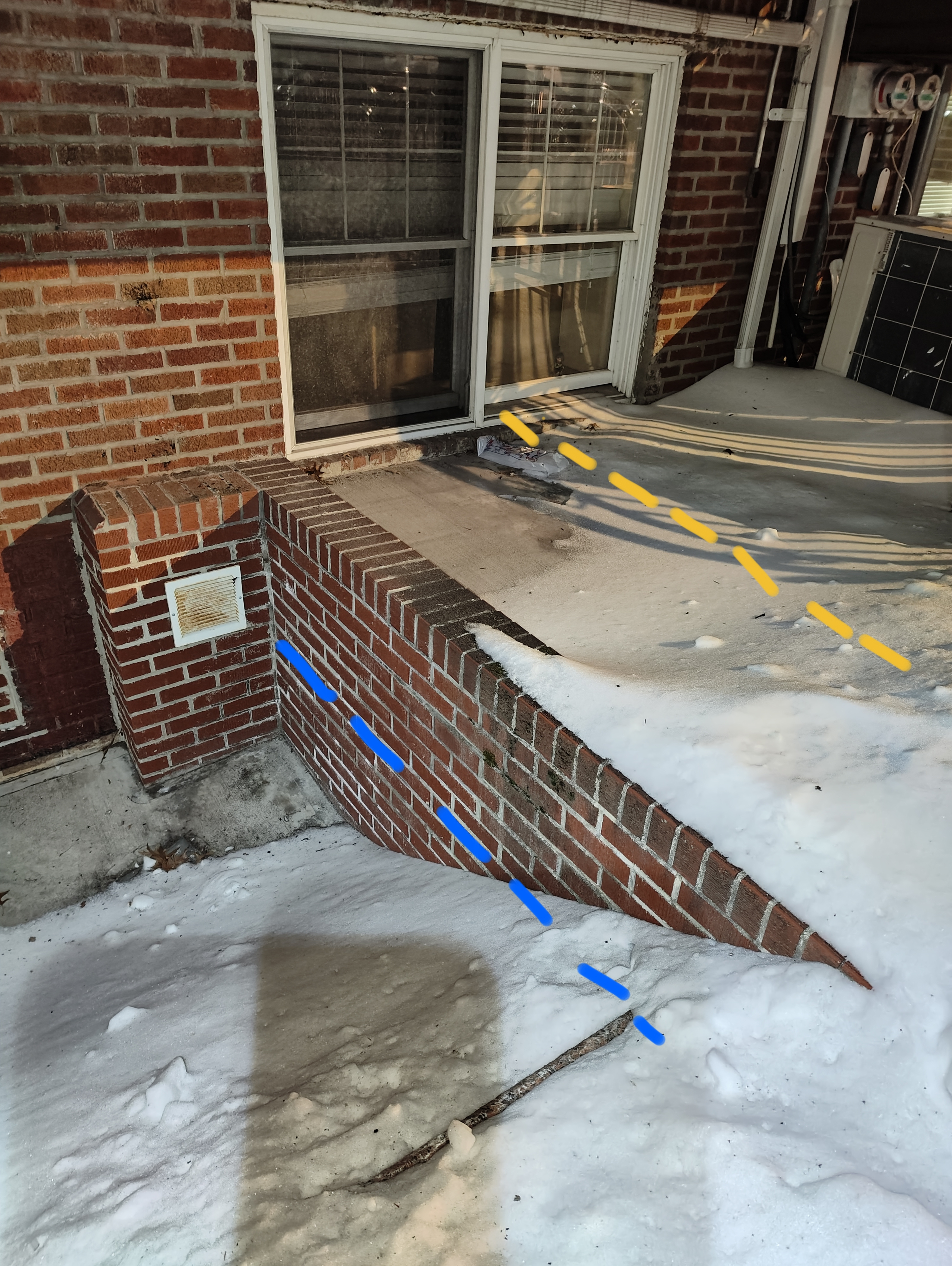
the inlet pipe goes under the ground of the front yard. The yellow line shows the inlet hole relative position to the window panes, the blue line showing its rough depth under the ground.
If they are going to install a new meter, where could the new meter be located?
0 -
I tried a magnet, that area did hold the magnet captive
0 -
the electric meters couldn't be installed in that enclosure now. i'm not sure if the gas meter can't be there. they could pull the new poly pipe in with the old pipe or a cable through the old pipe if the meter doesn't have to be outside.
0 -
it's steel just by zooming on my phone 😁
did gas pipes threads by hand in minus 10 Celcius about 18 years ago.
Pork grease works best(forget about high tech lube BS).
No snatched treads anywhere.
Since long time some kind of plastic pipe is mandatory on any new natural gas G20 instalations...
I honestly trust more black pipe with thick 3.2mm walls and no welding. paint it with a good primer and will last/look the same for at least 10 years.
That's what I have in my house starting from meter in street. But not threaded ,only heated with oxyacetilene burner and molded/formed to the walls of house. Some portions welded with same burner.
And in the street/ground is the same but thicker walls in pipe. Probably welded too. Only saw the pipe from ground to meter.
Since it was the gas company's job there I wasn't present(or cared for).
After the last few apartment blocks blowing up here in Romania because of gas pipes in ground unchecked for decades (one apartment in my city too blowing up because of gas leaking) authorities have imposed gas companies to check and replace anything steel in streets or apartment blocks(without blocking all street traffic if possible…).
Although I had gas turned off periodically all summer and autumn last year...
For gas company's team work in many places(actual dig ups and replacement of pipes or components in various places).
Maybe steel pipes should be replaced with this new "plastic/polymer thing"...
Although I don't personally trust it...
Only time will tell if it's any good ,or more gas leak explosions will be common...
If they have to dig all that portion near the house ,it might cost you AND do some "damage" around 🙄
Depends on workers how "surgical" their digs will be.
Oh ,and do install some(more than one gas leak detectors) . At least one with batteries to work independent of mains electricity.
Might save your house from blowing up in future...
Around here the gas detectors are linked to an automatic valve shutdown system mounted outside the house ,inbetween gas meter and the rest of house!
For safety automatic gas shut down in case of gas leaks IN the house, while nobody is at home...
But it has a weak spot by design: it works ONLY while there is mains 230V AC in the house,and supplying the whole system with power to actually work/do what was designed: shut down the gas supply...
But at least they try to improve things 😂
cheers
0 -
possible location of gas meter? left or right of that window.
I would regularly mix some soap+water in a glass and with a brush check for gas bubbles every month any new(or old )fittings that are there to reach.
If they are "rough installers" old fittings might get moved by mistake.
Although everything is checked before they leave , I would never trust anyone with my life or safety 😁🙄
Please post a picture after they're done : am VERY curios how these kind of jobs are done in USA!
0




Categories
- All Categories
- 87.6K THE MAIN WALL
- 3.3K A-C, Heat Pumps & Refrigeration
- 59 Biomass
- 429 Carbon Monoxide Awareness
- 124 Chimneys & Flues
- 2.2K Domestic Hot Water
- 5.9K Gas Heating
- 119 Geothermal
- 168 Indoor-Air Quality
- 3.8K Oil Heating
- 78 Pipe Deterioration
- 1K Plumbing
- 6.6K Radiant Heating
- 394 Solar
- 16K Strictly Steam
- 3.5K Thermostats and Controls
- 56 Water Quality
- 51 Industry Classes
- 50 Job Opportunities
- 18 Recall Announcements