Help with TRVs with remote control

Greetings.
We recently became stewards of a home in the Carolinas, built in 1924, that features a steam boiler and 38 two-pipe steam radiators (it's ~8k sq feet and three stories).
The system appeared to work perfectly initially, but as we finish renovations and move in, we are learning that it heats unevenly ( a room on the second floor is 80-90 degrees, and the room on the third floor above it is very cold).
There are two complicating factors:
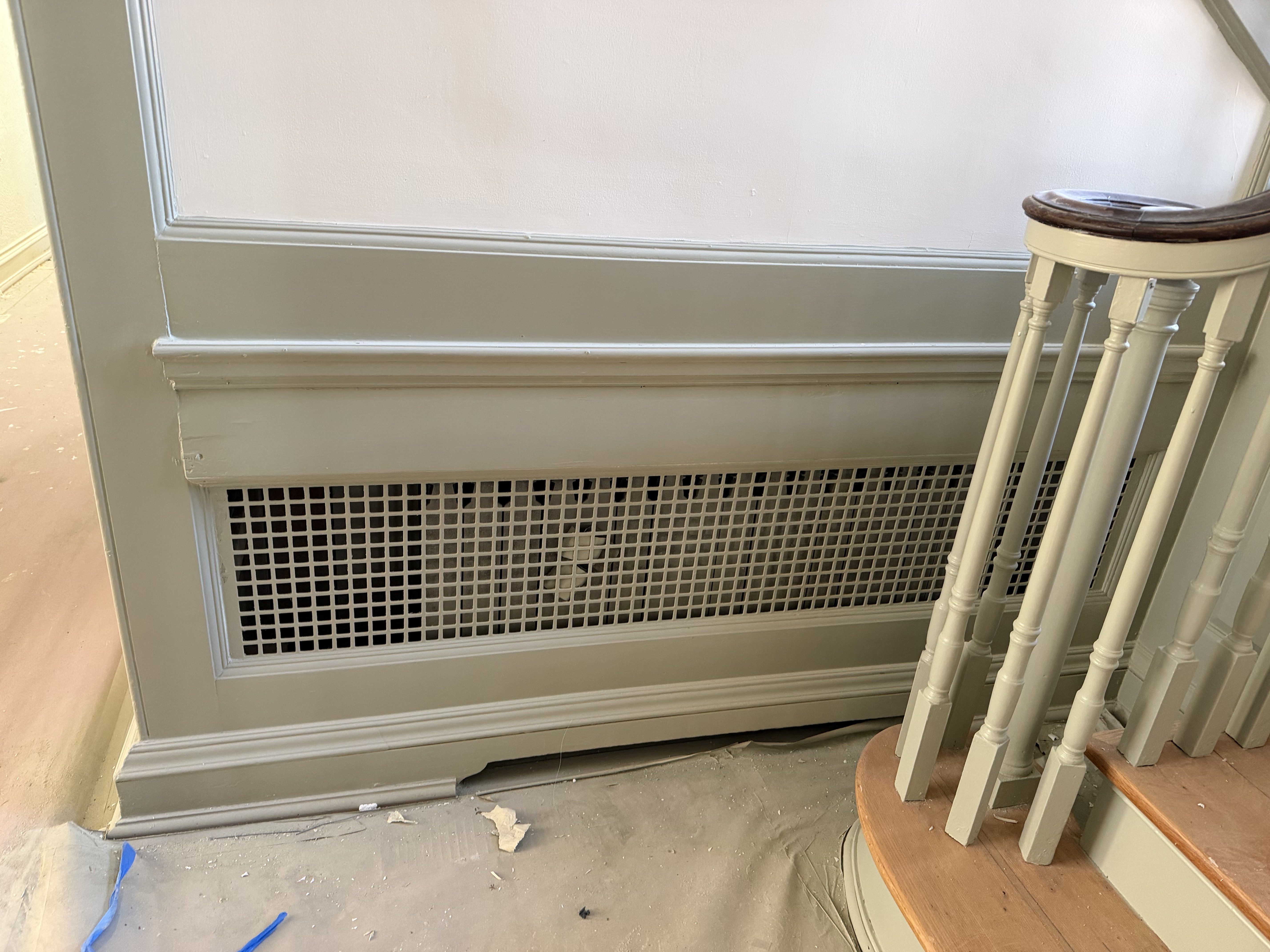
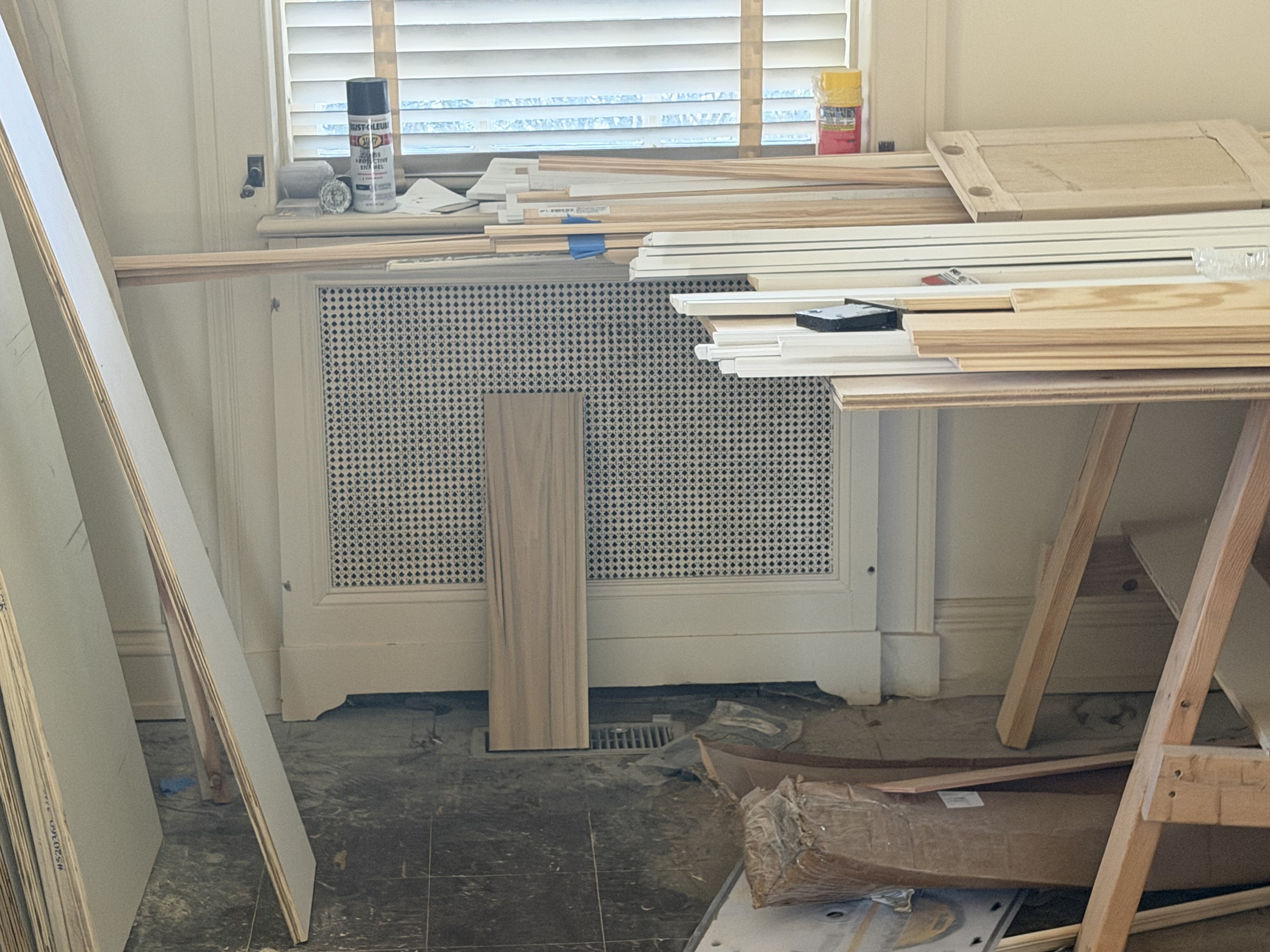
1) The original radiators are behind ornate grills built under the windows, so traditional TRVs with dials would be problematic.
2) While there are very old thermostats in the rooms, they do not appear to work, and the boiler works on a timer (think old school pool pump or sprinkler system timers).
I would like to use TRVs to help the house heat more evenly. They need to be controlled by either a sensor or an app.
I can either keep using the old timer or replace it with another control system, but it isn't clear to me whether the thermostats connect to the boiler (they may be tied to the AC).
Does anyone have recommendations? I read some previous threads, but they seem to be about thermostats, and my system isn't controlled by one.
I appreciate your consideration.
Comments
-
TRVs are very nice. But… you really want to find out why the heating is uneven first. It's unlikely that it was when it was put together!
So… first thing to do is to go over the system and make sure that all the radiator valves are really open. Then make sure that all the traps are working. No traps? Then you may be looking at a variant on a vapour system, and so check the operatiing pressure. If it's vapour, it should be set up to cut out at about 0.5 psig (8 ounces) and cut back in at around 4 ounces psig. Even if it isn't vapour, the cutout pressure should not be higher than about 1.7 psig. (cutin around 0.7 psig).
When the system is operating, go around and feel all the dry returns. If things are operating properly, they may be warm — perhaps even very warm — but certainly not steam hot. If you find on that is really hot, a radiator trap connected to it may be allowing steam through — which will overheat that space, but prevent other redactors on the same line from heating properly.
See where that gets you.
Br. Jamie, osb
Building superintendent/caretaker, 7200 sq. ft. historic house museum with dependencies in New England 1
1 -
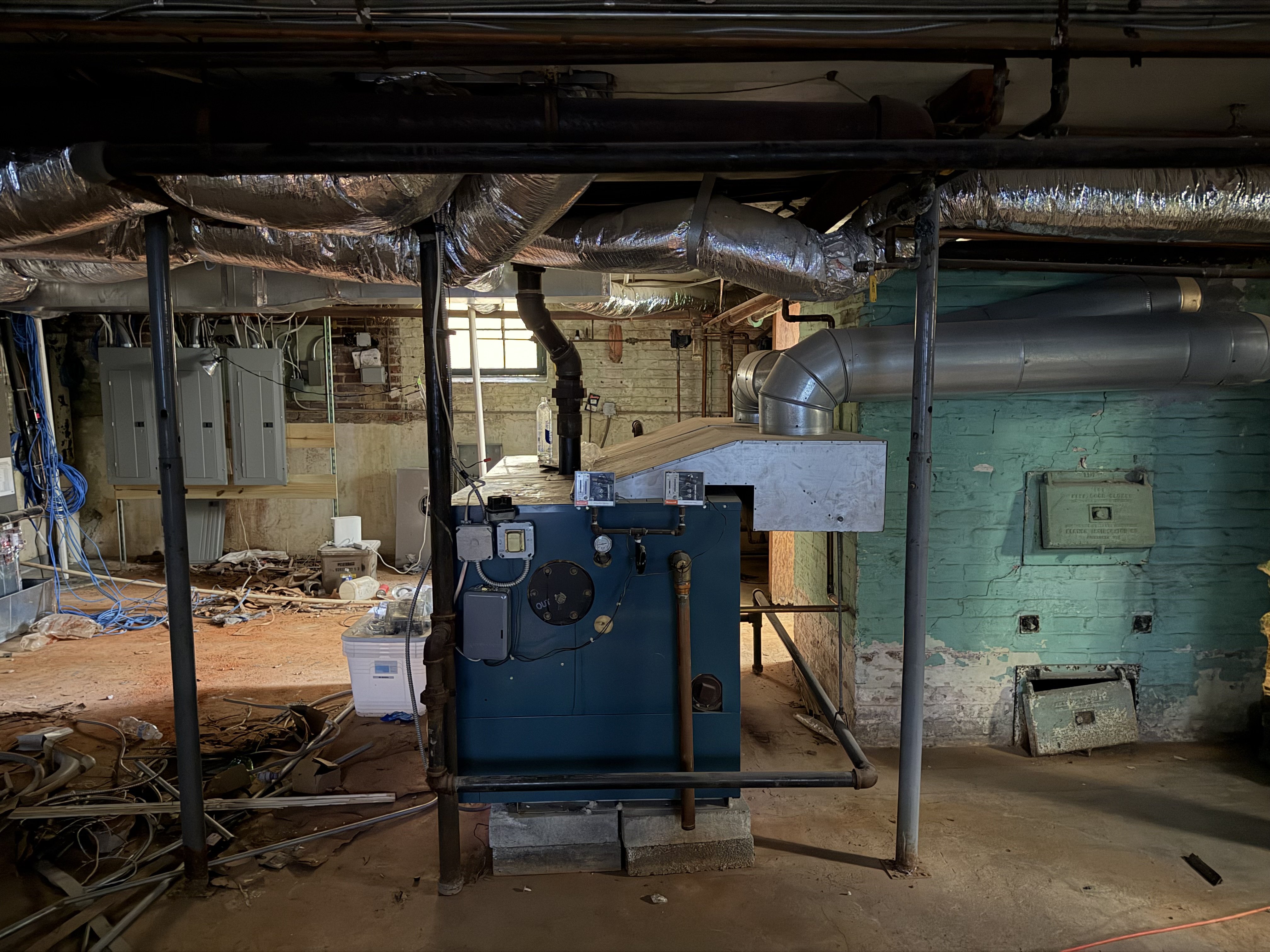
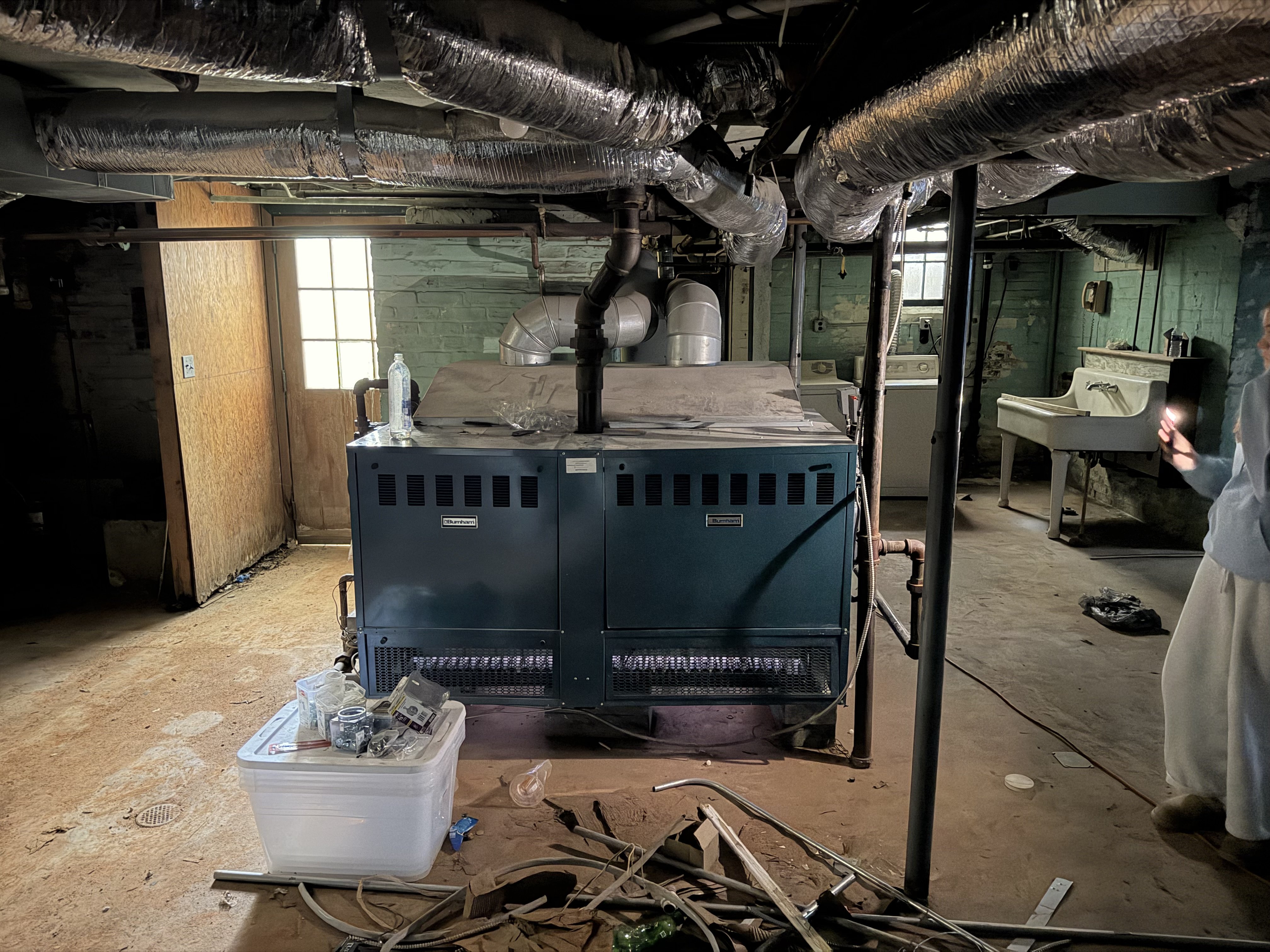
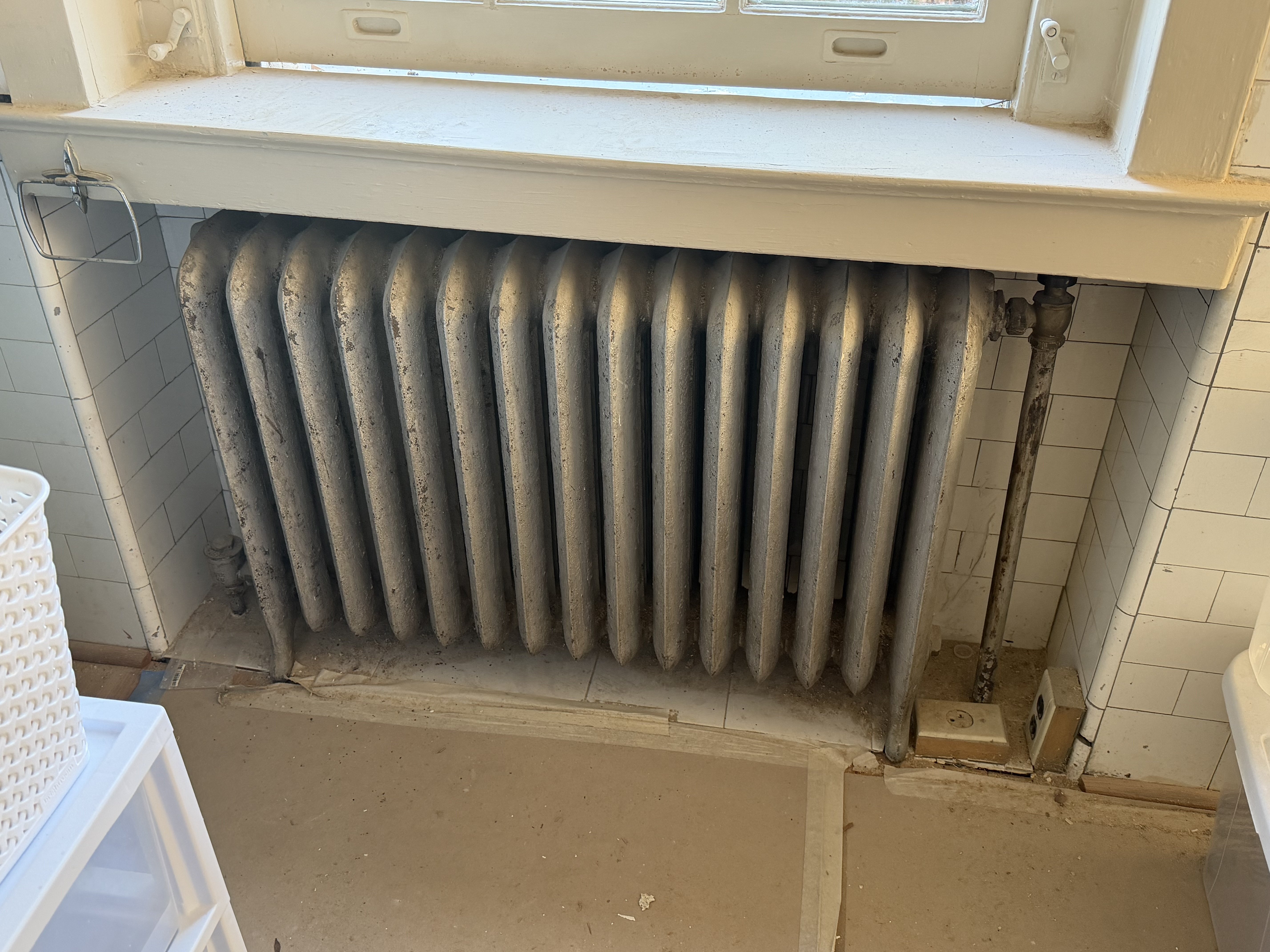
Pictures, pictures pictures will help. Radiator pics showing both ends. Pictures of the boiler and near boiler piping from 10' away
1 -
here are some photos
 0
0 -
Well… that boiler piping is… um…. unusual.
However, I'll go back to what I said earlier. There is no inherent reason why that system should have uneven heat. Slapping TRVs on it is a band-aid at best.
Do the basics first. Valves open? Traps functioning (yes you have traps)? Pipe pitches correct? Vents working?
Then you can do basic balancing — if it doesn't turn out to be good with a little work — with the actual valves on the radiators themselves.
Then, and only then, think about TRVs.
Br. Jamie, osb
Building superintendent/caretaker, 7200 sq. ft. historic house museum with dependencies in New England2 -
Oh and one more thing. Plan to control the whole thing with a thermostat… timer controlled systems with individual occupancies with TRVs do work, but that's not what you have here.
Br. Jamie, osb
Building superintendent/caretaker, 7200 sq. ft. historic house museum with dependencies in New England0 -
oh my
that near boiler piping is so bad that you may not be able to get it to work right without fixing that. probably worth doing the math to see if that boiler is even close to the right size for that system too. typically someone that would pipe it like that also tends to install a boiler that produces twice as much steam as the emitters can absorb.
you have conventional 2 pipe, it does not appear to be a vapor system, you have radiator traps.
1 -
Can you recommend anyone in North Carolina I can ask about this?
I am a well intentioned homeowner who knows nothing.
0 -
maybe dan foley in va will work that far south or knows someone.
1 -
no sightglass ? (!)
known to beat dead horses0 -
probably behind the front covers but that is a pretty good sized commercial boiler
0 -
that’s a huge boiler. 4, 6, 800,000 BTU’s?
I see the Hartford loop but can’t follow the piping to it.
the pressure gauge looks high0 -
Thanks for all the help.
Further investigation shows that we have Johnson Controls pneumatic thremostats tied to the radiators.
More photos
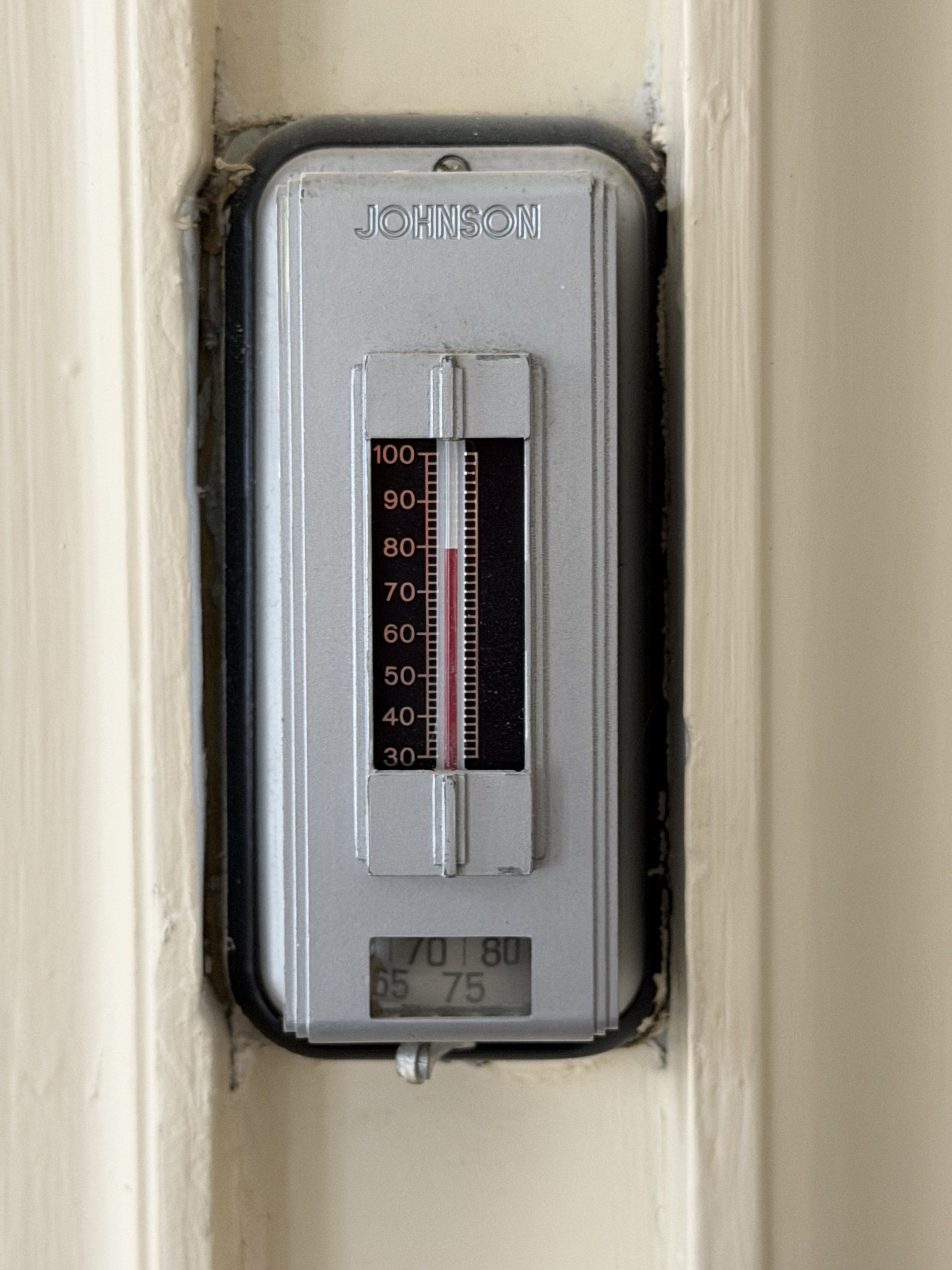
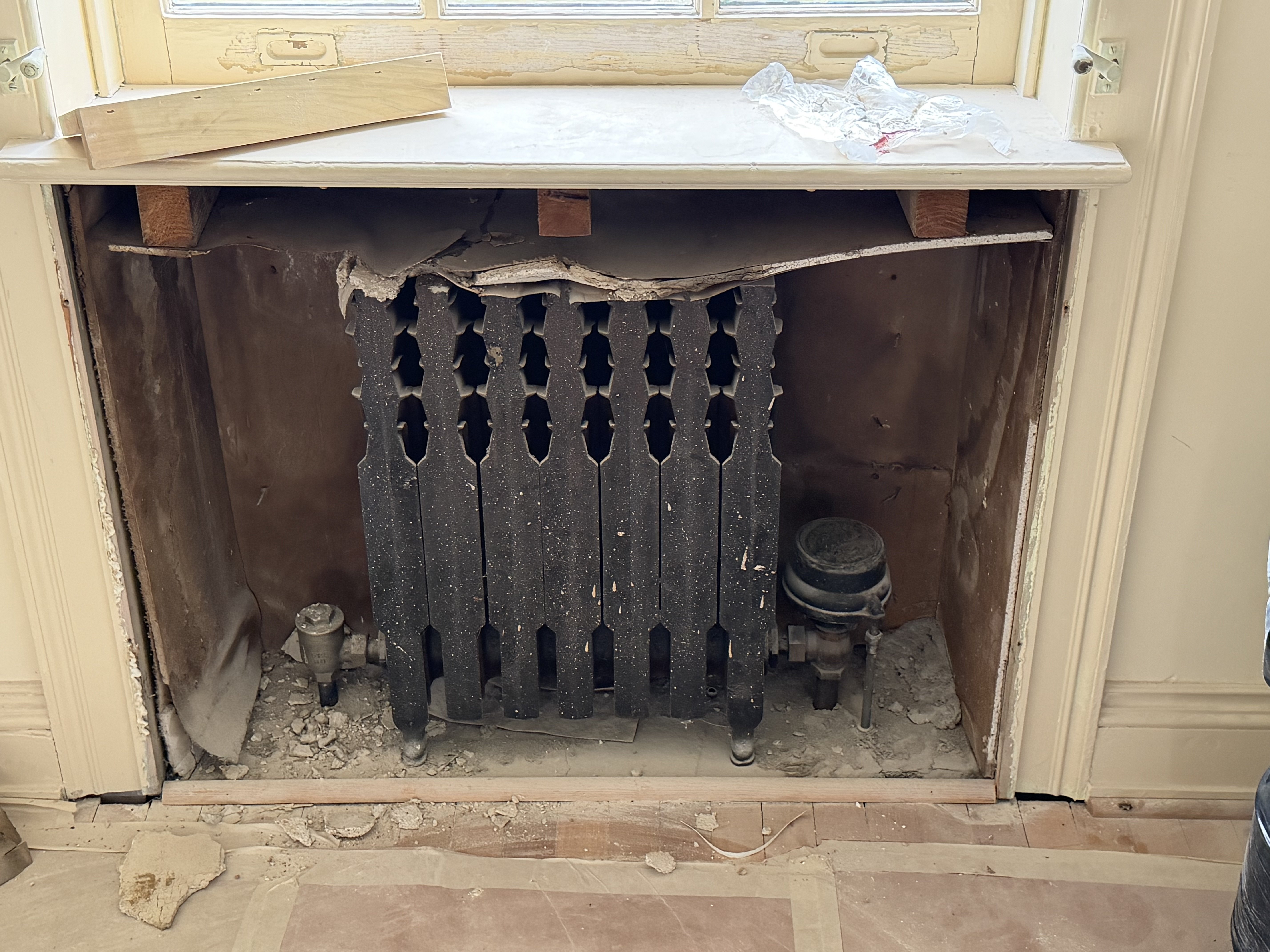
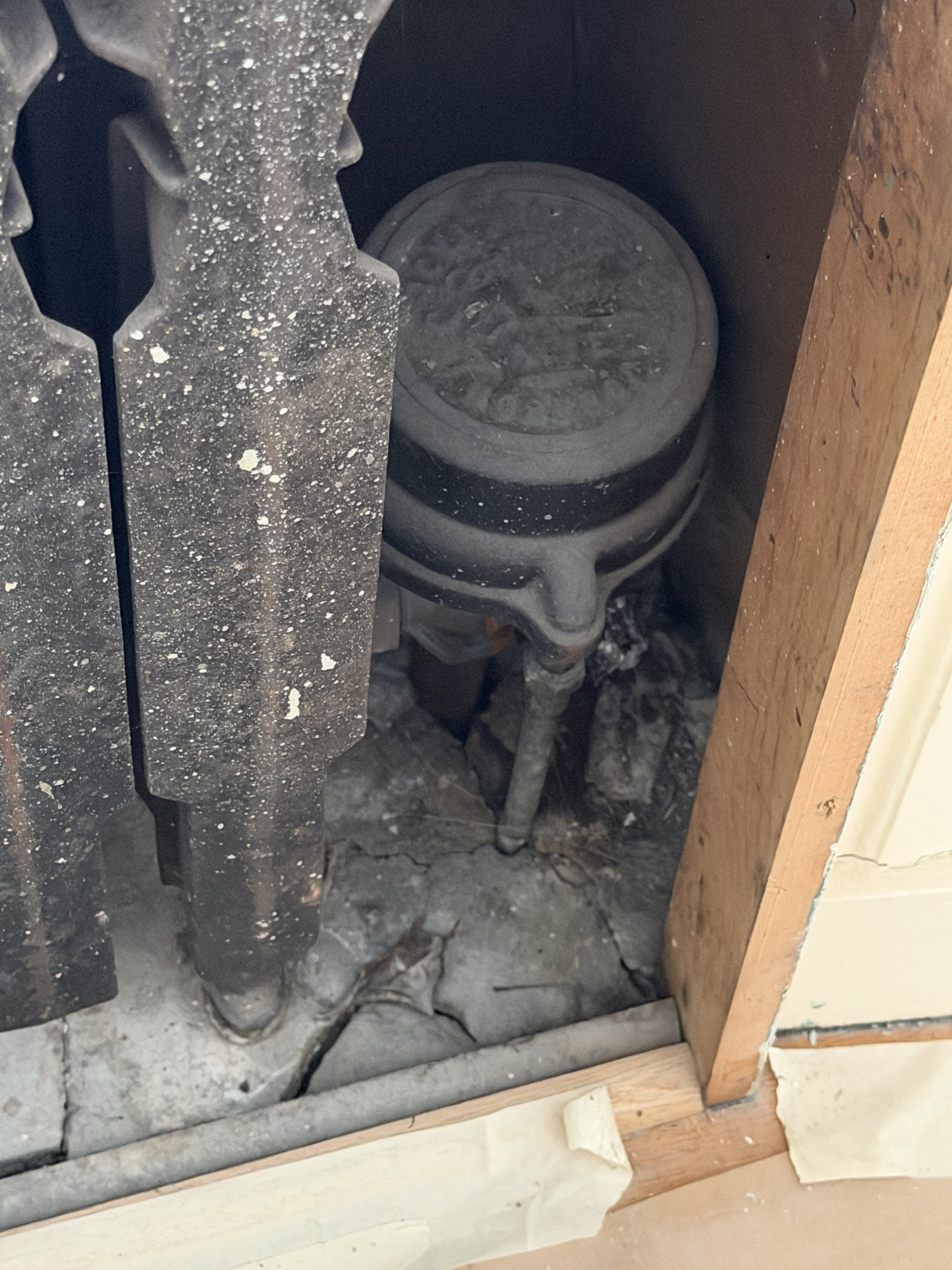
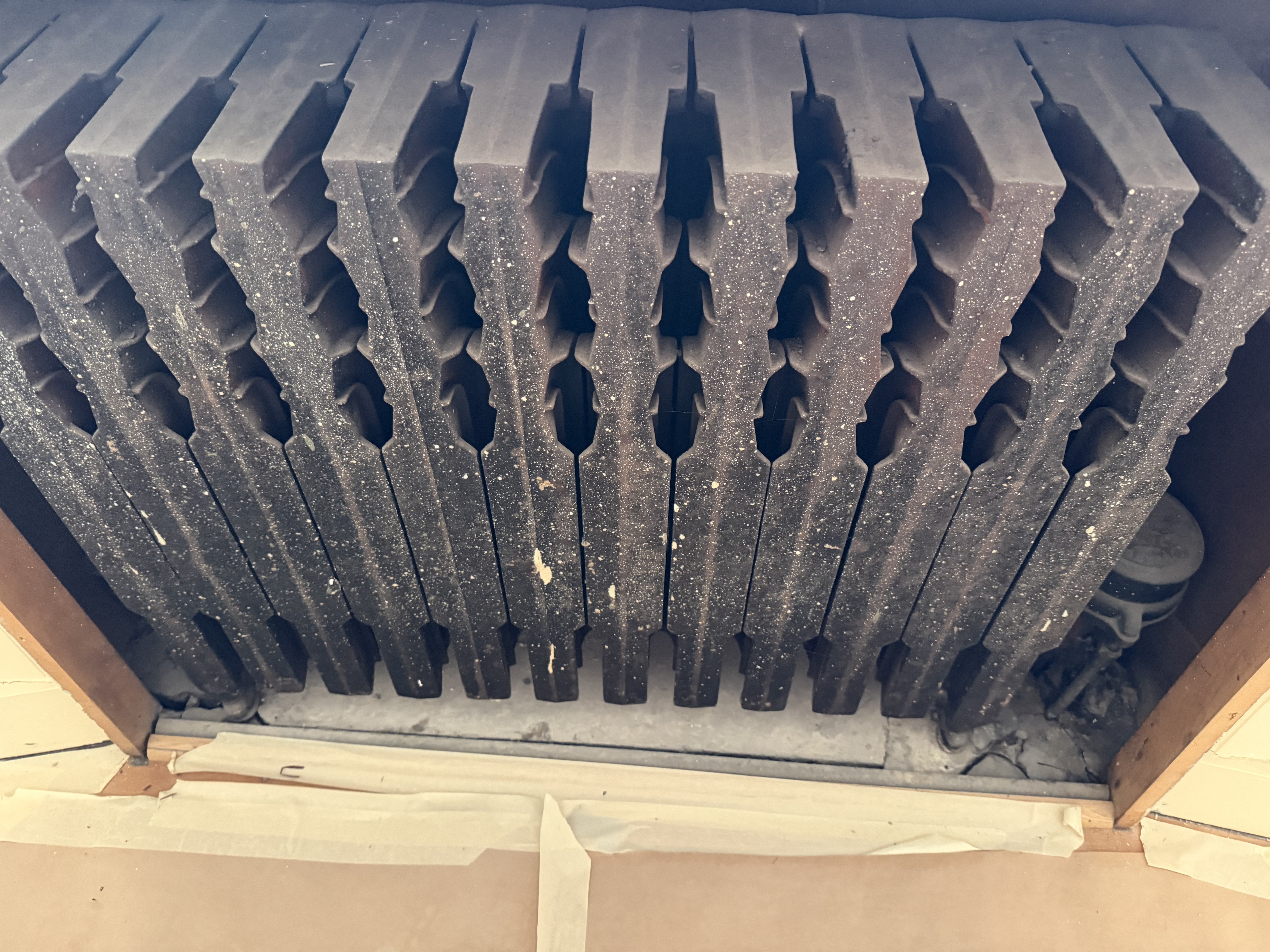 0
0 -
Wow cool! We have the same actuators and valves here in our main building. Those actuators are pretty trouble free, however the valve seats can get scoured over time and not seat completely. They are long ago obsolete. The issues come from leaking air lines or fittings. Have you located the compressor?
Those valves are NO, normally open meaning they require air pressure to remain closed and the thermostats bleed air to allow the actuators to open the valves letting steam into the radiator. When all of that is working properly that system can be very comfortable. How many radiators have those Sylphon valves and where are they located?
Miss Hall's School service mechanic, greenhouse manager, teacher, dog walker and designated driver
1 -
i believe 35 of the 36 are controlled by these
0 -
And to answer the other part, we have located the compressor, but for the longest time, no one could tell us what it controlled.
0 -
-
How many thermostats? If compressed air is leaking by for a zone or thermostat the the actuator will not close and the space will way over heat. I don't recall what the required pressure is. but here's our zone control
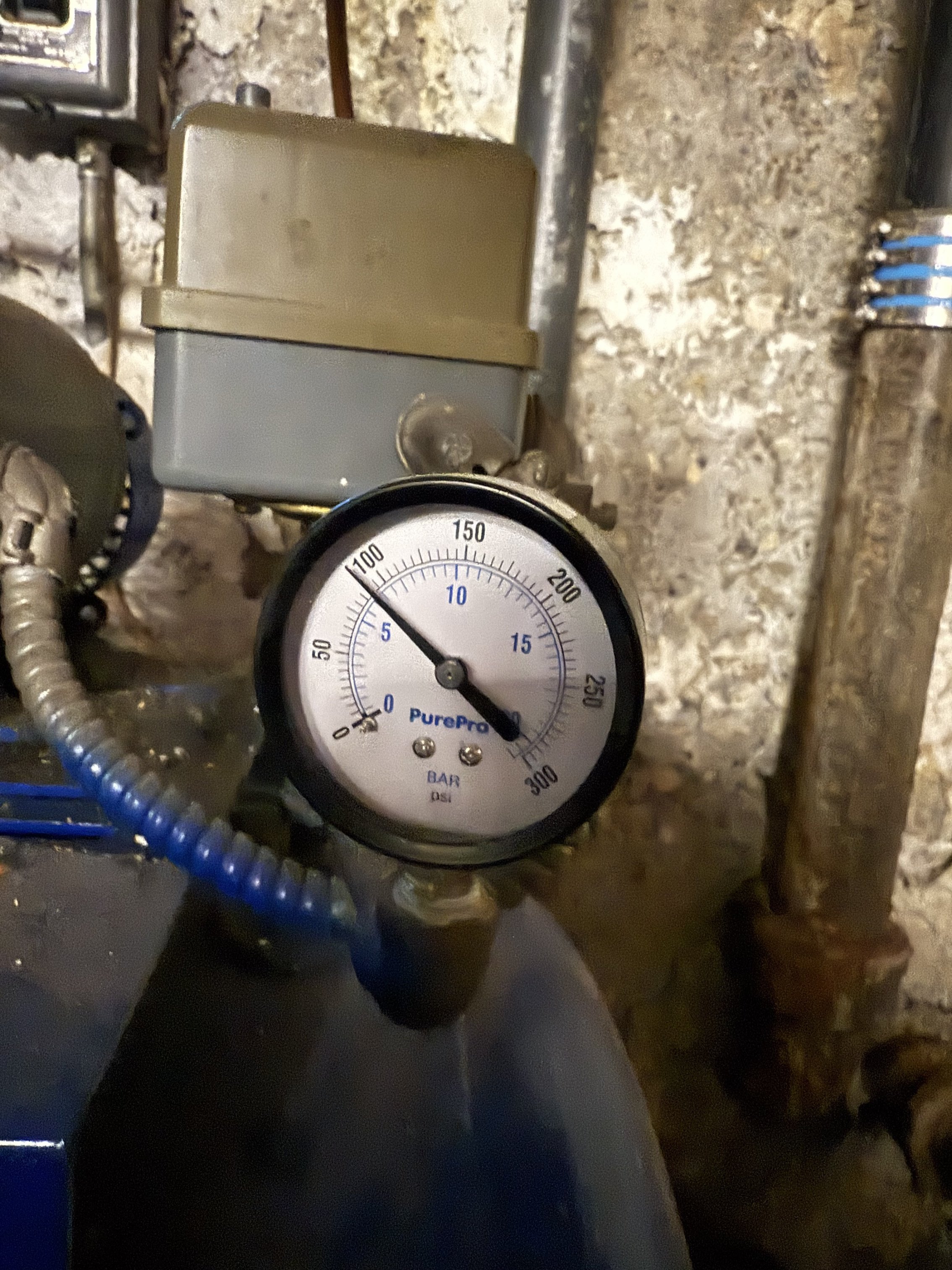
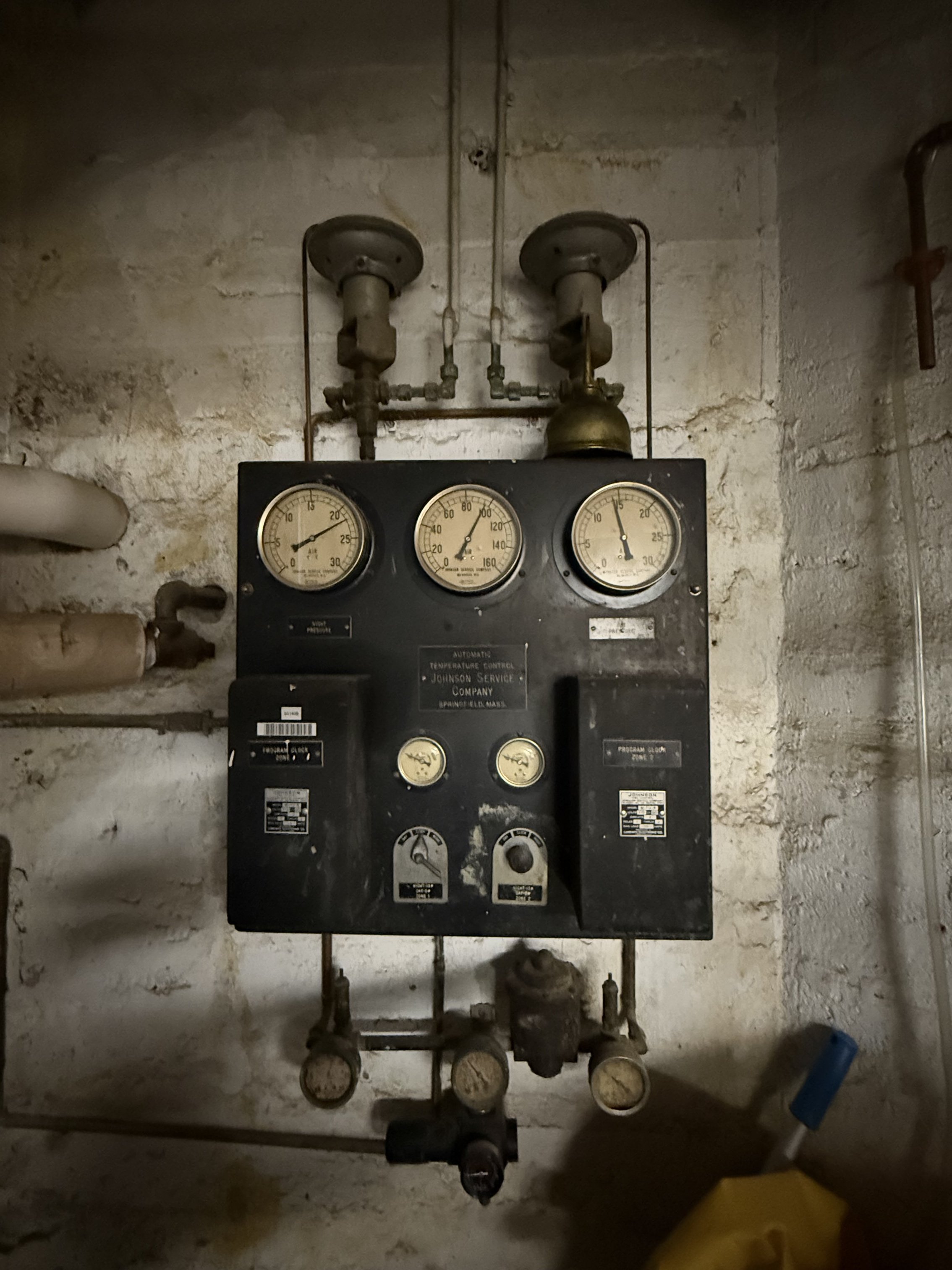
Miss Hall's School service mechanic, greenhouse manager, teacher, dog walker and designated driver
0 -
I think there are about 20 of the Johnson Controls pneumatic thremostats
0


Categories
- All Categories
- 87.5K THE MAIN WALL
- 3.3K A-C, Heat Pumps & Refrigeration
- 59 Biomass
- 429 Carbon Monoxide Awareness
- 124 Chimneys & Flues
- 2.2K Domestic Hot Water
- 5.9K Gas Heating
- 119 Geothermal
- 168 Indoor-Air Quality
- 3.8K Oil Heating
- 78 Pipe Deterioration
- 1K Plumbing
- 6.6K Radiant Heating
- 394 Solar
- 15.9K Strictly Steam
- 3.5K Thermostats and Controls
- 56 Water Quality
- 50 Industry Classes
- 50 Job Opportunities
- 18 Recall Announcements