Should I leave the main vent alone? Physical risk of removing it?

Hi everyone,
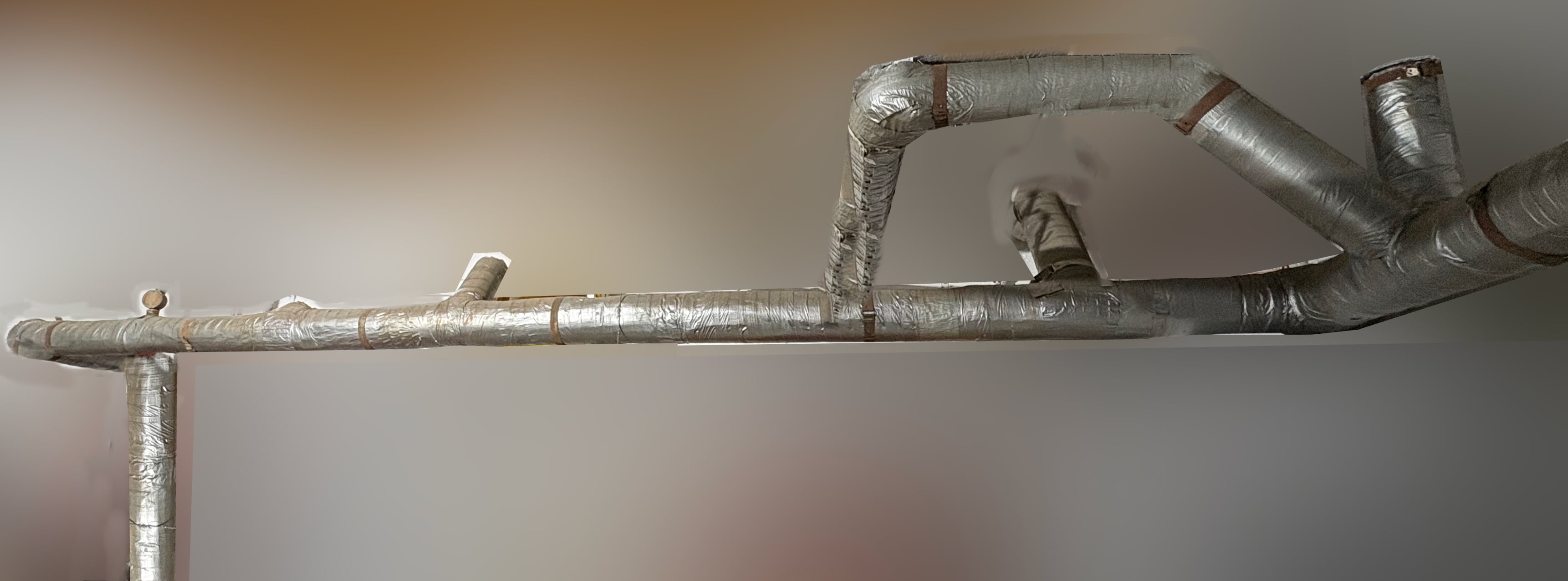
My apologies about having to heavily blur the photos and "virtually" repair some of the pipes so that they appear as they are in real life. Long story…
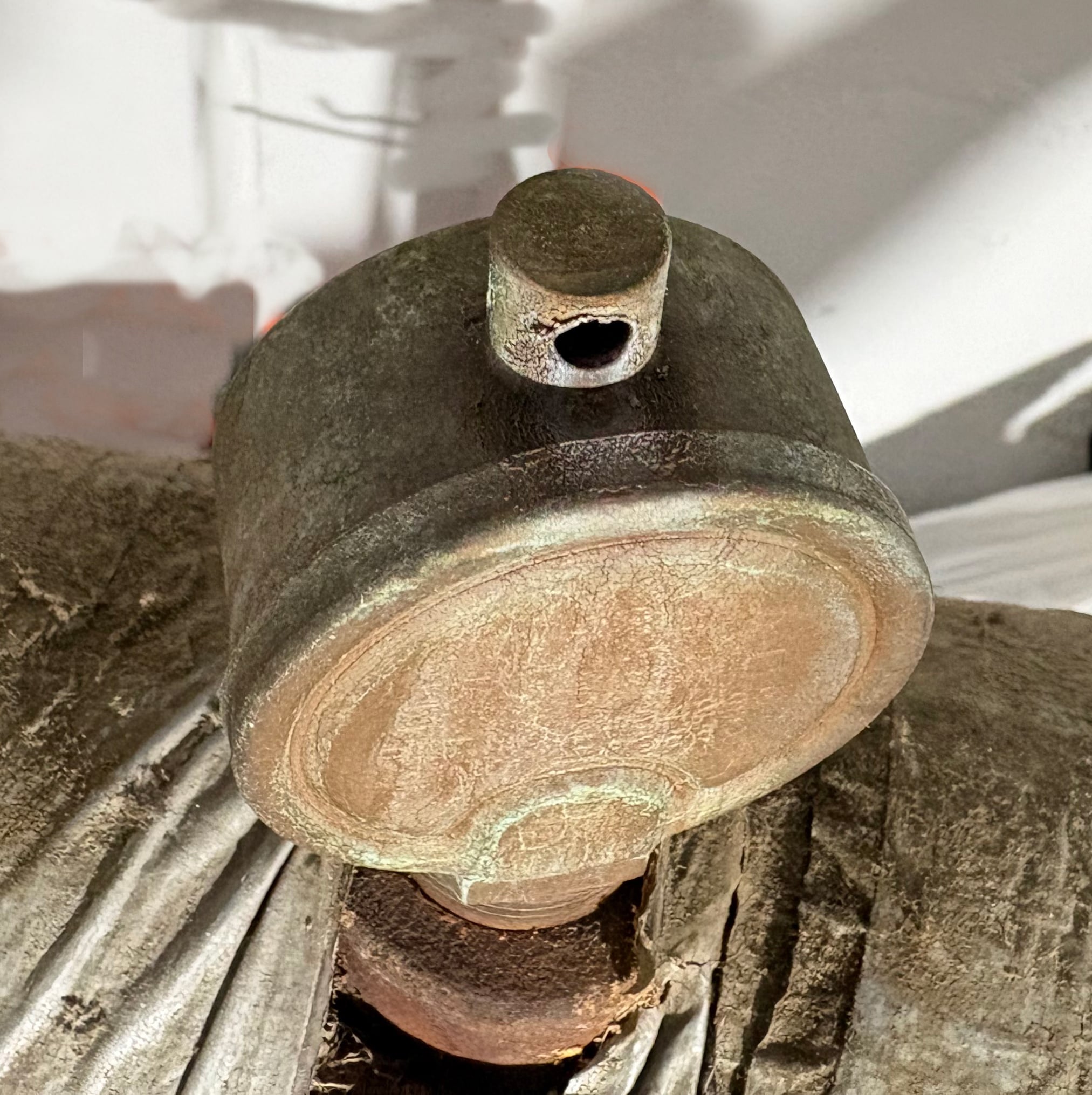
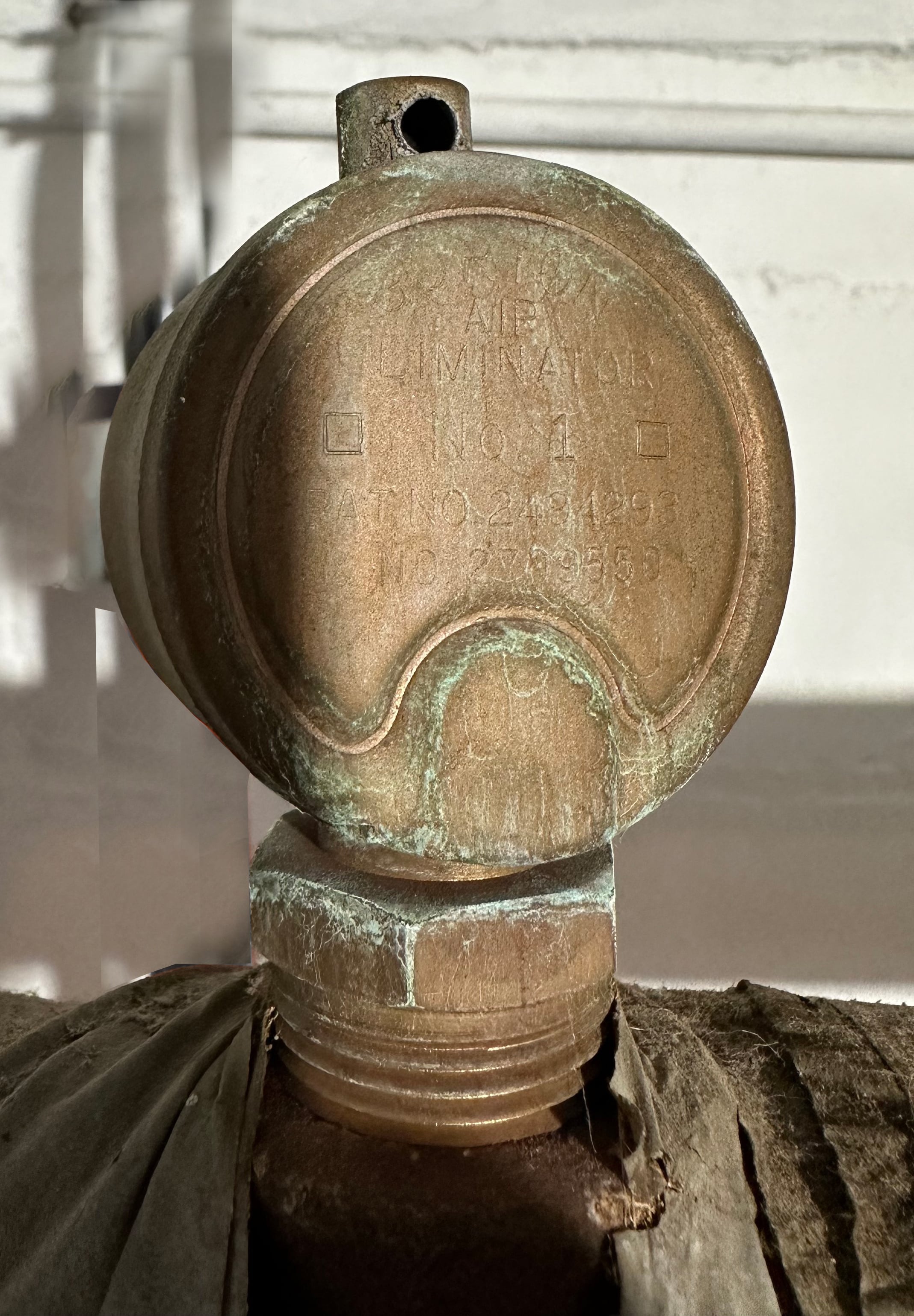
Background: Single pipe steam. About 90' of main. Gorton #1. The outer dia of the pipe is probably about 2 to 2.5", basing that on a small section that is not insulated. Some risers go up two floors, but there are cold radiators on the second and third floor. They're pitched properly, as best as I can tell, but about half of the radiators are impossible to access without removing large painted over covers. Many layers of paint. The one thing the radiators all have in common is that the further away they are from the boiler main (when they branch off) the cooler the radiators get they get. I Figure the main vent is a fair place to start. So for now, this question is just about determining the risk of damage which could occur during removal of the main vent and if I should leave bad enough alone.
I'm assuming the vent is too small to begin with, but it's also spitting a little the whole time after steam has reached it and until the boiler is off again. I'm also certain that it does not close at any point.
Concerns (aside from how the current one is installed):
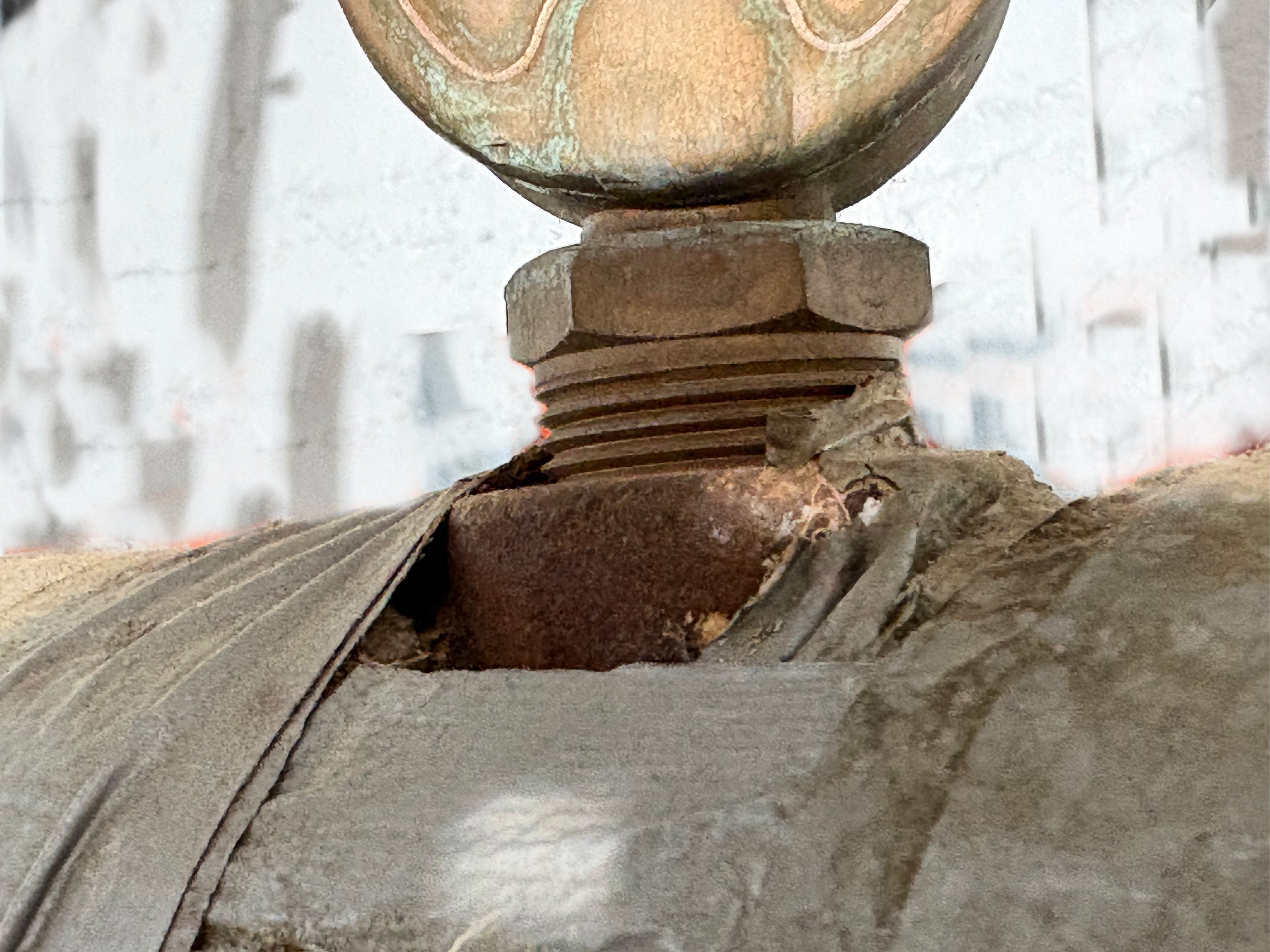
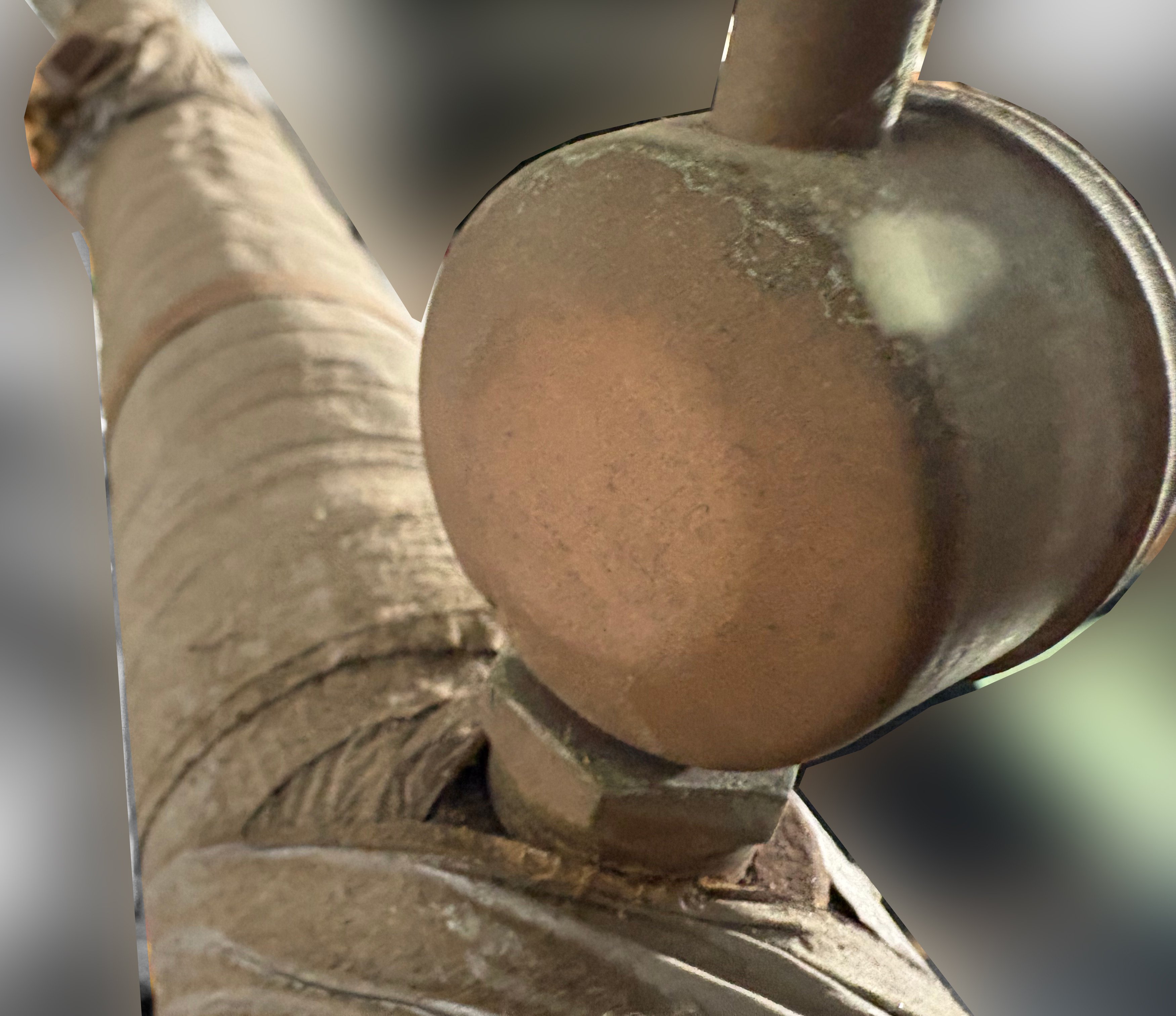
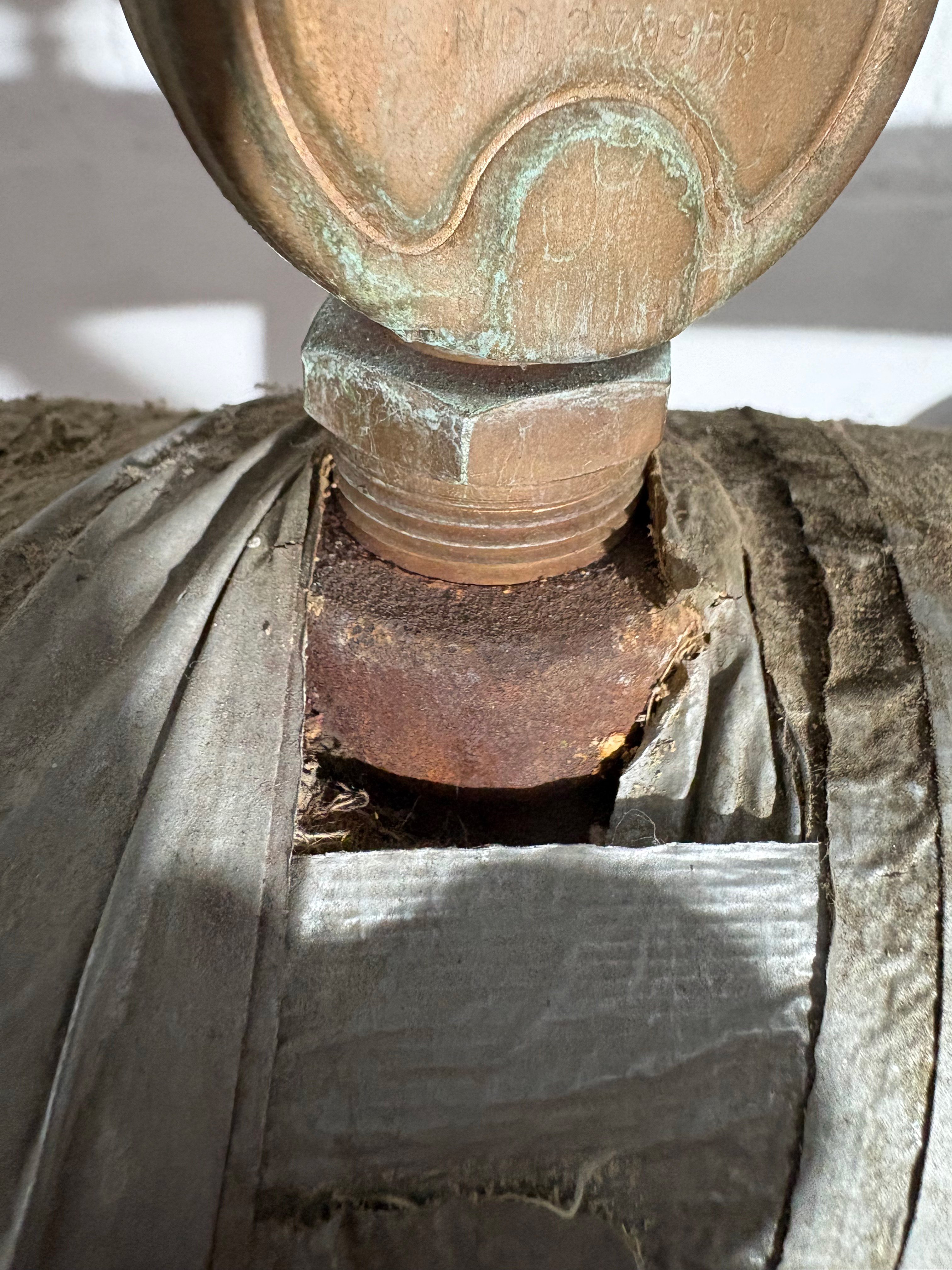
- Since whomever installed it, installed it directly into a boss, it appears there's no where to counter hold with another pipe wrench. I don't know how long this vent has been installed, but it looks like it could be quite some time.
- I'm not sure if the surrounding pipe has the asbestos. House is from the early 1940s, so it could. And, a previous owner was "kind" enough to wrap all the pipe with duct tape at some point. 🤦♂️
- The pipe with the main vent is not supported by anything other than other pipes and it's maybe a 15' run.
How does this sound? I could spray a little penetrating oil, a couple of times a day, for a week (or however long you recommend) and then go at it with my 2' pipe wrench. Or am I asking for a bad time? Anyone have ideas based on the pictures. I don't think a torch is going to be possible at all.
If it's worth anything, based on pictures of a new Gorton #1, there appear to be 8 threads. As best as I can tell, 4 to 5 on mine are exposed, which means that there are 3 or 4 screwed fully into the boss. I assume that's easier to work with than if someone forced the whole thing down so the nut is scraping against the boss?
If there's a good chance that this is going to not go well, then I may have to live with it. There's a lot to work on with this system, but I figure I may as well start here. Perhaps a Gorton #2 for now (I'm guessing that will still be too small, but it can't be worse than a barely hanging on to life Gorton #1, right)? I can always work that out later. The big issue now is if I should even think about an attempt at getting this darn thing out without cracking the main pipe or causing any other damage. I don't know how damage could even be fixed without removing the insulation, and if it is asbestos, that'll almost certainly cost a lot more than I'd be able to save on gas consumption, or it'd at least take many years to break even. I do know that the main vent is just part of the equation, but it's important.
If everyone seems confident that there is an extremely low probability of a disaster, then I'd put the new vent on a 3/4"/6" high pipe and then the reducer right before the vent.
May as well ask, is the big mouth a preference for most people, instead of the Gorton #2?
Thank you so very much!!
Comments
-
It is probably safe to say that if there are parts that need to be serviced, they are probably located behind all those layers of paint. If they were easy to service, you most likely not be having any problems. Remember this important fact about Painters: They are not heating technicians or pipe fitters. They are painters.
Edward Young Retired
After you make that expensive repair and you still have the same problem, What will you check next?
0 -
It a brass to steel connection, it should come apart easily. It's not going to rust up and seize like two ferrous fittings screwed together.
0 -
@acousticplayerjb, do you just have one very long steam main that's 90 feet long from the boiler to the vent, or is the boiler in the middle of the 90 feet? If the latter, how long is each portion?
0 -
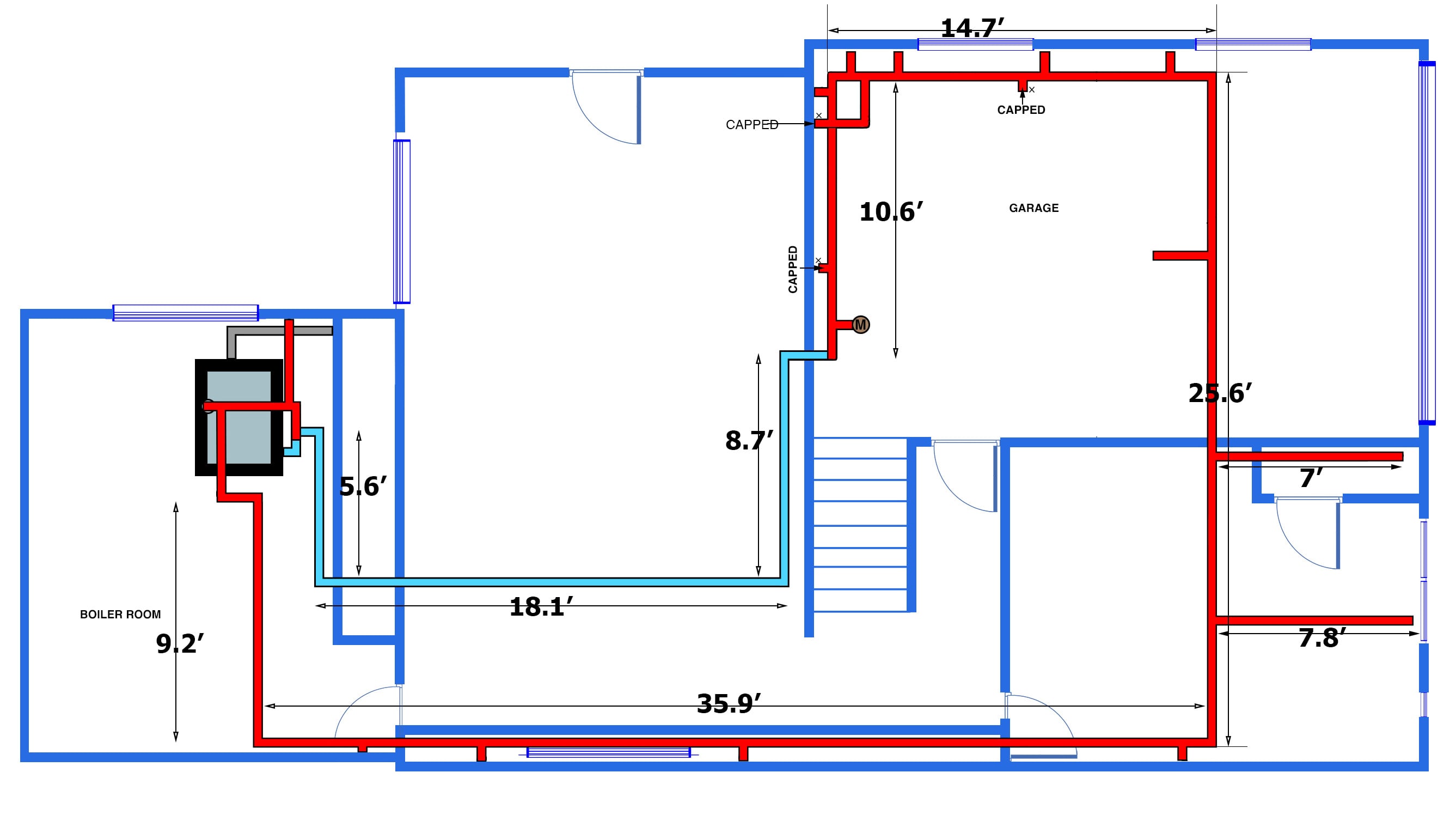
Wow, thank all of you. I was not expecting replies this quickly!! I took a bit of time to also make up a diagram that mostly resembles what I've got here. So maybe that can help in some way. That section, actually looks like it's closer to 11', so I got that part wrong before. However, it is definitely only supported by other pipes. If you gently push on it, near where the main vent is, it will move a small amount.
EdTheHeaterMan: Yes, painters can cause trouble, but it’s just the covers which are painted over. No signs of paint on the vent or radiators for any of the covered ones. I may not have described it well enough before.
SuperTech: Is it still okay if I apply a little penetrating oil, at least for a few days? Then as soon as it budges, I try to wick up any with a paper towel to try and keep any of it out of the system, before I actually begin to fully remove it? Do these NPT fittings ever twist apart? I mean, everything looks pretty solid. I suppose the reasons I’m worried are that if there’s a worst case, it’d be a massive problem. There’s also the whole not knowing what the insulation is made of, and then if I could stress any other areas of the pipe. I do have experience with these kinds of things (mostly from automotive work and any pipes or hoses there, have much more delicate fittings than these appear to be). Once or twice I've had a bleeder screw trick me and an exhaust manifold stud. They felt like they were unscrewing normally and without warning…Not fun. But I also wasn't dealing with potential hazardous insulation around me.
Steamhead: The steam main is about 90 feet from the boiler to where the main vent is. But it’s not a straight-shot. I made up a diagram/floor plan.
Here to learn!
Thanks again everyone
 0
-
there’s always risk. I helped a neighbor remove that same vent and it broke the rusted bushing which required us to replace a section of pipe.
I told him there was a risk of that so we did it in the off season so there was no time pressure.
But in most cases the risk is quite low.
Penetrating oil is useless but everyone tries it
NJ Steam Homeowner.
See my sight glass boiler videos: https://bit.ly/3sZW1el0 -
The first time I had to remove an old main vent I was nervous about it. I thought about spraying it with PB blaster and letting it soak in. I was actually amazed at how easy the crusty old vent was to remove.
0 -
Every situation is different, my almost 100 Year old vent gave me a fight since it was in an awkward place and I used 2nd wrench to minimize twisting the main pipe. Can't remember if I uses a bit of Mapp gas heat or not. Maybe if needed remove that nearest cap and add a vent there, cut into the cap but don't hit the threads and split it and then block off the old one so you are not loosing water and worry about it in the Spring.
National - U.S. Gas Boiler 45+ Years Old
Steam 300 SQ. FT. - EDR 347
One Pipe System0




Categories
- All Categories
- 87.9K THE MAIN WALL
- 3.3K A-C, Heat Pumps & Refrigeration
- 60 Biomass
- 430 Carbon Monoxide Awareness
- 134 Chimneys & Flues
- 2.2K Domestic Hot Water
- 6K Gas Heating
- 124 Geothermal
- 170 Indoor-Air Quality
- 3.9K Oil Heating
- 80 Pipe Deterioration
- 1.1K Plumbing
- 6.7K Radiant Heating
- 397 Solar
- 16.1K Strictly Steam
- 3.5K Thermostats and Controls
- 56 Water Quality
- 51 Industry Classes
- 51 Job Opportunities
- 18 Recall Announcements