Roth indoor tank: Is a Tigerloop necessary or is annual purging enough?

Hi everyone,
I’m looking for some advice regarding an issue that just came up with my oil-fired boiler system, and whether a recommended upgrade is truly necessary or if it's going to cause new problems.
Background on my system:
- Tank: Indoor Roth oil tank installed about 3.5 years ago (top-drawn/upward routing supply line).
- History: This is the absolute first time I’ve had an issue with the system since the tank was installed.
The Issue:
We recently had a no-heat call. The technician found that the burner had tripped on safety. When they opened the bleeder valve, no oil came out initially. After a bit, oil flow returned, but they noted a large air pocket in the line that was blocking oil delivery. They purged the line, ran a combustion analysis (everything came back within normal ranges), and the boiler has been running fine since (last 24 hrs).
Because of the upward routing from the top of the Roth tank, the tech noted the system might be susceptible to air accumulation. They provided an estimate to install a Tigerloop de-aerator (including two new flexible oil lines). The technician did note on the invoice that this appears to be an isolated incident for now, but recommended it if it becomes a recurring issue.
My Concerns & Questions for The Wall:
- Annual Maintenance: Since my system gets serviced every year, would a thorough annual purge of the oil line during routine maintenance be enough to mitigate this air accumulation risk?
- Is it a "Must-Have"?: For those familiar with Roth top-draw setups, is a Tigerloop considered mandatory to prevent this, or should I wait to see if it actually happens again before spending the money?
- Oil Smell: Since this is an indoor tank setup, I am very concerned about the oil smell a Tigerloop can emit when it vents air to the atmosphere. For those with indoor Tigerloops, do you experience a persistent heating oil smell in the room? Is venting it strictly to the outdoors an absolute requirement or common practice to avoid this?
Thanks in advance!
Comments
-
0
-
Removed per request.
0 -
This one is a "well, maybe". In principle, if the burner is below the oil level in the tank (even when the oil is low!) and all the joints are tight, you can run a single line from a top draw tank such as a Roth and not have any problems. It may be a bit of a pain to prime the first time it's used, but unless you run out of oil it should be fine.
In principle.
In practice, the slightest vacuum leak at a joint somewhere of even a pinhole in the suction line in the tank and it will give trouble — which always gets worse. It may not show up if the burner is in frequent use, but if it sits it can lose prime.
And this is where a Tiger Loop can help — without going into ho it works, it helps the burner pump create enough vacuum, even with some air in the line, to prime the line and flow without further attention.
Br. Jamie, osb
Building superintendent/caretaker, 7200 sq. ft. historic house museum with dependencies in New England0 -
It used to be that Roth tanks came with a rubber suction line in the tank. Is this still the case? Regardless I included a Tiger Loop in all my Quotes to avoid suction issues. They also eliminate the need to disconnect fuel lines for boilers with swing out doors. Generally make service easier quicker with less likelihood of a mess.
Miss Hall's School service mechanic, greenhouse teacher, dog walker and designated driver
0 -
@KC1 asked:
2. Is it a "Must-Have"?: For those familiar with Roth top-draw setups, is a Tigerloop considered mandatory to prevent this, or should I wait to see if it actually happens again before spending the money?
NO this is not a Must Have! but they do solve problems like the one you experienced. I included Tiger Loop deaerators on all new oil heat equipment installs. It was just something I did to reduce the problems associates with t he poor quality of fuel piping that I experienced in the field.
If you have a technician who is relentless in his pursuit of a leak-free fuel piping system, then you probably don't need a Tiger Loop. Unfortunately, it's becoming increasingly difficult to find an oil-burner technician with that level of attention to detail today. That's why the Tiger Loop has become a common go-to solution for problems like yours.
Your situation is not going to resolve itself. It will only get worse over time as connections are disturbed during filter servicing, fuel deliveries, and the various vibrations associated with equipment operating around your fuel system.
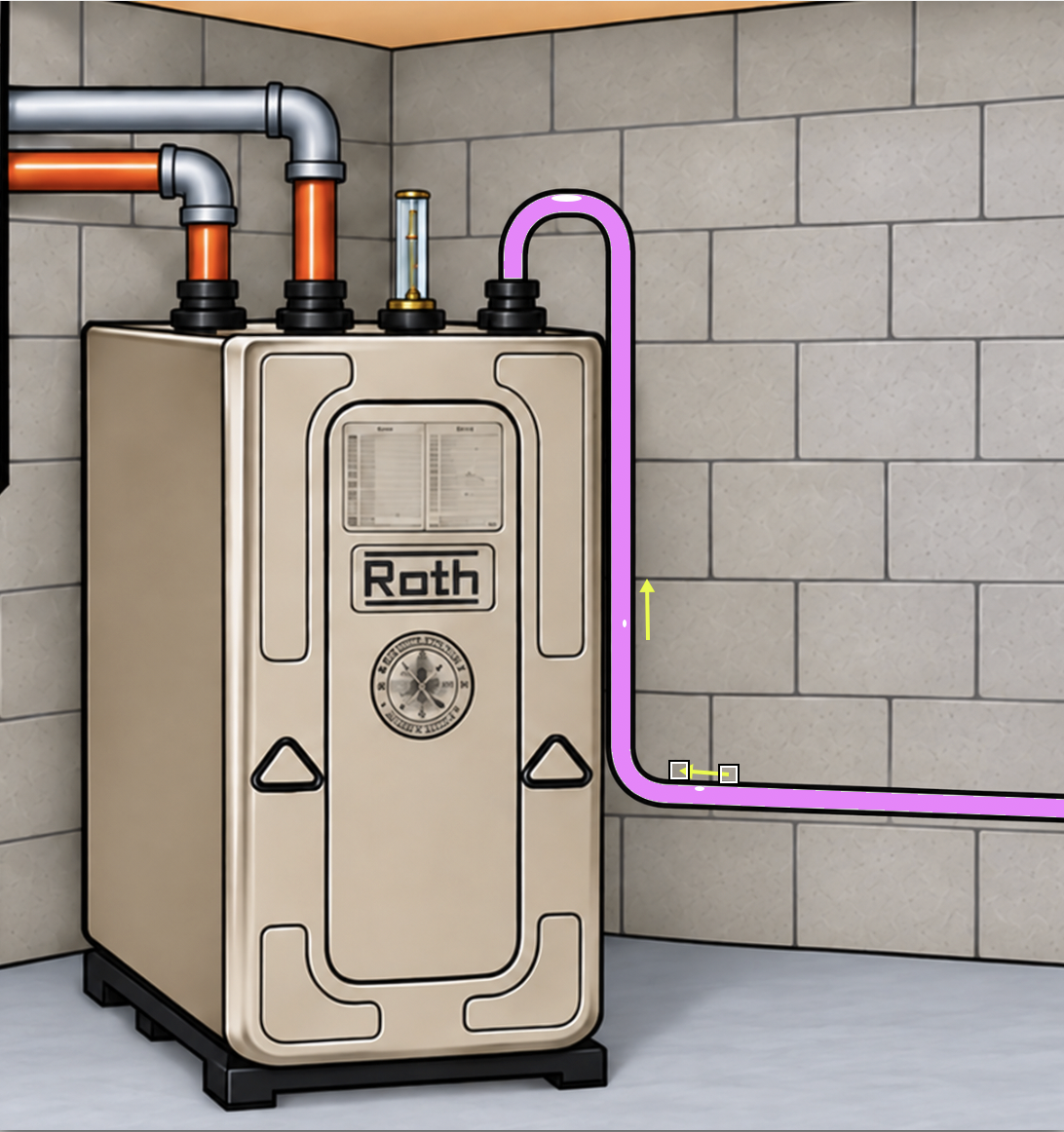
A tiny pinhole air leak in the fuel piping will not necessarily stop the flow of oil immediately. Initially, the small amount of air entering the system may collect at a high point in the fuel line while oil continues to flow past it.
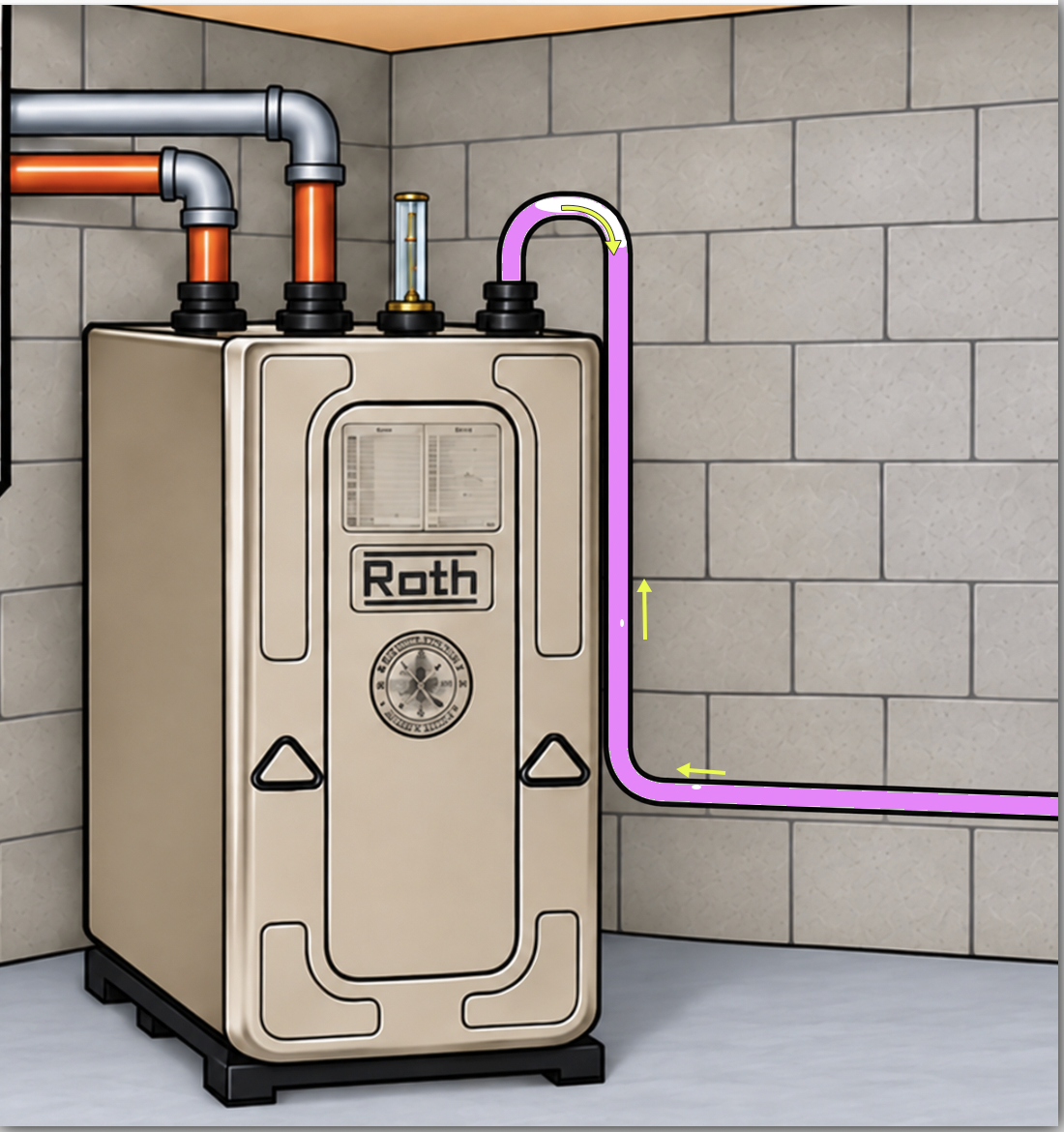
As that air pocket grows, the problem becomes progressively worse but hte fuel water falls over the high spot.
The fuel must eventually move past an increasingly large air-bound section of the piping.
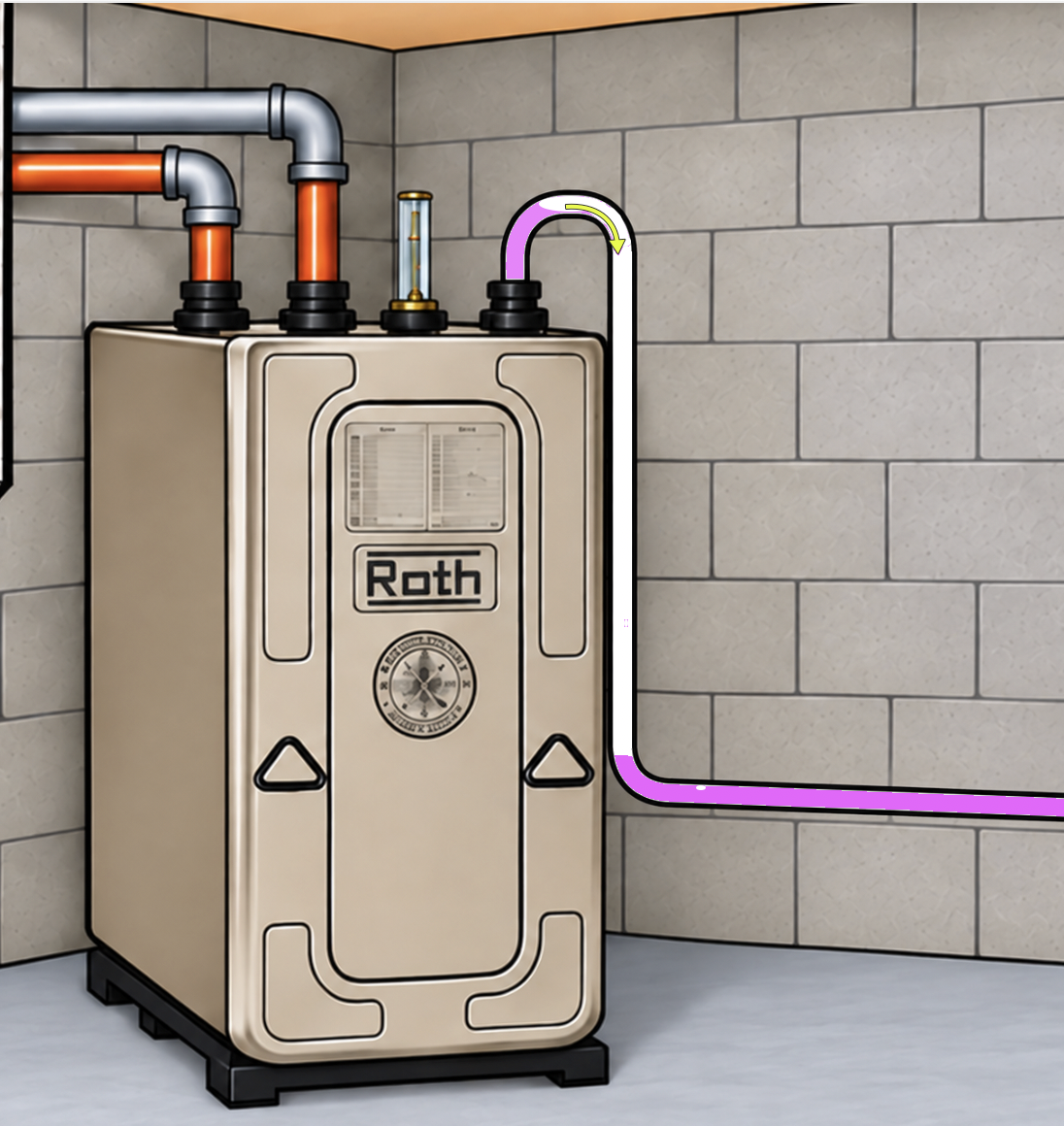
Eventually, the air pocket becomes large enough that air reaches the fuel pump, resulting in a loss of prime and a no-heat condition.
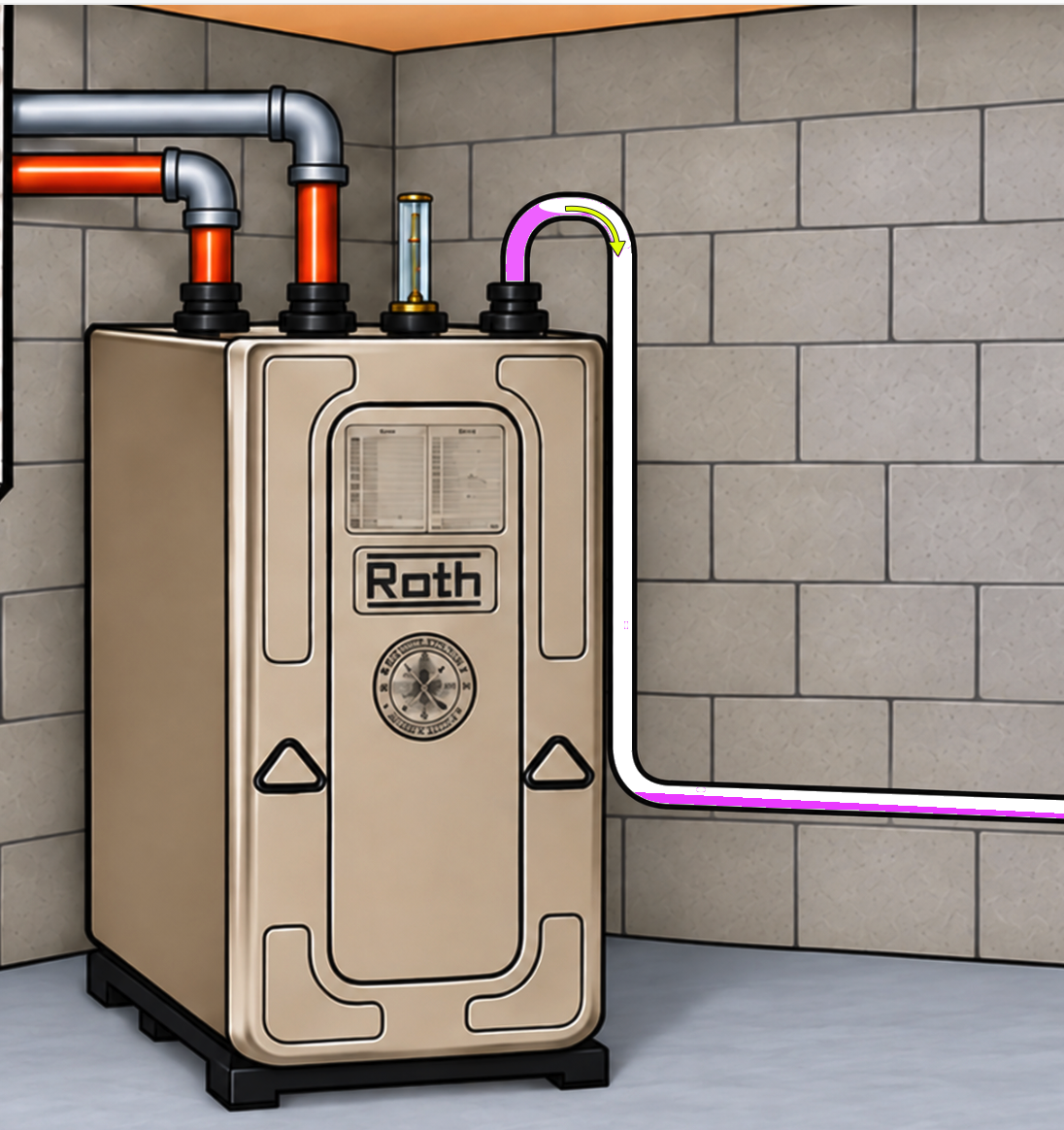
It took 3½ years for your particular problem to develop to the point of causing a shutdown. The next occurrence may take considerably less time. Eventually, the air leak may become significant enough to cause a problem within a month or two.
It's really just a matter of time.
Edward Young Retired
After you make that expensive repair and you still have the same problem, What will you check next?
0



Categories
- All Categories
- 87.9K THE MAIN WALL
- 3.3K A-C, Heat Pumps & Refrigeration
- 60 Biomass
- 430 Carbon Monoxide Awareness
- 134 Chimneys & Flues
- 2.2K Domestic Hot Water
- 6K Gas Heating
- 124 Geothermal
- 170 Indoor-Air Quality
- 3.9K Oil Heating
- 80 Pipe Deterioration
- 1.1K Plumbing
- 6.7K Radiant Heating
- 397 Solar
- 16.1K Strictly Steam
- 3.5K Thermostats and Controls
- 56 Water Quality
- 51 Industry Classes
- 51 Job Opportunities
- 18 Recall Announcements