Water Hammering- One Pipe Gravity Return

Hello,
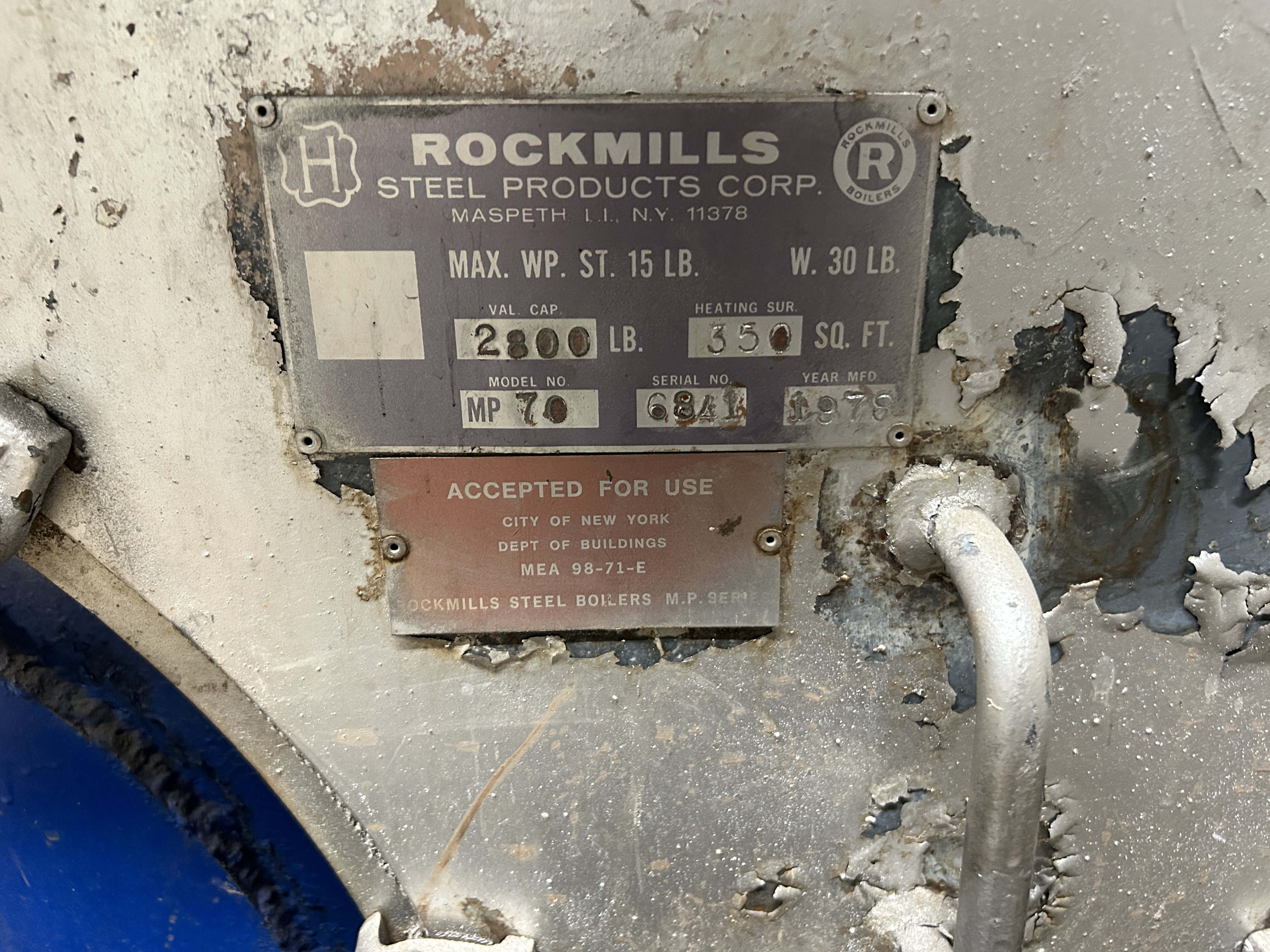
I am working on this building which has been having water hammering issues for the last 20 years and more. It is a one pipe steam building with gravity return. Have attached the picture of the boiler specification tag
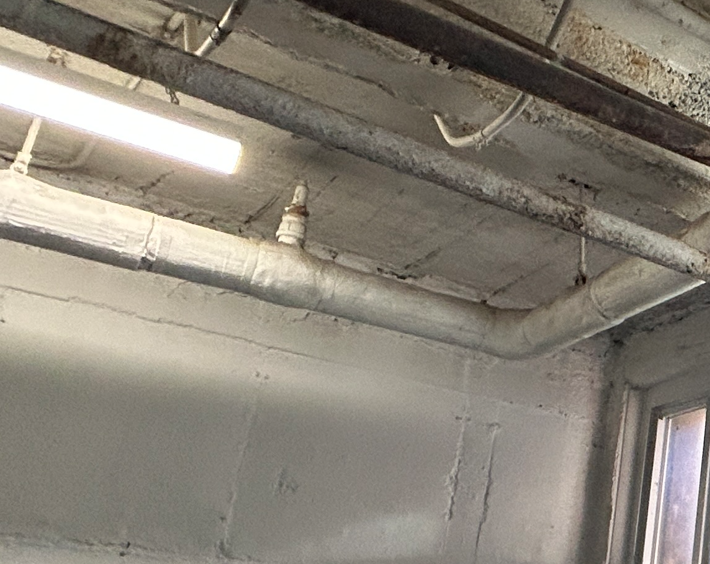
I tried to diagnose the issue as per the detailed description given in "The Lost Art of Steam Heating"; Chapter 14 (Shoutout to Dan Holohan) . I verified the near boiler piping, traced all the main steam lines, the riser connections to the apartments, main vents and condensate lines coming back to the building. I have attached the steam schematic and vent photos
I found some major issues related to hammering and venting as stated below:
Main Vents
The building doesn't have enough vents with enough capacity to vent the air out of the system. As seen from the steam schematics and photos, , they only have four (4) vents in total.
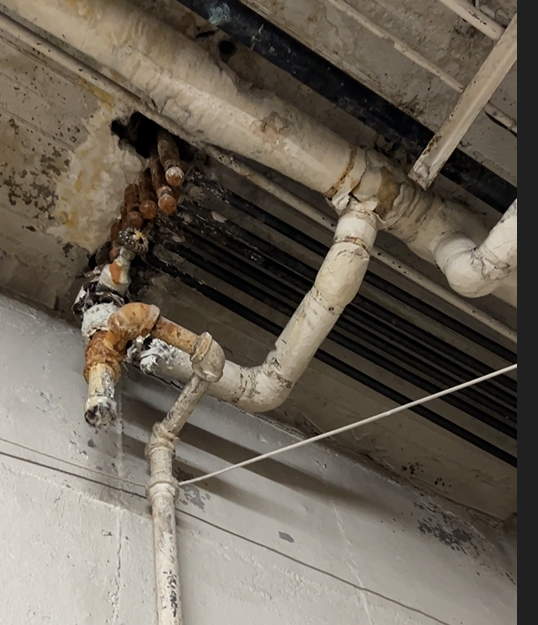
One of the G-line Riser not heating
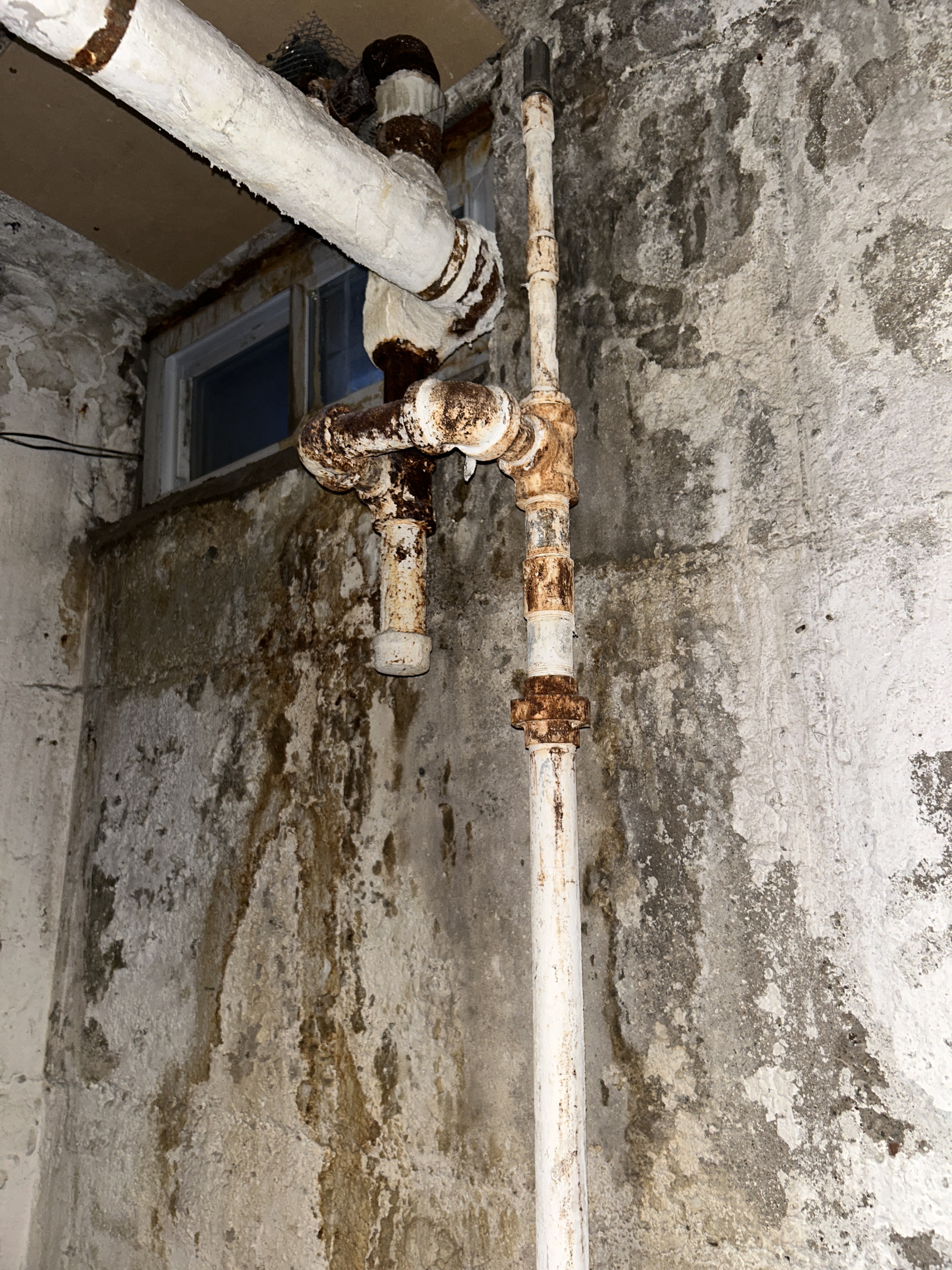
One of the riser on the G-line (Every floor has 6 apartments with letters as suffix, for eg: for first floor its 1A,1B upto 1G) is cold all the time during boiler firing cycle. Have attached photo of the riser below. Its located in the boiler room. The temperature was around 77F-80F all the time. The riser is in bad condition and might be clogged?
Water Hammering
For water hammering, I found these issues in the building:
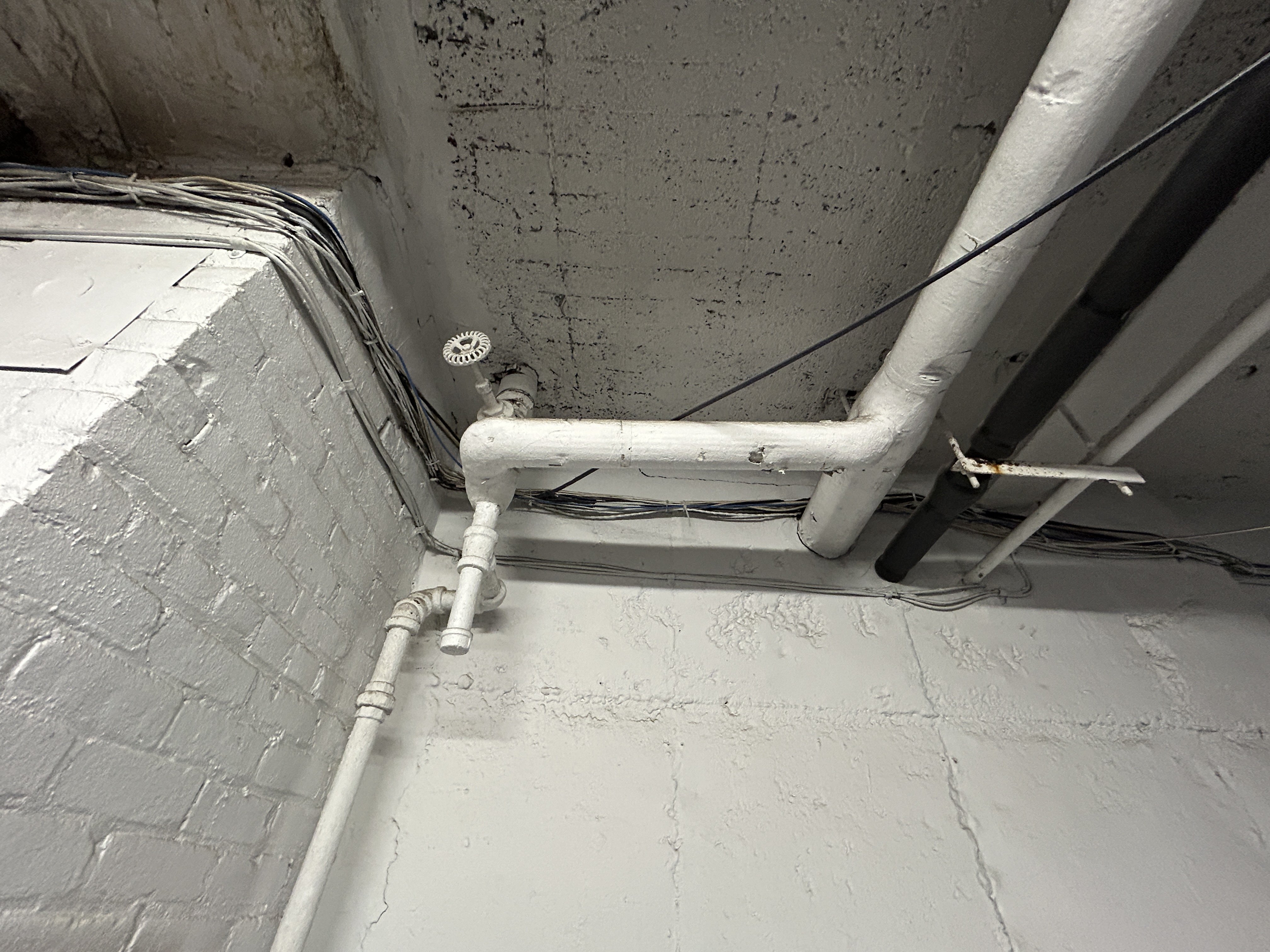
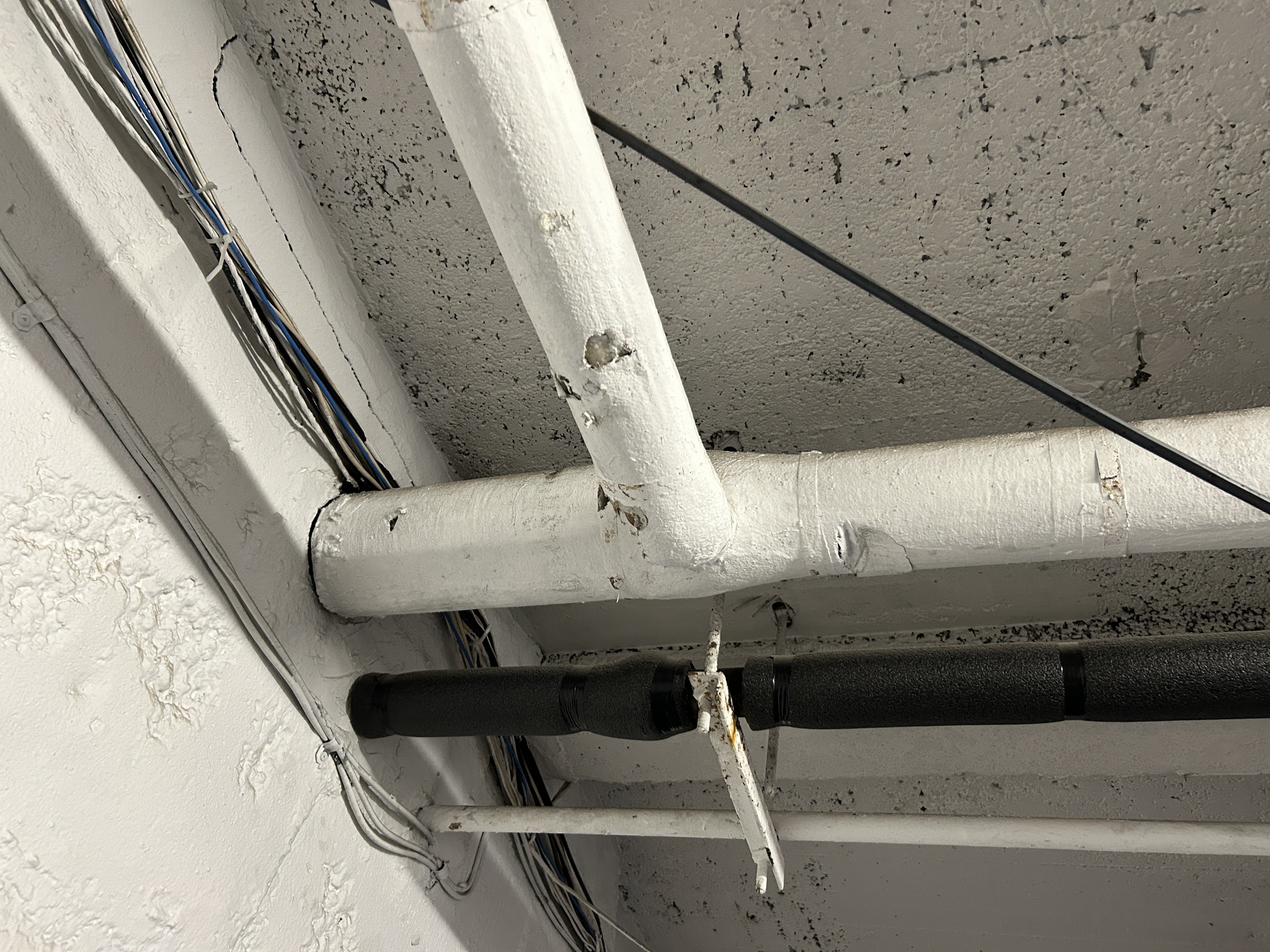
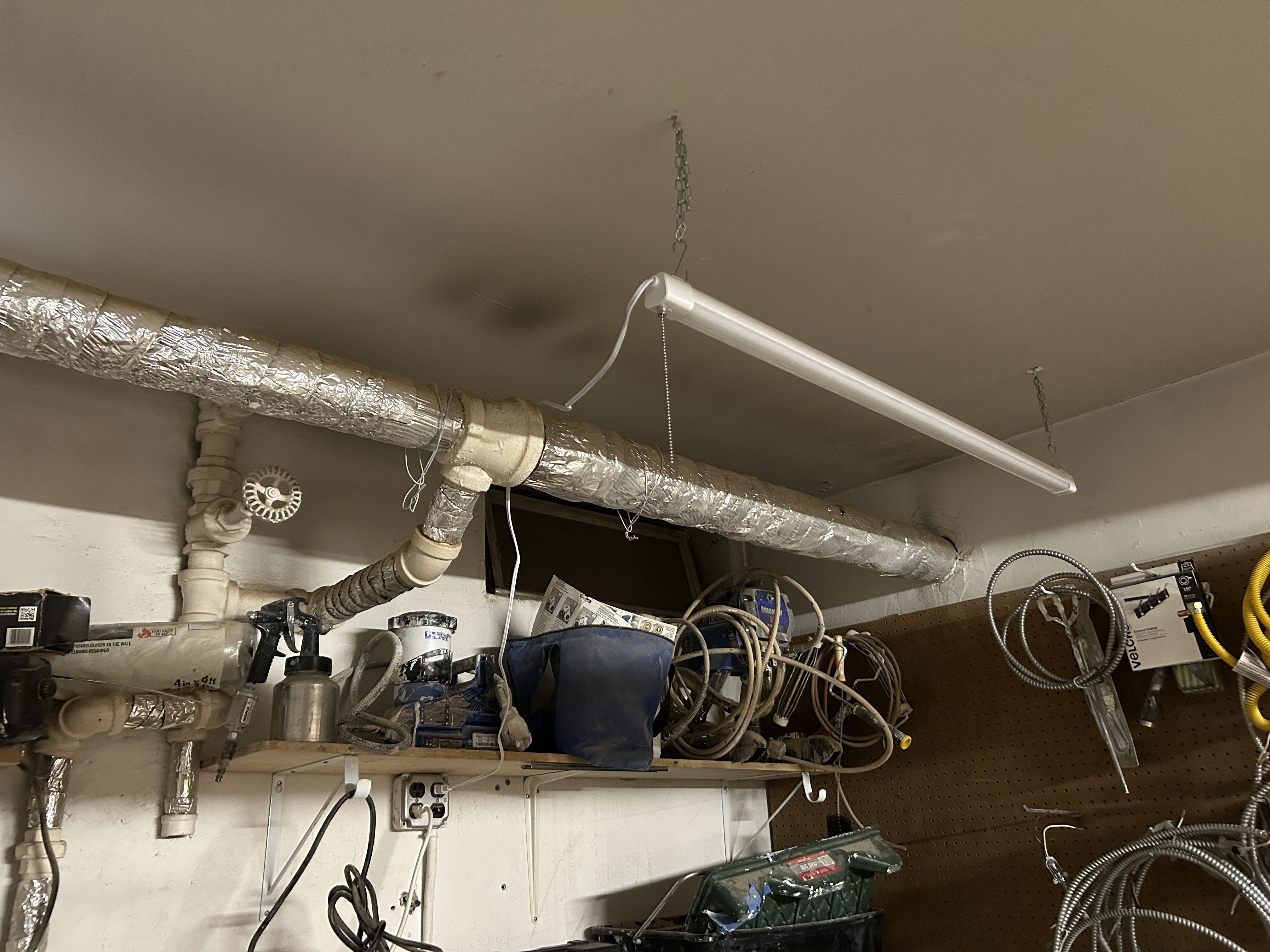
1.Concentric Reducers
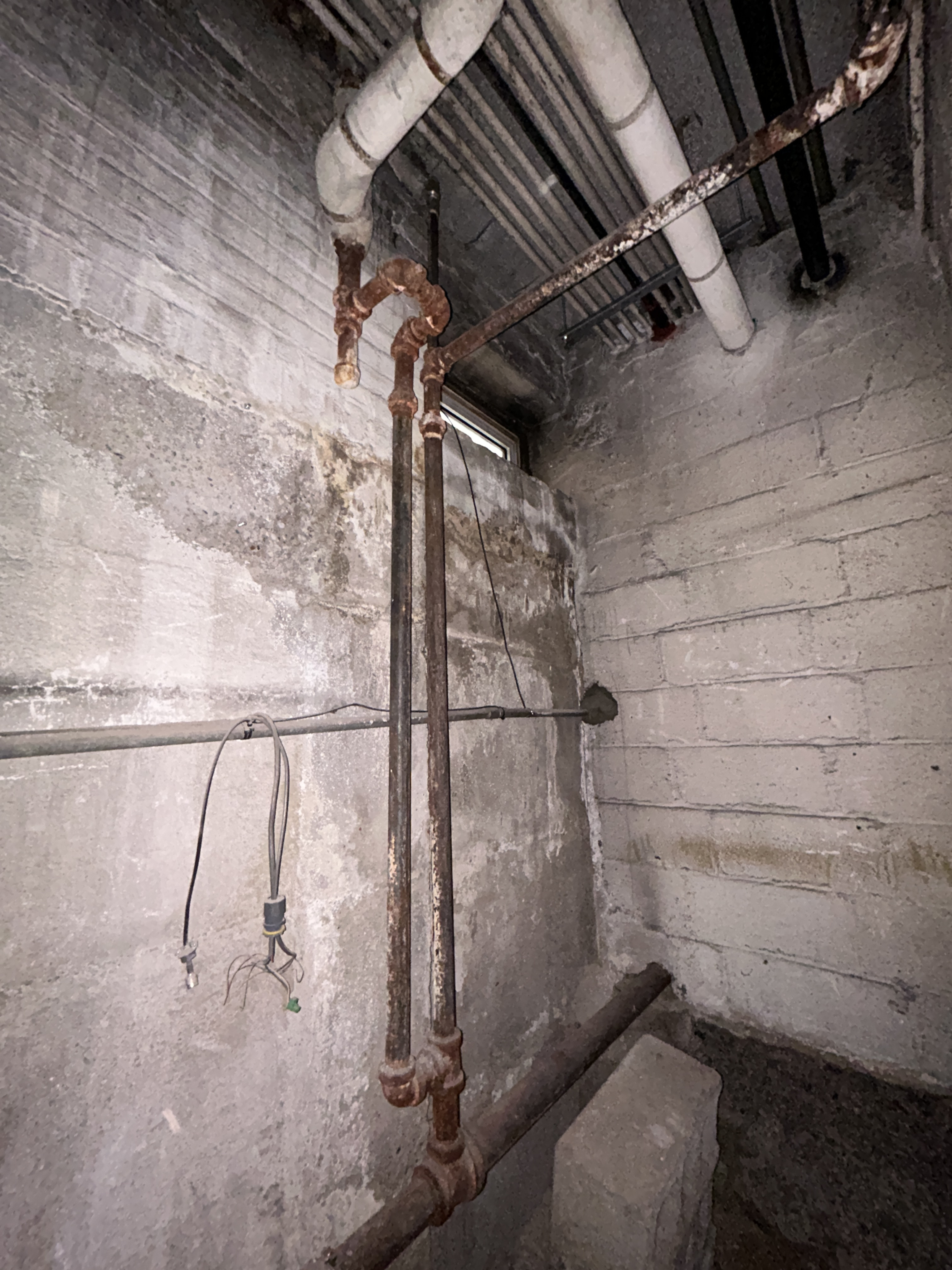
The reducers are concentric rather than eccentric reducers as seen in the photos below
2. Not Enough A dimension
The condensate line from Loop 2 and Loop 3 (in the steam schematics) combines and comes to the boiler room as a single line. The condensate from Loop 3 comes as a standalone line. From my observations, I believe the system doesn't have enough A dimension to generate enough static pressure to push the condensate back to the boiler. I have attached an isometric drawing of the boiler room, which has boiler water line and the dry returns coming into the boiler room along with their height from the ground level. It gives a clear picture of the current "A" dimension problem.
3. Pipe Insulation
Some sections are not insulated or not properly insulated
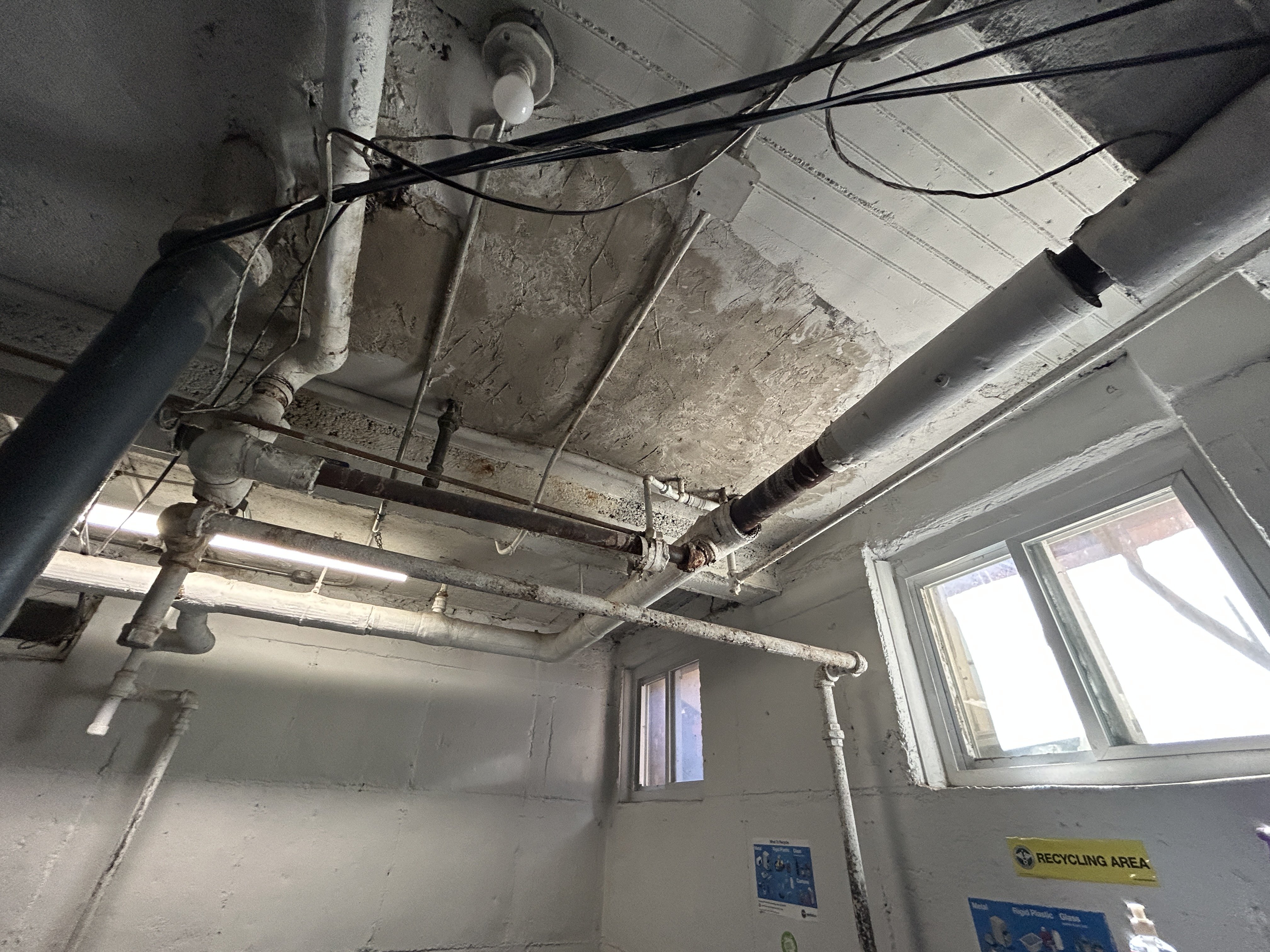
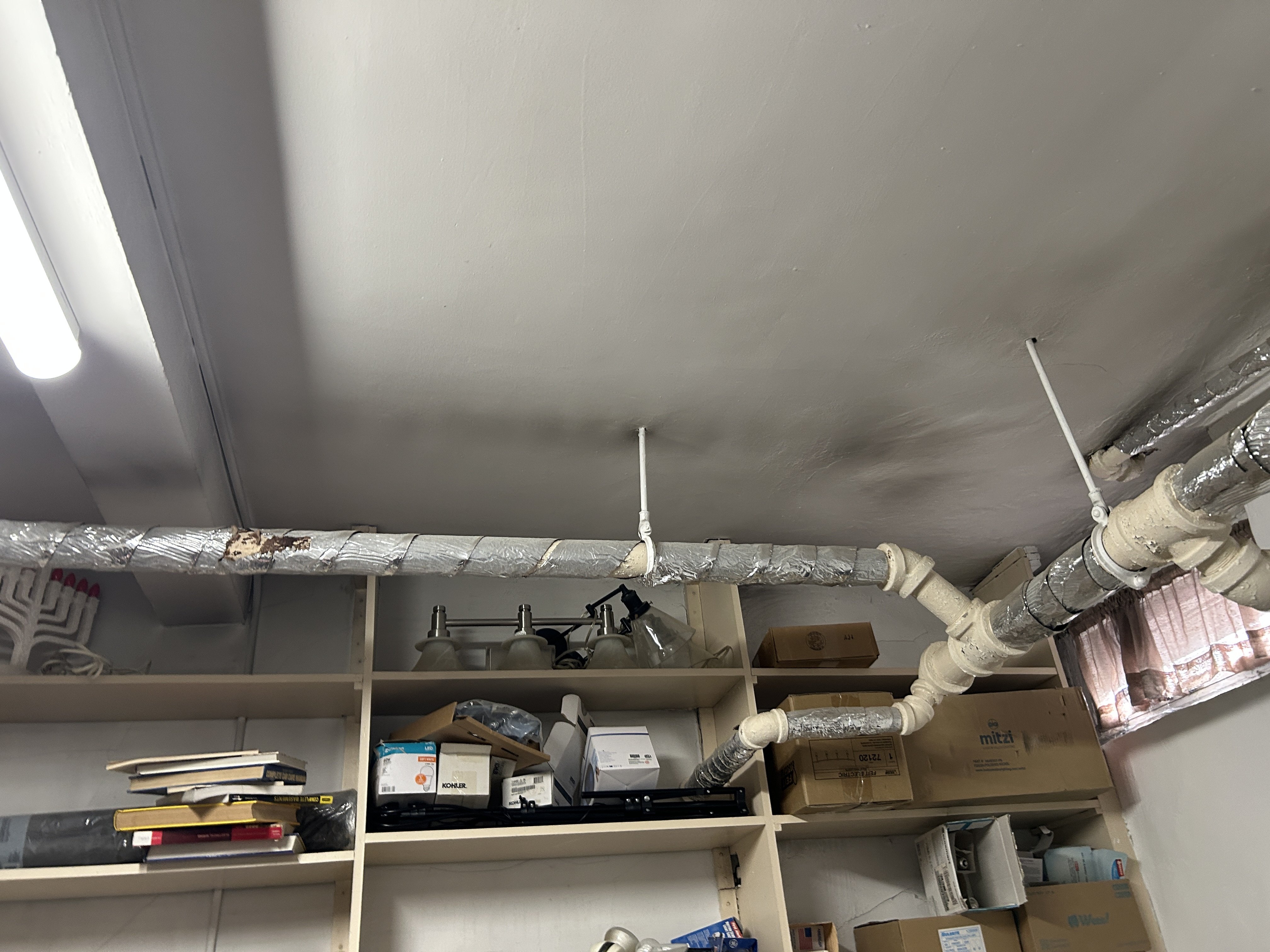
4. Improper Condensate Pitching
Some sections of condensate piping doesn't have enough pitch or has a positive slope.
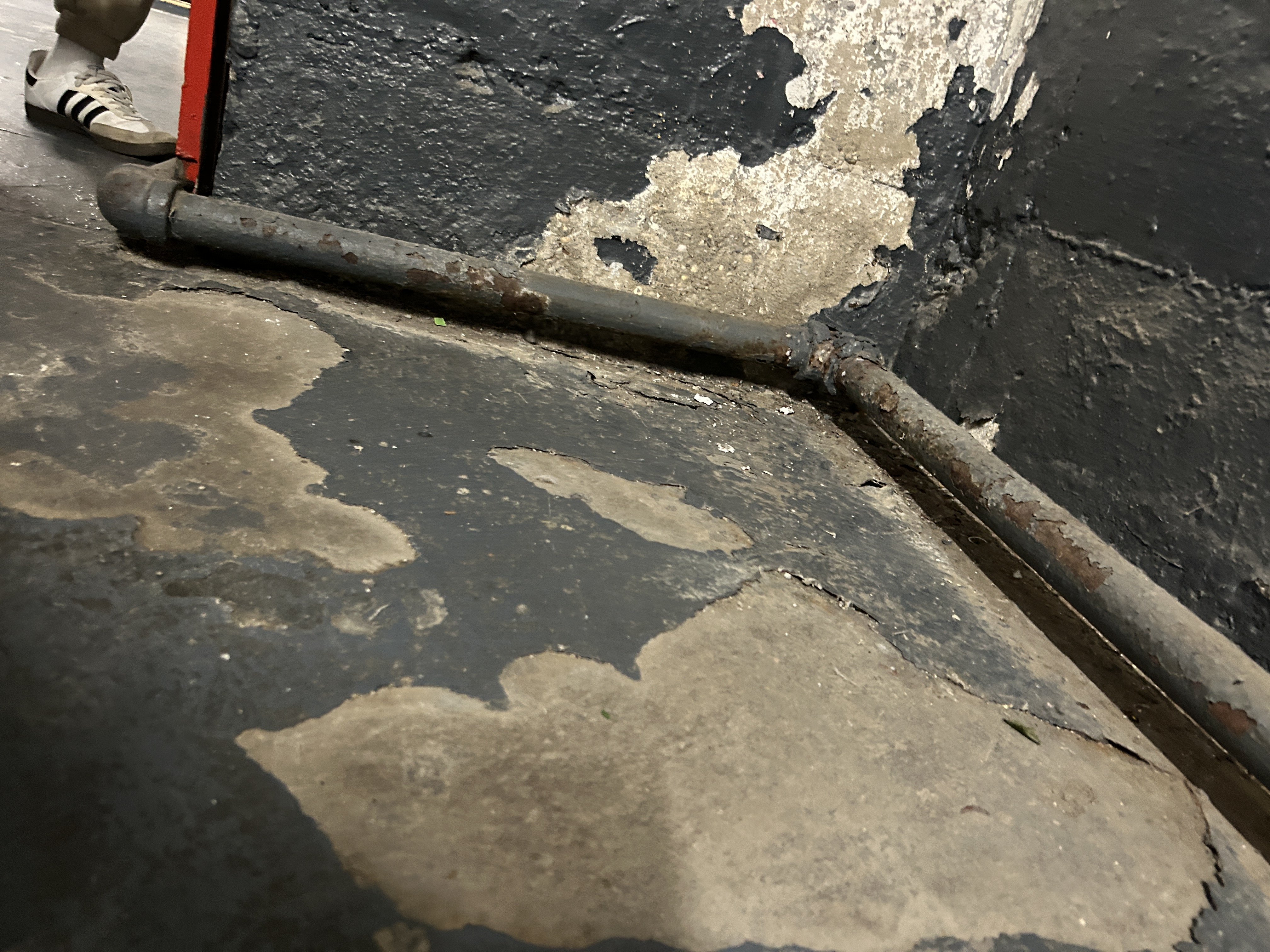
Please let me know what do you guys think? Thank you.
Regards,
Suchit S Apage
Comments
-
I am speaking as a layperson that grew up with steam;
It would save you a great deal of work if you hired a mechanical engineer or licensed steam plumber to look at
this place and then do a heat study.
It is more important to ask if they are willing to actually spend good money to fix it by replacing any bad
piping, adding main vents or replacing the current vents with larger vents, adding a pair of low water cut off
switches to bring the boiler up to code, install new steam controls, shimming radiators to increase condensate
drainage if needed, replacing old radiator vents with new ones, replacing/moving the condensate return pipes
to create properly sloped pipes, adding a main vent menora on the top floor if possible-if needed, adding a
double drop header on the boiler if there is enough ceiling height.
One of the first things on the list would be to do the heat study then wand and clean the boiler if there is a
mud leg to drain any sediment otherwise one would have to be added if there are 2 tappings in the boiler
sump and clean the burner(s) and do a combustion test.
0 -
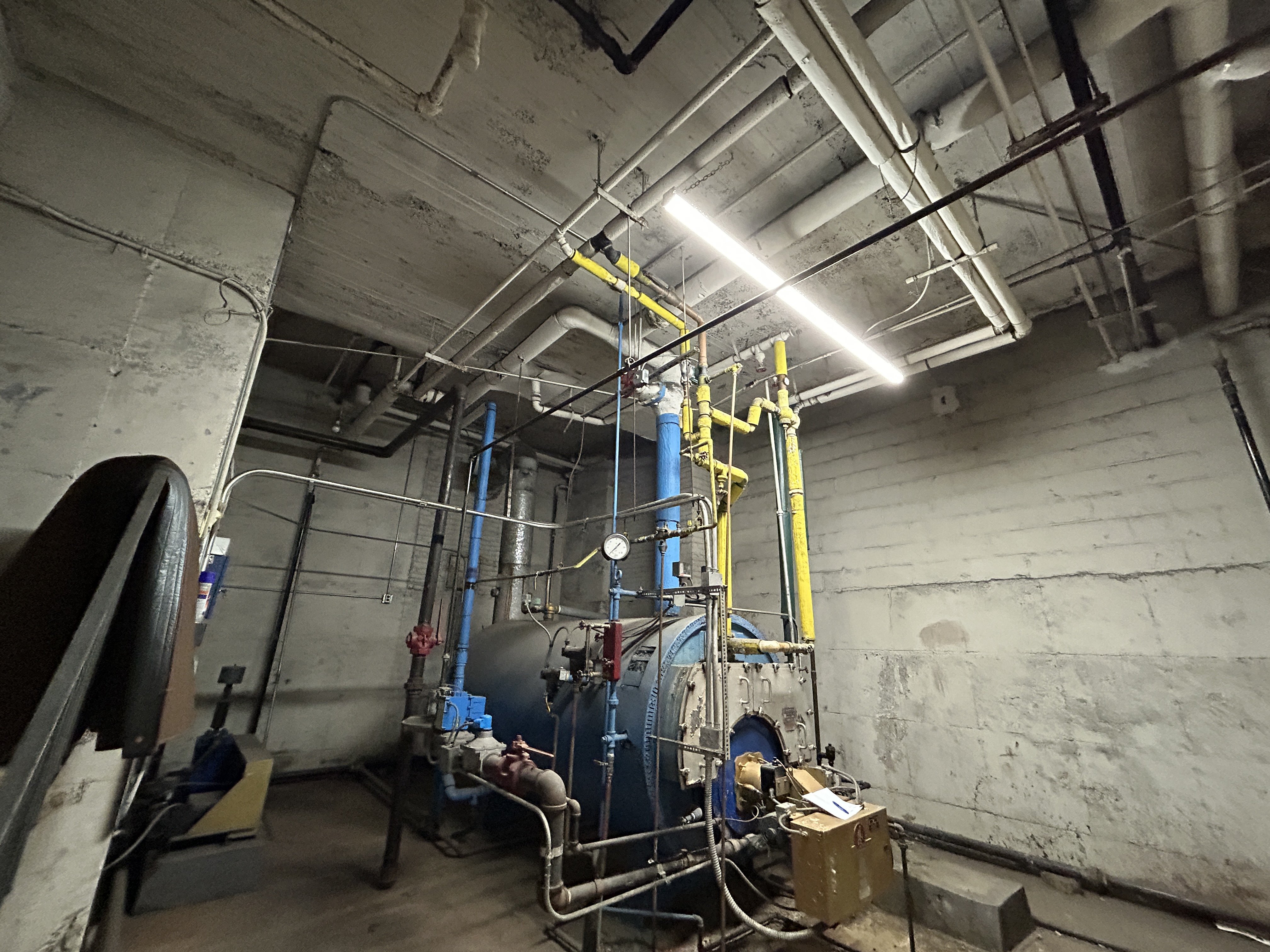
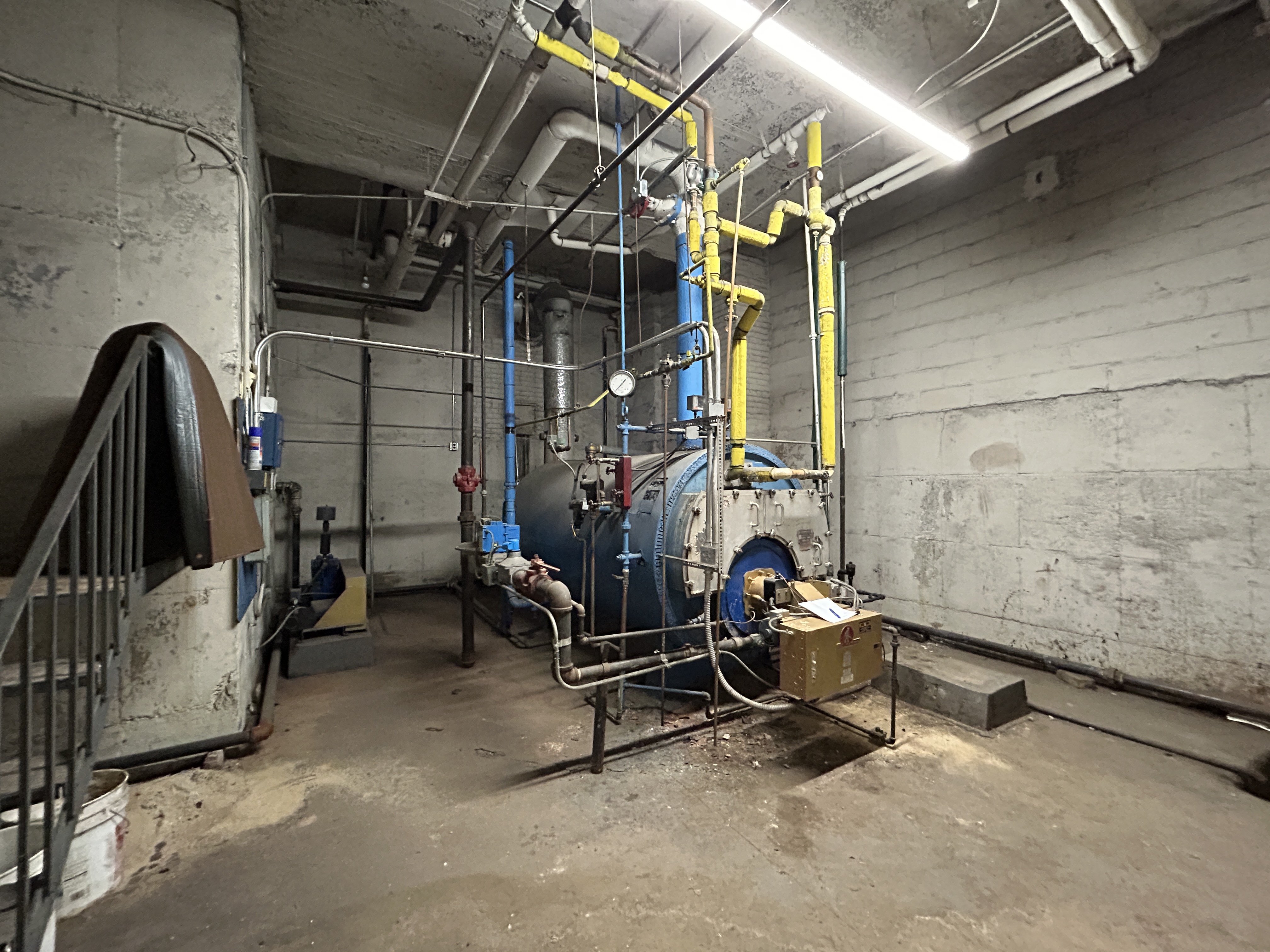
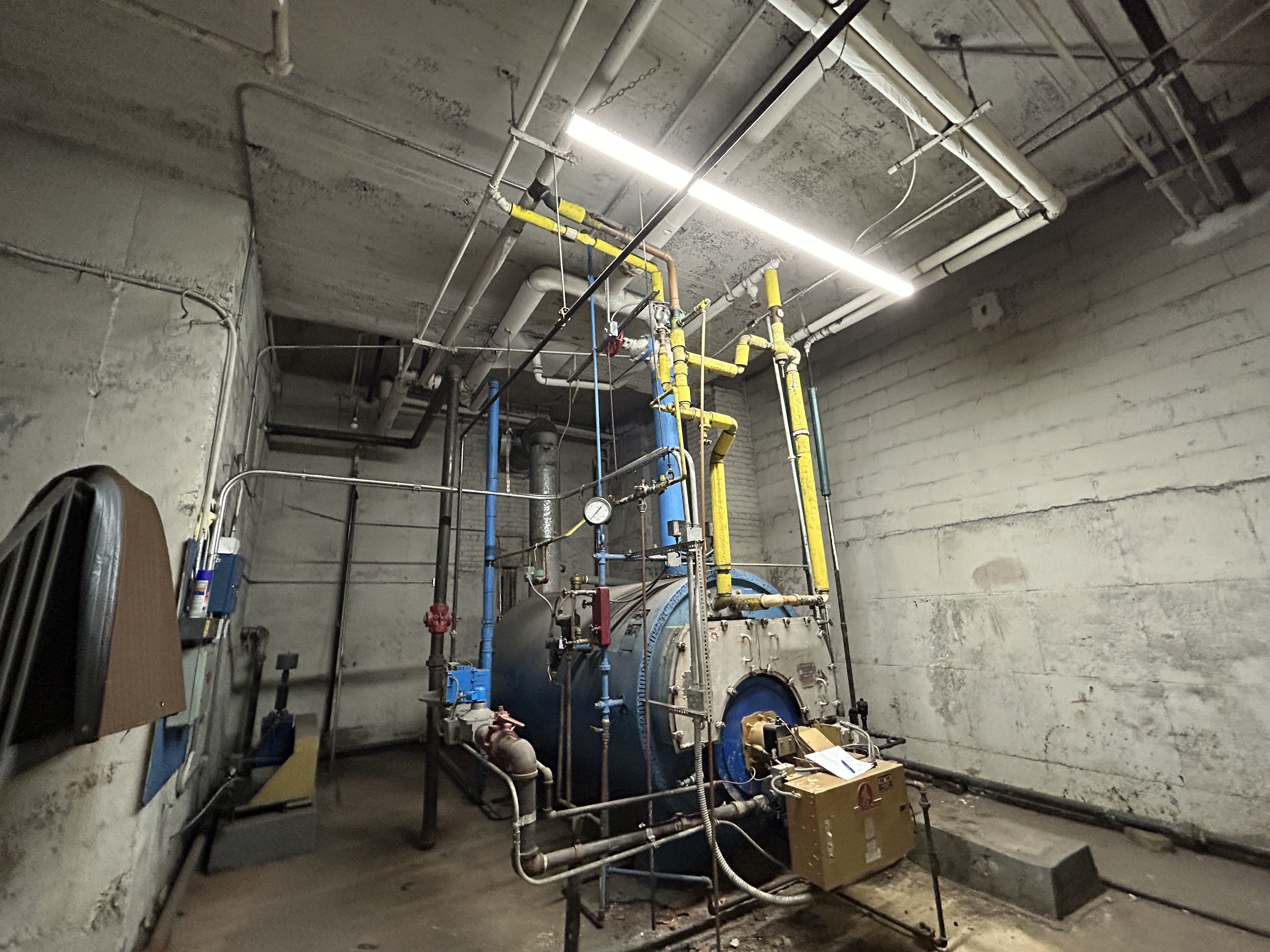
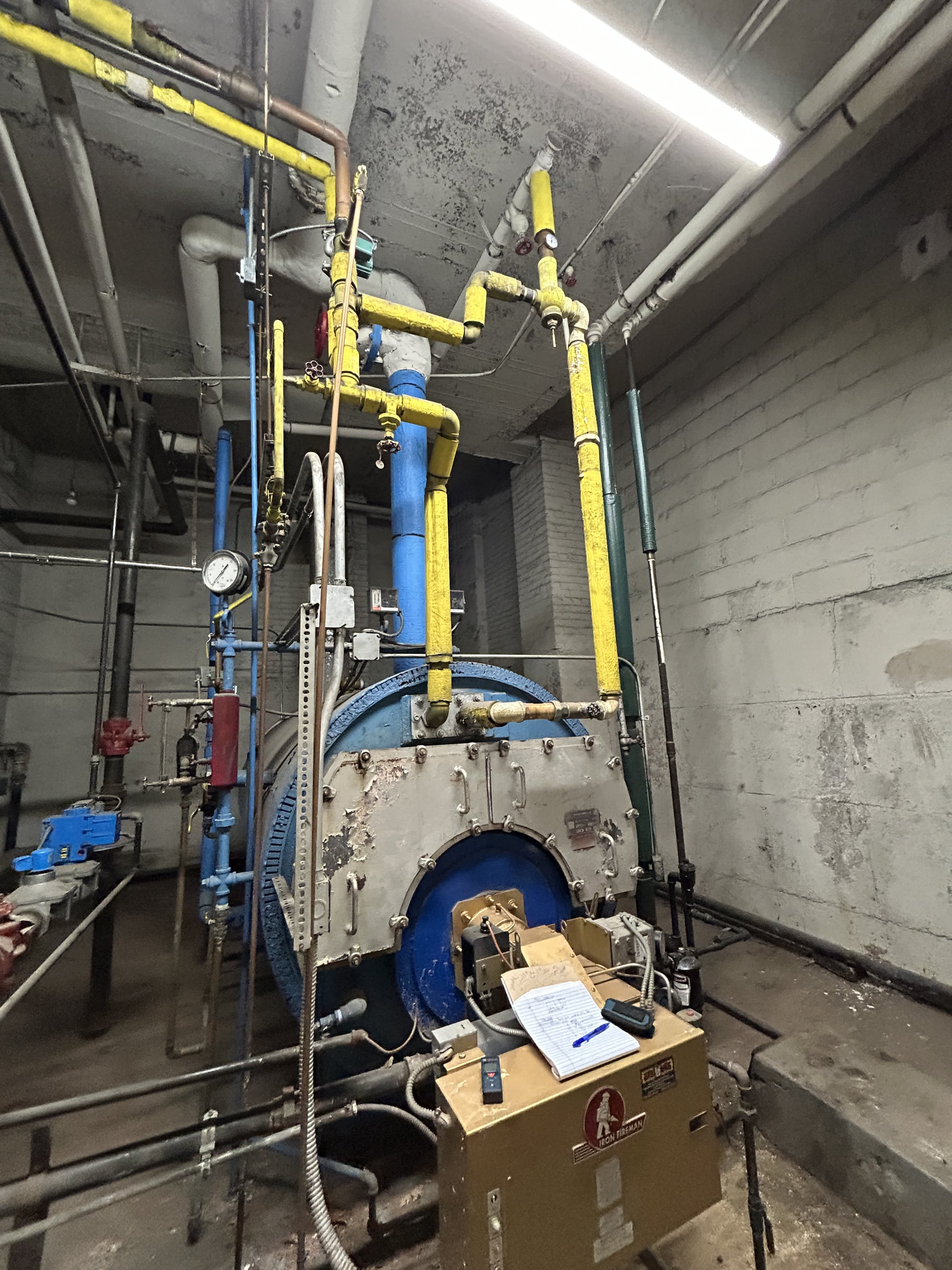
Lets see the boiler header and the boiler piping. Is the water line steady when it is steaming?
0 -
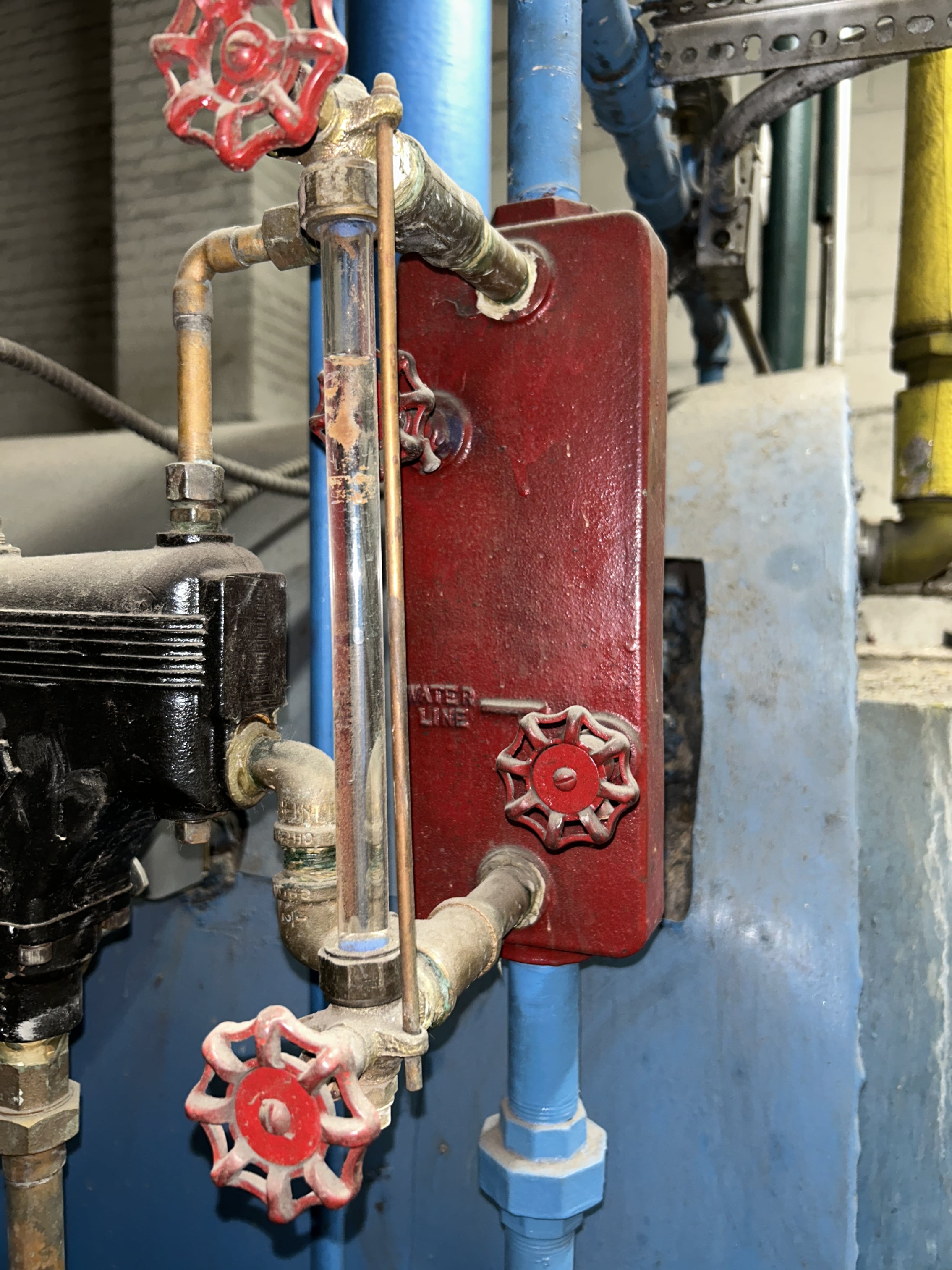
Sure. Here we go. The water line fluctuates a lot when it's steaming. I have also attached the boiler spec sheet from Rockmills
website.
 0
0 -
i'm not super familiar with that type of boiler but it looks like it is afire tube boiler. i'll let others comment but it looks like the interior of the boiler is completely filled with water not giving the steam any place to separate from the water.
the rules about headers don't apply the same way to an older boiler as they do to a modern boiler, the interior of the boiler should have more space for the water and steam to separate, making it less critical that the header is set up to do that job.
0 -
Unless I'm completely misreading that sight glass — quite possible — that boiler is wildly overfilled. Now the water line marked on the boiler doesn't correspond to the low water cutoff installation, which is higher, so that will govern. Try starting off with the water line about even with the TOP of LWCO casing and see how that works.
A couple of thoughts.
First, so long as the wet returns — your "condensate lines" are below the boiler water line, the pitch on them is irrelevant. What is relevant is that they must be clear; they are the only place in a steam system where gunk can build up, and a clogged wet return can make for difficulties.
Second, there should be generous main vent at the end of every steam line. From the overall appearance of the size, I'm going to be that even two Gorton #2s won't be overkill. Now a further thought: if you have multi-story risers, there is no harm and a good deal of benefit to putting a main vent at the top of each riser as well.
Third, while the wet return pitch isn't critical, the pitch of the steam mains and any horizontal runouts is. The runouts must all pitch back to the steam main, or to a drip to the wet return, and the steam mains must pitch — full length — to a drip (preferably) or back to a drip near the boiler.
You mention a concern about pressure. Several things here. First, even though this appears to be a pretty big setup, I doubt very much that you need to or want to run the boiler at more than 2 psig. To concern on not enough pressure to push the condensate back. There is one place which concerns me, looking at your diagram: there is a "dry return" coming from loops 2 and 3. Since this is one pipe steam, this isn't a true dry return, but a steam main extension — and thus subject to some or full boiler pressure. The problem is that it is very close to the boiler water level which you call out, and at certain firing conditions it may be just low enough that condensate can back up into it — or try to. And this can cause some really bad water hammer. This comment, though, does go back to the first comment on the apparent boiler water level. Is that reference dimension to boiler water level to where the water level should be, or where it is?
On the line which doesn't heat. Is there a valve on that line? I see lots of valves! If there is, are you sure it's open? Trace how far the heat gets to find out what might be stopping the steam.
Br. Jamie, osb
Building superintendent/caretaker, 7200 sq. ft. historic house museum with dependencies in New England0


Categories
- All Categories
- 87.8K THE MAIN WALL
- 3.3K A-C, Heat Pumps & Refrigeration
- 60 Biomass
- 430 Carbon Monoxide Awareness
- 133 Chimneys & Flues
- 2.2K Domestic Hot Water
- 6K Gas Heating
- 124 Geothermal
- 170 Indoor-Air Quality
- 3.9K Oil Heating
- 79 Pipe Deterioration
- 1.1K Plumbing
- 6.7K Radiant Heating
- 396 Solar
- 16.1K Strictly Steam
- 3.5K Thermostats and Controls
- 56 Water Quality
- 51 Industry Classes
- 51 Job Opportunities
- 18 Recall Announcements