Vacuum system?

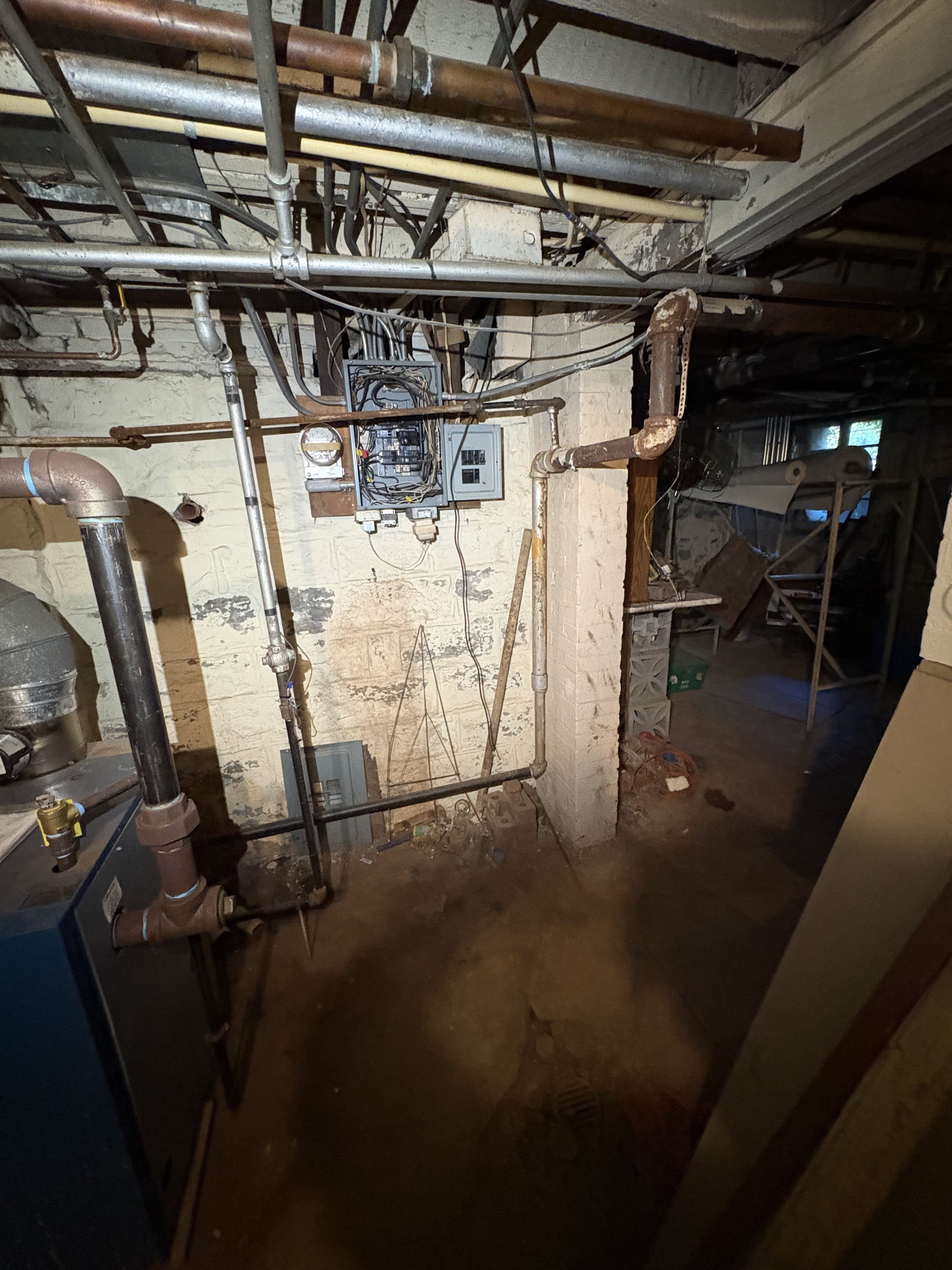
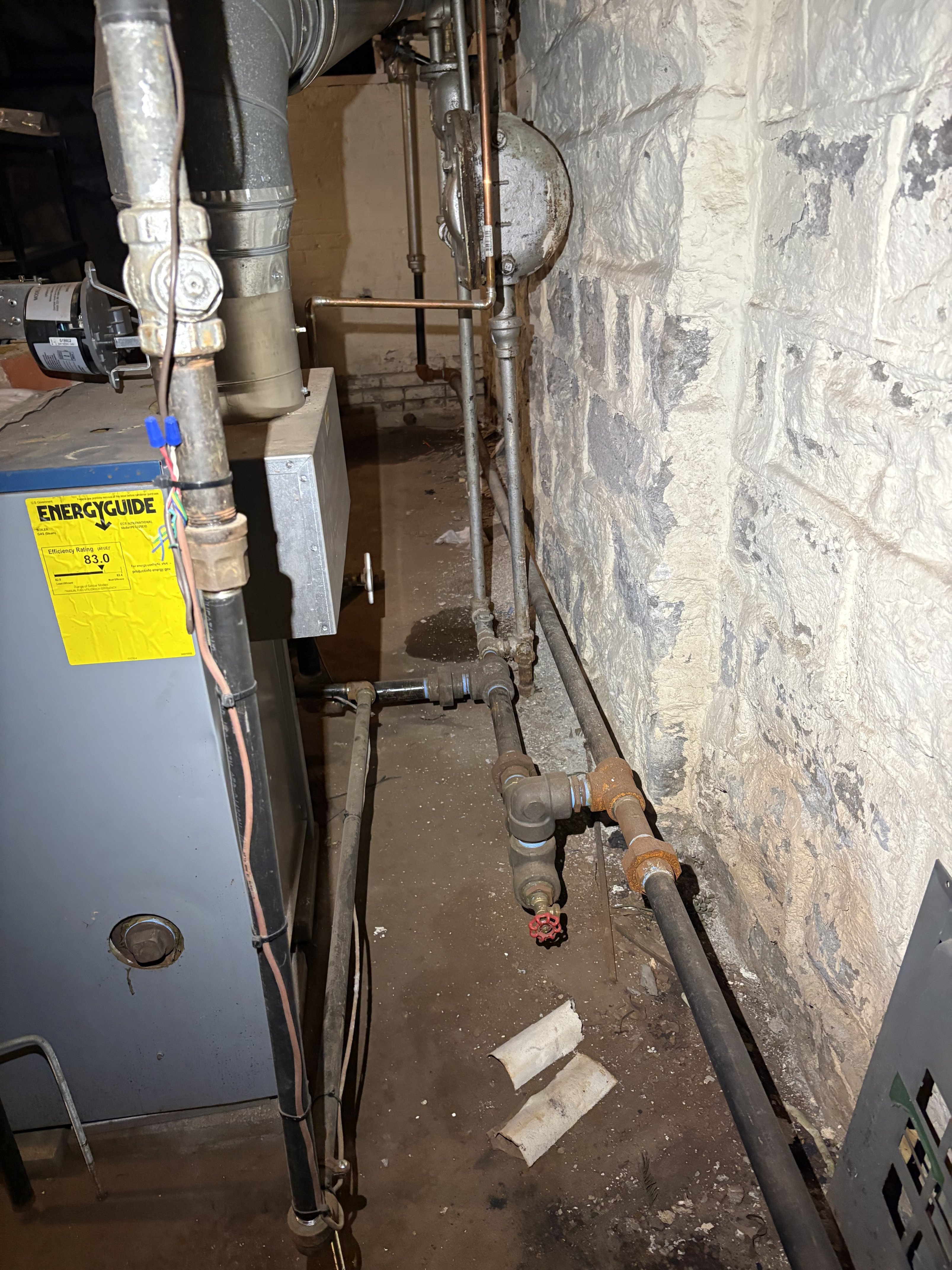
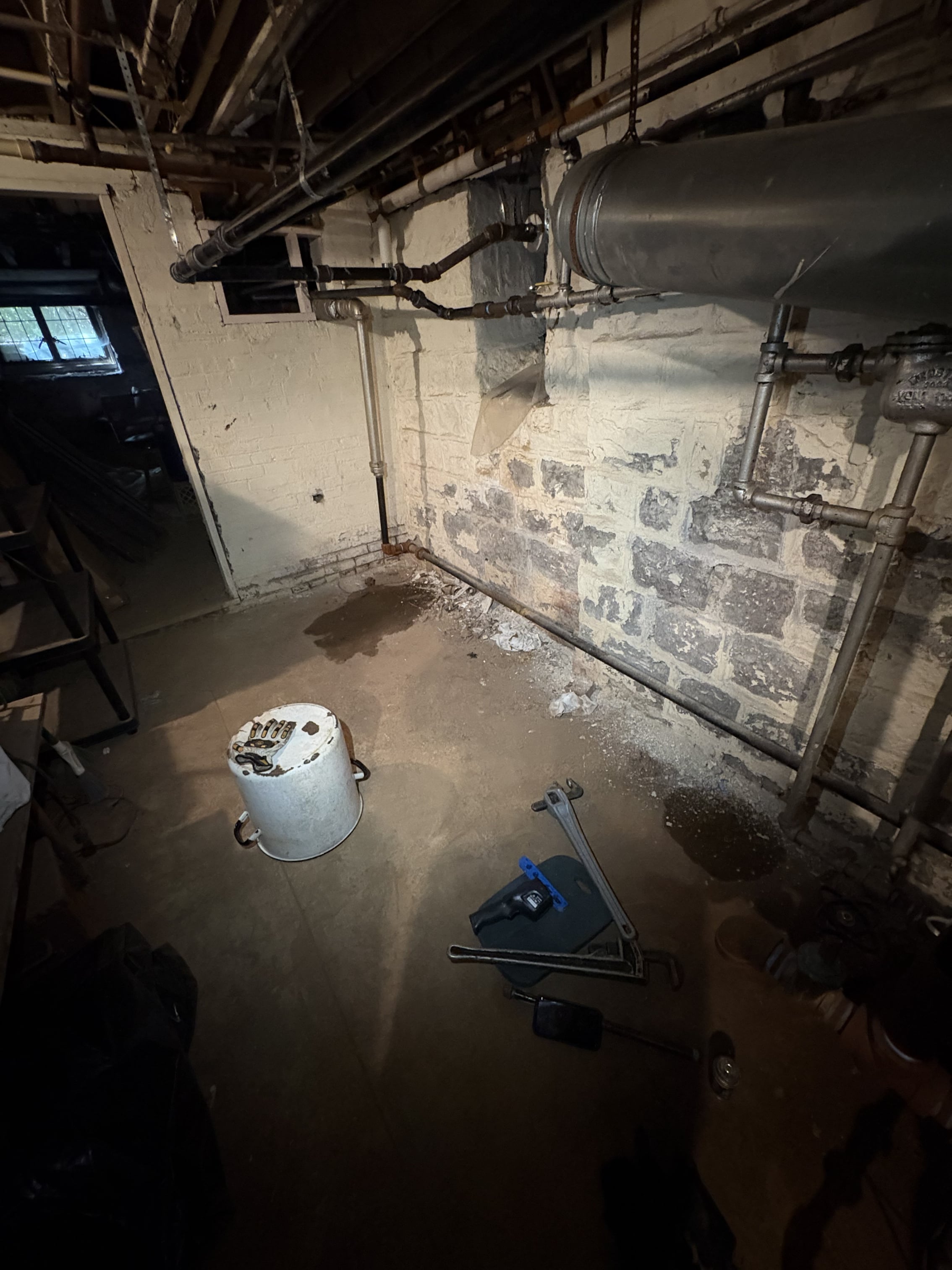
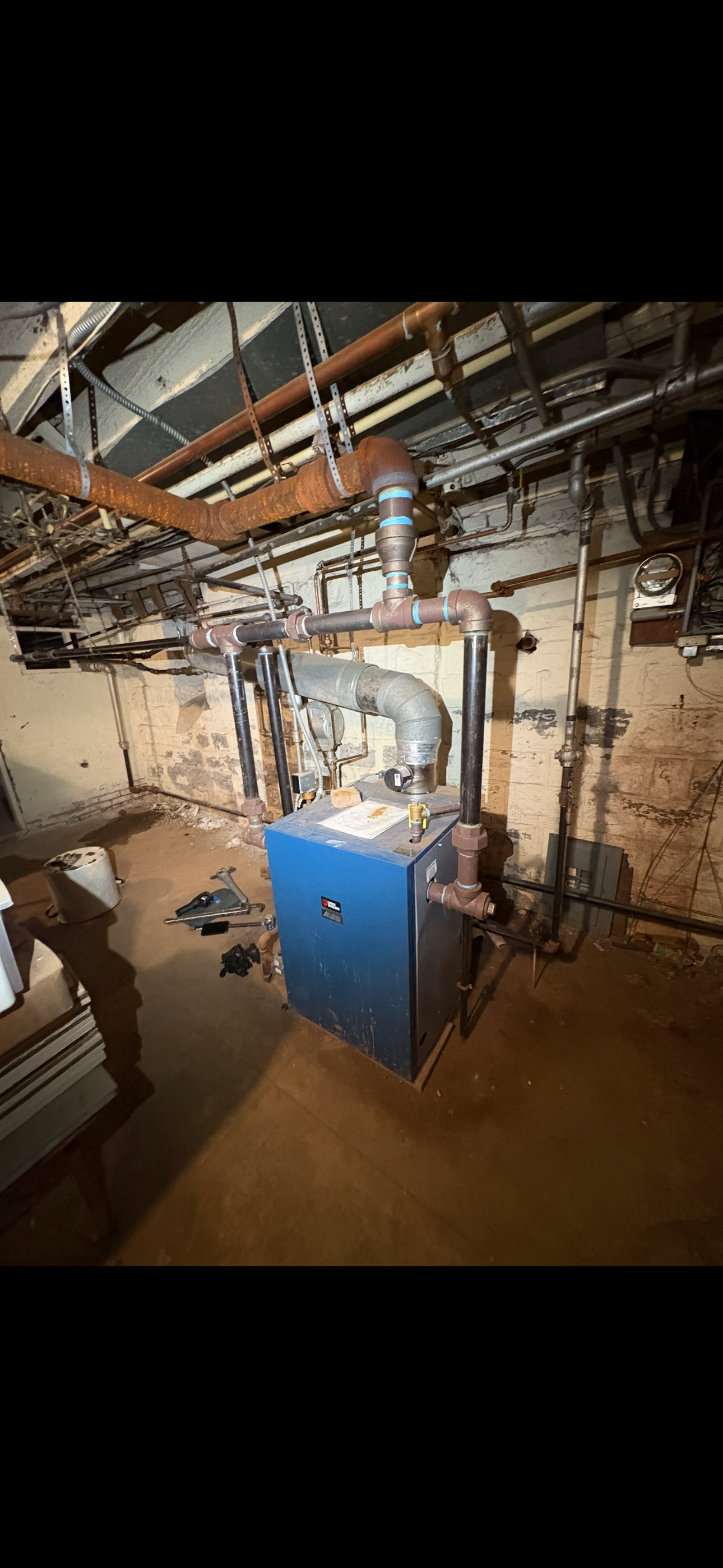
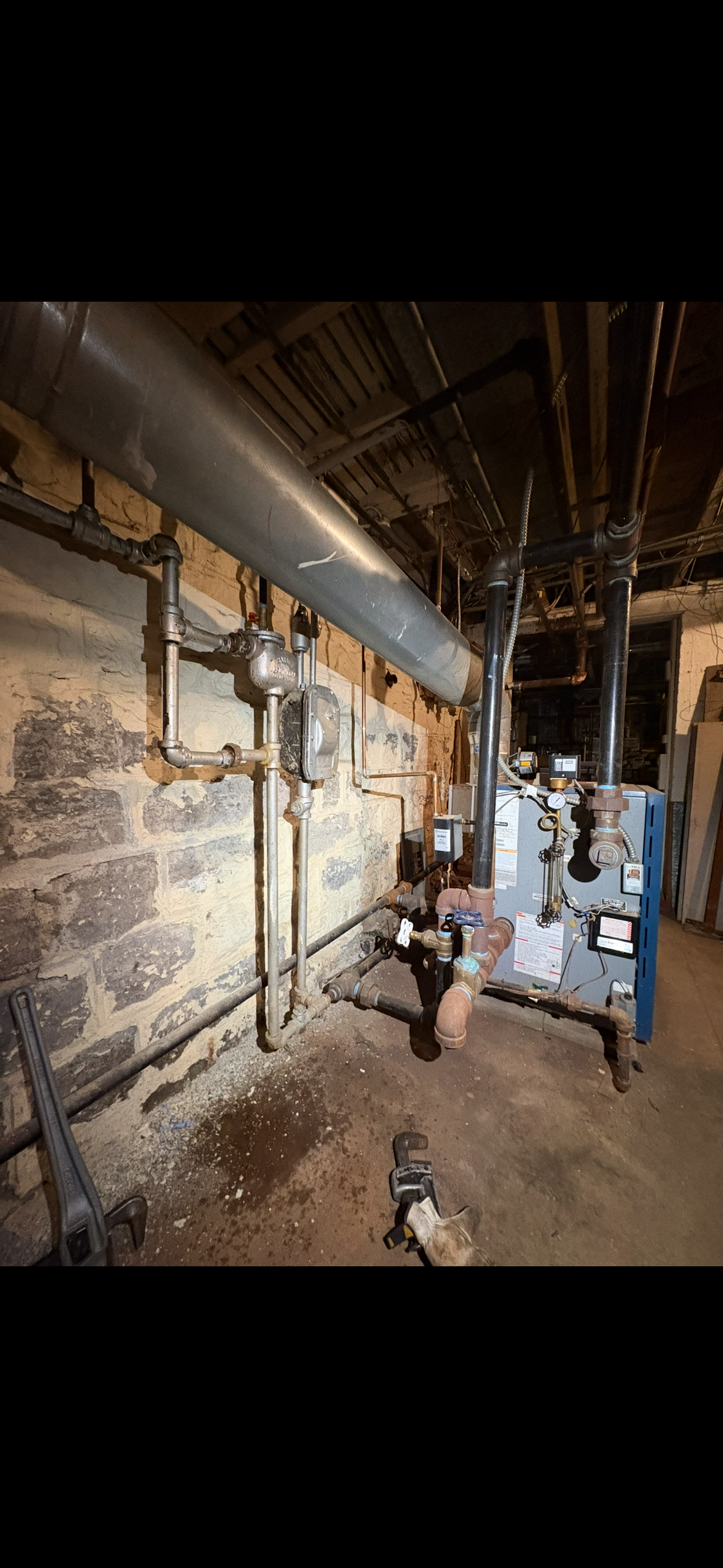
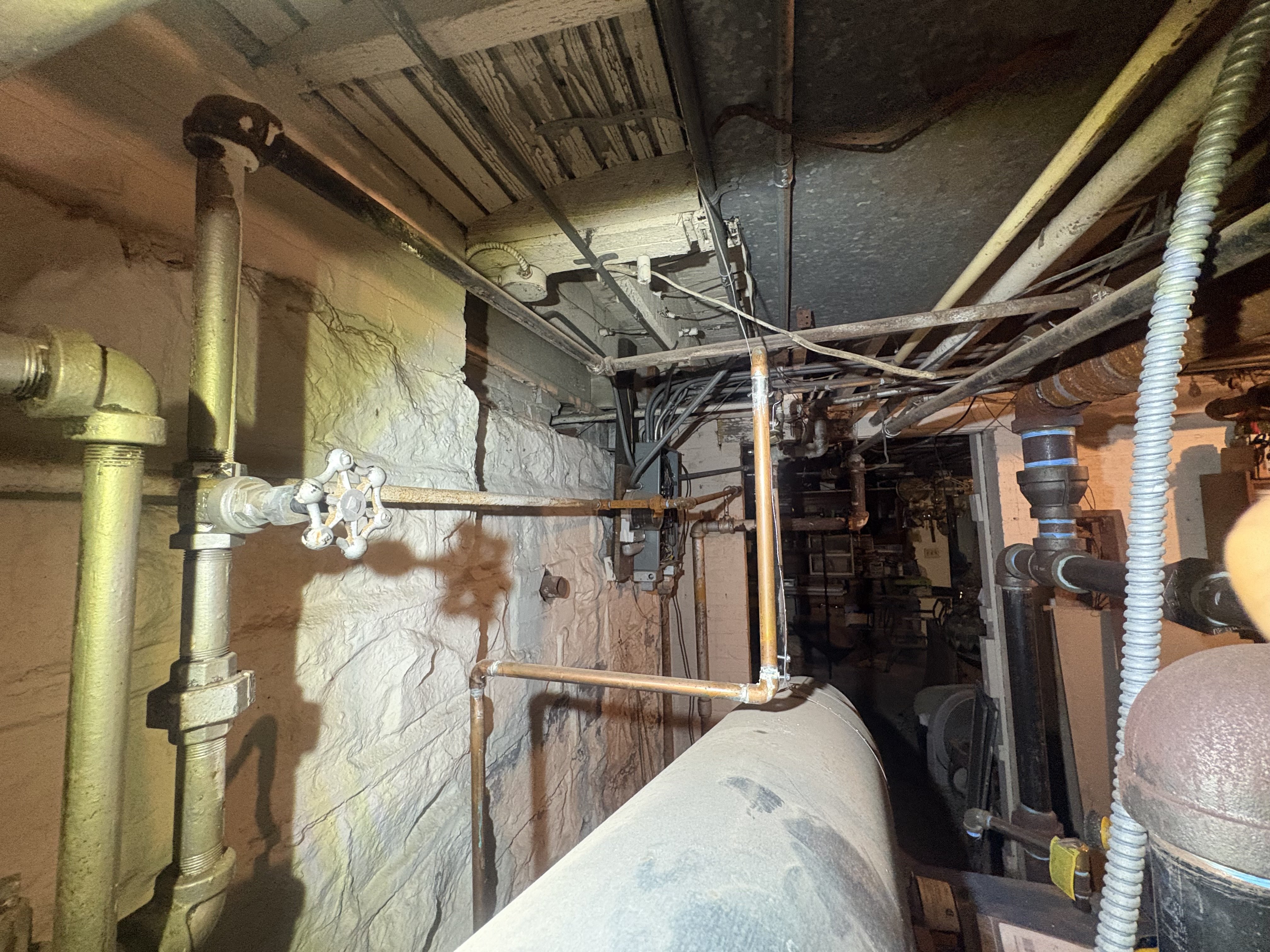
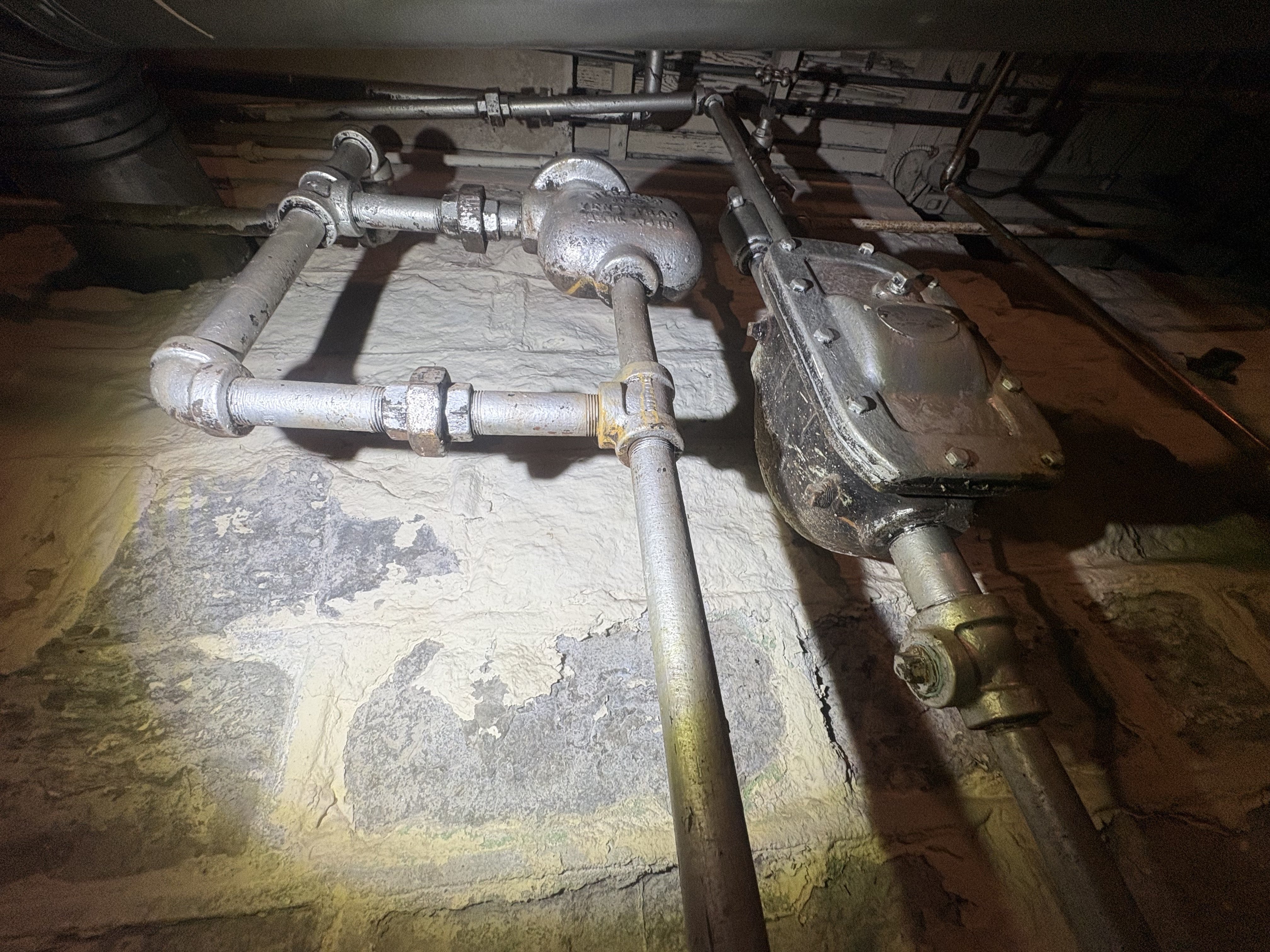
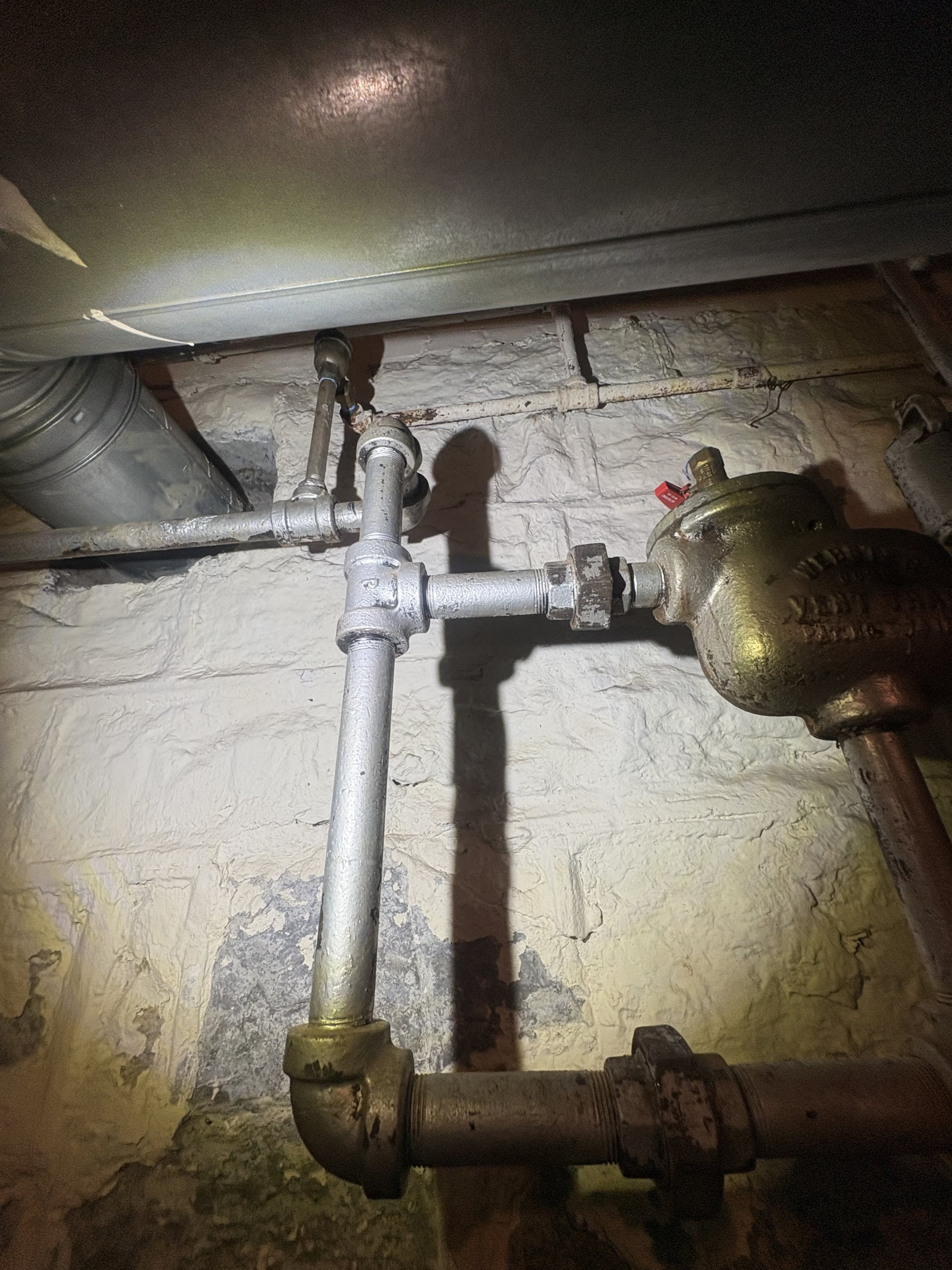
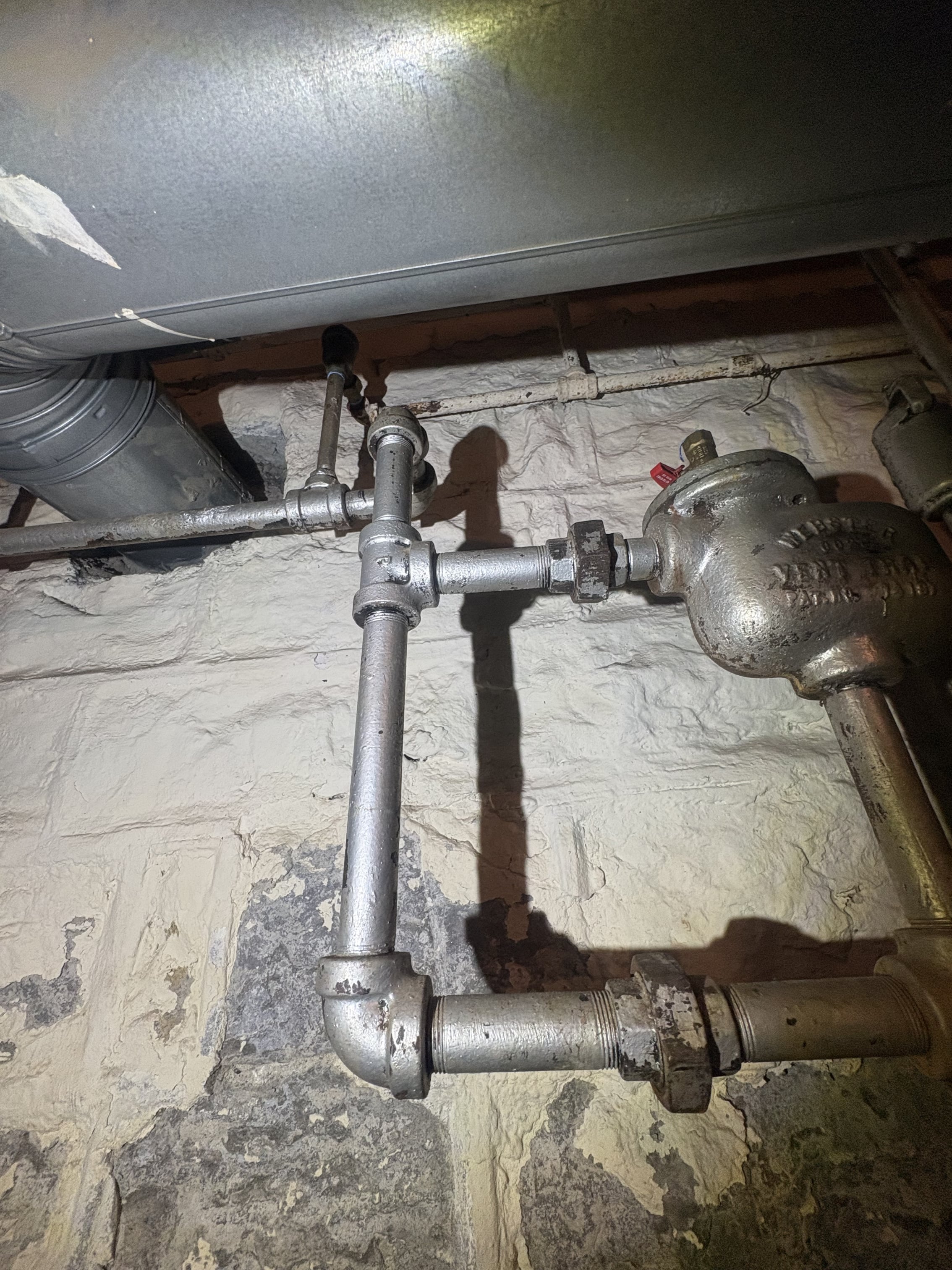
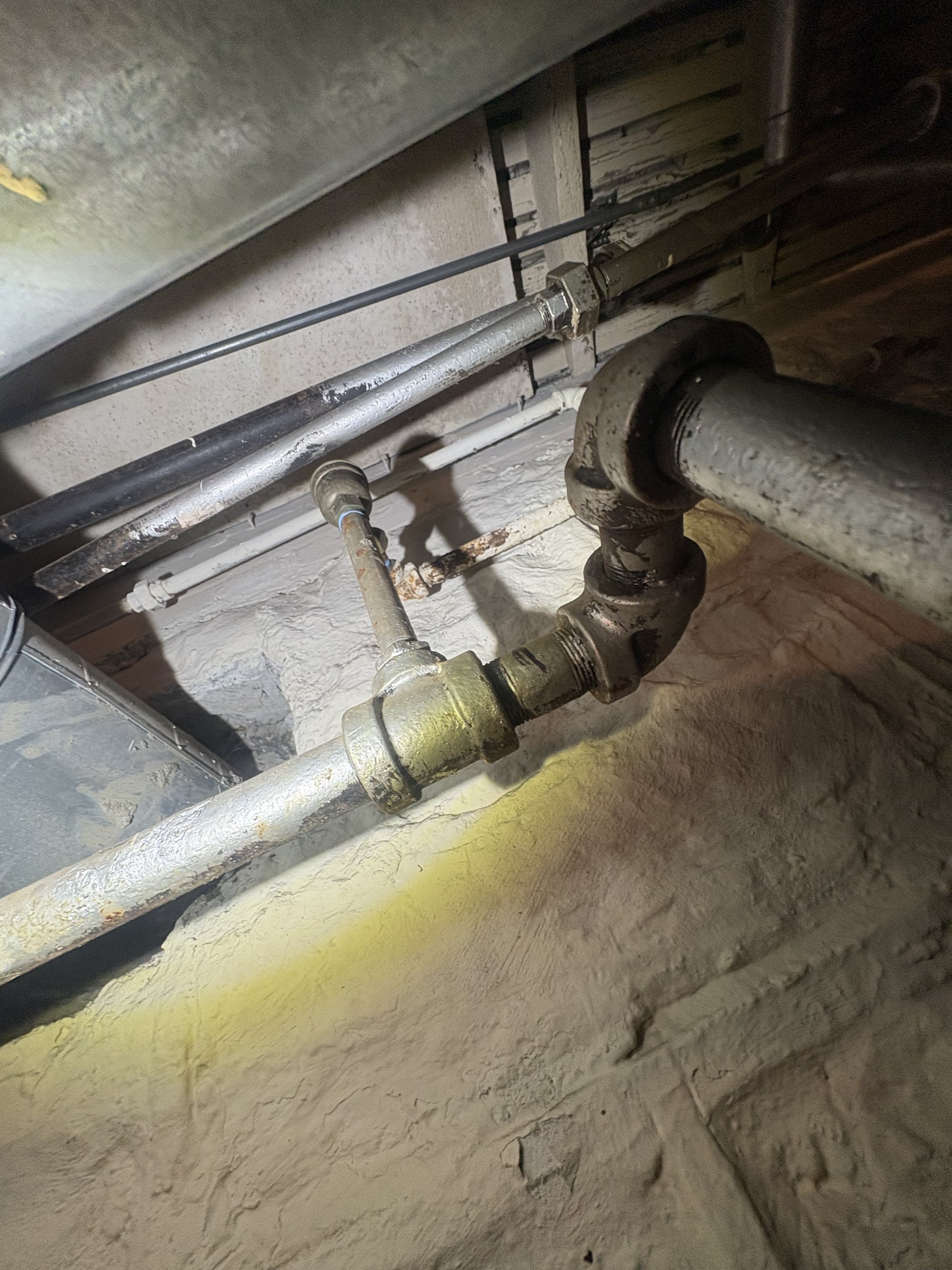
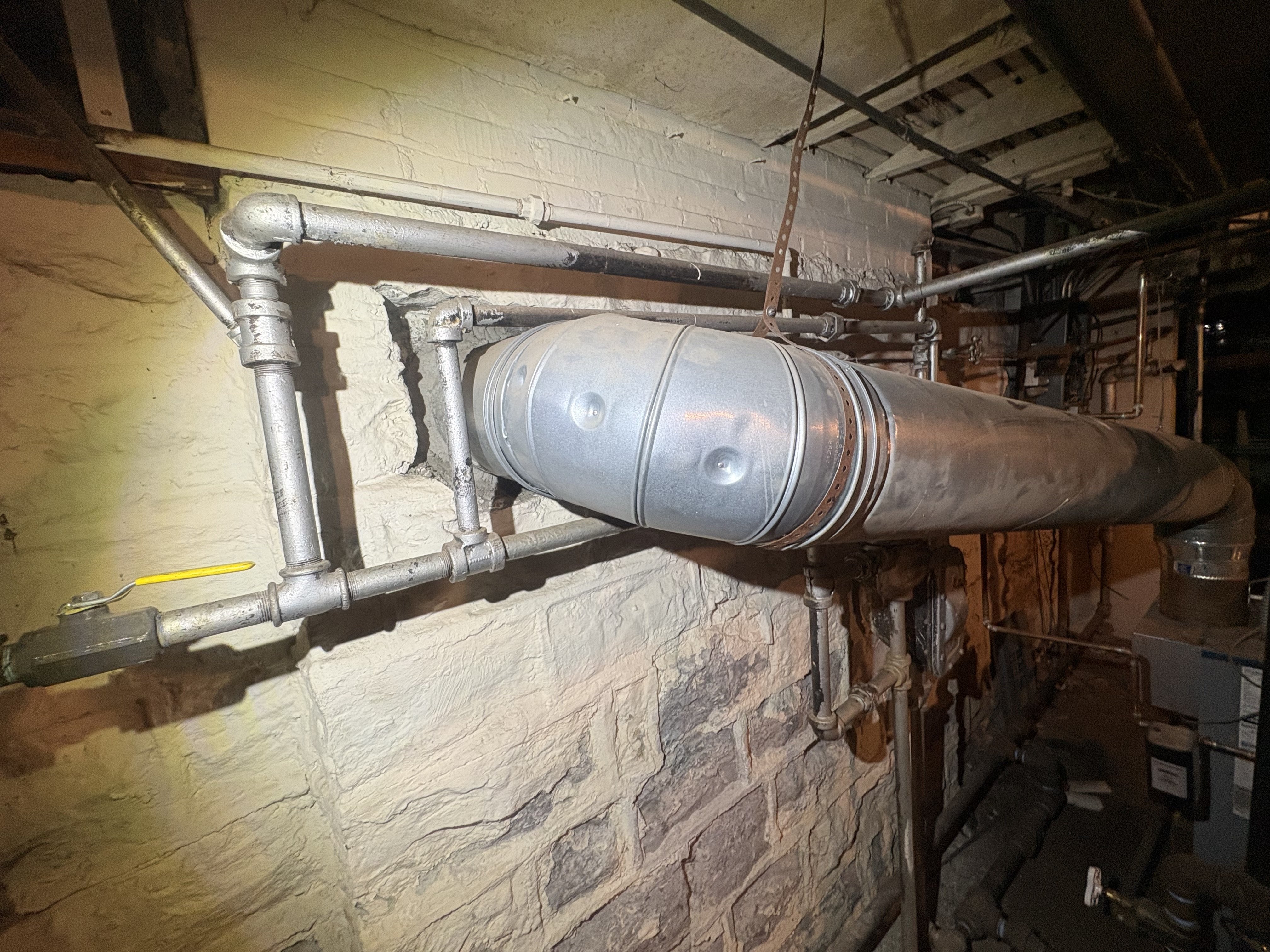
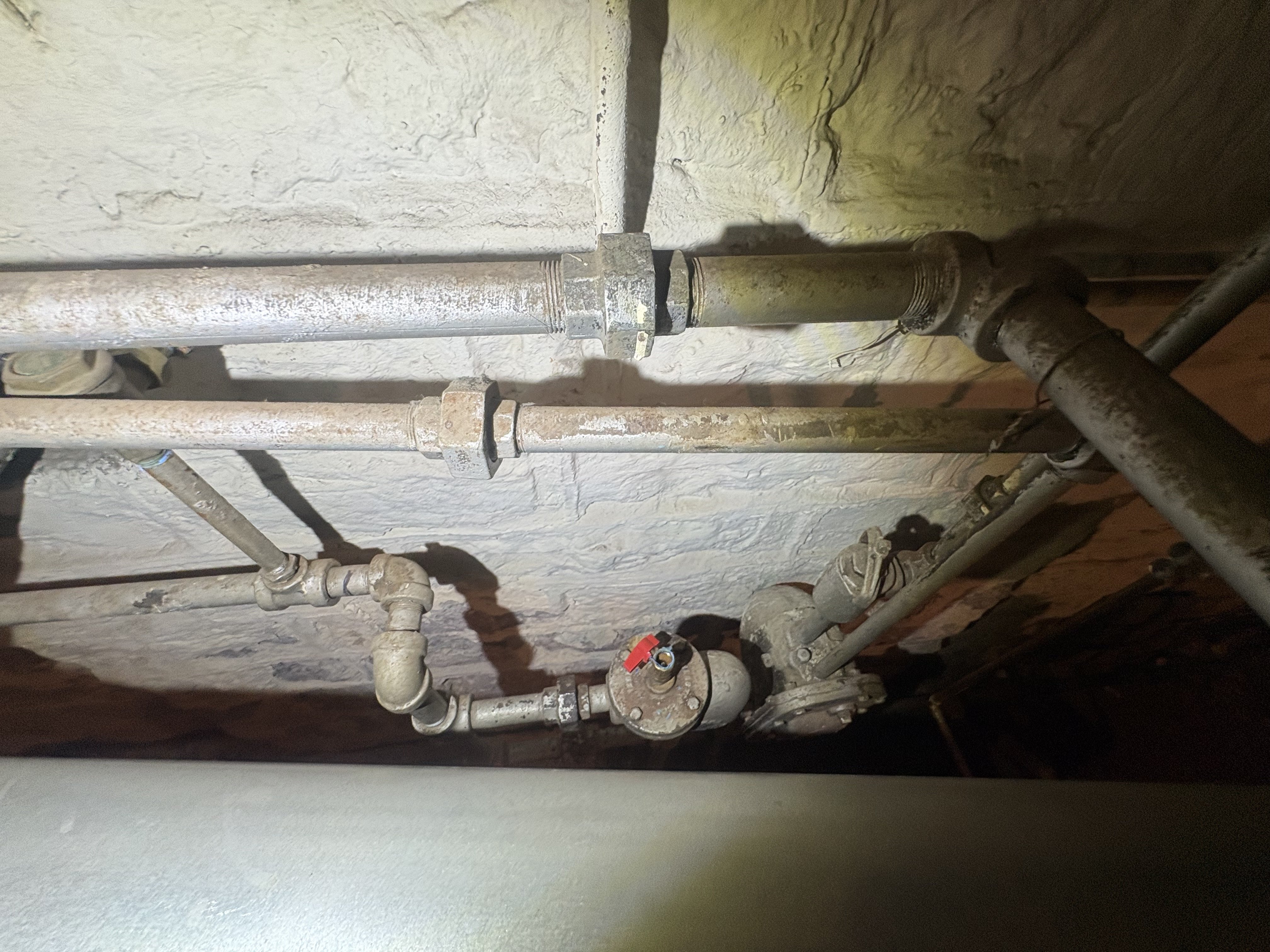
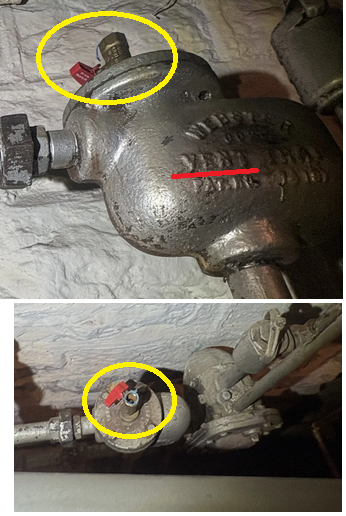
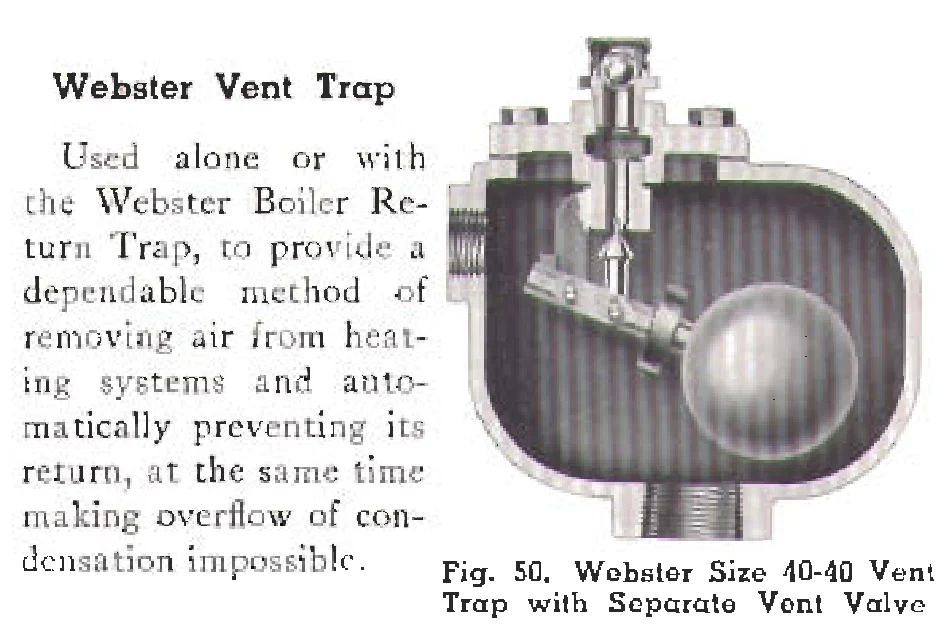
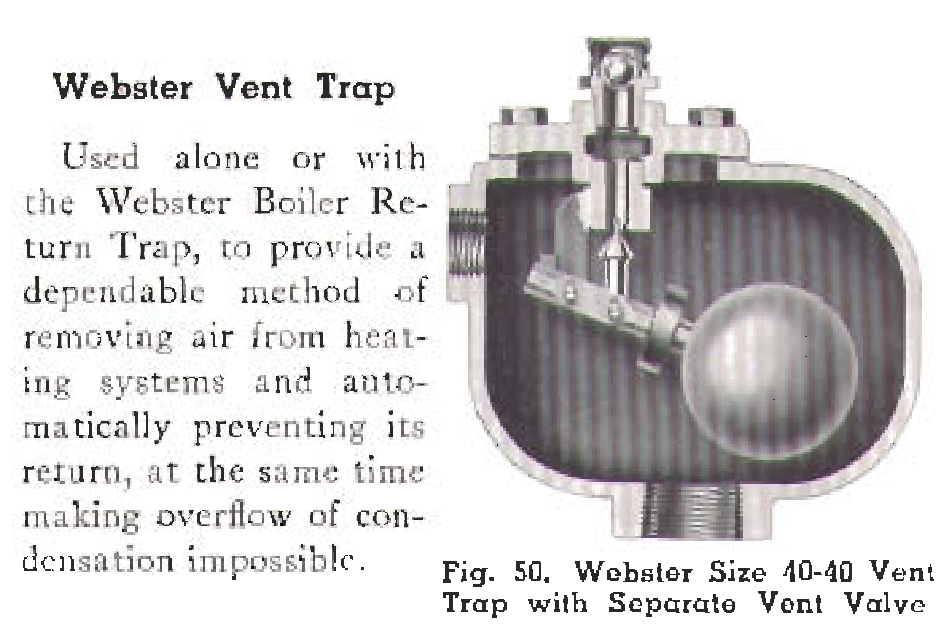
so I probably don’t have to say this but I will anyways, I have little experience with fixing steam heating systems. I was sent on a call to a boiler the company I put in a few years ago. Complaint was that it hasn’t worked right since we put it in. They have a pressure tell maintaining 2psi. The header is all knuckleheaded together among other things. I guess my main question does having the Webster vent trap and other contraption next to it mean it is meant to be a vacuum system and vacuum system only? Excuse me if any of my terminology is incorrect. I am very green when it comes to residential steam. I really want to want to be the guy that straightens this system out for these people. Any response is greatly appreciated. I also apologize for posting so many pictures, the flue is right in the way of the Webster components and I just wanted to you guys to be able to see all the piping in efforts to get the best answers as possible.
Comments
-
pressuretrol* not pressure tell
 1
1 -
This is what you need to do.
Or you can do more research before you even try to do anything. If you don't have the experience to get this right, then you need to find one of the folks on this site that know what you need to do. I am not that guy. I'm the hot water boiler guy and the oil burner guy. You need one of the steam guys. Where are you located? One of the steam guys may be close to you.
Edward Young Retired
After you make that expensive repair and you still have the same problem, What will you check next?
 2
2 -
Well, yes. It does lokk as though it had been a Webster system — but it has also most likely been … um… modified?
Someone else will probably shriek, so I will first — the near boiler piping is not good. It may work — steam is remarkably forgiving — but it ain't right and should be redone the way the boiler manufacturer (and us) want. It will work a lot better.
In the meantime, the Webster — and similar systems — could and did drop into a vacuum at times, but that isn't the most important characteristic. They are called vapour steam systems, and were meant to work on very small pressure differences between the steam main supply lines and the returns, and 2 psig is about 4 times the maximum which they will run reliably on. If you have an ordinary pressuretrol, though, that can't be doen, and so they should have a vapourstat instead, set to a cutout of 8 OUNCES per square inch, with a 4 OUNCE differential. That's an easy right off the bat fix.
Then for your next project — actually two. Get a copy of The Lost Art of Steam Heating (Amazon or the store on this web site) and study it and learn how vapour steam systems in general are supposed to work. Then, taking that knowledge with you go through the entire system and familiarise yourself with all the piping and other devices, particularly the inlet valves on the radiators and any traps and vents — and then figure out what they were supposed to do, what they might be doing now — and what is missing or otherwise "modified". Take your time.
Br. Jamie, osb
Building superintendent/caretaker, 7200 sq. ft. historic house museum with dependencies in New England 4
4 -
it is a warren webster vapor system. 2 psi will cause havoc. it needs a vaporstat set at about 8oz/in^2 and correct near boiler piping and if possible to have boiler return trap and the vent plumbed in properly. those are those rectangular boxes behind the boiler. hopefully theymatched the boiler to the connected edr or undersozed it a bot or controlling the pressure will be tough.
1 -
@EdTheHeaterMan I say you are the control electrical an helpful image guy too.
@service_fitter502 Even if it was a Vacuum system how does the air get out ? My guess it it would be considered a Vapor system. Many systems can develop vacuum, they just don't retain it very well.
If the air can't get out the steam is not going to move very far. This valve seems closed.
 National - U.S. Gas Boiler 45+ Years Old
Steam 300 SQ. FT. - EDR 347
One Pipe System2 -
thank you Ed, I’m in Louisville ky, and Jamie I ordered the original and the companion yesterday. They should arrive on Friday. I’ve got my materials to make the header right on will call ready for pick up. I quick fools search of the model number and I was able to find the manual on it and it explicitly says how to do it.
I found some literature here on heatinghelp.com the Dunham vapor system from way back in the day. I noticed though that in the original piping schematic of that type of system, there was not an equalizer line.. why would that be the case? Also I know it might be difficult for you to say for sure with out seeing the system for yourself, is that the same type of system that would have a Webster air trap set up on it? Also do you know what that device to the right of it is by chance? I really appreciate you guys taking the time to reply to me.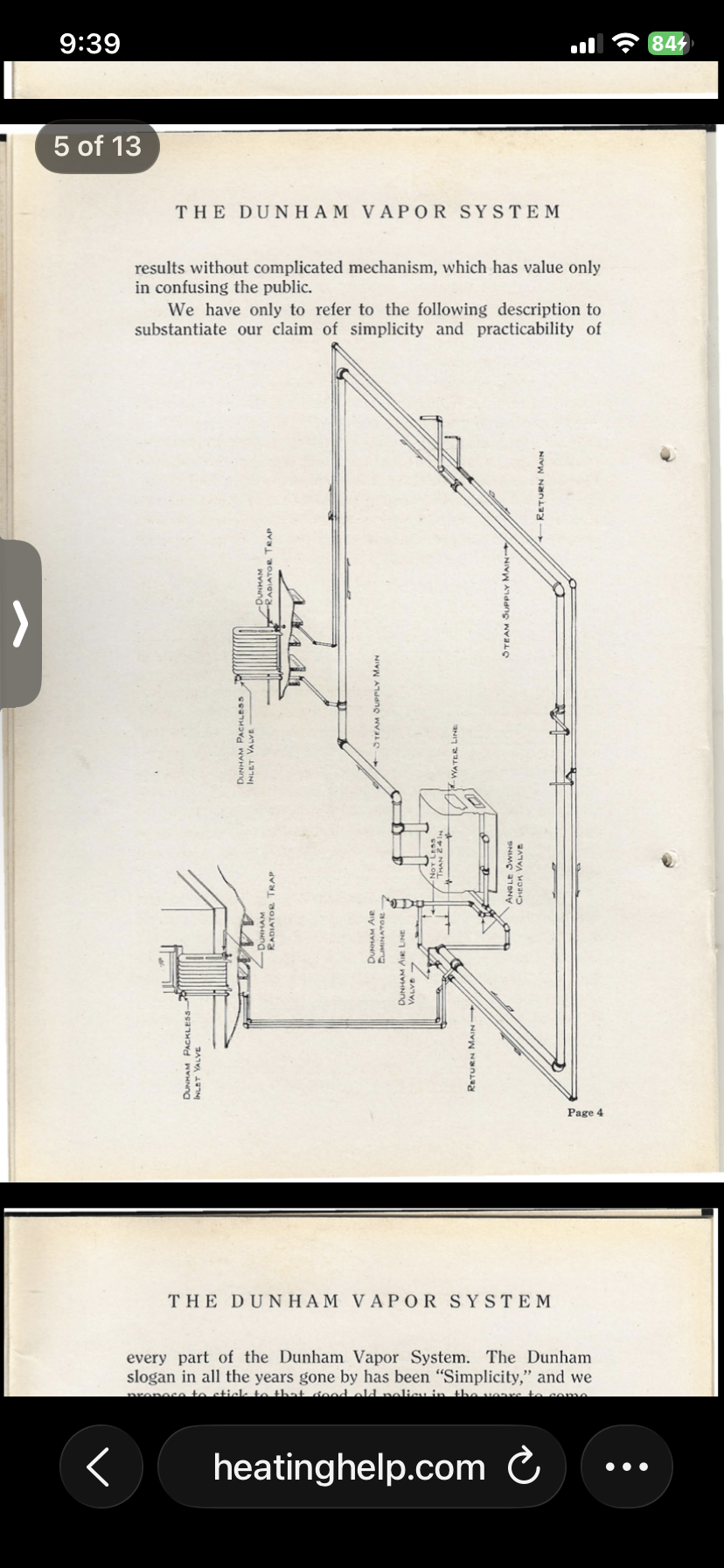
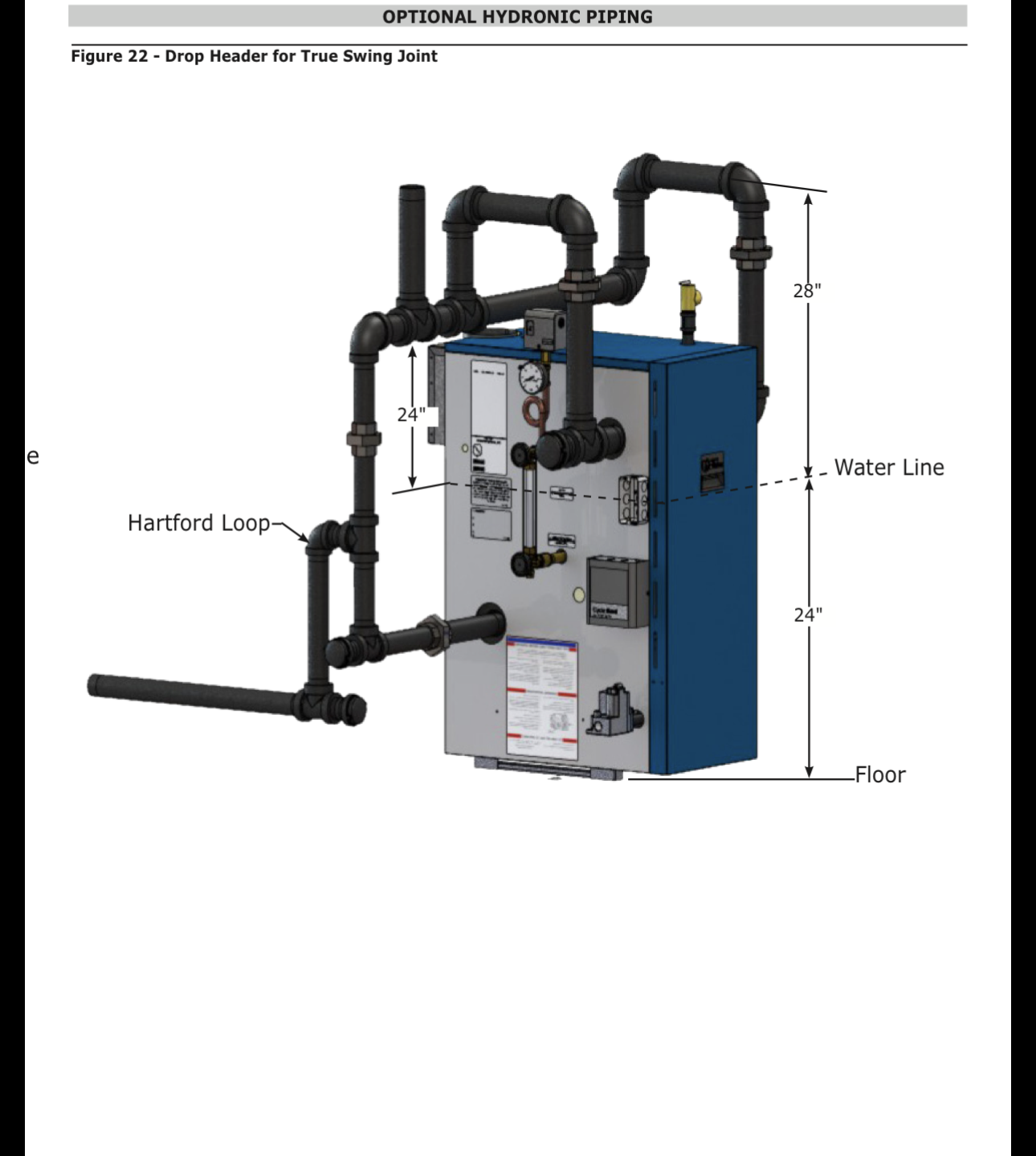
heres how the header is going to end up when I’m done.
 0
0 -
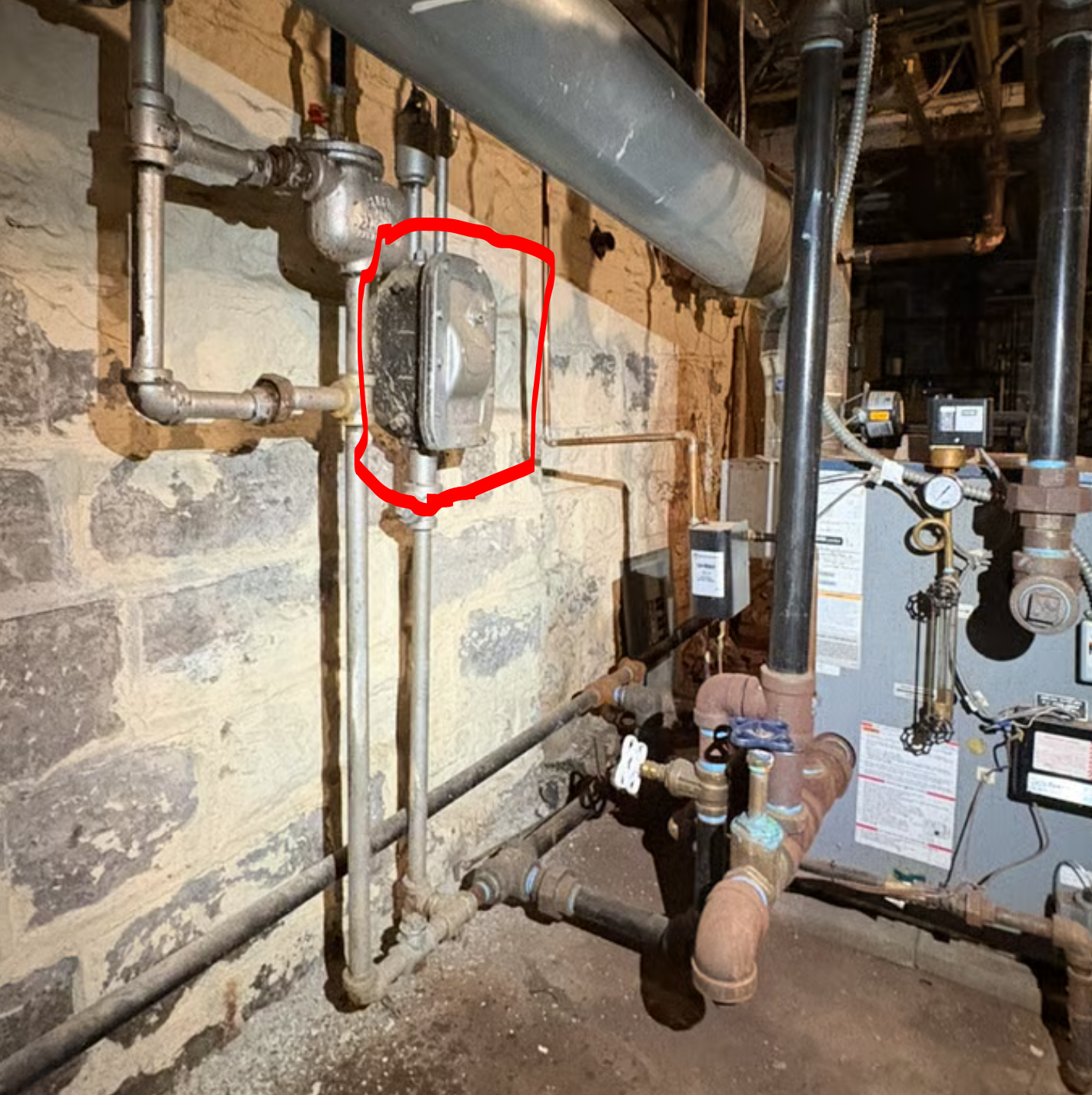
i believe the other device is a boiler return trap. its job is to let some steam in to the return to equalize the supply and return to allow the condensate to return to the boiler if the differential between the supply and return gets too great. that is why it is important that the only vent be at the vent by the boiler, so that steam can go directly to that vent and close it instead of traveling throughout the returns causing various problems with venting of radiators and banging.
0 -
dunham busch isn't the same as warren webster although pretty much all vapor systems work by controlling the amount of steam entering a radiator through a metering valve with a controlled, very low pressure.
0 -
@109A_5 that is how I found it lol. I didn’t think it looked right. So would that just vent to atmosphere? Given that I’m green and it being a threaded connection I was hesitant to leave it open then leaving in case it was supposed to tie into some where.
@mattmia2 thank you for the input.
@EdTheHeaterMan and @Jamie Hall I’m new to the forums and didnt know how to tag you when I wrote my previous response.
0 -
@mattmia2 good to know about that needing to be the only vent! Somebody at some point added a Hoffman at the end of the main before it slopes down into the return. So I’ll add that to my list as well. Is there any literature you could direct me to that is Warren Webster specific?
0 -
" Complaint was that it hasn’t worked right since we put it in. "
That seems kind of vague to me. I'd try to get more details about this complaint. It may give you better troubleshooting direction.
National - U.S. Gas Boiler 45+ Years Old
Steam 300 SQ. FT. - EDR 347
One Pipe System0 -
here are 2 warren webster catalogs, there are some diagrams although they aren't the full design guide:
the catalog during wwii has some steel and iron substitutions of things that would normally be brass
there is some mention of webster systems in tlaosh but it doesn't seem to quite be the systems i have seen people post here.
0 -
the outlet of the vent should have a main vent on it.
0 -
if you keep the pressure controlled with a vaporstat, the return trap and single vent are less important.
0 -
The thing is when that system was installed it probably was coal fired which has different characteristics than gas fired. There appears to be specialized components missing that can't be easily be replaced and the ones that still exist, their functional integrity is unknown. I'm sure the present performance can be improved, however it may never work as well as it did when new.
Is the Hoffman vent a vacuum vent ?
One nice thing about maintaining a vacuum from cycle to cycle is with each cycle you are not burning fuel to push air (as much air) out of the system so that steam can get to the radiators.
National - U.S. Gas Boiler 45+ Years Old
Steam 300 SQ. FT. - EDR 347
One Pipe System0 -
it looks like it is a type r system. it could go in to vacuum with a check valve on the vent outlet but it wasn't like some other warren webster systems that used a mechanical or educator vacuum pump and smaller returns so it needs vacuum to vent properly.
it looks like the parts are there at the boiler,
the boiler return trap:
and the vent:
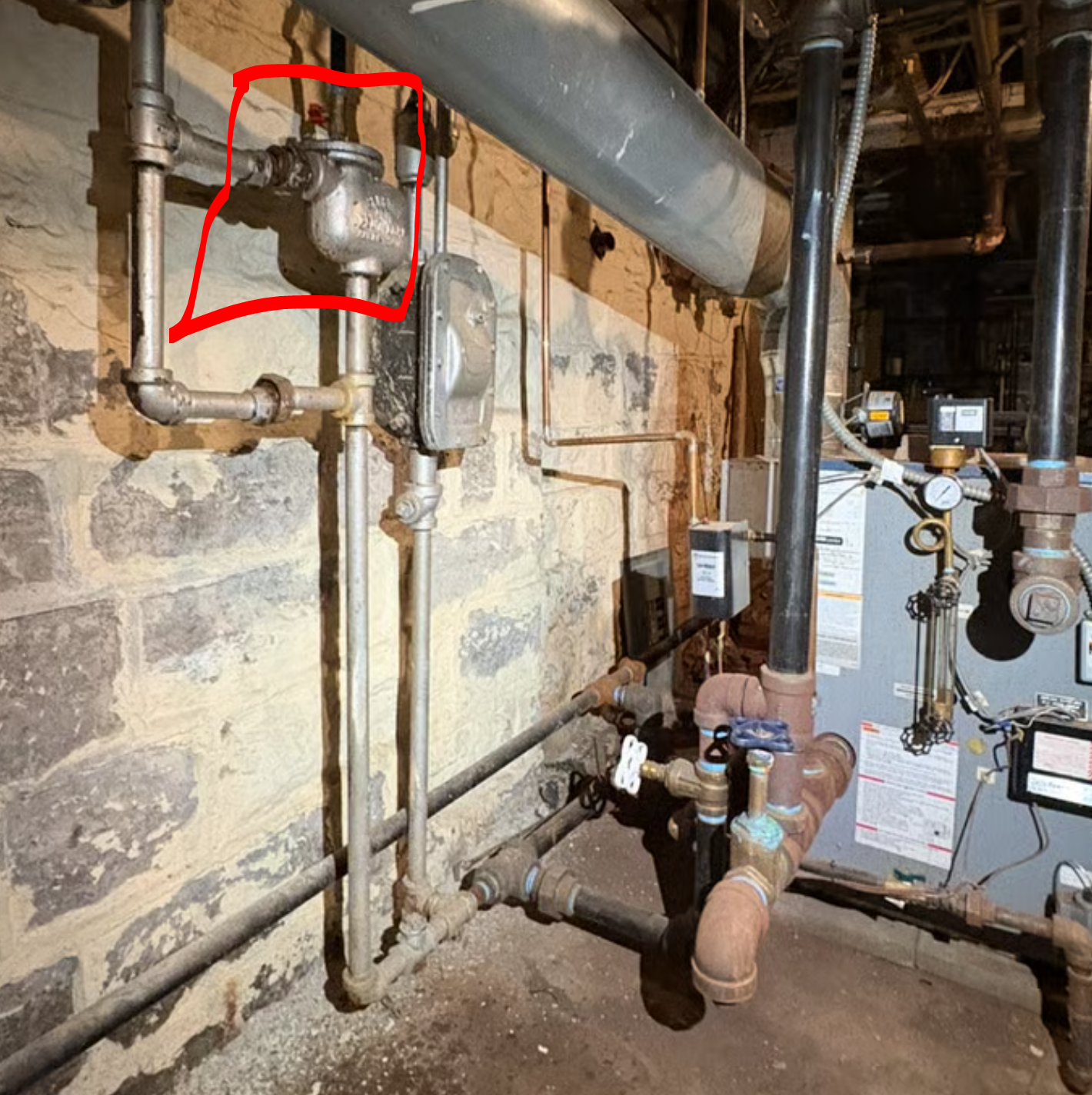
can we see what is at the radiators?
0 -
Fix the header and make sure the Hartford loop is right. You need a vaporstat to keep the pressure low in addition to the pressure control you have and they should be on seperate tappings and brass pigtails. a 0-5 psi gauge would be nice.
If you don't have tapping's you could put a tee below the safety valve or drill and tap the header.
Post a few radiator pics and we will see what else needs doing. Louisville , KY your probably the only one doing steam. Make sure the mains are pitched.
look for cross over traps in the basement. The air all has to come out through the vent trap.
2 -
@EBEBRATT-Ed makes a good point " The air all has to come out through the vent trap. " the existing Hoffman vent may help vent the steam main, but how does the air in the radiators get let out of the system so the radiators can fill with steam ?
As @mattmia2 mentioned " the outlet of the vent should have a main vent on it. " This may make a huge improvement.
These may help, not inexpensive.
76, 1/2" x 3/4" Straight Main Steam Vacuum Valve
Brand: Hoffmanhttps://www.supplyhouse.com/Hoffman-401432-76-1-2-x-3-4-Straight-Main-Steam-Vacuum-Valve-11742000-p
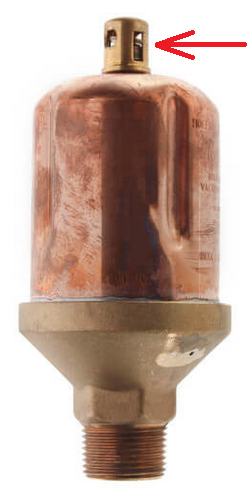
Hoffman's opinion;

If it was my system and I had to unwillingly abandon vacuum I would put a Barnes & Jones Big Mouth on top of that Webster vent trap for maximum venting. I would remove the valve or use a full port ball valve, probably won't see much steam.
A few folks on this site are enjoying the benefits of natural vacuum.
National - U.S. Gas Boiler 45+ Years Old
Steam 300 SQ. FT. - EDR 347
One Pipe System1 -
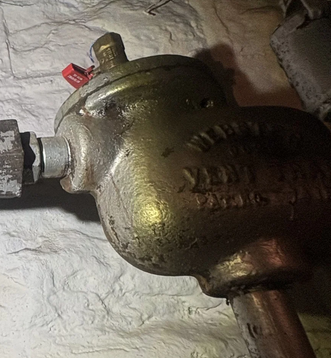
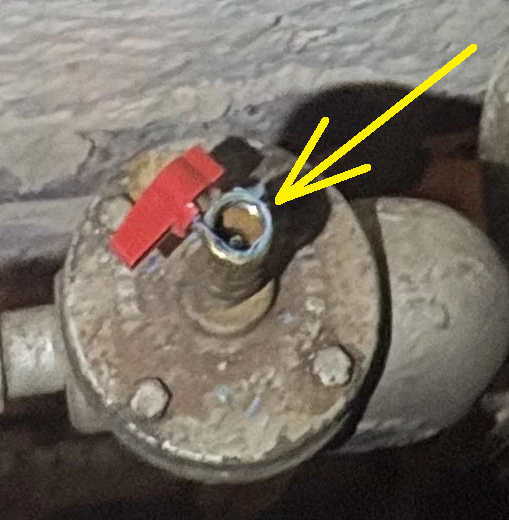
Looks like something was there, it got removed, the valve was then closed, the vent and/or check valve was never replaced so the valve just remained closed trapping the air causing very poor system performance.
If you think about it every radiator in the system has to vent through this point with a closed valve. How well can the system work ?
The 2 PSI was probably needed to compress the air enough to get some steam into the radiators, not very efficient. just to give you a comparison, my house heats just fine at less than 0.072 PSI or 2 inches of Water Column.
 National - U.S. Gas Boiler 45+ Years Old
Steam 300 SQ. FT. - EDR 347
One Pipe System1 -
Sounds like your intent is to rebuild the near boiler piping. I'd wash off the production oil from at least the inside of the new piping. May save you a bunch of time Skimming the boiler later on.
National - U.S. Gas Boiler 45+ Years Old
Steam 300 SQ. FT. - EDR 347
One Pipe System1 -
With oil or gas fired steam systems, holding a vacuum is not as important as it was with coal. There should be a main vent where you have that closed valve, but it needed be a Hoffman 76 — they are quite expensive. A Hoffman 75 may do, but I'd be inclined to use one or two (on an "antler") Gorton #2 vents there.
The vent added at the end of the main is OK… sort of… if you use a vapourstat to control the pressure. I wasn't meant to be there… but crossover traps most surely are.
I would suggest that you tackle the near boiler piping and install a vapourstat first, then using the knowledge you will get from the books go around and see what else got messed up..
Br. Jamie, osb
Building superintendent/caretaker, 7200 sq. ft. historic house museum with dependencies in New England1 -
That vent is so slow as to be almost unusable in a system like this.
This naturally-induced vacuum technique worked great in the Coal Era, but not so well on oil or gas. The problem is that often you get vacuum before all the air is out, which can cause the remaining air to expand and block steam circulation. I tried it once, never again.
The vent to use on that Vent Trap is the Gorton #2, which is at least four times faster than that Hoffman:
https://www.supplyhouse.com/Gorton-G2-Gorton-No-2-Straight-Air-Eliminator-3524000-pAnd get rid of that red-handled valve.
What model boiler is that?
1 -
The general rule is a NATURALLY induced vacuum system will not work with oil or gas automatic firing.
A vacuum system with a pump is a different issue.
 1
1 -
Well I think @PMJ with his Mouat system proved vacuum works very well. Although his system is not a Warren Webster Vapor system.
It seems to me if there is less air to push out with each cycle the more efficient the system will be. If the air is not let back in you simply don't have to push it out again (burning fuel to do so). So the vent rate is not terribly important. The trick is keeping the vacuum also no excessive pressure differential between the supply and return.
If you can't maintain the system's integrity as far as keeping the vacuum in you have to go with ample venting. Presently it appears this system has neither, maintained vacuum or ample venting.
 National - U.S. Gas Boiler 45+ Years Old
Steam 300 SQ. FT. - EDR 347
One Pipe System0 -
The thing is, if you don't figure out why the valve was put on the vent trap (possibly condensate and/or steam loss) and deal with that issue you are probably never going to make that customer happy.
I would imagine their fuel bills are high and the comfort level is low.
National - U.S. Gas Boiler 45+ Years Old
Steam 300 SQ. FT. - EDR 347
One Pipe System0 -
The "general" rule that natural vacuum won't work with intermittent fire at least in the case of Mouat piping is completely false. Been doing it 20 years plus and it is a big improvement in comfort and certainly more efficient not less. When you don't let the air back in there is shockingly little venting to do and it makes little difference where that one vent is.
1926 1000EDR Mouat 2 pipe vapor system,1957 Bryant Boiler 463,000 BTU input, Natural vacuum operation with single solenoid vent, Custom PLC control0 -
@service_fitter502 Asked: “I found some literature here on HeatingHelp.com about the Dunham vapor system from way back in the day. I noticed, though, that in the original piping schematic of that type of system, there was not an equalizer line. Why would that be the case?”
All I can say about that is that the original boiler may have been installed prior to the recommendation by manufacturers to use Hartford Loops and equalizer lines instead of check valves that might fail from time to time. That piping arrangement has no moving parts and was instrumental in reducing the number of boiler explosions that happened regularly back when that original system was installed.
The original boiler may also have had five times the water volume that your current boiler has.
Edward Young Retired
After you make that expensive repair and you still have the same problem, What will you check next?
0 -
Two thoughts here, since we seem to have wandered off from the character of vapour steam systems to thoughts about vacuum systems — which are not the same thing at all.
Coal fired steam heating systems were encouraged to drop into a vacuum. Hence the existence of vacuum vents. But we need to ask why. it was not to avoid "pushing air out on every cycle" because they didn't cycle. The advantage was that they could and did continue to heat with a low temperature banked fire. This allowed a thermostat (or homeowner…) to maintain a comfort level in the space simply by controlling the draught over the fire. Since they could run under sub-atmospheric pressure, the radiator output would be varied since condensation occurs at a lower temperature at lower pressures. As a little noticed aside, later vapour systems (with vents rather than open returns) could also run at higher internal absolute pressures and hence higher outputs, provided the differential pressure between the mains and returns stayed within design limits (there is no magic reason for a supply pressure of, say, 0.4 psig, by the way. The correct control parameter is that differential pressure — unfortunately our modern widgets are all psig controlled, not differential controlled…)
Hence all later vapour systems had some sort of contraption of varying complexity which controlled that differential pressure (the Hoffman Differential Loop is the simplest one I've seen; some of them are truly wonders of complexity!) Again, on coal systems, some of them also had a device to control the draught in response to differential pressure — usually in tandem with the thermostat control
Now there is no theoretical reason why a similar operating strategy couldn't be implemented with oil or gas firing; the key is modulation, and both oil and gas firing can be modulated over a wide range with little difficulty, and with little loss in efficiency (if any at all). There are several tradeoffs, however. One of the more significant has little to do with thermodynamics but a lot to do with aesthetics: oil burners are most easily modulated by pulse modulation; that is, the burner is on for a certain time, and off for a certain time; the modulation from full power is simply the ratio of on time to total cycle time. Provided the off time of the cycle is short enough that the boiler never goes below a simmer (and this is an argument for systems which can hold a vacuum) there is almost no hit to efficiency; the most common limitation on this is the post-purge and pre-purge delays needed for clean operation. Gas firing can be modulated the same way or, if the burner design is meant for it by limiting the gas pressure to the burner (air flow must be limited at the same time, of course)(this, for you automotive geeks, is how a carburetted engine varies its power output, by the way, except the control is on air flow rather than fuel flow)(fuel injection engines and diesels are technically pulse modulated, by the way).
Is the complexity worth the effort? Maybe. Maybe not. One needs to balance personal preferences, control complexity, maintenance and repair, and efficiency — and everyone will come up with different responses.
Again to look briefly in closing at the automotive world — a current generation gas engine is significantly more efficient than one from, say, the mid 60s (though not as much as one might be led to believe), but maintenance and repair costs and complexity are vastly different.
Br. Jamie, osb
Building superintendent/caretaker, 7200 sq. ft. historic house museum with dependencies in New England0 -
That is the problem oil and gas in a steam boiler are not modulated.
@PMJ
Which is why I stated "General Rule" I didn't say it can't be done as you infer.
It is just not going to be done often as vacuum vents are difficult to obtain and are expensive and most people don't have the time or $$$ to fool with it.. They are going to install normal vents and have a system that is more commonplace.
0




Categories
- All Categories
- 87.8K THE MAIN WALL
- 3.3K A-C, Heat Pumps & Refrigeration
- 59 Biomass
- 430 Carbon Monoxide Awareness
- 133 Chimneys & Flues
- 2.2K Domestic Hot Water
- 6K Gas Heating
- 124 Geothermal
- 170 Indoor-Air Quality
- 3.8K Oil Heating
- 79 Pipe Deterioration
- 1.1K Plumbing
- 6.7K Radiant Heating
- 396 Solar
- 16.1K Strictly Steam
- 3.5K Thermostats and Controls
- 56 Water Quality
- 51 Industry Classes
- 51 Job Opportunities
- 18 Recall Announcements