Total HVAC Remodel Questions

Hey everyone,
I am doing a complete HVAC overhaul as part of a total home renovation in Michigan (Climate Zone 5). I’m handling the ductwork layout and want to get some expert eyes on my equipment sizing, supply/return choices, and room-by-half layouts before I start hanging metal.
We are aiming for a tight, high-efficiency envelope. Here are the insulation specs for context:
- Attic: R50 Cellulose
- Walls: R22 Hybrid (Spray Foam + Cellulose)
The Setup — Two Fully Independent Systems
I'm splitting the home into two completely separate HVAC systems rather than a zoned single system:
System 1 — Upstairs (~1,200 sq ft)
- 40,000 BTU two-stage furnace, variable-speed ECM blower
- 2-ton single-stage AC
- Air handler in an upstairs closet with attic ductwork. I have decided to put ductwork in the attic just because the house is not set up for ductwork running through the main floor. It is a very old home.
System 2 — Main Floor + Basement (~2,800 sq ft combined)
- 70,000 BTU two-stage furnace, variable-speed ECM blower
- 2.5-ton single-stage AC
- Basement has an east-facing walkout wall with a door — three other walls are underground
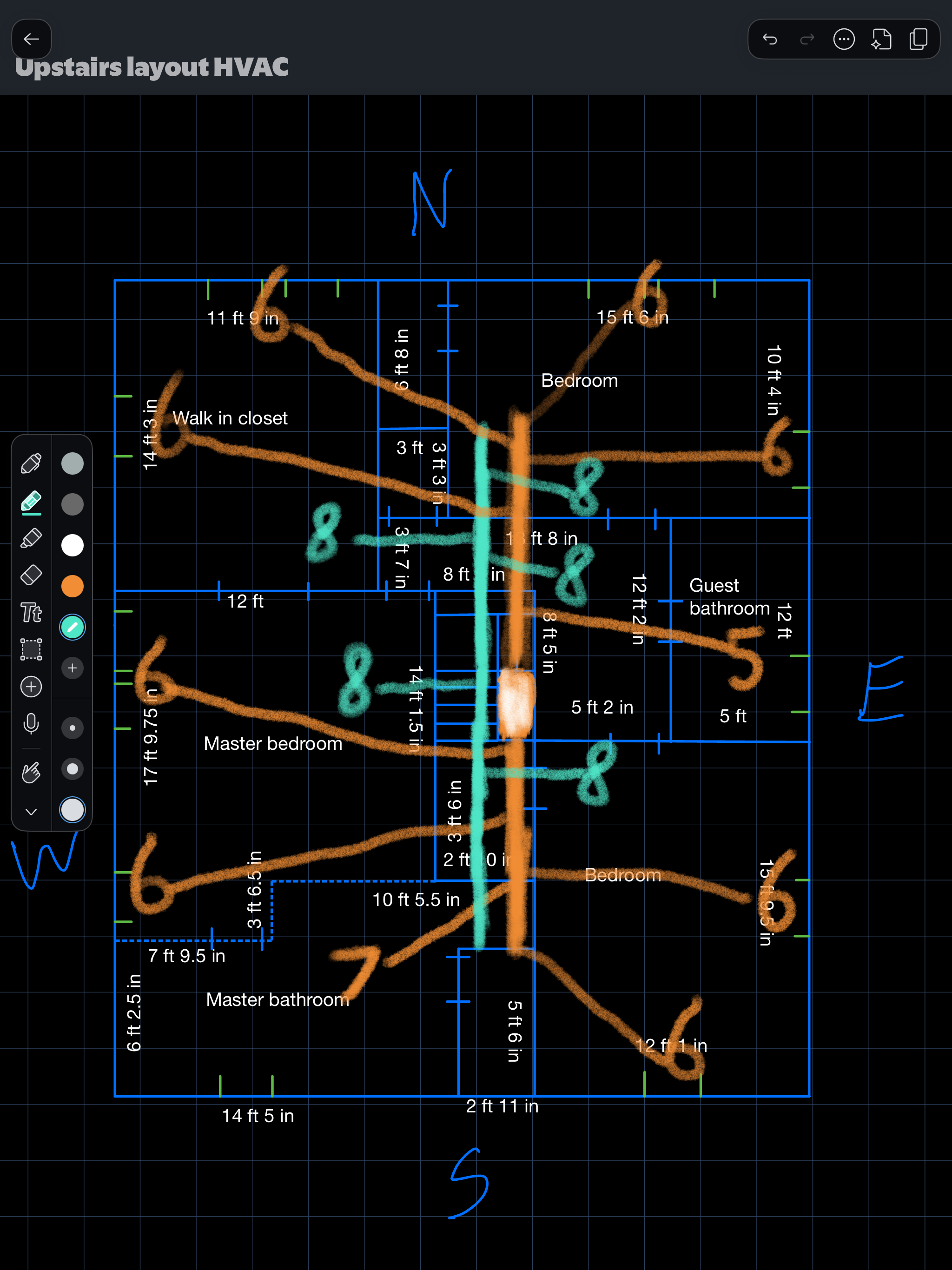
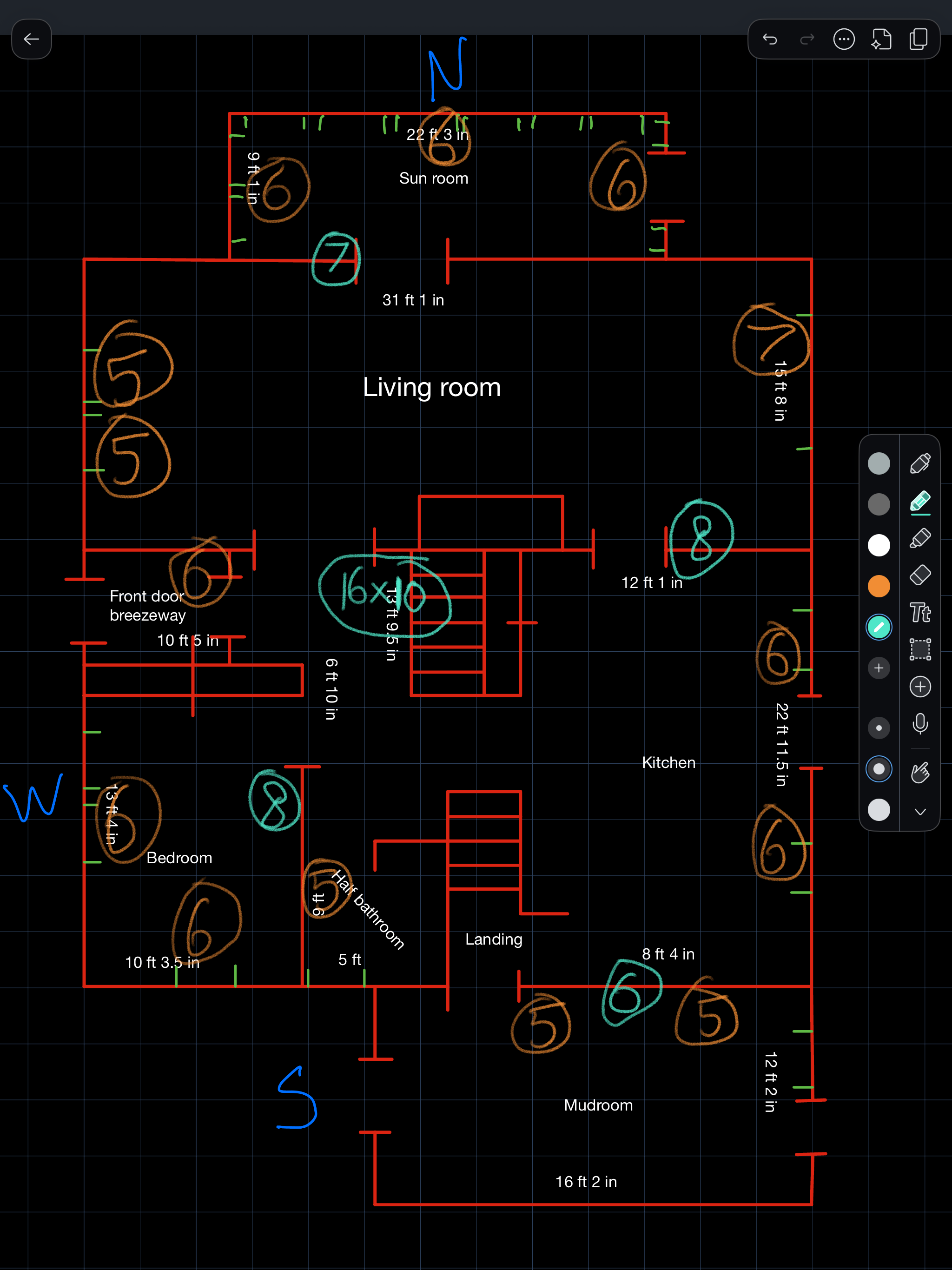
Floor Plan Legend (See Attached Images)
- 🟢 Green Lines: Window widths
- 🟠 Orange Lines: Supply runs (with planned duct sizes)
- 🔵 Aqua/Aqua-Green Lines: Return runs (with planned duct sizes)
Key Questions for the Group
I’d love your feedback on a few specific layout and equipment dilemmas I'm running into:
1. Equipment & Sizing Check
- Does the 2.5-ton AC / 70k BTU furnace combo make sense for a 2,800 sq. ft. combined main floor and walkout basement given the R22/R50 insulation?
- Does the upstairs equipment make sense as well?
2. Upstairs Ductwork Details
- Walk-In Closet: I currently have two supply runs drawn in. Should I keep them at 5-inch or bump them up to 6-inch supplies? There are two exterior walls
3. Main Floor Supply & Return Layout
- The Mudroom & Sunroom: Both of these are completely open to the main house (no doors) and will be fully conditioned spaces. The sunroom is on the North side, so it gets very little direct solar heat gain.
- Question: Should I put a dedicated return in the mudroom, or let it pull back to the main living area?
- Should I have one or two supplies in the mudroom? It does have three exterior walls in the space.
- Living Room Supplies: The West side will have two supplies. For the East side, there is a large sliding glass door. Should I:
- Option A: Run three balanced 6-inch supplies across the room?
- Option B: Run two 5-inch supplies on the West side, and one larger 7-inch supply right in front of the stationary panel of the slider door to handle the glass load?
- Living Room Returns: Where is the best spot for the return here? Should I put a dedicated return on the East side of the living room, or is it better to just rely on one large, centralized return in the main hallway?
Appreciate any insights, calculations, or critiques on the drawings. Thanks in advance!
Comments
-
you need a Manual “J” room by room load / loss done.
then a Manual “D” duct design.
 3
3 -
If you are in @GGross 's territory he could help you with the design and sell you the materials and equipment.
like @pecmsg said if you do the manual j room by room you will be able to see where the loss is and the manual d will tell you what size duct you need to cover that load and you can figure on the placement from looking at the detail of the manual j. if most of the loss comes from an outside wall or a window, try to put the supply there. I might go for next to instead of directly below a doorwall or french doors so the debris from people going in and out doesn't fall directly in the outlet. in general you probably want to get some heat right at the exterior doors to help with the loss from opening the doors.
 2
2 -
Old houses are much easier to run ducting in as there are a lot of interior walls. New modern open concept ones are much more of a pain.
You are proposing 110k of heat into a 2500sqft house, so about 44btu/sqft. That is pole barn type of heat load, definitely into scorched air territory. AC is pretty close to ton/500sqft, again way off.
As other have said, run an accurate man J and go from there.
If you are running ducting the attic, I would not bother with a return up there, it doubles the potential air leak paths. A single return in the hallway with door undercuts or high/low jumper ducts in the walls works much better.
2 -
After you ask all these questions on this thread:
And we asked if you have the actual sizes needed based on a ACCA Manual J calculation, I have a feeling that you have not actually completed that calculation or you can't find a contractor that will do that calculation for you.
So I will ask again about the manual J load calculation. Has anyone completed that math for you or have you attempted to do one on your own? I can't help feeling that you get the impression that an experienced pro can just look at the number you provided and tell you everything you need to know. This reminds me of the DIY auto mechanic that posts this message:
I have looked on YouTube and believe that the valve on my tire is not working as everyone suggests.
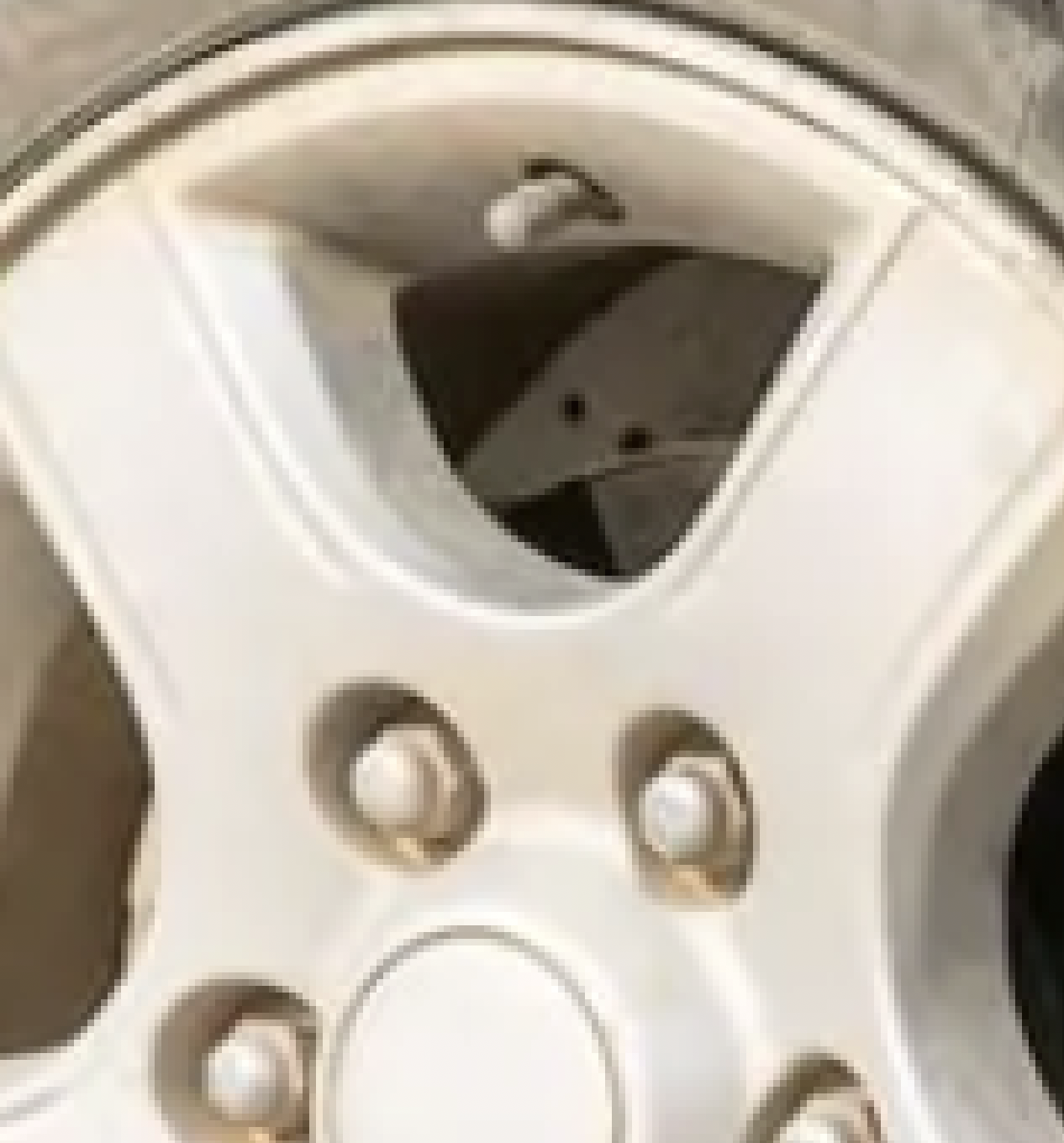
I have had my air compressor connected to this tire valve as shown on all the different websites and videos that I can find. It has been pumping air in this tire valve for over an hour and the tire is just not getting full. No pressure build up, no inflation, nothing. Can someone tell me what I am doing wrong?
After about 20 people ask for a better picture of the tire to see if the seal around the rim has been disconnected? Is there a inner tube? is the compressor hose have a loose connection? Is the compressor actually building up pressure when the hose is disconnected from the tire? all sorts of different suggestions. the original DIY mechanic that posted the original query, the next photo is this one.
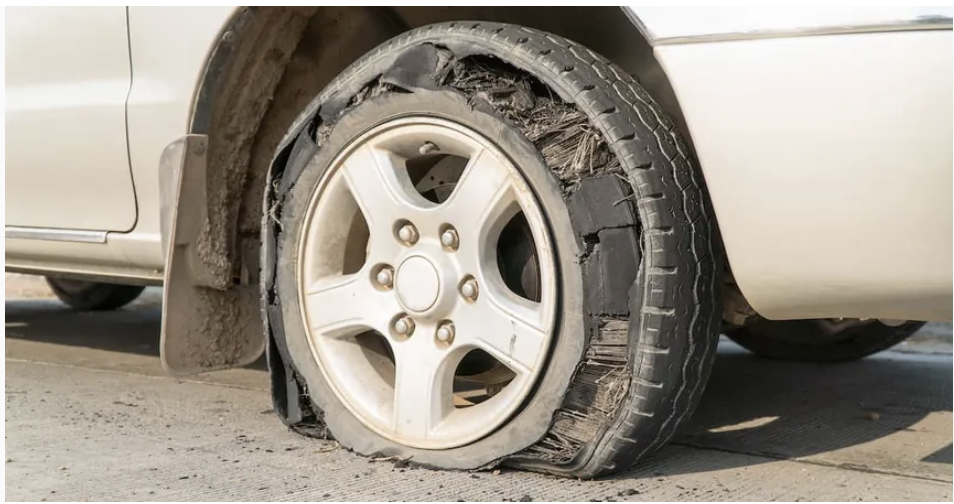
All the professionals with all the advice eventually just stop posting helpful advice, because you just can’t fix $#Up!d. And there you have it.
So, if you really want to know whether a 110,000 BTU heating system is the right size for a 2,500-square-foot home in Michigan, climate zone 5, with some windows, some doors, and some insulation, you probably will not get anyone on this site to say, “YES, that’s perfect.”
If they do, they are telling a big lie.
Now, I am not above a little white lie… or even a big lie, for that matter. So look in the spoiler for the answer you are looking for under this spoiler warning:
YES — That’s perfect.
If that makes you feel better, then go for it. The only problem with this reply is that I do not have to live in that home, and you will have the system you paid for. It may even do an adequate job, but not an exemplary job. Far from it.
Good luck.
This spoiler alert was brought to you by the National Sarcastic Society.
PS Did I mention that you might want to look into getting a Manual J calculation completed on your project. The room by room calculation is preferred if you are designing ductwork.
Edward Young Retired
After you make that expensive repair and you still have the same problem, What will you check next?

 2
2 -
@Kaos and @EdTheHeaterMan I completely hear you. And thanks for bringing me back to earth. Yes I did start a new thread just to continue the conversation and not have all that long threads from the previous conversation. Was just trying to reorganize.
Sadly every contractor that I've had look at my house has said they don't think a manual J test is worth it, that they know how to size everything as they have been doing it for 20 years. The only thing with that is they all say different things. One person says that I can keep the old 4 ton AC and run a single system and it will be great. Another says that I need two separate 70k btu furnaces and two 3 ton AC's. I'm getting answers all over the place so it's been very hard to decide who really knows what they are doing in my area.
I have tried to run a manual J myself, the best I can with the inputs below.
I'm not looking for a yes thats perfect. And I do immensely appreciate all advise. I mean that from the bottom of my heart.
I now have a family friend that was a sheet metal union worker. He is going to help me with all the ductwork and I will work alongside him. But he does not know how to size everything.
From trying to run my own manual J i'm finding the upstairs needs a 30k btu furnace and the main floor/basement needs a 60kbtu furnace.0 -
sounds like none of them know what they are doing.
1 -
Most residential HVAC techs seem to only want to do is swap out a furnace. Anything more than that and it is outside their comfort zone.
If you can do the ducting yourself, I would go even as far as roughly connect it to your existing air handler and 2nd sidewalk find for upstairs and have them only quote swapping it out to equipment you spec.
As for loads, post the your Man J outputs, the numbers seem on the high side.
As a reference point, I'm in the north edge of zone 5, worked on a two story+basement ~1000sqft/floor uninsulated double brick. It had a two stage furnace but the original installer only wired the thermostat to the 40000BTU low stage which was carrying the whole place without issues.
1 -

Categories
- All Categories
- 87.8K THE MAIN WALL
- 3.3K A-C, Heat Pumps & Refrigeration
- 60 Biomass
- 430 Carbon Monoxide Awareness
- 133 Chimneys & Flues
- 2.2K Domestic Hot Water
- 6K Gas Heating
- 124 Geothermal
- 170 Indoor-Air Quality
- 3.9K Oil Heating
- 79 Pipe Deterioration
- 1.1K Plumbing
- 6.7K Radiant Heating
- 397 Solar
- 16.1K Strictly Steam
- 3.5K Thermostats and Controls
- 56 Water Quality
- 51 Industry Classes
- 51 Job Opportunities
- 18 Recall Announcements