How to Add Corrosion Inhibitor

I have a 100 year old heating system. I would like to add some Corrosion Inhibitor preferably without having to drain down the whole system. I am somewhat stumped on how to do this.
Comments
-
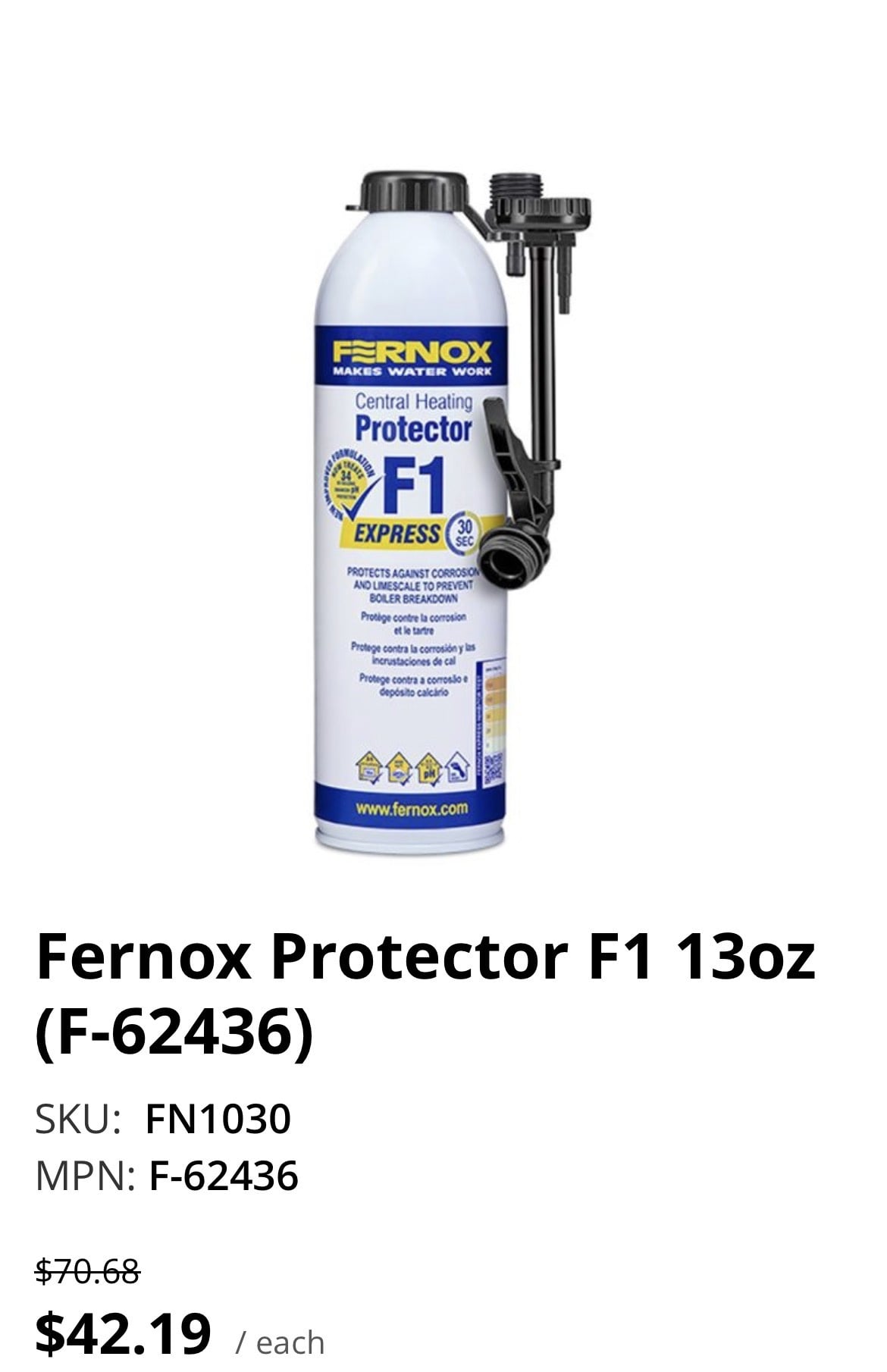
Do you gave a boiler drain, or any valve with a hose connection? Screw this on, open the valve wide open, pull the trigger. Takes seconds for it to inject in
 Bob "hot rod" Rohr
trainer for Caleffi NA
Living the hydronic dream 1
1 -
Why after all this time do you feel it's needed?
 2
2 -
If you operate a 2 pipe steam system with condensate or vacuum pumps, PLEASE DON'T ADD THESE PRODUCTS AT THE PUMP'S RECEIVER TANK.
These products typically are high in alkalinity, and this high pH will corrode the bronze pump impellers and other working parts in short order.
It's also a good idea to monitor the pH of the returning condensate and maintain the chemistry on the mildly alkaline side.
If the condensate goes acid, lower than 7 on the pH scale, you have an acid condition that will corrode the cast iron and steel parts of the pumps and return lines.
I have seen both conditions many times when servicing this equipment.
Dennis Pataki. Former Service Manager and Heating Pump Product Manager for Nash Engineering Company. Phone: 1-888 853 9963
Website: www.nashjenningspumps.com
The first step in solving any problem is TO IDENTIFY THE PROBLEM. 1
1 -
Is this on a steam boiler or a hot water radiator boiler? Those first few non-answer replies (what not to do) are related to steam. Only @hot_rod gave you a good option.
I used a pump to pump chemicals into a boiler system without draining the system. two different designs.
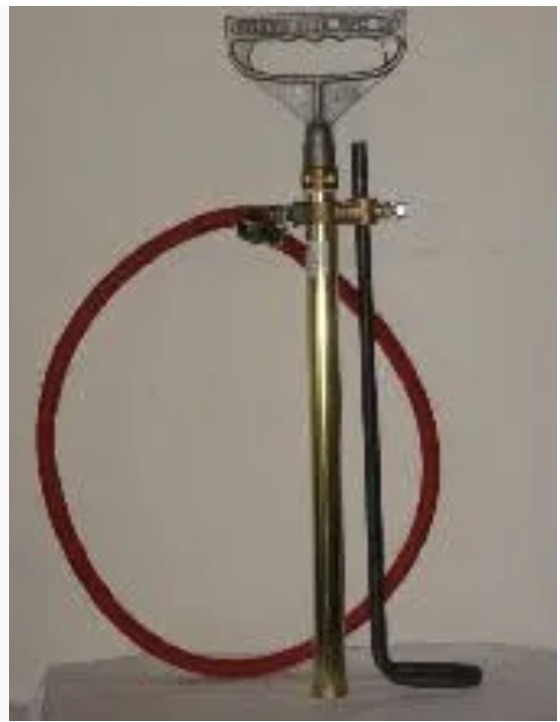
Silver King Chemical Force & Suction Pump - SK11, Brass
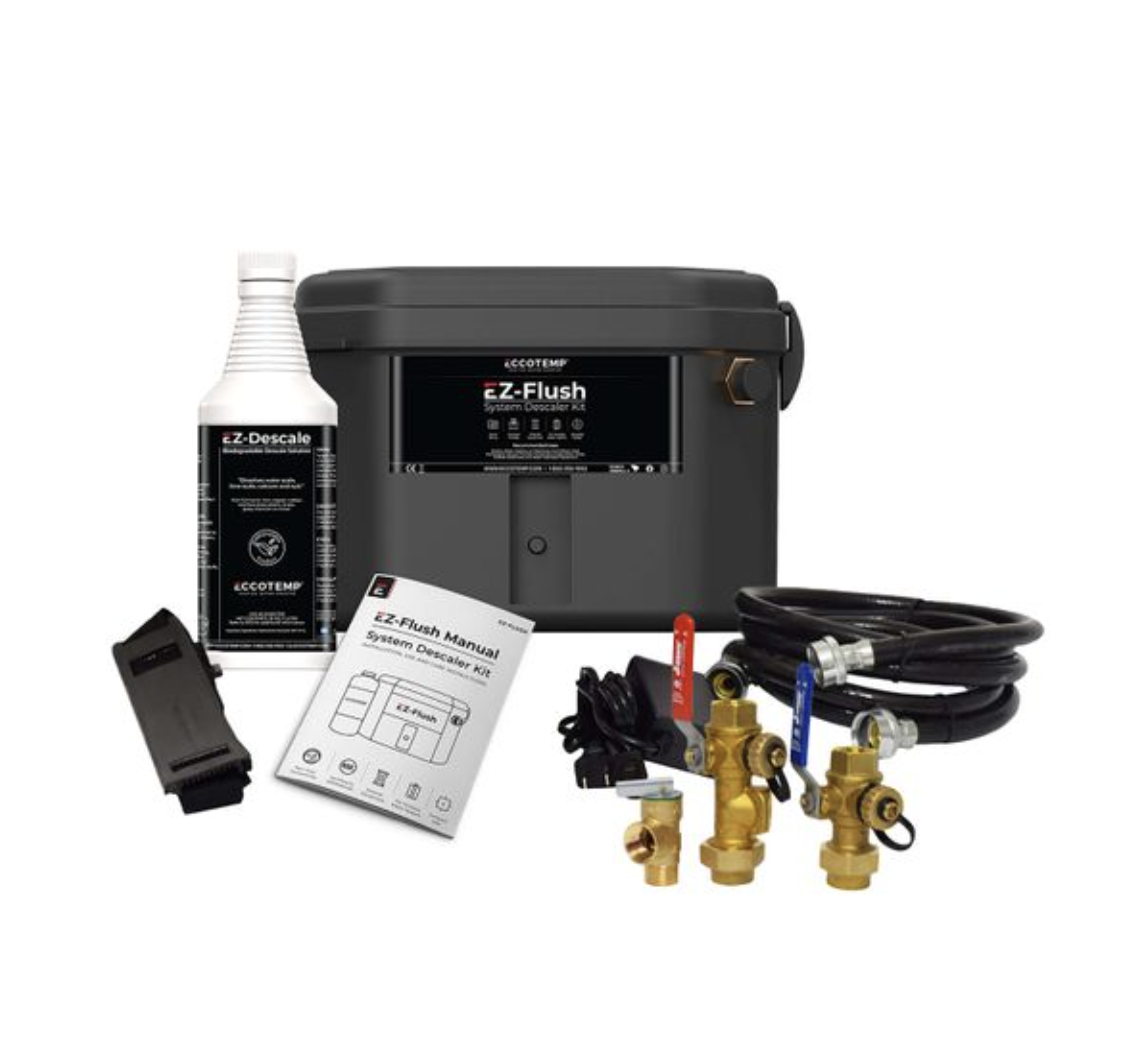
EZ Flush electric pump kit is a new brand that is available in a compact kit that includes the pump and hoses. The chemical that it comes with is for tankless water heaters, but you can add your own chemical and run the chemistry thru the boiler for 30 minutes or so and see what happens. I have used a different kit and ended up throwing out the crappy water several times before I liked what I saw coming out of the boiler. Then I added the proper chemistry to get the proper pH for the boiler and let that run for about 15 minutes.
I just needed to be careful to thoroughly clean my kit after a boiler, so I could use it on a potable water heat exchanger the next time I needed to.
Edward Young Retired
After you make that expensive repair and you still have the same problem, What will you check next?
0 -
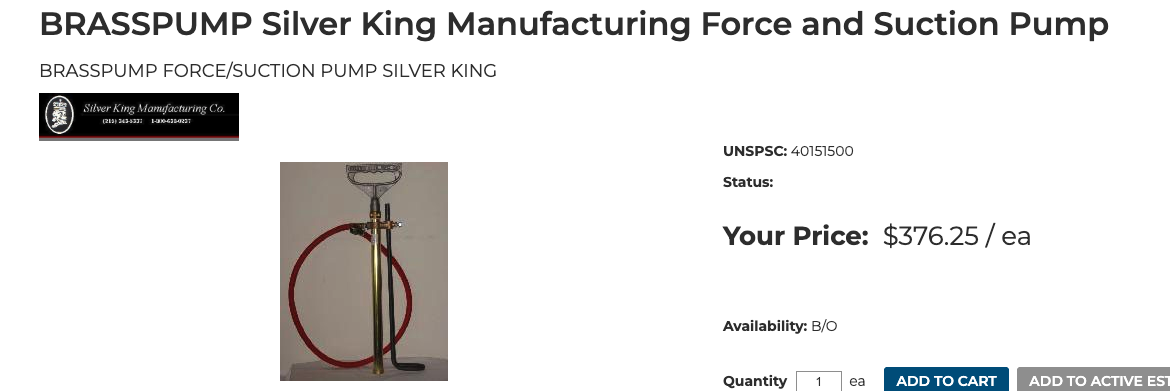
Those Silver King pumps have gotten crazy expensive
.
You may find a battery Milwaukee pump is less $$.
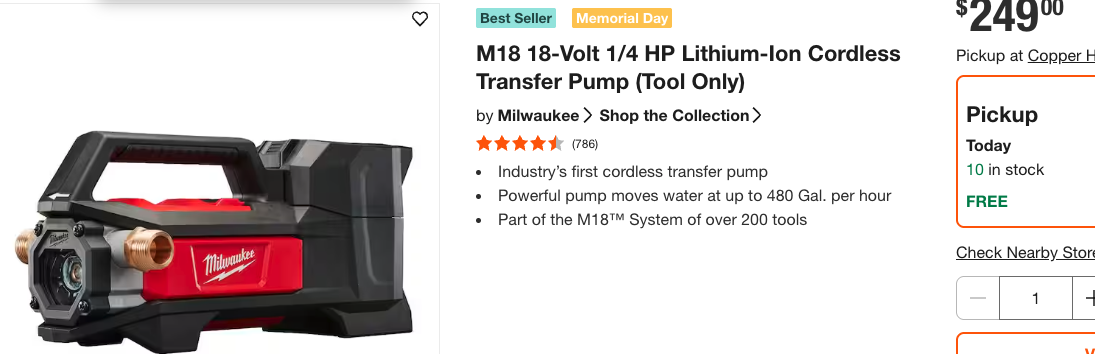
Or for occasional use a drill motor pump is very affordable.
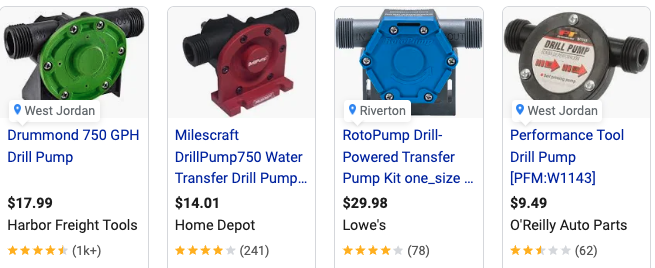 Bob "hot rod" Rohr
trainer for Caleffi NA
Living the hydronic dream0 -
I still use my 120 volt cast iron utility pump when I drain my water heater. I’ve used the Wayne brand for 20 years or so?
Steve Minnich0 -
About to install a mod con. I want to flush out the old system first. I just got a couple of gallons of Sentinel x400 system restorer in the system. Hope it all works out. I also have a magnetic filter to install on the return side.
 1
1 -
Hey hot_rod. Skip the brass. Glue us up a PVC force-pump! Video.
0 -
if the system has been operating with no new water for many years all the free O2 will have reacted with iron long ago.
edit: ignore above I see you’re putting in a new modcon.
Assume this is before teardown: follow manufacturer instructions and pipes will be as clean as they’ll get.0 -
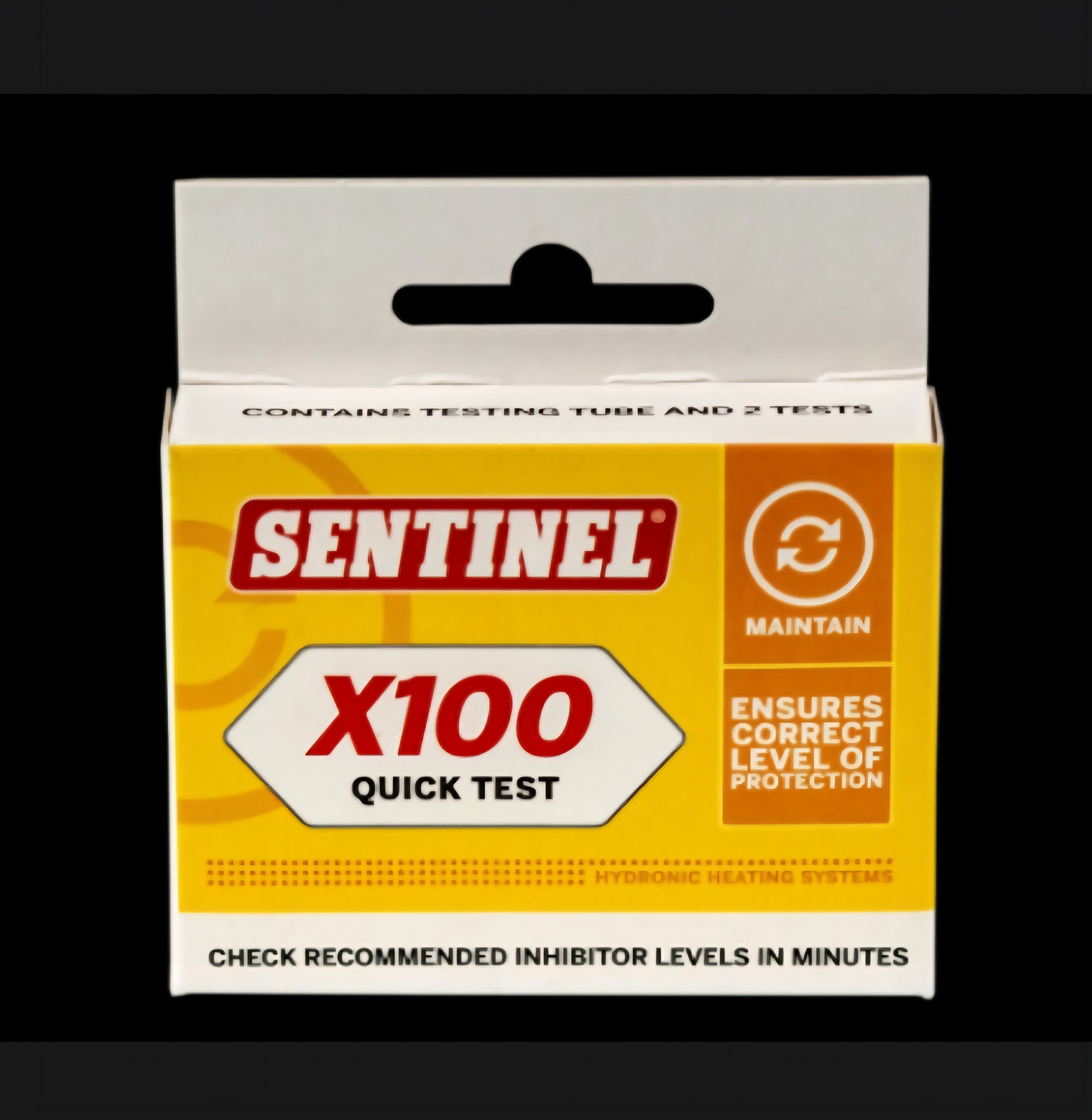
If I am lucky, I just might have my new mod con up and running in a week. I have a gallon of Sentinel X100 corrosion inhibitor. They suggest 1% dosing. That would be 100% useless information because I have no clue as to how many gallons of water my system will hold. I do know that 1 gallon of water is 231 cubic inches and pi r square can help me get a reasonable guesstimate as to how many gallons of water is in the pipes but are there any charts out there that will clue me in on how many gallons of water a cast iron radiator will hold?
0 -
interesting question about gallons of water
There are old manufacturer charts and modern equivalents that can get you surprisingly close, but you need to identify the radiator style, height, number of tubes/columns, and number of sections.
A useful historical rule comes from American Radiator literature. Their old Corto radiator was advertised as holding about ¾ to 1 pound of water per square foot of radiation, depending on the catalog/year. Since a gallon of water weighs about 8.34 lb, that works out to roughly 0.09–0.12 gallon per square foot of EDR.
And to be quite honest, this is not Rocket Surgery. Close is good enough. If you really want to get it right, purchase a water meter on ebay Water meter link and connect it to the fill valve of the boiler system. after you have it filled you can read the gallons from there. after you have that information then you can sell the water meter on ebay
Edward Young Retired
After you make that expensive repair and you still have the same problem, What will you check next?
1 -
You don't need to be dead on the money. Unless its a huge home and was gravity at one point, 40 ounces should get you there. Run the system for an hour before testing.
 0
0 -
How many rads, what size mains, how many levels?
My 2 level converted gravity system with 80’ of 2” main and 11 radiators had 110 gallons total including the old New Yorker welded steel boiler which I think was 20 or 30 gallon internal capacity.
0 -
The first time I filled boiler, I recorded the before and after on the city water meter to figure out total capacity.
Since then, I’ve replaced the boiler and added radiators and have never remembered to check the meter. 😉0 -
Du. Yea the water meter. LOL
 1
1



Categories
- All Categories
- 87.8K THE MAIN WALL
- 3.3K A-C, Heat Pumps & Refrigeration
- 60 Biomass
- 430 Carbon Monoxide Awareness
- 133 Chimneys & Flues
- 2.2K Domestic Hot Water
- 6K Gas Heating
- 124 Geothermal
- 170 Indoor-Air Quality
- 3.9K Oil Heating
- 79 Pipe Deterioration
- 1.1K Plumbing
- 6.7K Radiant Heating
- 397 Solar
- 16.1K Strictly Steam
- 3.5K Thermostats and Controls
- 56 Water Quality
- 51 Industry Classes
- 51 Job Opportunities
- 18 Recall Announcements