Webster Air Vent blowing steam

Looking for some guidance on a 2-pipe steam system.
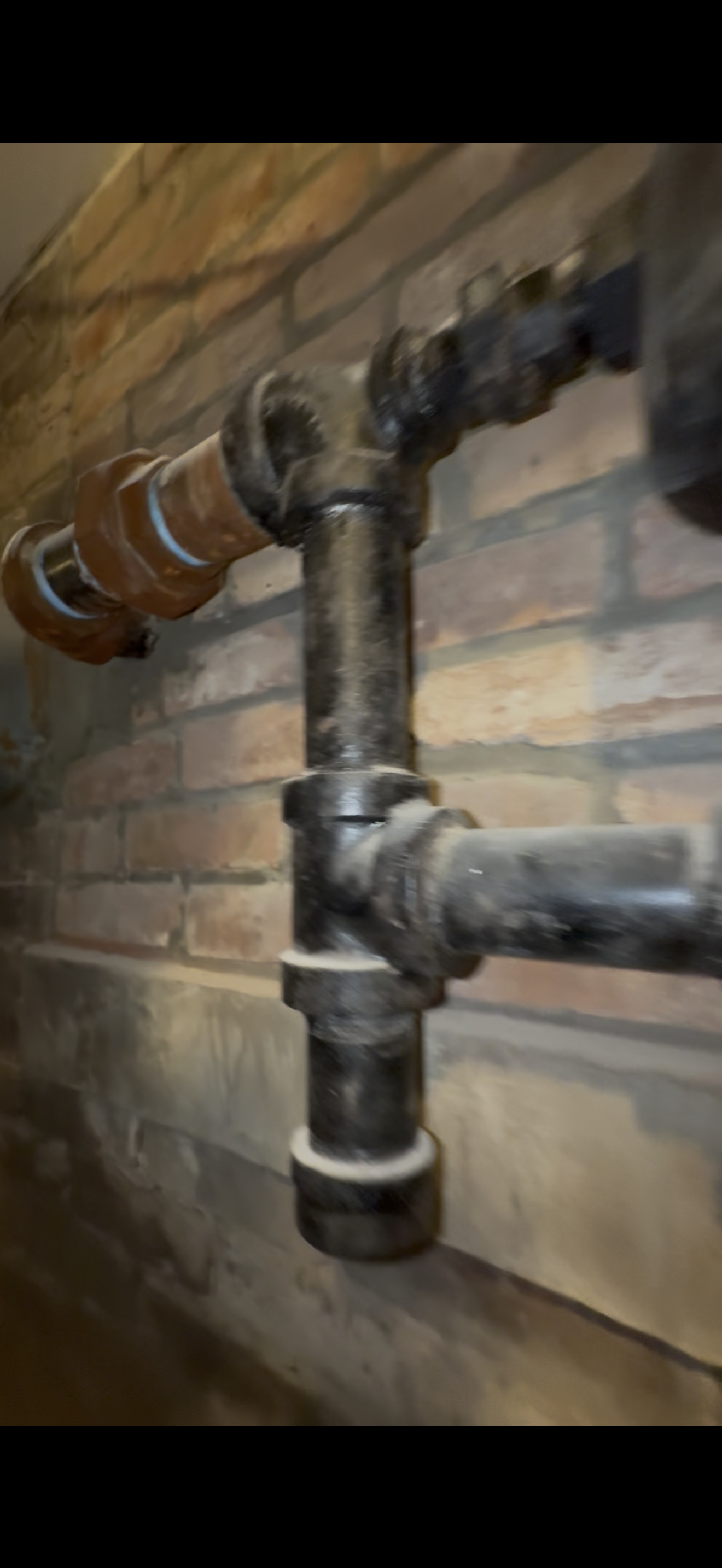
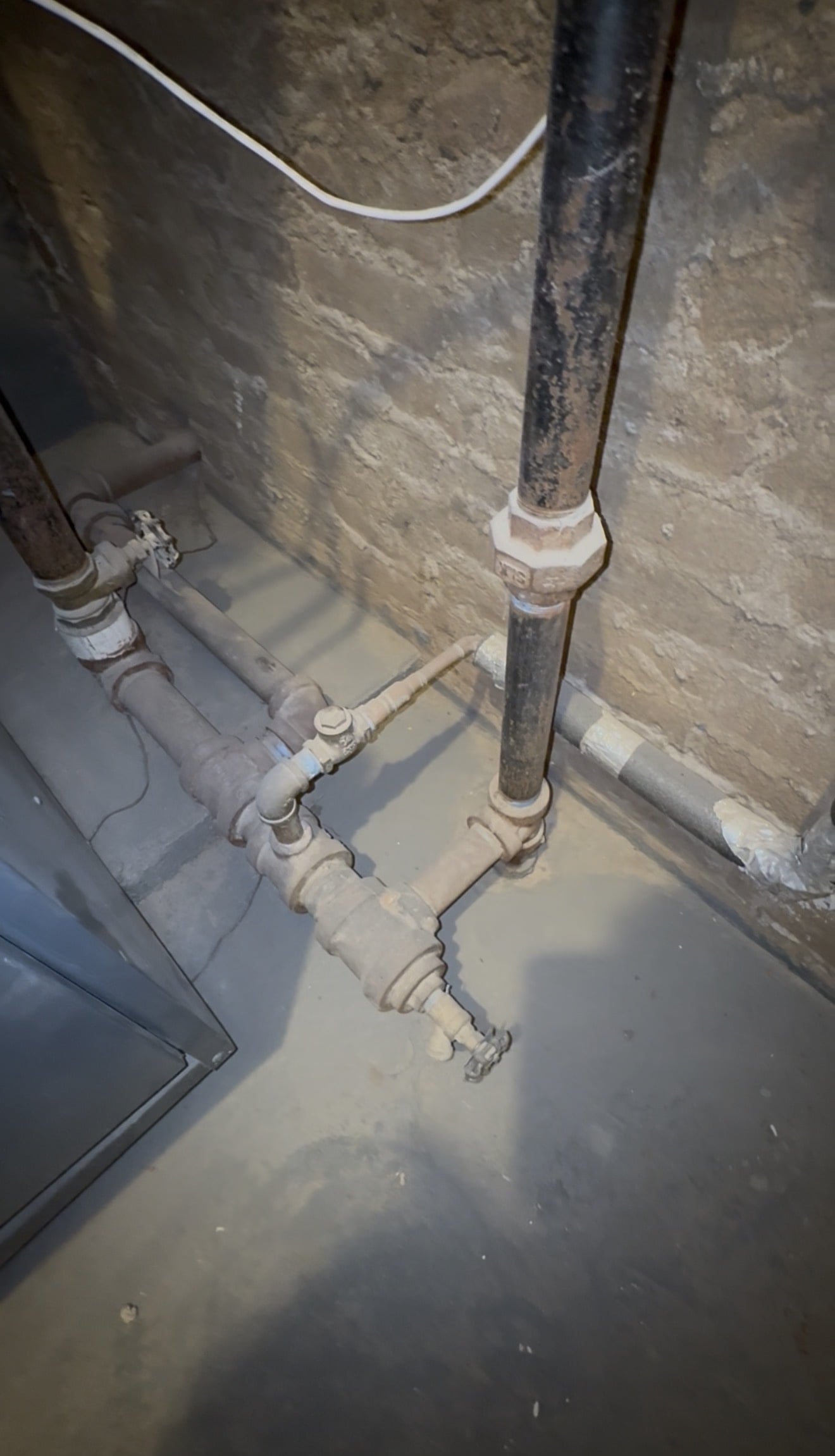
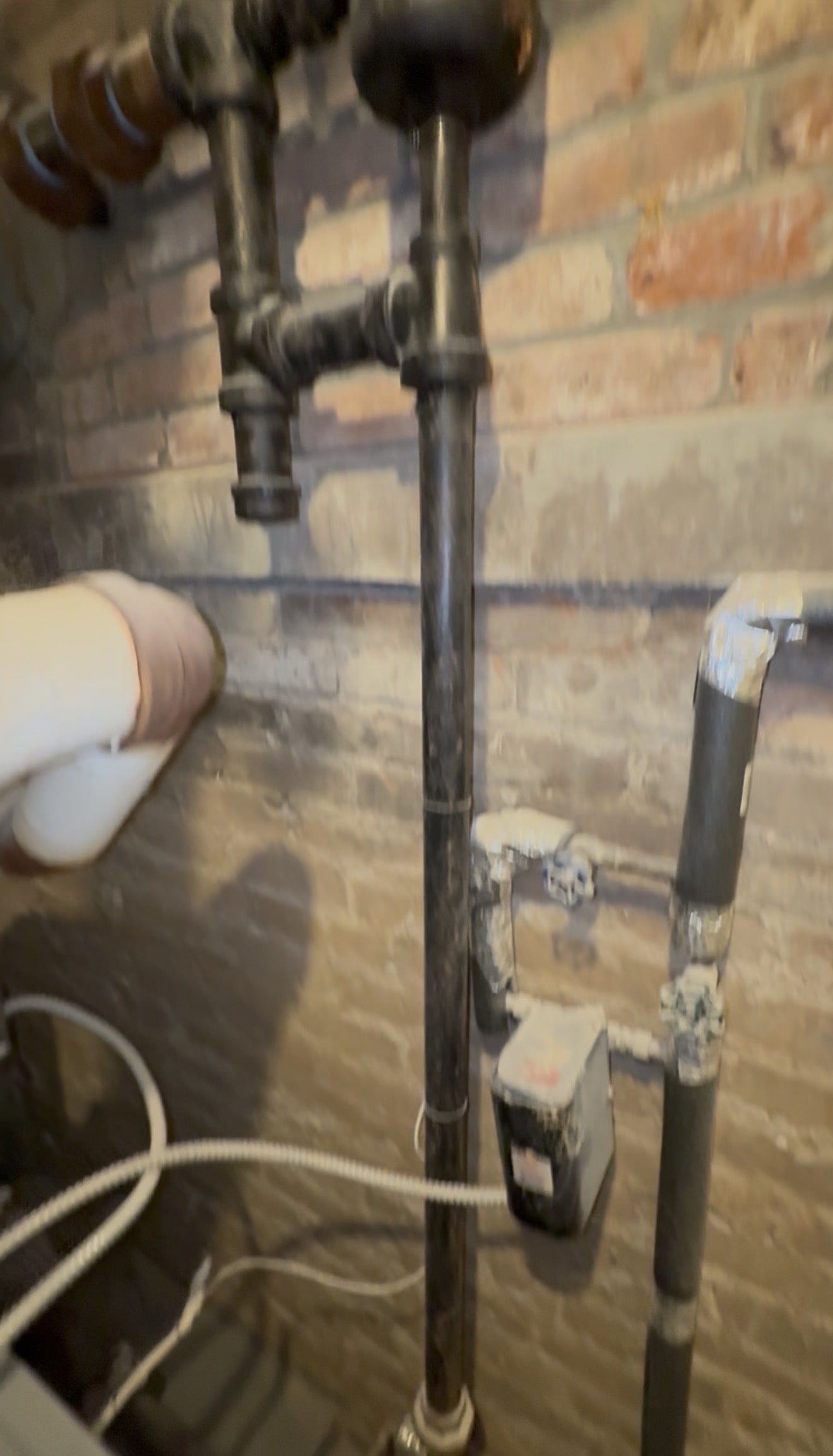
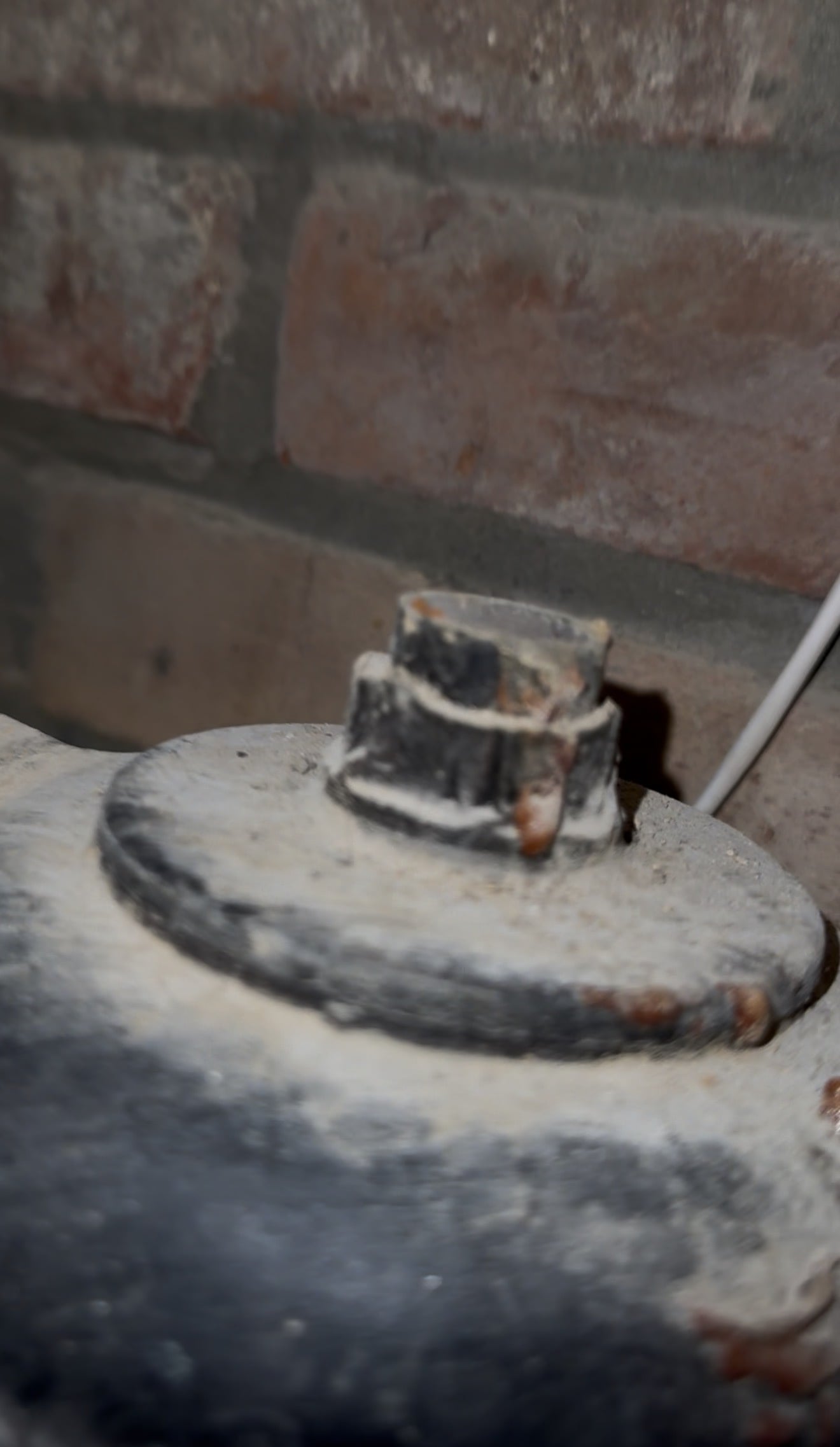
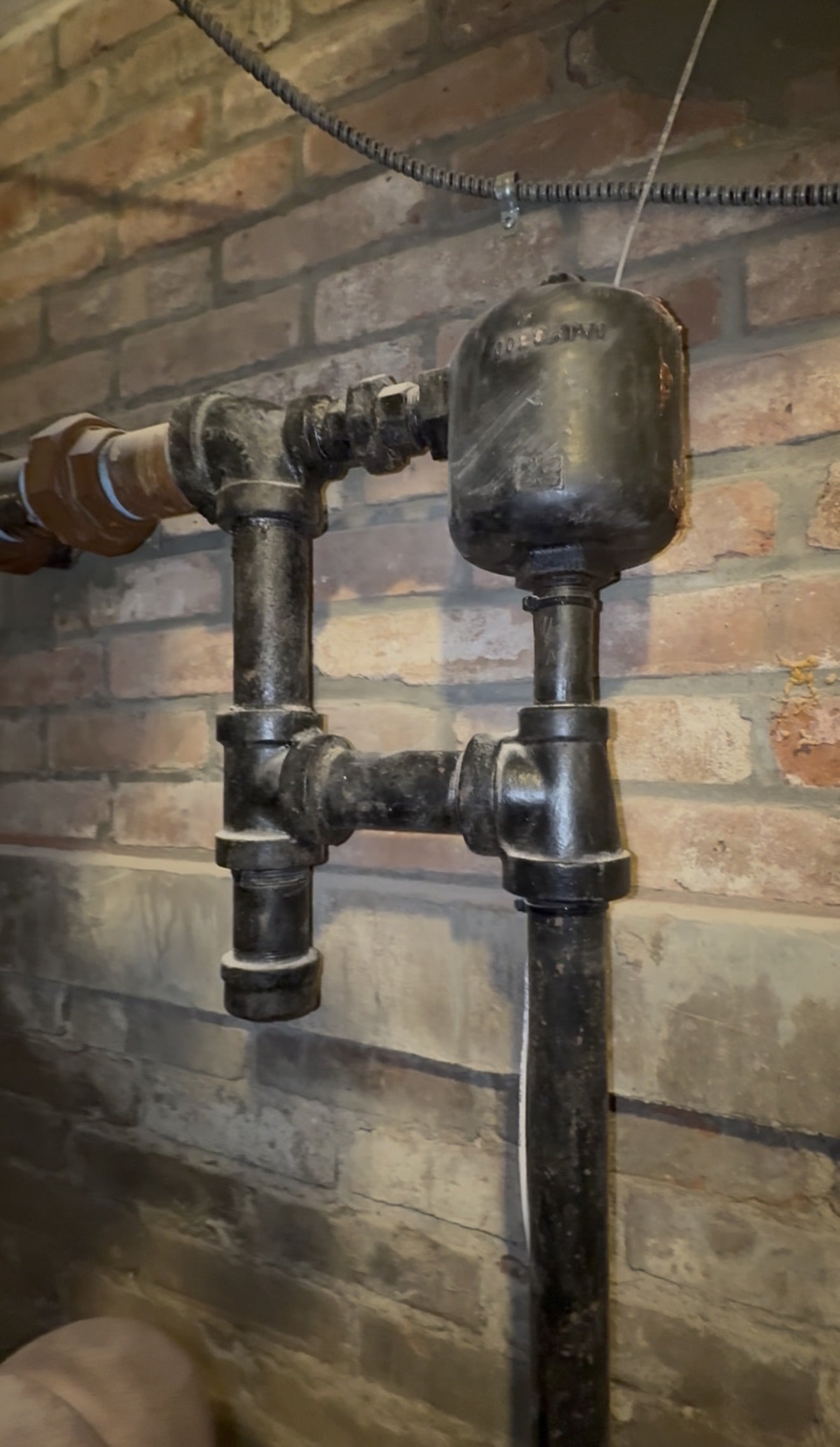
I have a Webster vent/trap (marked “0023 ATV” on the front) that recently started blowing steam out of the top. This began shortly after a contractor modified the wet return.
Originally, the wet return ran straight into the boiler. It was re-piped lower, creating a U-shape to get under a set of steps that were built. Not sure if that change could be causing this issue, but the timing lines up.
My questions:
– Could the wet return modification be causing this vent to pass steam?
– What is the proper replacement for this Webster unit?
– Can I replace it with (2) Gorton #2 vents on an antler, or is that not appropriate for this setup?
Appreciate any advice.
Comments
-
shouldn't be steam in the returns.
need to know more about how this pipe was changed, was anything tied together higher than it was originally? if it was truly a wet return and was just a pipe with nothing connected to the section that was changed, going down then back up shouldn't change anything.
0 -
did you skim the oils from the new pipe off of the boiler?
0 -
As long as all the piping in the second pic is below the boiler's waterline, you should be OK. I'd look for a bad trap that is letting steam into the dry return.
 1
1 -
The guys above. That vent blowing steam is a symptom, not the problem. As was said, steam should never, ever reach that vent or be in those pipes. So… two possible problems. The easy one is that the system cutout pressure is too high. The boiler should cut out at no more than 8 OUNCES per square inch (half a pound). Less would be better — Websters (and most similar systems) run just fine on a maximum pressure of about 6 ounces.
So step one. Get down to the boiler and reset the pressure cutout device to a cutout of 6 ounces and a differential of 3 ounces. If it won't go that low, get a vapourstat and use it instead.
Then the second possibility is a failed trap somewhere on the system. Could be almost anywhere, so you may have some detective work to do. May be more than one trap…
Actually there is a third: in the work moving that pipe you reference, some piping intended to be a water seal may have gotten changed. Look for that, too.
Edit: and one more thing. Don't change that vent until you find the real problem…
Br. Jamie, osb
Building superintendent/caretaker, 7200 sq. ft. historic house museum with dependencies in New England 1
1 -
-
Honest timber!
Any one of the traps could be the problem. Or several of them… or there may be crossover traps between the mains and the dry returns (probably are) which have failed.
Get the pressure under control, and then run the system long enough to get the radiators could and hot. Look for traps which are passing steam — the outlet pipes will be steam hot. Then replace the elements in any traps which have failed (Tunstall has the replacements — tell them what you need). Sometimes the problem is bad enough that the you can follow a warm dry return back to a failed trap! Makes life easier…
But as I said above, don't even think of worrying about that vent until you have fixed the problem(s).
Br. Jamie, osb
Building superintendent/caretaker, 7200 sq. ft. historic house museum with dependencies in New England1 -
-
-
Ran the system for about 45 minutes to an hour until everything was fully heated. Once it got hot, the vent trap started hissing loudly and blowing out hot air (not visible steam). Also noticed a small water drip at the union near the vent trap.
0 -
-
Let's try this again. That vent CAN'T get hot if there isn't steam in the dry return. There CAN'T be steam in the dry return unless a trap or water seal is blown. There should NEVER be steam in the dry return.
Don't shoot the messenger — you have a problem or more likely problems elsewhere in the system. Find them and fix them.
Br. Jamie, osb
Building superintendent/caretaker, 7200 sq. ft. historic house museum with dependencies in New England1 -
Thank you for the input. Makes complete sense. Is there an easy/ best way to troubleshoot the traps at the radiators?
0 -
Use the "Ah-ha-ha Test for the Presence of Latent BTUs".
That's where you put your hand on the dry return and when it gets hot enough that you yell "Ah-ha-ha" and your hand involuntarily pulls away from the pipe, you know there is steam in that pipe (thanks to @DanHolohan for that one).
Follow the steam until it leads you back to the bad trap. There may be more than one.
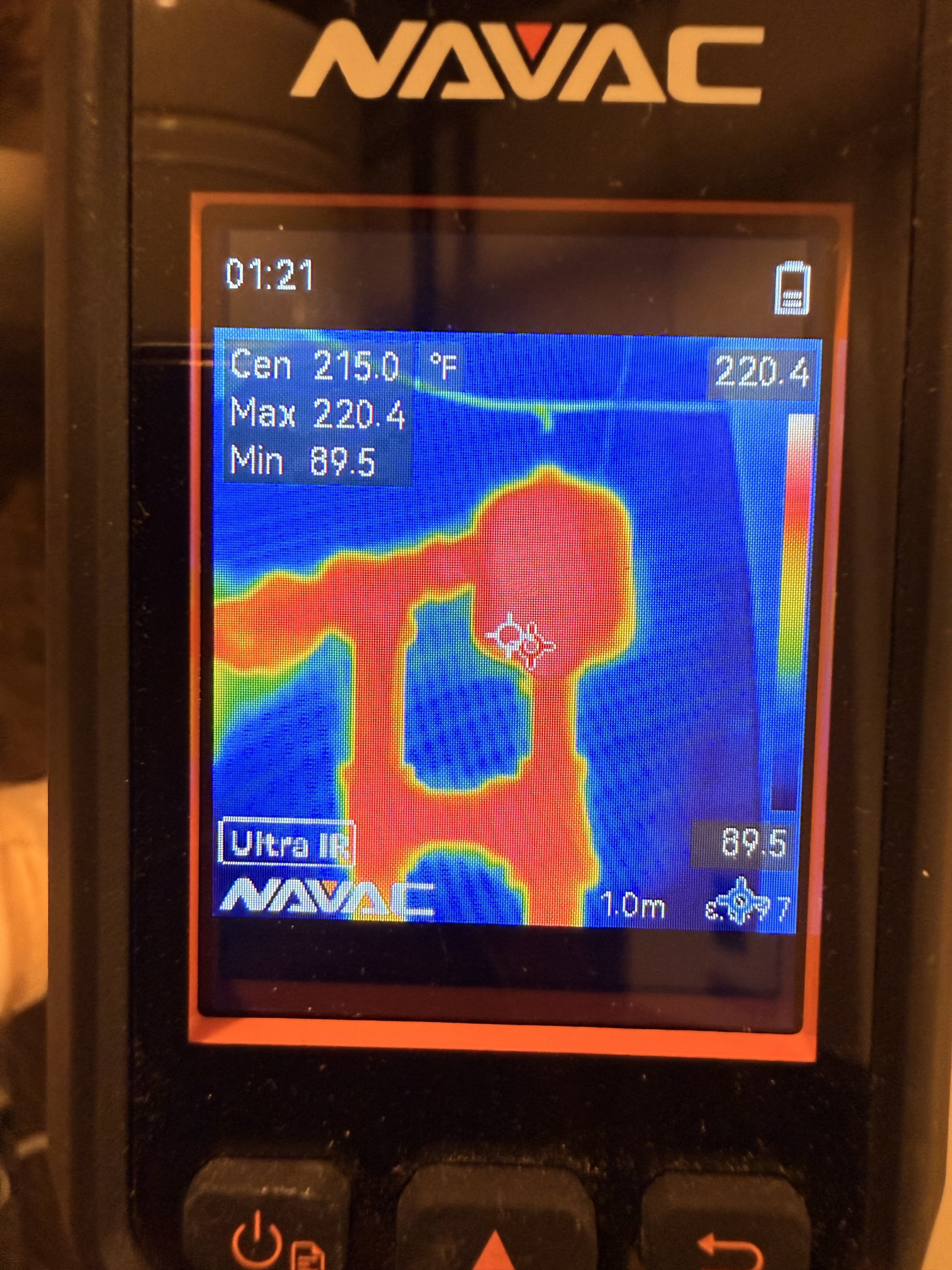
You can also use your thermal camera, but that's not as dramatic.
0 -
❤️
Retired and loving it.1 -
After running the system, I noticed that on every radiator the piping downstream of the steam traps is getting extremely hot. Does this indicate that all of the traps have failed?
0 -
Stop trying to troubleshoot the traps.
Traps wear out.
Count up the traps and the model #s and order replacement parts and change them out.
Its a mechanical part that wears out.
If you had a 1935 water pump in your car that started leaking would you 'troubleshoot it" or change it?
1 -
Quite possibly. Or at least a majority of them. Combination of age, excess pressure possibly, and one failed trap can cascade to many. Just change them all as @EBEBRATT-Ed said, and be sure to check for crossover traps!
Br. Jamie, osb
Building superintendent/caretaker, 7200 sq. ft. historic house museum with dependencies in New England0 -
replacing them all is probably most economical.
if you want to try to track down the failed ones, start looking as the system starts to heat. after everything is hot you wont be able to tell where the steam in the returns started. the steam may also flow through the mains to radiators with good traps that have not closed yet too so you need to start with where you first start seeing steam in the returns. if the valves still work you can close those radiators that you think have bad traps and see if you still see steam from that place or in the returns at all
the first place steam gets in to the returns might be through the crossover traps at the ends of the mains. look for them, there likely are traps at the ends of the mains to vent the air out of the mains and in to the returns.
don't worry too much about the pressure, lower is always better but since it has traps it shouldn't start having problems until something like 2 psig rang if the traps are good and any water seals are deep enough
water hammer or higher pressure can destroy good old or new traps which is another reason to replace them all if they are old, you find and replace a bad trap then another trap causes hammer and destroys that brand new trap.
0 -
the gray pressuretrol is the operating control and the pressuretrol with the clear plastic cover is the safety control, it is there to shut down the boiler if the operating control fails to cycle the boiler. it has a manual reset and will stay off until the red button is pressed if its setpoint is reached.
0 -
Thank you for the input, I appreciate the help. We’re planning to replace all the radiator traps. In the meantime, we’d also like to address the vent trap at the boiler—would stacking Gorton #2 vents be acceptable there, or is there a better replacement option you’d recommend?
0 -
two Gorton #2s on a little antler should be ample.
Br. Jamie, osb
Building superintendent/caretaker, 7200 sq. ft. historic house museum with dependencies in New England0 -
Once you fix the traps, you won't have steam blowing out of that vent.
1 -
or if you do you need to keep looking for another problem.
0 -
This is true. And you won't need to replace the existing one — but it won't hurt, except in the wallet.
I might note, though, that if you DO replace the vent WITHOUT replacing the traps, the system will likely work considerably worse than it does now, if it works at all…
Br. Jamie, osb
Building superintendent/caretaker, 7200 sq. ft. historic house museum with dependencies in New England0 -
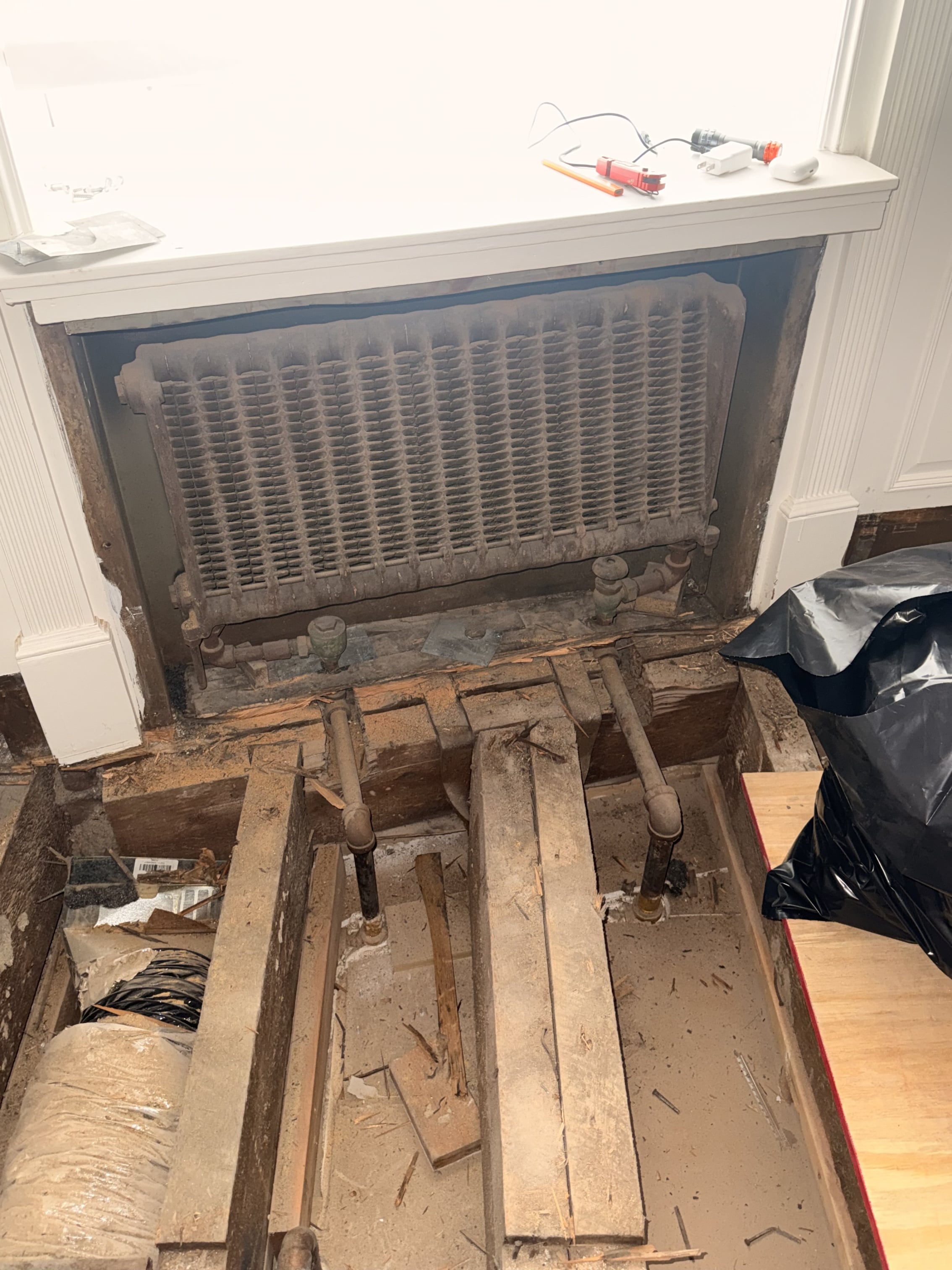
I found that one radiator was removed and the piping was reconfigured like shown in the photo could that be causing the issue?
Also, the system has about 30 radiators total and they’re planning to remove 4. Would that create any problems?
0 -
BINGO! Remove that improperly-installed crossover pipe, cap the runouts and I'll bet the problem disappears.
Why are they removing those radiators? That will result in those rooms being COLD!
0 -
@Steamhead beat me to it… but his comment was nicer than mine would have been, whish was ****?
Br. Jamie, osb
Building superintendent/caretaker, 7200 sq. ft. historic house museum with dependencies in New England1 -
if that is there, there may be other surprises waiting for you.
0 -
This work was done just a few weeks ago, but they’re saying the steam issue at the main vent trap was happening even before this crossover at the radiator. I’m thinking that points to some failed radiator traps, with this piping change possibly making it worse.
Should both ends of that radiator piping just be capped off?
0 -
Yes. Fix this and try it again, see what happens.
1





Categories
- All Categories
- 87.8K THE MAIN WALL
- 3.3K A-C, Heat Pumps & Refrigeration
- 59 Biomass
- 430 Carbon Monoxide Awareness
- 132 Chimneys & Flues
- 2.2K Domestic Hot Water
- 6K Gas Heating
- 124 Geothermal
- 170 Indoor-Air Quality
- 3.8K Oil Heating
- 79 Pipe Deterioration
- 1.1K Plumbing
- 6.7K Radiant Heating
- 396 Solar
- 16.1K Strictly Steam
- 3.5K Thermostats and Controls
- 56 Water Quality
- 51 Industry Classes
- 51 Job Opportunities
- 18 Recall Announcements