Power flushing services/equipment?

Does anyone do power flushing anymore? I've called over a dozen reputable heating services companies in the Albany, NY area, including two companies sending someone to "assess" my needs, with no luck. I'm looking for power flushing service providers OR equipment rental.
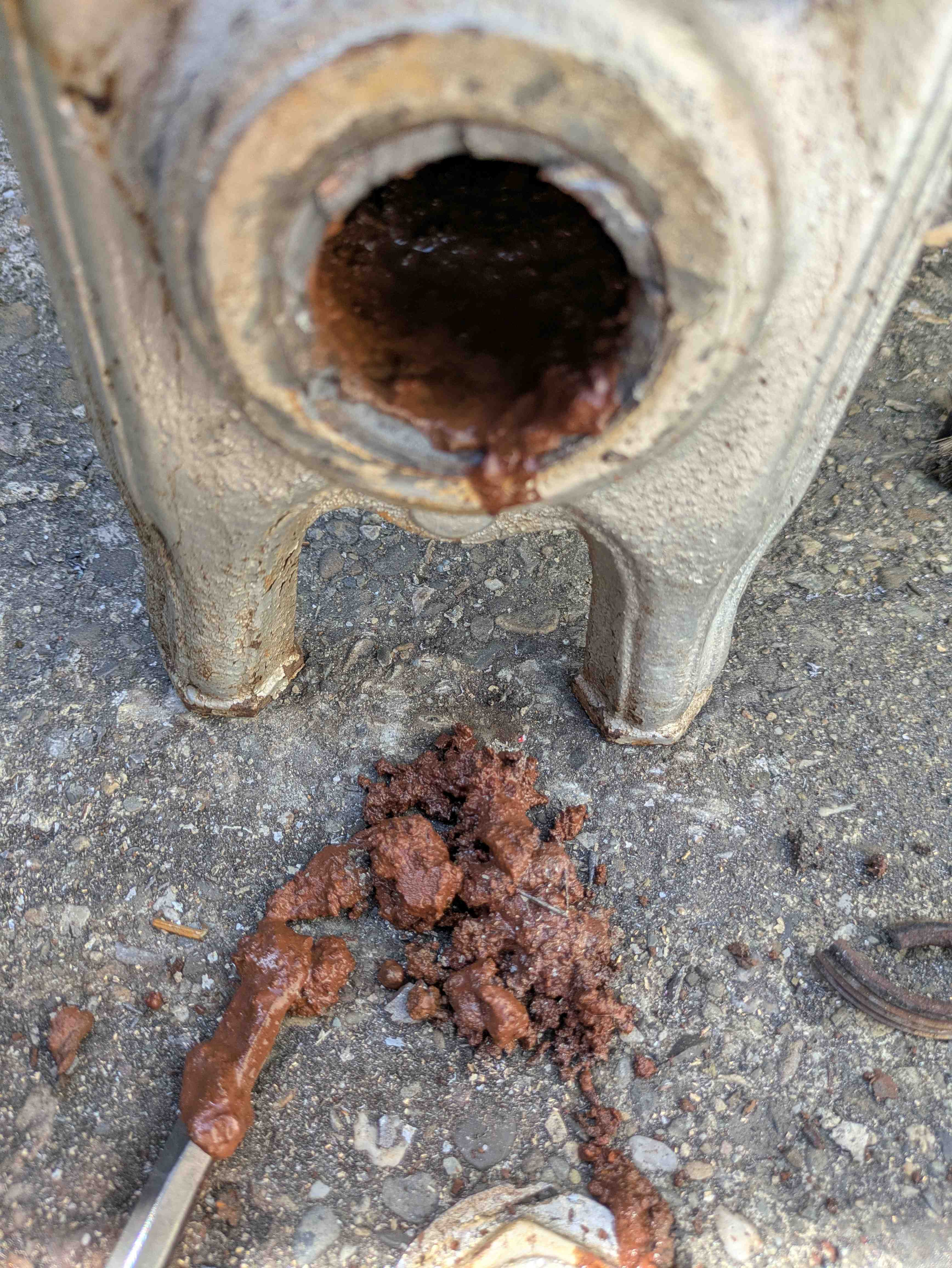
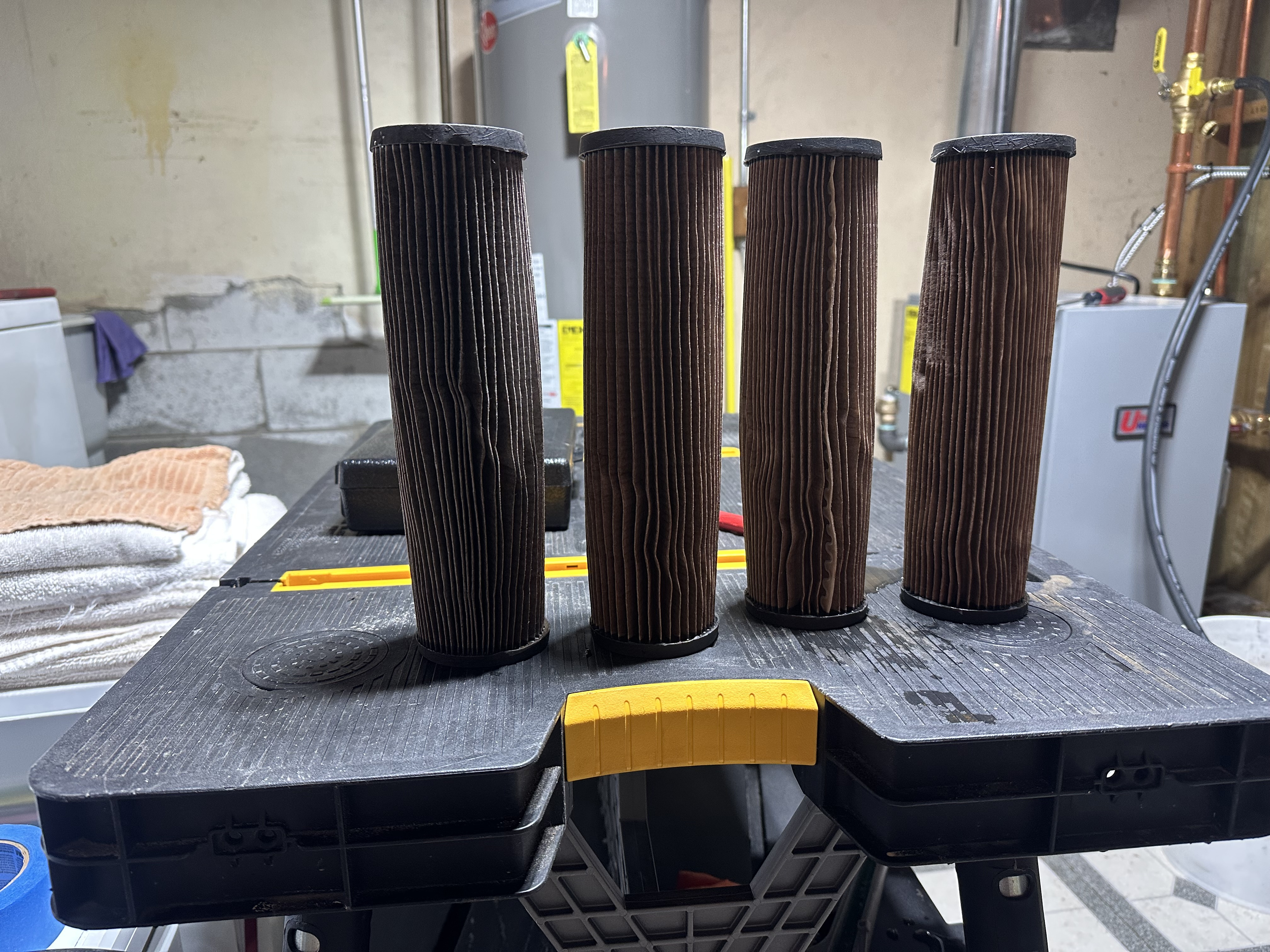
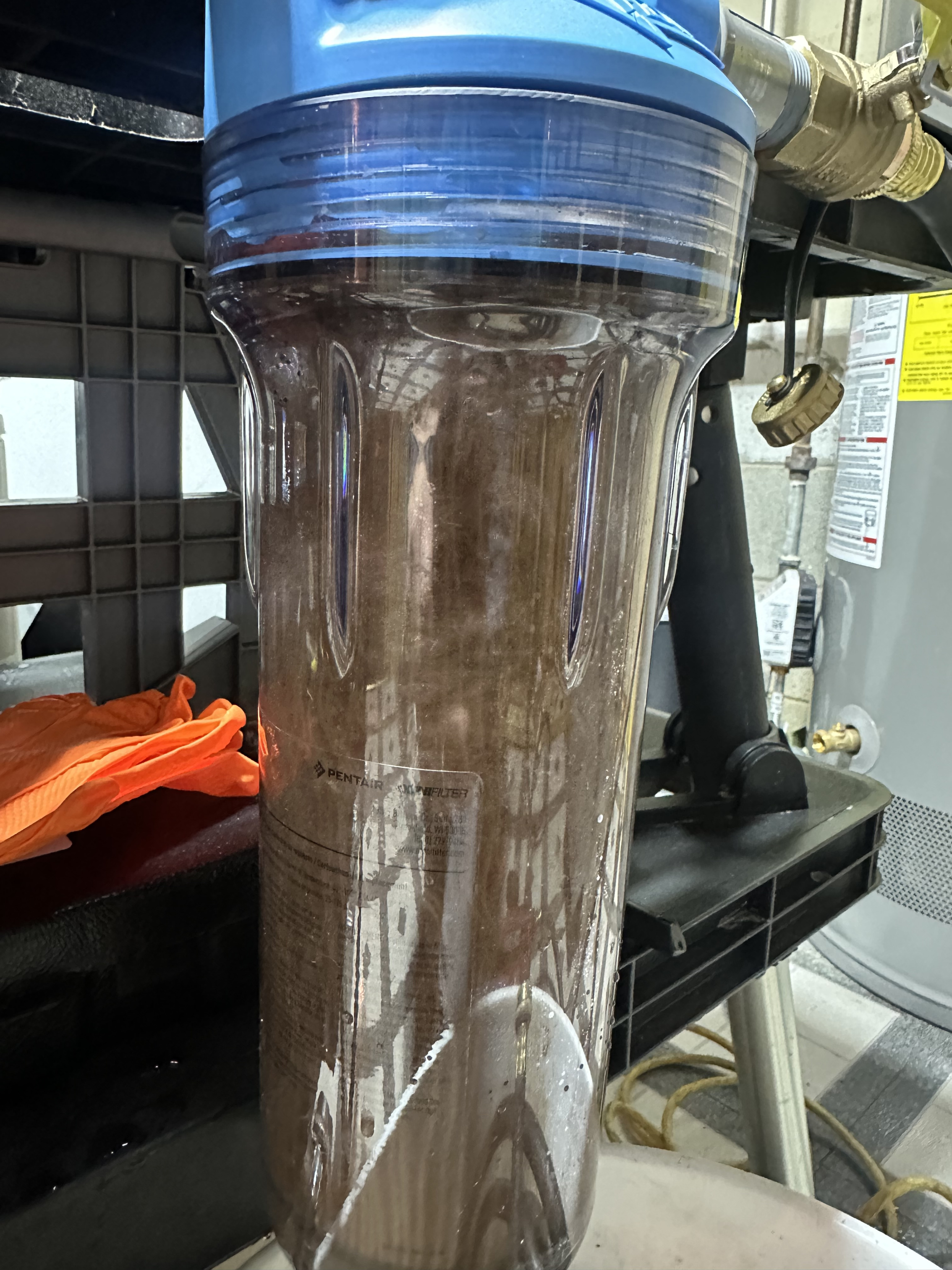
I'm converting an old 1-pipe steam system to hydronic. New boiler (obviously), all new copper piping, but I'm trying to save my cast iron radiators. I've managed to remove all (but one) plugs and replace with bushings, tapped and installed new vents, but the old radiators are gunky! (See photo.)
I'd like to power flush 6 radiators before plumbing them to my new heating system. Note that the radiators are not connected yet to the system. My plan is to temporarily connect them together in a loop for power flushing in my garage before installing them in the house.
Comments
-
What does the top of the radiator look like? Are all the sections connected at both the top and bottom (not just the bottom)? That makes a difference, because if they are not connected at the top, you can't use them as water radiators.
As far as flushing or power washing is concerned, you may need the help of a pressure washer with a homemade 90° spray. Perhaps just a piece of 1/2" copper with a cap brazed to it and a 1/8" hole drilled into it on one side. That will force water out at a good velocity to dislodge much of that gunk.
After the big cleaning job, then connect them all together and vent all the radiators with a good measure of some boiler water treatment that removes rust, and connect a pump to the temporary system of radiators and let it run for several days. Perhaps a DirtMag could be incorporated into the temporary system to collect the debris as it passes.
You might want to think about a utility pump for the chemical flush. A standard circulator pump is not really that strong for your purpose
Edward Young Retired
After you make that expensive repair and you still have the same problem, What will you check next?
1 -
Thanks, Ed. Yes, the rads are connected at the top and bottom, so they should be good to go for water.
I've seen various strategies for homemade power washing, but not your idea to get inside the rad with the sprayer. I'll consider that. Also like the idea of adding a DirtMag to the cleaning process, since I was planning to get one of those added to my new heating system anyway.
I'm still hoping to find a proper power flushing machine. Here's the one that I've seen used most often online. (Power flushing seems to be more common in the UK.)
I appreciate your input. If I cannot find a proper power flusher, I'll be trying your approach.
0 -
As Ed said make sure you can use the radiators for hot water. If you cant take a look at panel radiators. They are a good option for system conversion and much cheaper than buying new cast radiators.
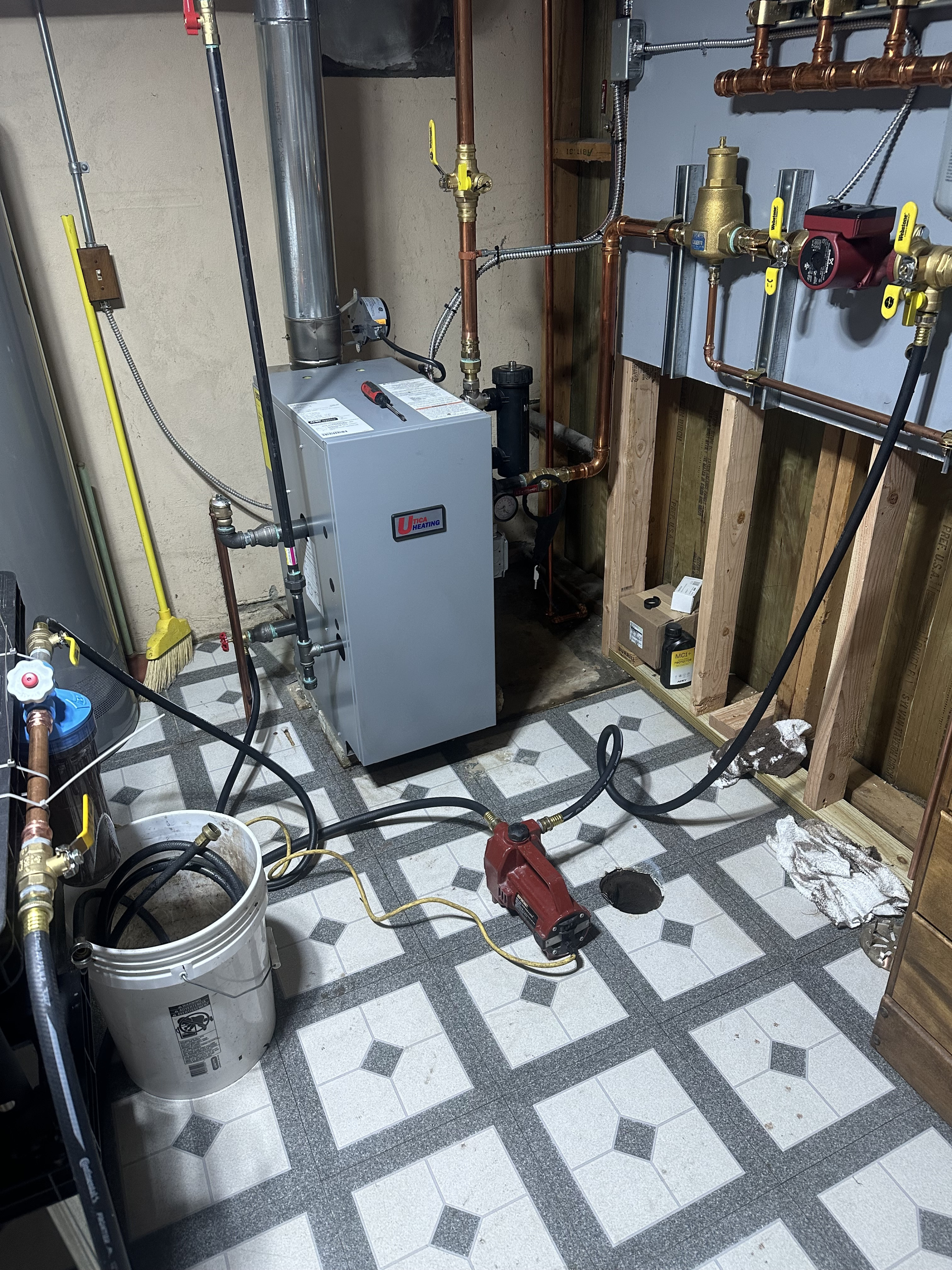
I have a distributor who will rent out a power flush cart in my area to contractors. If you can't find a contractor that is willing to do this you can DIY it. You will need a good pump with enough velocity. I use a Liberty 331 transfer pump or you can get an inexpensive shallow well pump. I use a Adey magnetic cleaner with their chemical to clean and get the magnetite out. Bring your return loop through the mag filter and discharge into a bucket or trash can. Put a bulkhead fitting on your trash can going to the suction/intake of your pump. The pump discharge gets connected to your radiator loop.
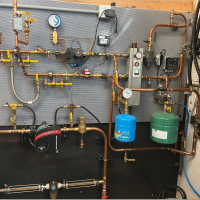
It might be easier to do all of this when the radiators are connected to the new boiler system so that you clean the entire system. With preplanning you can install valves in the system to allow you to do this and bypass the boiler heat exchanger. Here is a set up I recently used on a cast iron boiler that had to be replaced, where the system had to be cleaned up because of water quality issues.
Owner of Grunaire Climate Solutions. Check us out under the locate a contractor section. Located in Detroit area.
1 -
Remember that after power washing them, they must be pressure tested to not less than twice the pressure relief valve setting on your boiler.
Br. Jamie, osb
Building superintendent/caretaker, 7200 sq. ft. historic house museum with dependencies in New England1 -
two options are a pump with a high gpm flow, a swimming pool pump and a plastic garbage pail is a simple way to build a high flow purge.
Caleffi sells 1/2hp flush carts also.
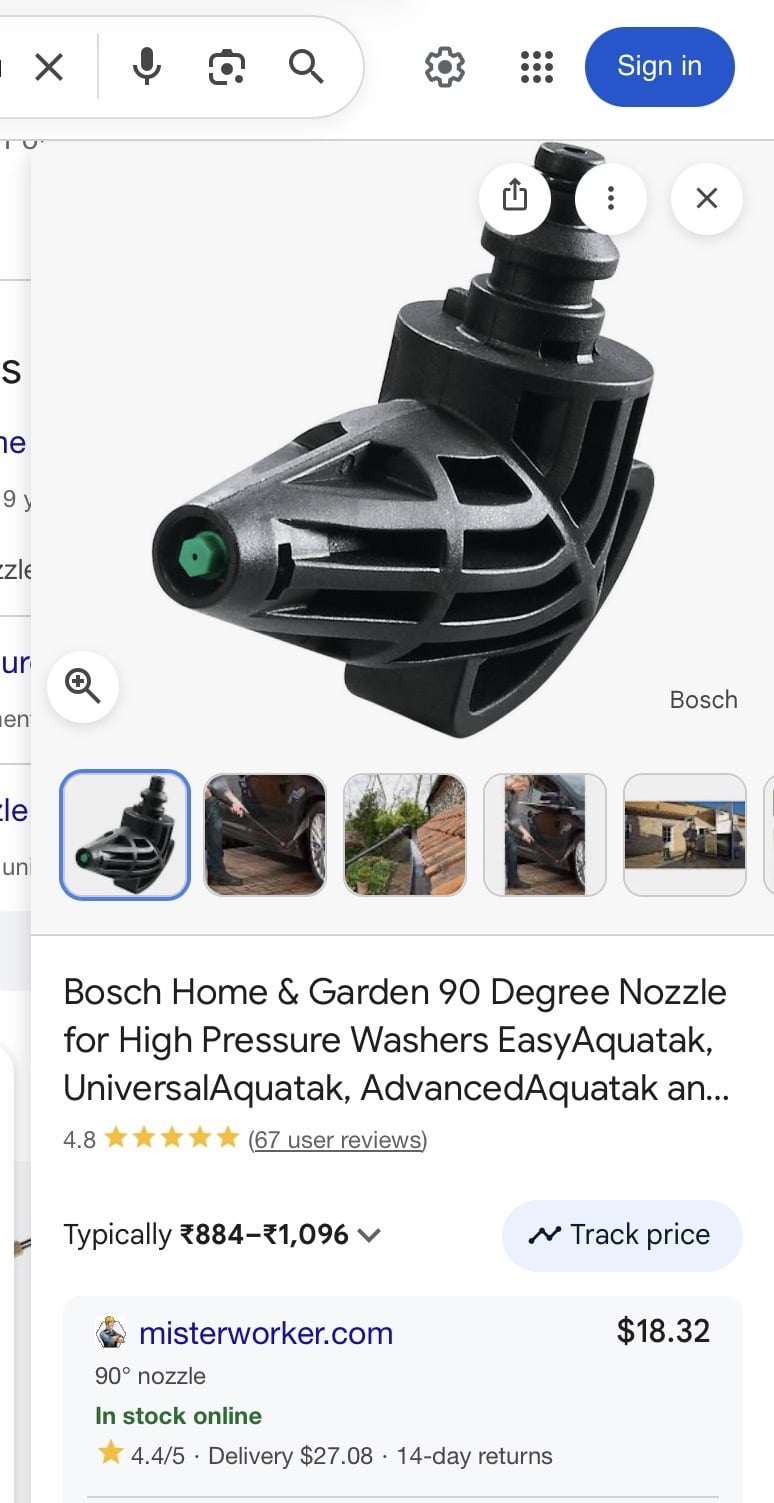
Or an inexpensive electric pressure washer with a 90 degree nozzle
If this fits in the opening?
 Bob "hot rod" Rohr
trainer for Caleffi NA
Living the hydronic dream1



Categories
- All Categories
- 87.6K THE MAIN WALL
- 3.3K A-C, Heat Pumps & Refrigeration
- 59 Biomass
- 430 Carbon Monoxide Awareness
- 124 Chimneys & Flues
- 2.2K Domestic Hot Water
- 5.9K Gas Heating
- 120 Geothermal
- 168 Indoor-Air Quality
- 3.8K Oil Heating
- 78 Pipe Deterioration
- 1K Plumbing
- 6.6K Radiant Heating
- 394 Solar
- 16K Strictly Steam
- 3.5K Thermostats and Controls
- 56 Water Quality
- 51 Industry Classes
- 50 Job Opportunities
- 18 Recall Announcements