Pump Curve Help Please

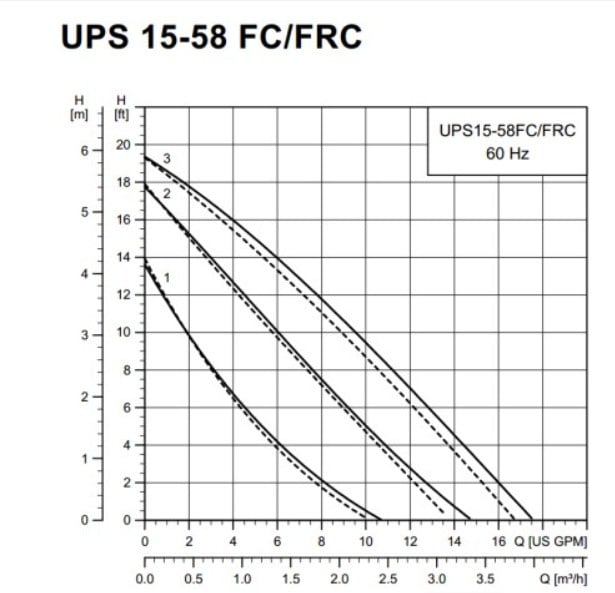
Hi all I'm looking at two Grundfos pumps both 15-58FRC & 15-58UPS.
Trying to figure out do both have the same curves or are the different. I dont understand the curves from the two.
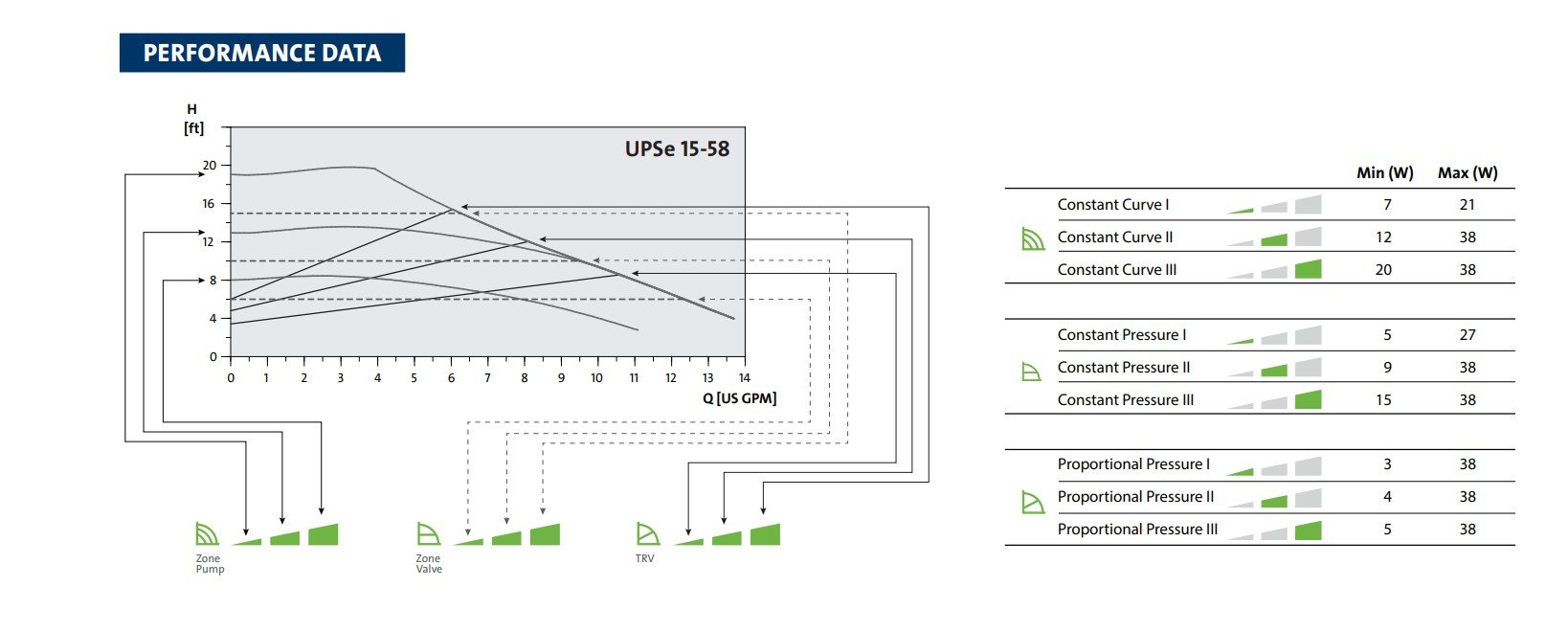
15-58UPS below
Comments
-
Yes and no. The top graph shows the actual inherent performance curves for the pump operating at three different power levels. That graph shows what the pump — without other controls — will accomplish. The bottom diagram shows the effect of three different electronic control strategies which the "e" version oof the pump can be programmed to do:
Br. Jamie, osb
Building superintendent/caretaker, 7200 sq. ft. historic house museum with dependencies in New England0 -
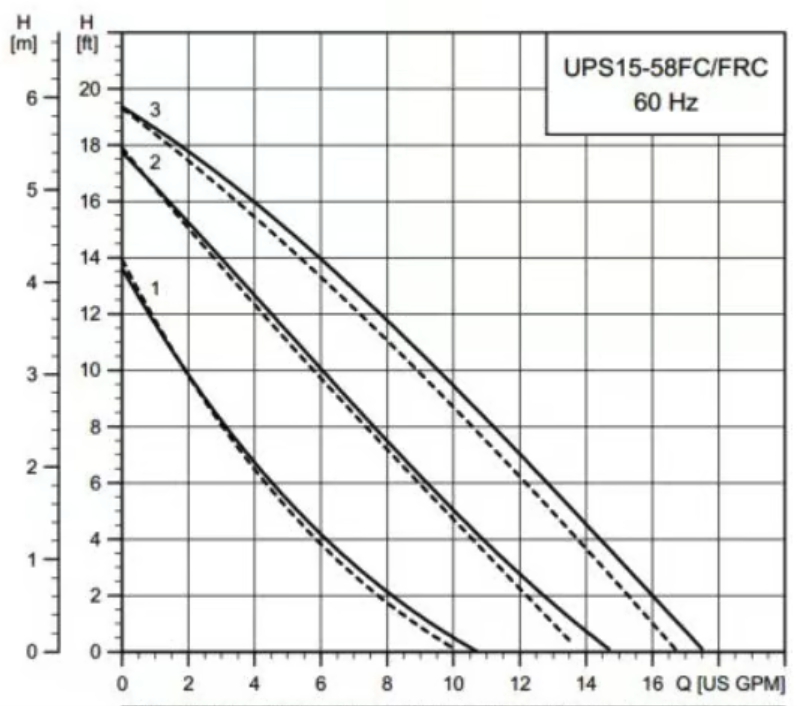
The first set of curves shows the 15-58 with and without the internal check valve, so a small difference.
The "c" in the model number is for internal check valve versions. FR is for flange rotated versions.
 Bob "hot rod" Rohr
trainer for Caleffi NA
Living the hydronic dream0 -
Can the second curve/pump depending on how its programmed/set mirror the first pumps curve or are the completely different….just trying to undertstand is it worth buying the 15-58 UPS
0 -
The pump itself is exactly the same. The difference is in the controls.
Br. Jamie, osb
Building superintendent/caretaker, 7200 sq. ft. historic house museum with dependencies in New England0 -
Its for monoflo system not sure if going from FRC to UPS gets me anything
0 -
MonoFlo systems can have a high pressure drop, what circulator is currently on it?
Ideally you want to run in the middle 1/3 of the curve. So that 15-58 is comfortable in the 5-11 gpm range. Head depends on which speed. So about 8 gpm at 12' on speed 3.
Is the system zoned? TRVs on radiators as an example? If so an ECM delta P circ, the Alpha or Magna series, is a good match up.
Bob "hot rod" Rohr
trainer for Caleffi NA
Living the hydronic dream0 -
There seems to be some confusion. The UPS15-58FC and UPS15-58FRC are the exact same thing but with different flange orientations. The UPSe that you are referring to as a UPS is an ECM motor with pressure sensing controls and a completely different design. The curve is very similar and one will swap for the other unless it's at the very edge of its curve. If the system is zoned and has a magnetic separator and/or minimal ferrous components, the UPSe is a great choice and will likely save a few bucks per month in operating cost. If there is any iron in the system without a mag sep, stuck with the standard UPS
0 -
Different design for the motor, that is. The pump (impellor and volute) are the same (that's the UPS15-58 part of the designation.
Br. Jamie, osb
Building superintendent/caretaker, 7200 sq. ft. historic house museum with dependencies in New England0 -
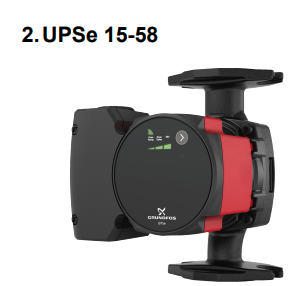
There are two versions of the high efficiency 15-58 Grundfos pump, recently introduces.
In addition to the Alpha 2 15-55 model still around.
The UPSe 15-58 is the basic model, around $220 online
The Alpha 15-58 has more features, $285
In the basic operating mode they consume about 1/2 the power of the standard 15-58, while moving the same gpm flow rate.
Shown below, under blue Grundfos, the standard 15-58 non electronic (ECM) model shows 60, 80 or 87W depending on speed.
The Alpha, green chart can run down as low as 7W, max. 38W
Using the variable speed function on zoned system they can reduce power consumption by 80%
There are energy efficiency rebates available for upgrading to these SCH, electronic, high efficiency circulators in many areas, if you do plan on upgrading.
Most important is selecting the correct pump for the application.
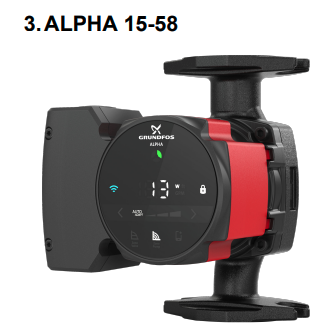
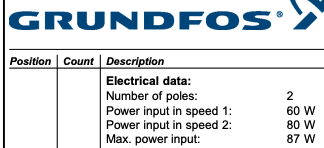
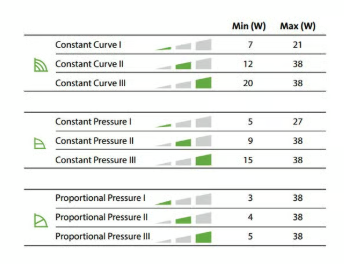 Bob "hot rod" Rohr
trainer for Caleffi NA
Living the hydronic dream1 -
I had the 15-58 FRC but put it into my sisters house cause her pump died and I had a 007 to temp install at my house.
I'm looking to replace the pump so not sure if I go with 15-58 FRC or is there a benefit to go with 15-58 UPS
0 -
when you say 15-58 ups are you referring to the UPSe 15-58? that letter e is very important to include. both pump models will start with UPS
 1
1 -
If the system is zoned, either with zone valves or TRV on the radiators, then an ECM pump with the variable flow adjustment makes more sense, Alpha 15-58 for example.
It will save some operating cost, 50% or more, allow the system flow to be modulated, for better control of the system.
If you are replacing a Taco 007 with a Grundfos the flange are in different positions, notice the difference here. So if space is tight the Grundfos may not fit.
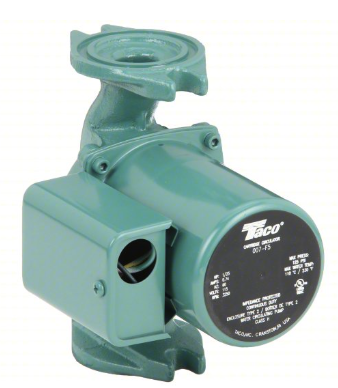
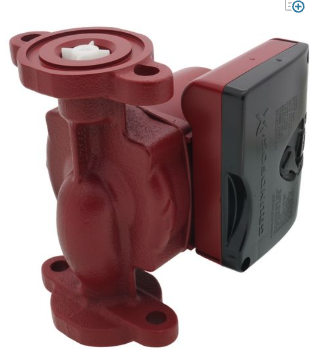
So Grundfos offers the RFC versions (rotated flange check) this matches the flange orientation of the Grundfos, see below.
If you go with the standard Grundfos 15-58 it would be a 15-58 FRC shown here.
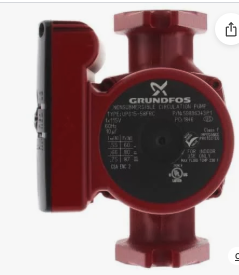
If you go with the 15-58e or Alpha 15-58 you need the FRC model also, see below
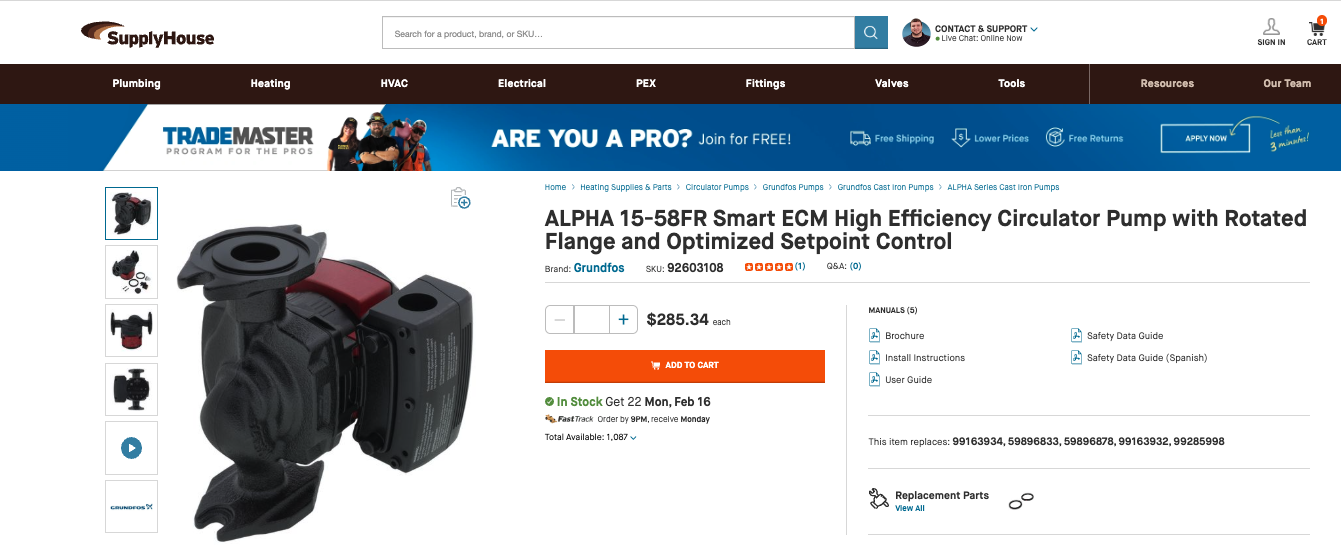
To see if rebates are available in your area, they range from $25- 100 per pump go here
www.dsireusa.org and enter your zip code
Bob "hot rod" Rohr
trainer for Caleffi NA
Living the hydronic dream1 -
@Jamie Hall false. The UPS compared to the UPSe are entirely 100% different. Nothing will interchange from one to the other.
0 -
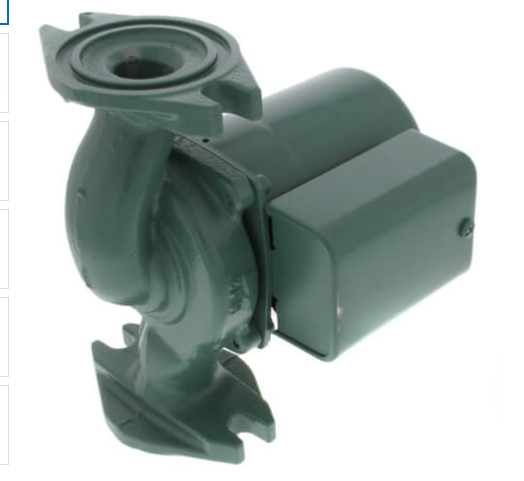
Our 007 does come with the option of a rotated flange 007-F5-8IFC
 0
0 -
My bad. I would have though that at least the impellor and volute would be the same. But nyou certainly seem to be right — the pump characteristic curves seem to be quite different. One is obliged to wonder what, if anything the 15-58 designation stands for.
Br. Jamie, osb
Building superintendent/caretaker, 7200 sq. ft. historic house museum with dependencies in New England0 -
one of the reps once told me the 15 is for the port opening size and the 58 is for "5.8" meters max head. I guess the port opening might be 15mm I guess i could measure one,
UP i believe just means its a circ, and the S will be on the 3 speed pumps, the e is then for ECM, though the alpha designation is also an ECM 🤷♂️ maybe its just a little bit named based on feeling
0 -
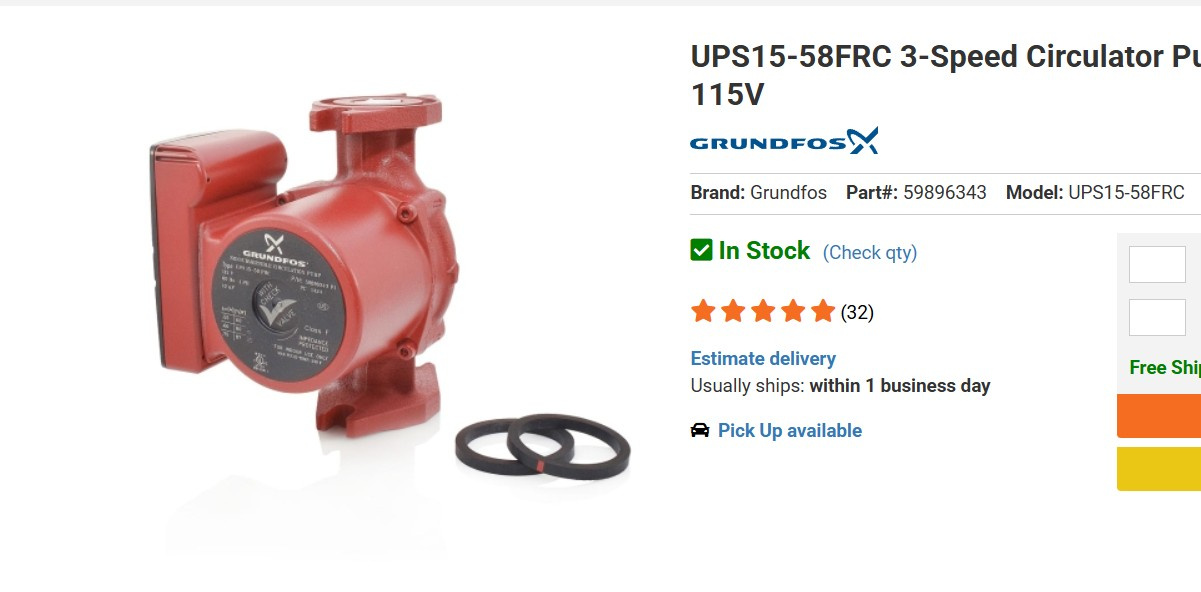
This is the one I had and i'm looking to replace it just was wondering other than saving a bit on the electic bill any benefit changing to the UPSe?
 0
0 -
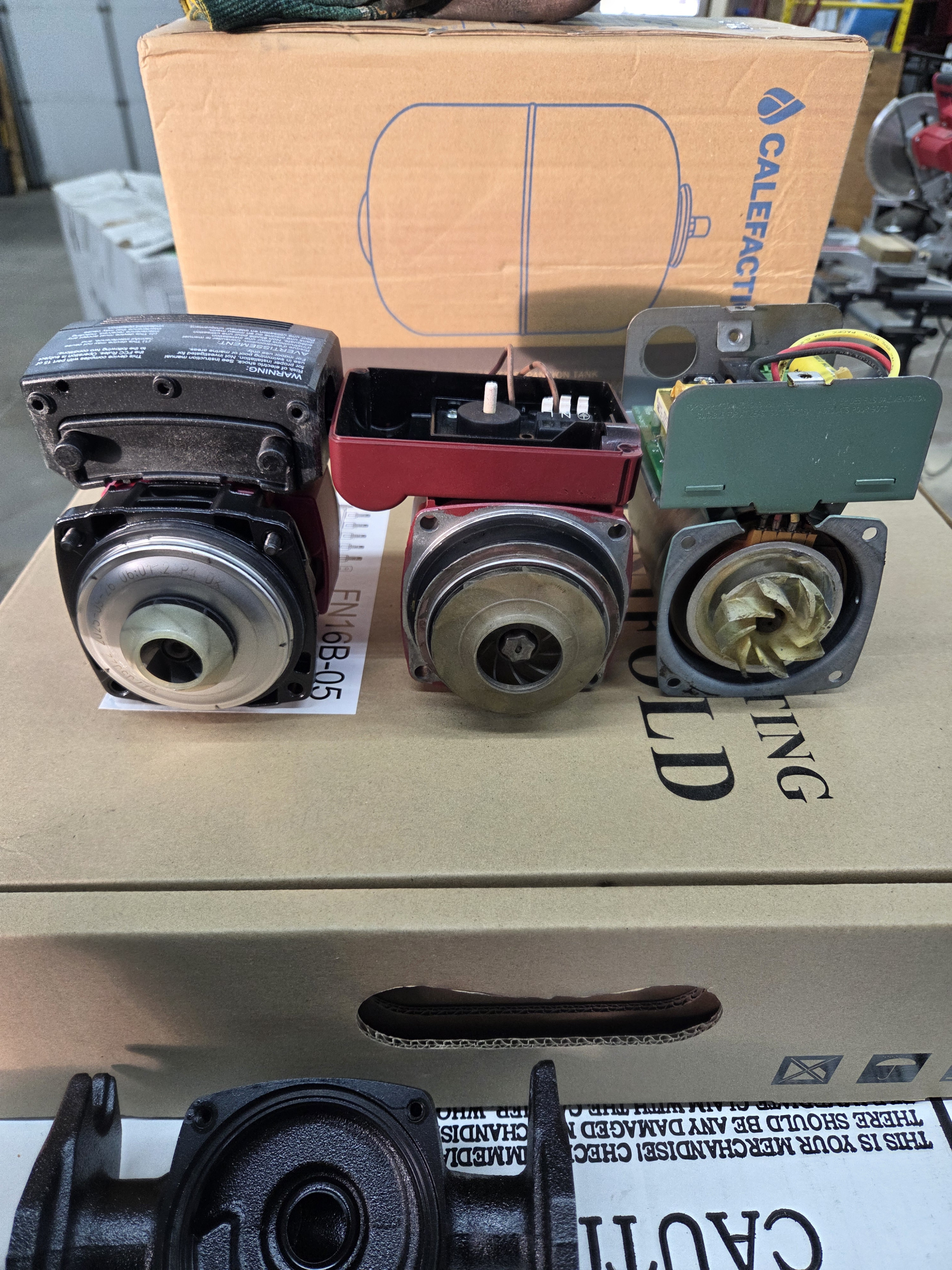
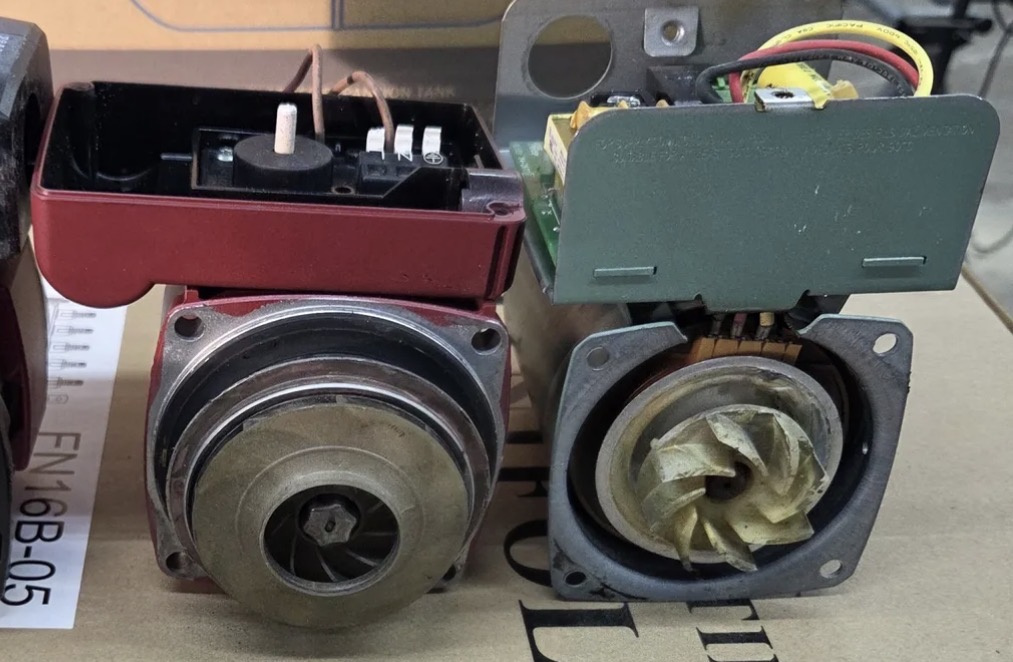
For your viewing pleasure (disregard the Taco 007). As with all Grundfos circs, the 15 designation means a 15mm bore and the 58 means 5.8M of head like @GGross mentioned. The curve really isn't a lot different but everything else is. Even the bolt pattern is different.
To the OP, you seem to be ignoring the repeated questions about zoning but generally, power savings is your only potential benefit of going with the UPSe.
 0
0 -
you can tell a lot about a circulator by looking at the impeller.
Generally a small diameter wide impeller will be a low head high gpm circ
The green Taco if it is an 007 is at 23 gpm, max. head 10’
The Grundfos with a large diameter, thin impeller is 17 gpm, max. 19’ head
They are not really an exact swap circulator.
if you do have a zoned system the ECM does have several distinct advantages. Think of it as a cruise control on your vehicle. The engine output, rpm constantly changes with road conditions.With any fixed speed pump, it is sized for max load all zones calling. As zones close off you start over pumping the remaining zones. The Taco handles that better than the 15-58 due to the low head flat curve.
But better yet is a pump like the Alpha that adjusts speed (cruise control) as zones close. So power could drop as low a 7W with one small zone calling. Possibly an 80% reduction in energy consumption over the standard pumps.
Adjusting speed down also reduces flow velocity, noise, piping wear, prevents grossly over pumping the zones
Some graphs to demonstrate the pumps performance, starting with a fixed speed. Notice with only one zone open you at at the top of the curve, the worse spot on the curve to be running.
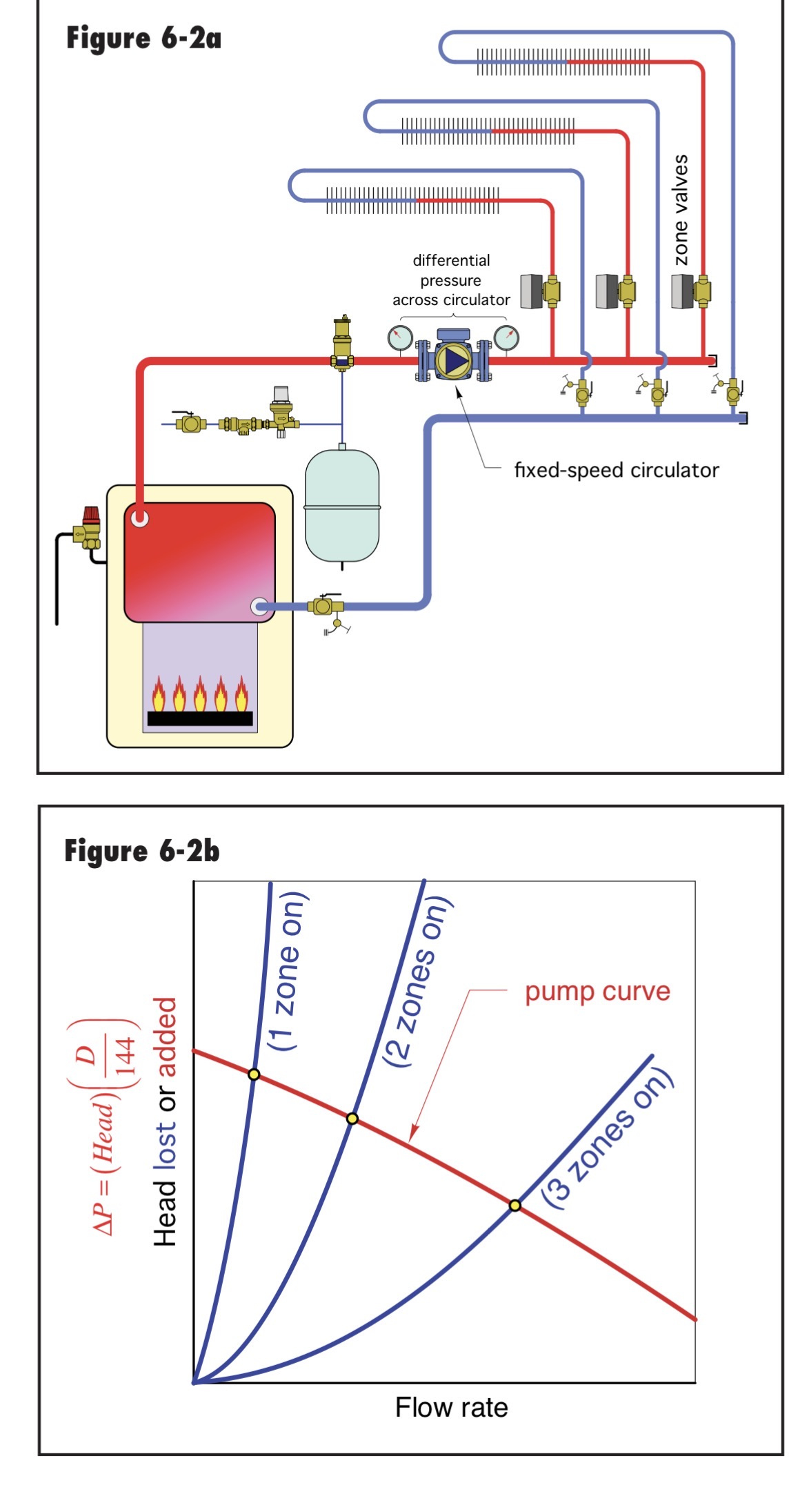
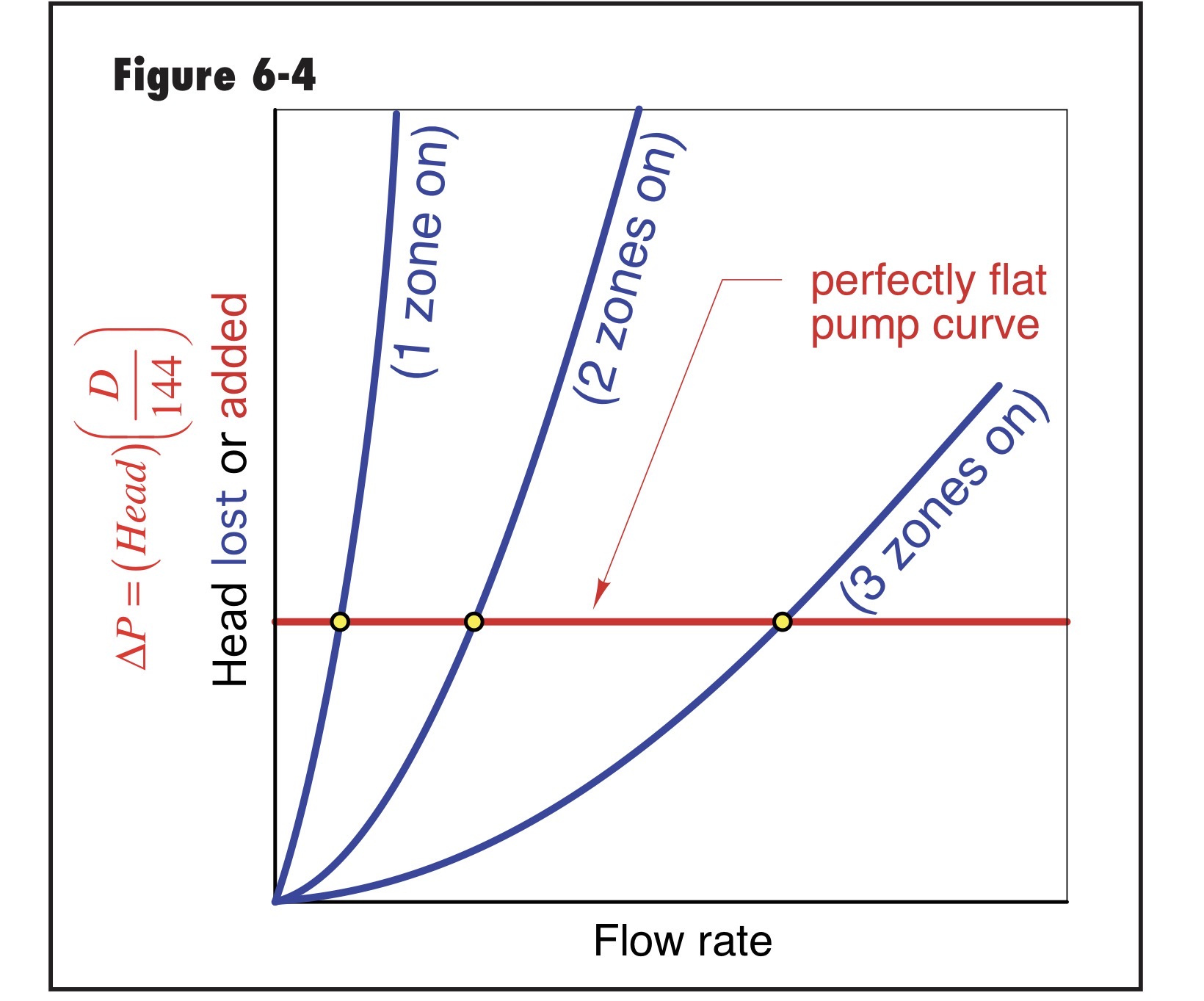
a flat curve would be the ideal operating condition.
, head remains constant as gpm changes.
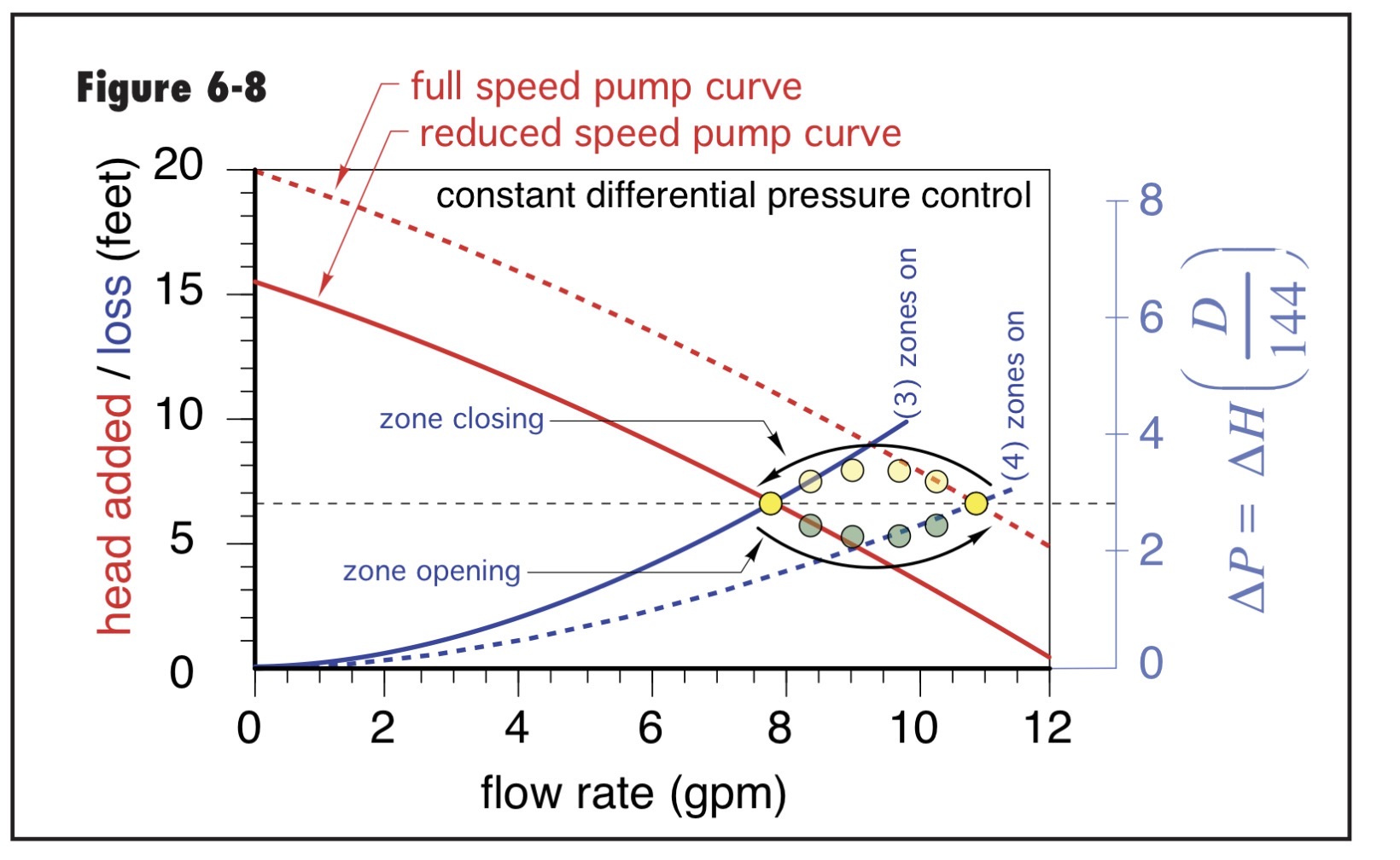
today’s ECM variable speed circs get very close to the ideal operating (flat) curve. Withing seconds of a zone opening or closing the pump reacts and adjusts it flow rate.
Bob "hot rod" Rohr
trainer for Caleffi NA
Living the hydronic dream0 -
@hot_rod I would generally have agreed, until I opened up the UPSe 15-58 on the left side of that photo. Very similar performance to the UPS, but with an impeller 1/4 the circumference (visually same thickness). I also recently opened up a UPSe 20-78 which is a very high head circ, and the impeller looks identical to the UPSe 15-58. They'll even swap from one volute to the other. I may be missing something obvious, but a visual on the impeller doesn't mean what it used to when referring to these UPSe circulators.
0 -
the rpm also comes into play. The B&G series 100 a classic low head high flow circ was a 1750 rpm. wet rotors tend to be higher rpm, 2450 on a 15-58, so impeller design, involves shape, size, and rpm
Although I have swapped various 15 series among different volutes, 42s, 55s, 58 and not noticed a big difference. Probably not an option with higher efficiency circs nowadays
Back in the day pump dealers would shave the impellers to dial in larger circ, now the variable speed does the adjusting, and the electronics make the decisions.
Bob "hot rod" Rohr
trainer for Caleffi NA
Living the hydronic dream0 -
Sorry all to answer the zoned question its a single zone monoflo system. It's a 1950's house
0 -
Saving electricity with an ECM circulator is nice, but no one will care about the savings if the last room on the loop is cold. Most monoflow systems of that era used a B&G Series 100 circulator. A direct replacement would be a Taco 010. What circulator are you using currently and how does it perform?
My first house had a 1960 monoflow system that worked well for many years, until a tech replaced the B&G Series 100 with a Taco 007. It pays to do the math and see what is needed.0 -
Also thanks hotrod that cruise control example helped
0 -
There was a 100 in there didnt like the performance used a 007 didnt like performance changed to 15-58 seemed ok…moved that in an emergency to my sisters house. Installed a taco 012 based on some feedback from this forum , it's loud and I dont see any benefit over the 15-58
0 -
It is a huge jump going from a Taco 007 to a 0012; if you were hearing velocity noise that means the system was over pumped.
If you are happy with the performance of a 15-58 I would just buy another one. Unless you are in an area with really high electric rates, the ROI of upgrading to an ECM circulator for a single zone system is fairly long.
0 -
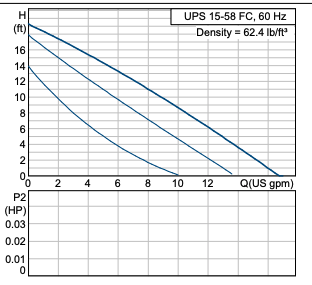
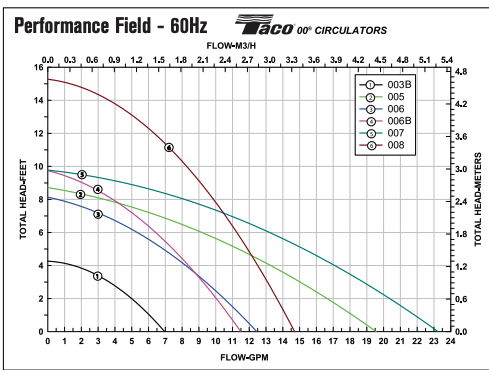
I think @EdTheHeaterMan made a pump curve sheet showing the 007 and 15-58 on the same sheet to easier see the performance difference. The 15-58 is a higher head circ which would have been more than the series 100 or 007 would have provided.
At mid curve of 8 gpm the 007 is 8', the 15-58 is 11', for example.
Monoflo have all the heat emitters in series, so last take off see lower supply temperature= lower output.
When monoflo systems are modified from the original design, assuming the original design was correct, things can get wonky.
Over-pumping can get you out of a under-heating situation.
If the system is noisey, (rushing water sound) the pump running way off curve, it may not be the best solution :) You may have traded a bad situation for a worse one.
 Bob "hot rod" Rohr
trainer for Caleffi NA
Living the hydronic dream0




Categories
- All Categories
- 87.6K THE MAIN WALL
- 3.3K A-C, Heat Pumps & Refrigeration
- 59 Biomass
- 429 Carbon Monoxide Awareness
- 124 Chimneys & Flues
- 2.2K Domestic Hot Water
- 5.9K Gas Heating
- 119 Geothermal
- 168 Indoor-Air Quality
- 3.8K Oil Heating
- 78 Pipe Deterioration
- 1K Plumbing
- 6.6K Radiant Heating
- 394 Solar
- 16K Strictly Steam
- 3.5K Thermostats and Controls
- 56 Water Quality
- 51 Industry Classes
- 50 Job Opportunities
- 18 Recall Announcements