Winter is coming! Can’t remove grill on recessed cast-iron radiator

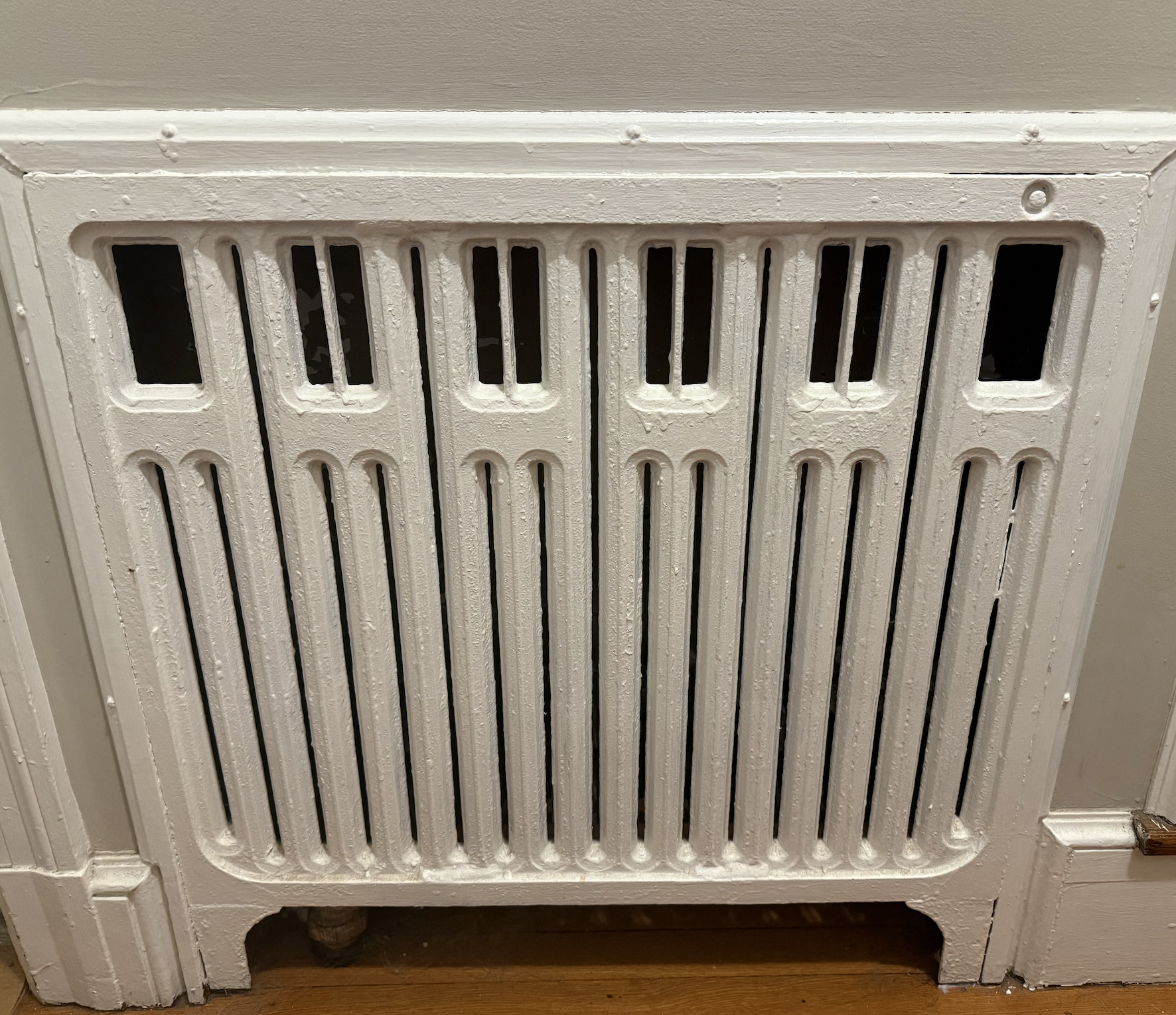
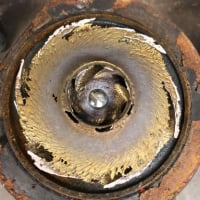
I have many recessed cast-iron convector radiators (at least I think that’s what they’re called) in my house that look like the one in this photo. When the heat kicks on they give off a foul dusty or burnt smell, so I’m trying to clean the fins inside. I can’t run the heat with the smell like this, and winter is coming, so I really need to figure this out.
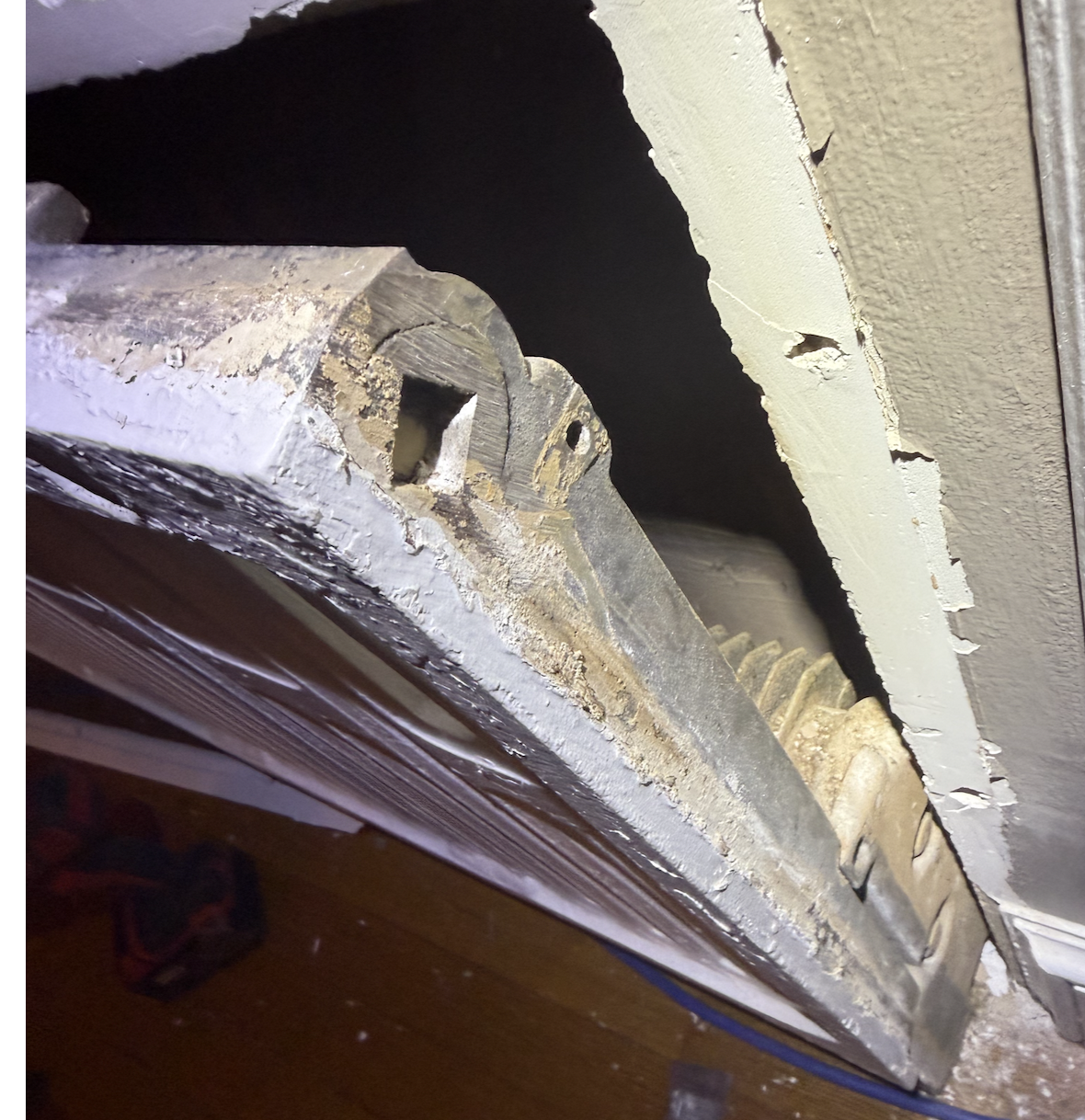
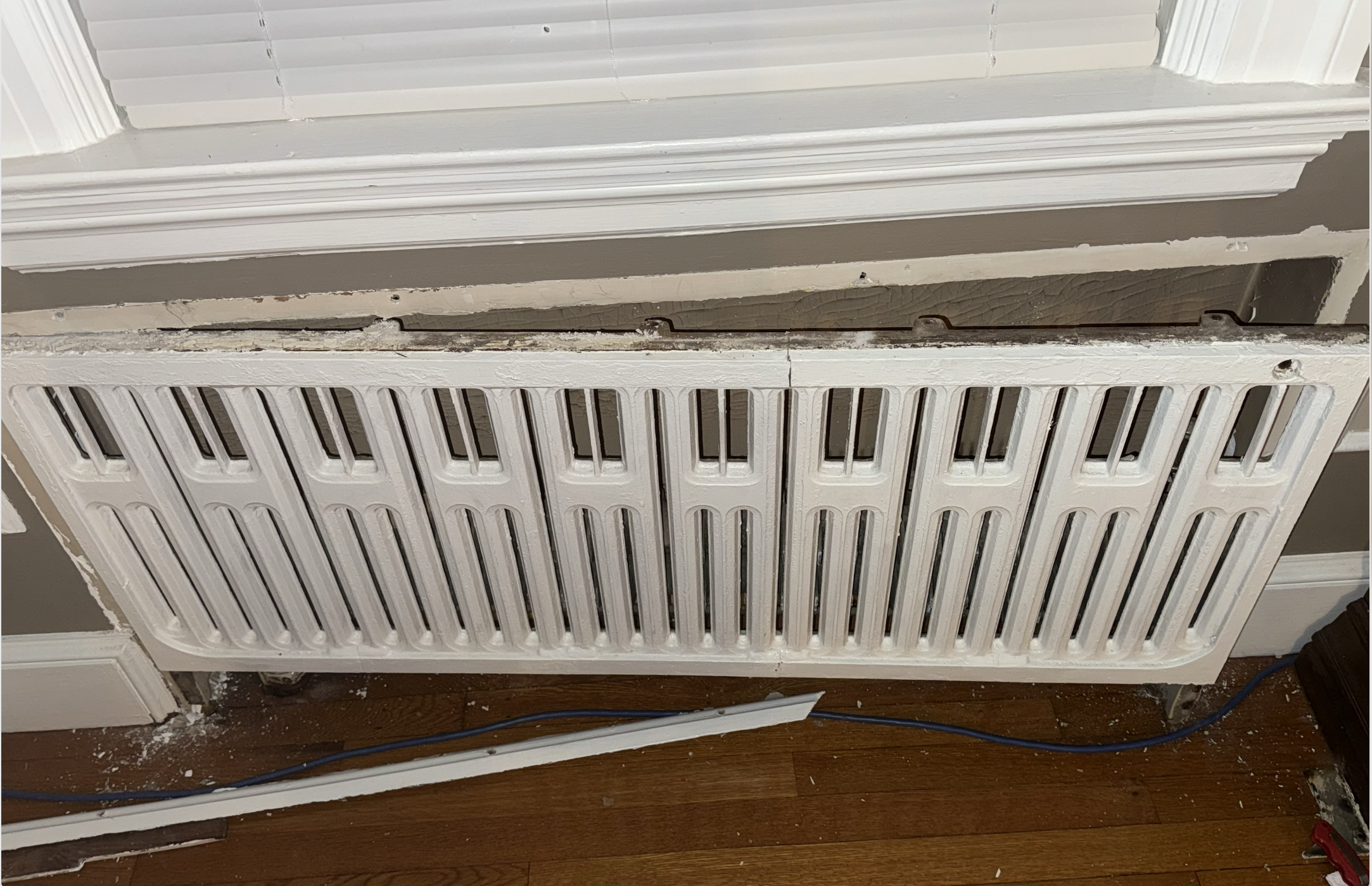
The problem is that I can’t figure out how the front grill is supposed to come off. The gaps are too small for any specialty tools to fit through for cleaning. I’ve removed all visible screws, scraped away the thick layers of paint, and even pulled off the surrounding trim to make sure nothing was holding it in place, but the front panel still won’t budge.
Does anyone recognize this style and know the correct way to remove the front panel or how these are meant to be cleaned? I’m pretty sure they haven’t been cleaned since they were installed.
Thanks!
Comments
-
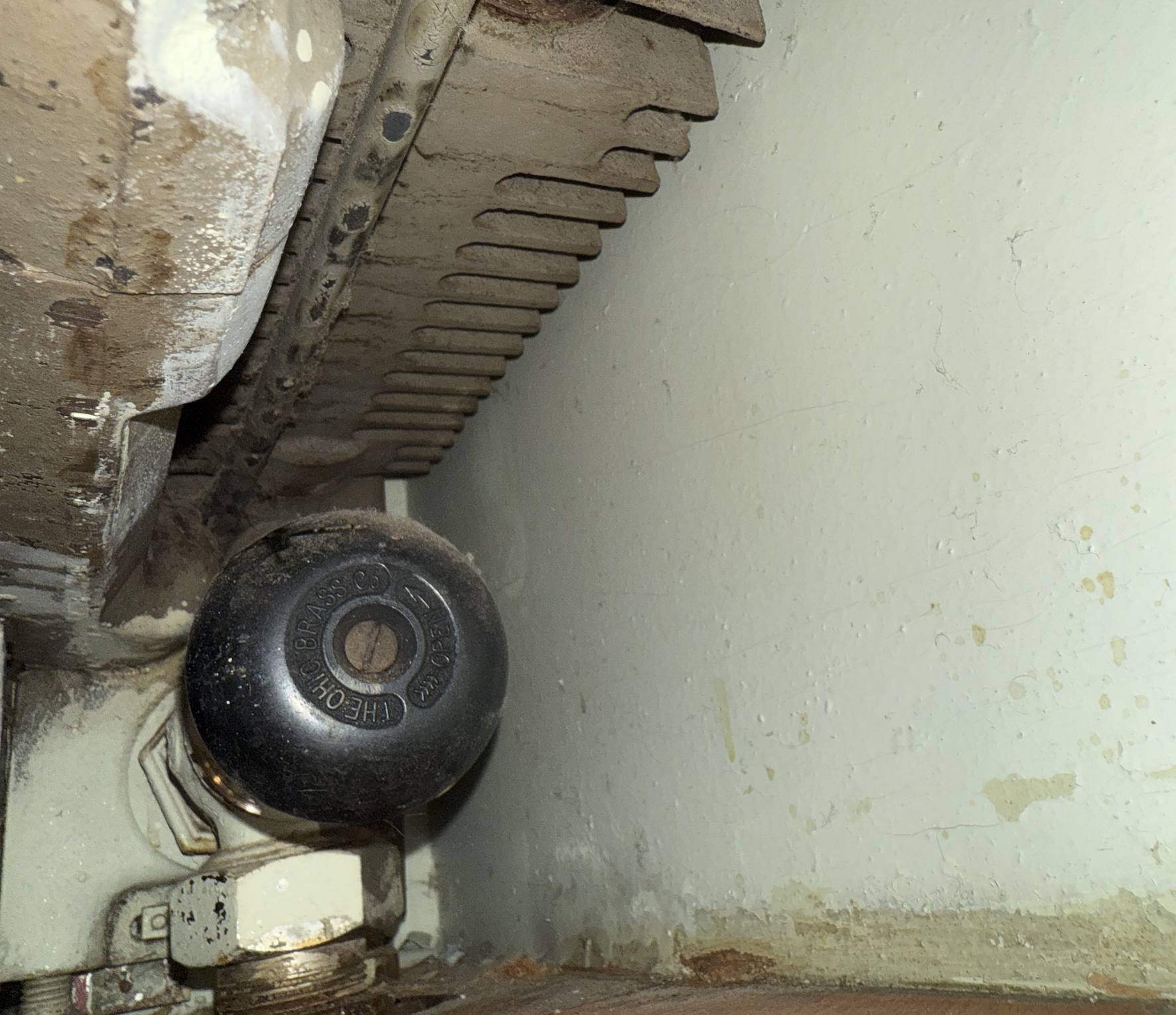
I haven't seen one like that. I think you're going to have to disconnect it from the radiator valve at the union/spud connection and slide it out of the wall. Then brush and vac it out and re install.
Others will comment.
 1
1 -
I have similarly built rads. The only part that needed cleaning were the convector fins at the bottom where the dust collects. Vacuum cleaner does the job.
There was no smell when hot but it helped air flow immensely. They hadn't been touched since the 30s.
Bryant 245-8, 430k btu, 2-pipe steam in a 1930s 6-unit 1-story apt building in the NM mountains. 26 radiators 3800sqf
0 -
I have a nasty suspicion just looking at the pictures that the front panel, if it isn't cast as part of the fins and all, is at least cast and may be held to the fins by studs or some other mechanical connection on the BACK side of the radiator. In which case, @EBEBRATT-Ed 's approach is about the only one which will work…
Br. Jamie, osb
Building superintendent/caretaker, 7200 sq. ft. historic house museum with dependencies in New England1 -
look at the brushes and think hoses used to clean oil boilers and furnaces, maybe you can find something you can snake in back. obviously breaking the union and pulling them out will be more effective. find a small round brush that you can brush between the fins if you pull them out.
might be able to dislodge a lot brushing up from the bottom with a small round brush then
thread a dusting brush on a vacuum in the access holes. Er, never mind, i thought those had access panels that came out of some of the sections, but i think the cast iron is just broken.0 -
That front grille is full of water or steam. DO NOT try to remove it.
I would set your vacuum cleaner up to blow out, then point the crevice tool down into the unit. The dust will probably blow out, but at least you'll be able to get at it.
All Steamed Up, Inc.
Towson, MD, USA
Steam, Vapor & Hot-Water Heating Specialists
Oil & Gas Burner Service
Consulting 1
1 -
I agree. Don’t remove that section.
Retired and loving it.0 -
If you have an air compressor handy, you might try blowing it out as well. Just be prepared for the dust to end up everywhere so use a shop vac at the same time to try and catch it as you blow it out
0





Categories
- All Categories
- 87.6K THE MAIN WALL
- 3.3K A-C, Heat Pumps & Refrigeration
- 59 Biomass
- 429 Carbon Monoxide Awareness
- 124 Chimneys & Flues
- 2.2K Domestic Hot Water
- 5.9K Gas Heating
- 119 Geothermal
- 168 Indoor-Air Quality
- 3.8K Oil Heating
- 78 Pipe Deterioration
- 1K Plumbing
- 6.6K Radiant Heating
- 394 Solar
- 16K Strictly Steam
- 3.5K Thermostats and Controls
- 56 Water Quality
- 51 Industry Classes
- 50 Job Opportunities
- 18 Recall Announcements