Welcome! Here are the website rules, as well as some tips for using this forum.
Click here to Find a Contractor in your area.
If our community has helped you, please consider making a contribution to support this website. Thanks!
Flow Switch for Domestic cold line w/single pass heat exchanger from Air Source to Water Heat Pump

This is a portion of a SpacePak Hydronic Heat Pump application using a single-pass flat plate heat exchanger on the cold domestic supply to a 50 gallon electric water heater. The 26 gal SpacePak buffer tank at 135 degrees will be the heat source for the other side of the heat exchanger. We’re only looking for a partial preheat at 1.5 gpm for shower (so ~100-110 F target). We just need a 3/4" flow switch to initiate the pump thru a relay or control of some type. A flow switch with low voltage contacts wired directly into a 24vac Taco zone control Thermostat input circuit would be ideal. Simple!!
If we can’t utilize the 'flow switch direct' to zone control method, we may be able to use it as an input to a different device that utilizes flow switches, like the Leridian 'Smart Control’ typically for recirculation system applications. The Leridian activates at just over .5 gpm, whereas others don't. We really like the Leridian on DHW systems with Heat Pump Water Heaters (due to 'the issue' of lowering tank temps) but it seems like overkill since we wouldn't be utilizing the somewhat expensive (~$250) control electronics. Yet, if that's all we can come up with, that's what we'll do. It's flow switch puts out pulses to be interpreted by the control. All we need is an 'ON/Off' (closed/open) feedback. If we can't find what we're looking for we'll use the control too. At first I thought it wouldn’t work since the temperature sensor would be disabled but then realized we could just strap it to the cold supply pipe and it would create an ‘unsatisfied’ load status and keep the pump running as long as the flow switch was calling for pumping. So, we believe we have a solution but we'd rather not put another box on the wall that isn't being fully utilized and try to go for the 'Flow Switch direct' method to the zone control. Any big ears out there connected to puzzle working brains and more experience than we have with flow switches (rated for domestic use!). Thanks! N
Comments
-
Something like this?
Br. Jamie, osb
Building superintendent/caretaker, 7200 sq. ft. historic house museum with dependencies in New England1 -
you probably want a time delay to debounce the output at least on stop of flow, possibly on start of flow too.
0 -
This is the brand you see on many tankless and combi DHW heat exchangers. It needs to be low lead for potable water.
I have also used the Harwil, they are PVC and screw into a FIP tee branch.
These are both excellent brands.
Bob "hot rod" Rohr
trainer for Caleffi NA
Living the hydronic dream0 -
I really hope you are not maintaining that buffer at 135F all the time for heating. That is some serious COP you are loosing if that is the case.
My A2WHP doesn't run at 135F output until well into deep freeze. Rest of the year much warmer than that.
The typical amazon special flow switches will also need a BSP to NPT adapter, near impossible to seal otherwise.
0 -
you might buy it with the tee. It needs to be in a tee if the correct size to regulate at low flow condition, .50 gpm, for example
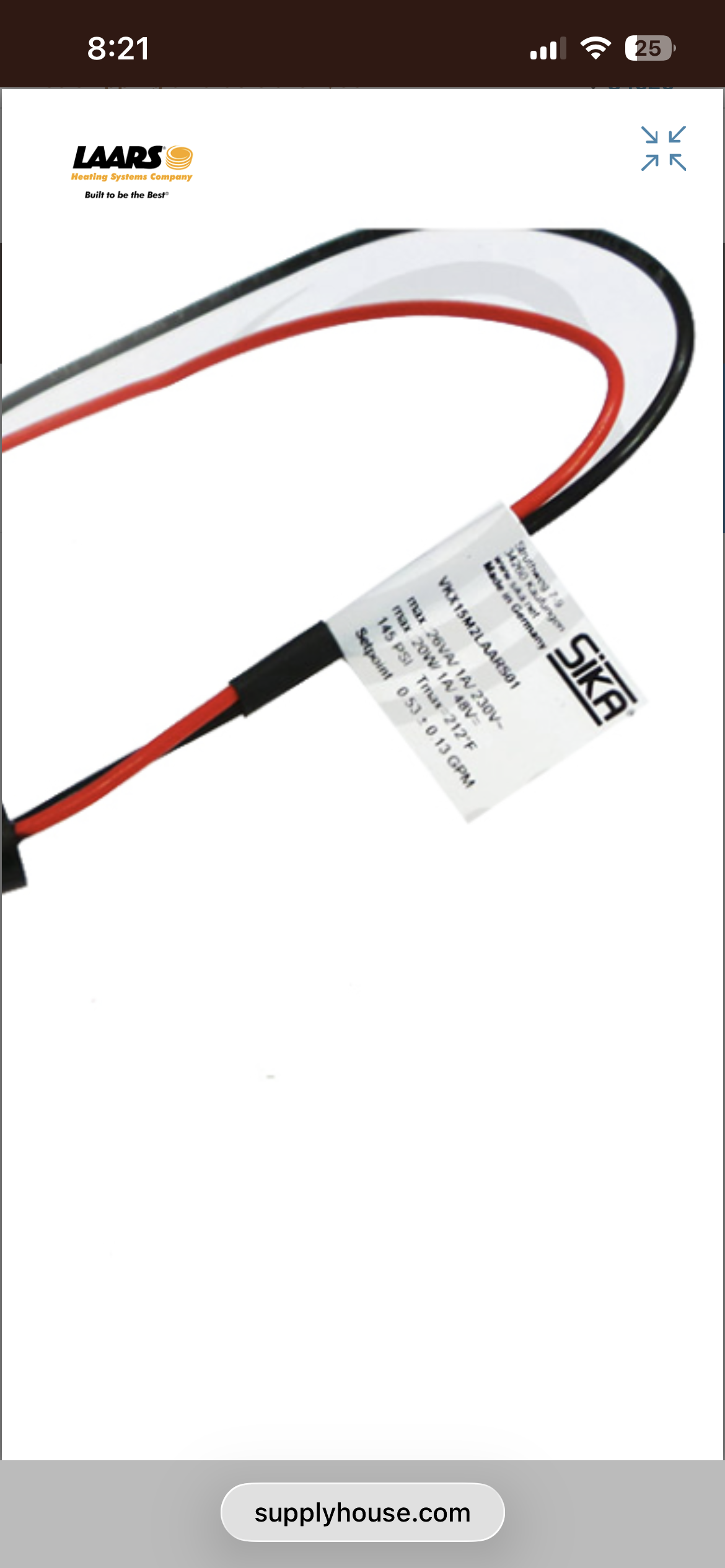
The rating on the switch shows the gpm range, so size to the flow not pipe size
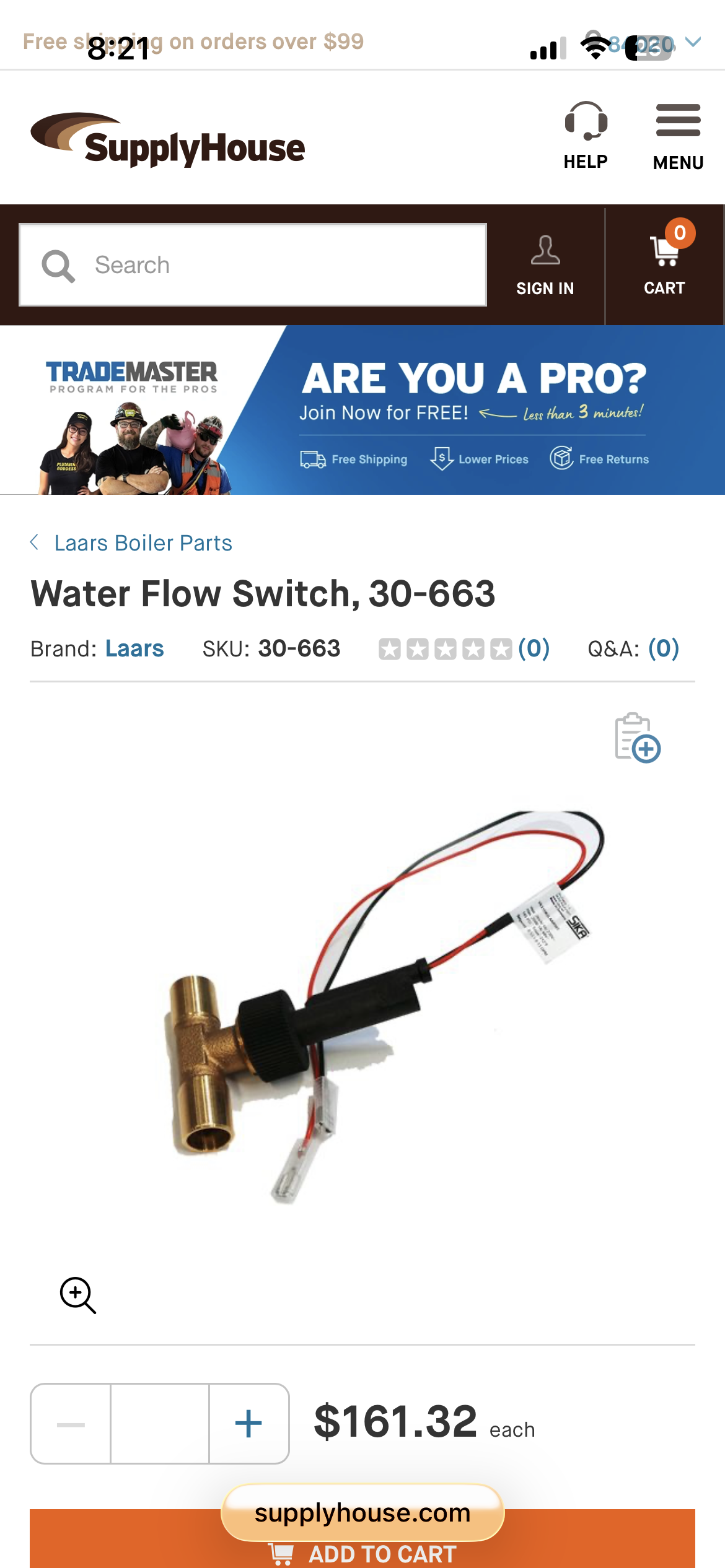
Listed as a LAARS, but I suspect it is a Sika.
The Harwil brand are used in spa applications, so they tend to have higher flow capacities
 Bob "hot rod" Rohr
trainer for Caleffi NA
Living the hydronic dream0 -
Thanks for all the info guys… I have lingering questions. First off, since this is a domestic water application (who drinks their hot water anyway..?) I aiming for a flow switch that’s NSF rated for potable water. Any lead in them there brass castings..? Digikey didn’t state ‘domestic’ or ‘potable’ anywhere and Sika/Laars didn’t either. Thanks Jamie H and Hot Rod. I’d bet I could sneak it in with no harmful effects but I always like to source a product that’s repeatable on other jobs and don’t want to start a tiny ‘bad’ habit that I might get tagged on by an inspector. I did find Sika’s website and have made an inquiry. I’ll try Harwil also. Thanks Hot Rod!
Next, ideal is rated up to 120 vac but can use a lower vac and then just use a relay (a RIB perhaps) to power the pump. I did reach out to Taco since I wanted to just use it as a thermostat input to a Pumped Zone Control with the 120 vac output built in… no word yet.
Next, Mattmla2… how does ‘a time delay to ‘debounce’ the output… ‘ work? Not sure I understand.
And Kaos, yea I concede, you have a good point but SpacePak has stated with their new CC32 units that their max is 140 F on the hydronic fluid side and I’m keeping it backed off of that. I’m totally a low temp radiant guy since I came from solar thermal world thru the 80’s, 90’s 00’s and even now… and those systems were also much more efficient at lower temps but I need to have some head room if I’m going to heat hot water with the Brazed Plate Heat Exchanger. At least in the summer, the outdoor temps will be 60-90 when the unit is running! And, we’re not going for a full preheat to 120, only ~100 or so.
Speaking of which, do any of you have experience with ‘single pass’ approach. It’s shown twice in the SpacePak applications manual (our design is a simple heat only with domestic hot water, #4). Unfortunately, SpacePak points me towards the FP HE companies. I’ve connected with Alpha Laval and also Taco and am trying to parse out their ‘calculator’ for sizing but would rather have an expert specify it for me this first time. I follow John Sigenthaller’s articles and you tubes and he’s an advocate of this approach but I don’t see an article or you tube that includes this ‘atypical’ approach. I’ll have to look harder unless one of you knows of a source. Thanks! N
0 -
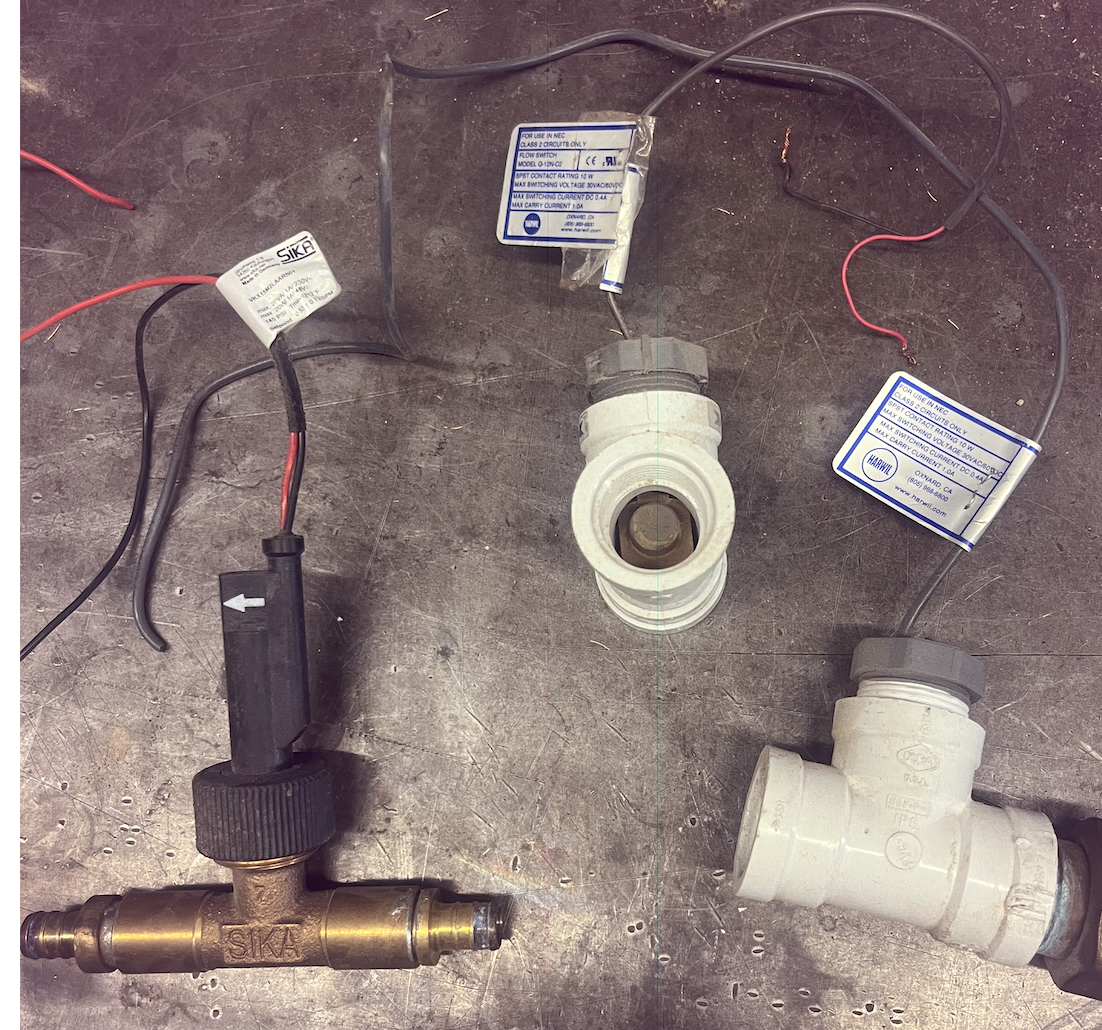
Here are some of the switches I have used successfully. These were all in systems I built and experimented with.
I don't know if Sika ever made low lead bodies, we asked for years. The have a branch office in Madison, WI, start there. We worked with them when we were doing solar HX systems.
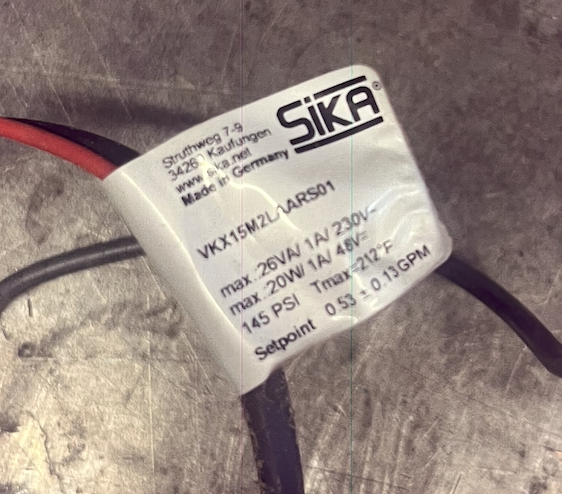
This Sika is a 1/2" body, it may be too small for your application. But it is the exact switch in many tankless and combi boilers. In combis it is often built into the pump/ HX block.
If you go with Harwil it is available with this PVC fitting, FIP on all 3 sides so you can adapt to copper, pex, etc. Or get a 3/4" low lead brass tee. Just be sure the paddle doesn't bottom out, and moves freely.
The bottom pic is from an online Spa Supply. a clear PVC tee would allow you to assure it is engaged :)
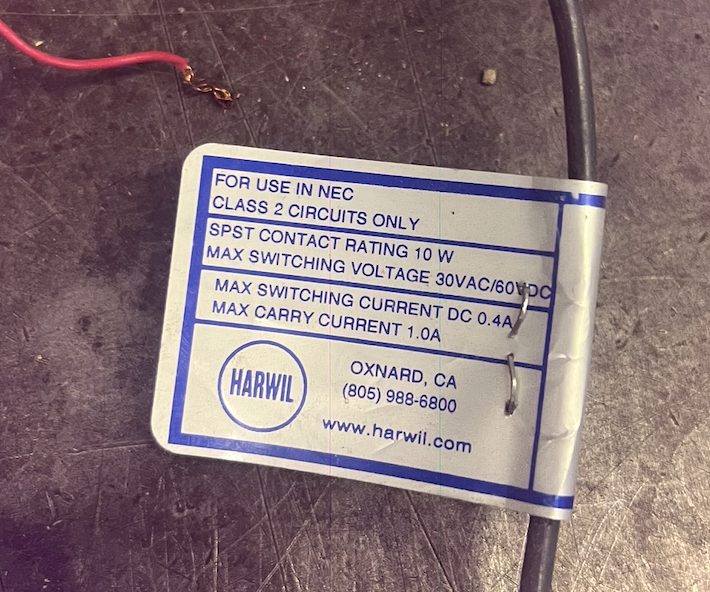
The Harwil I would run through a relay as per it's voltage spec. Again, it is for the Spa industry so 24VAC is the common voltage on controls. It is a simple reed switch connected to a paddle, basically.
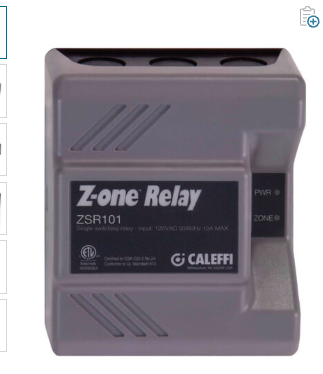
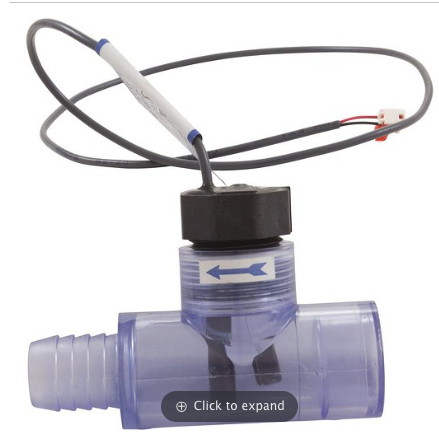 Bob "hot rod" Rohr
trainer for Caleffi NA
Living the hydronic dream0 -
I have a bin full of GFS samples, found this version of the Harwil. A 120V with junction box, indicator lights and input/ output cords. It may be an OEM part?Also a Caleffi version, also an OEM component.
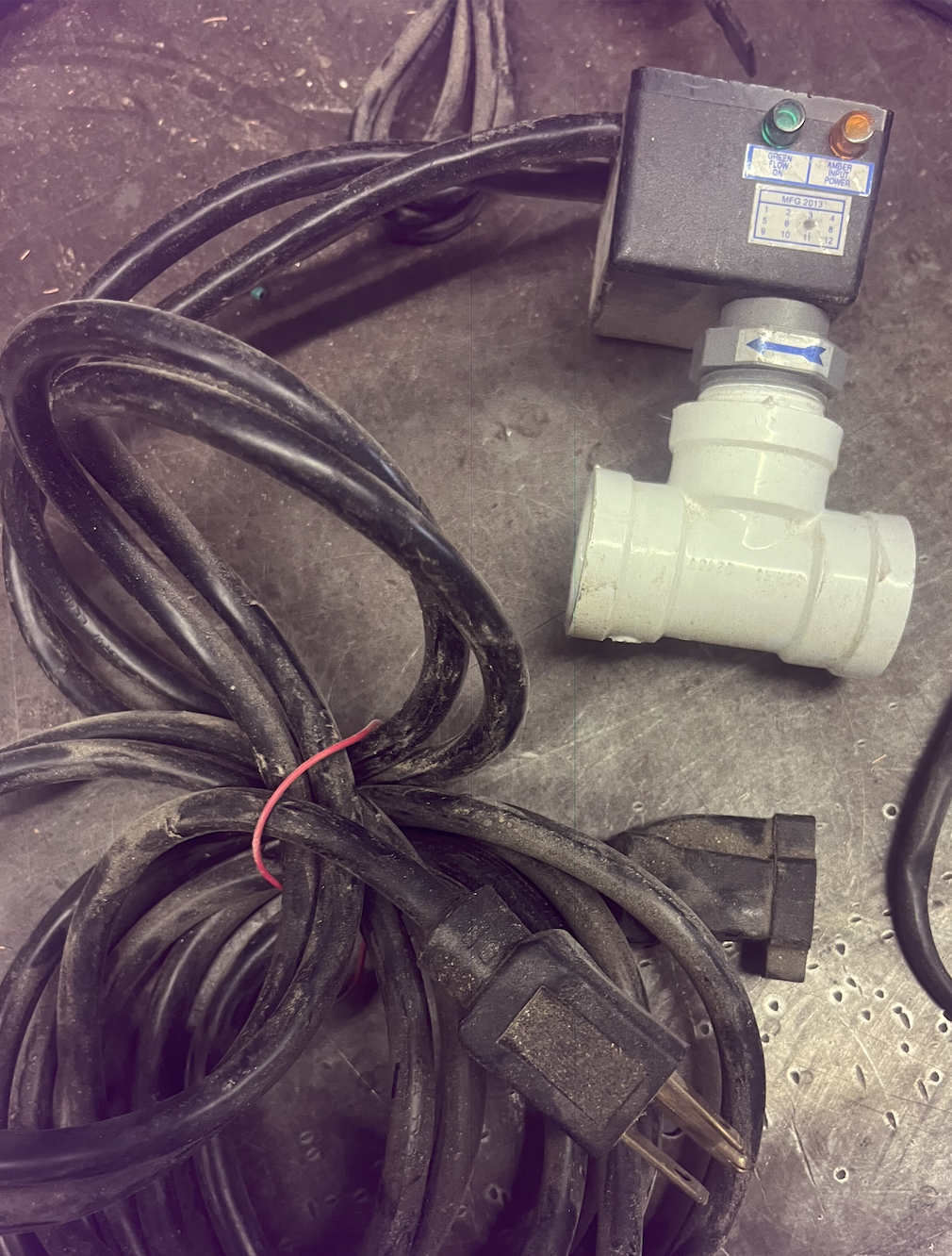
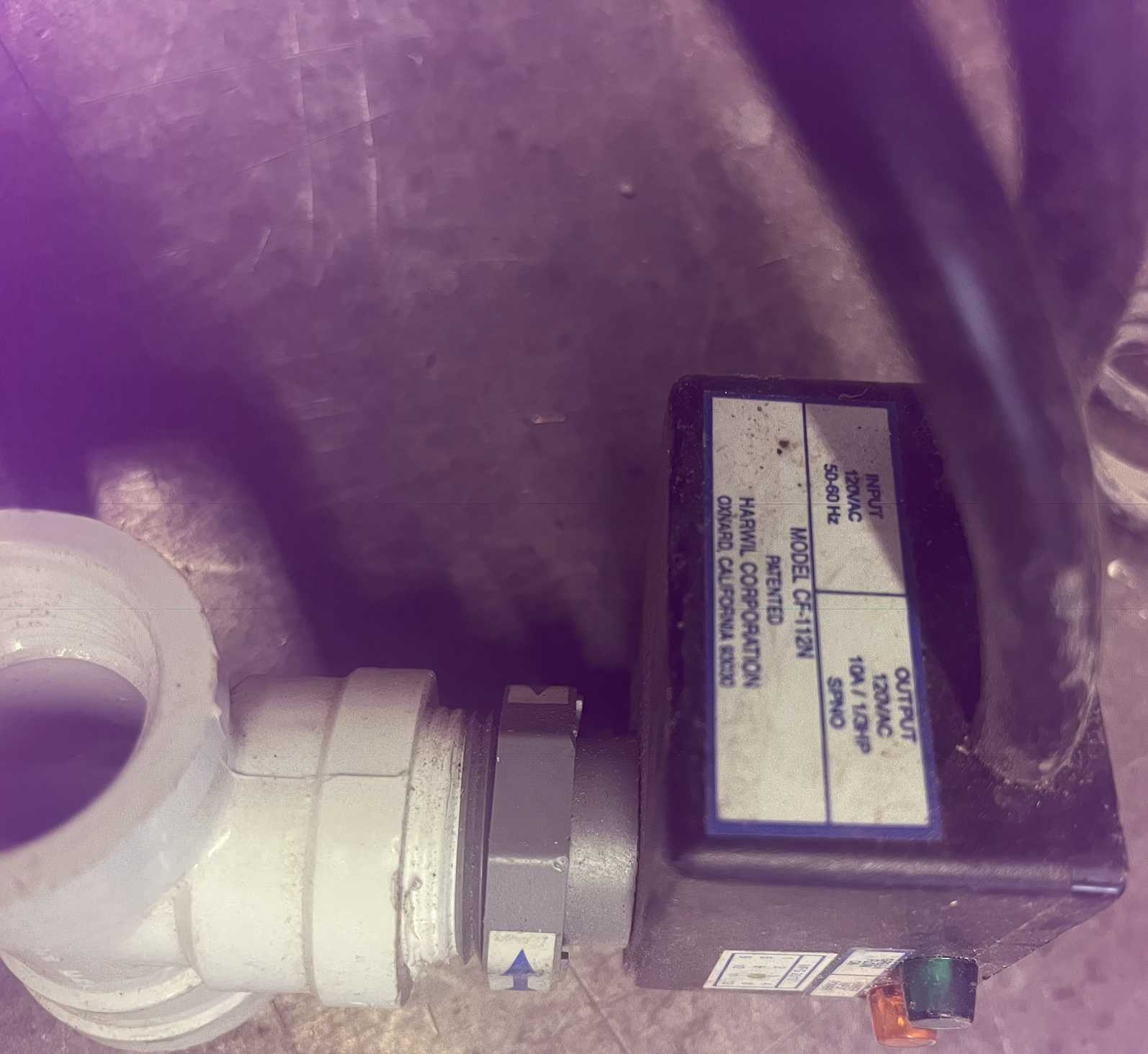
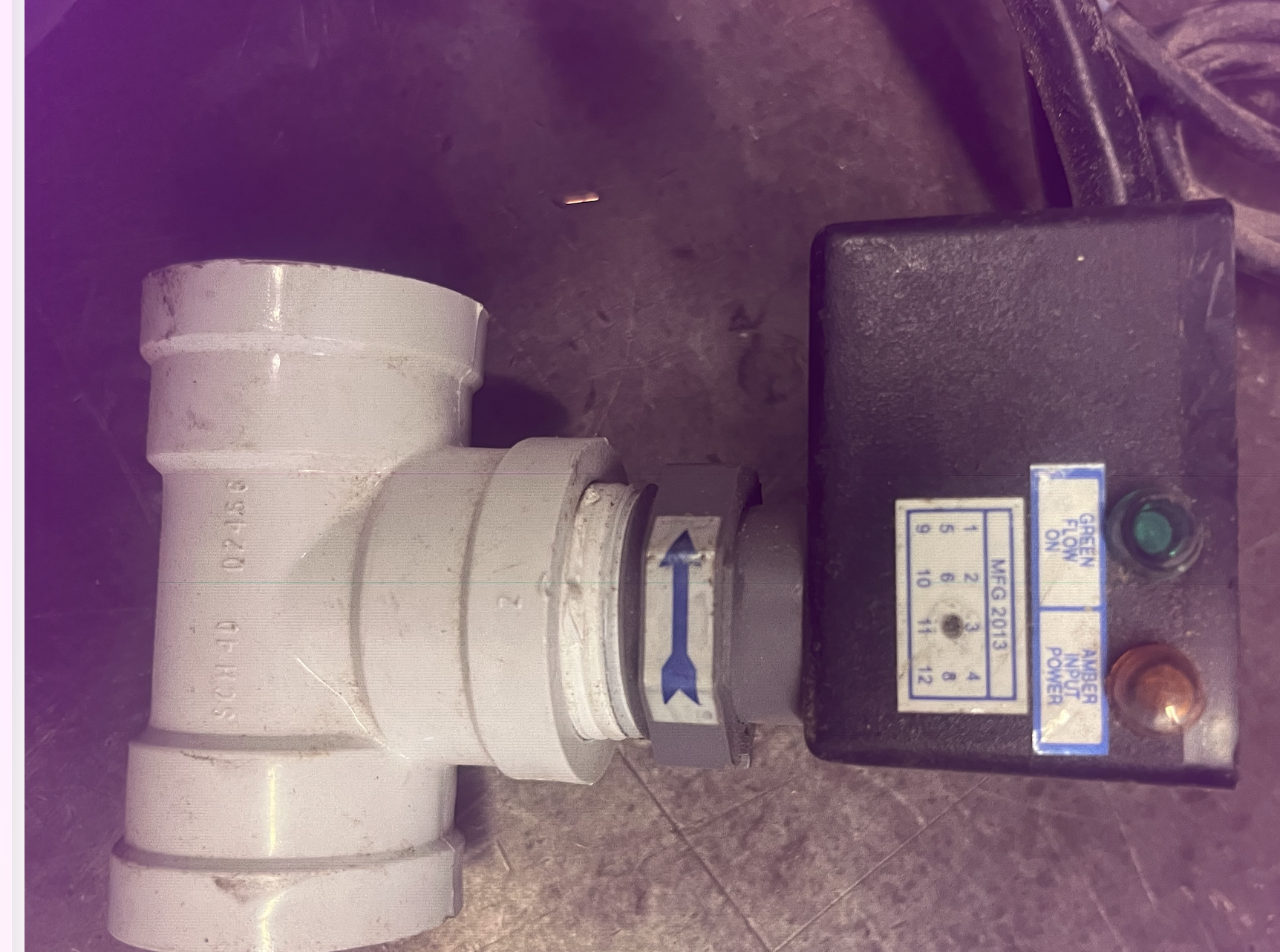
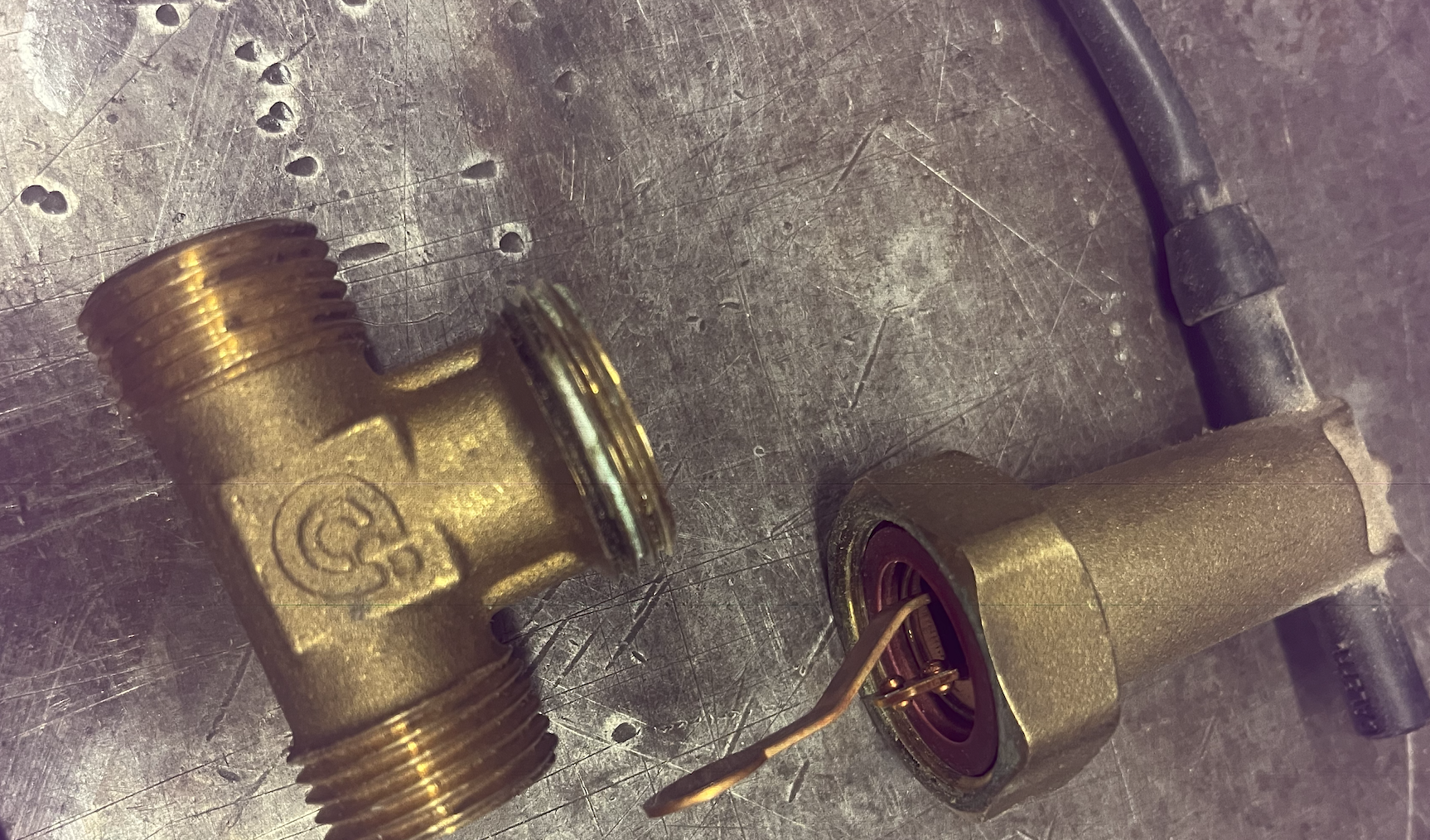 Bob "hot rod" Rohr
trainer for Caleffi NA
Living the hydronic dream0 -
COP is a function of temperature lift. Max has nothing to do with that except that above a certain temperature lift, the unit simply won't run. Generally even though the unit can do 140F you don't want to run it there except maybe in the summer.
For example, mine can do 135F at freezing with about a COP of 2.5. At the same temp it can make 105F water with a COP of around 4. You are using about 1.5x to 2x as much electricity by keeping the temp high all the time. The buffer tank temperature should follow an aggressive outdoor reset curve. If your zones are not running for about 2h for each call, your curve is not aggressive enough.
As for domestic pre-heat, I wouldn't bother. I use an indirect with a resistance element and even that I only run off the A2WHP when there are big draws to speed up recovery.
1 -
it can depend by jurisdiction and ahj but the model code has language that says that the low lead rules apply to water that will be consumed by humans and you can argue that you don't drink or cook with hot water. in reality that tiny piece of brass isn't going to contribute any significant lead.
the delay is if say someone is washing dishes or doing any of a hundred other things where they run the water for a few second, turn it off, do something, turn it on again briefly. you probably don't want the pump turning on and off every time for that so you probably want like a 15 or 30 second off delay so the pump stays on for the whole time. you may also not want it to start if someone just rinses something off quickly.
0 -
Depends if you want to follow plumbing code or common sense. Plumbing inspectors have low lead test kits and a licensed plumber can be fined for using non compliant brass in plumbing systems.
Truth be known it takes a very specific set of circumstances for lead to leach from brass. It's mostly about the treatment chemicals used, or very low ph.
High lead content brass hasn't been used for plumbing components for many years. DNZ brass went into use in the 1980's.
LL or LF alloys more recently.
Bob "hot rod" Rohr
trainer for Caleffi NA
Living the hydronic dream0





Categories
- All Categories
- 87.8K THE MAIN WALL
- 3.3K A-C, Heat Pumps & Refrigeration
- 60 Biomass
- 430 Carbon Monoxide Awareness
- 133 Chimneys & Flues
- 2.2K Domestic Hot Water
- 6K Gas Heating
- 124 Geothermal
- 170 Indoor-Air Quality
- 3.9K Oil Heating
- 79 Pipe Deterioration
- 1.1K Plumbing
- 6.7K Radiant Heating
- 397 Solar
- 16.1K Strictly Steam
- 3.5K Thermostats and Controls
- 56 Water Quality
- 51 Industry Classes
- 51 Job Opportunities
- 18 Recall Announcements