Can’t figure out the banging noise in the radiator

young plumber in Massachusetts, I got a call to fix a banging noise on the second floor of this massive Victorian style house in Lowell.
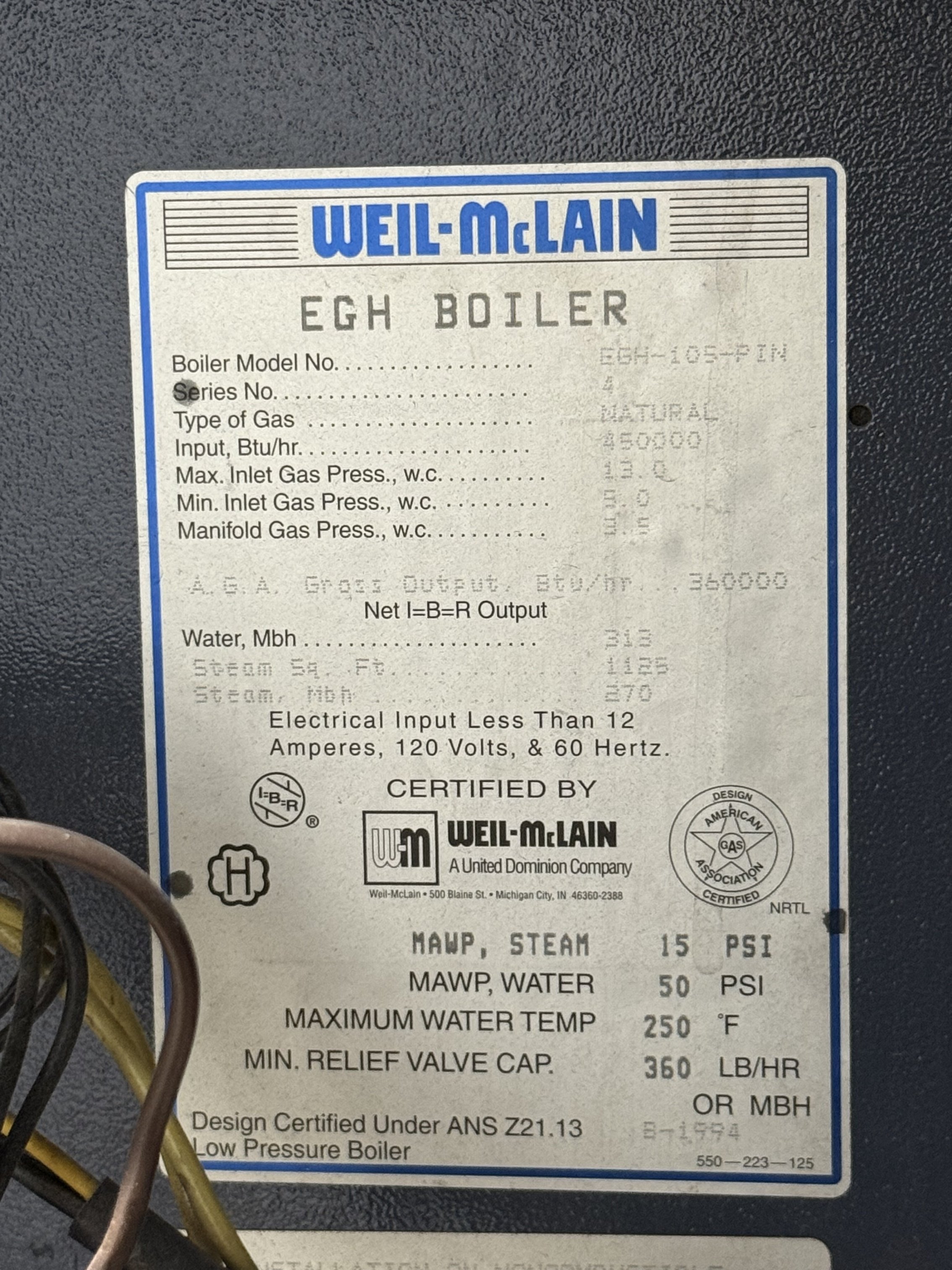
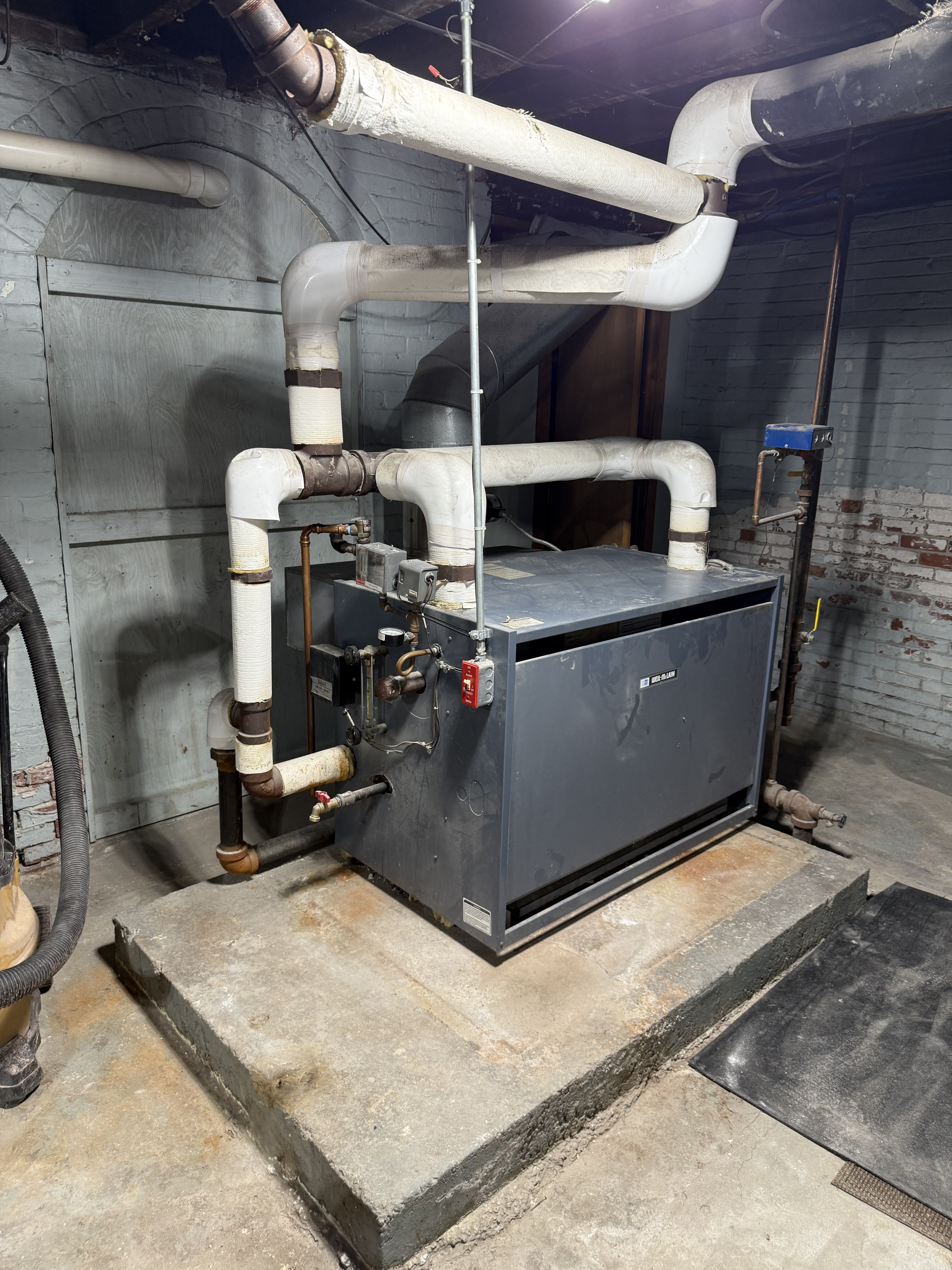
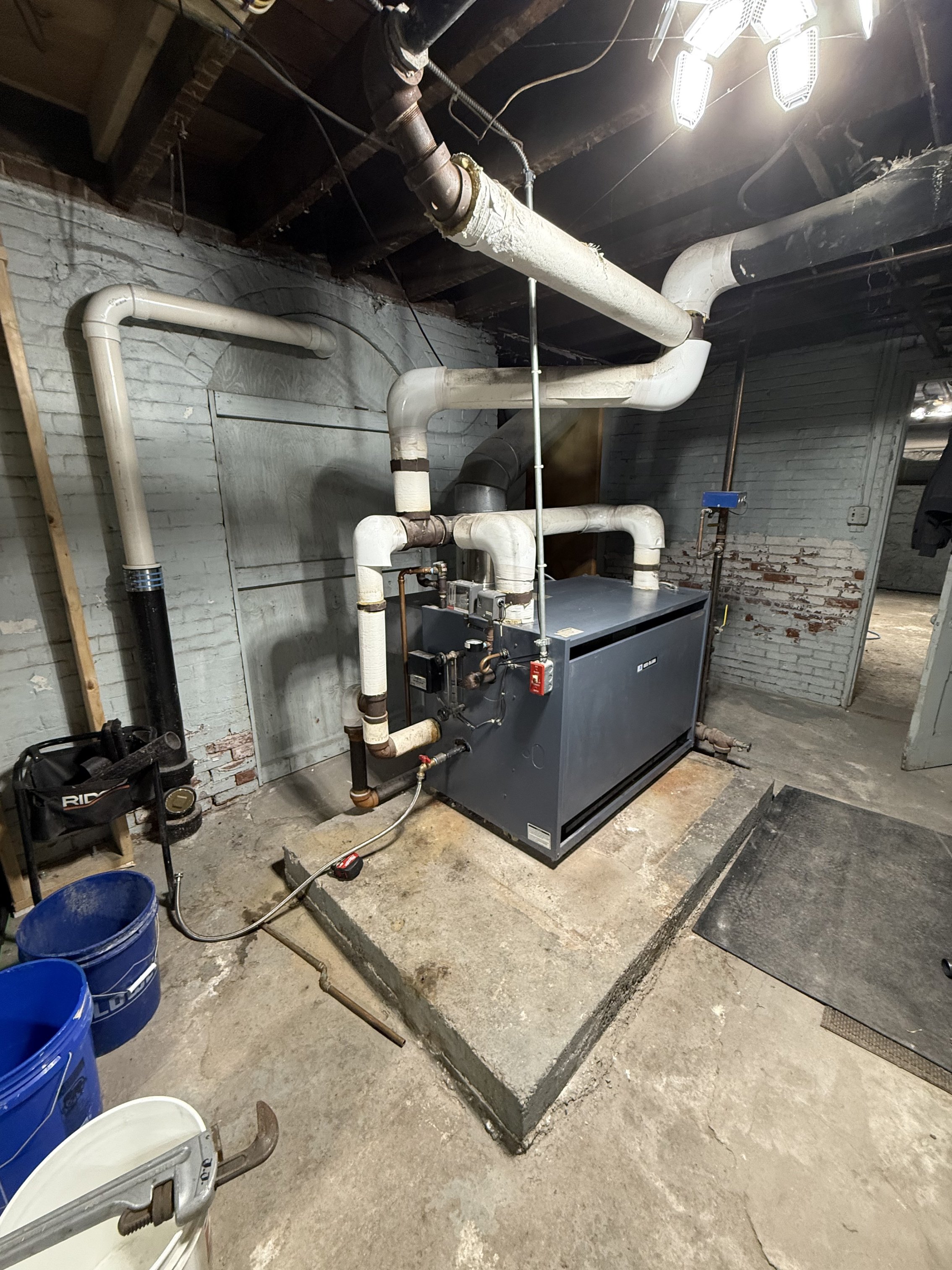
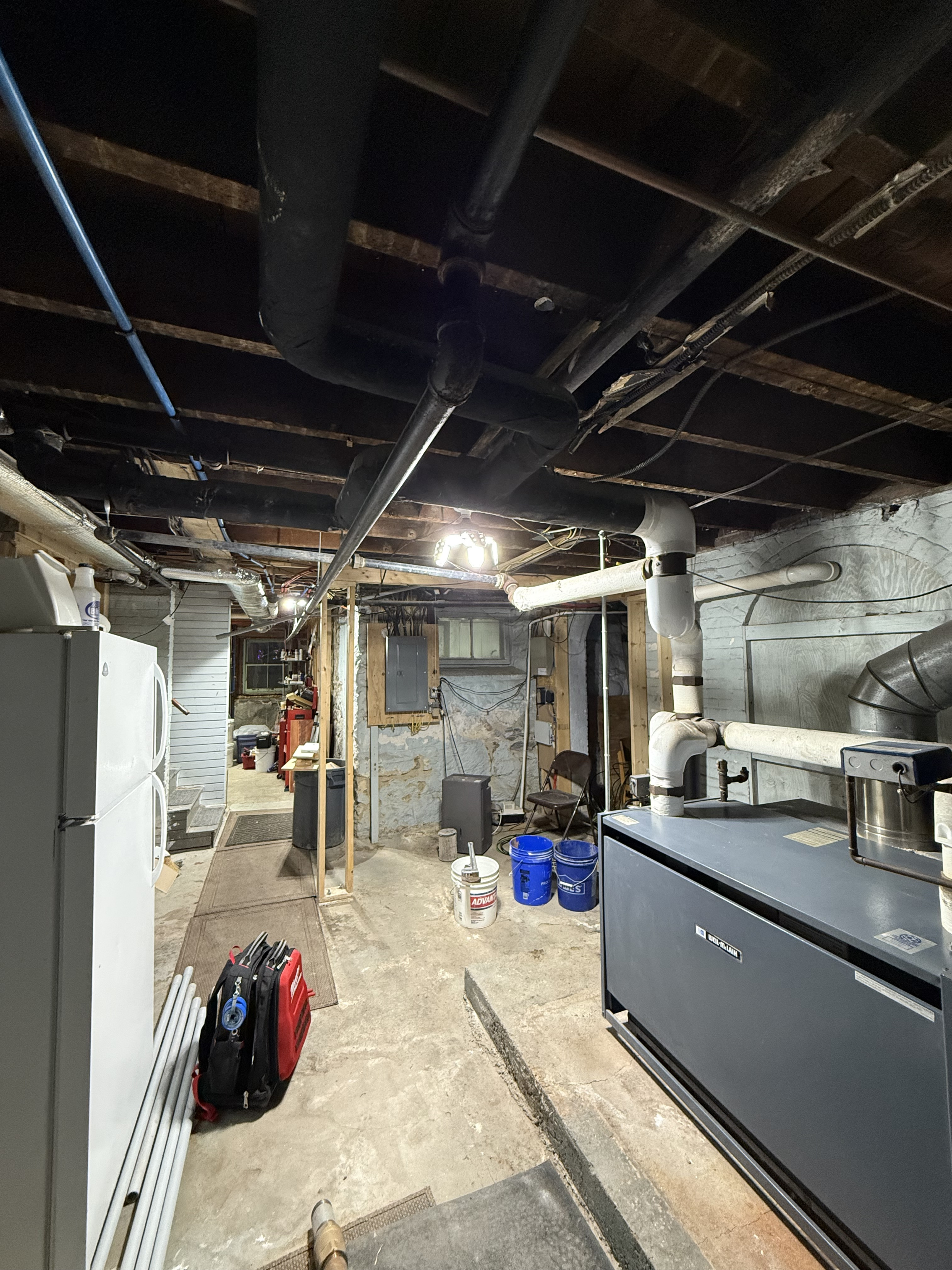
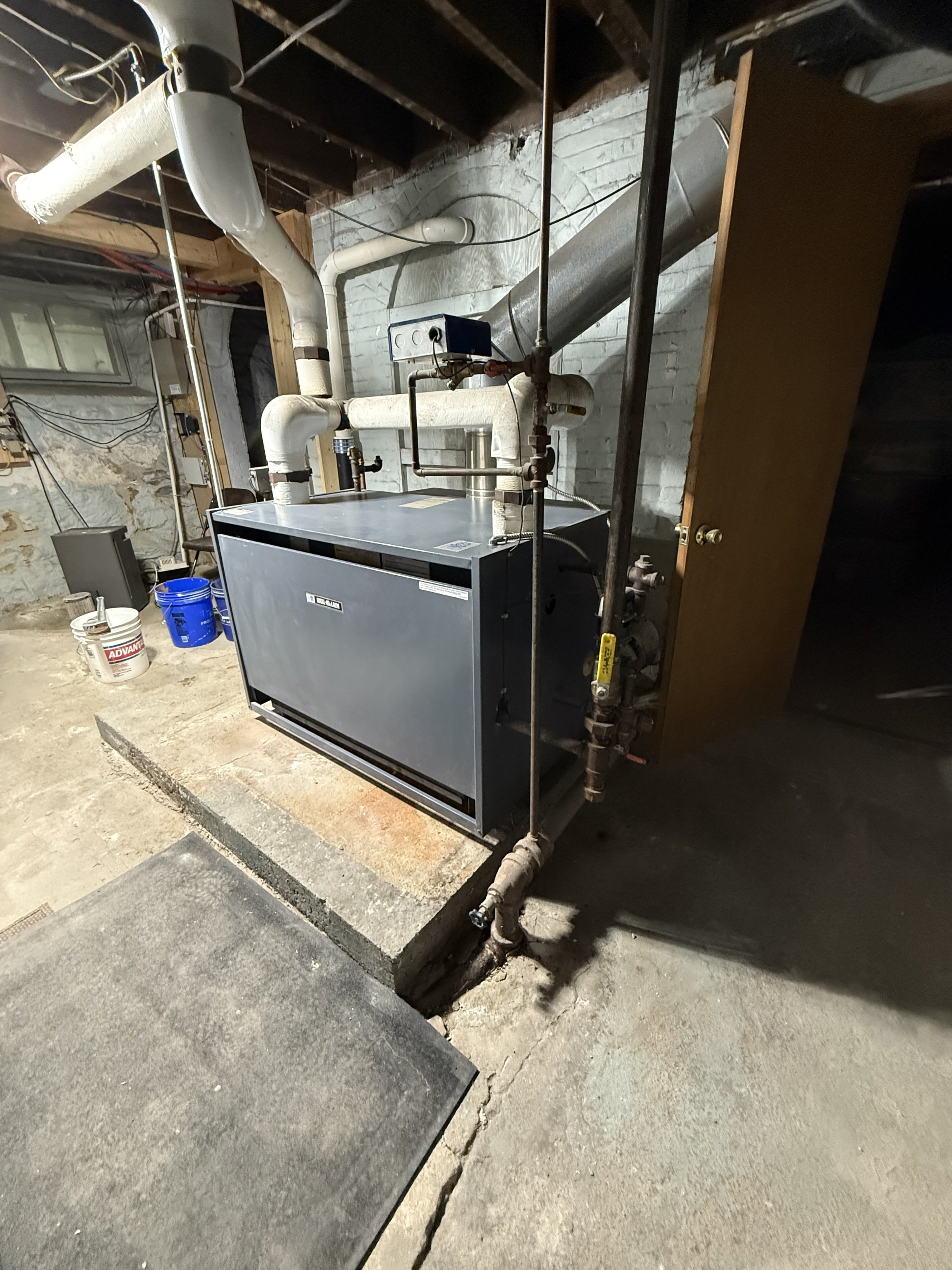
12 section boiler 450,000BTU Weil McClain natural gas boiler
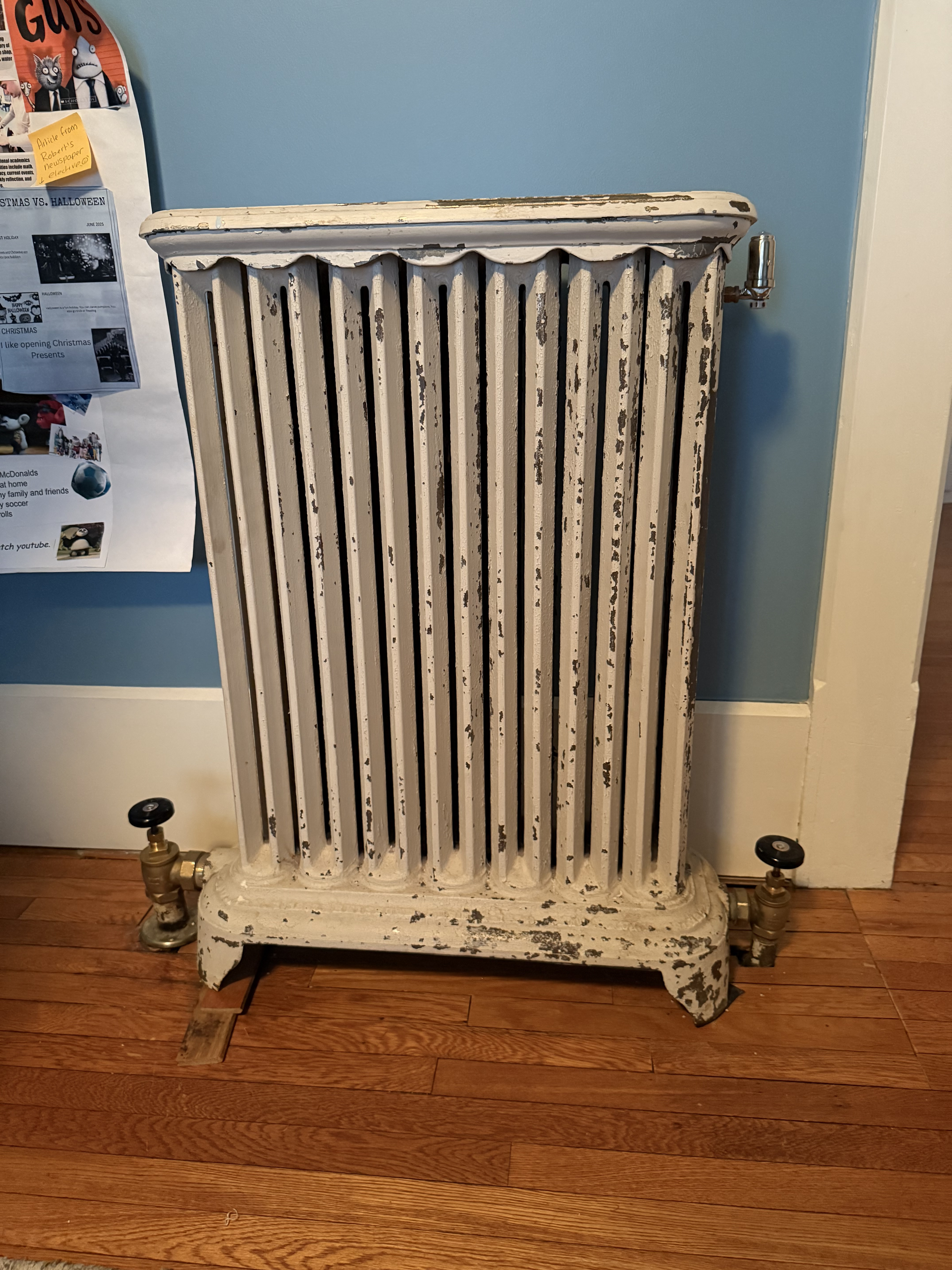
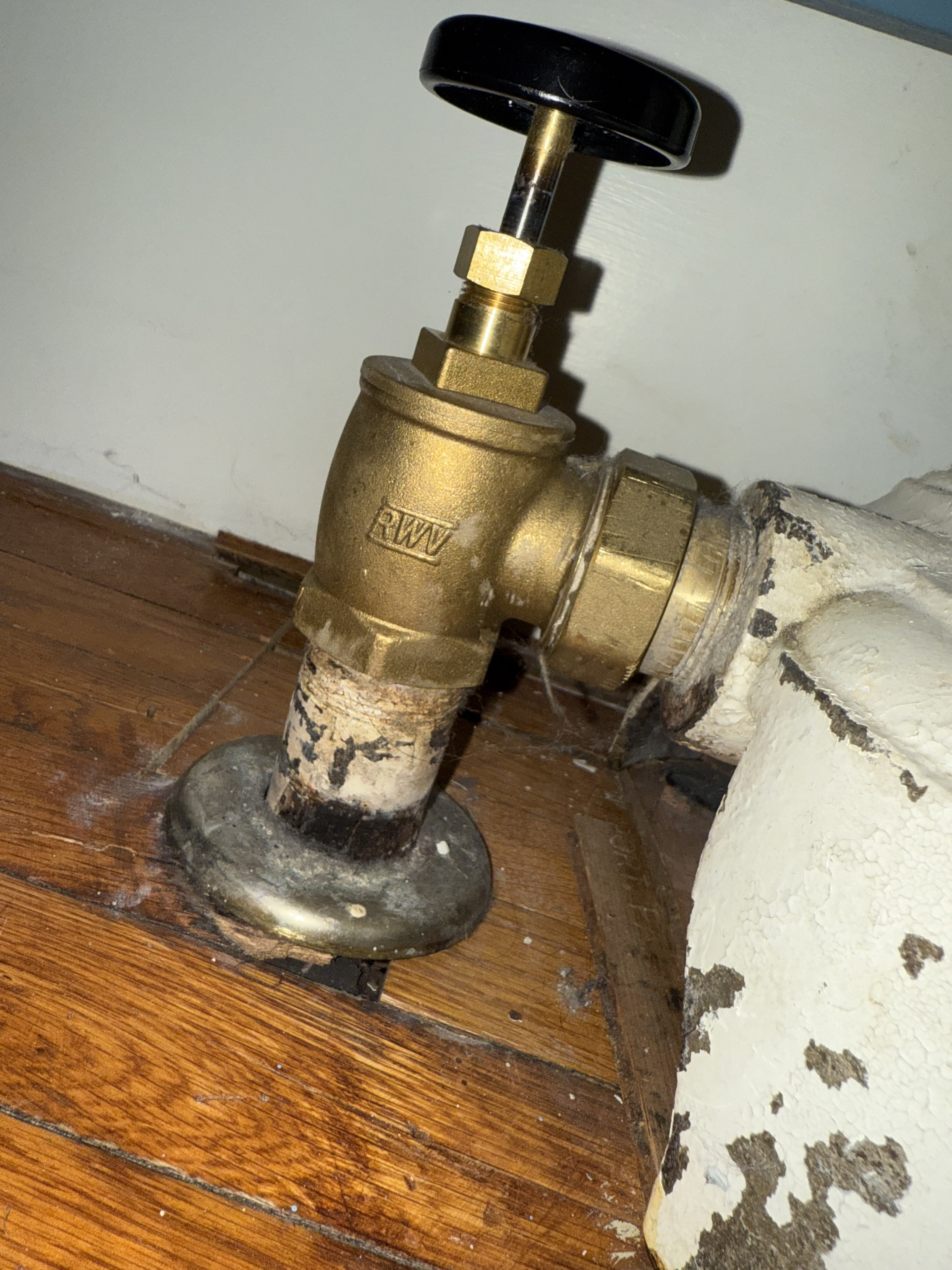
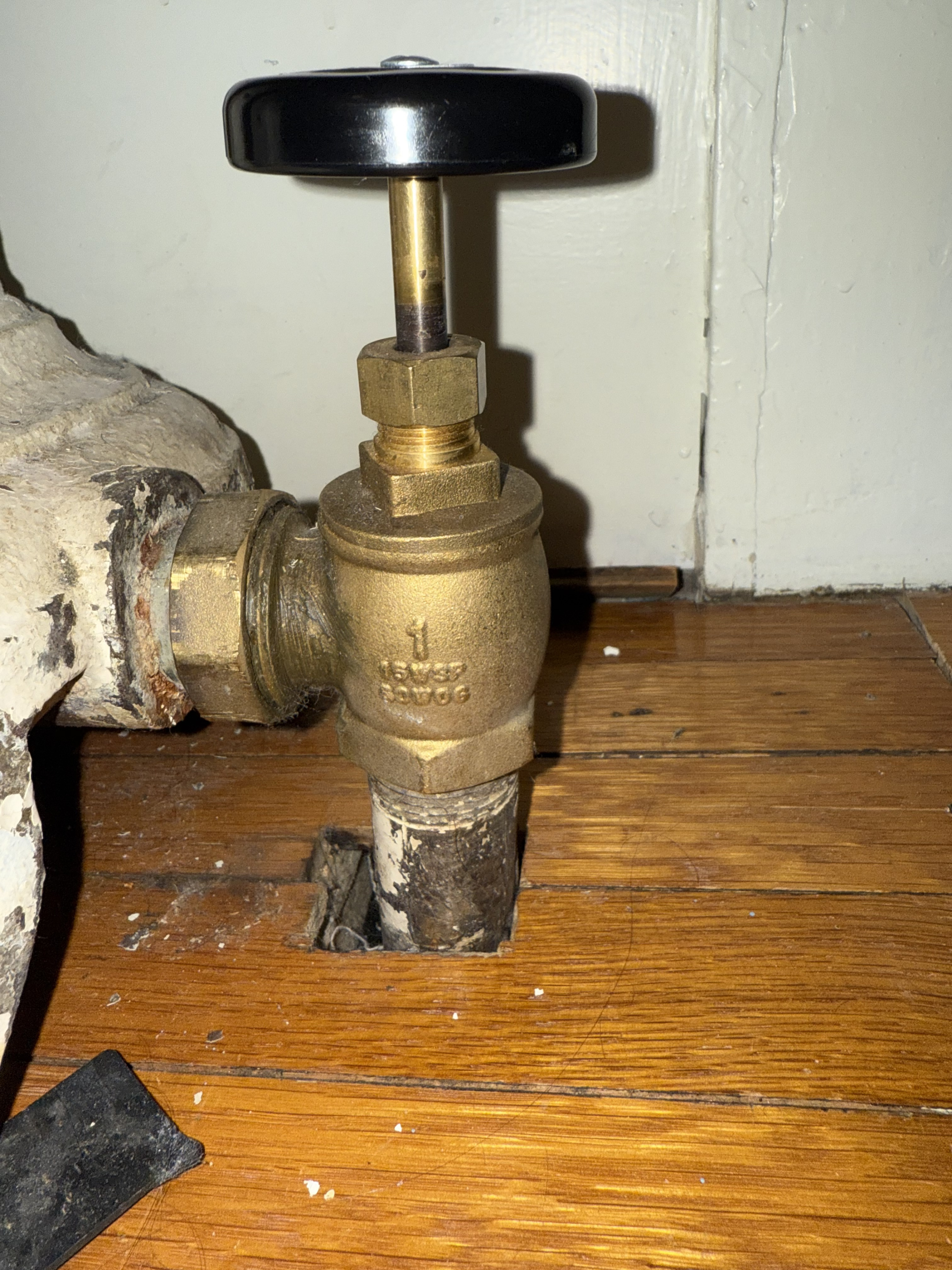
For some reason, This is radiator is one of maybe 3 in the house that is piped with a feed and return (2 pipe) system where the others are just a 1 pipe system
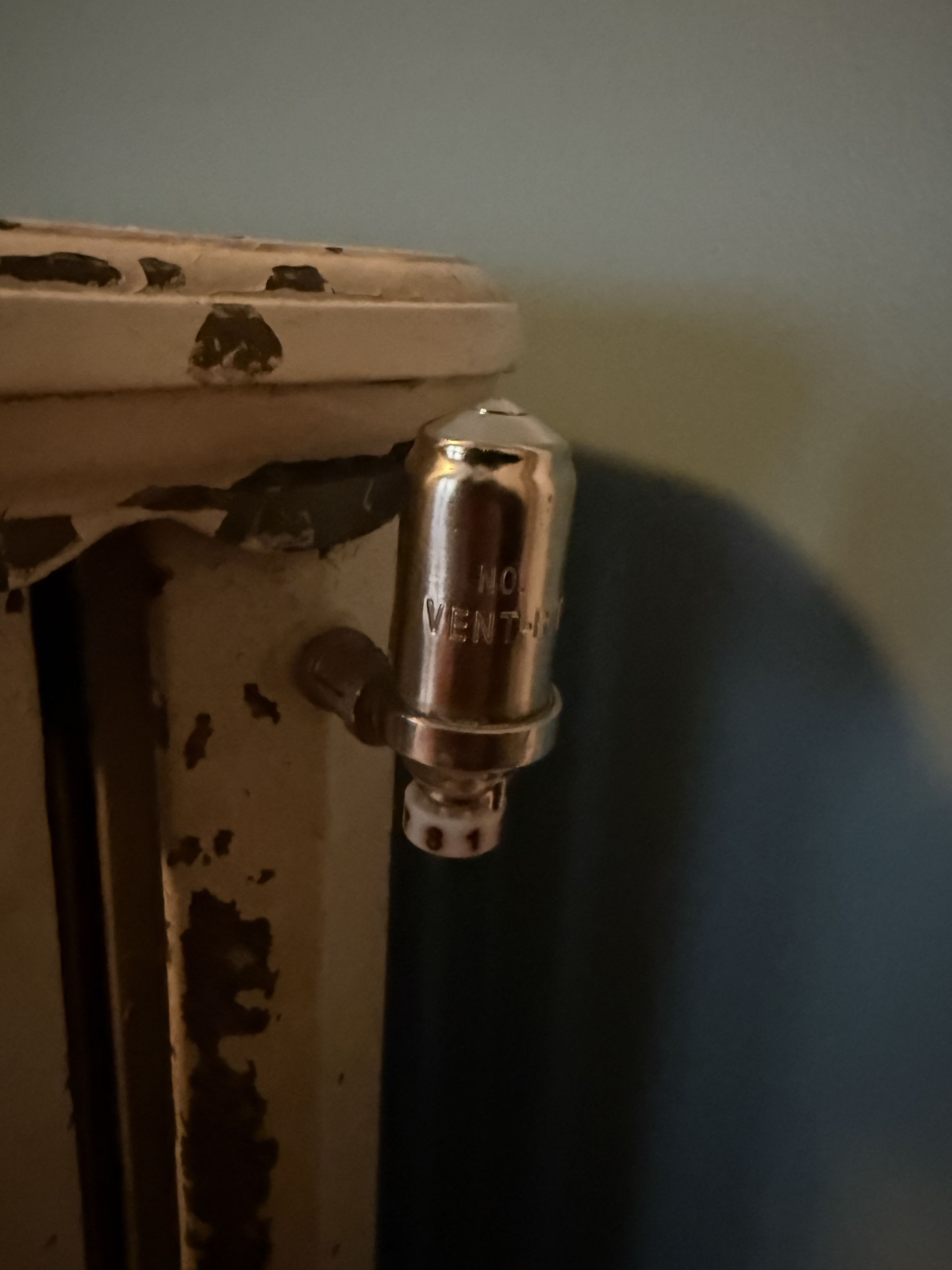
The vent on the radiator is connected via a brass coupling where I think that it may have to be a horizontal vent..
The main steam supply in the basement doesn’t have any main steam vent
Boiler hasn’t been serviced in 5 years
any help is appreciated
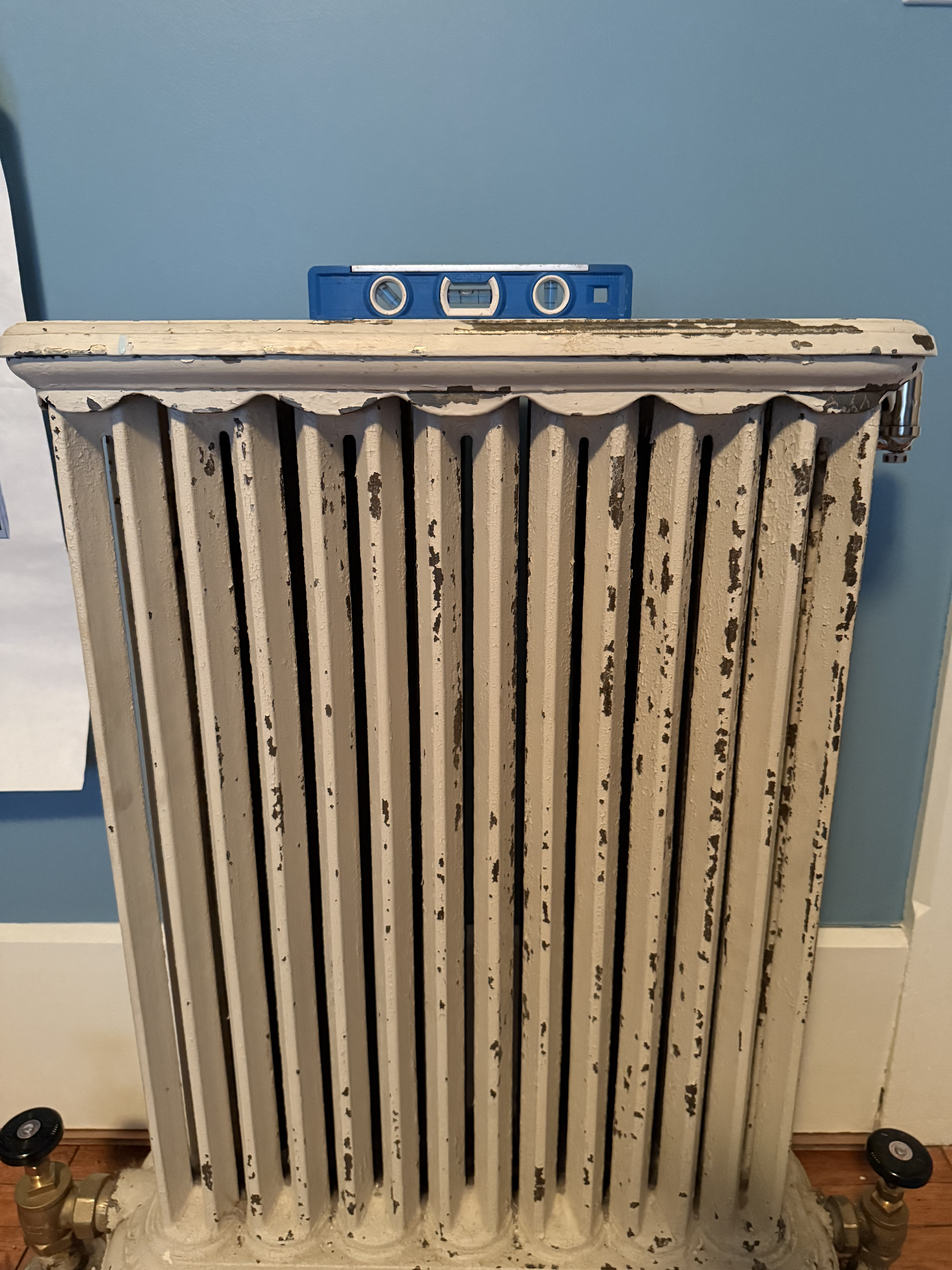
My plan was to service the boiler, remove the radiator, clean it, pitch it more and hope for the best
Comments
-
The valves on that radiator suggest to me that this may have been piped as a two pipe air vent radiaator. One pipe generally led to a steam main. The other to another pipe which also had steam in it, but was intended to carry condensate back to the boiller as well. A return, if yu will, but not a dry return as would be found in later systems.
It works. Actually, in many ways like a one pipe system. However, pipe pitch — not so much radiator pitch — is essential to make sure that condensate can, indeed drain.
So that is where I would start looking. How does condensate drain? Are the pipes all pitched to allow it to drain freely?
Also make sure both valves are wide open…
Br. Jamie, osb
Building superintendent/caretaker, 7200 sq. ft. historic house museum with dependencies in New England
 2
2 -
There is almost certainly no point in taking out and cleaning the radiator. This is a pipe pitch problem. Condensate is pooling somewhere. Get rid of the pool and you will get rid of the hammer.
On the plus side, it looks like whoever installed that boiler actually read the instructions and piped it properly.—
Bburd 3
3 -
well almost. the mains should come in to the header individually.
making sure the valves are both all the way open is my first suggestion
that coupler is because they couldn't turn the vent past the top
0 -
The trap may be plugged..
There was an error rendering this rich post.
0 -
btw that is a very early style of radiator so that is likely a very old system that might predate thermostatic air vents
0 -
If the radiator is anywhere near level (and even if it's not), that's not your problem.
I agree with @bburd there is likely a pipe pitch problem in the short horizontal section in the floor.
You can try to lift the radiator on both sides (I see you already have it shimmed on one side) in an effort to correct what is likely a sag in the supply pipe.
NJ Steam Homeowner.
See my sight glass boiler videos: https://bit.ly/3sZW1el0 -
ok update.
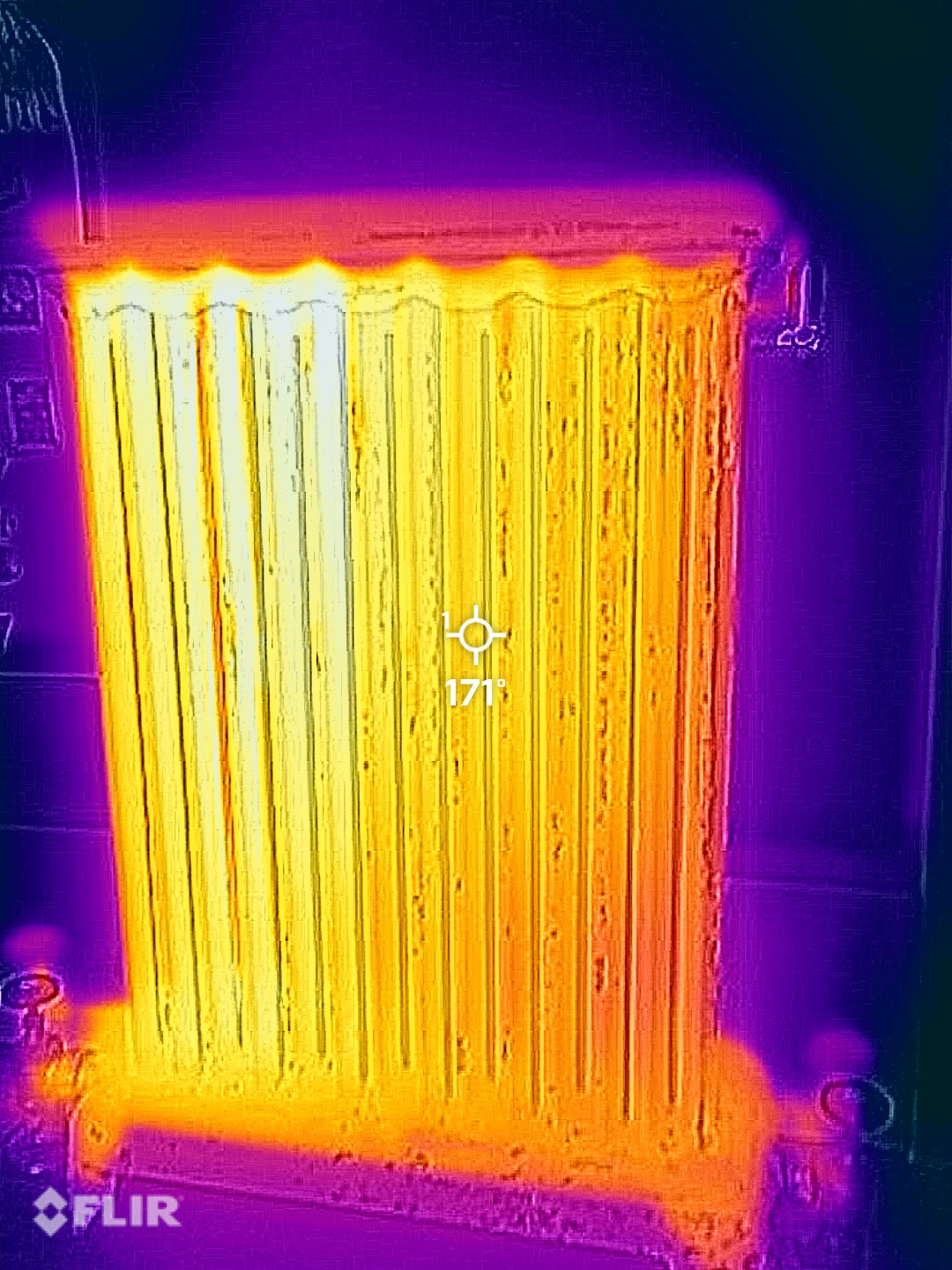
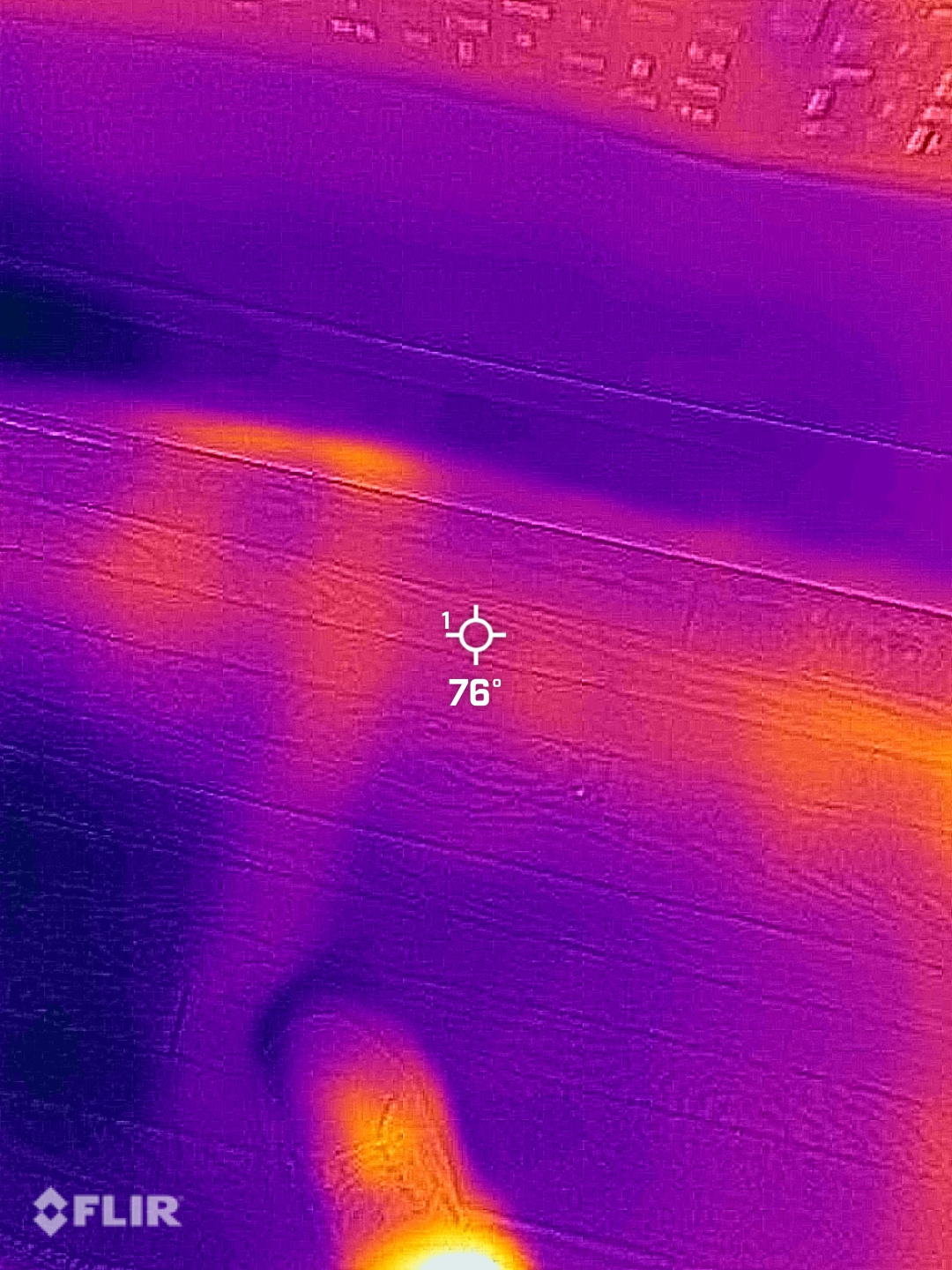
I pitched the pipes in the floor under the radiator that I could access without ripping the whole floor up and I then pitched the radiatorThe problem was fixed for about a week and a half then the banging increased by the day.
I went back over, skimmed the boiler again and tried to track down the piping to that radiator.
It seems like this radiator (that has two pipes) connects to another radiator (that has one pipe) and then the condensate pipe connects back to the supply under the floor
My thought is that the condensate pipe section that reconnects to the supply pipe is clogged with sludge
Thoughts advice anything helps thank you
 0
0 -
does one radiator have a vent and one not? i'm thinking the vent was a misguided attempt to fix a steam in the return problem
0 -
If the condensate pipe from that radiator connects back to the steam main, steam is probably backfeeding up that pipe looking for the air vent. I ran into that situation many years ago:
The solution is to run the condensate pipe into the wet return, like I did, or install a water seal in it roughly three feet deep to block the backfeeding steam.
1 -
Its 2 pipe air vent which is a lousy system so it does need the vent.
I agree with @Steamhead a wet return or a water seal is the fix.
I would try and find the return and see if the steam is backing up into the rad.
A clue would be which end of the rad gets hot first.
At least one of the mains in the basement looks counterflow.
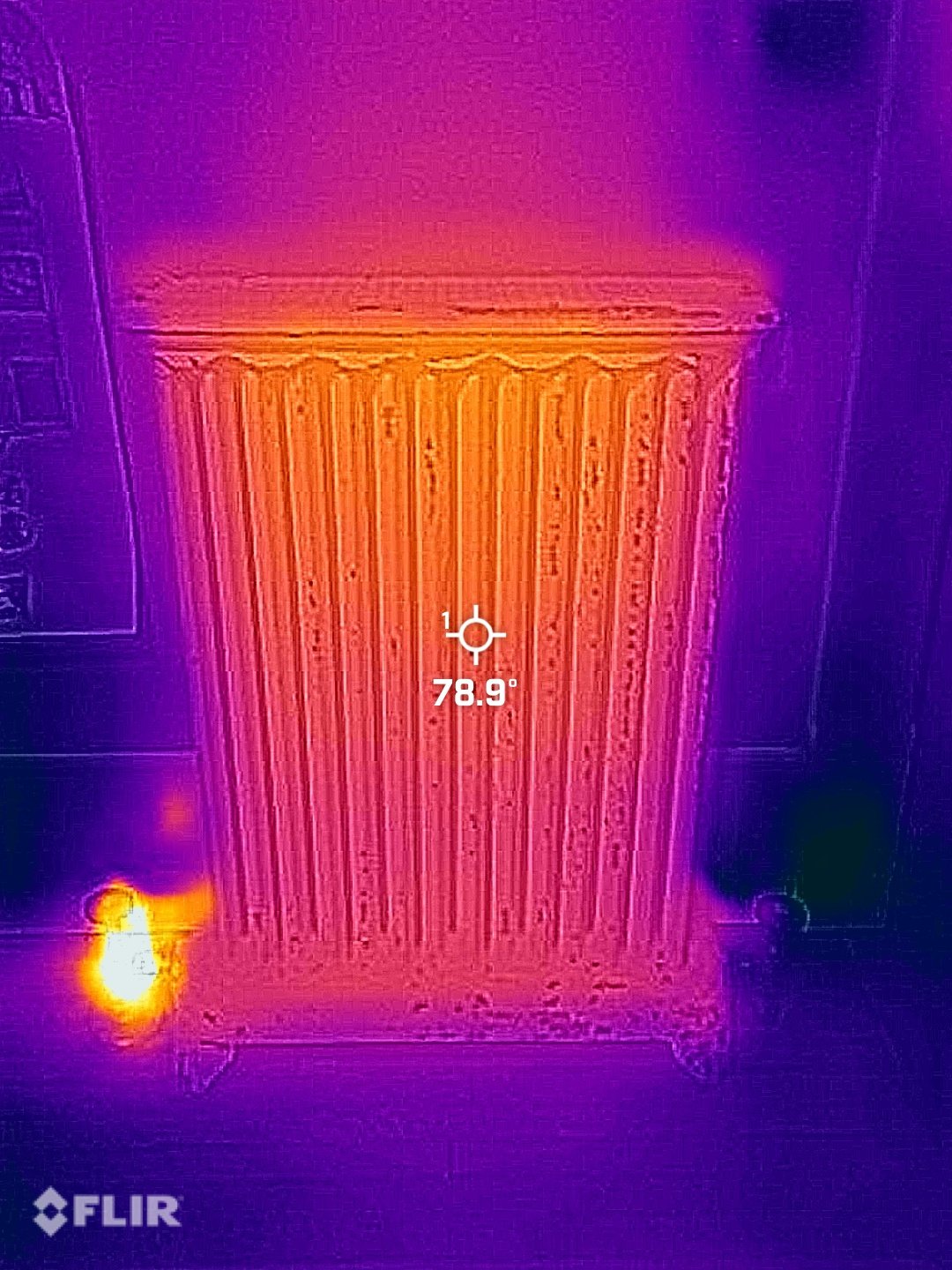
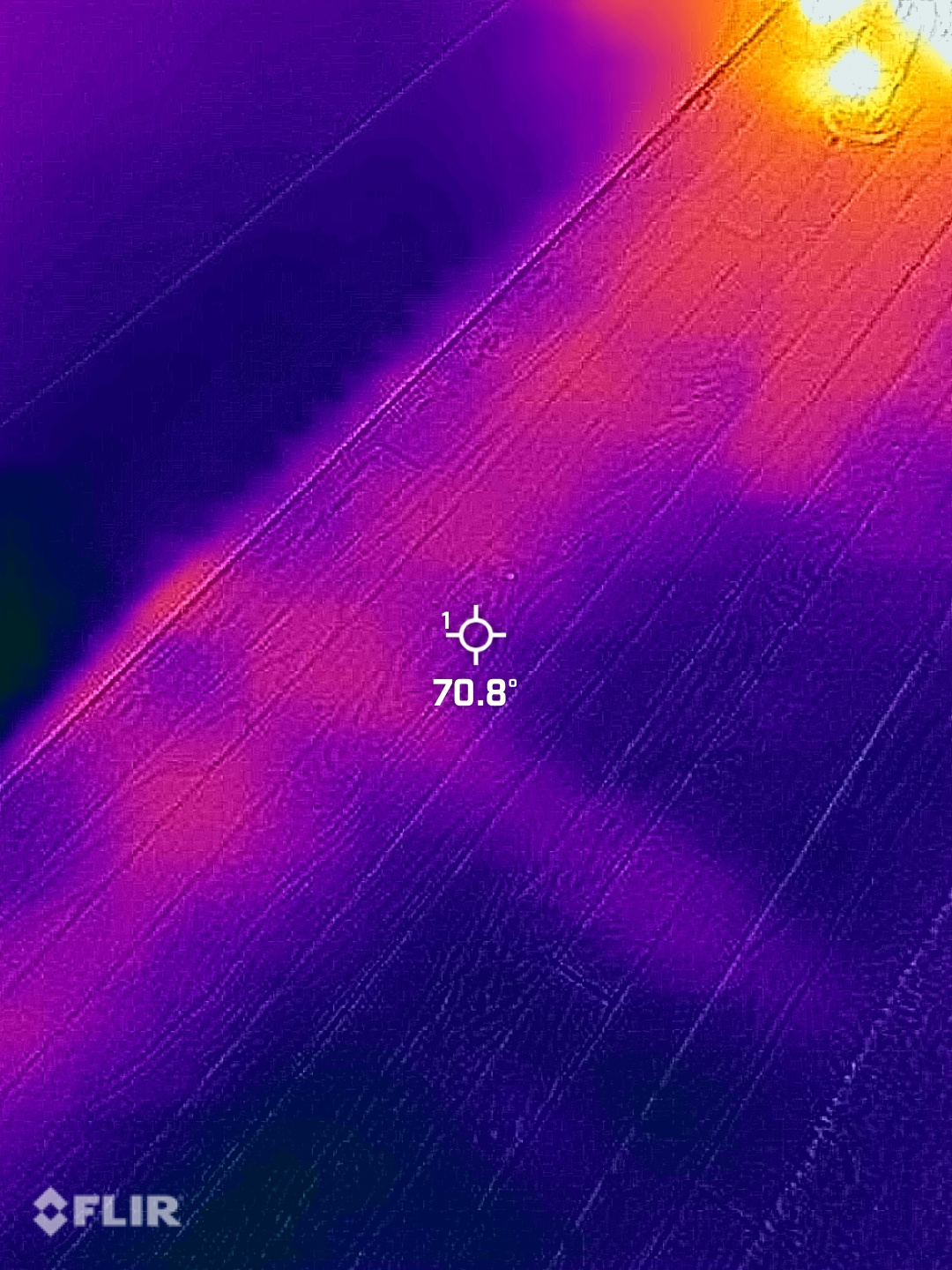
Looking at the pictures the heat seems to be coming from the left hand valve
And the left hand valve is larger which is normal for two pipe air vent unless the picture is fooling me.
How much pressure are you running?
0 -
It’s a very weird system, some radiators in the house are one pipe, others are 2 pipe, and they all have steam vents on them.
All the returns from the first floor radiators come down the a wet return in the basement but I’m not sure if all the radiators do that..
honestly I’m not sure what a wet seal is…The left side (steam supply) of the radiator gets hot first then moves over to the right side (condensate)
The cut in pressure is .5 and the cut out is 2
The boiler is definitely oversized for the house and they removed radiators in the past so the boiler short cycles and cuts out from high pressure
The weirdest part to me is the problem radiator is in the second floor… why would that be the problem radiator and not the first floor ones the room it’s in has more air infiltration than some of the other parts of the house but
0 -
A water seal is like a trap under the kitchen sink.
With a 2 pipes air vent steam can get into the return. If the return comes into the basement you can drop it into a wet return below the boiler water line. That is a water seal.
If there is no wet return to get into you drop the return to the floor and then bring it back up into a dry return. The lower portion fills with condensate and creates a water seal.
This may or may not work if there is more than 1 radiator tied into the return above the water line.
I would look at the returns and Start marking and tracing the pipes in the basement. Figure out the 1 pipe rads and the two pipe rads and see what is going on that may give you a clear picture.
Pipefitters would avoid running pipes through the second floor floor joists because it is difficult. Not saying it isn't done though
0 -
ok awesome thank you.
I know at least the majority of the returns come back down to a wet return before coming back into the boiler but I’ll have to track down the piping better and take another crack at itI’ll update once I head back thanks again everyone
0 -
you can run in to problems when the boiler is changed and the water line becomes lower and a reurn that was below the water line becomes above the water line.
0


Categories
- All Categories
- 87.8K THE MAIN WALL
- 3.3K A-C, Heat Pumps & Refrigeration
- 59 Biomass
- 430 Carbon Monoxide Awareness
- 133 Chimneys & Flues
- 2.2K Domestic Hot Water
- 6K Gas Heating
- 124 Geothermal
- 170 Indoor-Air Quality
- 3.8K Oil Heating
- 79 Pipe Deterioration
- 1.1K Plumbing
- 6.7K Radiant Heating
- 396 Solar
- 16.1K Strictly Steam
- 3.5K Thermostats and Controls
- 56 Water Quality
- 51 Industry Classes
- 51 Job Opportunities
- 18 Recall Announcements