Upgrading/Relocating Main Vent on 1/8" End-of-Main Tap (Water Spitting & Clearance Issue)

Hi everyone,
I’m looking for some advice about my main vent. I just had my ancient, wildly oversized boiler replaced with a properly sized 260 sq ft steam boiler. The installing plumber replaced all of my radiator air vents, but he didn't touch the main vent. When I asked about it, he just told me I could swap it out myself.
The Setup & Problem:
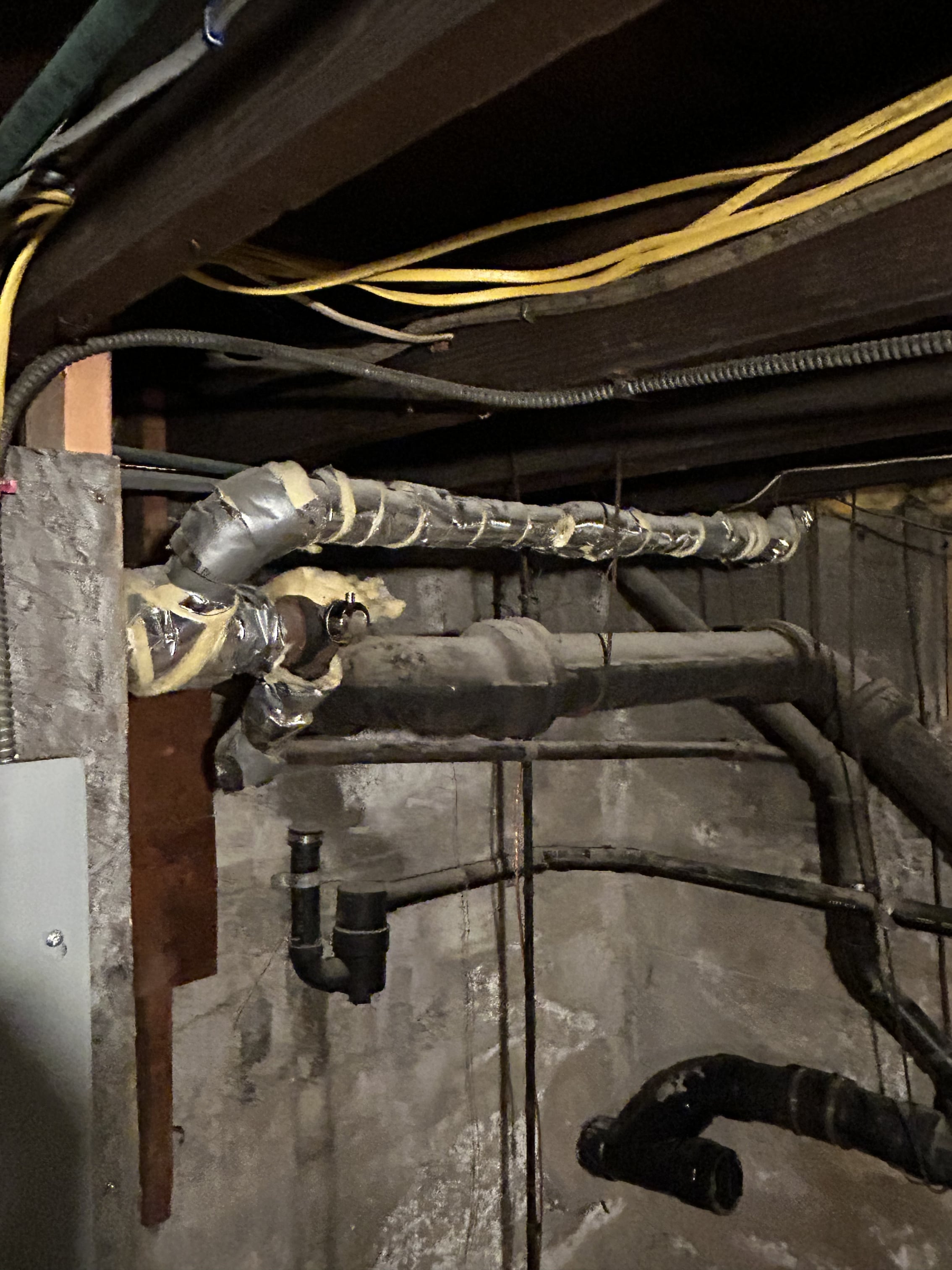
- Main Pipe: One single, 40-foot run of 2-inch iron pipe leading up to where it drops down at the dry return.
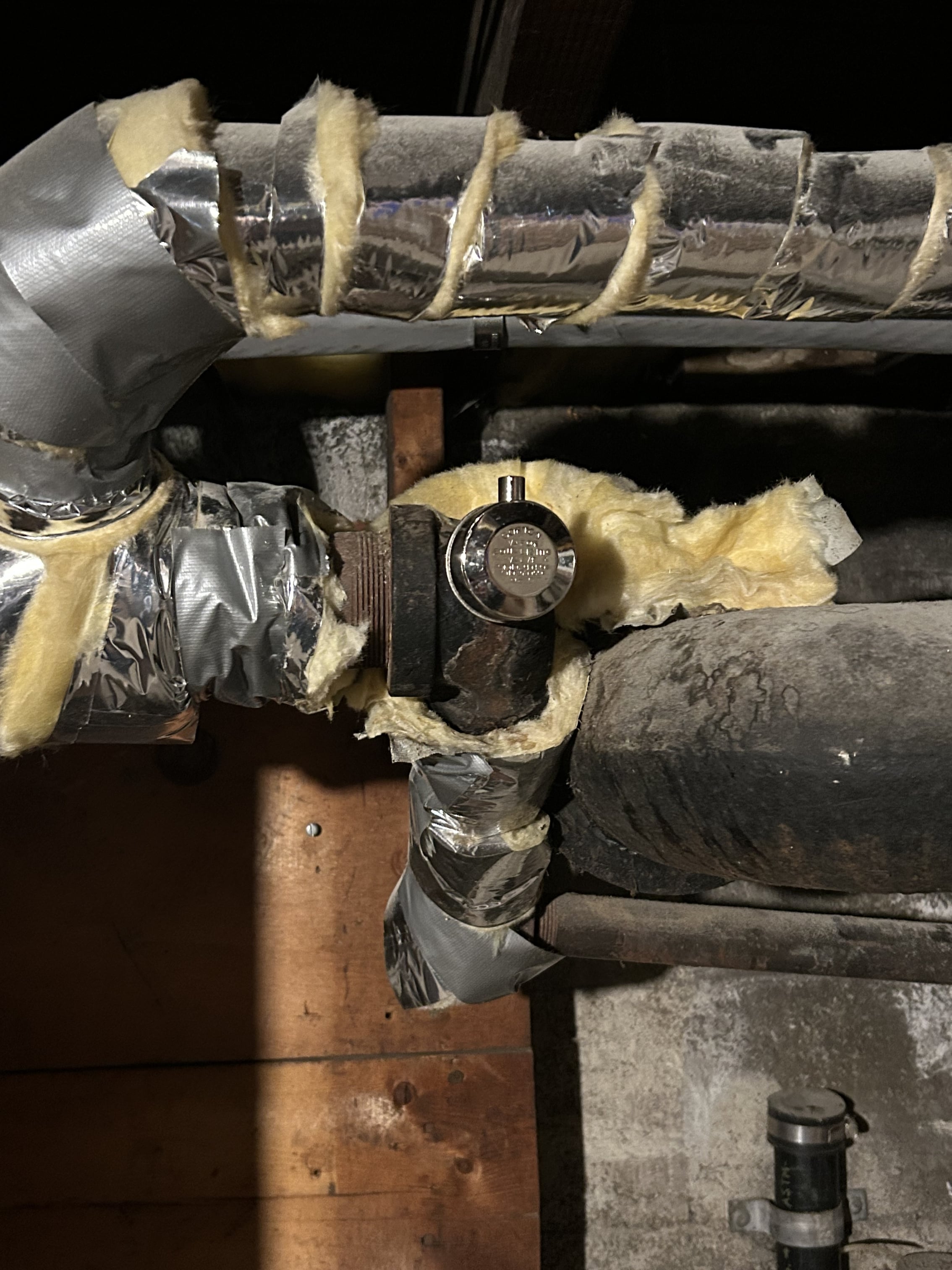
- The Main Vent Tap: A 1/8-inch tap located directly on the side of the downward-pointing elbow right at the dry return drop.
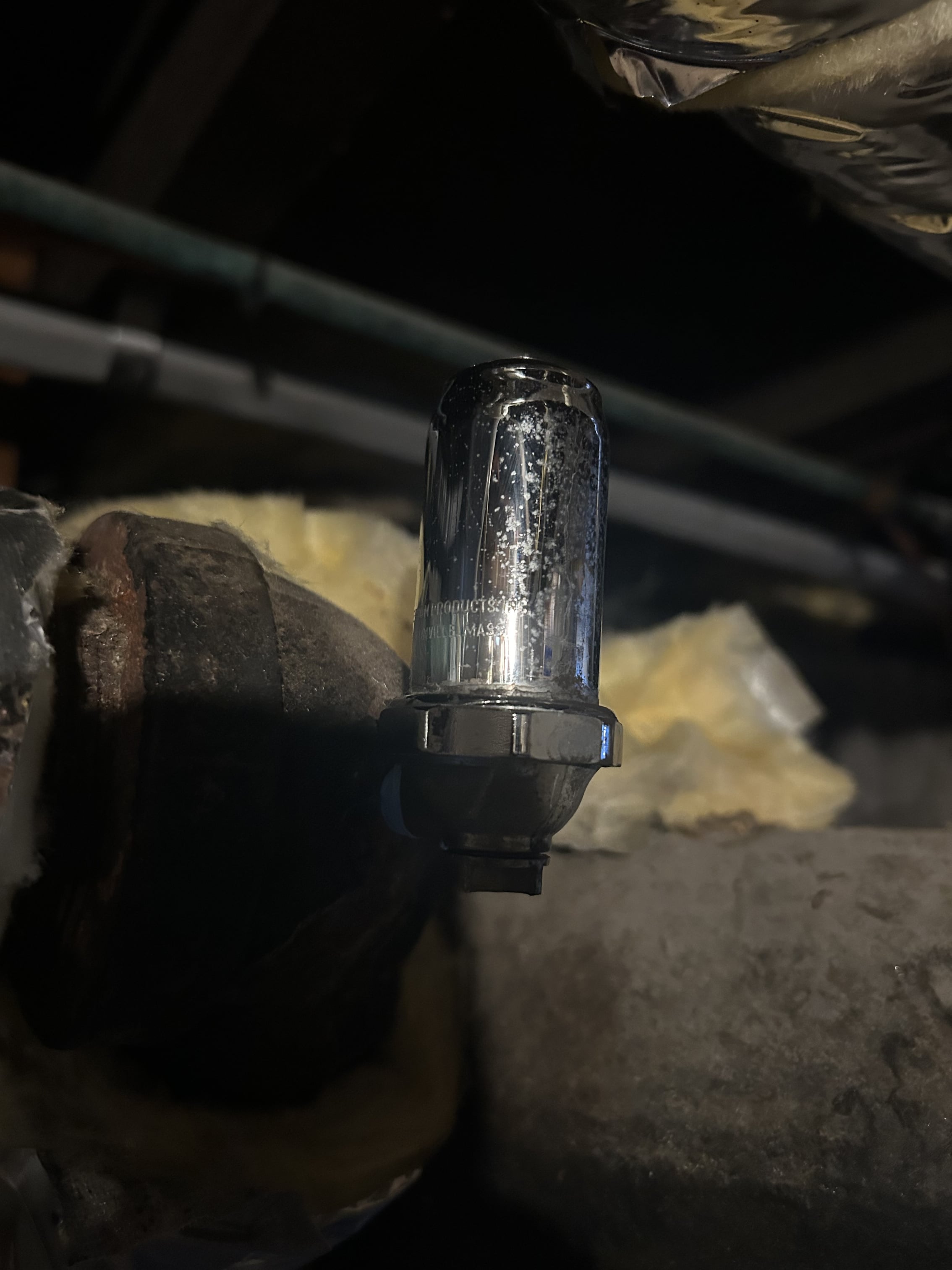
- The Issue: The old vent was just a standard radiator vent that spit water. The plumber said to just replace it, so I just grabbed the largest vent I could find with a 1/8" thread (a Gorton No. D) and screwed it in. I know now that a radiator vent is completely wrong for a main, and of course, it didn't fix the issue. It still violently splashes/spits about a cup of water every single time the boiler pushes a new wave of steam. I also now realize this tap is right in the "splash zone" where fast-moving steam and condensate crash into the back wall of the elbow.
My Proposed Fix & Questions:
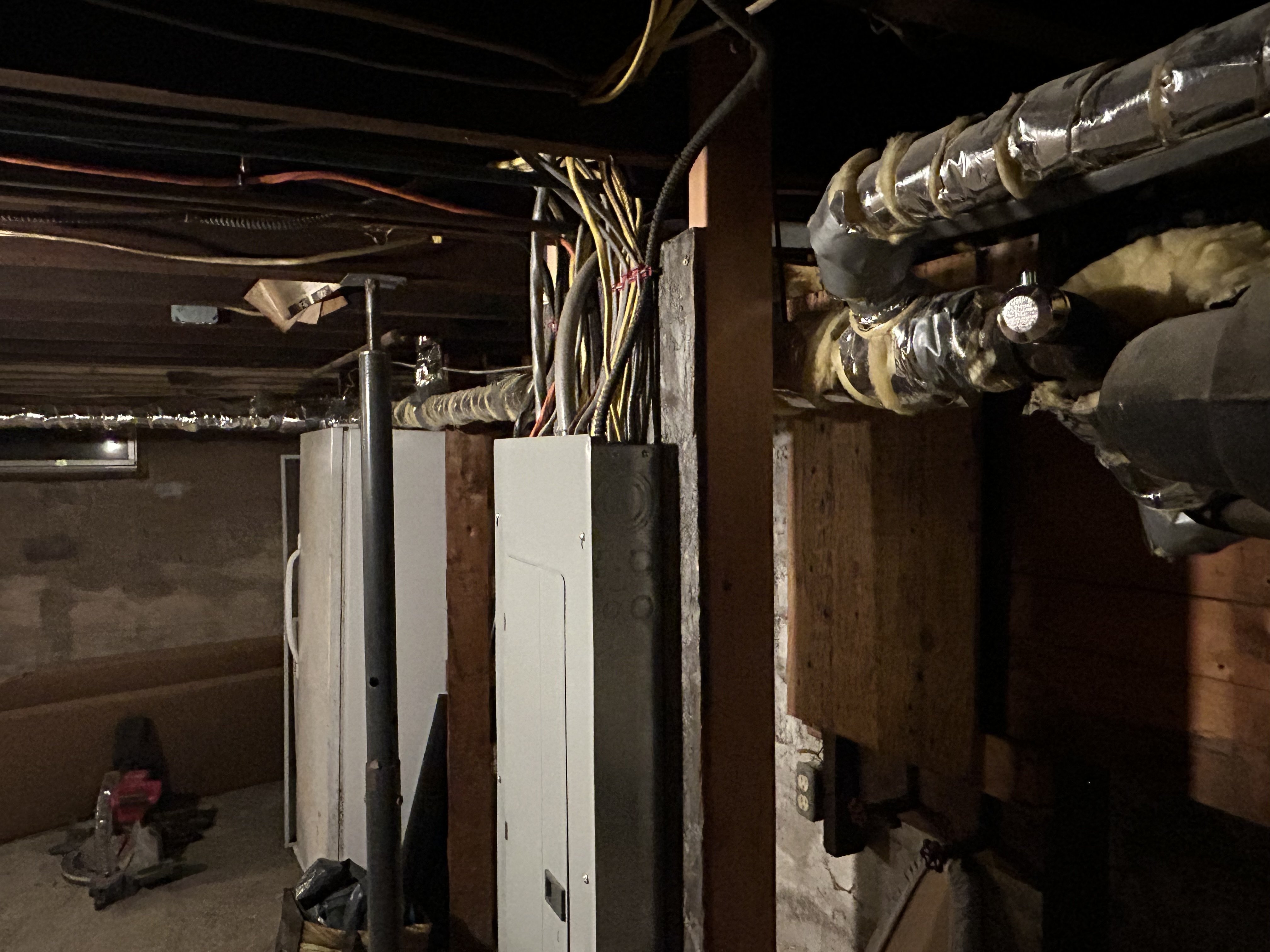
I want to upgrade this to a proper, high-capacity Gorton 2 or equivalent to vent this 40-foot main, which means stepping up from the 1/8" tap to a 1/2" NPT vent body. I also need to offset horizontally about 6 inches to clear an obstruction and get the vent into an open joist bay.
Additionally, the current tap seems to be pitched slightly downward, which is why I'm thinking a 45-degree elbow right from the tap makes the most sense to immediately create an upward pitch.
To get out of the splash zone, clear my obstruction, and prevent water from pooling in the offset, I am thinking about this sequence of brass fittings:
- Start at an Angle: A 1/8" brass street 45-degree elbow threaded directly into the main tap, angled upward to counteract the downward-pitched tap.
- Offset & Climb: A short 1/8" brass nipple running diagonally up to get my 6-inch horizontal offset while maintaining a steep upward slope for drainage.
- Turn Vertical: A second 1/8" 45-degree elbow turning straight up toward the ceiling.
- Upsize & Elevate: A 1/8" to 1/2" brass reducer/bushing, followed by a vertical 1/2" brass chimney (around 8 inches) to keep it well above the splash zone.
Questions I have:
- Does using a 45° offset right off the main tap make sense for draining condensate back, or should I upsize from 1/8" to 1/2" before doing the 45-degree offset?
- Is an 8-inch vertical 1/2" riser above the offset tall enough to keep splashing water from reaching the Gorton No. 2 or equivalent vent?
- Or, what is a better solution?
I am attaching photos of the original vent on the elbow, the Gorton #D I installed on the elbow, and some more photos of the piping so you can see what I'm working with. Any insights would be greatly appreciated. Thank you!
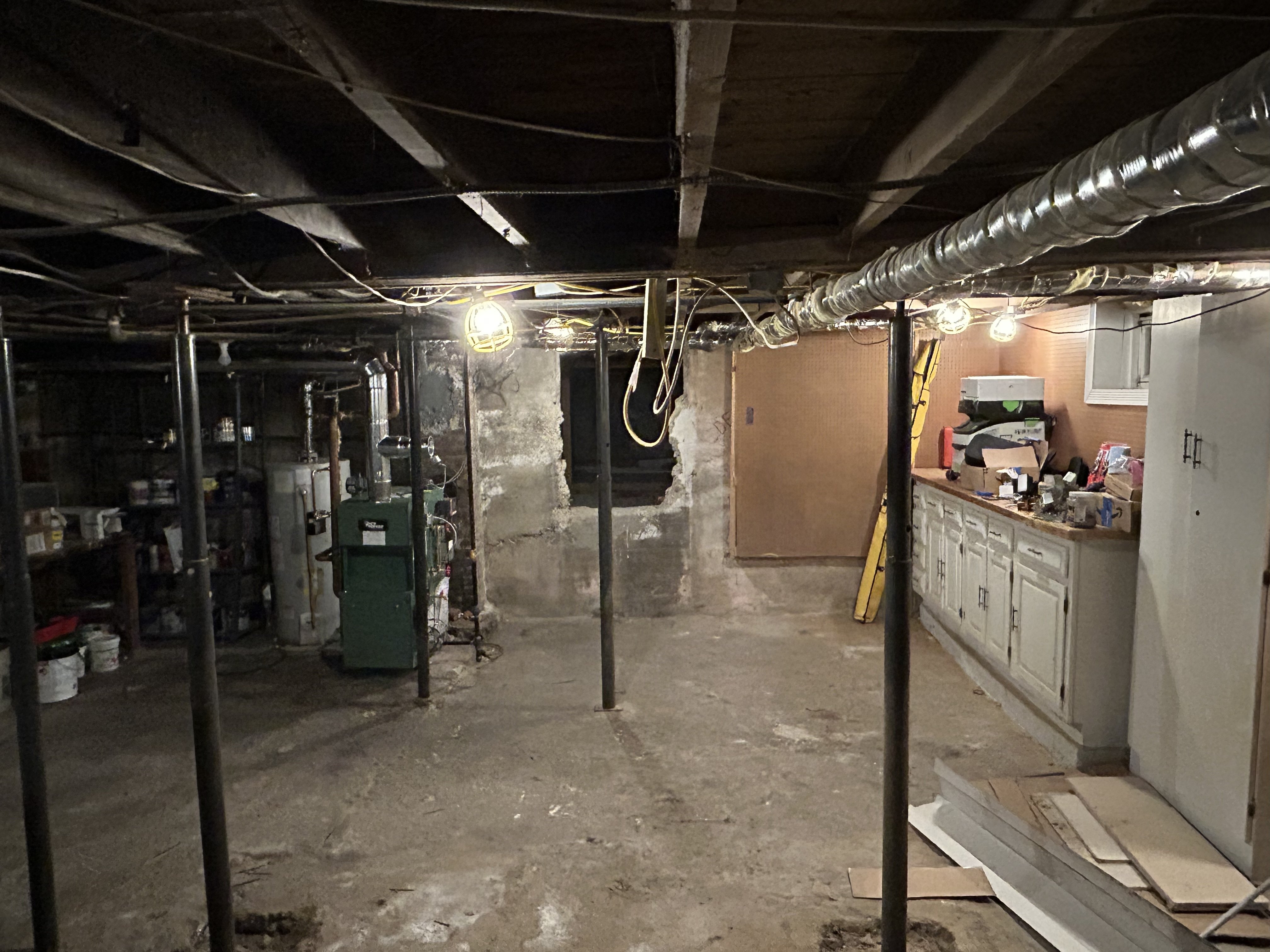
Comments
-
Sure the return line isn't plugged? This could cause spitting……………………
0 -
Could be a lot of different issues:
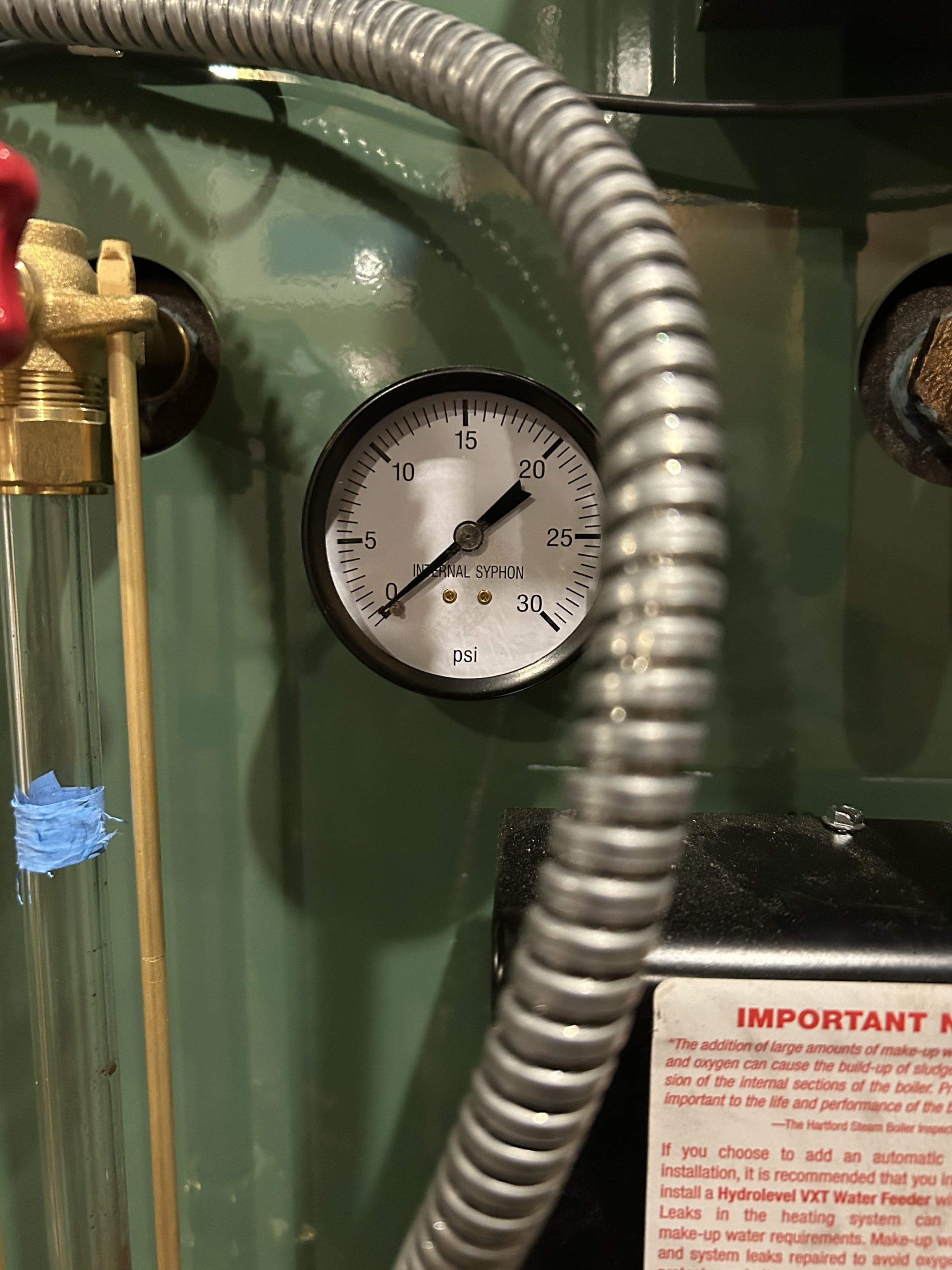
Does the boiler build pressure when running?
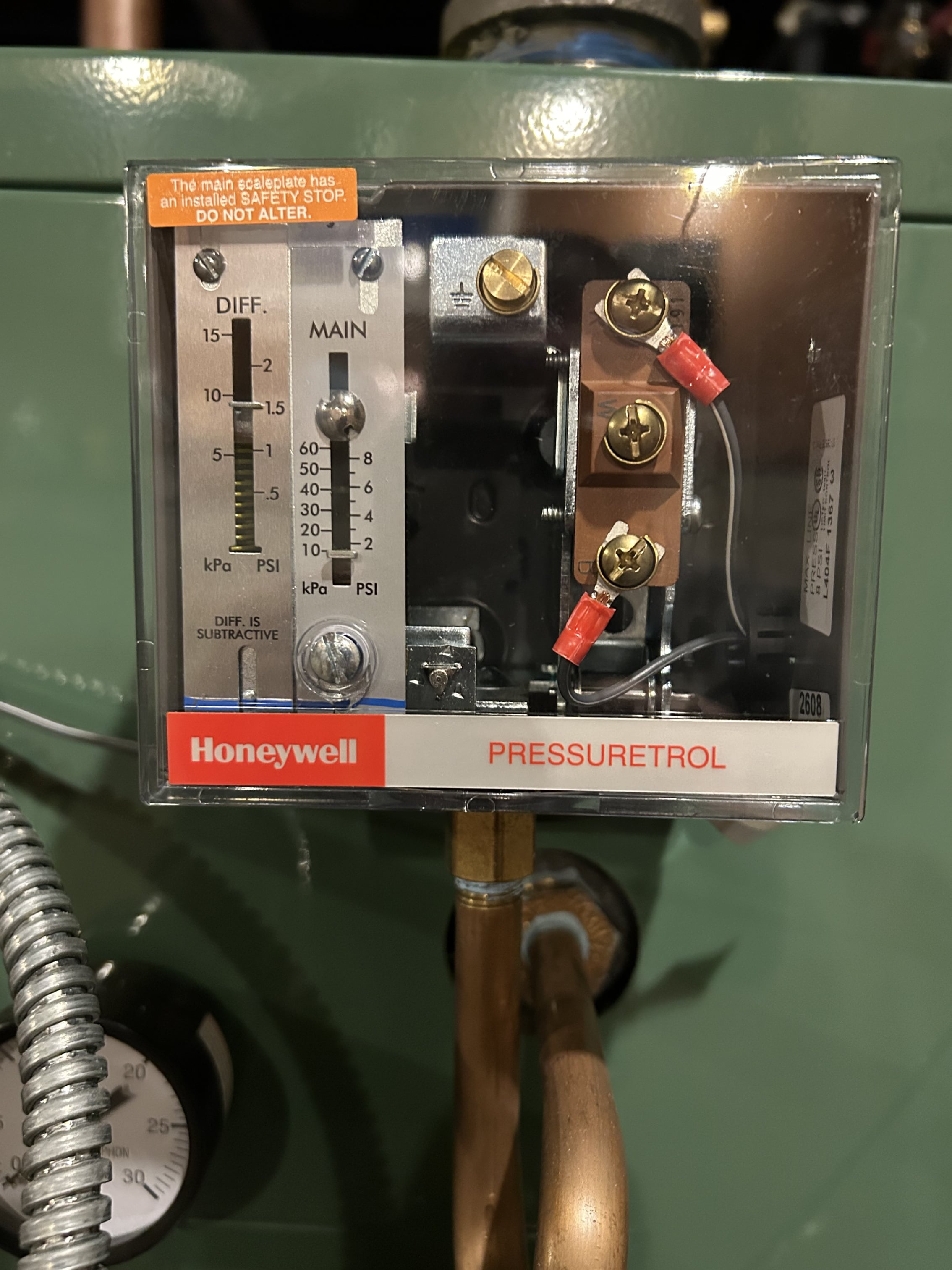
If so how much? What is the pressure control set to?
Did they skim the boiler?
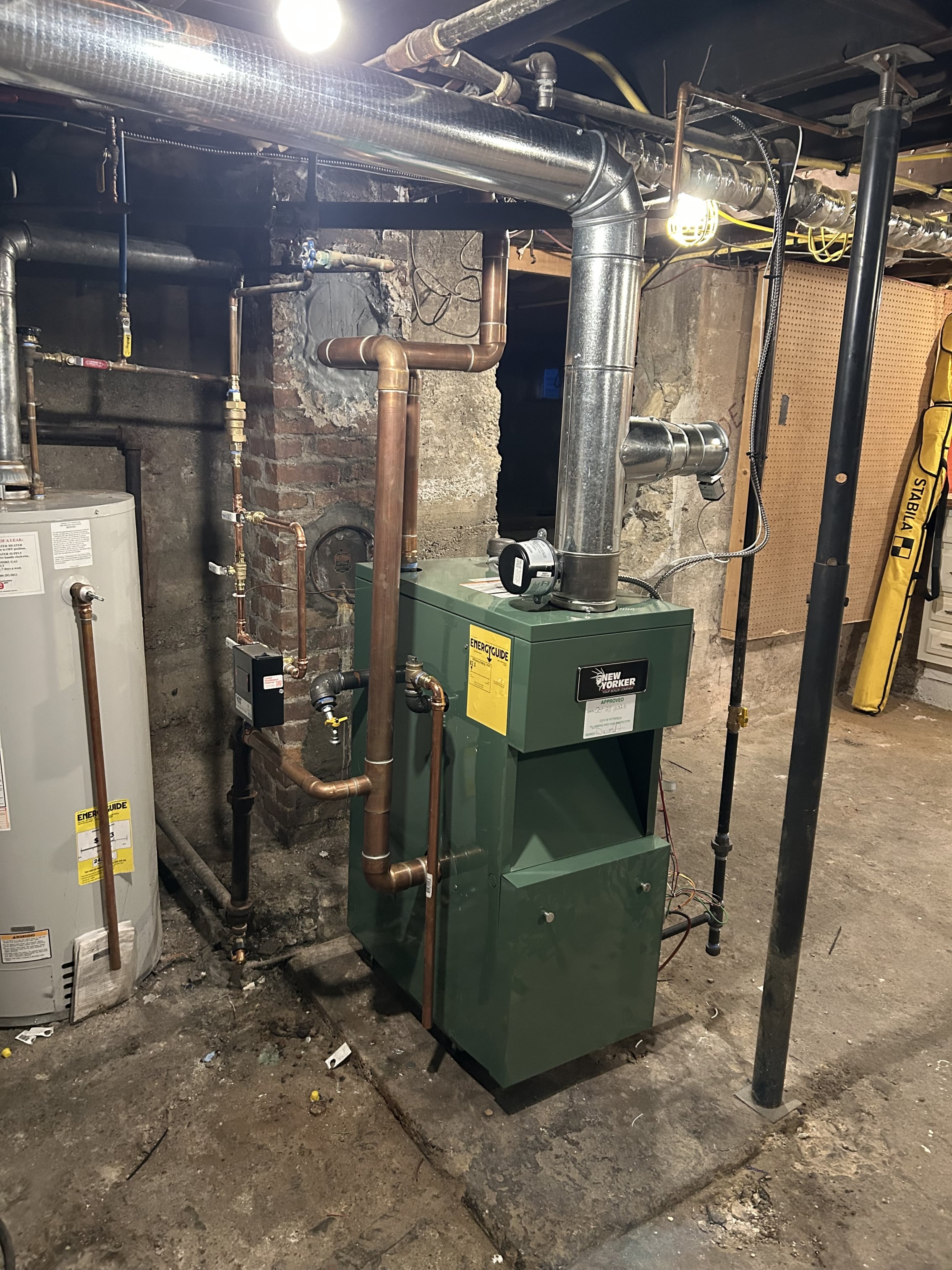
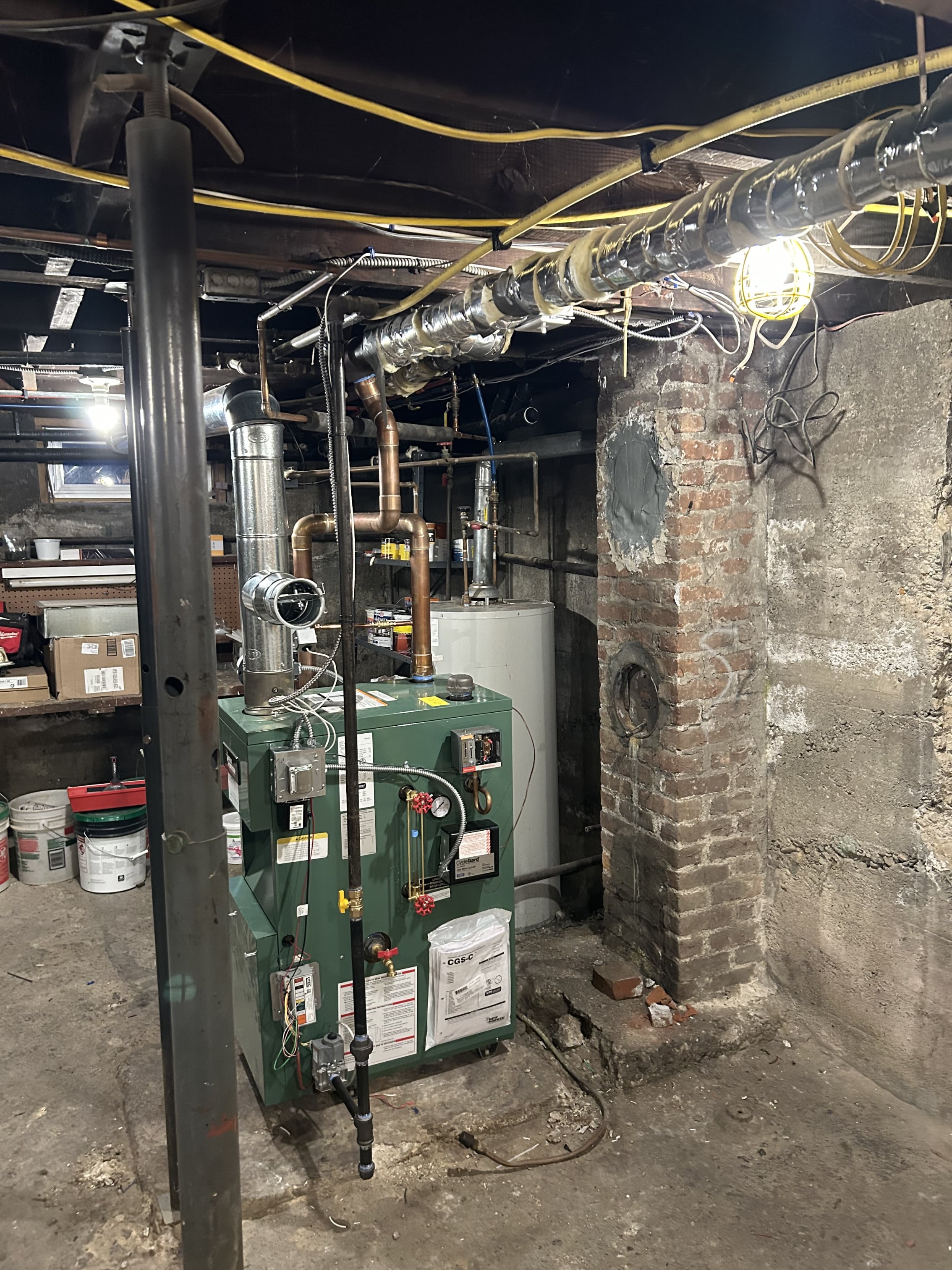
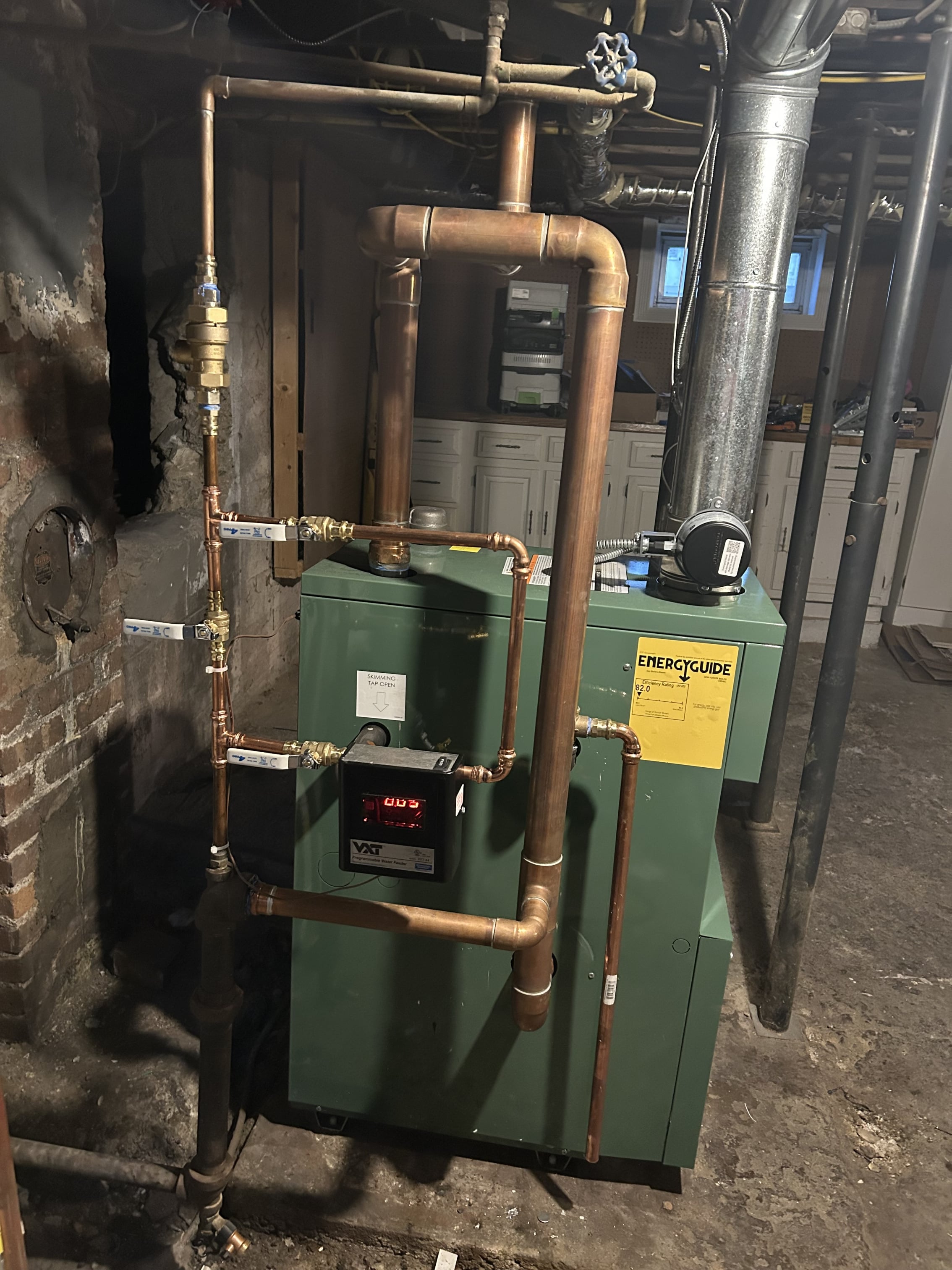
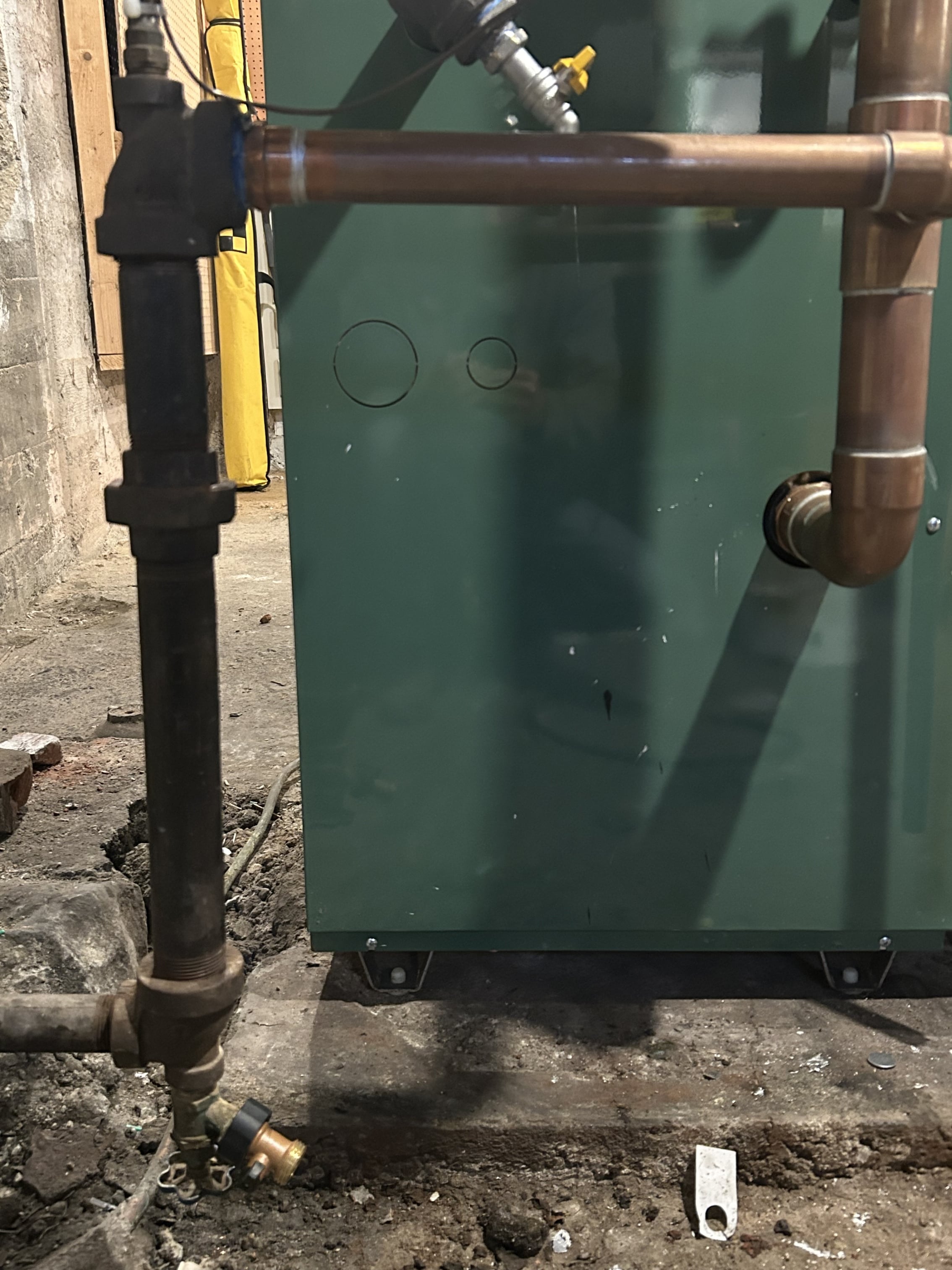
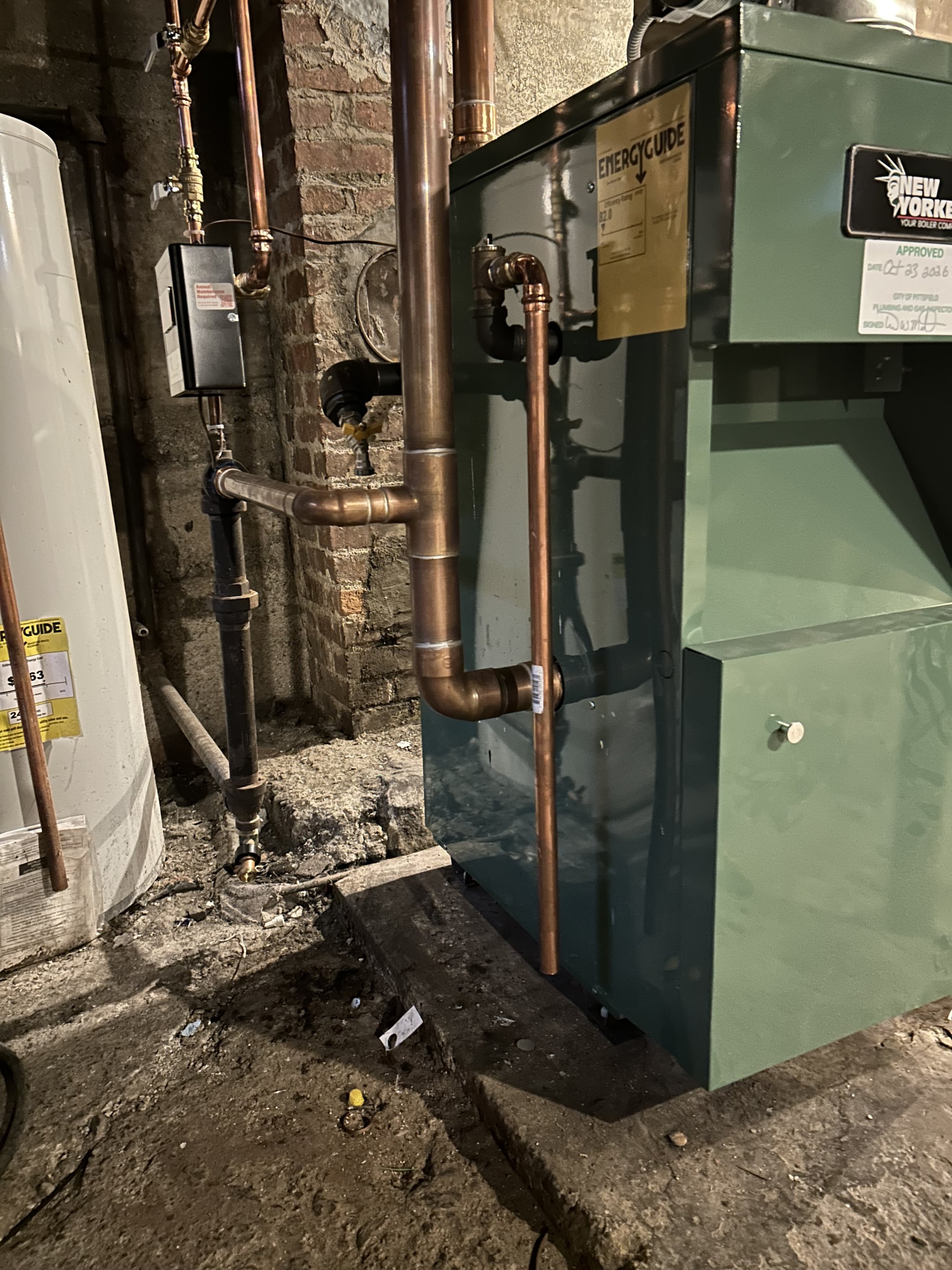
Post some pics of the boiler and piping from 8-10' back
How it the boiler water level when steaming?
Steady? or moving up and dow? How much is it moving?
0 -
How it the boiler water level when steaming?
Steady? or moving up and dow? How much is it moving?
I'm really interested in these answers too, but the position of the main vent is horrible. I can't quite tell the angle of the elbow that it's drilled into there, but it's not good.
I'm not a fan at all of the way your plumber blew you off, but I can't say I'm surprised. The way he dismissed your concern about the main vent makes me very concerned about his installation overall.
You don't need a Gorton #2 on that main. And a D is the same size as their #1 and is enough venting in my opinion…it's certainly enough to start with—save your money. But the location…yeah not great and if it's carrying water over into the main (which happens if the installer didn't "skim" the boiler), then that is hurting you too which is why Ed asked about the water level.
NJ Steam Homeowner.
See my sight glass boiler videos: https://bit.ly/3sZW1el0 -
I agree with the above comments. Additionally, I would not mind seeing a Gorton #2, however with the 1/8" tapping being a restriction a Gorton #2 may be a waste of money unless you plan to upgrade / change the tapping into the steam main and venting piping also. Where the tapping is now the elbow material may be too thin for the coarser threads of larger pipes. You could put another 1/8" tapping and use a second Gorton D.
Some folks claim that street fittings are more restrictive than a close nipple and a 45 or 90. You don't want more restriction, the 1/8" tapping is already restrictive enough. The only benefit I see of transitioning to larger pipe is it may make it harder for the water to raise up in it. I'd probably only go with 1/4" pipe to raise the vent up a bit and retest with the Gorton D. There may be other issues as mentioned above.
I'd also time the steam propagation from the boiler's header to the end of the main with the main still warm.
Can't see it real well, but I think I'm not a fan of the near boiler piping.
Also
 National - U.S. Gas Boiler 45+ Years Old
Steam 300 SQ. FT. - EDR 347
One Pipe System0 -
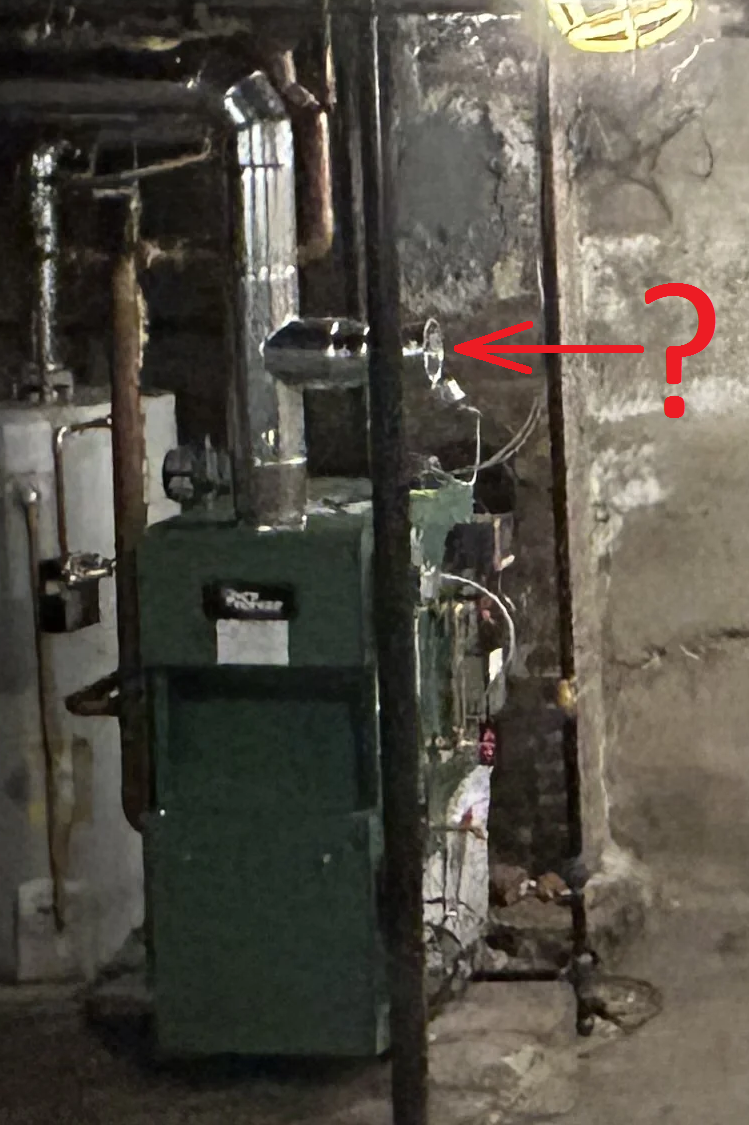
Yikes- that draft regulator does not belong on an atmospheric boiler.
40 feet of 2-inch pipe? I'd use a Gorton #2.
Where are you located? We might know someone who can help you……………….
0 -
If it wasn't clear from previous responses, the spitting may not be due to the vent or location, though that isn't helping. If the near boiler piping isn't correct or the boiler wasn't skimmed, then you would be getting excess water into the main where it doesn't belong and that may be the primary issue.
Was the boiler skimmed?
Is the near boiler piping correct? (pics of the boiler would help)
I agree with Paul the contractor blowing you off is a bit suspect, they basically turned down money to do more work. Strange position to take and makes me worry about the other work done. And as stated above, that draft regulator doesn't belong there and is nuts it was added needlessly.
 1
-
At this point I think the spitting vent is a clue to larger issues and may be a minor problem by itself.
1 -
This is a concern of mine as well. When I open the valve at the very bottom of the wet return, I get clear water but the stream is about the size of a pencil.
0 -
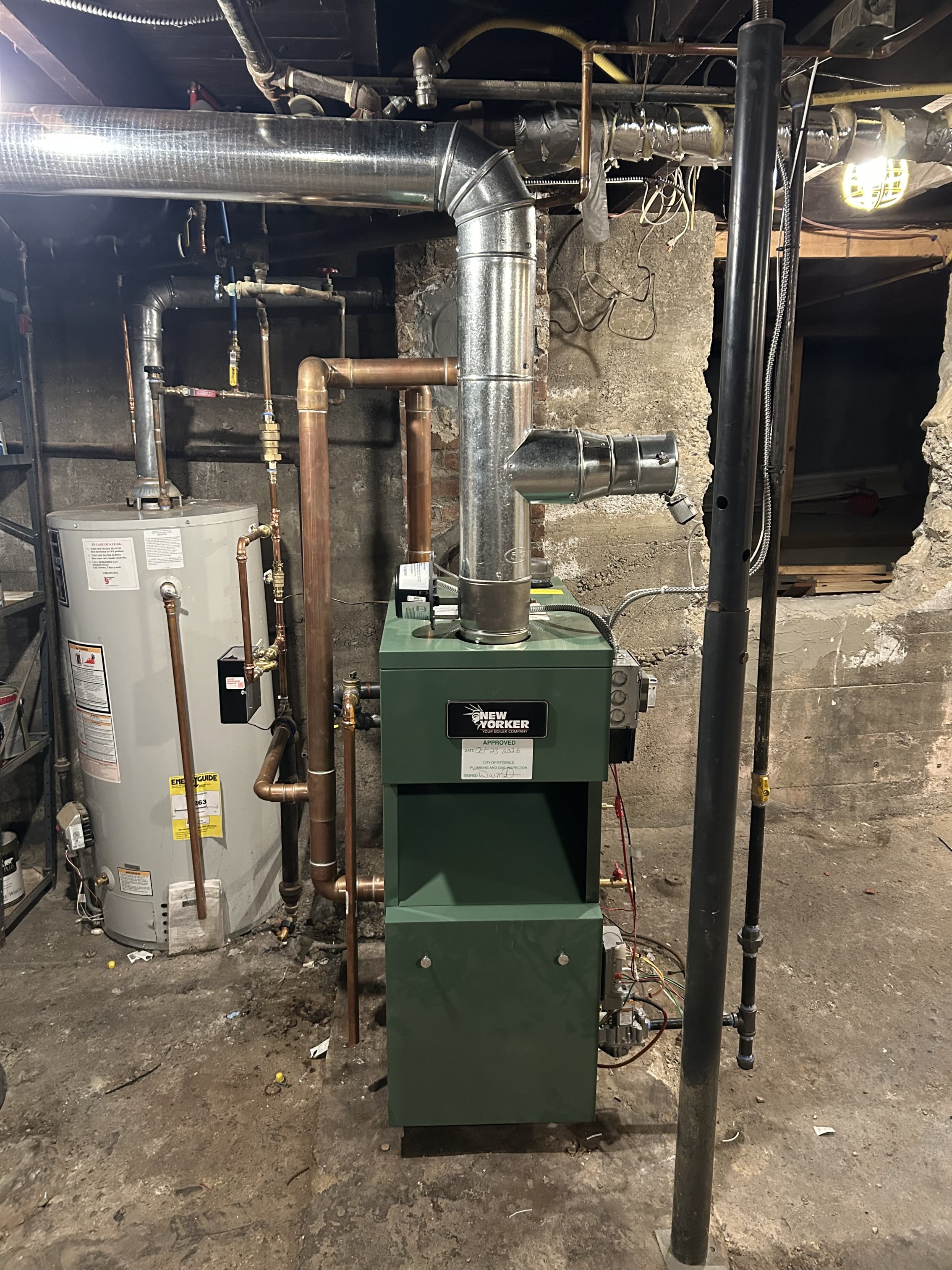
I’ve attached some pics of when the boiler is running, and from 8’ to 10’ back. Let me now if the pics are sufficient or if you’d like to see anything else. I put the tape around the site glass is to mark where the water level sits when the boiler is cold.
Also, the boiler is power vented out of the side wall. I assume that’s why the draft is placed in that location.
I’m not sure if they skimmed the boiler. I doubt it judging by other faults I’m seeing. I will ask him and get back to you on that.
As far as the water level while steaming, it drops all the way down in the site glass while steaming. When the boiler shuts off it returns to where I placed tape. The boiler does a need a little bit of water after several cycles to return to that mark (I assume because of the water splashing out of the main vent each cycle).
Thanks for your prompt reply and help.
 0
-
I want to add that the boiler is power vented through the side wall.
0 -
In that case, check to see if the instructions for the power venter say to use that draft regulator.
0 -
I think I see at least one problem: the takeoff from the header to the steam main is horizontal rather than vertical, as it should be. This means that any water that comes up with the steam can flow into the steam main takeoff rather than back down the equalizer as it should.
The Hartford Loop is too long also. This can causer banging.
0


Categories
- All Categories
- 87.9K THE MAIN WALL
- 3.3K A-C, Heat Pumps & Refrigeration
- 60 Biomass
- 430 Carbon Monoxide Awareness
- 134 Chimneys & Flues
- 2.2K Domestic Hot Water
- 6K Gas Heating
- 124 Geothermal
- 170 Indoor-Air Quality
- 3.9K Oil Heating
- 80 Pipe Deterioration
- 1.1K Plumbing
- 6.7K Radiant Heating
- 397 Solar
- 16.1K Strictly Steam
- 3.5K Thermostats and Controls
- 56 Water Quality
- 51 Industry Classes
- 52 Job Opportunities
- 18 Recall Announcements