Williams Vented Room Heater 3501522A will not ignite main

Hi all,
I'm a homeowner who had a garage furnace installed maybe 5-6 years ago. It has never really worked properly, never igniting at the right time even when it's freezing cold. I kind of put up with it for a while because I really didn't like the installer. I tried fixing it a few years ago and managed to do so by bypassing the vent safety switch with an alligator clip which would allow it to come on. But last year that stopped working too. I'm determined to get this working though, at least if it costs less than just replacing it with an electric one. My main problem has never being able to find any sort of help on the internet for how to fix this, mostly because the manual doesn't once in the entire manual refer to the thermopile as a thermopile, it calls it a generator. A few weeks ago I found a video and it called it a thermopile. and then I found this forum today!
anyway
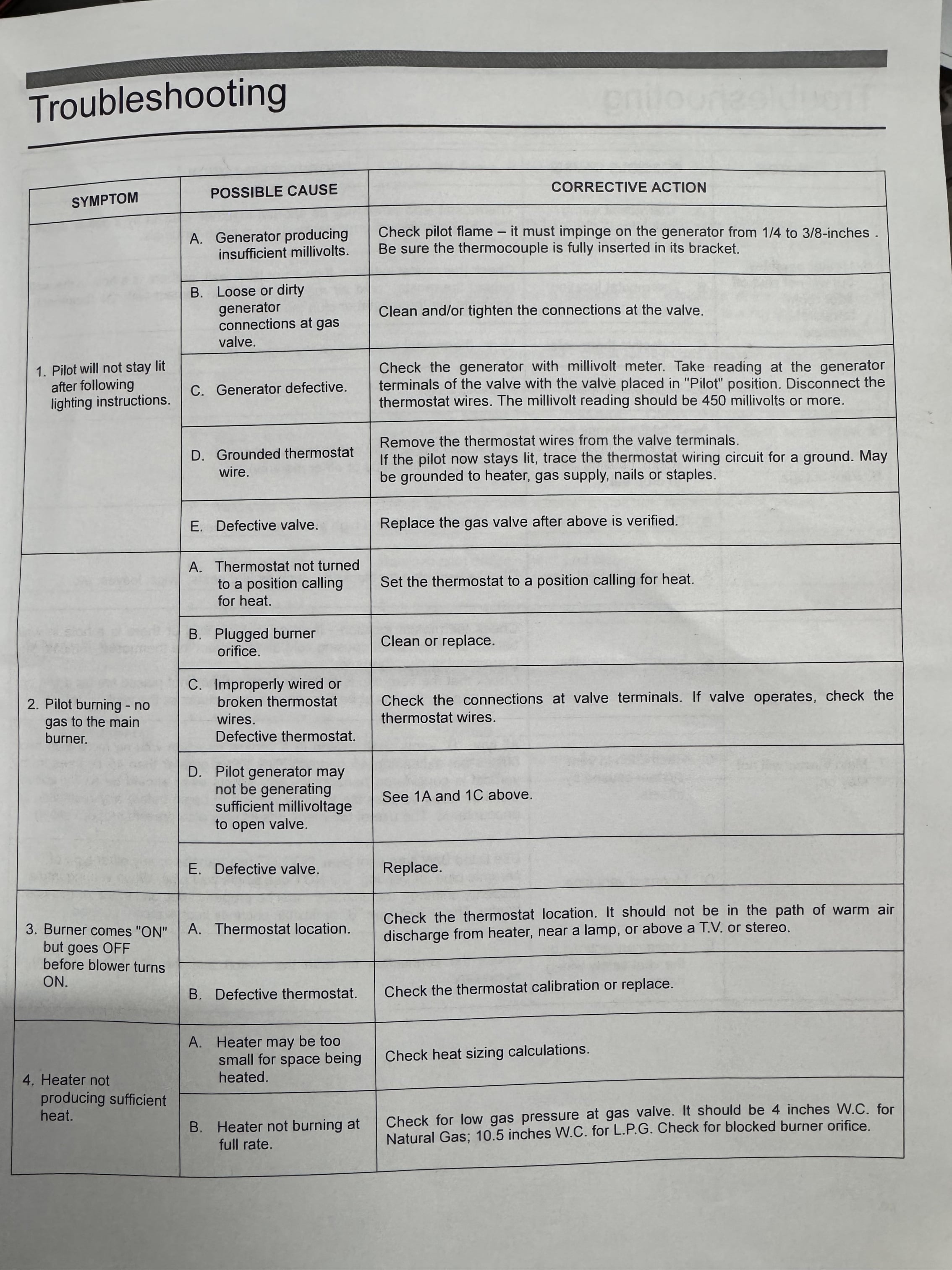
This time around I thought it was the thermopile because I measured at the terminals per the manual and it read at 400mv, so I ordered several new thermopiles and lo and behold those also didn't work. I have been laying on the garage floor for hours testing out different things according to the troubleshooting guide in the manual and then finally found this forum after more searching. I have read over several threads about thermopile systems vs thermocouple systems and that thermopile is different than powerpile and I've also looked over the manual.
I went through and took measurements for everything except pull in, I do not understand how to do this at all, especially since the burner won't light at all.
Measurement | mv | notes |
|---|---|---|
Open circuit | 750 | tested with all three of the thermopiles I have now |
Closed Circuit (per manual, meaning thermostat wires disconnected, but thermopile wires connected to valve body) | 417 | consistent, but goes down if I change flow rate grub screw |
Closed Circuit Thermostat Jumped | 157 | consistent |
Measurement at thermostat with thermostat disconnected | 417 | 0 mv drop across wire (thermostat wire is only about 10ft long) |
Drop out | 67 | |
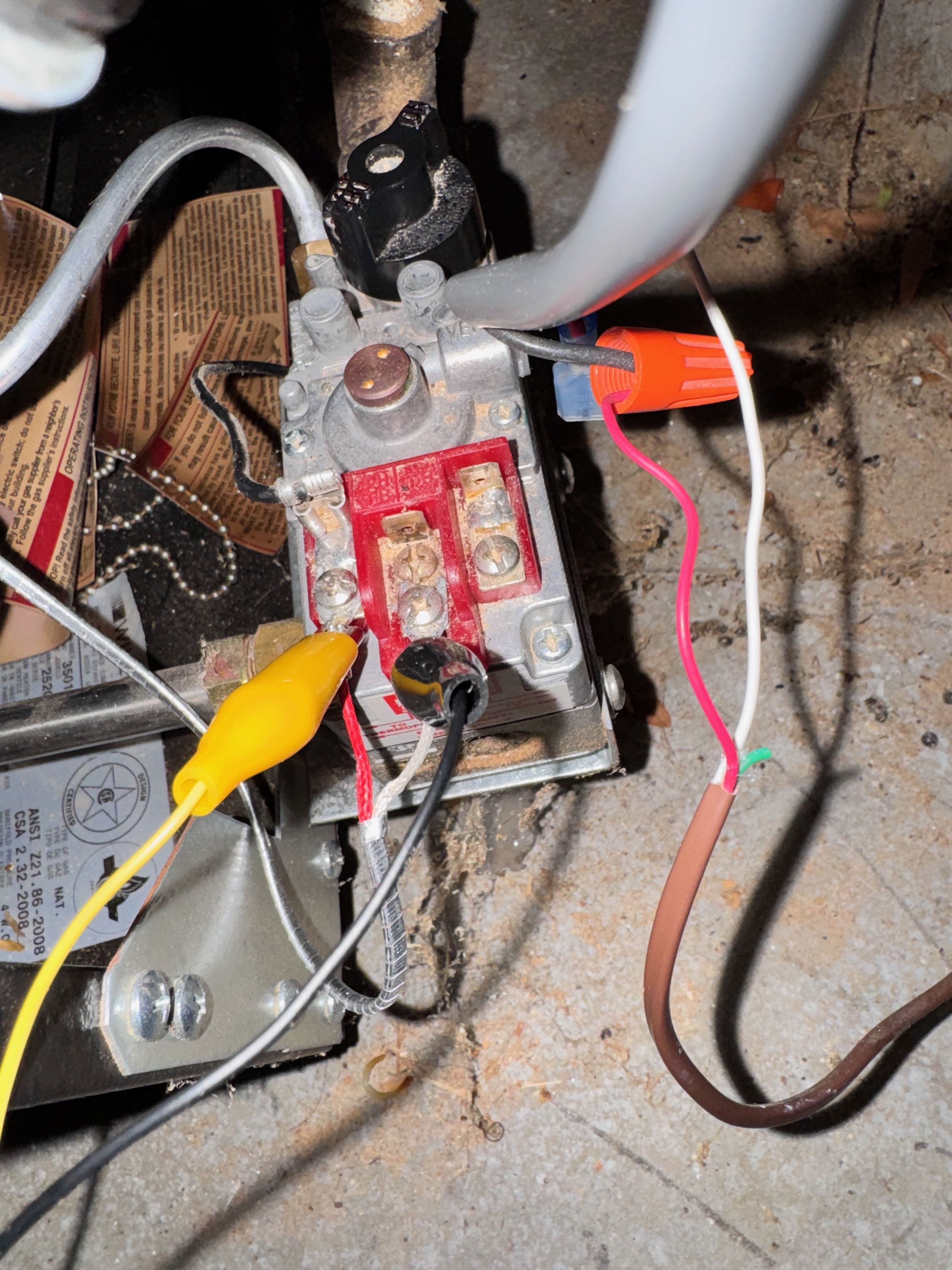
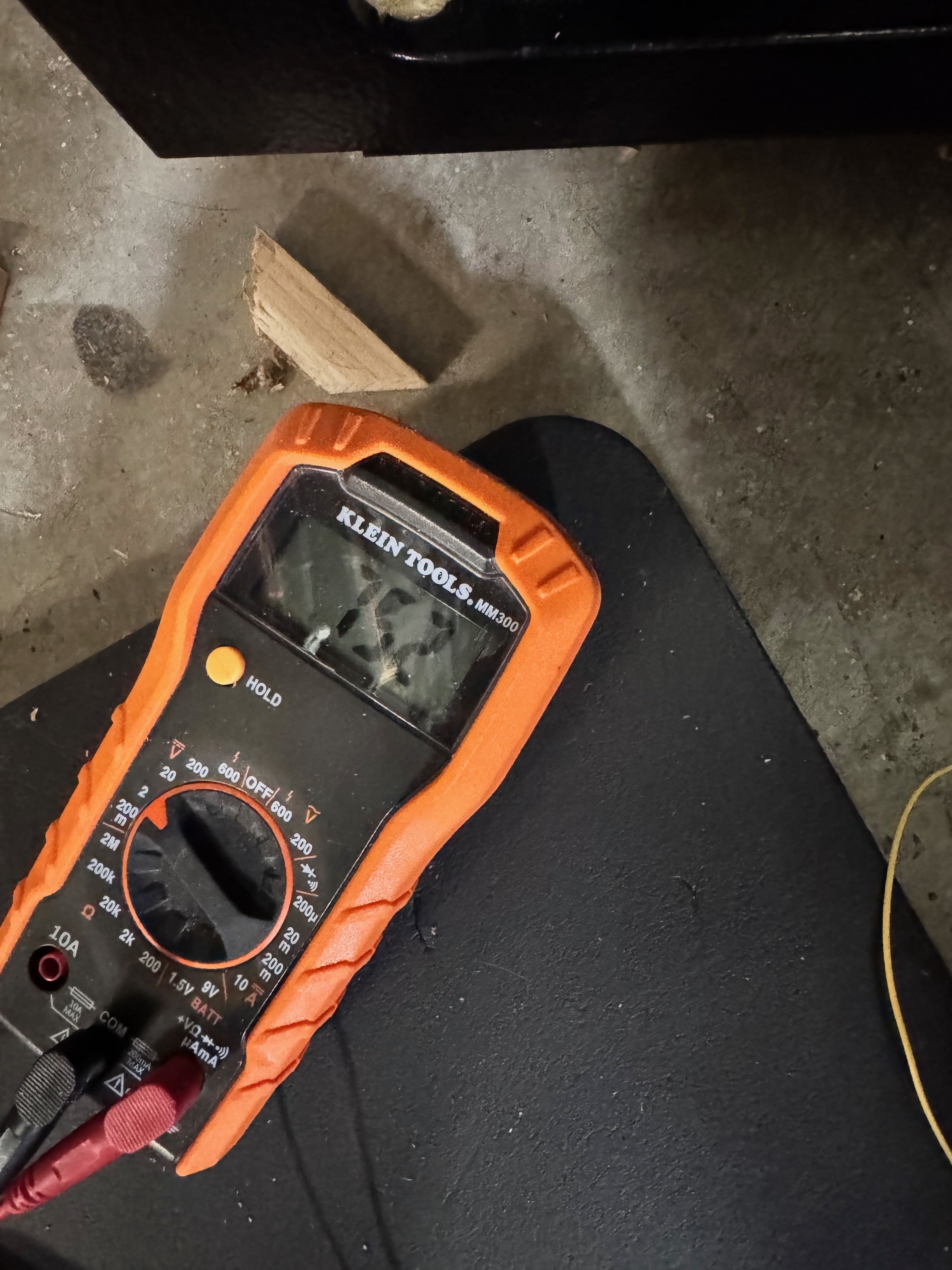
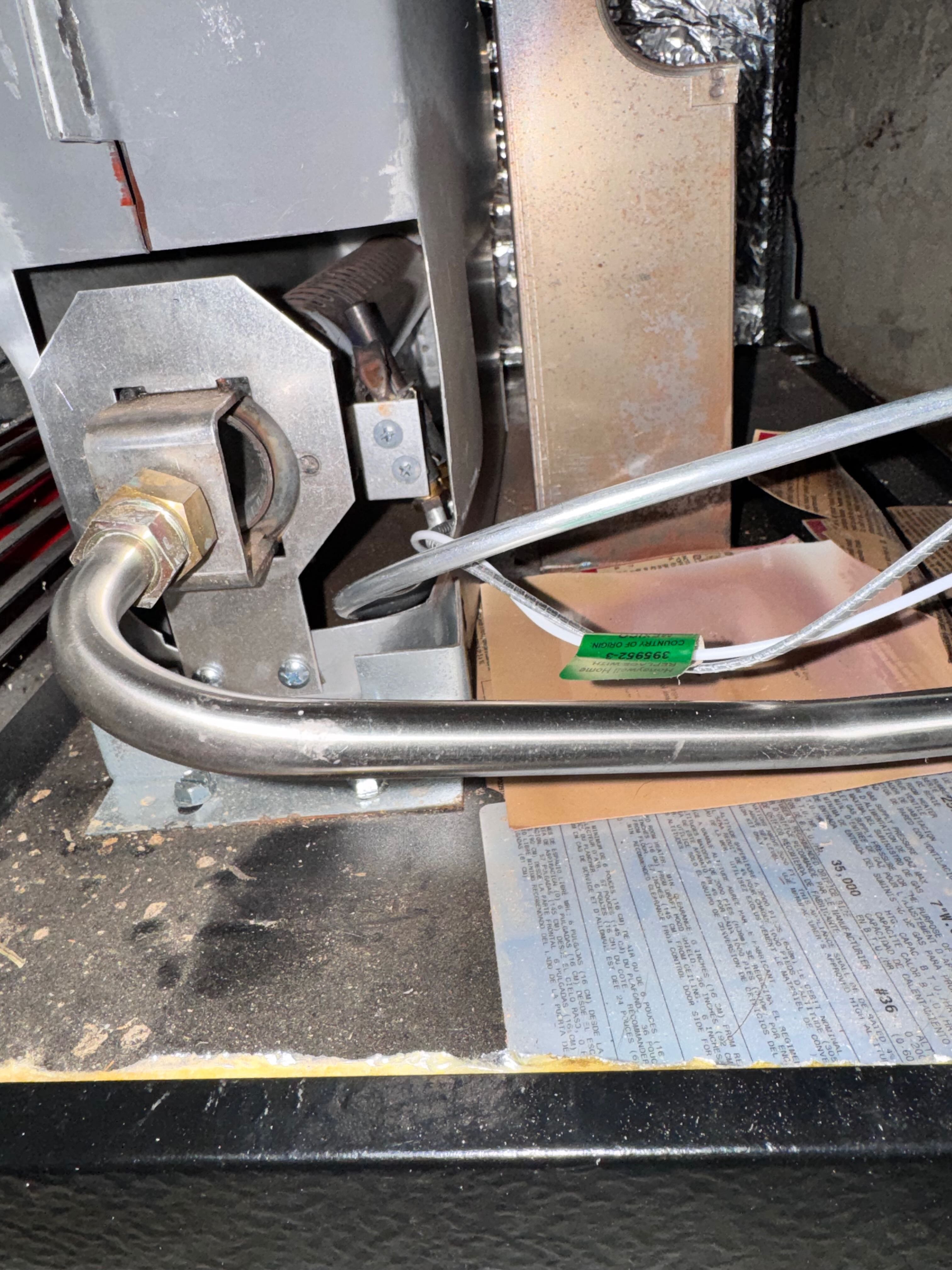
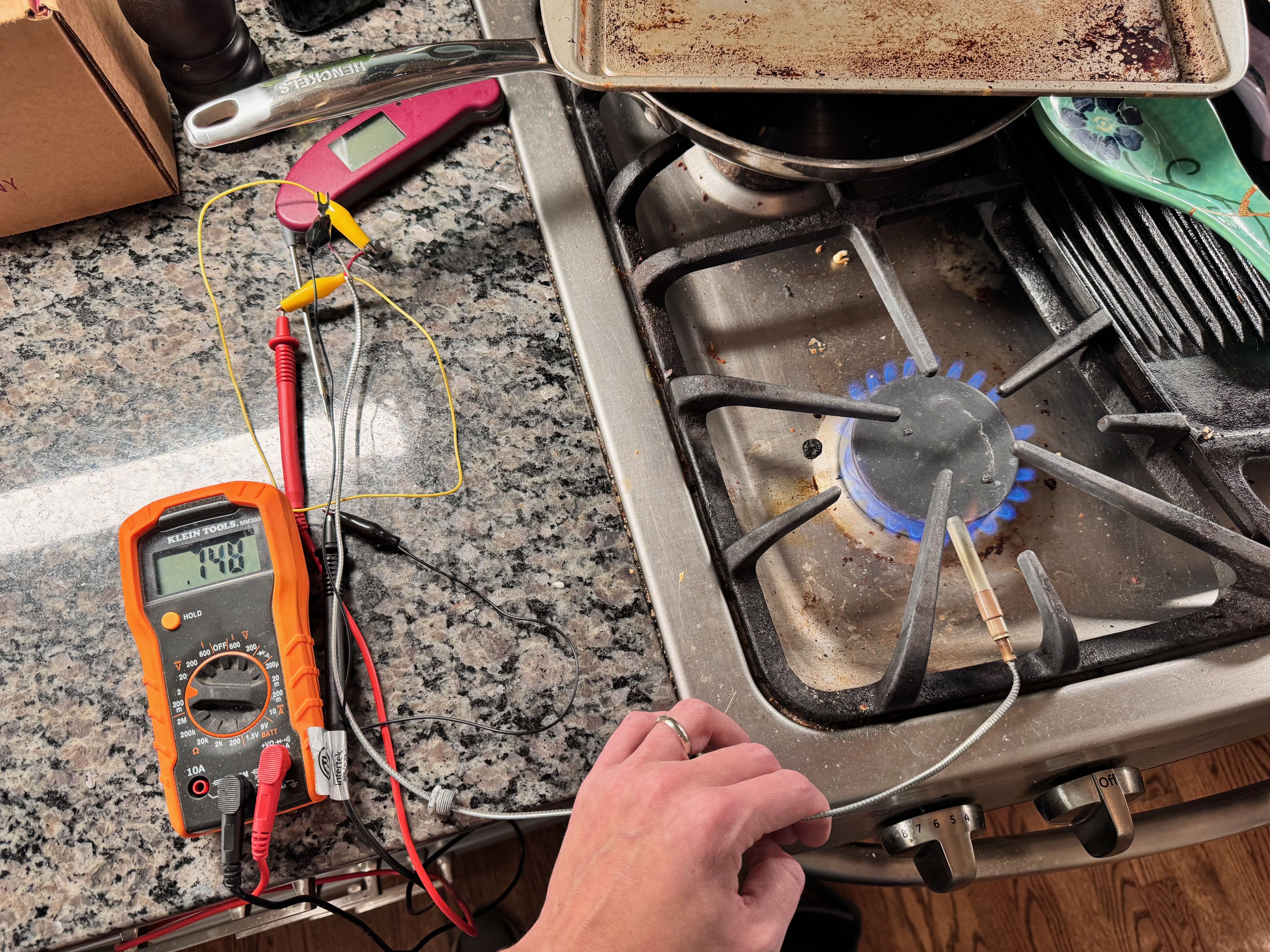
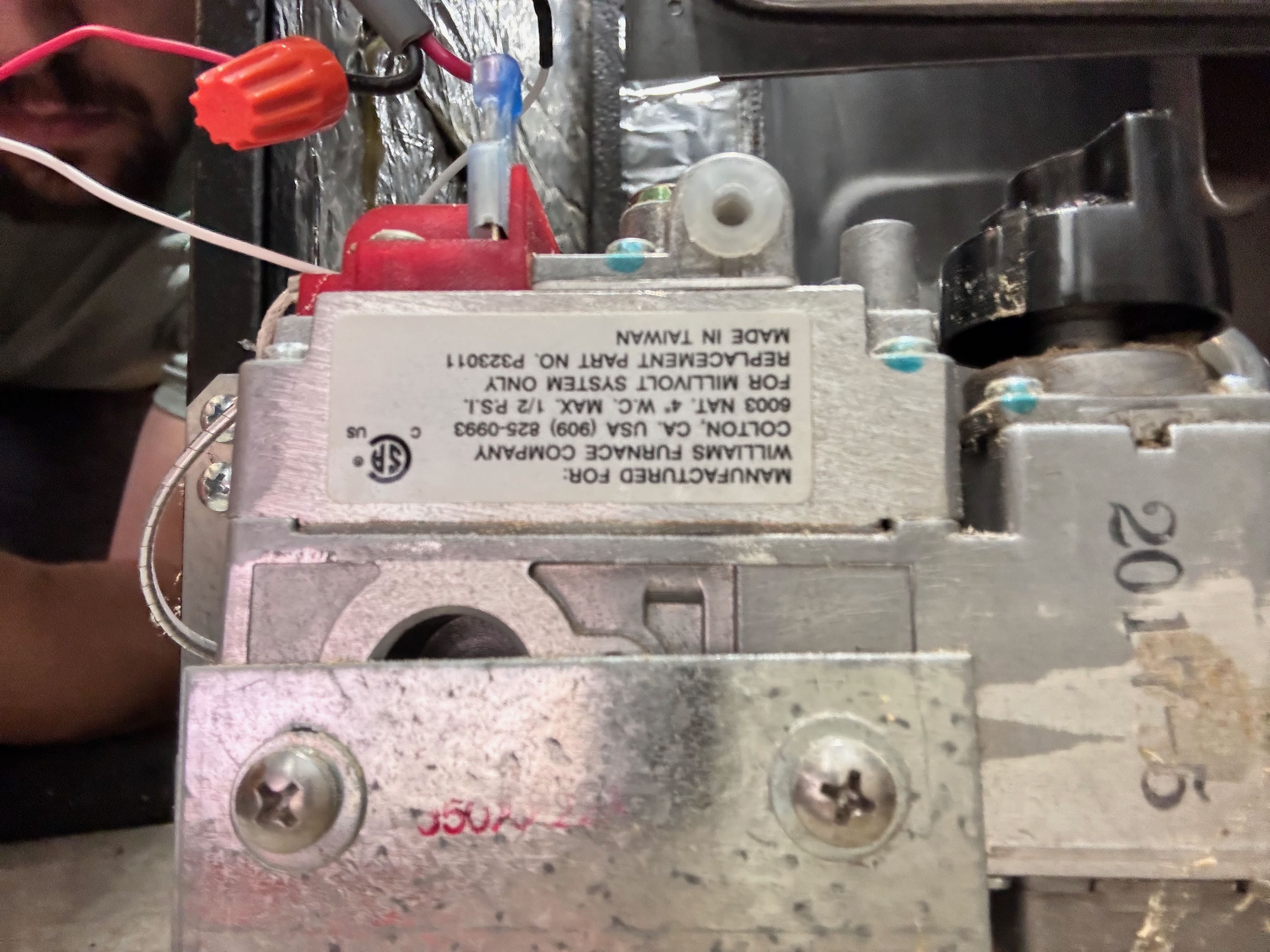
I also took a video showing the clicking when jumping the terminals, but apparently I can't upload a video.
Comments
-
-
Try this.
You should only cautiously jump safeties when you are testing. Don't leave any unit running with any safety jumped. You mentioned jumping the vent switch. Bad move
0 -
Hi Ed, that's the same troubleshooting guide I linked in my initial post above. I followed that exact guide and posted the results. I'm out of ideas and the pdf doesn't say what to do if none of that works. And also like I said, I do not know how to test pull in if the furnace will not light.
And yes, I understand the safety jump was dangerous, but the furnace didn't function at all without it. I have an MSA gas monitor and many many CO monitors so I was monitoring for danger (when it was working).0 -
might be time to measure the manifold and line pressures.
is there a safety valve that has to be reset when the pilot generator/power pile/ thermopile has cooled?
0 -
It would not surprise me if the clip leads are part of the problem. Clip leads like that are usually junk when made. They often strip the wire fold it over then crush the alligator clip tabs around the wire and insulation. Making a very poor connection that does not hold up over time. I would not trust them.
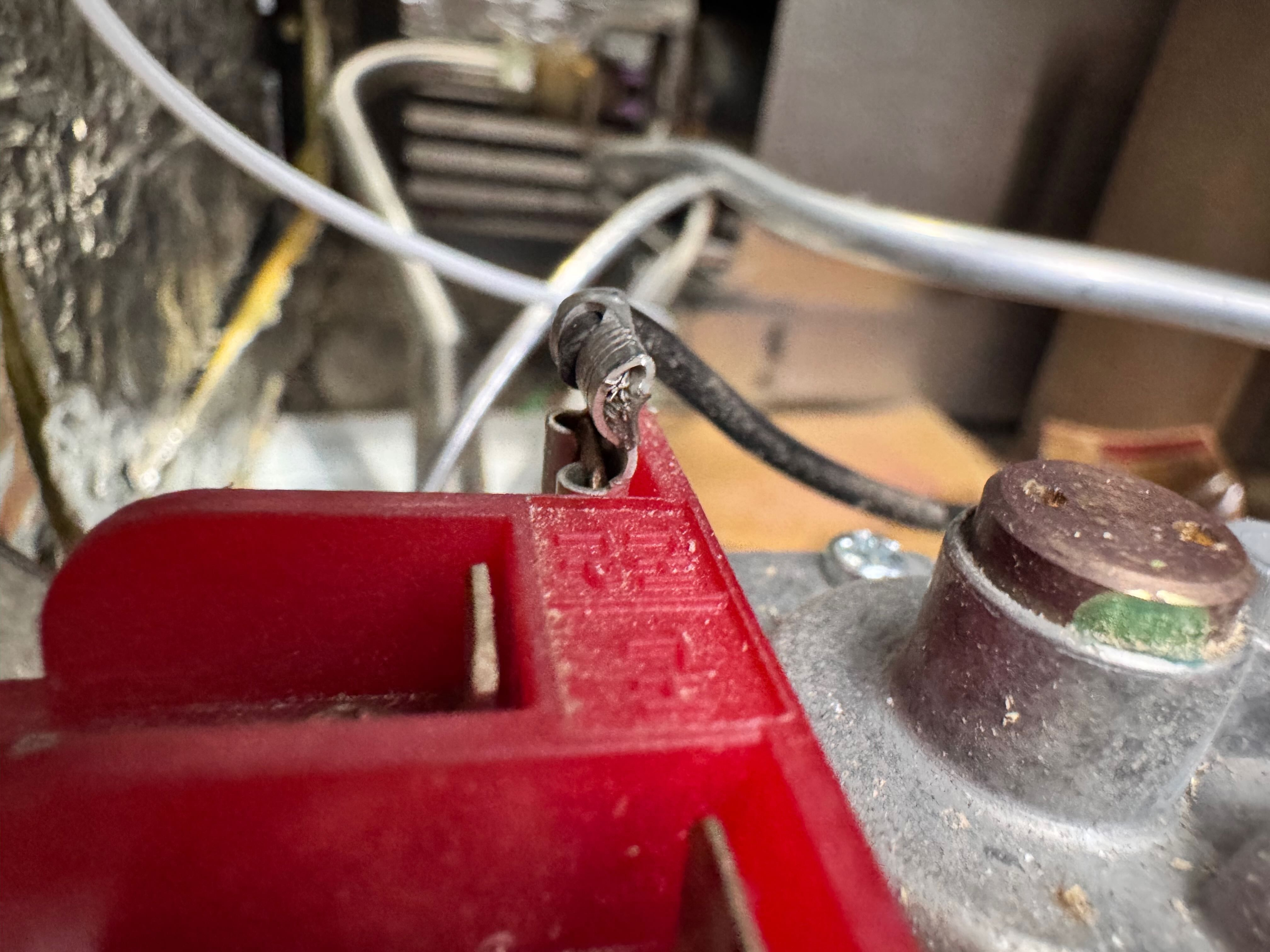
I'd inspect all the connections in the system, especially any crimps, Millivolt systems are very sensitive to poor connections.
You don't really say which symptom you are actually fighting.
As much as that Millivolt.PDF manual is great, it is also confusing. I think you will find ''Pull in" is when the Main Gas valve opens (or tries to), since at that moment is when the most current is drawn from the generator and that would create the most Voltage drop.
National - U.S. Gas Boiler 45+ Years Old
Steam 300 SQ. FT. - EDR 347
One Pipe System0 -
Going back a step or two here. A "powerpile" and a "thermopile" and a "[thermal] generator" are all the same thing — a set of thermocouple junctions sufficient to generate some voltage — in this case around 750 millivolts open circuit.
They also, like a single thermocouple, generate some current. But… not much. Their internal (self) resistance is quite high. However, if all the other connections and wiring are good they can still generate enough current to operate a sensitive coil — such as a millivolt gas valve.
Now. The joker is that "all the other connections and wiring". Somewhere in the circuit from the thermopile around and back there is excessive resistance, leaving too little current to operate the coil.
So… let's start at the beginning. All terminals must be really clean — such as this:Amazon.com: CRC QD Electronic Cleaner - Quick-Drying, No Residue - 11 oz | Electronic Contact Cleaner, Circuit Board Cleaning, Sensitive Electronics, Fast Drying, No Residue. : Industrial & Scientific — on all terminals, and all teminals must be spade or ring type. Wires can be stranded, but not smaller than 18 gauge. All wires must be soldered to the terminals — crimps are OK, but only if they are soldered after crimping. Then we have switches of one kind or another in the circuit. The thermostat much be millivolt compatible; a few modern digital versions are, but by no means all of them (unless it is a mercury bulb type, like the old T87s, my bet is going to be the thermostat, but if it has mechanical contacts and they are really smooth and clean, that works too). Any safeties are suspect until tested. If you have access to the terminals of the thermostat and the various safeties, you can measure the voltage drop across each one when the valve is trying to open — anything more than say 15 millivolts is too much.
There are work arounds for all this — but let's try this first.
Br. Jamie, osb
Building superintendent/caretaker, 7200 sq. ft. historic house museum with dependencies in New England 1
-
I was afraid someone might say that…
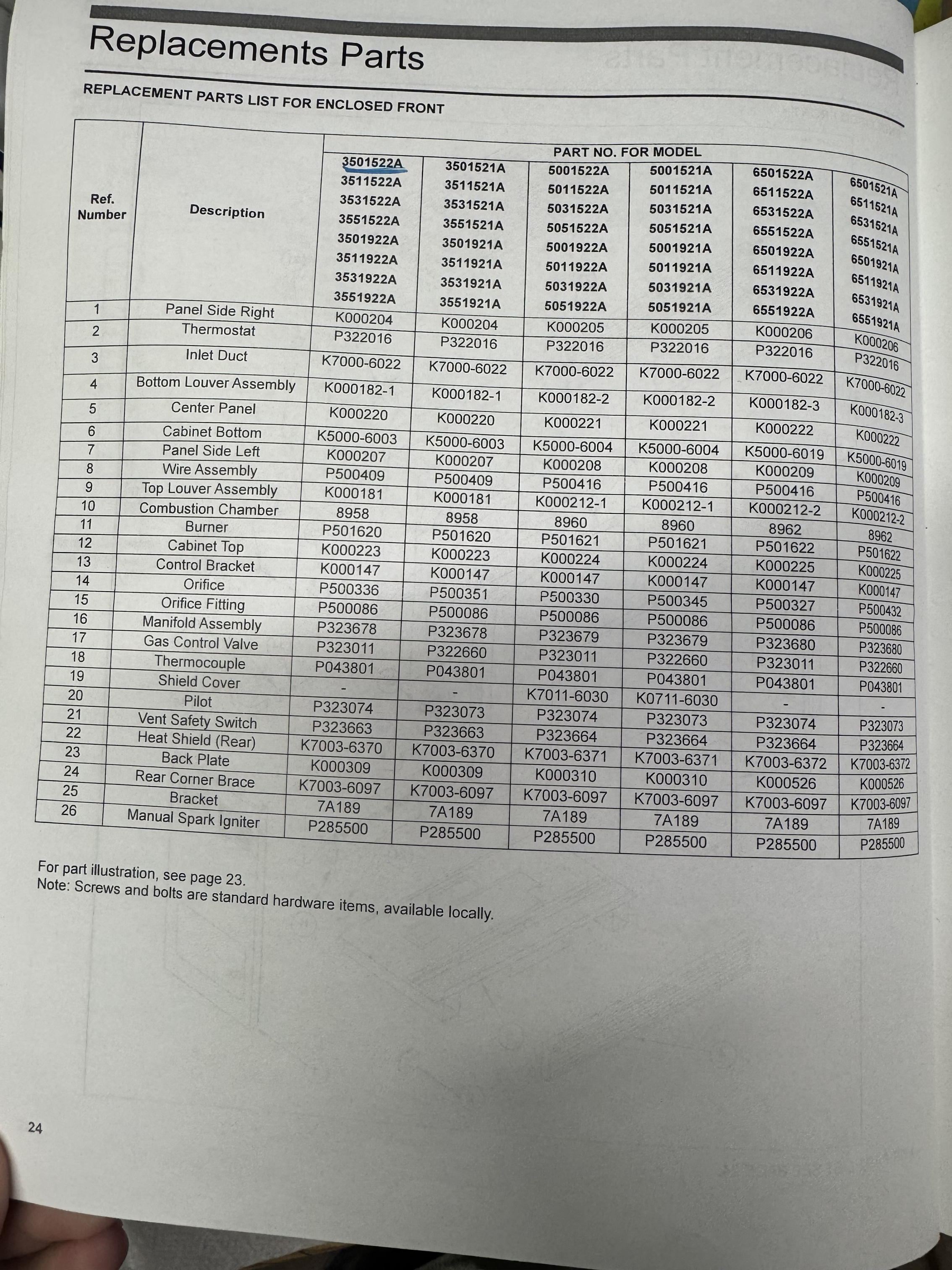
Not sure what kinda safety valve that would be. Here's the exploded diagram from the manual.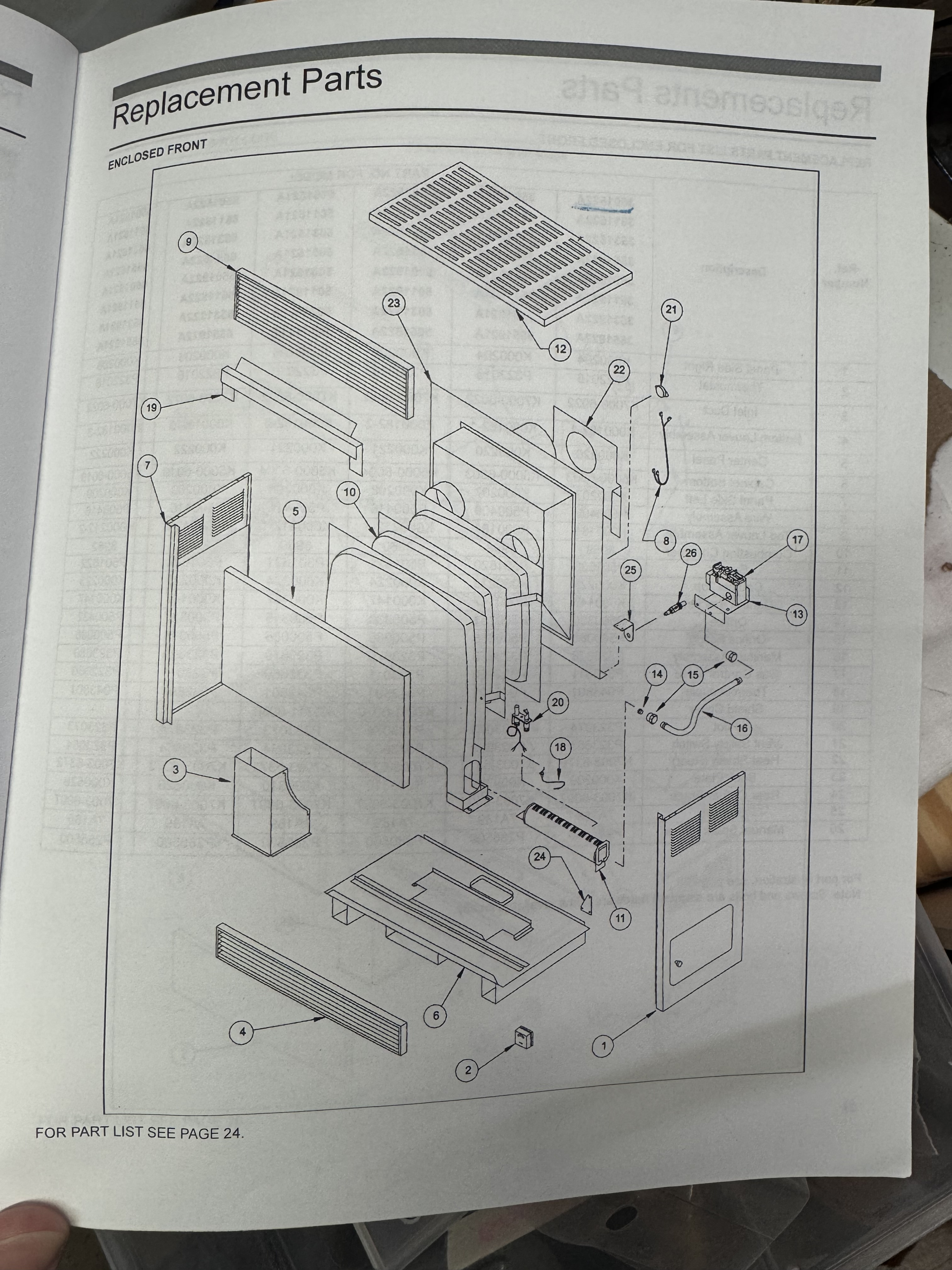
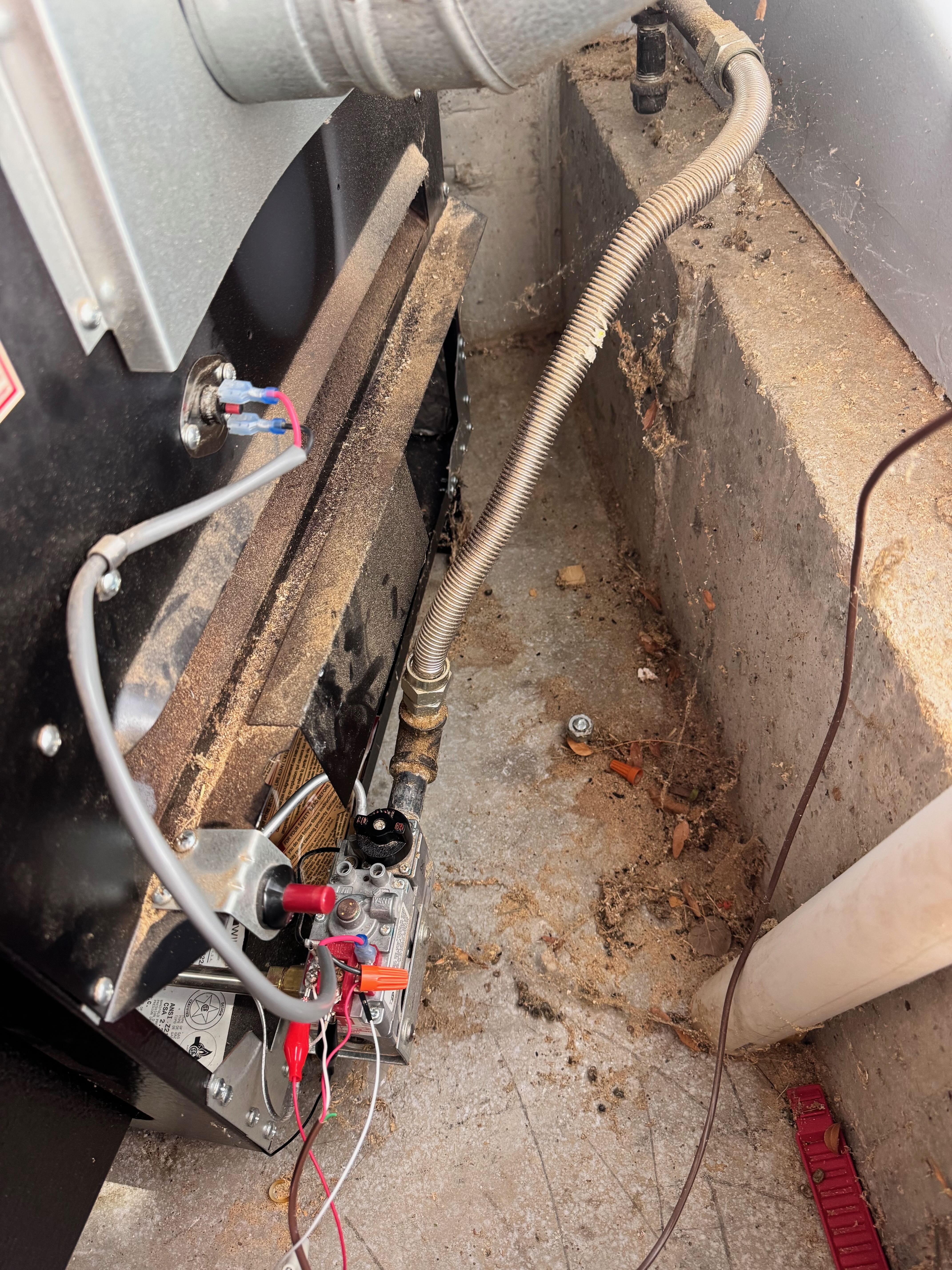
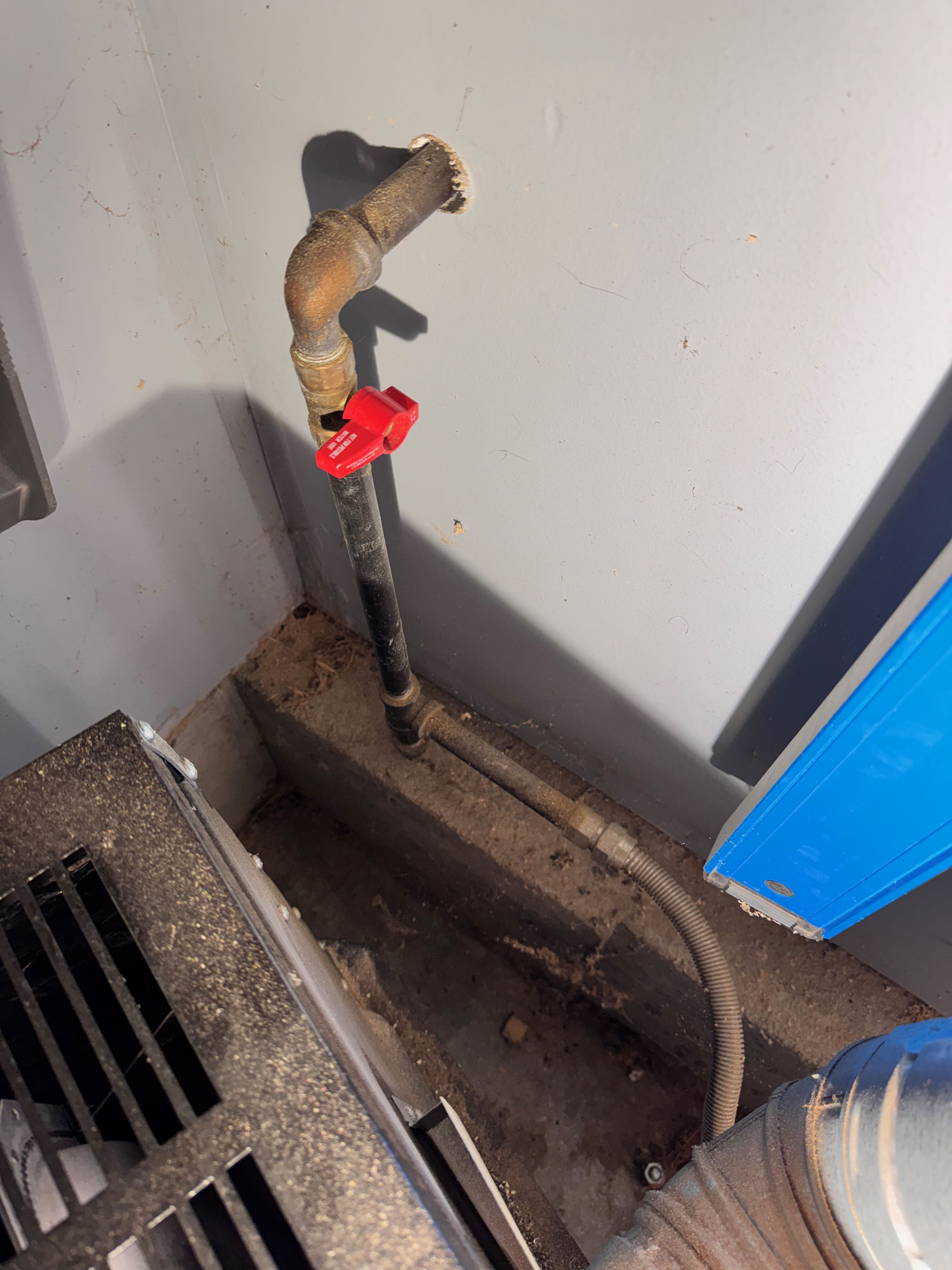
And more photos of the back of the furnace showing the gas line into the house with the shutoff valve and the vent safety switch on the back. The gas meter is directly on the other side of that wall, no more than 1.5 feet away.
I checked all the leads. they all look good. The thermopile/generator leads are soldered, and while the others are just crimped they're not catching any of the insulation.
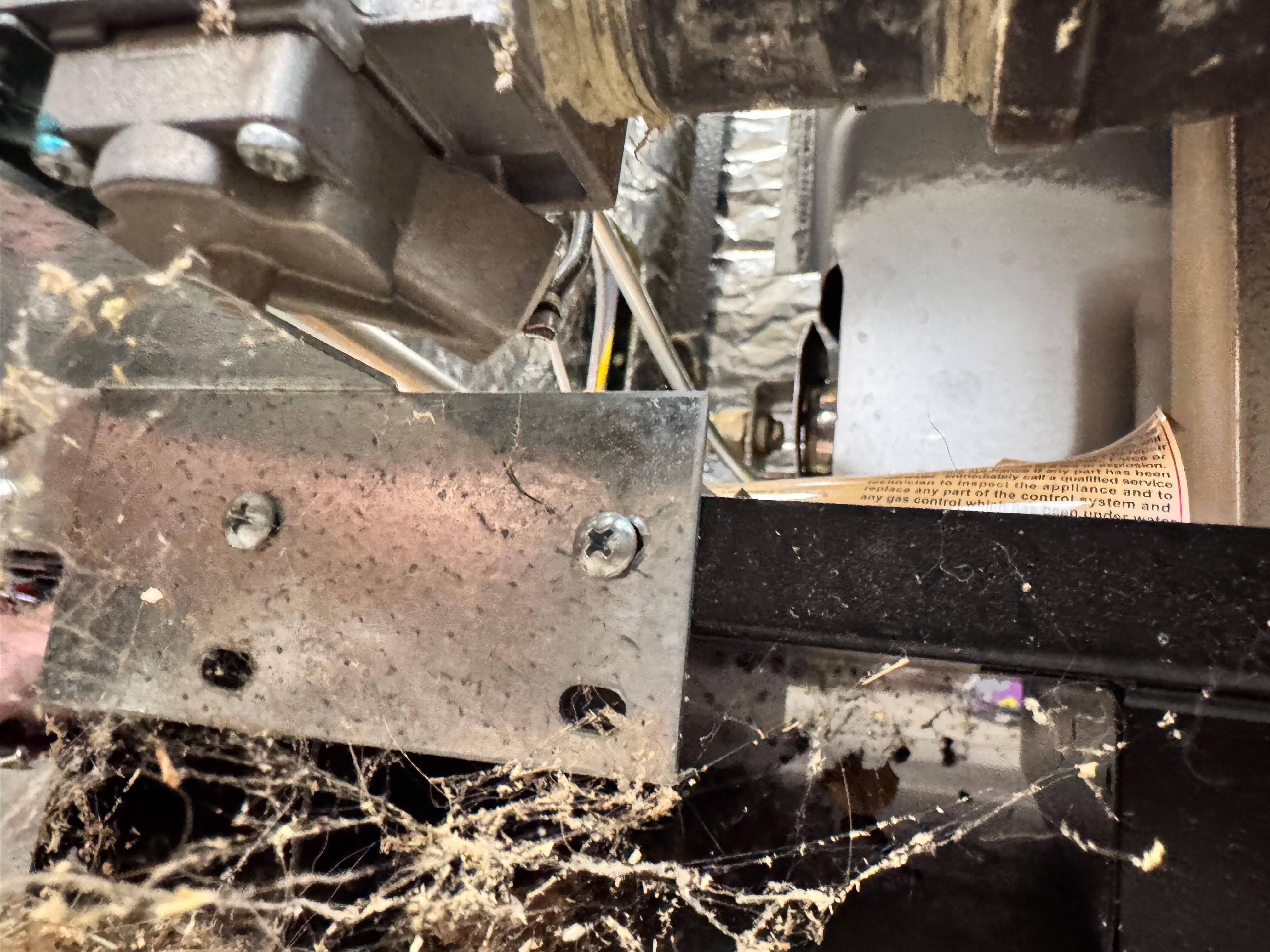
Symptom I'm fighting is that the furnace will not start at all. Not by jumping leads even when holding a torch on the generator.
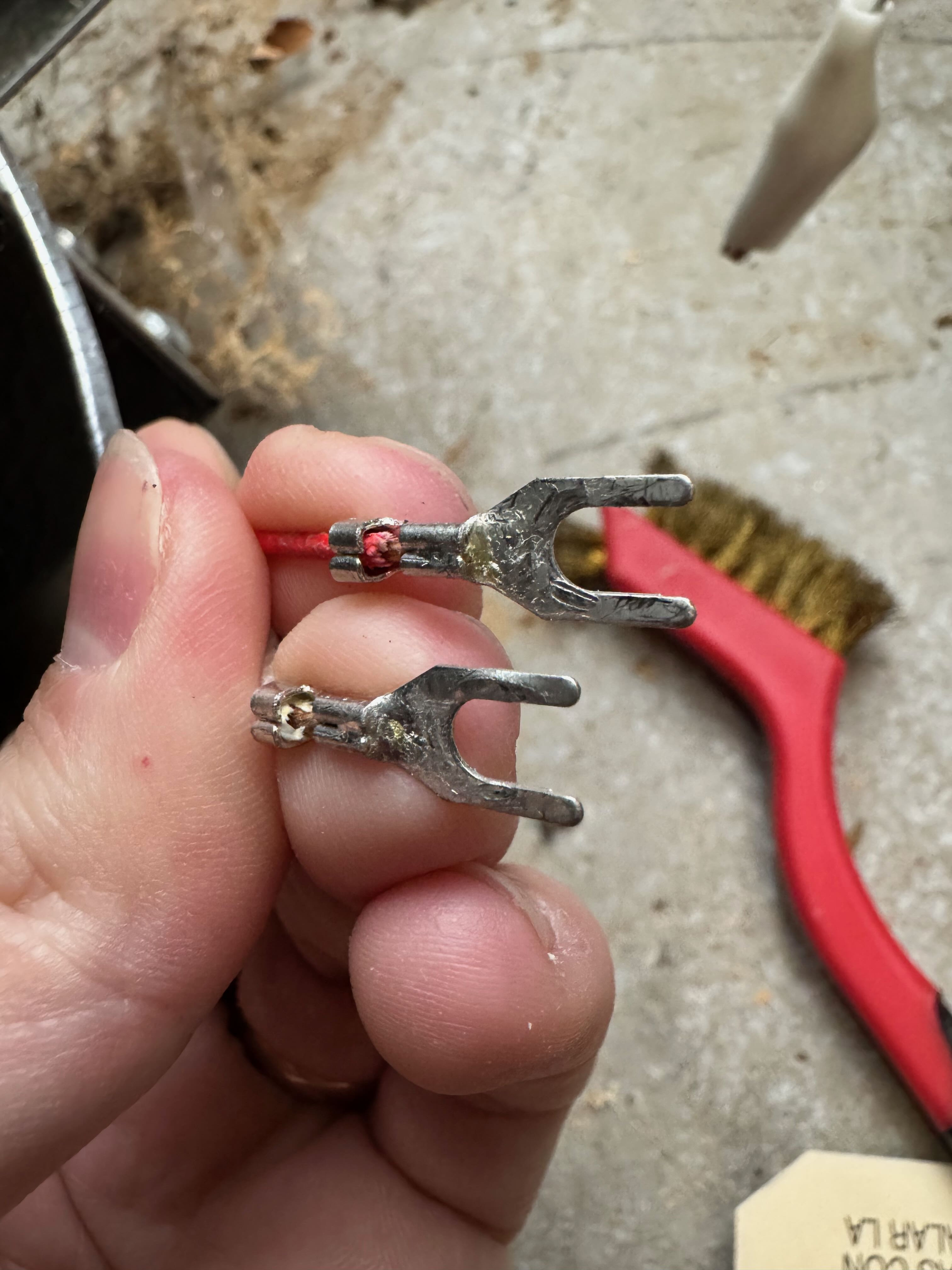
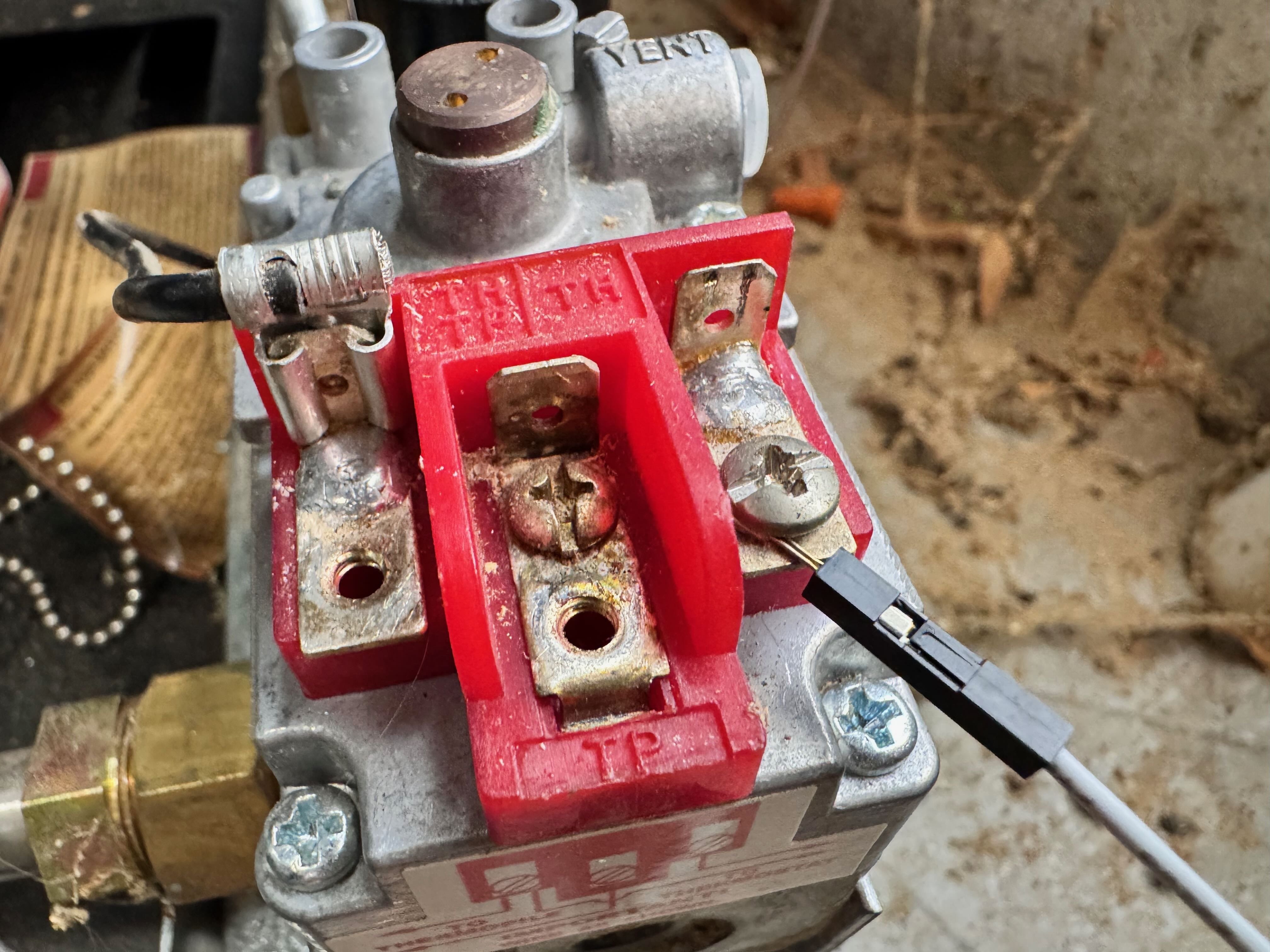
Photo before cleaning:
 Photos after cleaning (I didn't have CRC so I sanded them, result should be the same except on the top left tab I had trouble getting to it.):
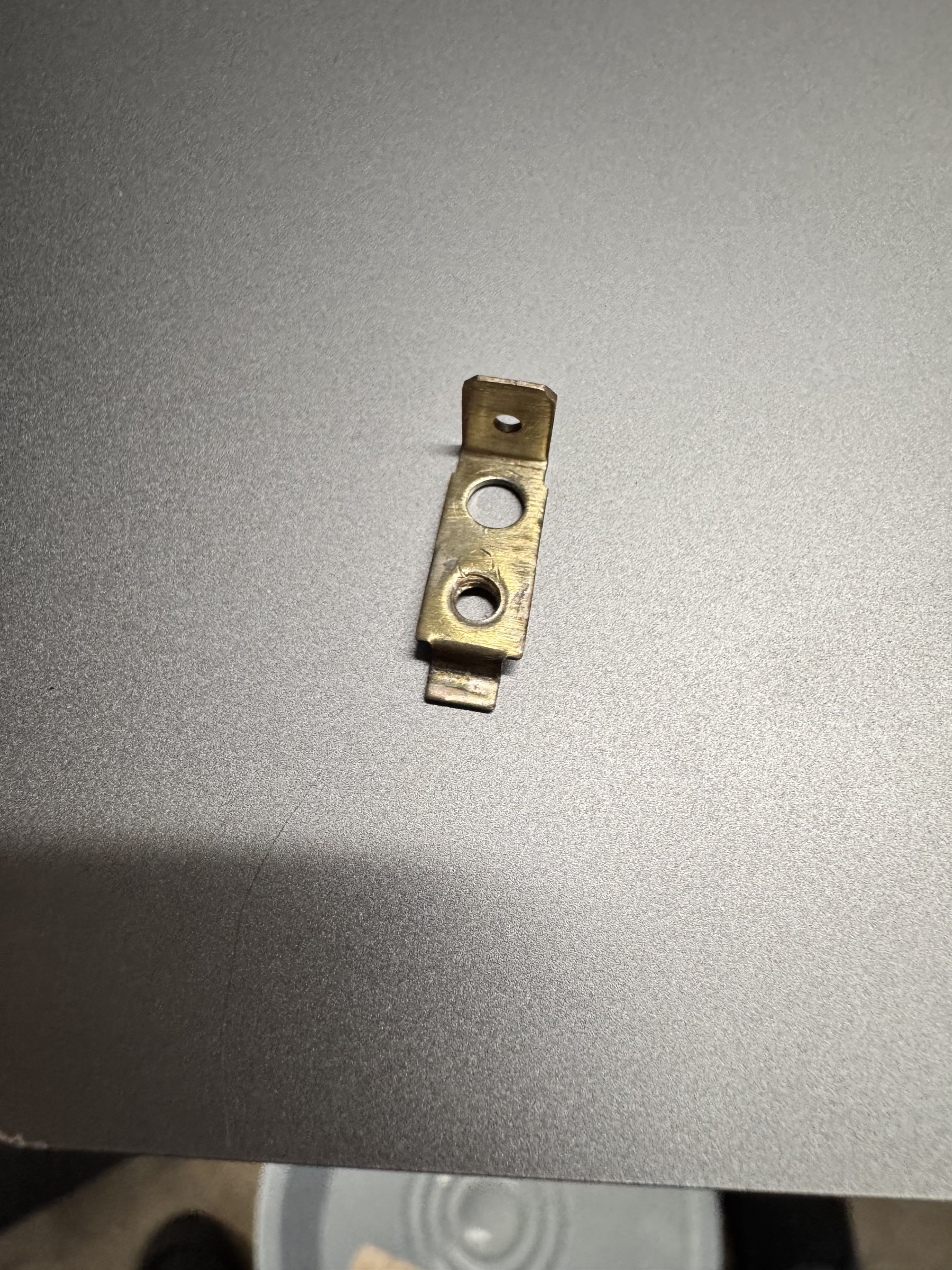
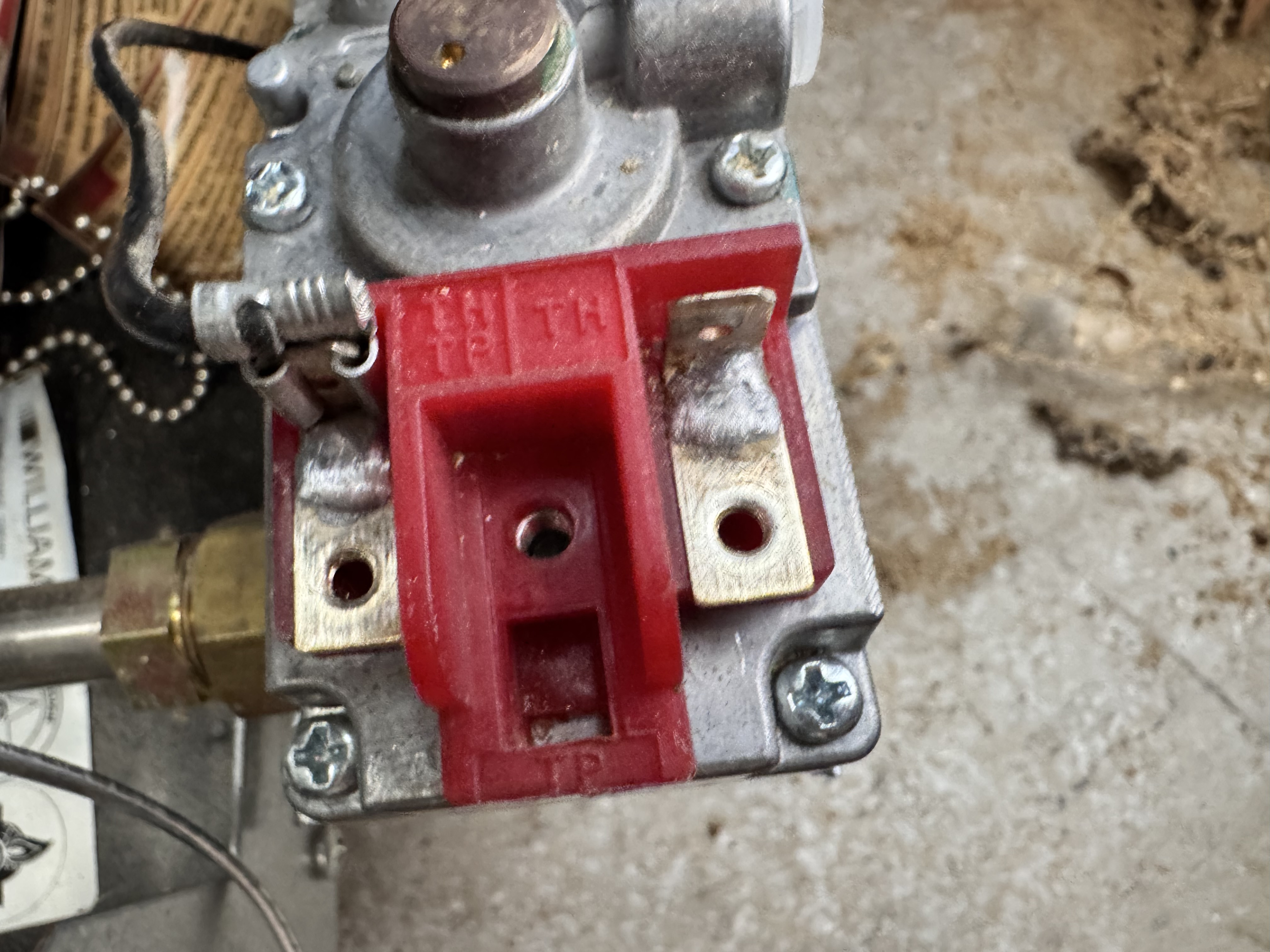
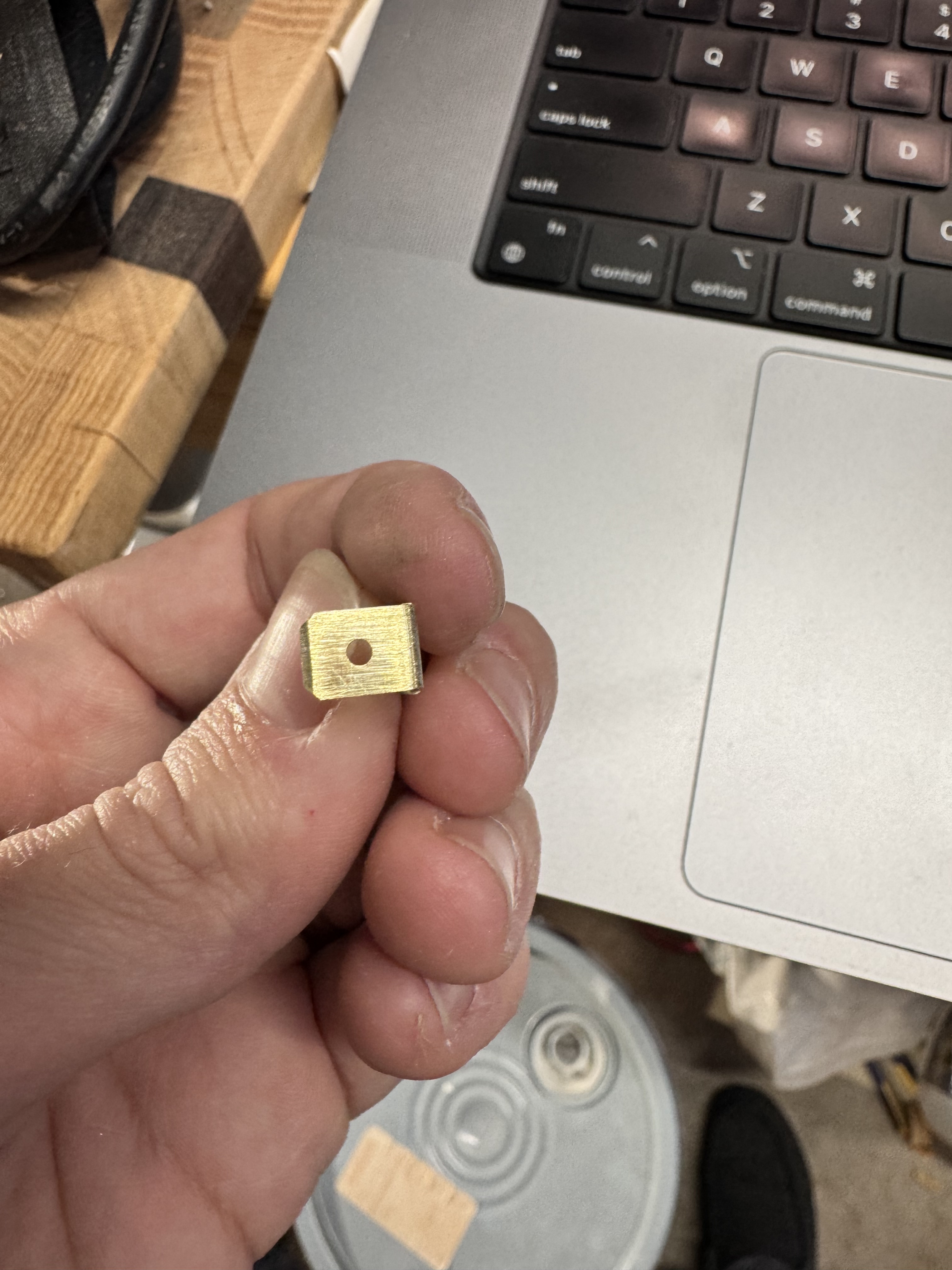
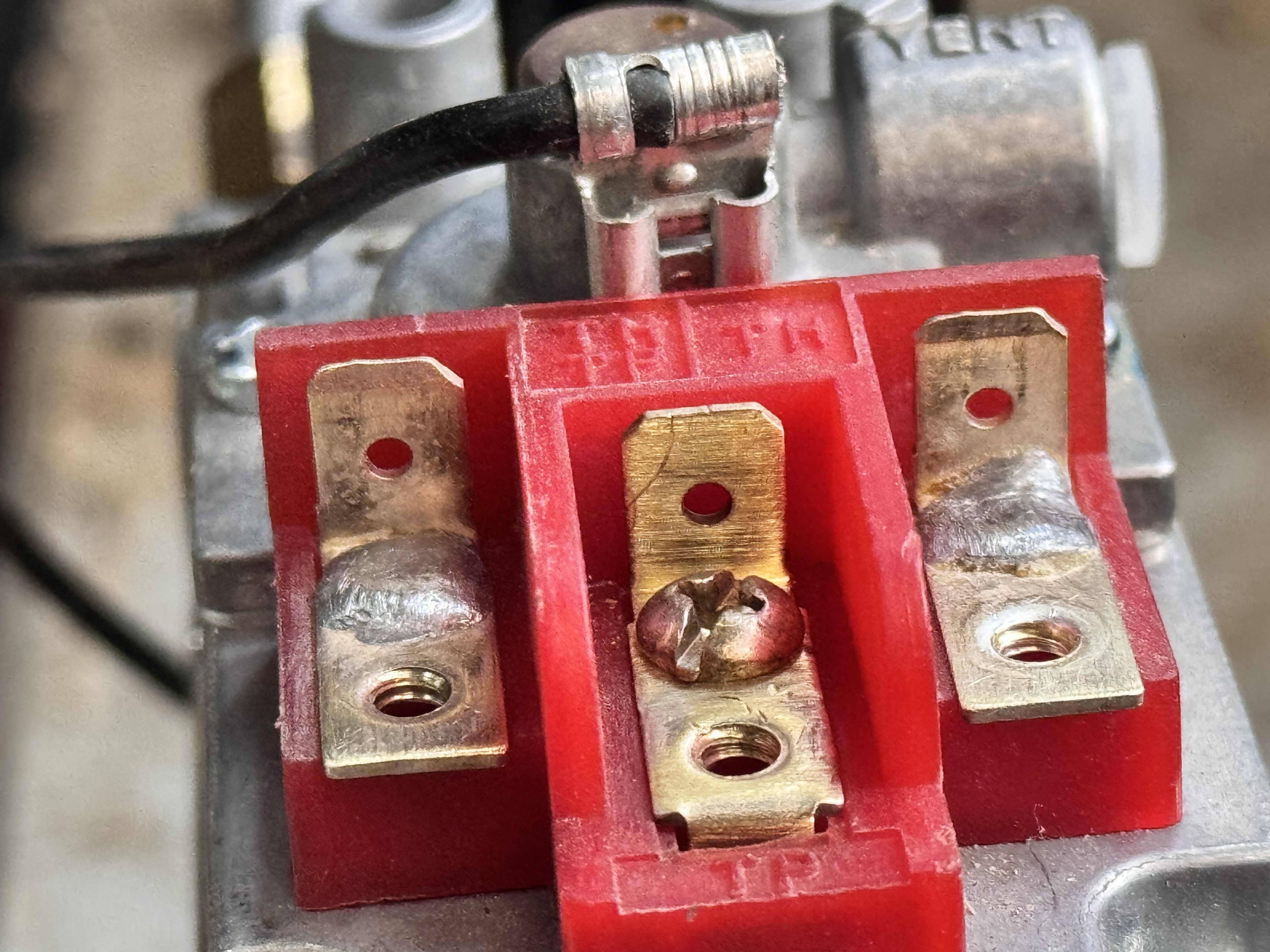
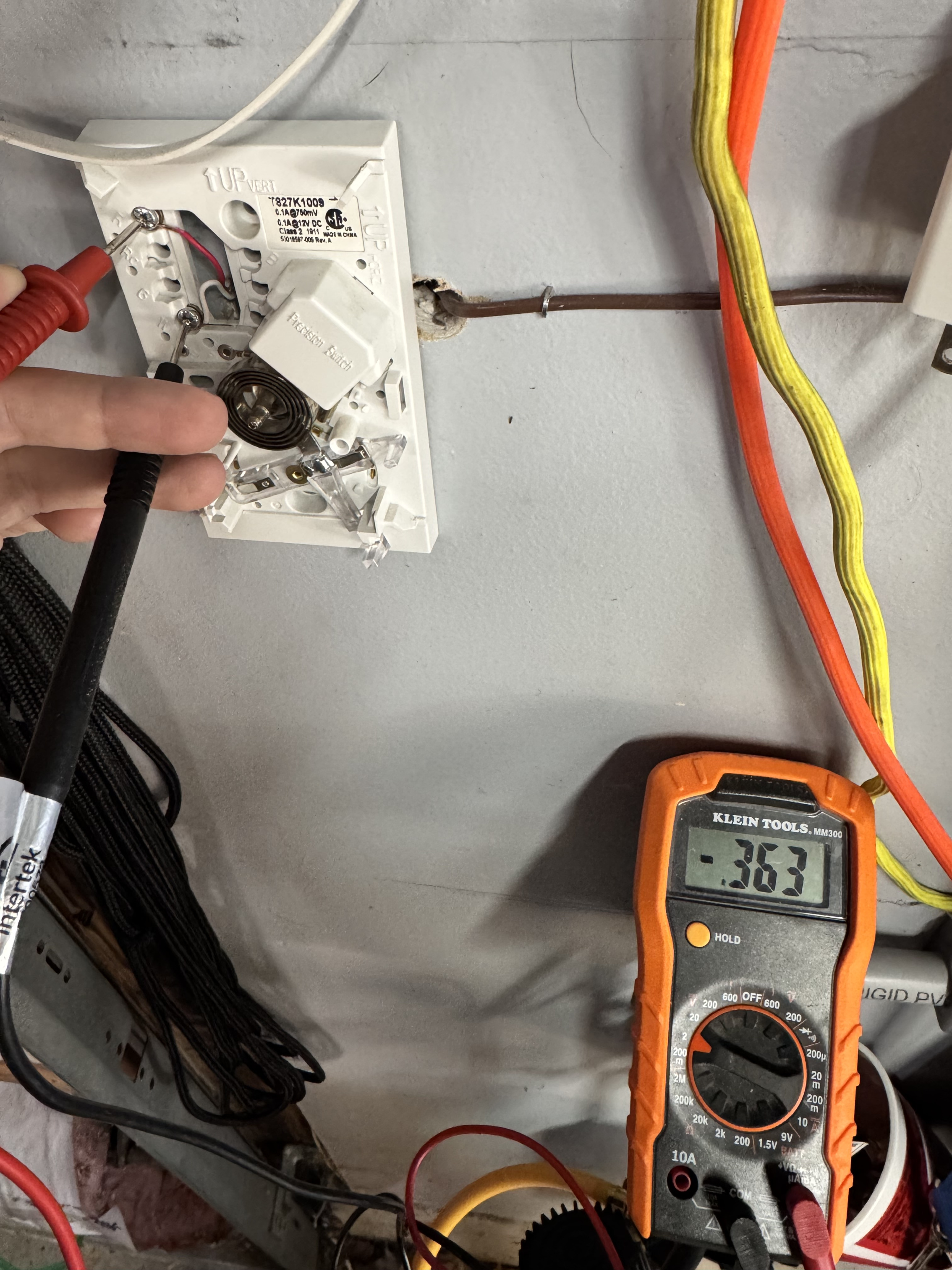
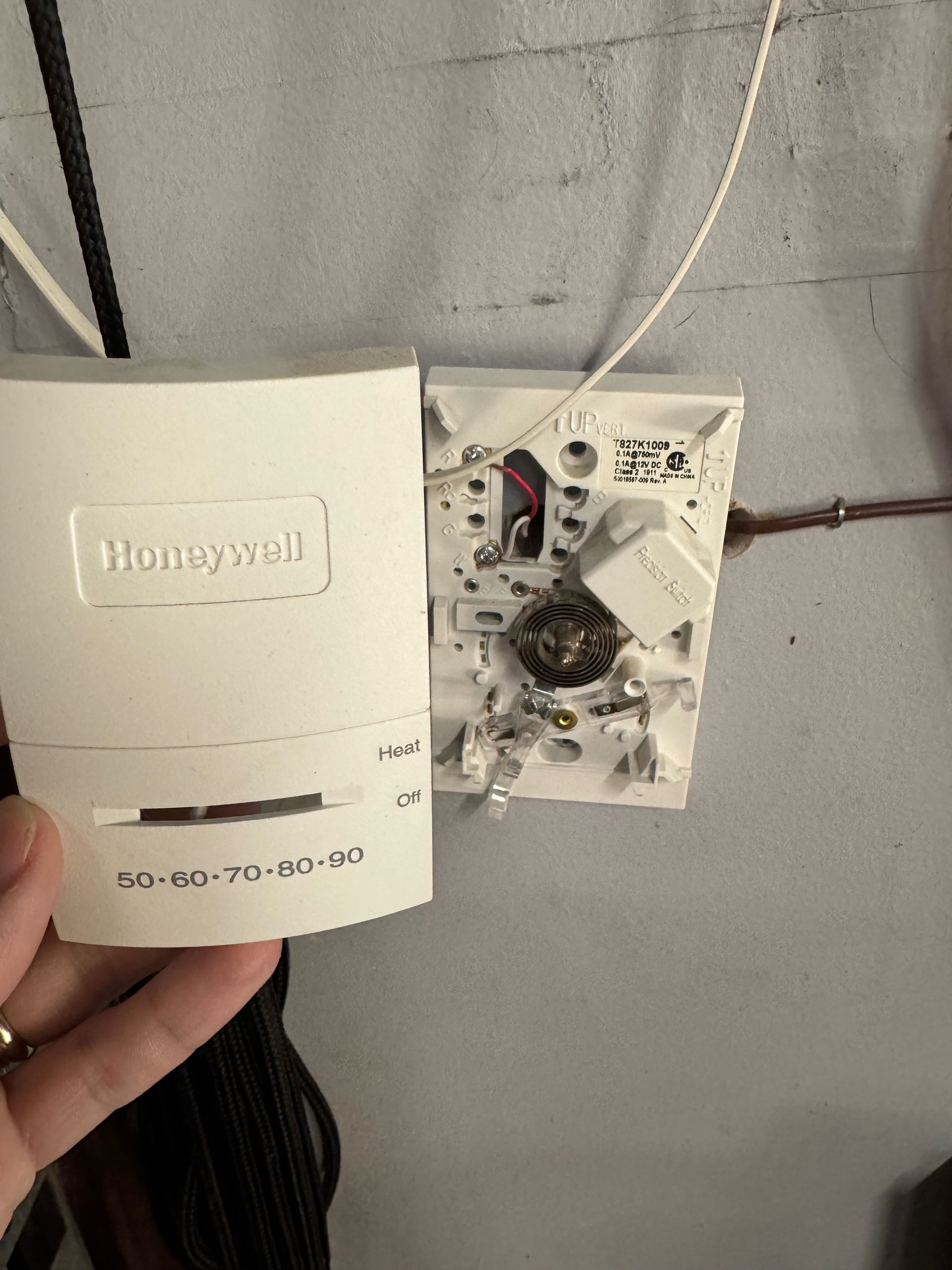
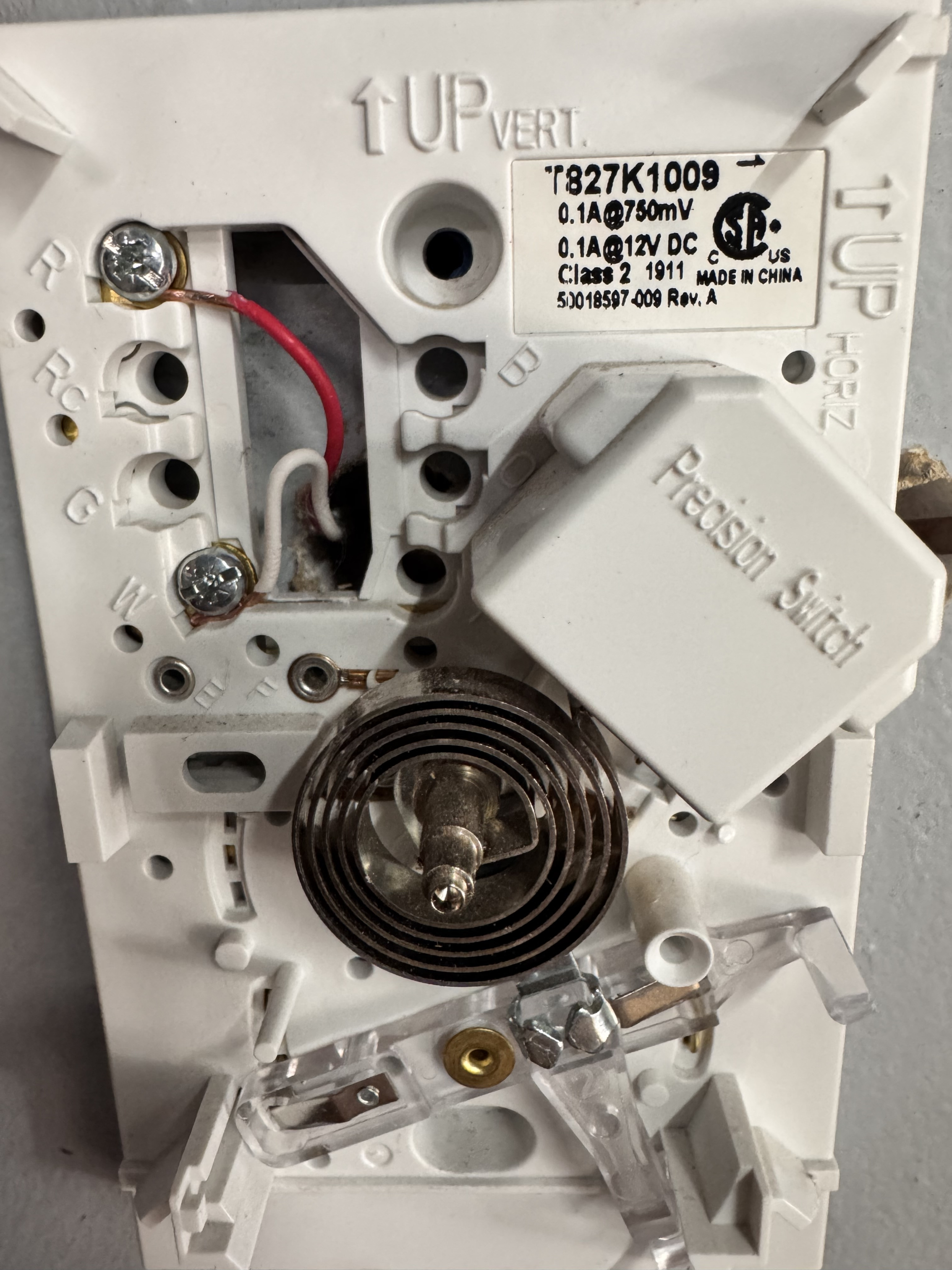
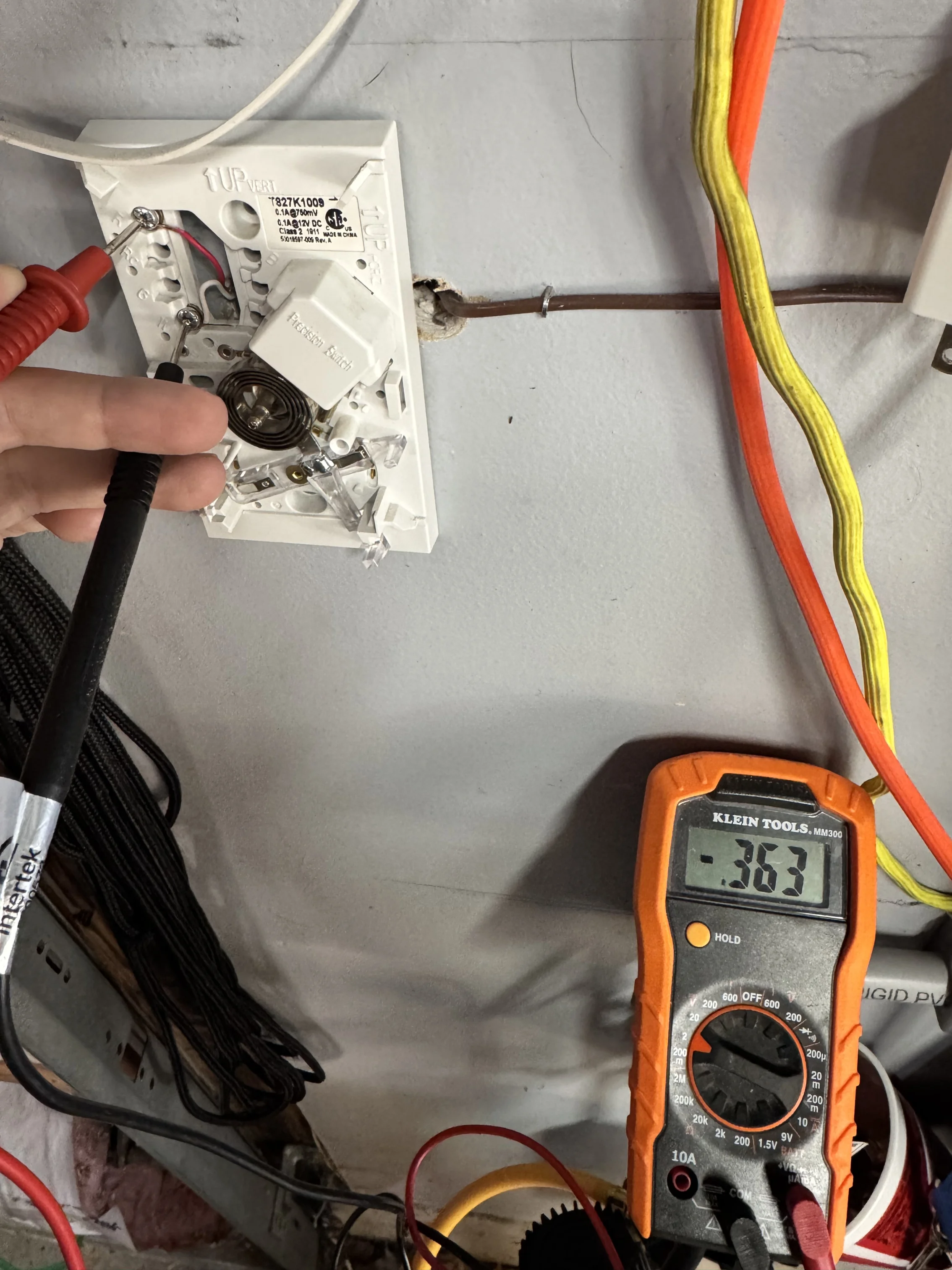
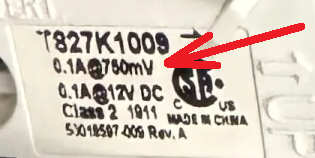
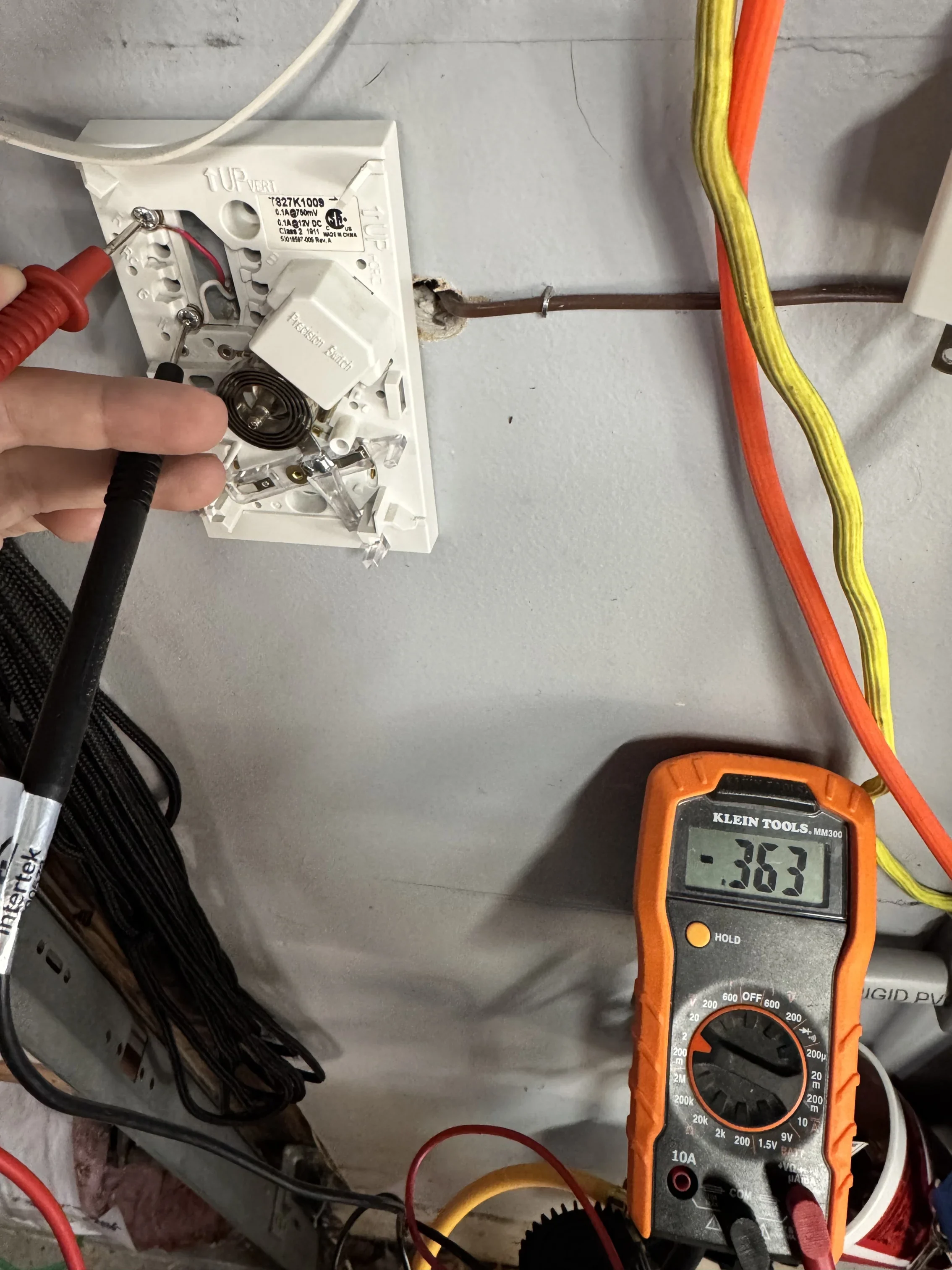
After cleaning, jumping the TH/TP to TH starts the main burners! Woo hoo! But, it still does not start from the thermostat. Jumping the wires from the thermostat side does open the valve and start the burners, but the thermostat isn't calling for heat somehow. Can the switch in the Precision Switch box there get corroded? I checked the mv across the terminals and it is ~360
 0
-
I'm sorry I for got to post the example image of the junk clip / alligator test leads. Using poor or faulty test equipment may add to the frustration, since you are introducing more dysfunction into the situation. Slide the boot back and inspect, are they soldered ???
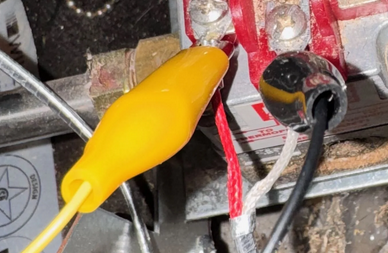
" Symptom I'm fighting is that the furnace will not start at all. Not by jumping leads even when holding a torch on the generator. "
So the Pilot works fine ?
National - U.S. Gas Boiler 45+ Years Old
Steam 300 SQ. FT. - EDR 347
One Pipe System0 -
That thermostat, when new, probably could run a millivolt system. But when old? Sure wouldn't count on it — and it would seem you have proved it. The 360 mv across the terminals is a 359 mv too much…
Time for a new millivolt rated thermostat. Or a Honeywell T87F or earlier round. Mercury switch.
Br. Jamie, osb
Building superintendent/caretaker, 7200 sq. ft. historic house museum with dependencies in New England0 -
Those alligator clips were just going to the multimeter, to make it easier to read the multimeter.
Yes the pilot has worked fine (though I'm not sure I'm getting the required wraparound of the flame on the generator).
What is 'old' here? I asked my wife and she got it for me in 2020, so only 6 years old. So it should only have 1mv across the terminals when calling for heat?
The Honeywell T87F seems to be for 24v? or am I reading this wrong.
I think this is the only one I can get nearby. https://www.lowes.com/pd/Honeywell-Home-CT30A-Heat-Only-24-Volt-Mechanical-Non-Programmable-Thermostat/5015110497
Though there's a cheaper one with cooling? https://www.lowes.com/pd/Honeywell-Home-CT31A-Heat-Cool-24-Volt-Mechanical-Non-Programmable-Thermostat/50151104950 -
did you turn the manual gas valve on when you were trying to light it?
0 -
might see if you can pry the cover off the contacts on that t-stat and polish them with a business card, maybe with some deoxit or alcohol.
0 -
yes, else the pilot wouldn't be lit
yes it starts if I jump the terminals at the thermostat
looks like the inside isn't really cleanable. maybe I can try with a qtip or something, but even jumping inside from the brass set screw to the coil isn't working, but weirdly if I jump from the brass bits behind the coil to the brass bit behind the assembly with the set screw it does start immediately. I'm just gonna go get another thermostat. I can take this one apart and test more later too.
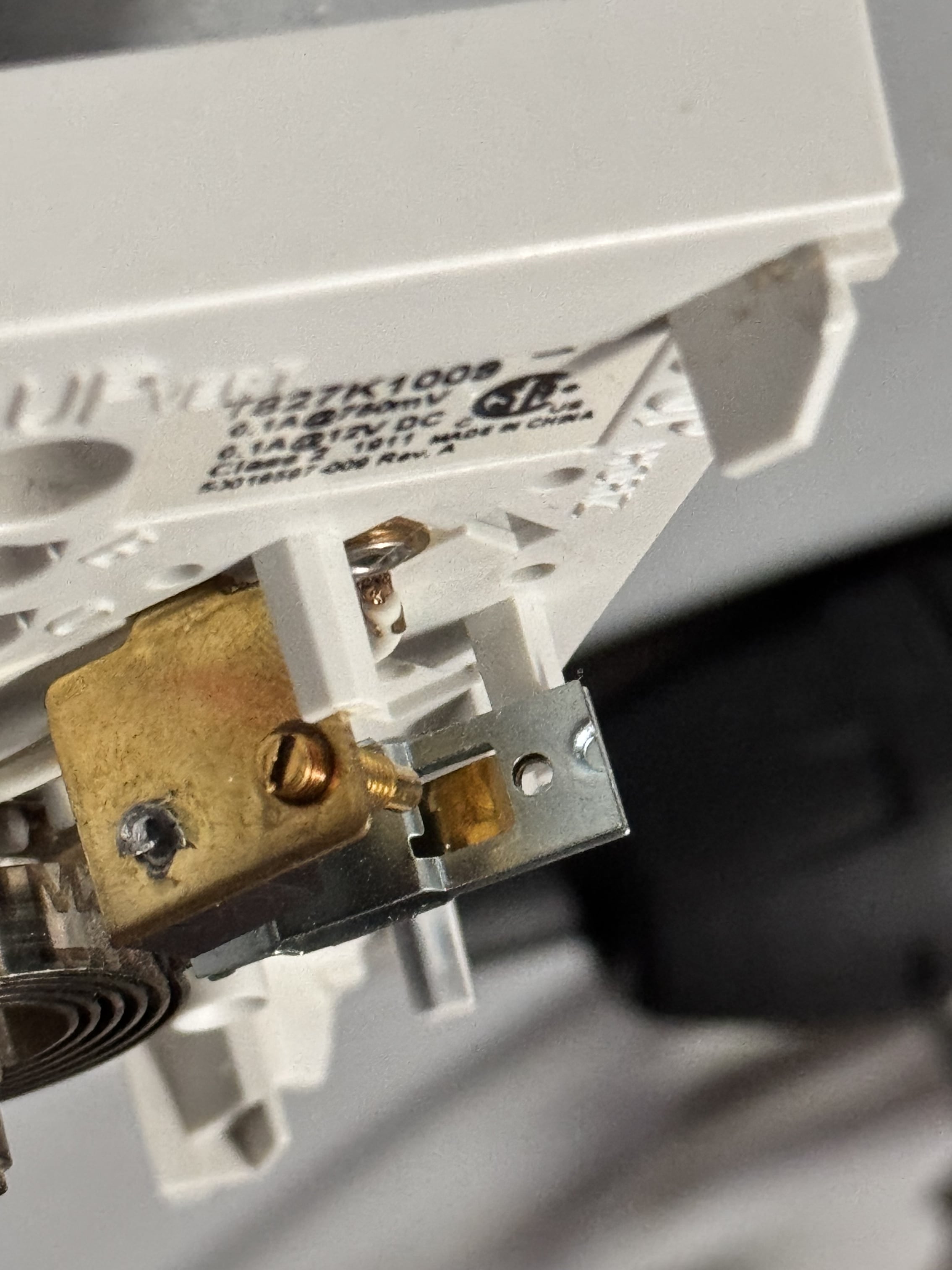
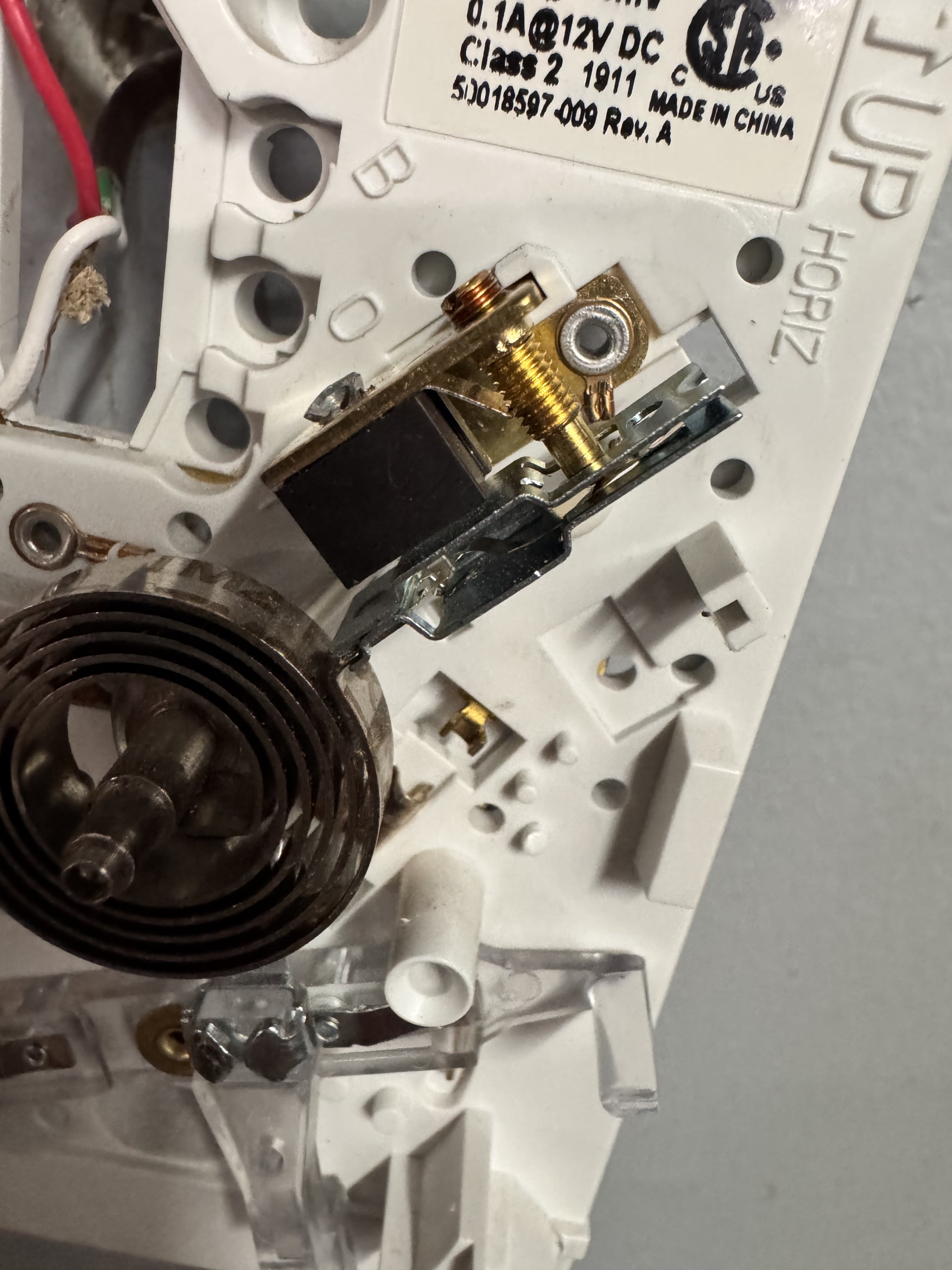 0
-
You might have to disable to anticipator on the T87F for millivolt work — otherwise I don't see why it wouldn't work. But this one
is alleged to work, and is cheap…
Br. Jamie, osb
Building superintendent/caretaker, 7200 sq. ft. historic house museum with dependencies in New England0 -
Success! New thermostat and extremely cleaned terminals was the solution. Thank you everyone for all the assistance! Hopefully this post helps someone else in the future (maybe even me in 6 more years 😂)
0


Categories
- All Categories
- 87.9K THE MAIN WALL
- 3.3K A-C, Heat Pumps & Refrigeration
- 60 Biomass
- 430 Carbon Monoxide Awareness
- 136 Chimneys & Flues
- 2.2K Domestic Hot Water
- 6K Gas Heating
- 124 Geothermal
- 170 Indoor-Air Quality
- 3.9K Oil Heating
- 80 Pipe Deterioration
- 1.1K Plumbing
- 6.7K Radiant Heating
- 397 Solar
- 16.2K Strictly Steam
- 3.5K Thermostats and Controls
- 56 Water Quality
- 52 Industry Classes
- 51 Job Opportunities
- 18 Recall Announcements