Near piping

current system has no no special elbows on the radiator, no p traps. only radiator control is by adjustable valve at the top of the radiator. There is only one vent located at on the retirn line located in the basement. Radiator performance is erratic, , ,some cold, some warm some hot. contractor is stumped and has given up, sorry he ever took the. job
consequently, I went through the near piping instructions that that n
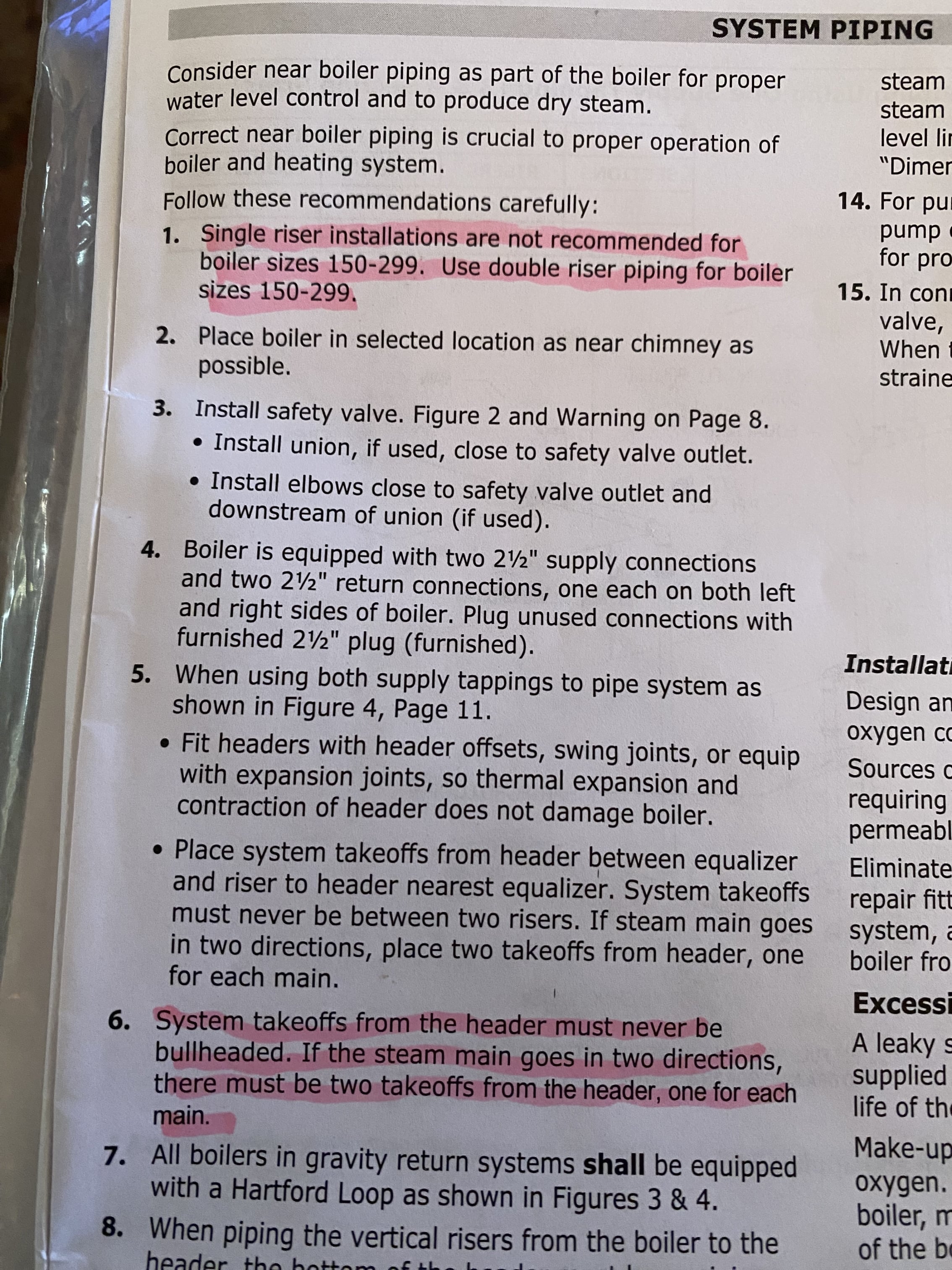
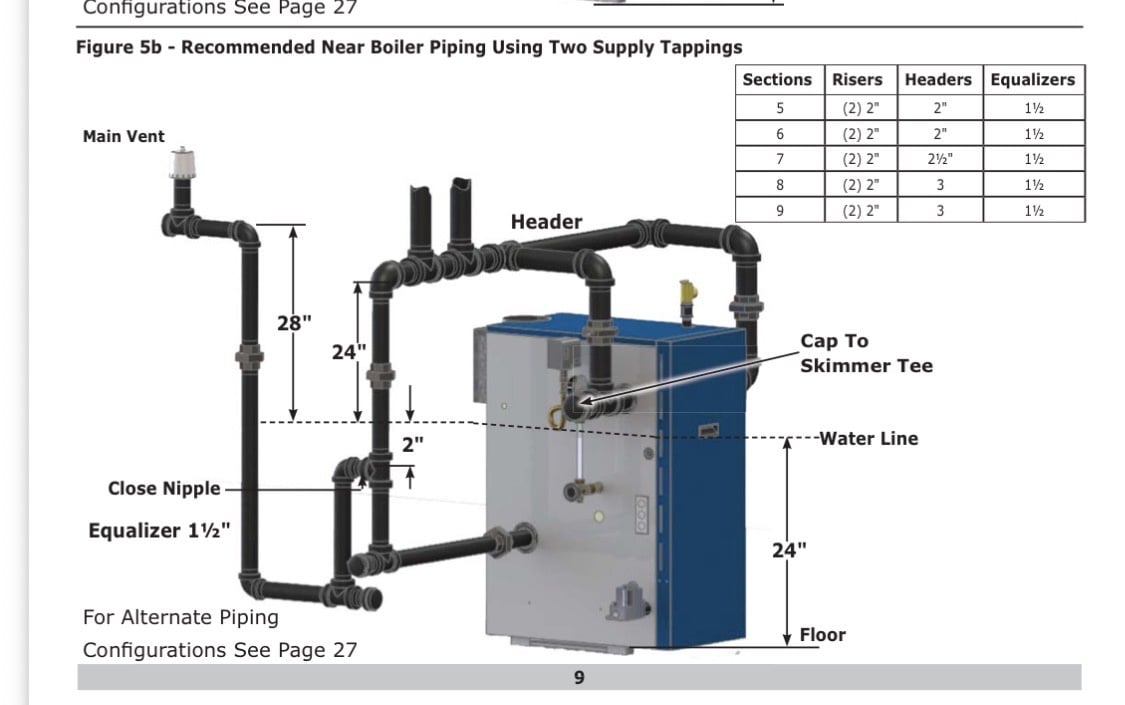
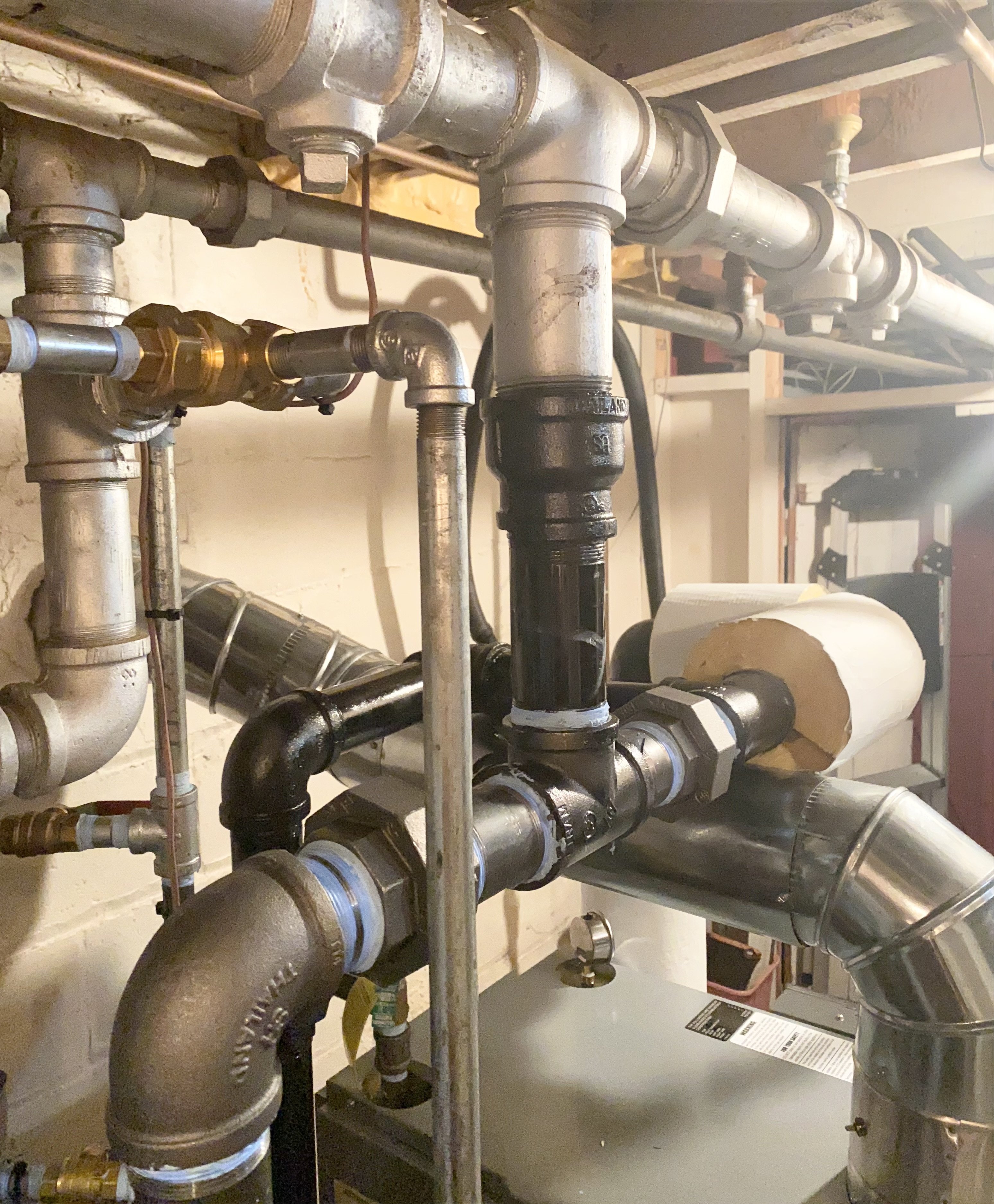
a single riser to the steam main is not acceptable for my boiler size and a dual riser should be used. The contractor used a single rider. Could this be the problem?
Comments
-
the number of risers has to do with the riser form the boiler to the header, that is what the manual mans and you have 2. what size does the manual show for your boiler size?
one riser to the main would be fine if you had one steam main but you have 2 steam mains connected together by the header from an old boiler that was not removed.
it seems unlikely that the near boiler piping, although not idea, is your problem. are the returns steam hot? if any of the radiators are missing their vapor valves or orifice plates, seam will flow through those radiators in to the return and prevent those radiators from heating. Condensate trapped somewhere is also a possibility.
Depending on where condensate is flowing in the mains, there may need to be drips before they connect to the riser(s) from the boiler.
0 -
Could you post a picture of one of the radiators? The inlet valve and the outlet elbow? This is very likely to be e a vapour steam system from your description.
That being quite possible, what pressure is the boiler set to cut out at? It must be less than half a pound (8 OUNCES) per square inch — and that means the boiler control must be a vapourstat.
And that may be much of the problem, if not all of it.
Once you get the pressure down to where it must be, go around to the various radiators and assess the temperature of the RETURN pipe. If the radiator is hot and the RETURN pipe is hot (not just warm — hot), partly close the INLET valve. If the radiator is not warm, or is partly warm particularly near the outlet, you have some detective work to do: follow the RETURN line and I venture you will come to a radiator which is hot and which has a hot outlet. That's your culprit; partly close the INLET valve on that radiator
Br. Jamie, osb
Building superintendent/caretaker, 7200 sq. ft. historic house museum with dependencies in New England0 -
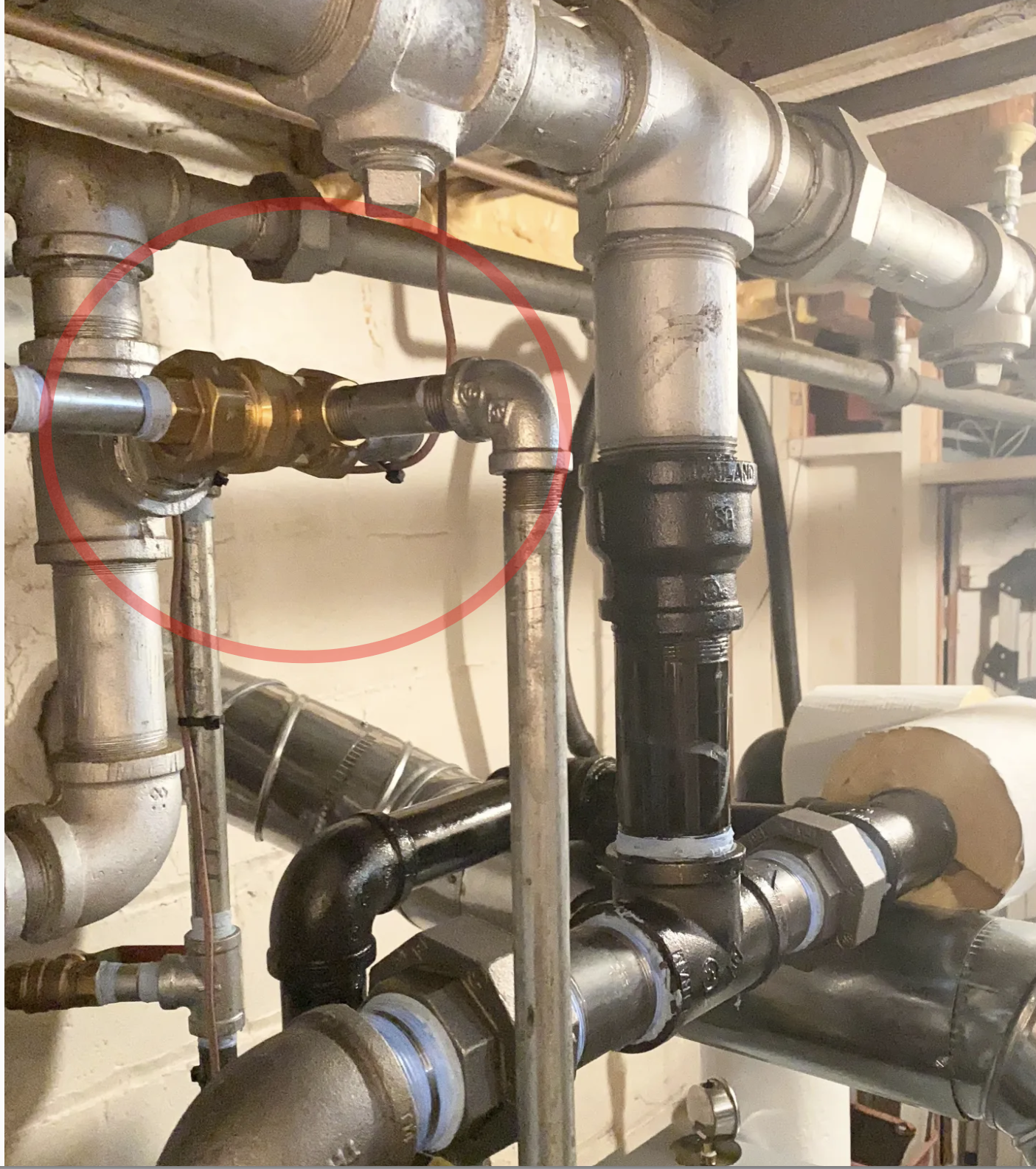
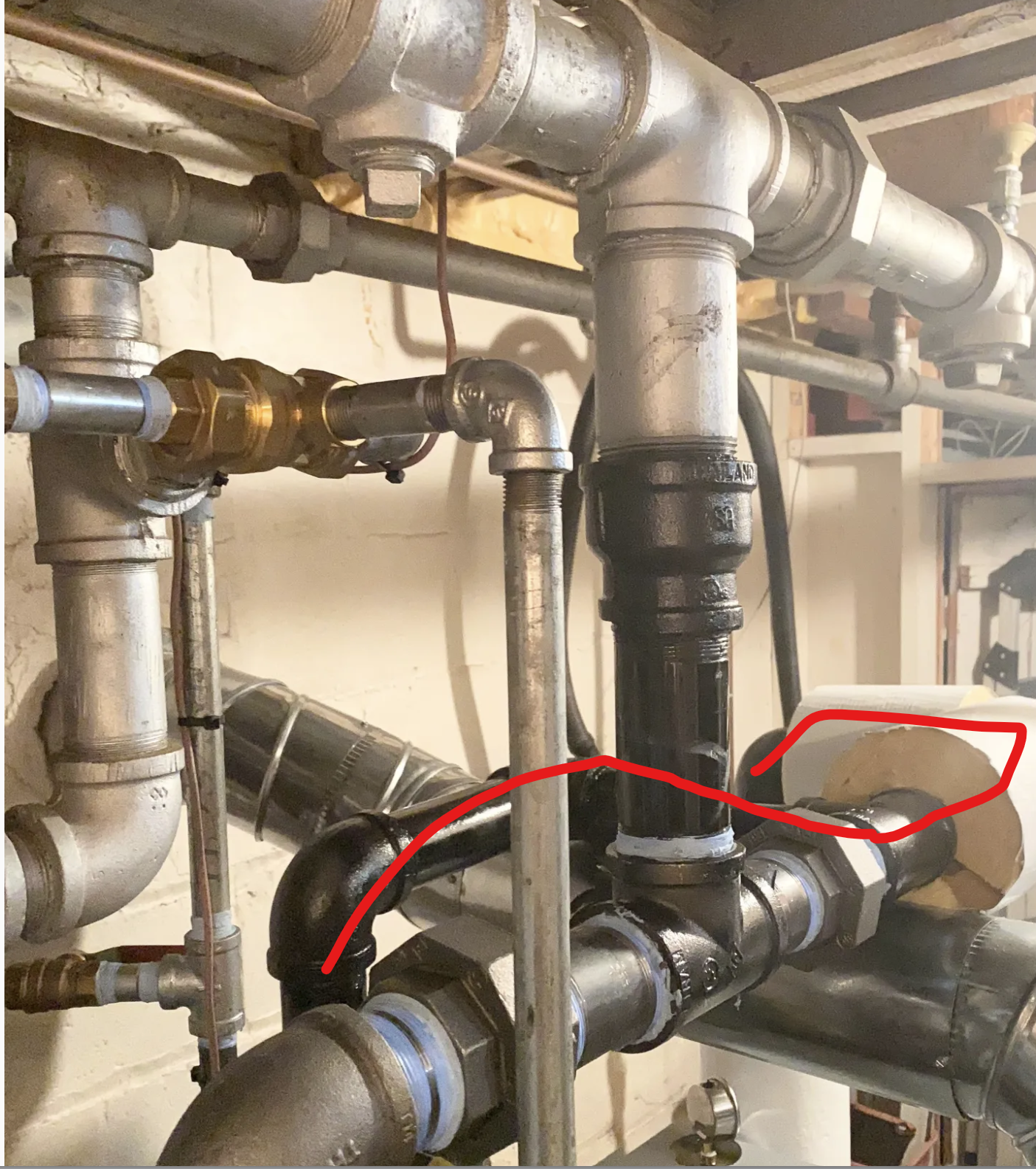
It's difficult to tell from the pic, but that looks like one riser from the boiler on the right (with swing joint) and a downturn to the equalizer on the left (no swing joint). If the boiler is large enough to need two risers, that's incorrect. A photo taken from further back would show what is there.
If there are indeed two risers from the boiler they meet in a "colliding header" which is also incorrect.The reduction in size before the feed to the steam mains is not helping; and the two steam mains are bullheaded instead of being brought separately into the header as required by the manufacturer and good piping practice.
With all of that said, the first things to check are that the pressure is low as Jamie pointed out, regulated by a vaporstat; and then the settings of the radiator valves to be sure steam cannot get all the way through to the returns. Even if the near boiler piping is wrong, if these other things are properly adjusted the system may work fine.
—
Bburd0 -
Agreed, that second one is hard to see but it's there; and the header is in the correct order, not "colliding". The OP still has a single feed to a bullheaded takeoff to two steam mains.
—
Bburd0 -
The OP says he only has 1 riser
0 -
i think the op meas the riser from the header to the main.

 2
-
That photo does not tell the full story: Reminds me of…
This reminds me of the post about the DIY auto repair where the person wanted to know why his tire was not getting full of air. "I have been putting air in this valve for over 30 minutes and my tire just won't fill up with air. can someone tell me what I'm doing wrong? "
Several different posts about what the pressure is the compressor set? Are you using a Bicycle hand pump? and a lot of other helpful comments.
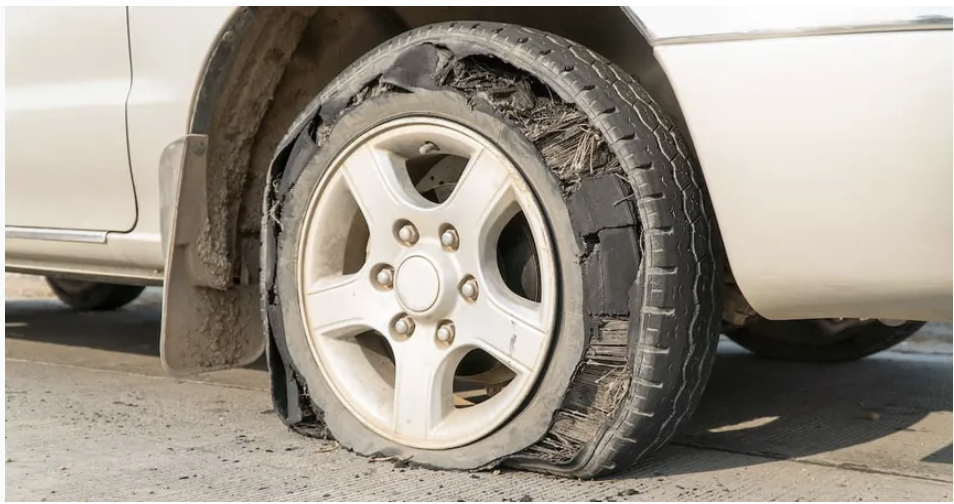
Then someone asked the DIY to take the picture of the car from farther back. This is a different story.
Can you post another picture from farther back?
Edward Young Retired
After you make that expensive repair and you still have the same problem, What will you check next?
0 -
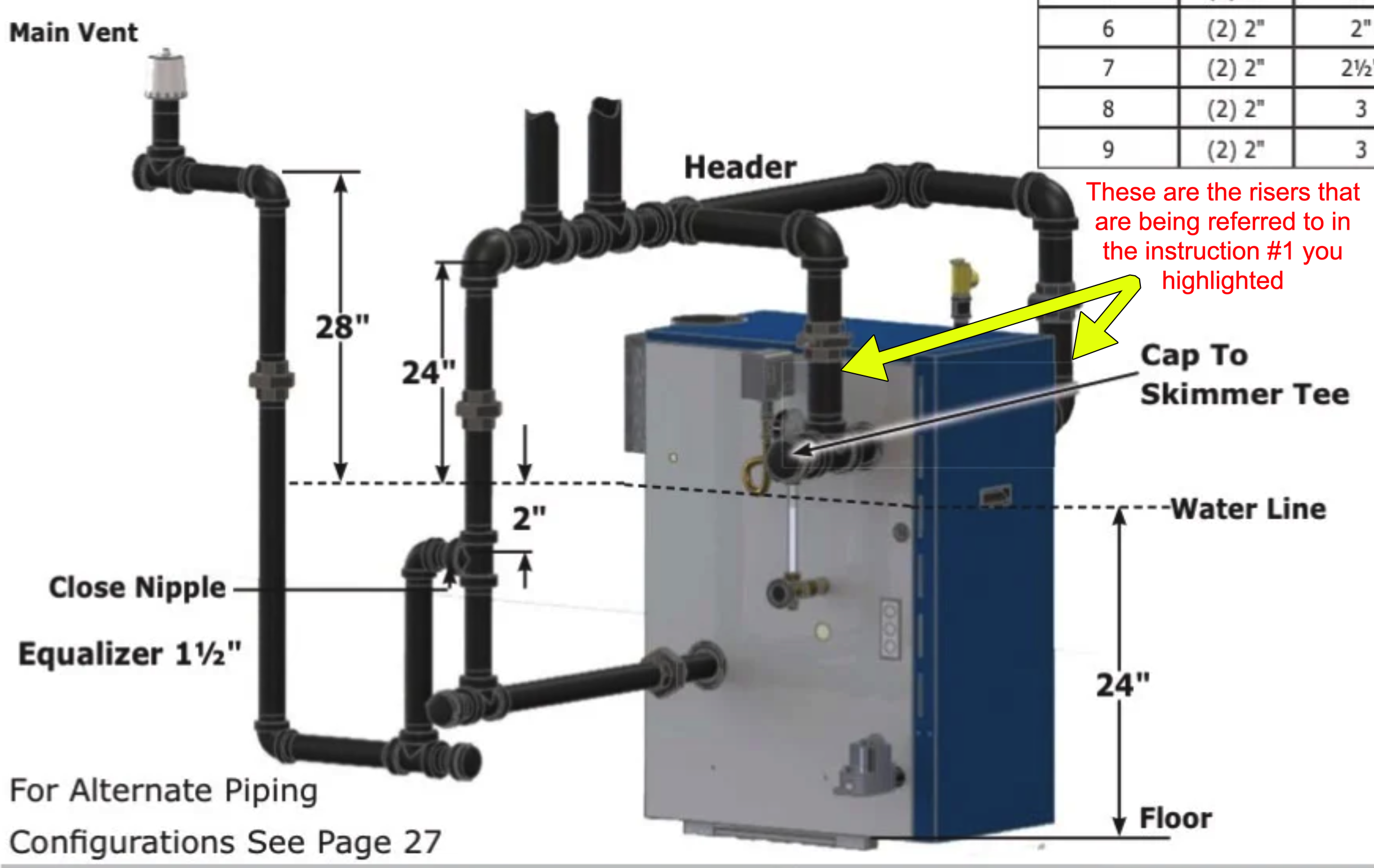
This is throwing everyone off because I don't see the second riser as shown in the instructions, in the photograph. The camera is too close to see the second opening that is apparently not being used.
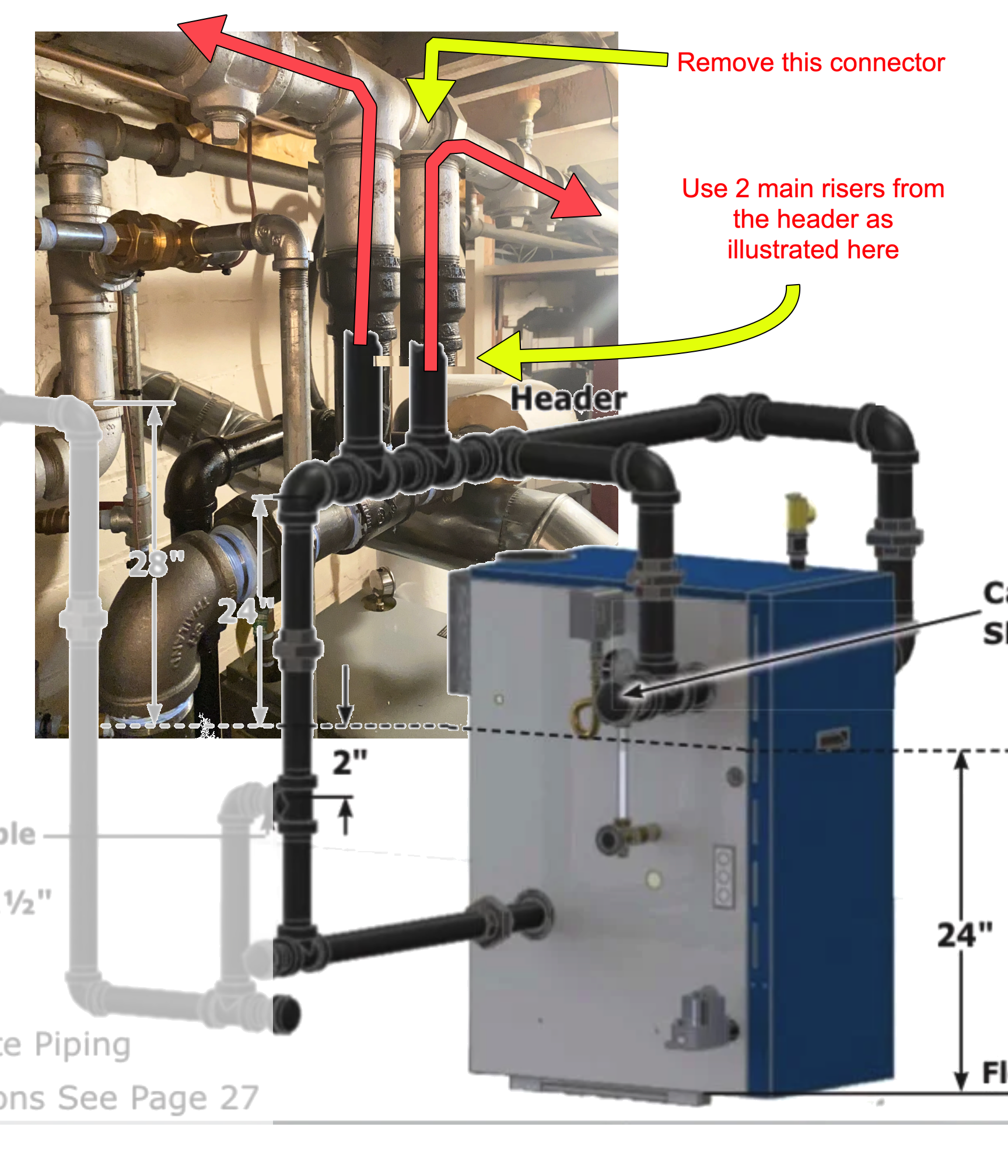
As far as instruction #6 is concerned, the bull head tee is from an older retrofit from when the coal conversion boiler was removed. That old boiler had 2 supply tappings near the top of the boiler that went into two separate mains. whan that was replaces (before this boiler) the mechanic attached the two mains and placed a tee in there to connect one riser from the replacement boiler to the system mains.
This should be corrected by the installer at mo charge to the customer. especially if there is any reference in the contract like "installed according the the manufacturer's instructions and industry standards". Look at the fine print in your proposal or contract you signed when you purchased the boiler. And show the installer the instructions you are referencing.
I just connected to what was already there is not a good excuse unless the contract specifically says "we will just connected to what was already there" whether is works or not…
Edward Young Retired
After you make that expensive repair and you still have the same problem, What will you check next?
 1
-
does this gave a vaporstat? is the boiler sized right, is it small enough? i know we've talked about this system in other posts but i don't remember.
this is the problem with things that aren't right, you are guessing which thing is causing a problem an which isn't or if it is a combination of things.
0


Categories
- All Categories
- 87.9K THE MAIN WALL
- 3.3K A-C, Heat Pumps & Refrigeration
- 60 Biomass
- 430 Carbon Monoxide Awareness
- 133 Chimneys & Flues
- 2.2K Domestic Hot Water
- 6K Gas Heating
- 124 Geothermal
- 170 Indoor-Air Quality
- 3.9K Oil Heating
- 80 Pipe Deterioration
- 1.1K Plumbing
- 6.7K Radiant Heating
- 397 Solar
- 16.1K Strictly Steam
- 3.5K Thermostats and Controls
- 56 Water Quality
- 51 Industry Classes
- 51 Job Opportunities
- 18 Recall Announcements