Rebuilding Steam traps

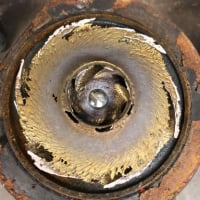
I recently ordered some rebuild kits for 13 steams traps in my building. I am not a steam guy but after being here for a few years I realize there is some preventative and general maintenance that must be done. The steam trap kits seem cut and dry but there is tricks to everything. I am looking for suggested tool for knocking off scale in trap? Also what tool works best if the old gasket is stuck? I also read I should sand the area before applying the new gasket, what grit sandpaper?
I also like to add blow-downs to all my wye strainers. What's the best way to do this? Just thread a short nipple and add a valve with a plug? I really want to know what brand and style valve is suggested.
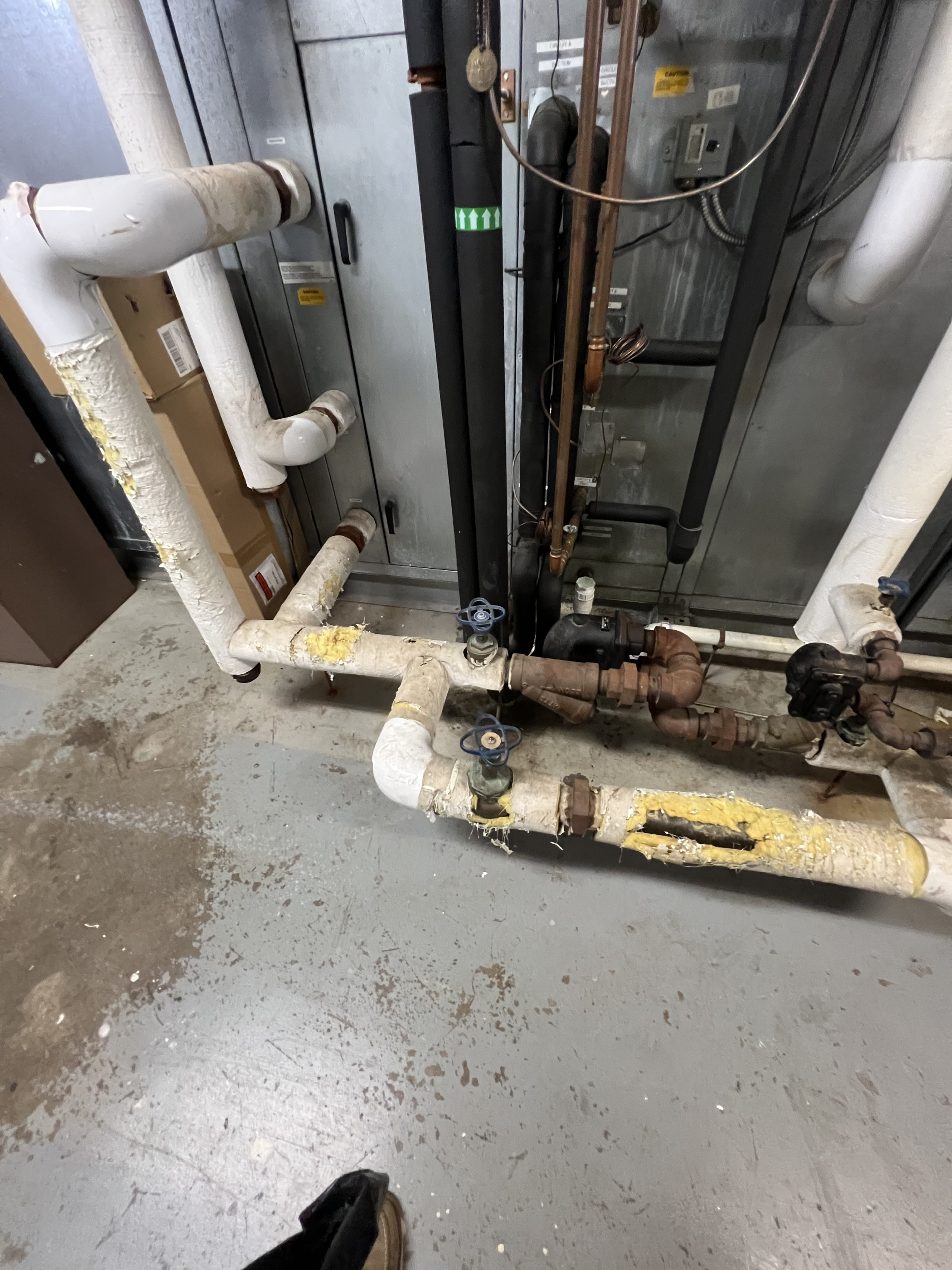
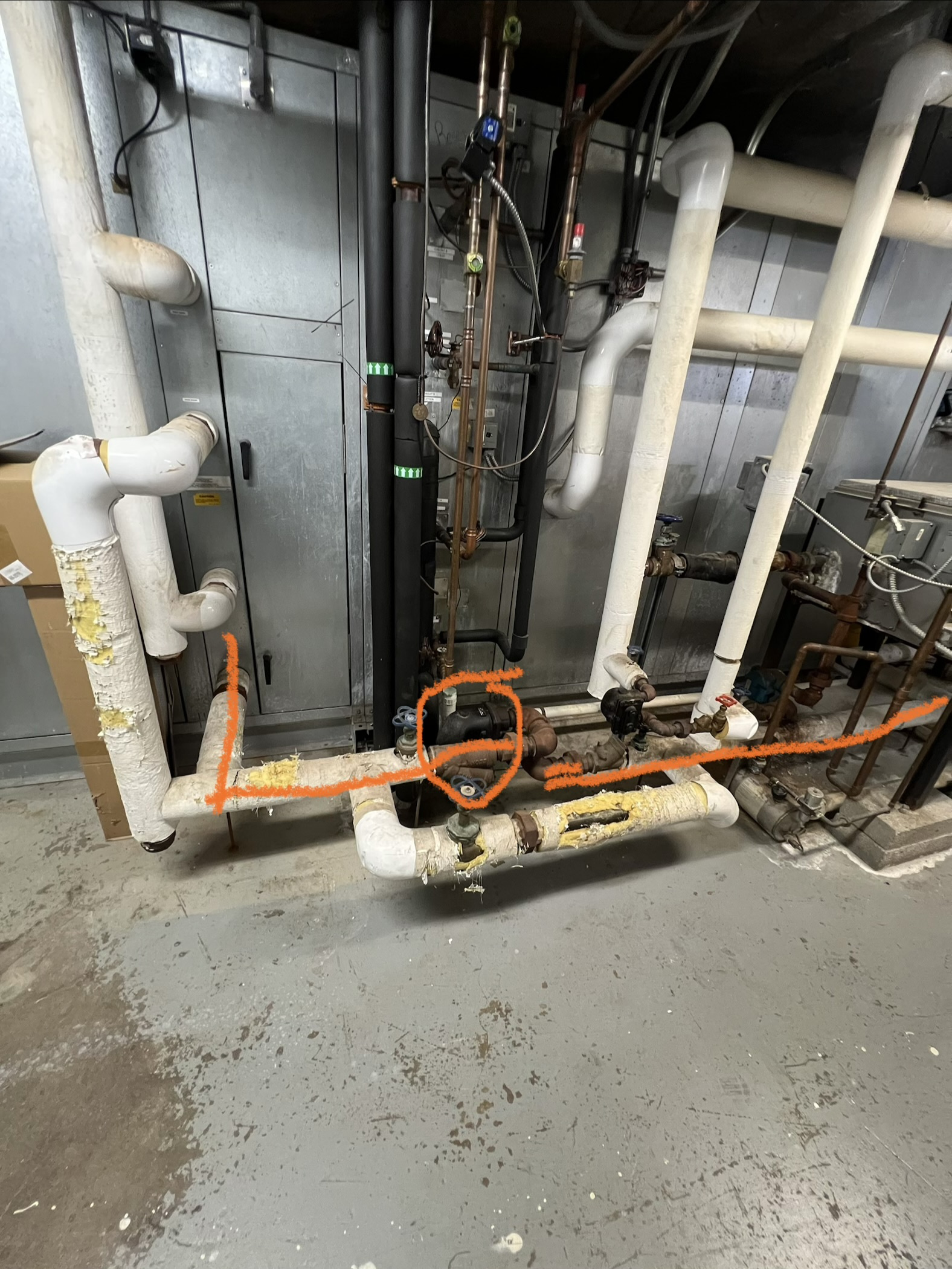
Lastly I noticed this setup appears to be missing a relief valve in the last picture? Unless there is a reason for that I could be unaware of?
Thanks for any input! I am just a custodian who has only figured out these terms and info from being in this building and reading up on how these systems work. I realize steam can be very efficient when maintained. From reading through old posts here it sounds like there is plenty of buildings like mine that have never done any preventative maintenance and only acknowledge things when they break.
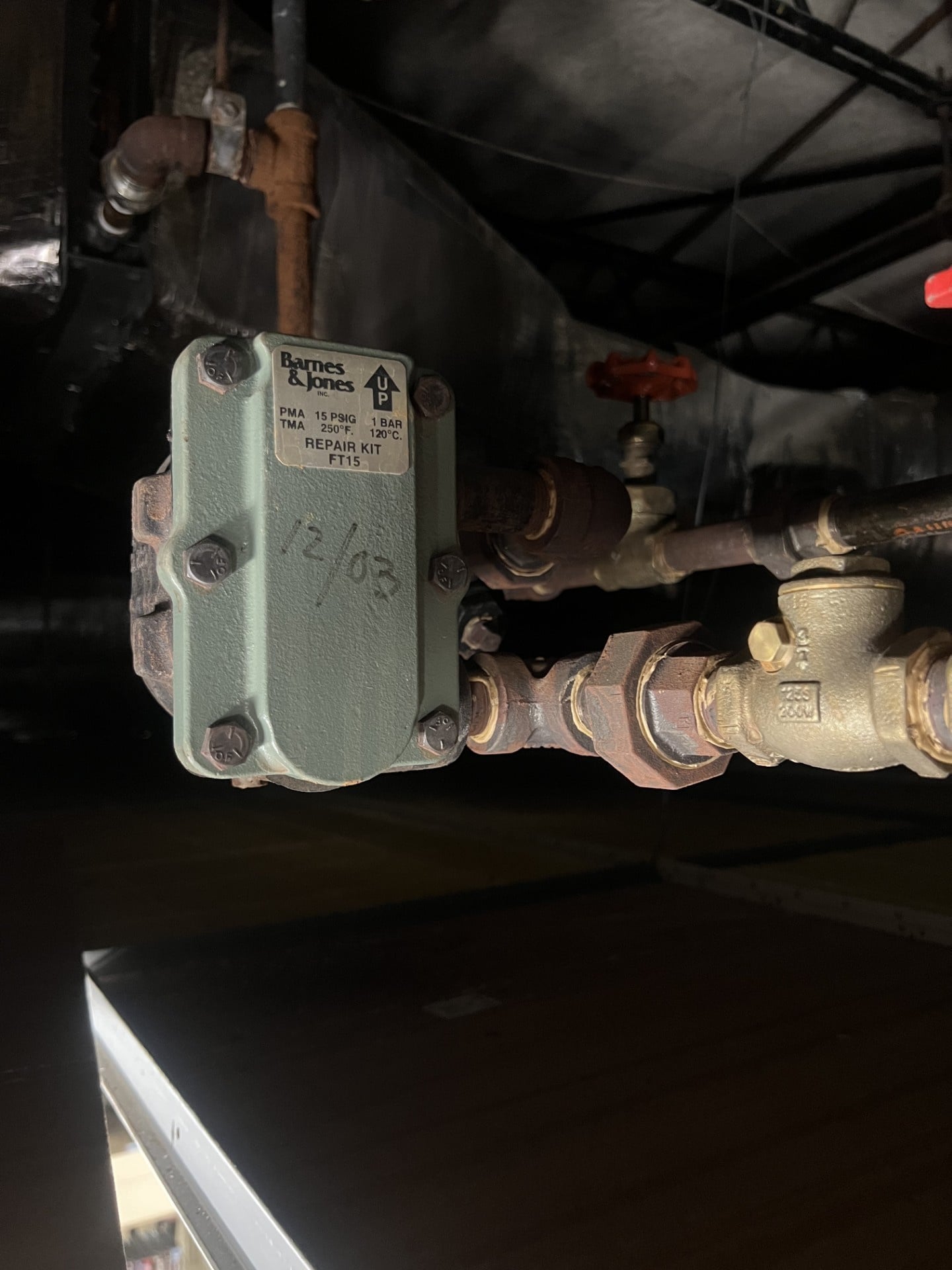
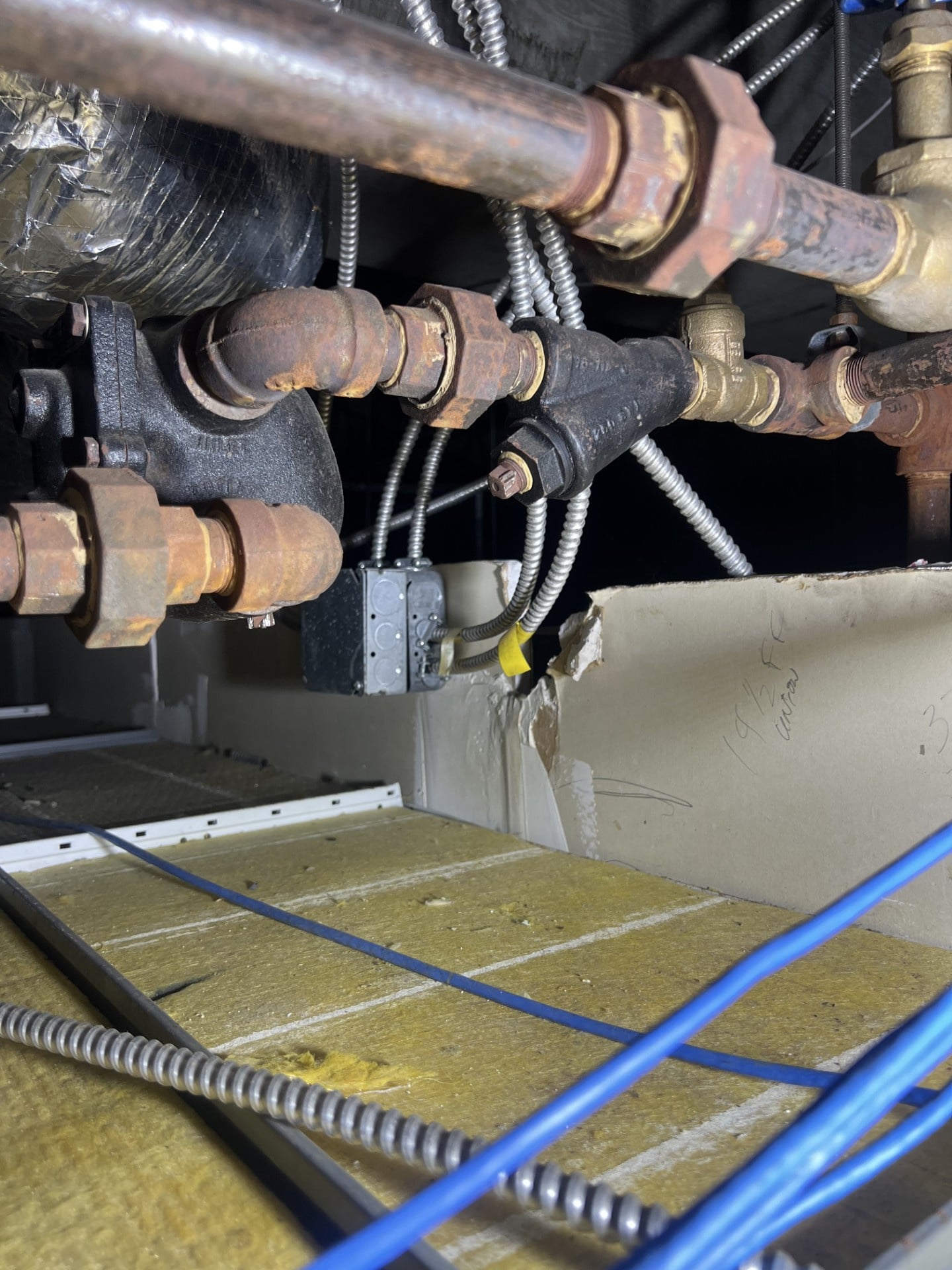
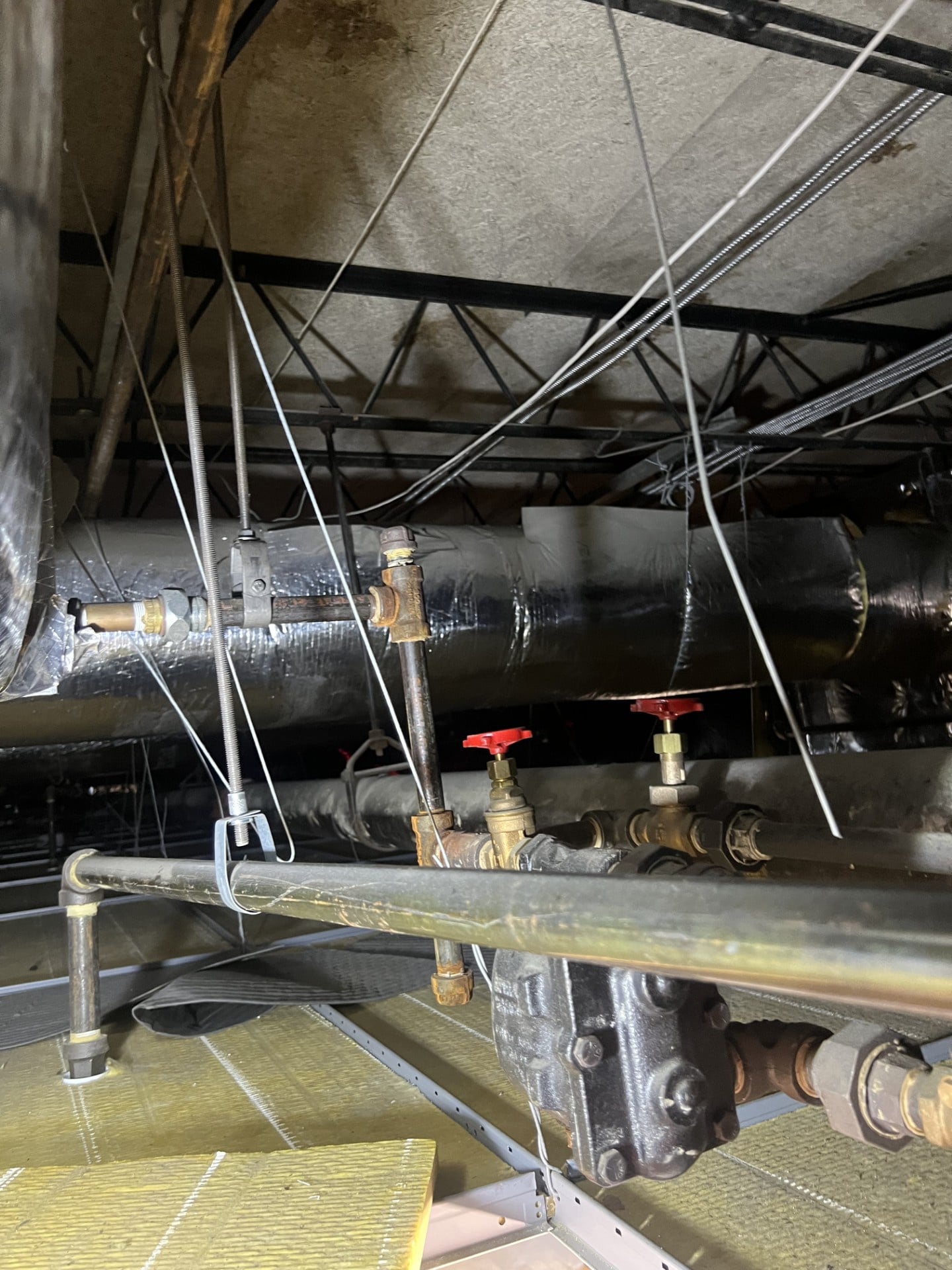
Comments
-
Do the first 2 traps have a vacuum breaker at the inlet?
0 -
never seize is your friend.
On the boltsOn the gaskets
On any and all moving parts
0 -
you can remove the gaskets with a razor blade or gasket scraper or even a chisel, hold the blade almost parallel to the surface and be careful not to gouge in to the surface. you can use scotchbrite to remove what won't scrape off. On engines and gearcases and such you need to wash them well after using scotchbrite so you don't get the abrasive in to the internal mechanics but that is less important with steam.
0 -
Short Nipple, Valve, and a backup plug works perfectly for blowdown off the wye strainers
 1
1 -
in any case you want to put a cap on the valve in case someone bumps the valve and opens it.
 1
1 -
On Low pressure steam use a steam rated ball valve.
0 -
is t that what’s LOTO is for?
0 -
Nope- he's talking about someone accidentally bumping the valve while working on something else not related to the steam. Always use a plug.
1 -
We never used Ball Valves on steam. Always OSY gate valves. Can't "Bump" Thewm
 1
1 -
@pecmsg No one is going to use an OS &Y on steam traps unless it is HP steam. The price would kill any job.
And they even make carbon steel ball valve for HP steam.
 1
1 -
Any recommended brand of never seize? Thanks for the input everyone. Just ordered some gasket scrapers and I will get some scotch brite pads too.
0 -
Any brand of never seize is ok. Auto part stores have it. A small can goes a long way.
 1
1 -
you can get it in a tube too which is probably more the quantity they need. wear gloves because it sticks to your hands as well as it sticks to metal.
0 -
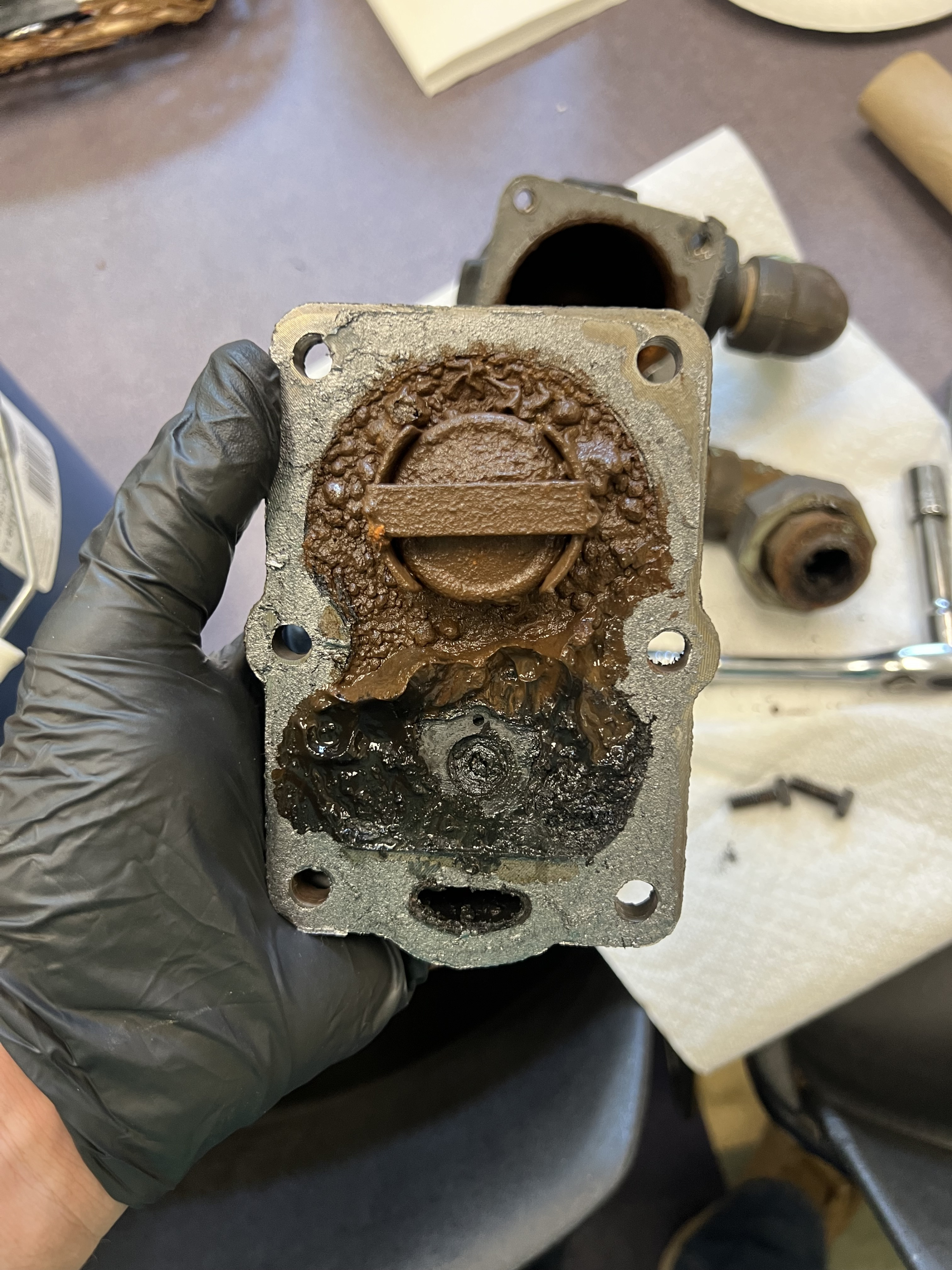
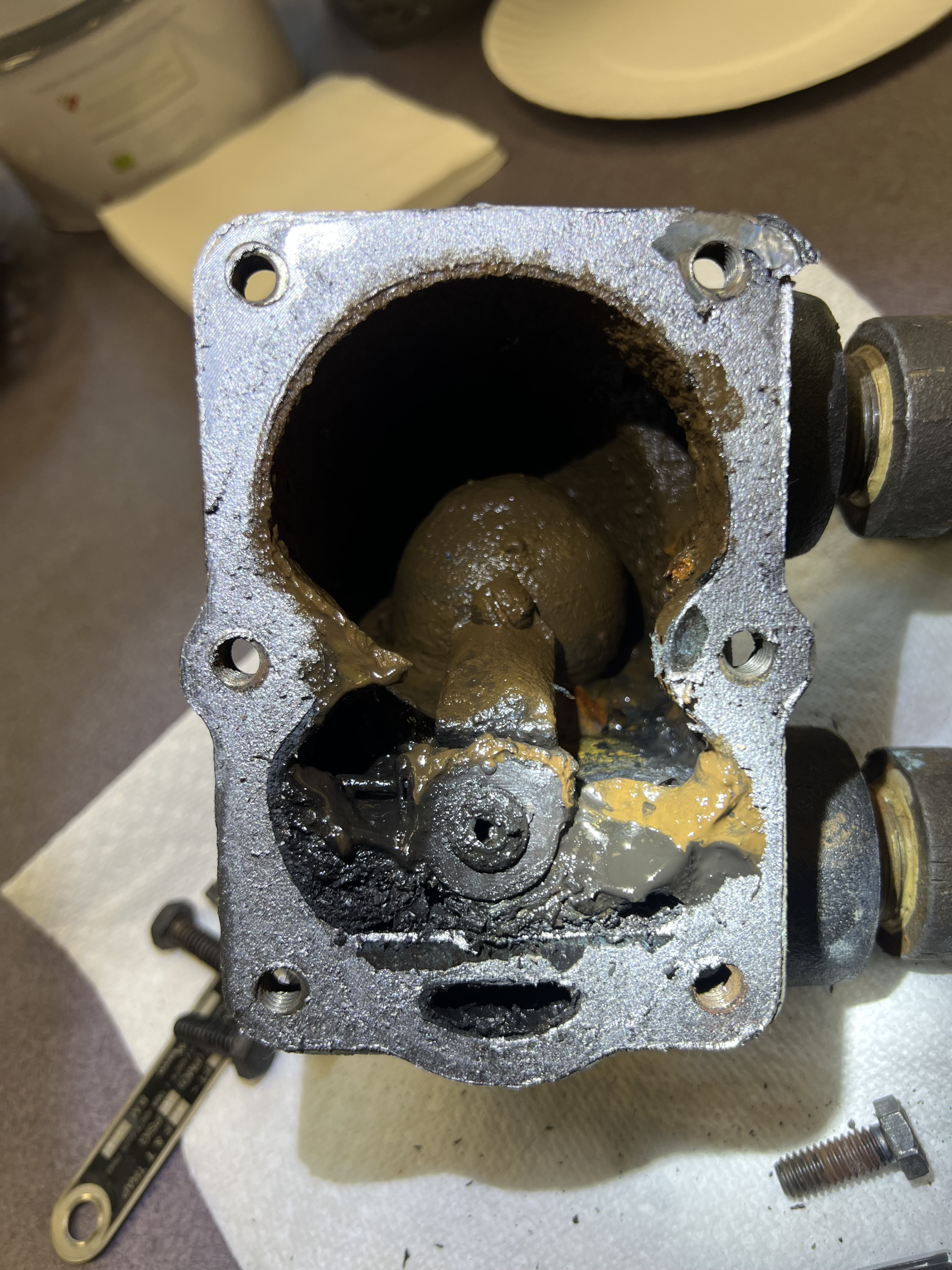
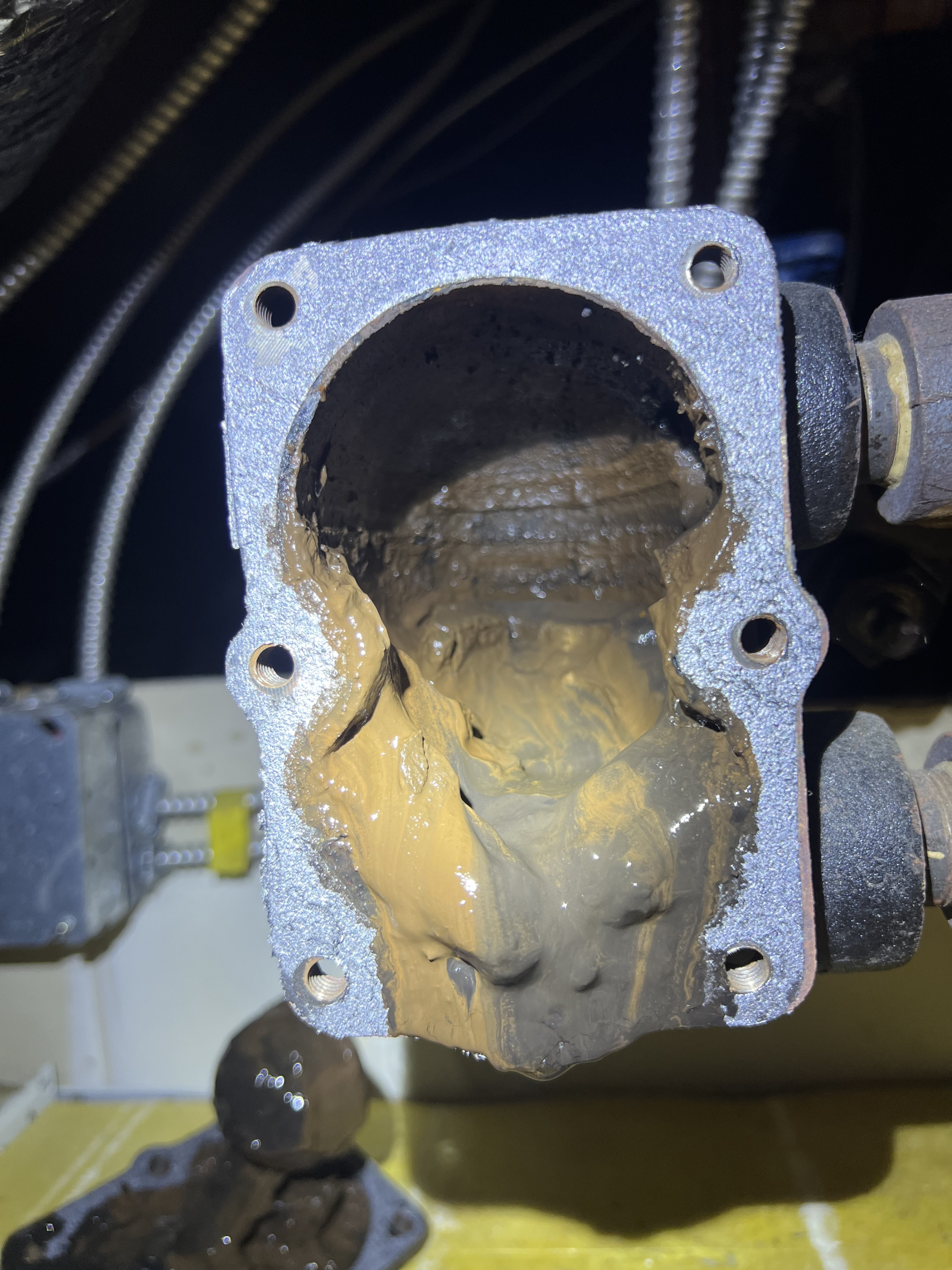
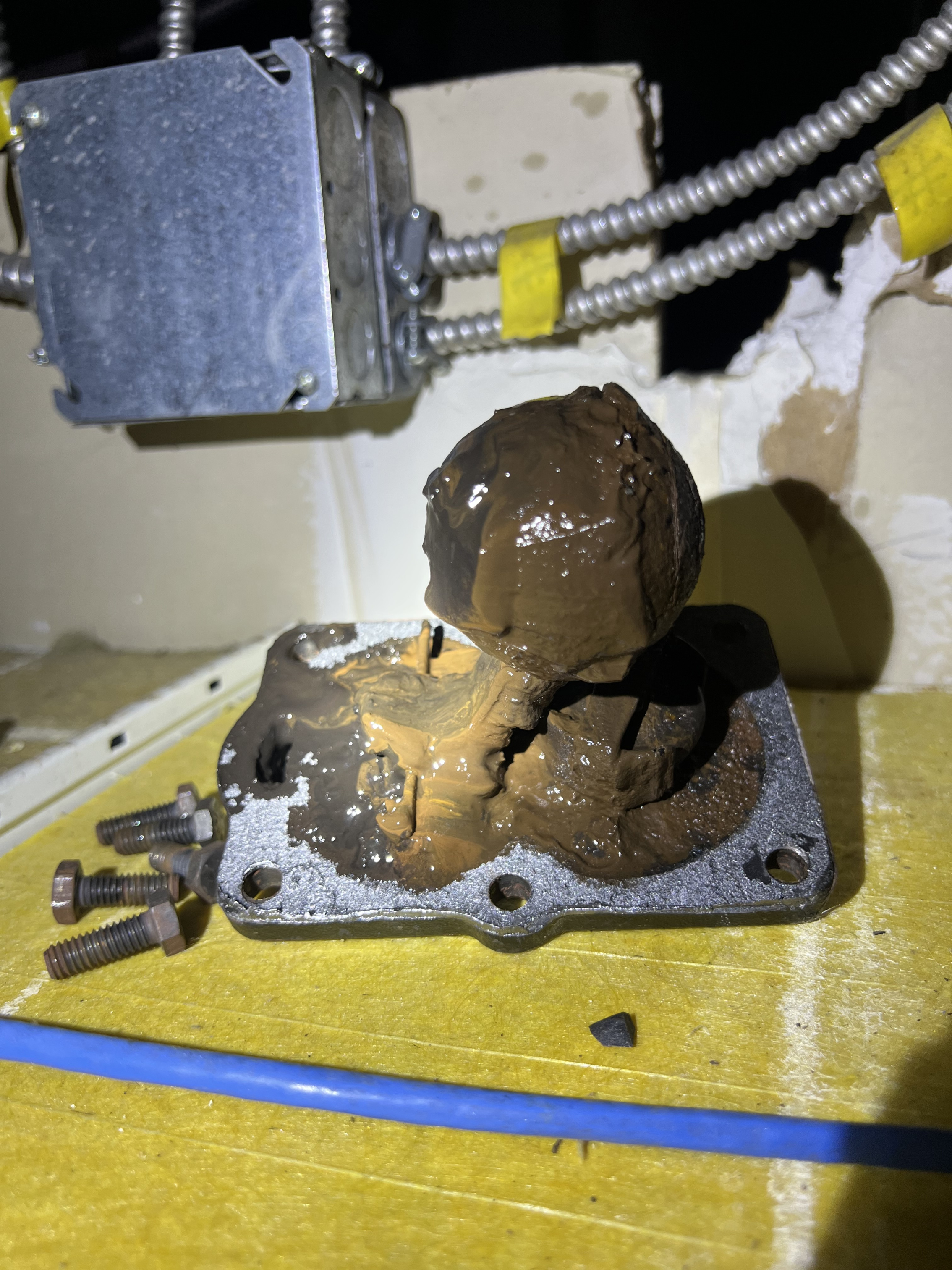
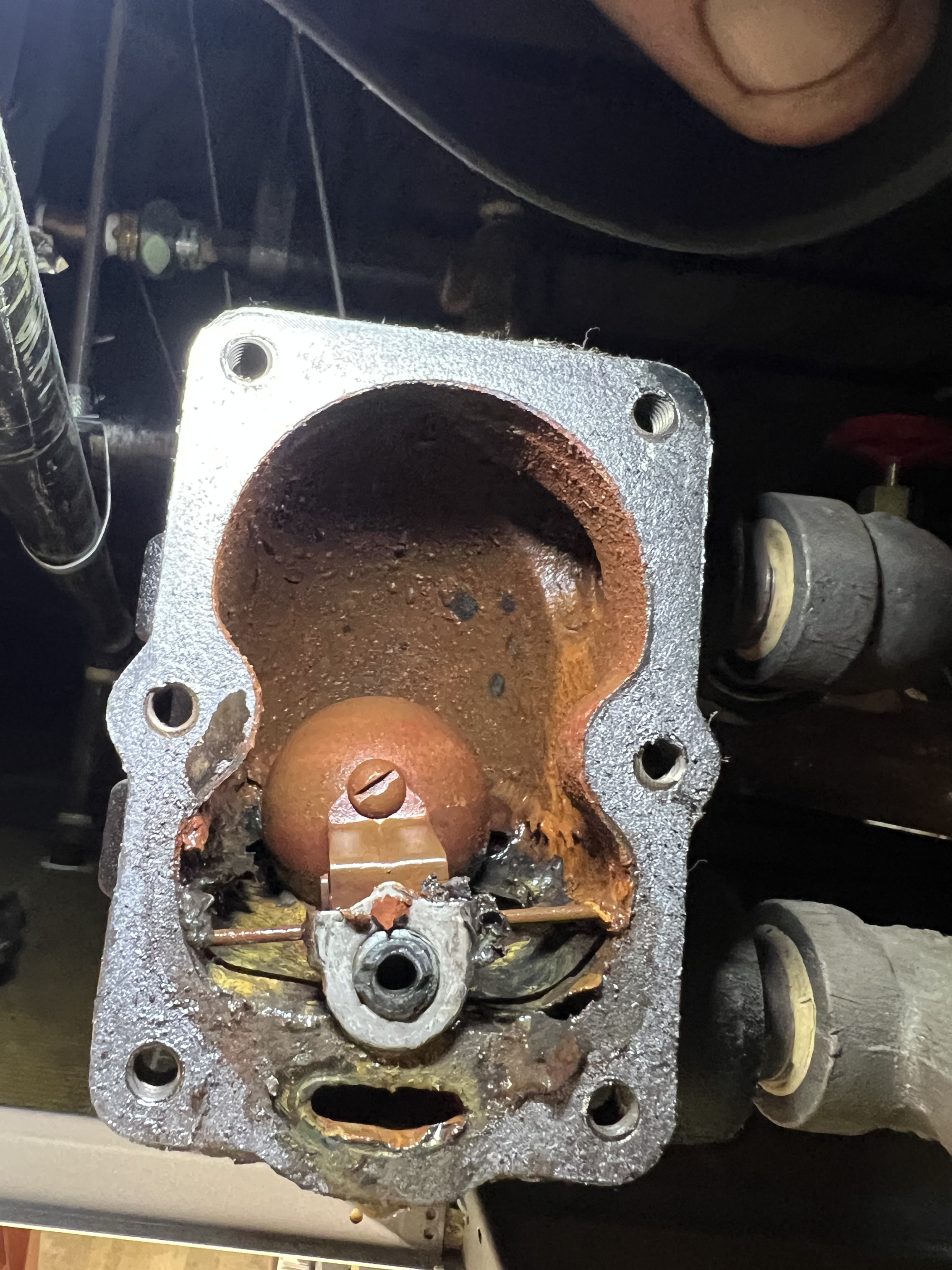
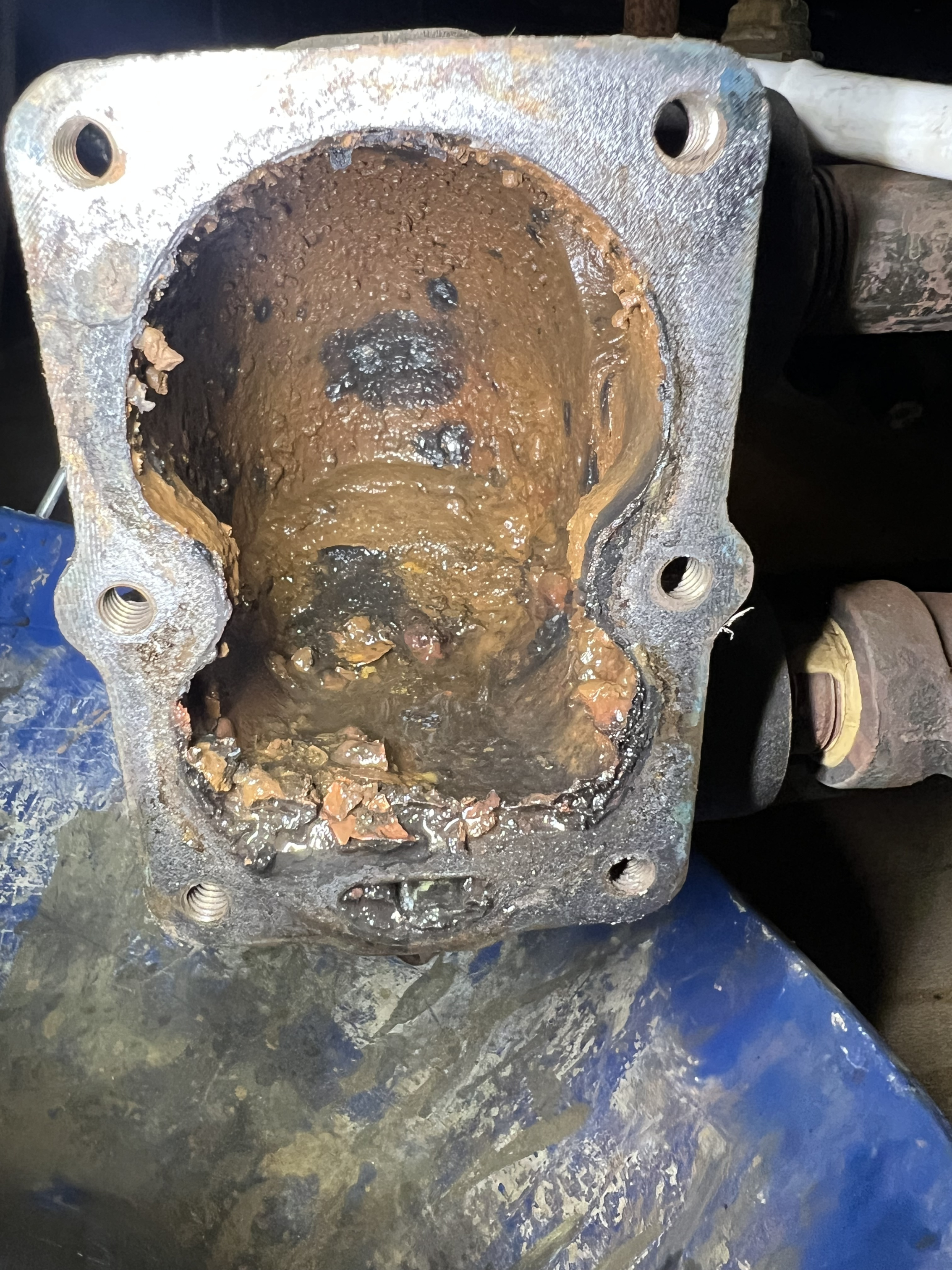
thanks for the input everyone. Really enjoyed doing these traps and realized how needed the rebuilds were. Cleaned out all my strainers real well too. These were some of the worse traps. I have moved to the downstairs now. Less traps but some different style ones. I’ll post some questions in this thread.
0 -
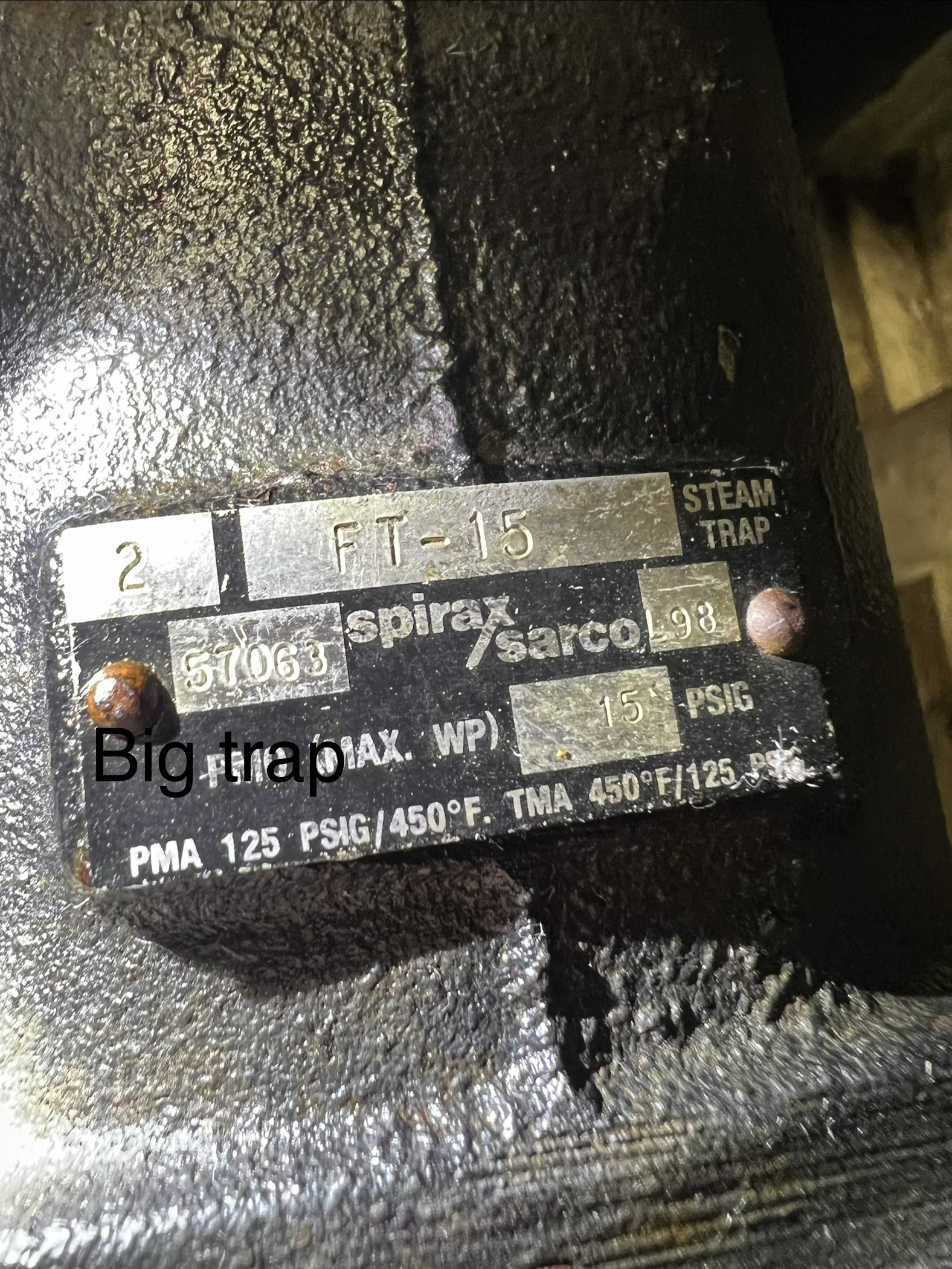
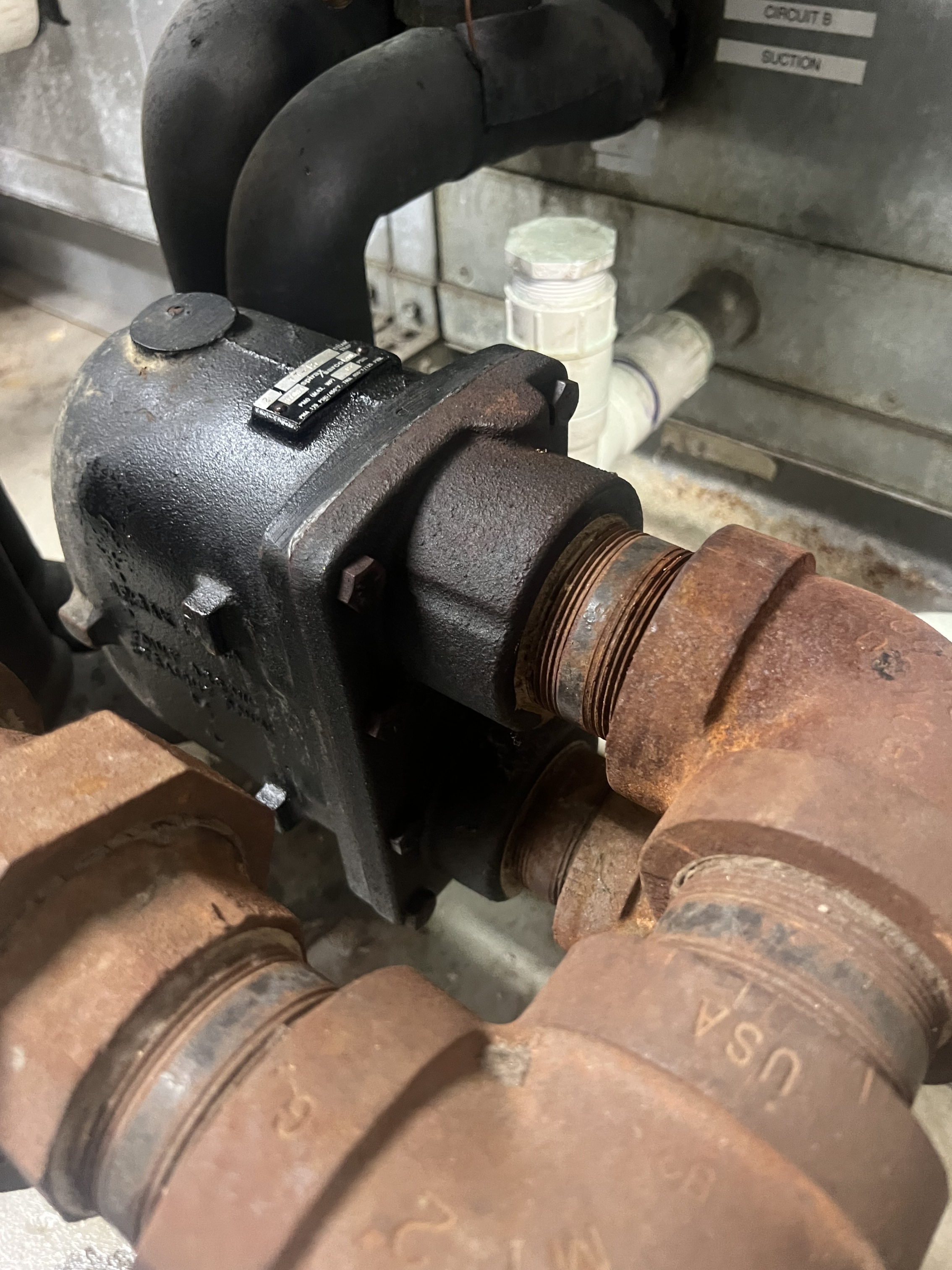
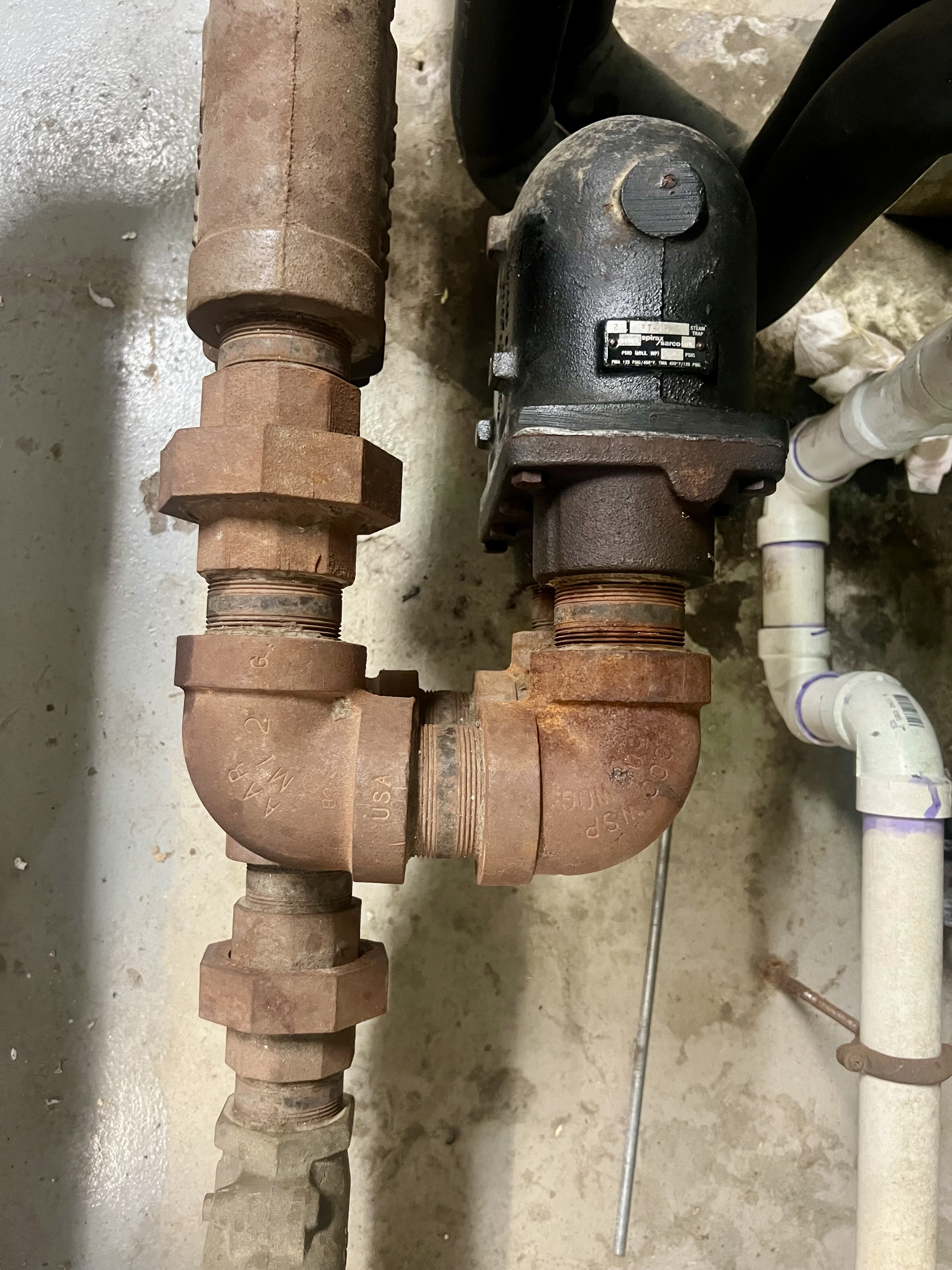
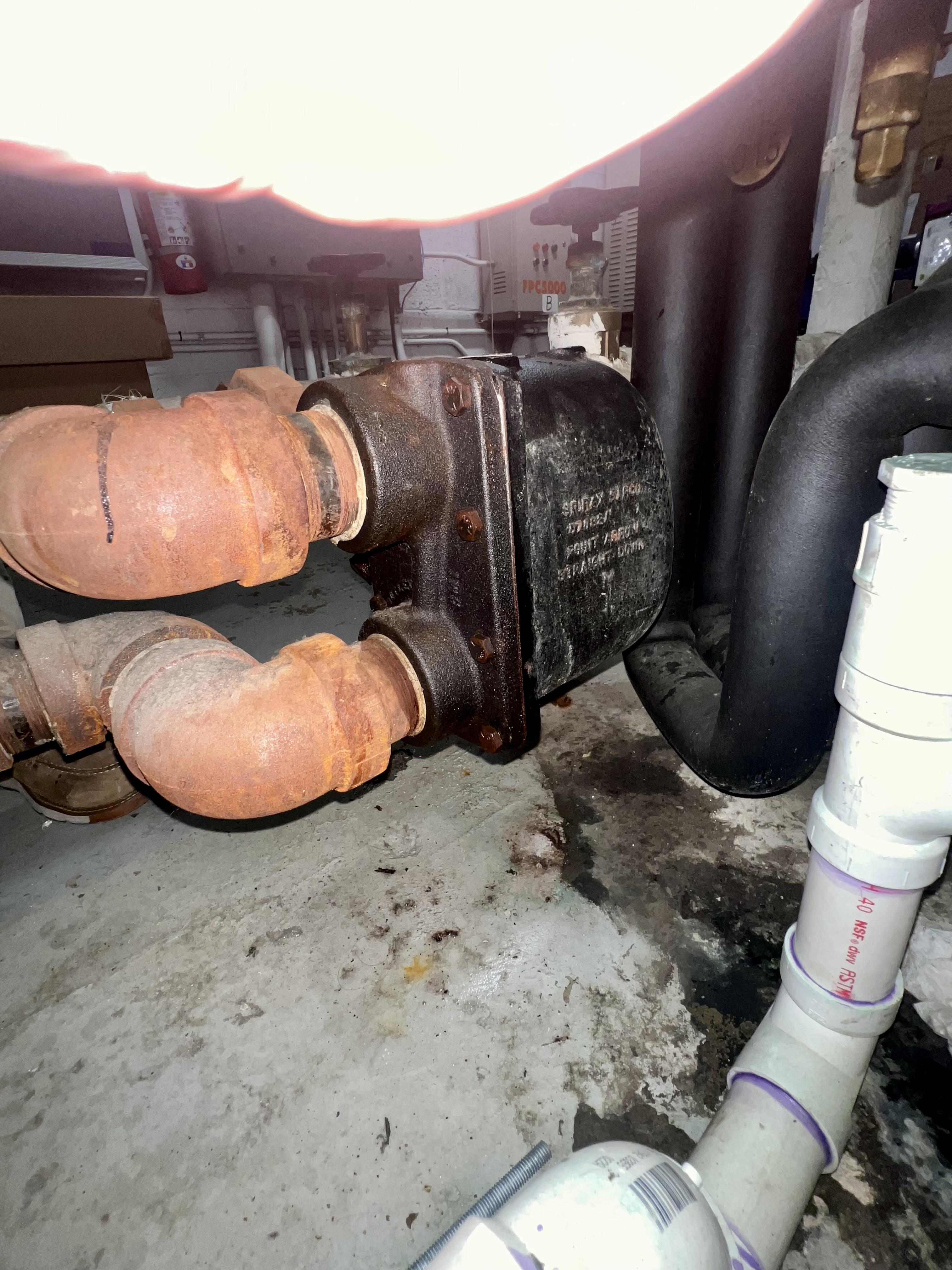
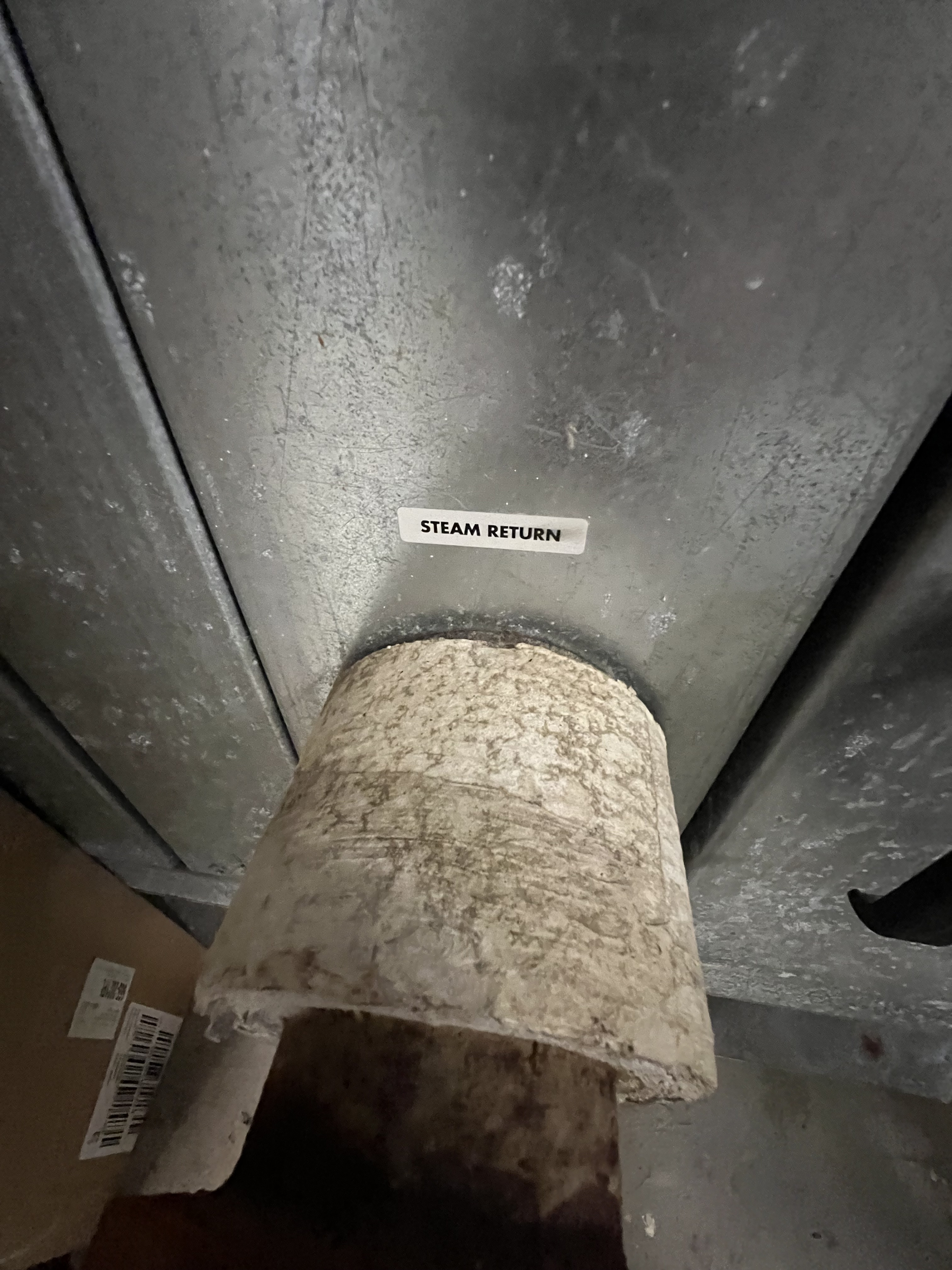
I’d like to get a rebuild kit for this as well. It’s obviously a different setup that the ones I’ve done with the where the face comes off with the 6 bolts. This has pipes going into the face. How do you rebuild this style ?
0 -
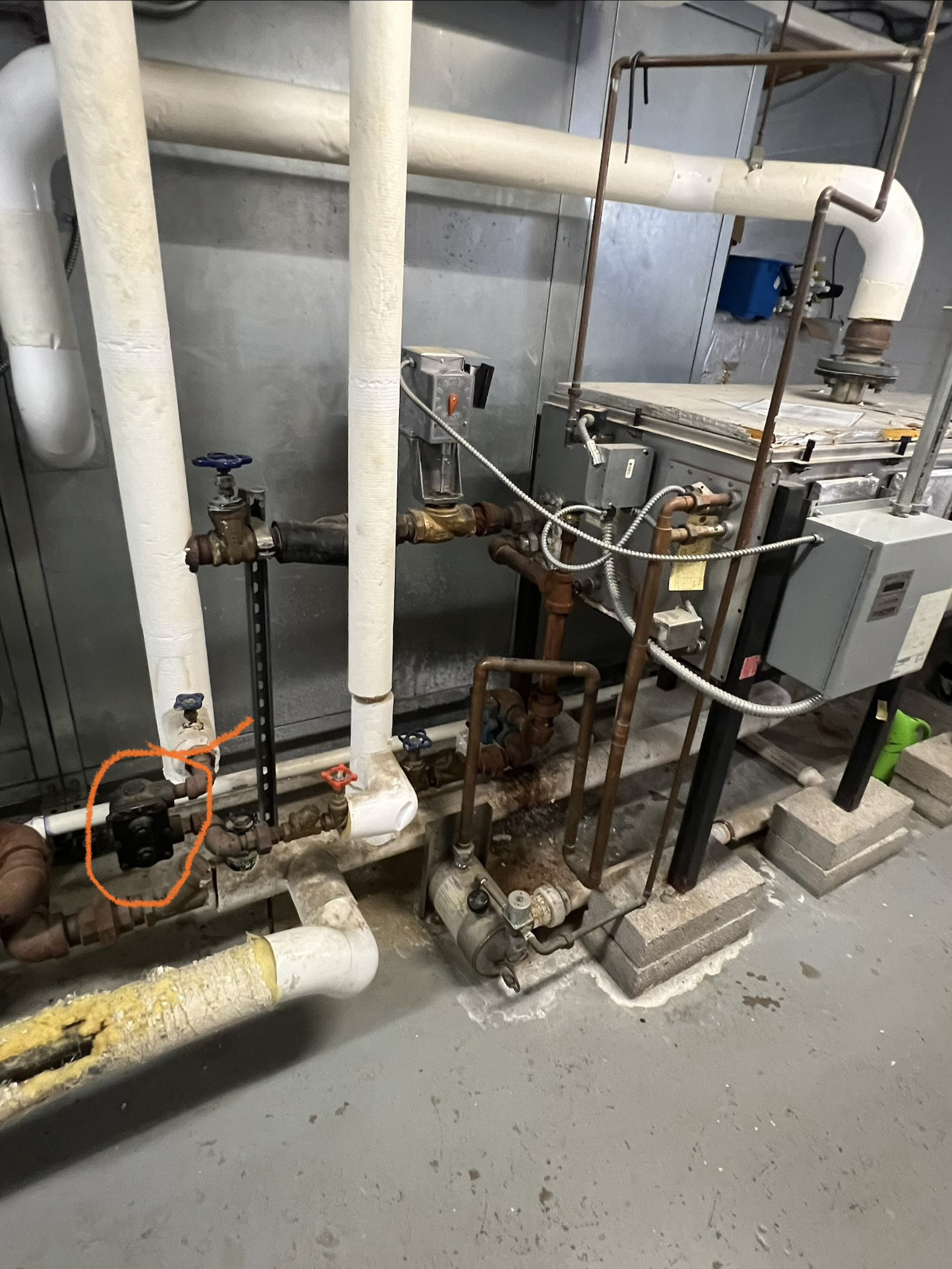
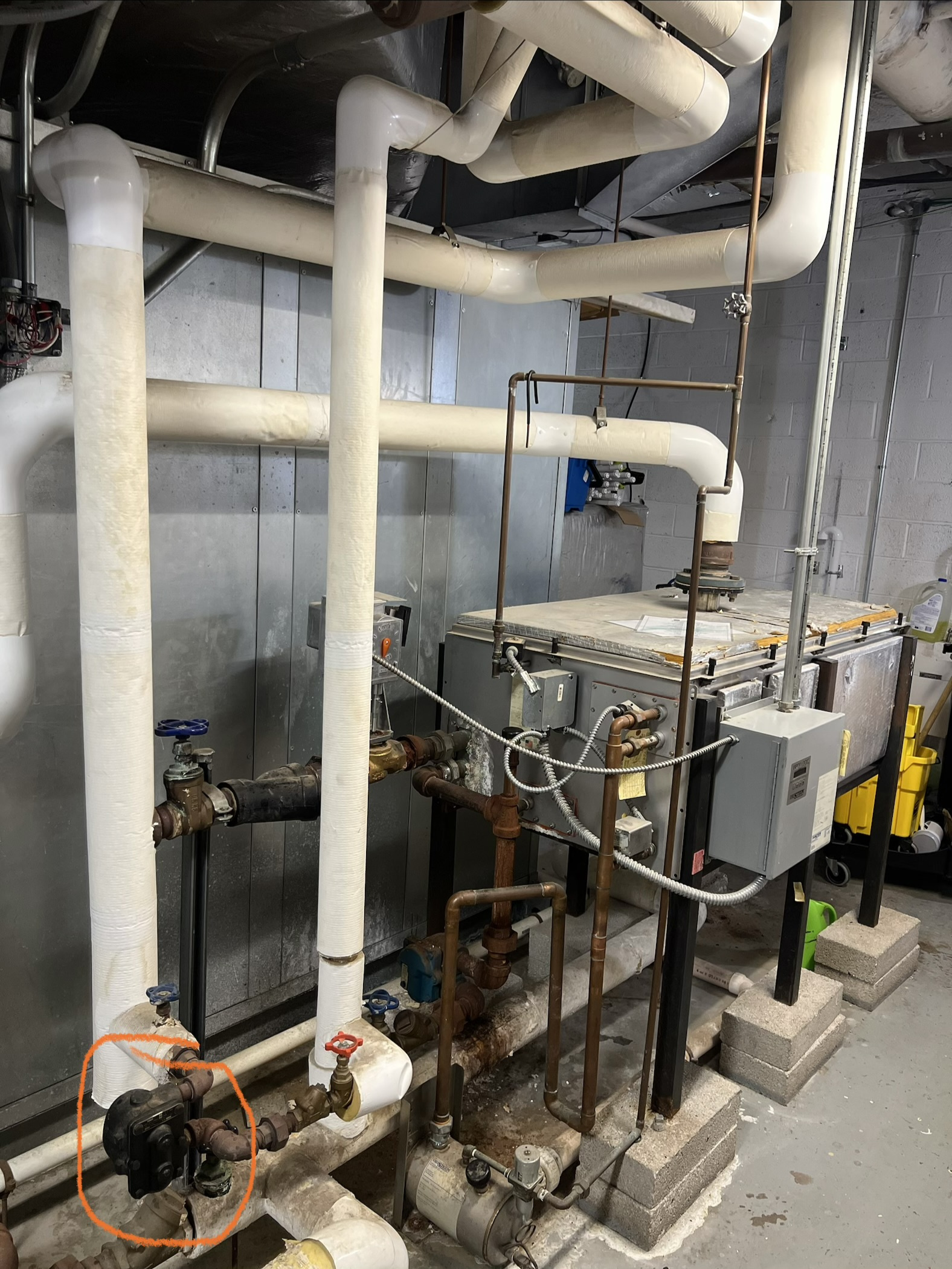
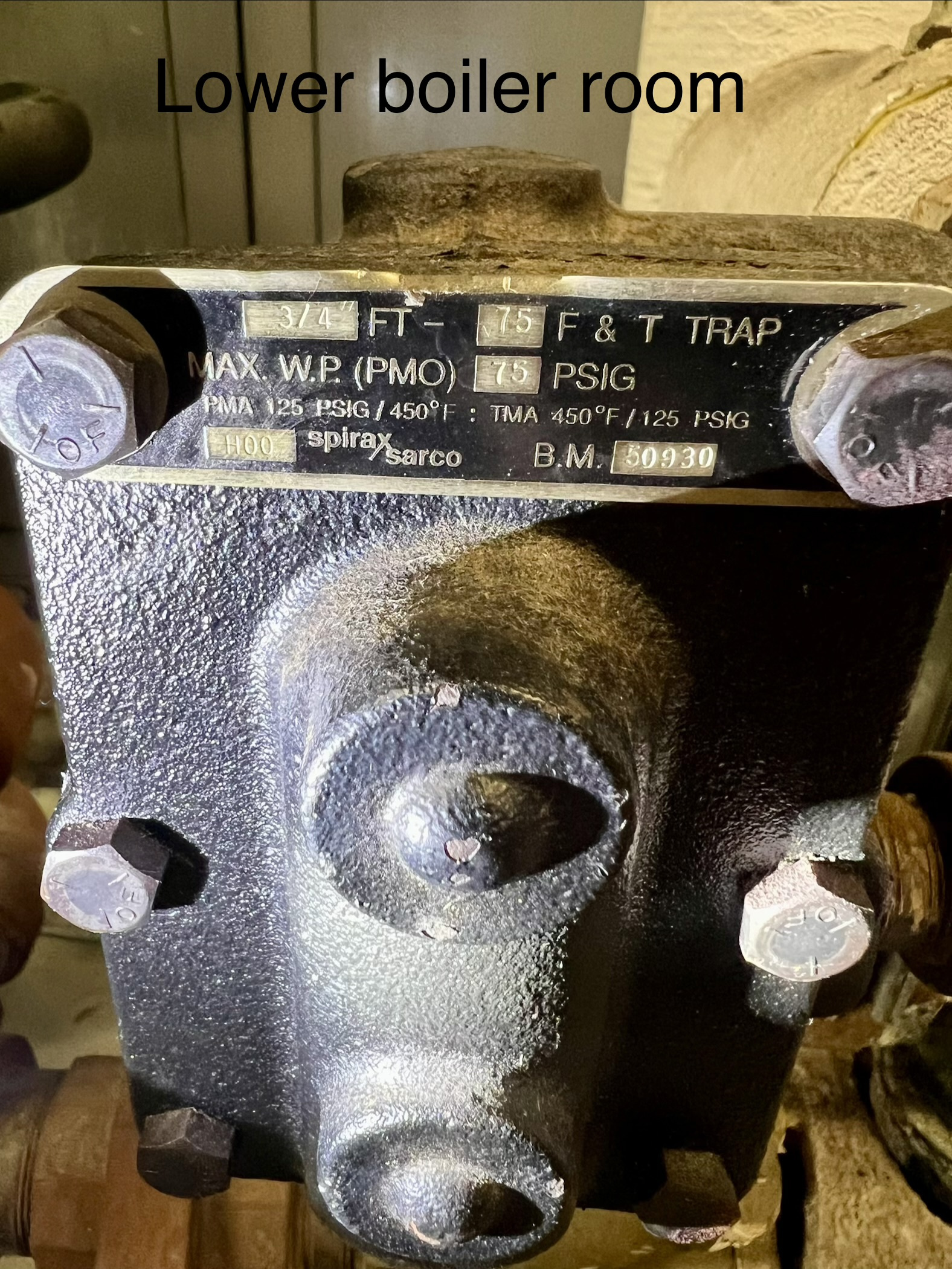
I also I had one trap that was different. It was 75 psig. I’ve attached a picture of its location. Any idea why this my only one that not 15 psig? I am not sure if this picture helps. My humidifier is to the right.
 0
0 -
What is that big 2" trap connected to?
1 -
traps should be sized by condensate they will be carrying, not pipe size. usually a trap that matches the pie size is very oversized. if the trap is oversized the valve will only open a little and the water flow through that tiny opening will erode the seat.
0 -
Take the bolts out and pull the back of the trap off to get at the innards.
a 75PSI rated trap has less capacity.
For instance (I am just throwing #s) a 2" 15psi trap has a max rating of 15psi and lets say it does 500lb of steam/hour
a 2" 75 psi trap has a smaller oarfice to help it close against 75psi but because of the smaller oarfice it can only do 250lb/hour. It will work at the lower pressure fine but at a lower capacity than a low-pressure trap of the same size.
As far as trap sizing goes a drip trap that only drains piping (not equipment) is sized by the steam pressure differential across the trap and the condensate formed by heating up the pipe, valves and fittings on the pipe it is draining. rarely is a trap larger than 3/4" needed.
A trap that drains the equipment is size by taking the lbs of steam/hour that the equipment condenses and applying a service factor to it to allow for warm up. Service factors can range from 1.5 to 3. Usually a service factor of 1.5-2 is enough
So if a unit heater condensed 200 lb of steam/hour and you use a service factor of 2 you would select a trap that would handle 400 lb/hour with the trap differential pressure. (Diff between the supply and return press)
1 -
-
-
yeah that’s the air handler
0 -
Makes sense. I rarely see them that big- last one I saw like that was in an old department store building.
0 -
That is not exactly piped right.
The AHU looks like it has 2 steam coils in it with the returns connected together into 1 trap. No right.
If it has 2 coils it should have a separate trap on each coil.
The outlets of the two traps can be tied together.
I don't know if that AHU is taking in all outside air or some OA mixed with return air but either way having 1 trap on two coils can cause freeze ups or cause 1 coil to work better than the other.
The reason is you can't control the condensing rates of two coils. One may need the trap open while the other coil wants it closed. They don't always see the air at the exact same temp or air quantity This can cause condensate to back up into the "idle coil" and freeze or hammer.
I can post some more info if you want.
0


Categories
- All Categories
- 87.8K THE MAIN WALL
- 3.3K A-C, Heat Pumps & Refrigeration
- 59 Biomass
- 430 Carbon Monoxide Awareness
- 133 Chimneys & Flues
- 2.2K Domestic Hot Water
- 6K Gas Heating
- 124 Geothermal
- 170 Indoor-Air Quality
- 3.9K Oil Heating
- 79 Pipe Deterioration
- 1.1K Plumbing
- 6.7K Radiant Heating
- 396 Solar
- 16.1K Strictly Steam
- 3.5K Thermostats and Controls
- 56 Water Quality
- 51 Industry Classes
- 51 Job Opportunities
- 18 Recall Announcements