If your system has two king valves, where should the return valves go?

Hi,
I will probably need to post some pictures. But, if you have two take-offs with king valves, on a one pipe, dry return system, where is the best location to install a valve on the return(s) to allow you to test the Pressuretrol, or blow down the boiler for a cleaning? I read master Dans book, "The Lost Art of Steam Heating Revisited". But I wasn't sure the best location for the return valves. Should there be one on each dry return? Sometimes people place it on the Hartford Loop? My boiler is a Peerless 63/64.
Thank you all for your help ahead!
Comments
-
you could put one in the wet return after the dry returns connect together but that would be where the mud collects and probably involve a lot of rework. you could put separate valves in each dry return as it drops down in to the wet return, they would probably live longer there and it would probably be easier to cut them in there.
1 -
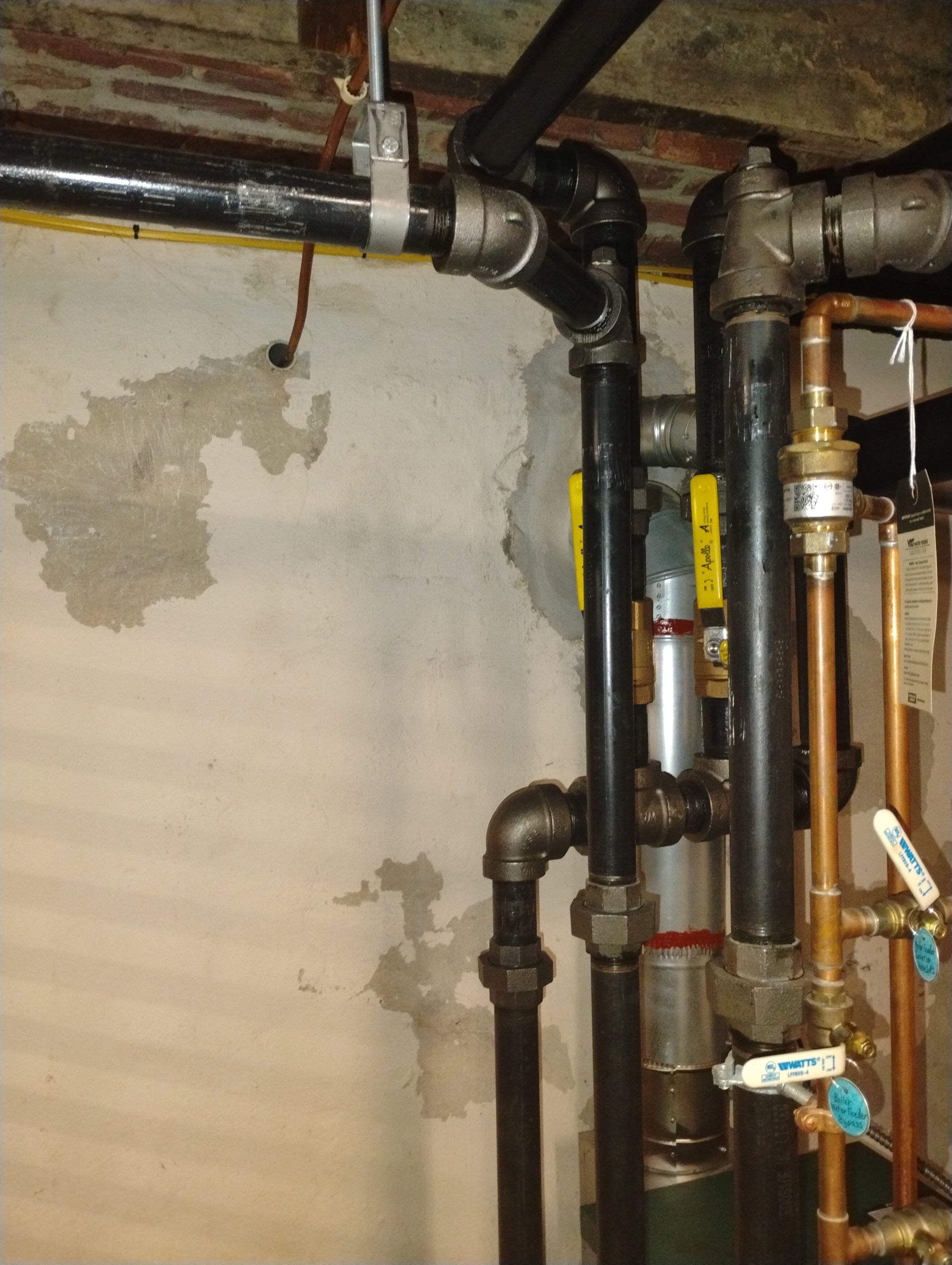
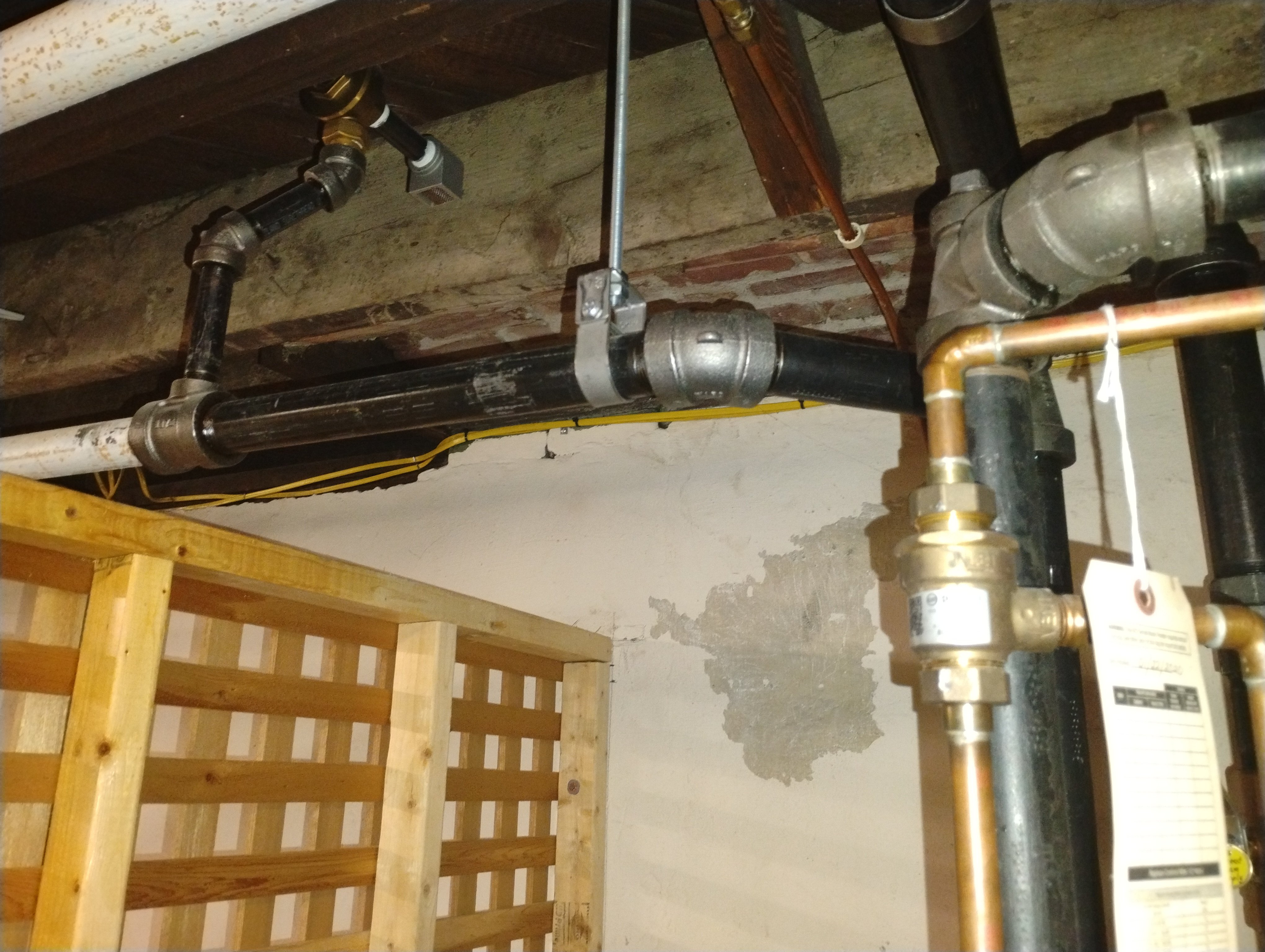
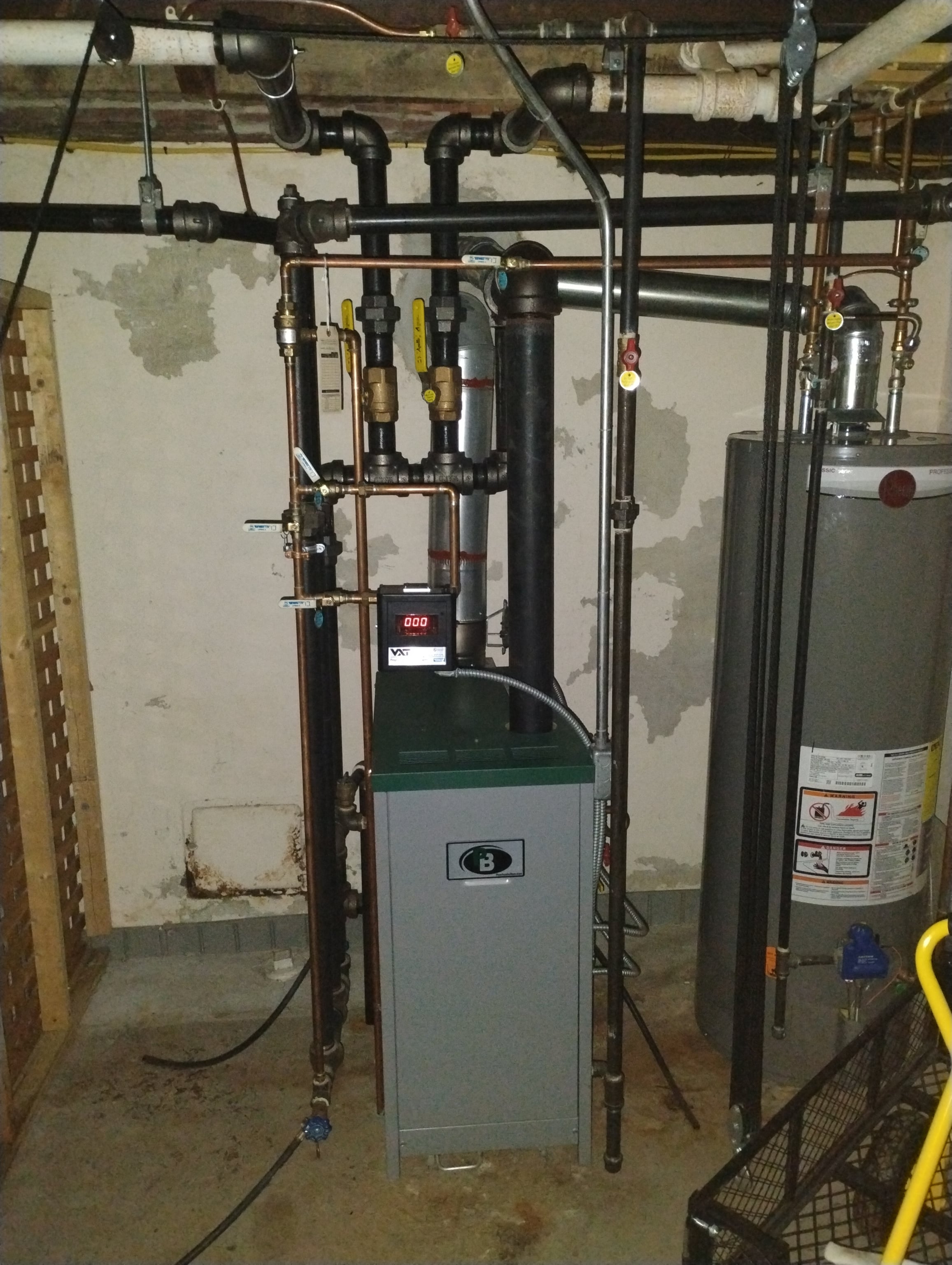
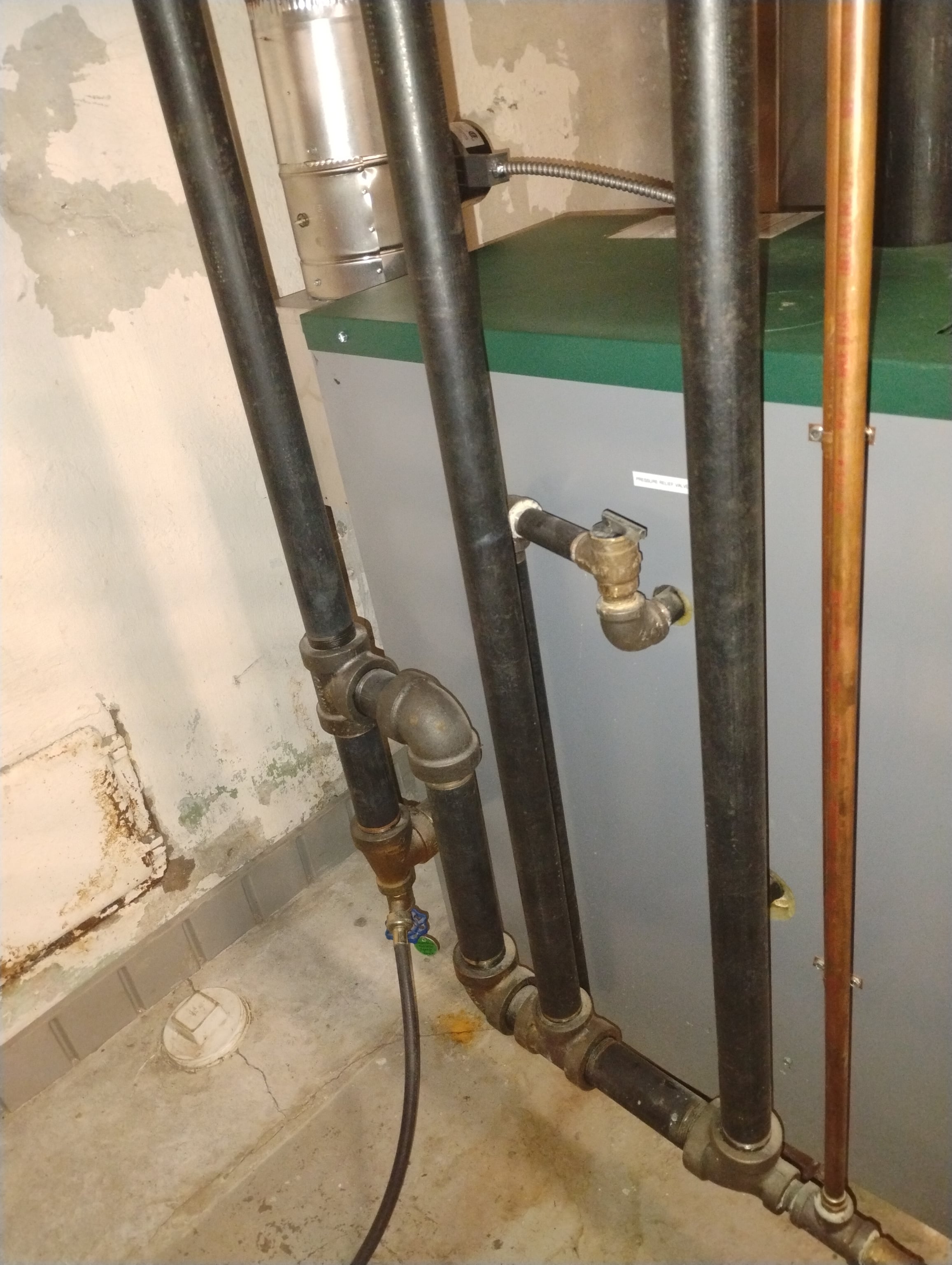
Hi mattmia2, I appreciate your reply! Here are some pictures. If I understand you right, your suggestion is to place two return isolation valves on the two vertical returns, probably above the unions? The valves not being submerged in the wet return will probably extend their life. If I understand you right, this seems like a straight forward task. Thanks ahead!
0 -
seems like that would work to me but i'd wait to see what others say.
1 -
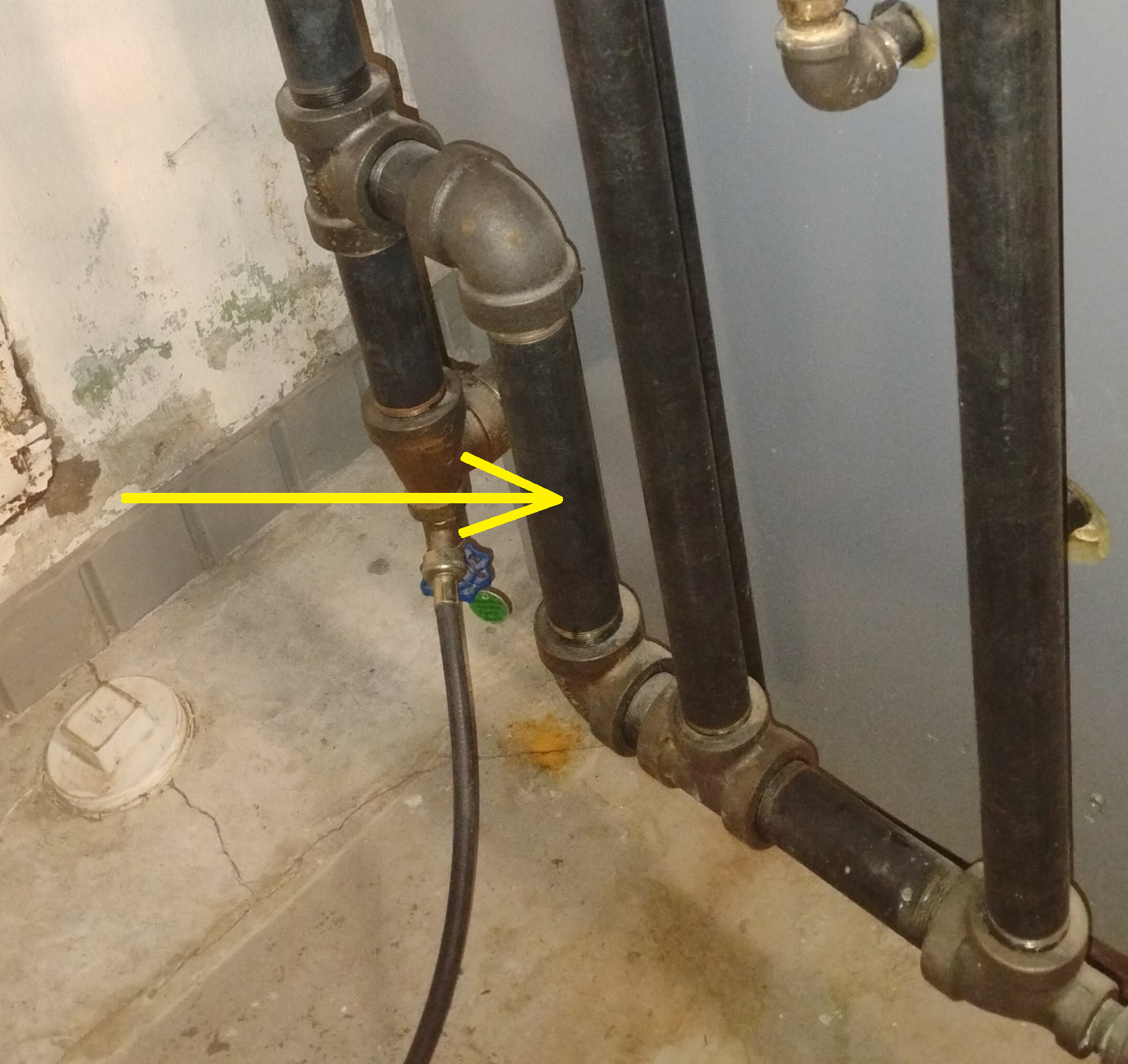
Since your wet return is so short and there are no unions there, it may be simpler to use two valves in the drips as previously mentioned.
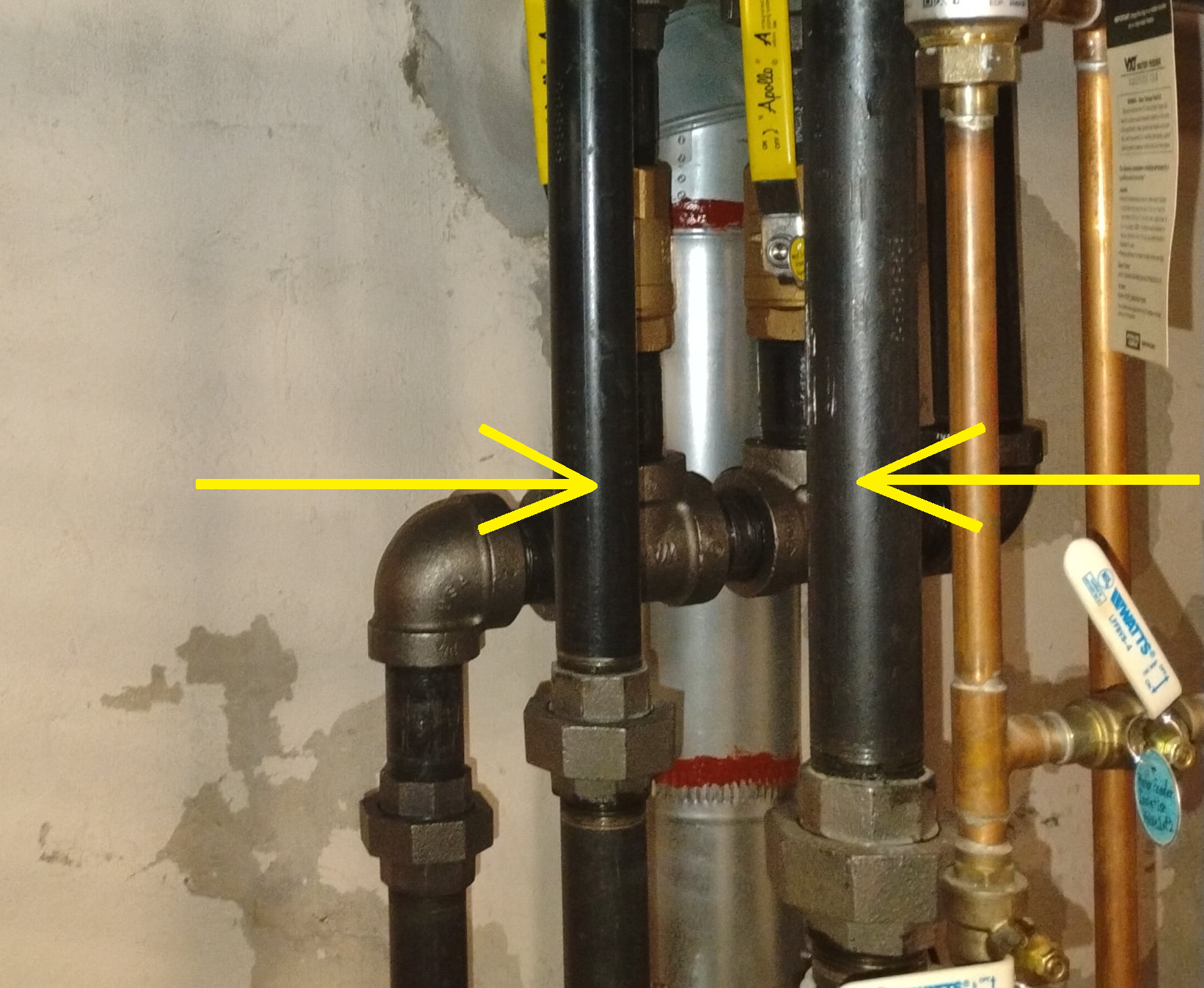
If your are good at pipe-fitting then one valve here would work too. It looks like there is good flushing resources.
 National - U.S. Gas Boiler 45+ Years Old
Steam 300 SQ. FT. - EDR 347
One Pipe System1 -
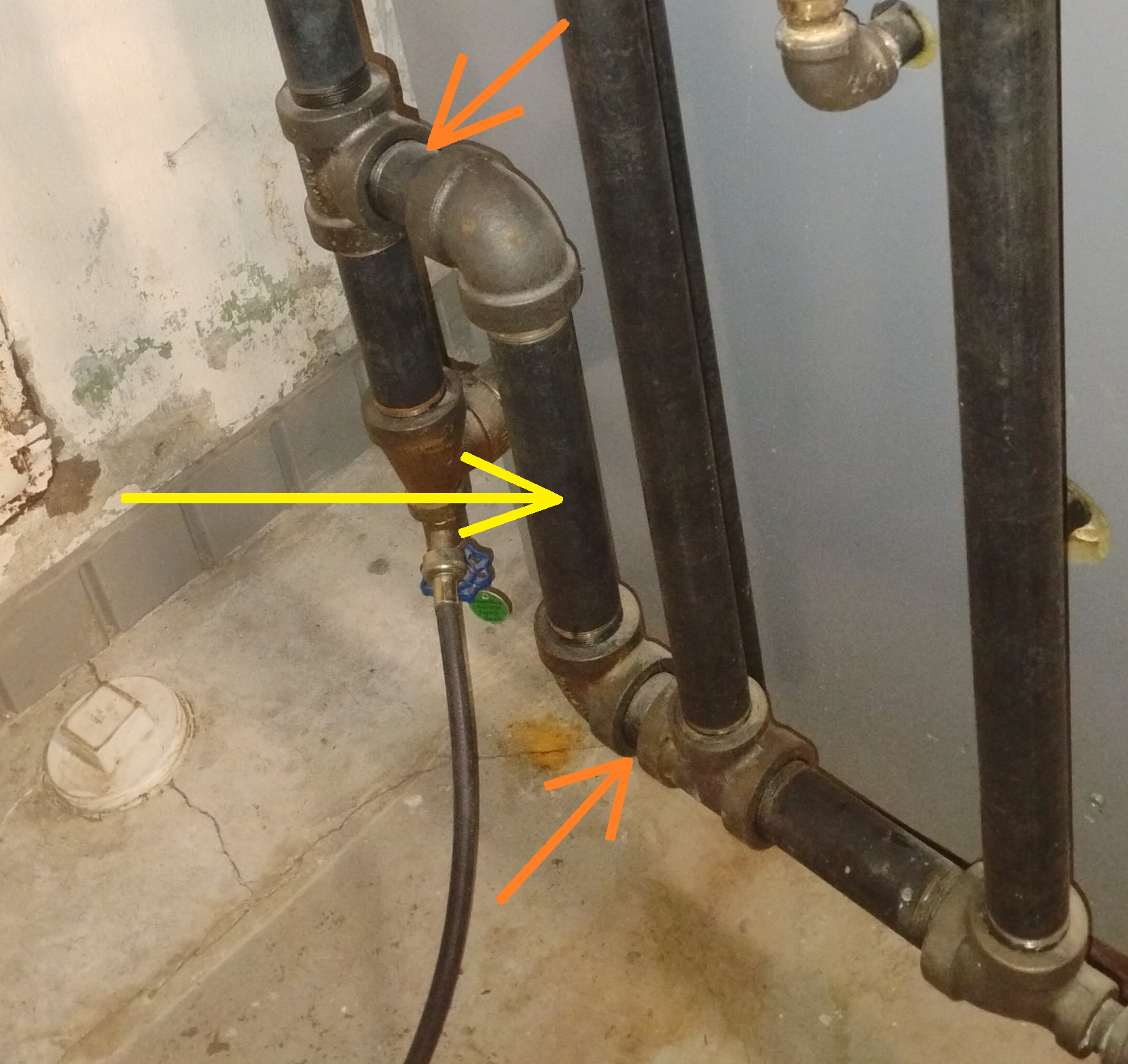
All steam boilers we install get a Gate Valve just before the last elbow in to the Hartford Loop Tee to make blowing out that low leg of the return piping easy. This valve also isolates the boiler from the system returns and is a grear help when doing pressure testing and full blown downs. Mad Dog
1 -
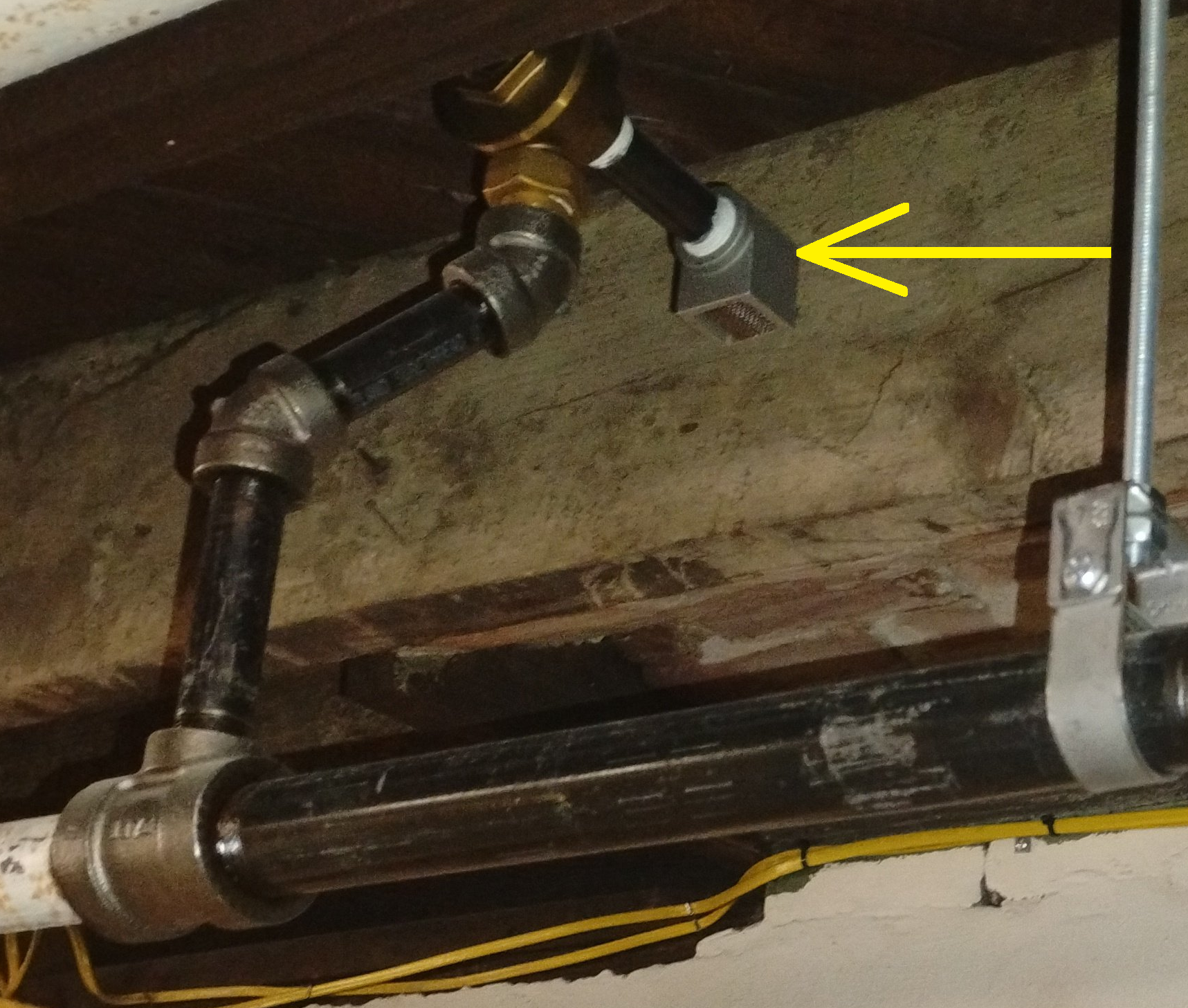
@109A_5 I sincerely thank you for taking the time to download the pictures and write out the arrows for the returns, and your advice. Thanks for your comments on the air vent. I figured if water came out to direct it down, and the screen keeps spiders from moving in the off season.
0 -
@Mad Dog_2 Thank you for your comment and the picture. I am curious, why do you prefer a gate over a ball valve? Thanks again.
0 -
As far as the Peck Vent you should not get much water out of there if the thermostatic vent closes on steam.
The thing is you want to keep the water in the system. If the Peck Vent was tipped up slightly any water in the outlet side of the thermostatic vent may drain back into the system when the thermostatic vent opens between boiler cycles. Probably not a big deal.
Spiders can be a nuisance.
National - U.S. Gas Boiler 45+ Years Old
Steam 300 SQ. FT. - EDR 347
One Pipe System1 -
Ryan: In a pinch, when a Gate valve is not available, we will use a ball valve. However, I have seen the innards of the ball valve, especially the Teflon seals, and they do not hold up to the 212 degree condensate and become deformed causing the valve not to hold in a few seasons. Also, Full port Ball valves are not always available. Gate Valves are the way to go. Mad Dog
1



Categories
- All Categories
- 87.8K THE MAIN WALL
- 3.3K A-C, Heat Pumps & Refrigeration
- 60 Biomass
- 430 Carbon Monoxide Awareness
- 133 Chimneys & Flues
- 2.2K Domestic Hot Water
- 6K Gas Heating
- 124 Geothermal
- 170 Indoor-Air Quality
- 3.9K Oil Heating
- 79 Pipe Deterioration
- 1.1K Plumbing
- 6.7K Radiant Heating
- 397 Solar
- 16.1K Strictly Steam
- 3.5K Thermostats and Controls
- 56 Water Quality
- 51 Industry Classes
- 51 Job Opportunities
- 18 Recall Announcements