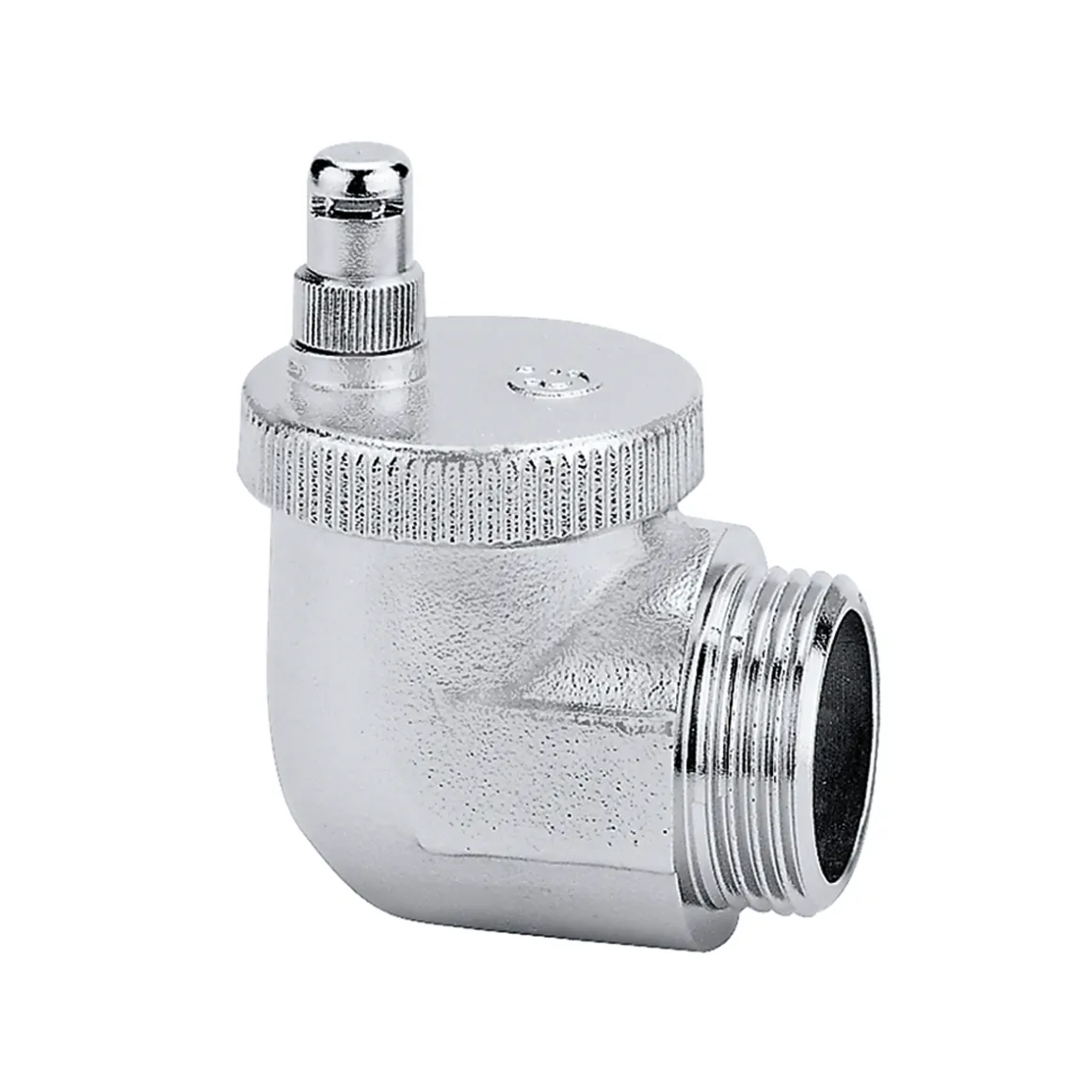
Caleffi 504 Aercal

I've encountered some quirks using the Caleffi 504 aercal, and I wanted to see what the folks here thought. The Aercal is a right angle radiator vent similar to the Minical, available in Europe, but not yet in the USA. However I was fortunate enough to pick up some up on a trip to Europe. The threads should be G 1/2" A on the 504401s I have, which is a British Standard Pipe Parallel (BSPP) thread, not compatible with National Pipe threads due to a different thread shape and pitch. However, in my case I'm using Hudson reed radiators imported from the UK, which appear to use the BSPP threads, so in this case, the valve should be appropriate without an adapter, since both parts are on the market in the UK. I will say that in the 1/2" size, NPT and BSP are the same threads per inch, so sometimes they will appear to mate up particularly when tapered fittings are used, but I think this will be an unreliable joint.
Now, it's obvious that a straight threaded joint will not make a reliable water tight seal. It appears there are two approaches discussed on this topic. One is the use of hemp or loctite 55 to seal a straight joint. The other is the use of an o-ring or gasket. The Aercal comes with a fiber gasket. Easy right? use the gasket. The Aercal screws easily into the radiator up to the last thread, then becomes very tight, well before the fiber washer is compressed. I used the Loctite 55, and it seems to seal. But something is weird, why would it not enter far enough to compress the gasket? Is the radiator actually NPT? I tried an NPT coupling and the Aercal goes only 1 turn before the threads do not work, although hotrod previously showed an NPT nut screwing onto one. It could make sense depending on the portion of the taper included on each fitting.
So my questions are, why doesn't my straight threaded Aercal penetrate deep enough into the radiator to compress the included seal, and is the loctite 55 joint properly made?
Thanks!
Comments
-
BSP to NPT kind of works in one case but not so well in the other
In other words a NPT male will go into a BSP female, sort of, it needs hemp or a bunck of teflon tape wraps, or Loctite thread because in never tightens up on the taper
But a BSP male does not go into a NPT female, but a few threads
It sounds like the radiator may in fact be a female NPT?
one work around if you have enough thread depth in the radiator it to run a 1” NPT tap in deep and enlarge the thread diameter in the radiatorOr if you can get two turns in you can use a liquid Loctite thread locker. Its basically a super glue for threads, anaerobic so it sets up in the absence of O2
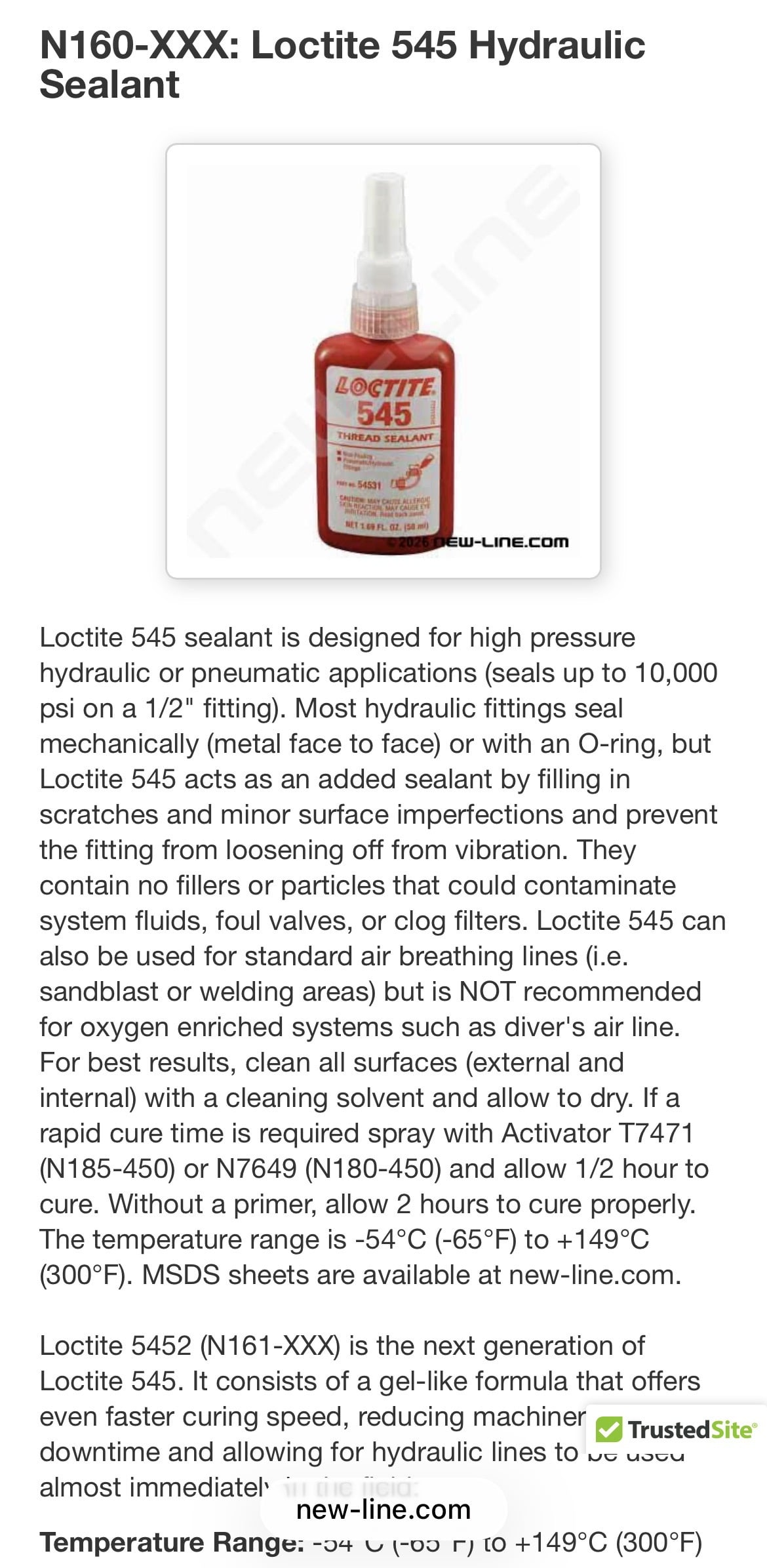
545 and 272 are the Loctite we use at the factory to assemble BSP without gaskets
Bob "hot rod" Rohr
trainer for Caleffi NA
Living the hydronic dream0 -
Thanks. After much experimentation I think the radiator threads are BSP, but in the 1/2" size, the threads per inch is the same as NPT so it is very difficult to see the difference. I will try to get a thread gauge to confirm. However upon further research, I think it may not matter. This article explains that because the TPI for 1/2" and 3/4" trade sizes for BSP and NP are the same, they will thread into each other, although the different thread shape will increase the odds of spiral leaks. I think it is unlikely the radiator is NPS straight female thread because you don't see that much, and it doesn't seem to be tapered, so it is most likely BSPT, but if it is NPS it wouldn't really change the situation.
This explains why some NPT fitting do make a decent seal with it, and some don't, while also some BSPT fittings make a decent seal with it and some don't. It would appear to be since only the largest diameter threads make the seal, if the male fitting is too short, it won't have a large enough thread to make a good seal, and I observed this with both BPT and BSPT male fittings. Some smaller fittings just keep tightening deeper into the radiator without making a seal.
It doesn't explain why I can't get my Caleffi 504 deep enough into the radiator, I think it is because I've reached the end thread on the caleffi. Apparently the loctite 55 is intended to seal even straight threads, which PTFE tape is not, so in theory it might work on this valve radiator combination. For now the valve is not leaking with the Loctite 55 seal.
If this type of connection is reliable, it would actually make it a lot easier to adapt 15mm parts to 1/2 inch US tubing size without fancy parts. I'll bet 15mm to 1/2" BSP female, and then a 1/2" copper NPT can go into that. Might be easier than finding a 16mm BSP compression nut.
0 -
when you assemble pipe and fittings that are BSP, the hemp or thread tape makes the seal. As long as you get a few threads into the fitting , you can stop in any position. Unlike a tapered thread. So the pipe make up is always spot on with straight threaded pipe. Like working with a nut and bolt!
However with some hydronic components the fiber washer or o-ring makes the seal. Sort of like a spin on oil filter
Fiber washers ideally are tourqued tight as the fiber washers have a compression set
In some cases, like the end fittings on a brass manifold that need to end up in a specific orientation, the liquid thread locker is used
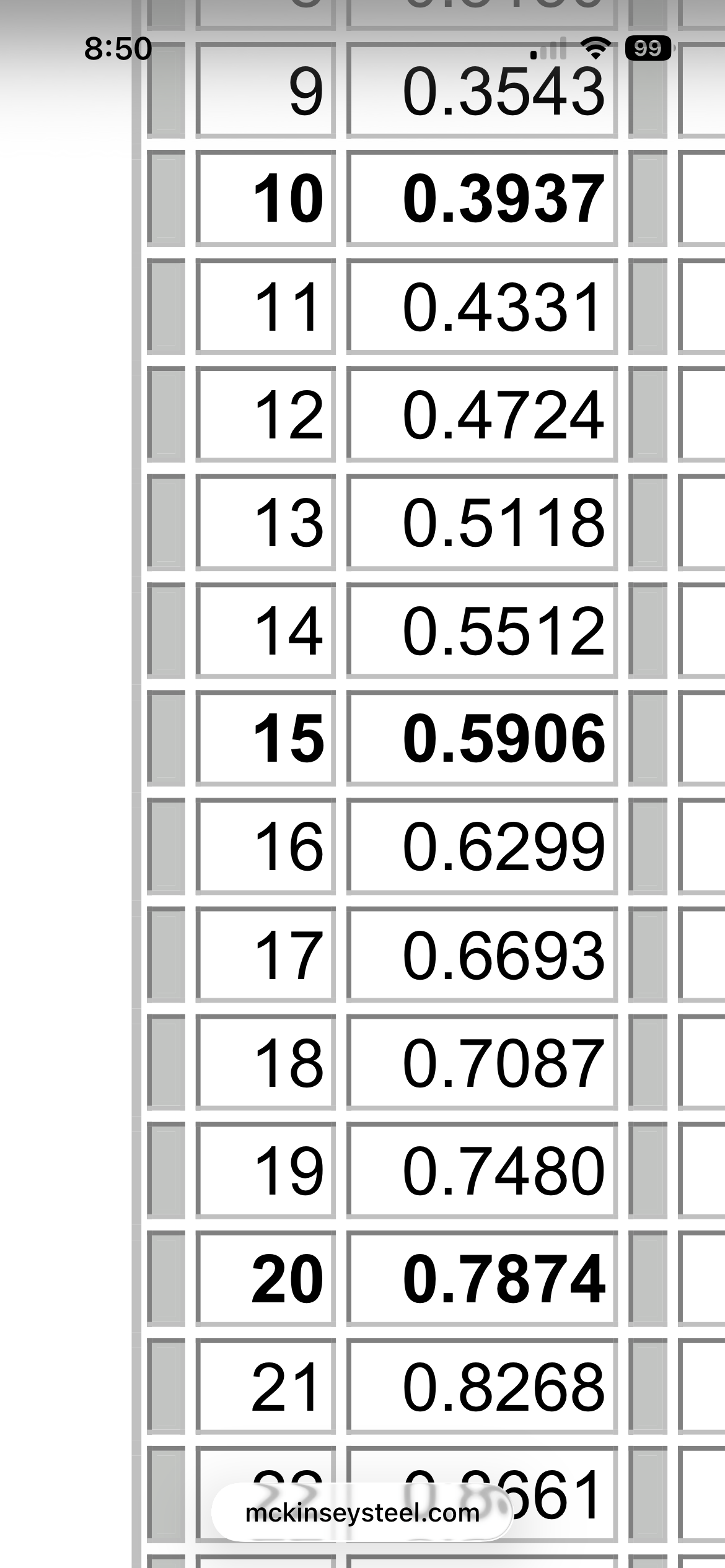
With a bit of work you can make a 15 mm fitting work on 5/8” od, .625” copper tube. The dimension are a few thousands off
 Bob "hot rod" Rohr
trainer for Caleffi NA
Living the hydronic dream0 -
Thanks Bob, so although it is clear that the valve is a gray market valve and probably not warranteed at all in the US, but the radiator and valve are both sold on the European market, if I had made the same installation I did in the Europe, without the fiber washer, just the Loctite 55, do you think Caleffi as the manufacturer would say this is a proper installation? Or is this something only Americans worry about, and in Europe perhaps it's more of an "If it fits it ships!" kind of situation?
I'm still a bit uncomfortable not knowing if I've used a time tested method to make the joint.
0 -
they put cylinder sleeves in engines with loctite and use loctite to make various types of permanent sealed threaded and pressed plug type repairs, it is fine for your bleeder as long as it has a couple threads engaged for mechanical strength.
0 -
you could also use a couple nipples and an ell and a straight auto air vent.(though i don't recommend auto air vents where no one will notice they are leaking when they inevitably leak.)
0 -
pretty much any ball valve you purchase is assembled at the “belly seam”with loctite, we use 545 for fine thread assembly That is a very shallow thread if you have ever disassembled one, and they test to 300 psi or more.
Typically if a product ships with a fiber washer it is intended to be the seal
In the case of a vent like that where it needs to end up with the cap level, the gasket may not be engaged enough to seal, that is why manufacturers seal straight threads with Loctite, or hemp
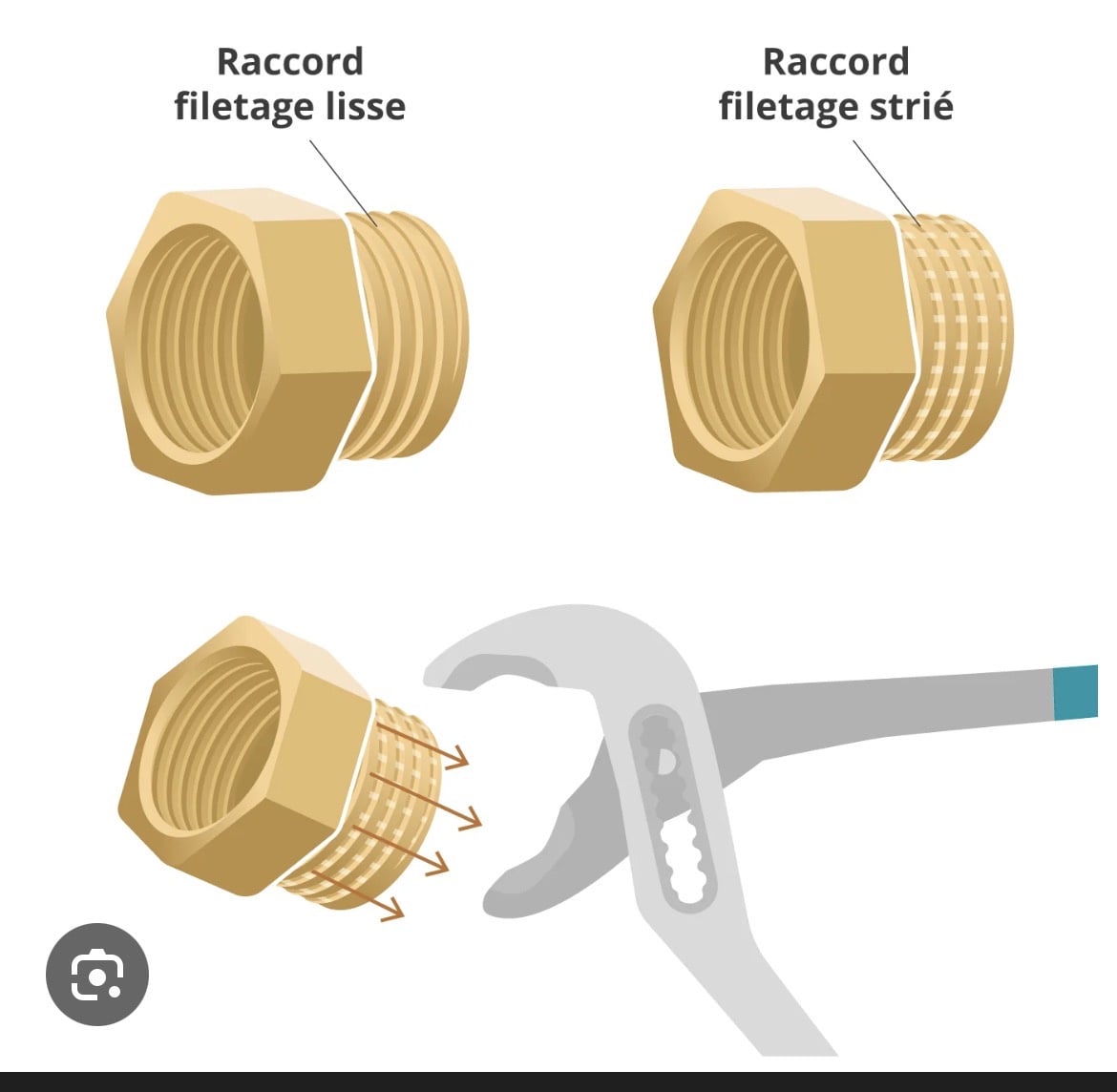
Many of the fittings Caleffi makes have hemp threads The threads get a knurling tool run around them so the hemp stays in place. Ir make your own hemp thread with a slip joint pliers🫣
The hydraulic industry also seals connections with loctite that operate at high temperatures and multi thousand psi conditions
If you can get at least two threads into the radiator, with Loctite, it should hold 30 psi without an issue
Bottom line BSP and NPT officially are not compatible
But BSP to BSP should always fit, unless the OD/ ID are different
I ran that same vent into a cast radiator that I tapped with a 1” NPT, but I ran the tap to the very end
Bob "hot rod" Rohr
trainer for Caleffi NA
Living the hydronic dream0 -
Thanks folks. 2 questions,
Thanks but my first question is, if I use the loctite 545, what do I do when it's time to change the valve? It doesn't seem like it's going to come out very easily.
0 -
Second question is, I thought this is BSP to BSP, I will confirm tomorrow when I receive a G 1/2" BSPP tap, and a thread gauge. I also note that the caleffi 504 is pre-knurled, which suggests the manufacturer is expecting it to be hemped/sealed at the threads. So if it's BSP to BSP why does it bind after 4 turns? It would seem surprising to me if they tapped everything NPT parallel since other radiator importers do not do this. But I guess I need the thread gauge to know for sure what it is.
0 -
the vent is rebuild able without ever removing it. Why would you want to remove it once it is sealed in?
But warming the vent with a torch softens the Loctite, if you did choose to remove it
The vent has a shallow thread, how far into the radiator is it after 4 turns?
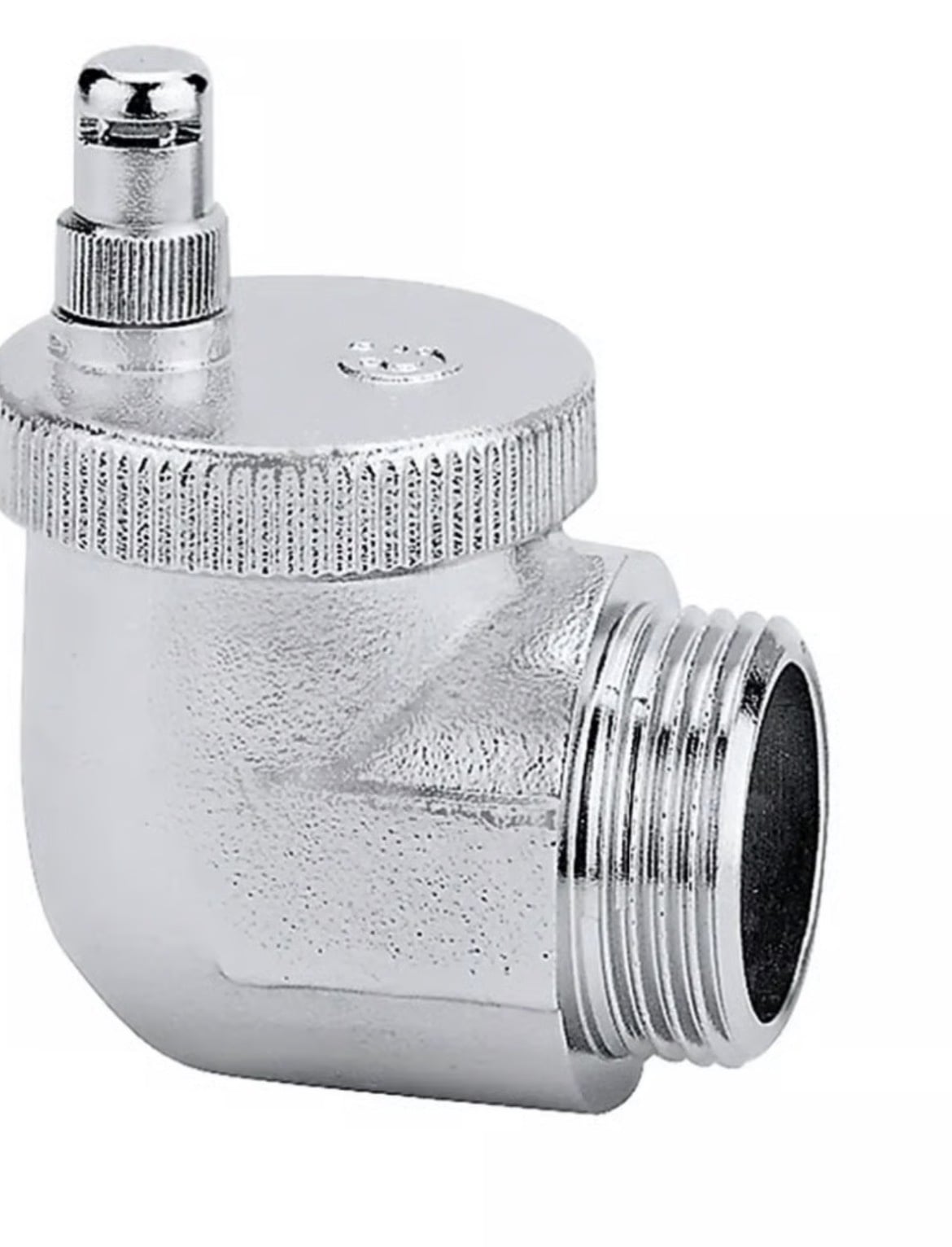
If it has a hemp thread, it is giving you two options to seal. Hemp the thread, or bottom out on the fiber washer
Bob "hot rod" Rohr
trainer for Caleffi NA
Living the hydronic dream0 -
Actually there may be a 3rd option as the interior appears that it may be milled to take a 15mm compression olive, you definitely cannot see this in the photo in your post, but the bevel is there in the units I have. Not sure if that's intentional as I can't find any documentation on the approved connection methods. Still waiting on the thread gauge and tap.
0 -
the thread us called a 1/2” M thread, described here
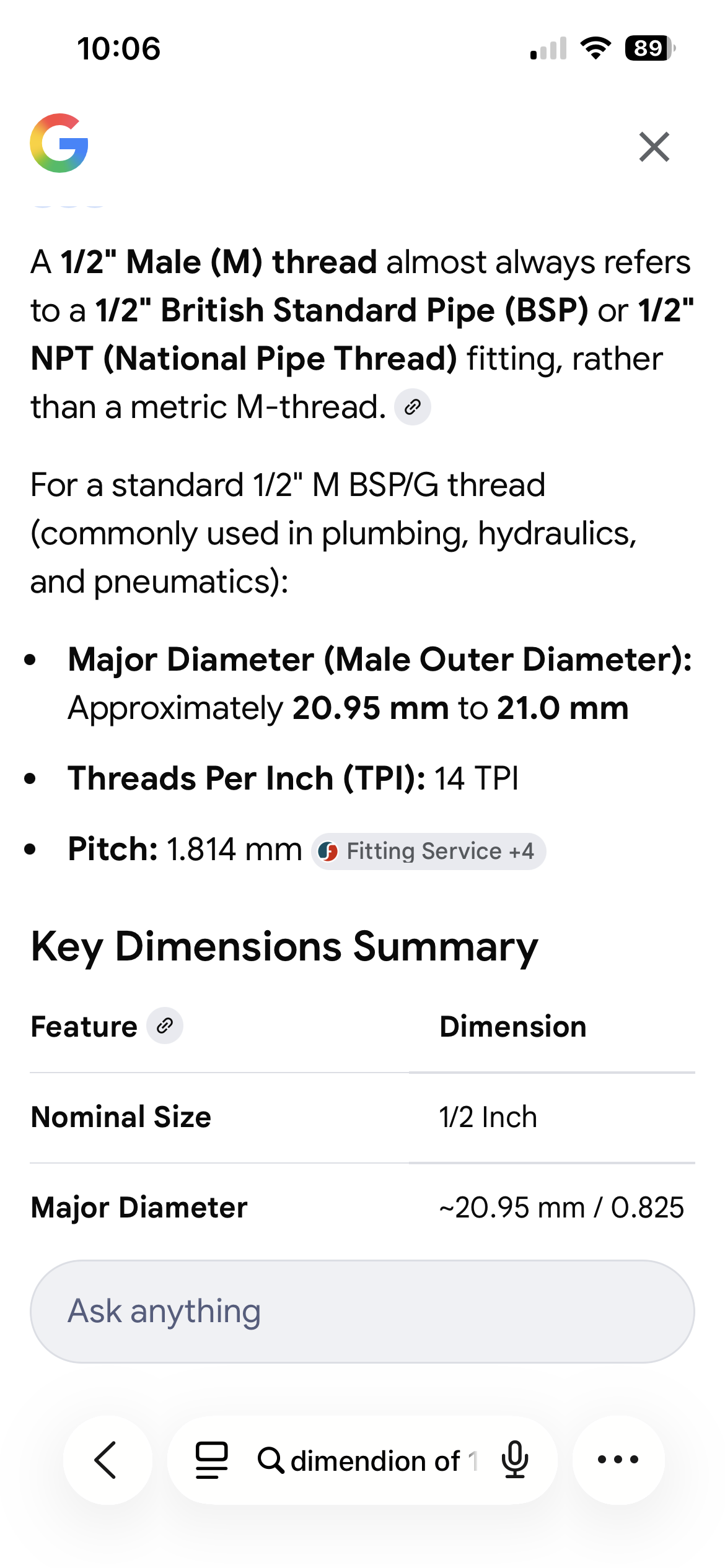
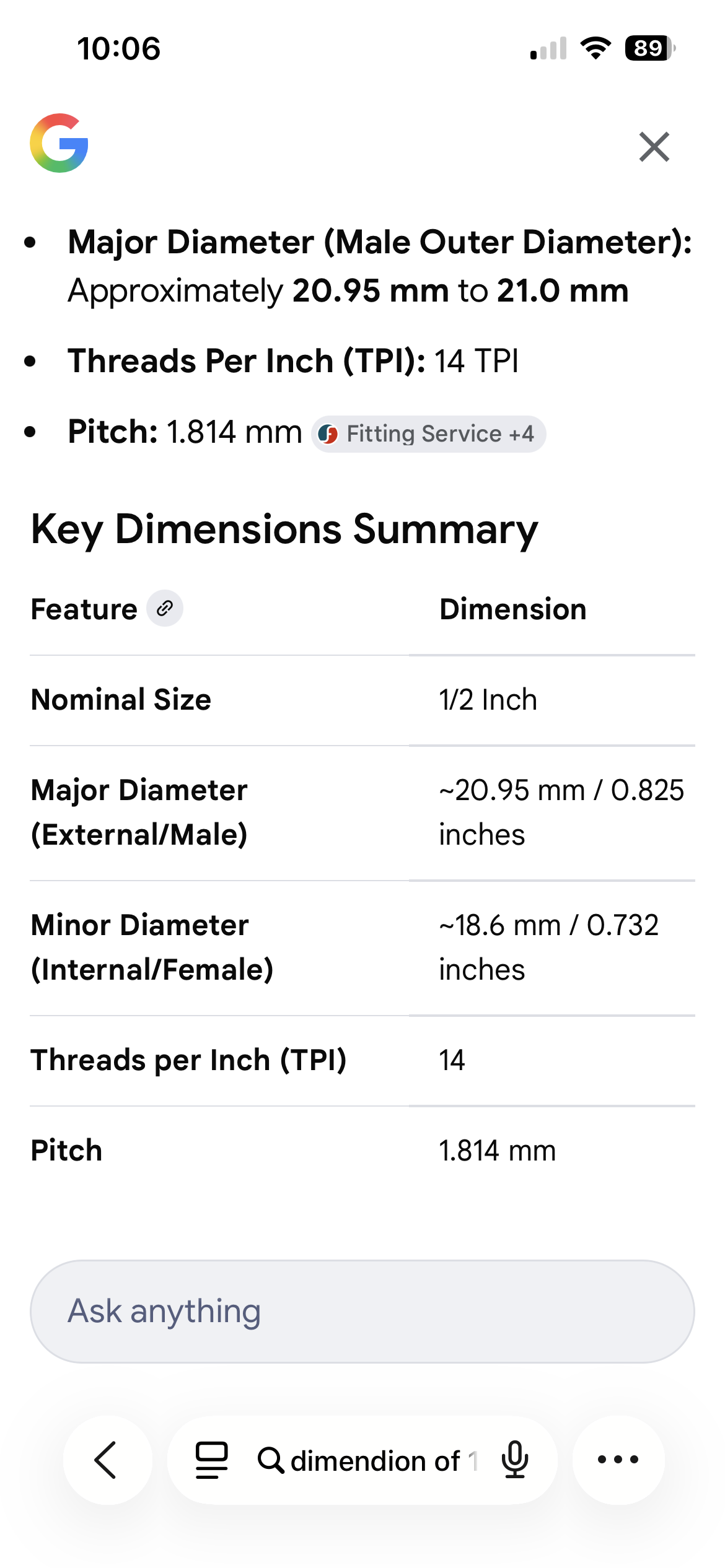
Do you have the spec sheet in the radiator indicating the thread types
A thread pitch gauge could help determine what you have
Bob "hot rod" Rohr
trainer for Caleffi NA
Living the hydronic dream0 -
Hudson Reed did not supply the thread specs, and I even tried asking them for it but never received a clear answer. However today arrived the thread gauge. The threads fit nicely in the 55 degree G gauge, but I don't have a straight NPTS to compare fit with, and it's so small. However the 1/2" G tap was more helpful. I threaded it into the radiator by hand, it went in nice and smooth, then suddenly at that 4th turn became immediately stuck. I used pliers to turn it every so slightly, less than 1/16th of a turn, and it went back to threading in clean by hand the rest of the way. Radiator was factory new, never used and never had a valve in that port. I tested some other ports and found sometimes they could be sticky as well. So I think it is a thread quality issue. I definitely was not cutting metal with the tap, just chasing the threads and had resistance only at that one point. So I think it's a thread quality issue on the radiator.
Now the 504 Aercal threads in nicely be hand, and it looks like there is plenty of room to compress the fiber washer and get the valve facing straight up. If I can't for one of the radiators, I might try to get a thicker washer or use a different kind of washer. I think it's it's worth the extra 30 seconds or so to put the Loctite 55 cord on the the threads, since that would likely reduce the severity of any leak to develop, but also provide a backup seal. I've noticed that the o-rings on some of the blanks and tend to need tightening up after a few years, but you wouldn't want to do that with the Aercal since it would become crooked, so that would probably require depressurizing the radiator and installing a new washer.
I think that Loctite 545 is probably a choice of last resort for me. It would be difficult to remove the valve since the paint on the radiators could be damaged by a torch. I do think it's worth being able to change the valve, particularly when used in the US since it's not that easy to source them. Even in Europe most suppliers I tried had them backordered, so if there were a 6 month lead time for a replacement or parts, I would probably want to stick on another valve in the mean time. Moreover, it is sometimes useful to remove the valve. It might be necessary to unmount the radiator if there is something above it, the valve could become stained from discharge mist, or we may want to replumb the radiator differently in the future to solve a plumbing problem since these radiators can return from the top.
Overall I'm very happy with this valve. It looks great, and it has the redundant hygroscopic seal to guard against leaks in the float mechanism that are a risk with other auto bleeder designs. The chrome finishes matches the other radiator hardware and looks nicely finished out, though it is not a true mirror finish, it looks good. They would not start at all in any of the NPT female fittings I have, so you might want to get an adapter for this application. A straight male thread and a tapered female is not a combination I would want to use since the straight thread would bottom out in the taper. Germany is where I was able to find stock most easily. If Amazon Germany gets them back in stock, it may become fairly easy to import them. Let's see how it goes.
0 -
I might just use blue loctite and call it a day. I have been able to remove red loctite with hand tools despite the claims to the contrary but on something soft and hollow like that blue might be a better way to go.
I think you can get caps with cellulose discs to replace standard caps on most auto air vents, I think most of them just use a standard schrader tire valve cap.
Of course that just seals it until the disc disintegrates, it doesn't really prevent the leak, it just changes when it happens.
0 -
Thank Matt, I think the blue Loctite would be adequate here because there shouldn't be much risk of backout, but if you only have 1 or 2 threads engaged, it's not much contact maybe that is why the red is used? For my situation, I think I'd probably prefer the blue if there is no other way to stop spiral leaks. If it's just about leaks though, I see there is a product loctite 565 which is designed for pipes and has a 45lb*ft torque spec for disassembly. Feels a bit like overkill when teflon tape does a fine job on similar projects with tapered threads, but I see how straight thread design has benefits.
You're absolutely right you can get the disc caps on other valves, what I did not find was one that threaded in at a right angle. A chrome street elbow could get me to a straight valve, but it didn't look as nice in my opinion, it doesn't look like the right style for this type of radiator and the valve comes up tall above the radiator. Plus they are surprisingly expensive and can be scratched up during installation if not careful. We're putting in some more of these for about 20 total radiators.
Now I could be wrong, but it is my assumption that the value of the hygroscopic safety cap, is that when the float leaks, it will seal the vent and not vent air, and that it will leak much more slowly. TRVs also can leak. But if I have 20 radiators on 4 floors, it's a headache to get everything bled and balanced. Ideally if everything is working great, we can close the caps, then just open then for a little while if needed to purge the radiator. Even tenants could probably do this, but I'm not sure I'd want them messing with the coin bleeders, because those can leak a lot of water if they do something silly.
0 -
545 is also supposed to be disassemleable with hand tools
1 -
could be some paint or baked on powder coating on the threads of a new radiator
The tap to chase the threads is a good idea
The hydroscopic caps seal when the discs get wet
As the disc dry out they vent air again
It is a good idea to replace the discs in 3 years or so. Their life span depends on how often they get wet/ dry
They are a safety cap, not intended for continuous use. At some point the system should be, and stay air free
Bob "hot rod" Rohr
trainer for Caleffi NA
Living the hydronic dream0

Categories
- All Categories
- 87.8K THE MAIN WALL
- 3.3K A-C, Heat Pumps & Refrigeration
- 60 Biomass
- 430 Carbon Monoxide Awareness
- 133 Chimneys & Flues
- 2.2K Domestic Hot Water
- 6K Gas Heating
- 124 Geothermal
- 170 Indoor-Air Quality
- 3.9K Oil Heating
- 79 Pipe Deterioration
- 1.1K Plumbing
- 6.7K Radiant Heating
- 397 Solar
- 16.1K Strictly Steam
- 3.5K Thermostats and Controls
- 56 Water Quality
- 51 Industry Classes
- 51 Job Opportunities
- 18 Recall Announcements