Steam System sizing

Hi All,
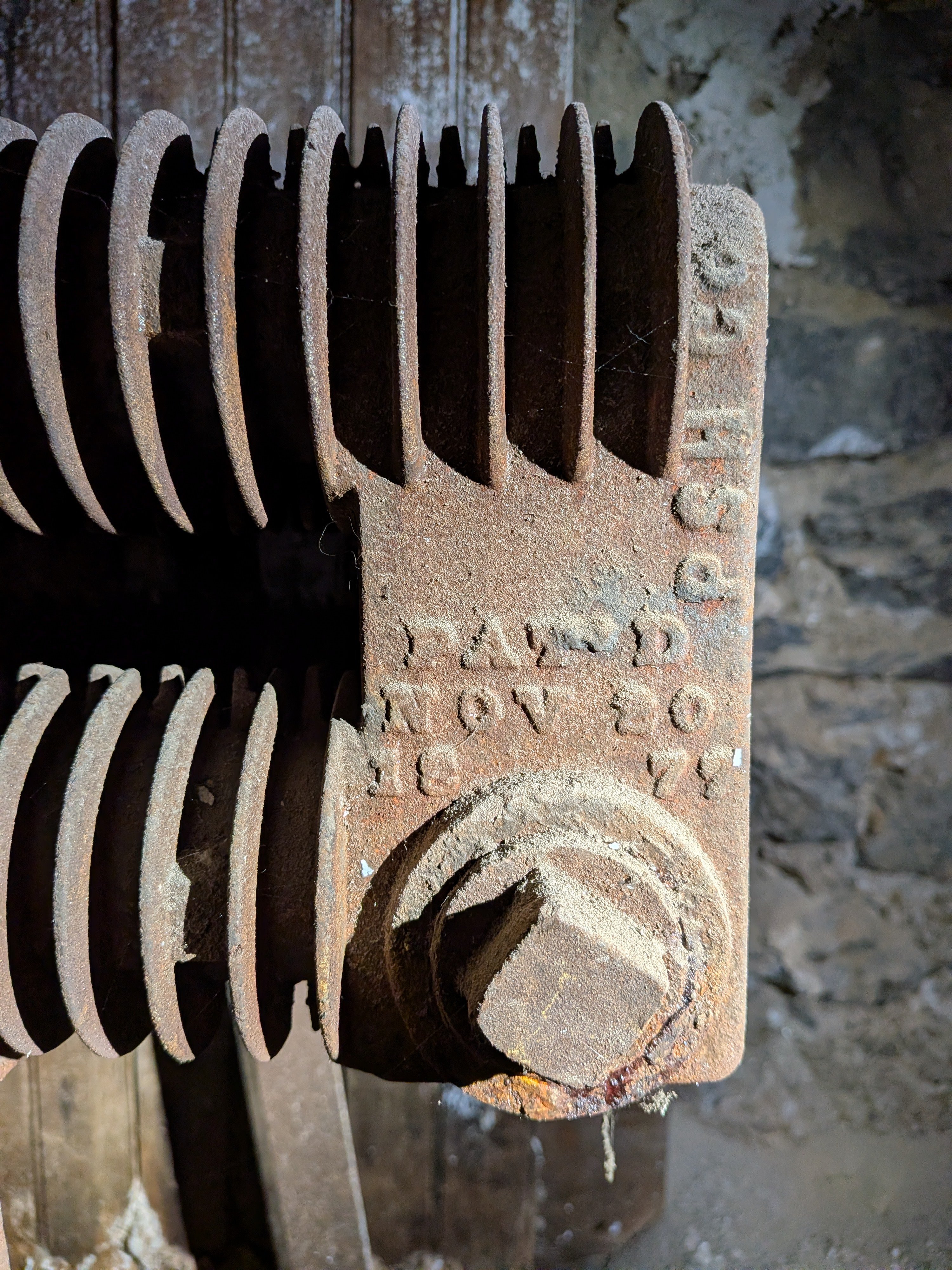
I'm hoping for some deep in the archive help for radiator sizing. I have a total of 34x indirect radiators across 6x indirect steam heating boxes in my basement. For a long time I couldn't make out what brand / model they were, but a neighbor with the same system had one of their boxes open and I was able to snap this photo. They from Pierce's Steam Heating company, which as best I can tell merged with a couple others to form American Radiator in 1892.
According to The Ideal Fitter, American Radiator's Excelsior model had 12 sq ft of EDR per section. Similarly sized Bundy Eureka Straight models (pg. 105) have 15 sq ft of EDR per section. Does anyone have a catalog for PSH Co, or know if they kept the same radiator specs between the 1877 patent and the American Radiator branded product?
Bonus points:
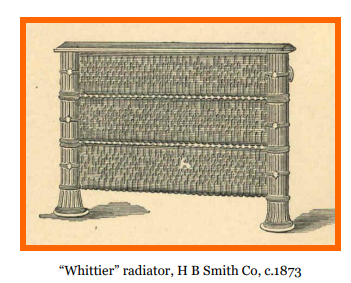
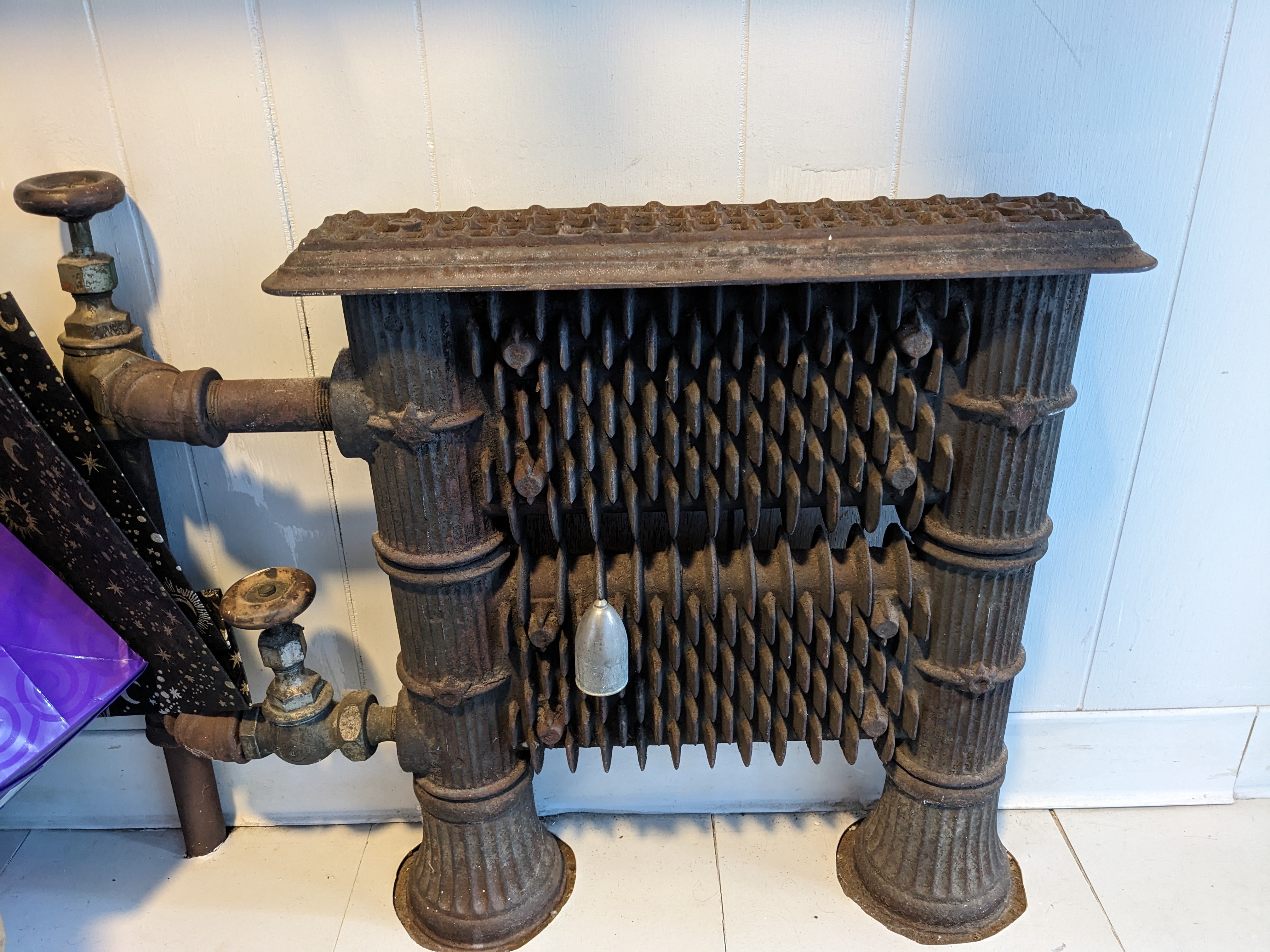
I recently identified a small decorative radiator I have as a “Whittier” radiator, H B Smith Co, c.1873 (see pg. 20). I haven't been able to locate any sizing information on it yet. Has anyone seen a catalog for this company / model?
Thanks!!


Comments
-
Sure!
It pays to wander off the Wall.
All Steamed Up, Inc.
Towson, MD, USA
Steam, Vapor & Hot-Water Heating Specialists
Oil & Gas Burner Service
Consulting
 3
3 -
Big thanks on the Whittier radiator catalog!! This is exactly what I was looking for.
1 -
is it all one pipe?
0 -
No, the indirects are all 2 pipe. There are 3 small directs in the upper floors of the house that are all 1 pipe.
0 -
on 2 pipe you can do a heat loss calculation for the building and look at your best guess for the edr and undersize a bit if it covers the heat loss because 2 pipe is relatively easy to balance to get it to all heat even if it isn't filling everything all the way
0 -
Good to know. It's an old 3-wythe brick house, and because the ACCA doesn't have this exact construction type in their guides, I went to the trouble of manually calculating heat loss via via Manual J 7th Ed. which was the most recent version I could find in public domain. I more closely researched R-values for any construction materials that didn't exactly match, and manually put them into my calculations, arriving very closely with what I derived from Coolcalc, around 87k. It was probably all waaaay overkill, but was a great exercise to get me truly understanding all the variables involved in HVAC. Once I get a new boiler in place I need to work on improving tightness of the building. Stick-on plastic window insulation and some cellular blinds seemed to handily improve comfort during this winter's much more colder weather vs last year's milder winter. I'll need to also engineer some sort of air return for the ducted indirect heat.
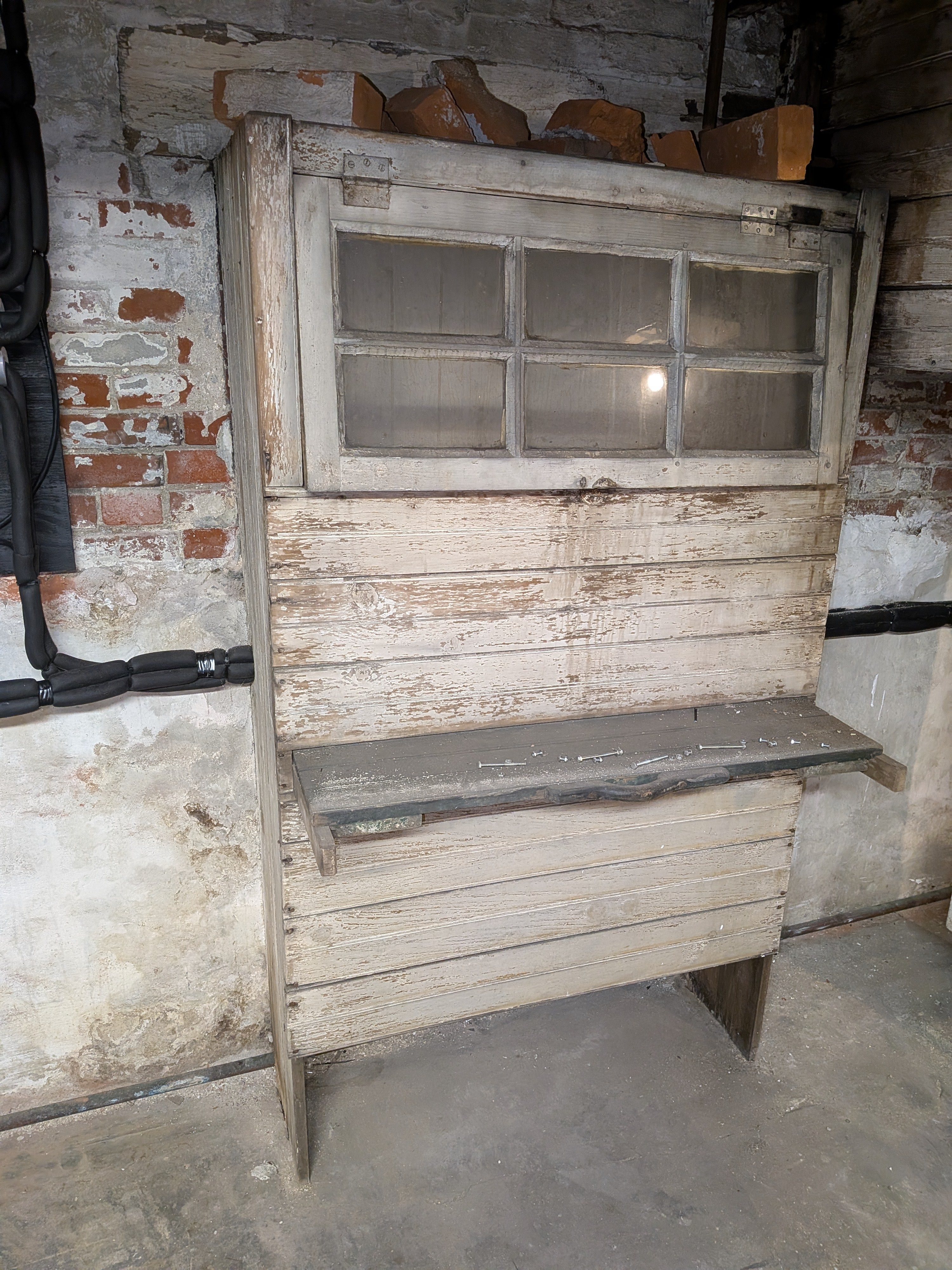
It took me a while to figure it out, but this appears to be the original outdoor air intake for the system. The area behind the window is boarded up now, but it would have been a window back in the day. I'm told there was no "exhaust" at the top of the house, because it was just assumed the heat would leak out via windows, attic, etc. Obviously, it's much less efficient to heat colder outdoor air and just let it leak out. I'm thinking maybe adding a louvered section to my basement door may be enough to get the return needed?
0 -
It sounds like you lived in this house through last winter? If you have a year's worth of heating fuel cost, you can calculate your actual heat loss accurately by this method:
https://www.greenbuildingadvisor.com/article/replacing-a-furnace-or-boiler0 -
One reason they heated the colder outside air was it was denser which improved circulation.
 1
1


Categories
- All Categories
- 87.6K THE MAIN WALL
- 3.3K A-C, Heat Pumps & Refrigeration
- 59 Biomass
- 430 Carbon Monoxide Awareness
- 124 Chimneys & Flues
- 2.2K Domestic Hot Water
- 5.9K Gas Heating
- 120 Geothermal
- 168 Indoor-Air Quality
- 3.8K Oil Heating
- 78 Pipe Deterioration
- 1K Plumbing
- 6.6K Radiant Heating
- 394 Solar
- 16K Strictly Steam
- 3.5K Thermostats and Controls
- 56 Water Quality
- 51 Industry Classes
- 50 Job Opportunities
- 18 Recall Announcements