Wrapping Steam Pipes

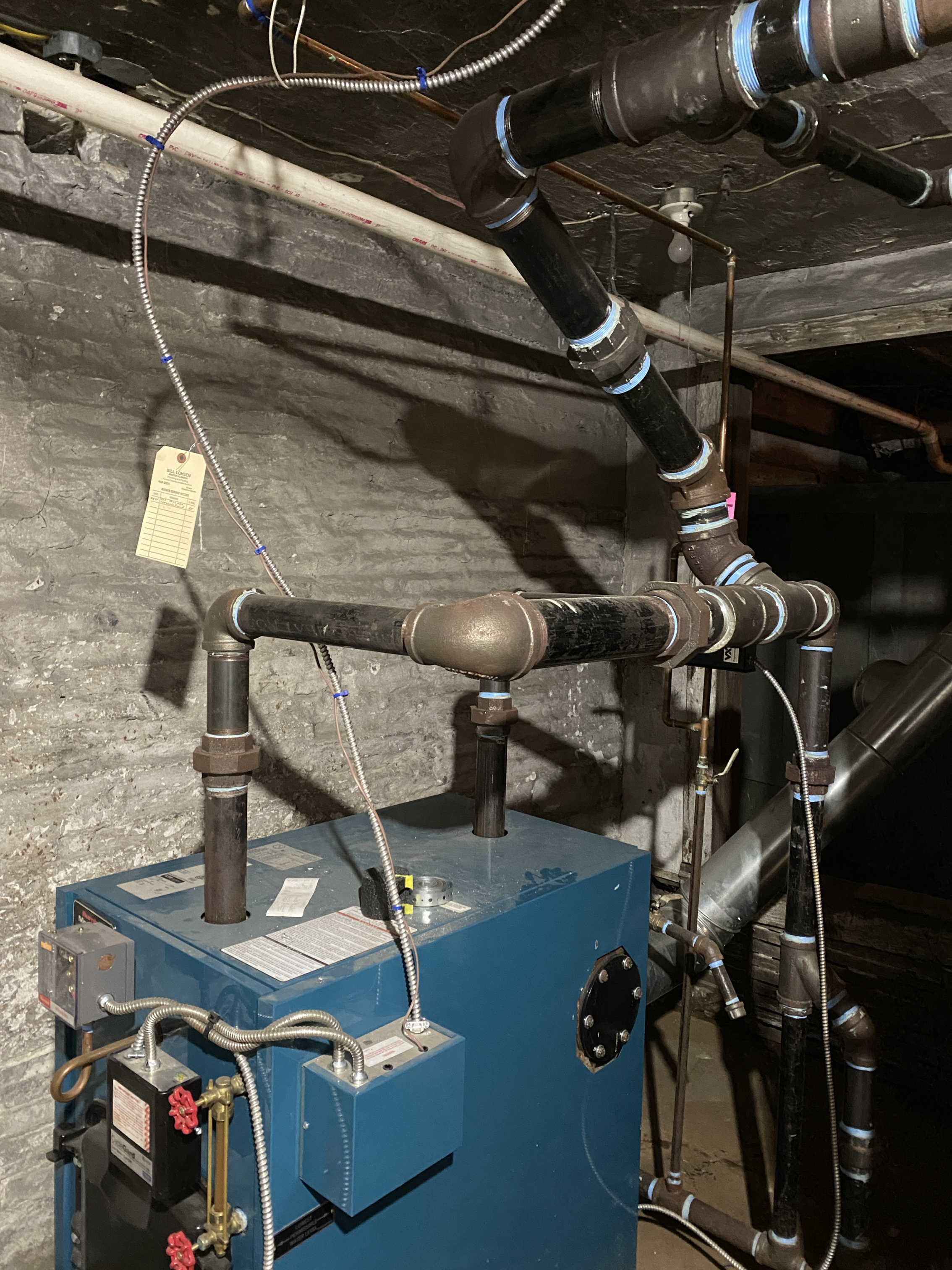
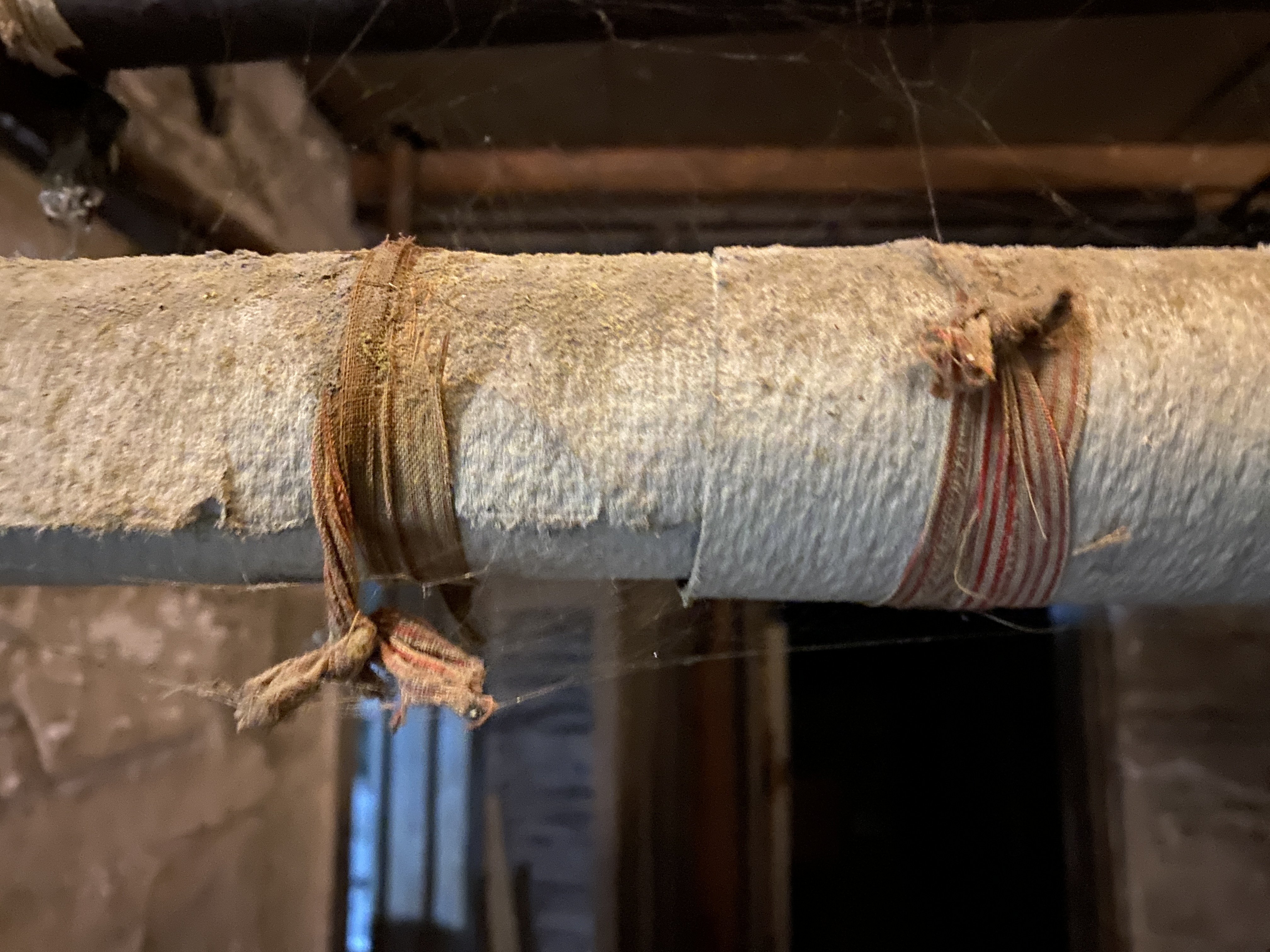
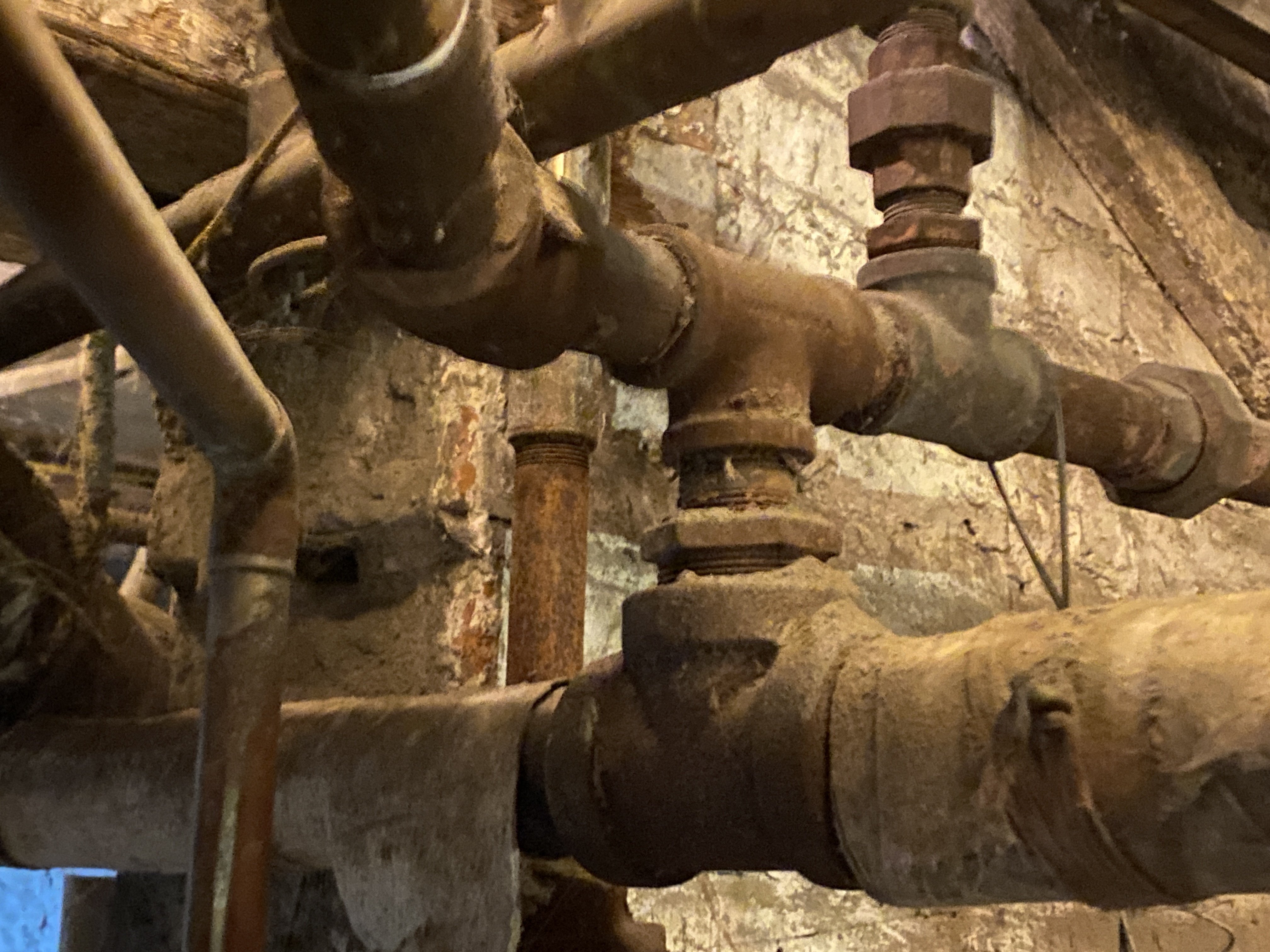
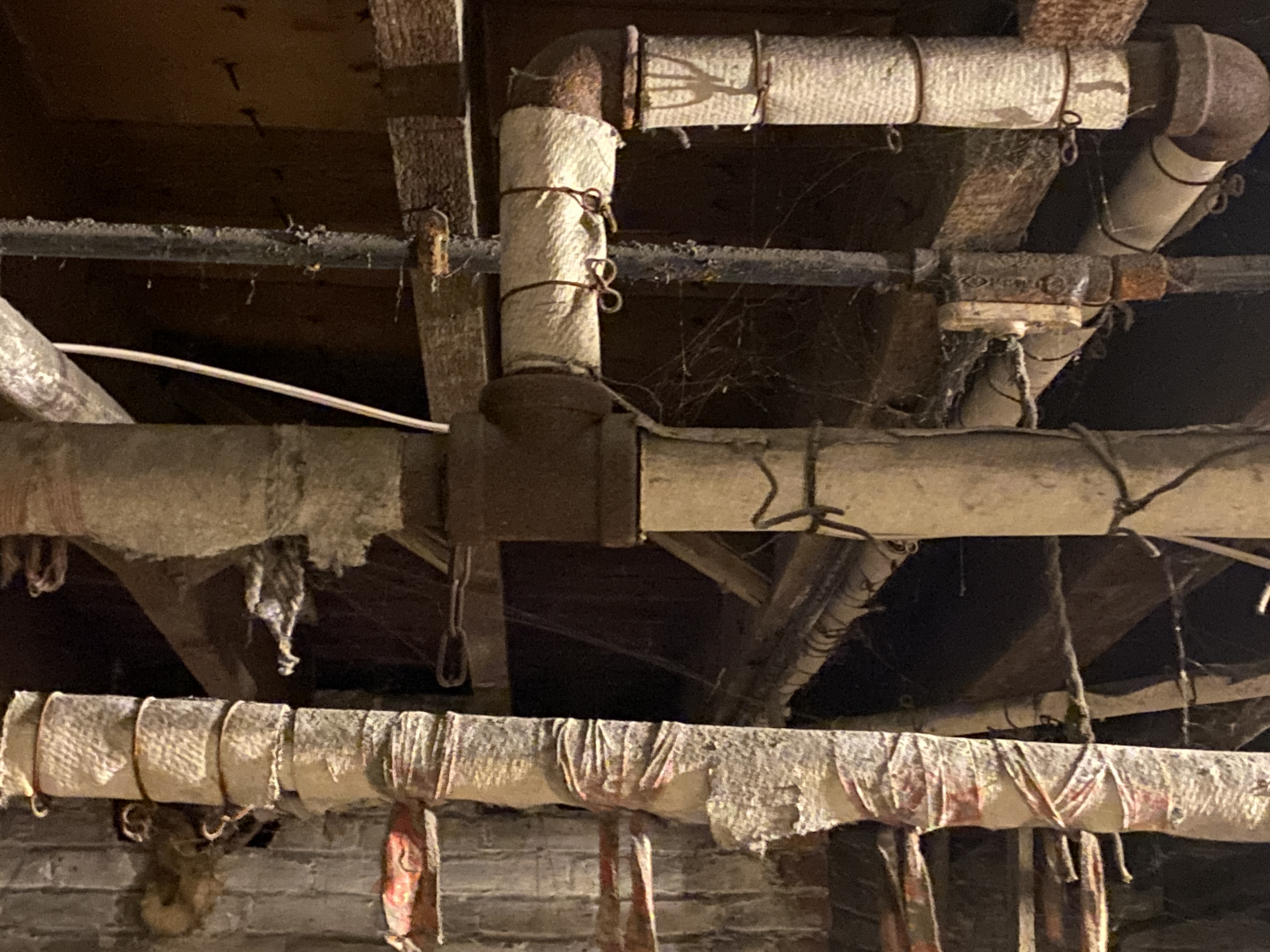
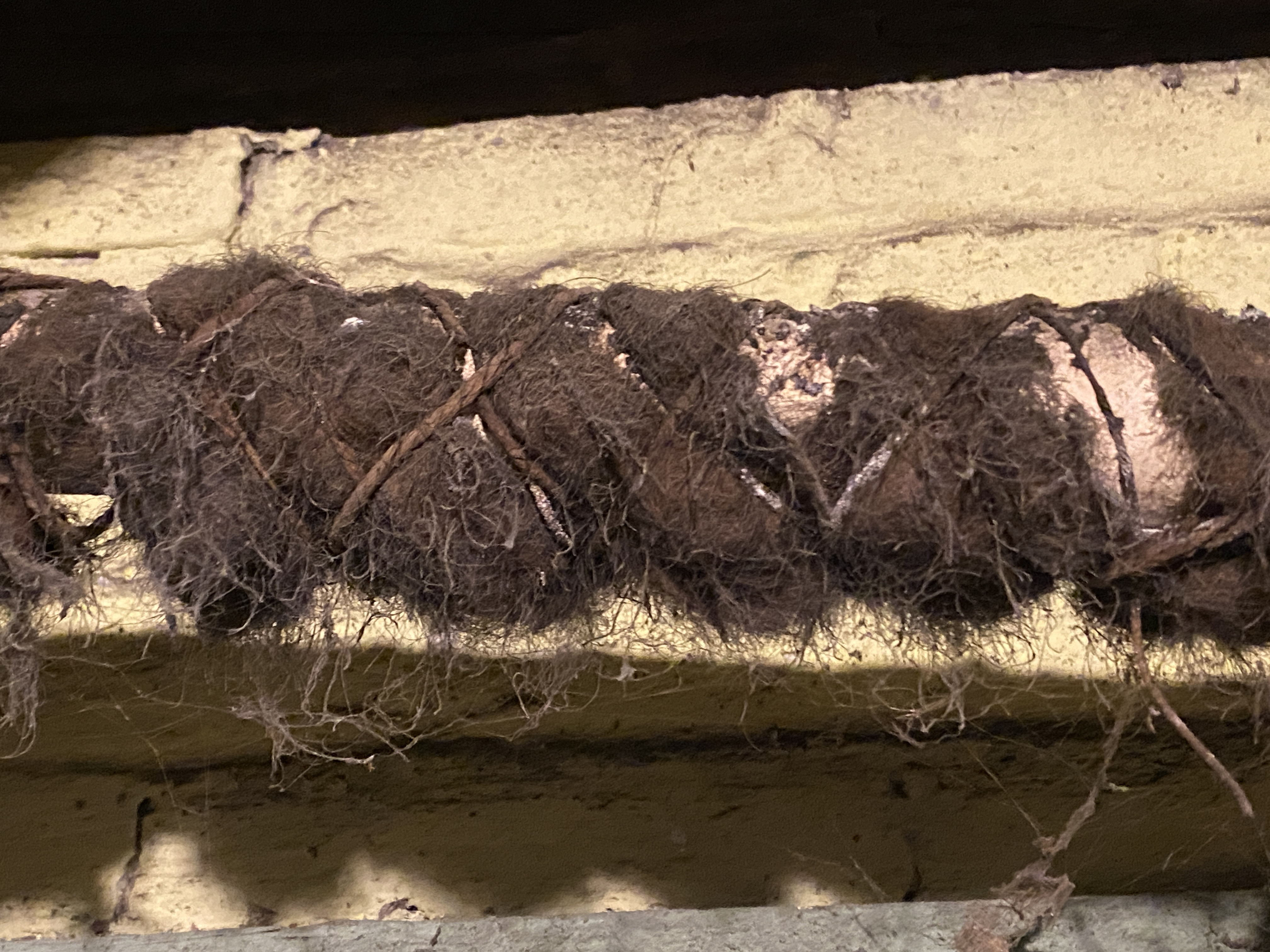
I recently moved into an 1860s home in Vermont, equipped with a boiler and steam radiators. Some of the pipes have been wrapped using asbestos materials, some are unwrapped, and some have deteriorating wrapping. Photos attached, here are my questions:
• Would you cover asbestos wrapping in plastic and then cover that with fiberglass insulation? • Any specific insulation recommendations?
• Why do you suppose the large pipes attached to the boiler are not wrapped at all?
Comments
-
Leave that old stuff alone … We use fiberglass pipe insulation today . The steam mains need pipe insulation to work as designed .. It is a good investment ..
There was an error rendering this rich post.
0 -
There are two ways to deal with Asbestos. Remove or encapsulate. Both should be completed by professionals. Both will cost you dearly. If, by chance, you find an inexpensive way to remove all that asbestos and clean all the fibers that can float thru the air, then you need to replace all that insulation with 1” thick fiberglass pipe insulation on all the larger (pipes 1-1/2" and larger) and 1/2" pipe insulation of the smaller pipes from 1" down the 1/2". And if you do it up right, there are nice vinyl covers for all the fittings.
I have used this website in the past for steam pipe insulation:
Edward Young Retired
After you make that expensive repair and you still have the same problem, What will you check next?
 1
1 -
This is a wonderful product….
 1
1 -
You need to find out what's allowed and what's NOT allowed in your town, county, state.
There are encapsulants available search (Asbestos Encapsulants) that will seal the fibers in place.
The best solution is to get it abated but that's big bucks!
0 -
I was a LICENSED asbestos remover, even with lead paint. That being said, I am licensed to build a house, holding master mechanical licenses etc.. The fact is this. In most places old insulation removed by non asbestos trained and licensed people left lots of loose fibers in the room. Always fails inspection when air tests are done. Every time you walk or crawl with the pipes we stir it up, breath it. yes it can be encapsulated or removed. But the real problem is what was done wrong is still a contamination problem. Steam pipes should be insulated, especially in unheated areas unless they are emitters. Number two rule to remove asbestos, after you are properly protected and seal off the area, is to keep it wet., double bag it tie and tape it closed and send it to an authorized disposal site. Clear the air with a HEPA vacuum. Many health problems are caused by our environment we live in. I am still worried at age 71 if I may develop asbestosis. So far so good. Places I restored insulation per design on steam pipes always improved the steam performance.
0 -
Hey @kfloyd , I think you've gotten some good answers on your first pair of q's, and I don't think your question about insulating the near boiler piping has been answered yet.
Here's a past question that was similar (starts about returns but then the chat goes on to near boiler piping) with some things to consider about insulating near boiler piping:
One other variable re: what you insulate is how cold your basement is. Our returns are uninsulated and this helps heat the basement.
0




Categories
- All Categories
- 87.5K THE MAIN WALL
- 3.3K A-C, Heat Pumps & Refrigeration
- 59 Biomass
- 429 Carbon Monoxide Awareness
- 124 Chimneys & Flues
- 2.2K Domestic Hot Water
- 5.9K Gas Heating
- 119 Geothermal
- 168 Indoor-Air Quality
- 3.8K Oil Heating
- 78 Pipe Deterioration
- 1K Plumbing
- 6.6K Radiant Heating
- 394 Solar
- 15.9K Strictly Steam
- 3.5K Thermostats and Controls
- 56 Water Quality
- 50 Industry Classes
- 50 Job Opportunities
- 18 Recall Announcements