Welcome! Here are the website rules, as well as some tips for using this forum.
Click here to Find a Contractor in your area.
If our community has helped you, please consider making a contribution to support this website. Thanks!
Should there be traps on this old radiator?

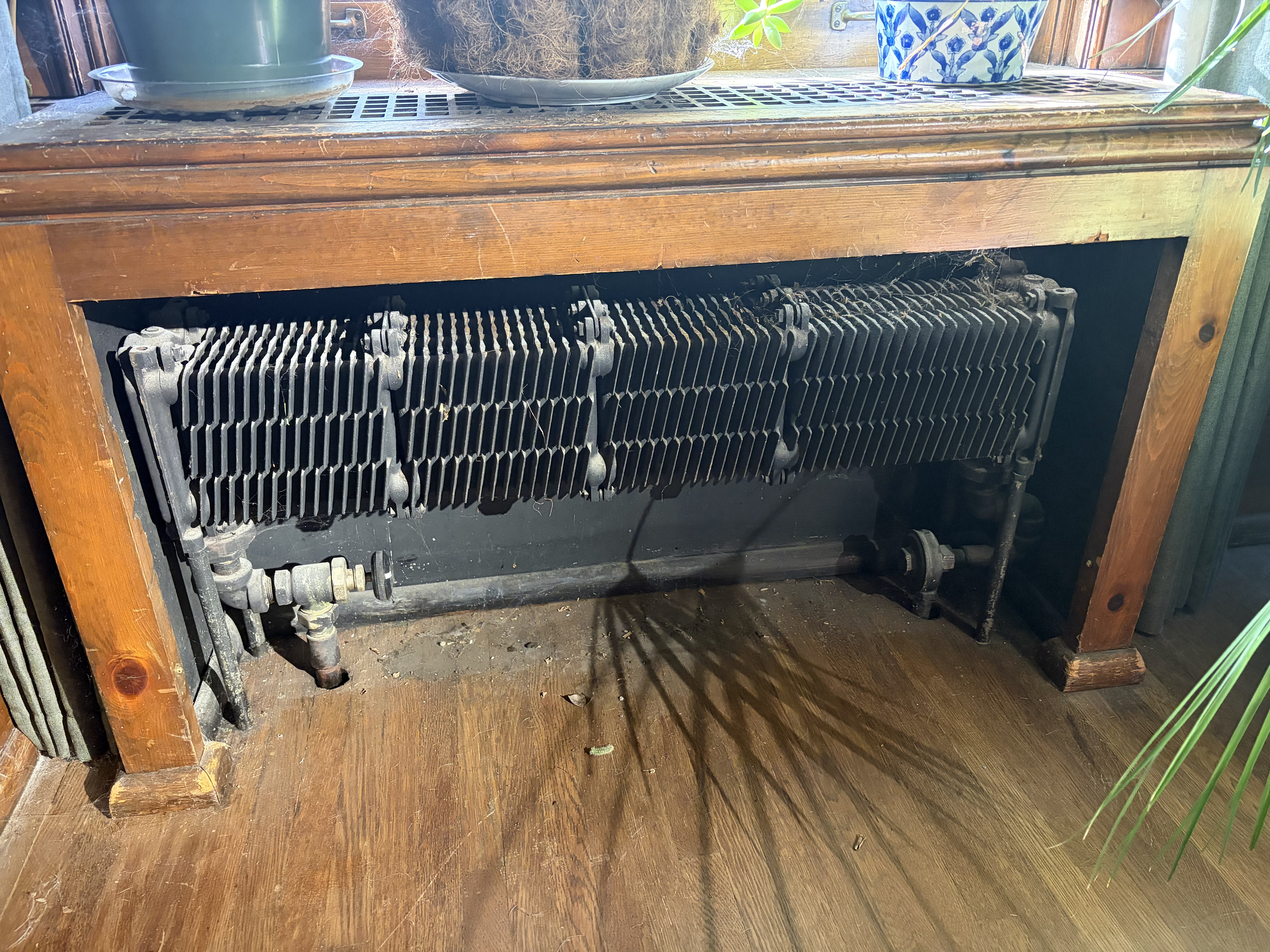
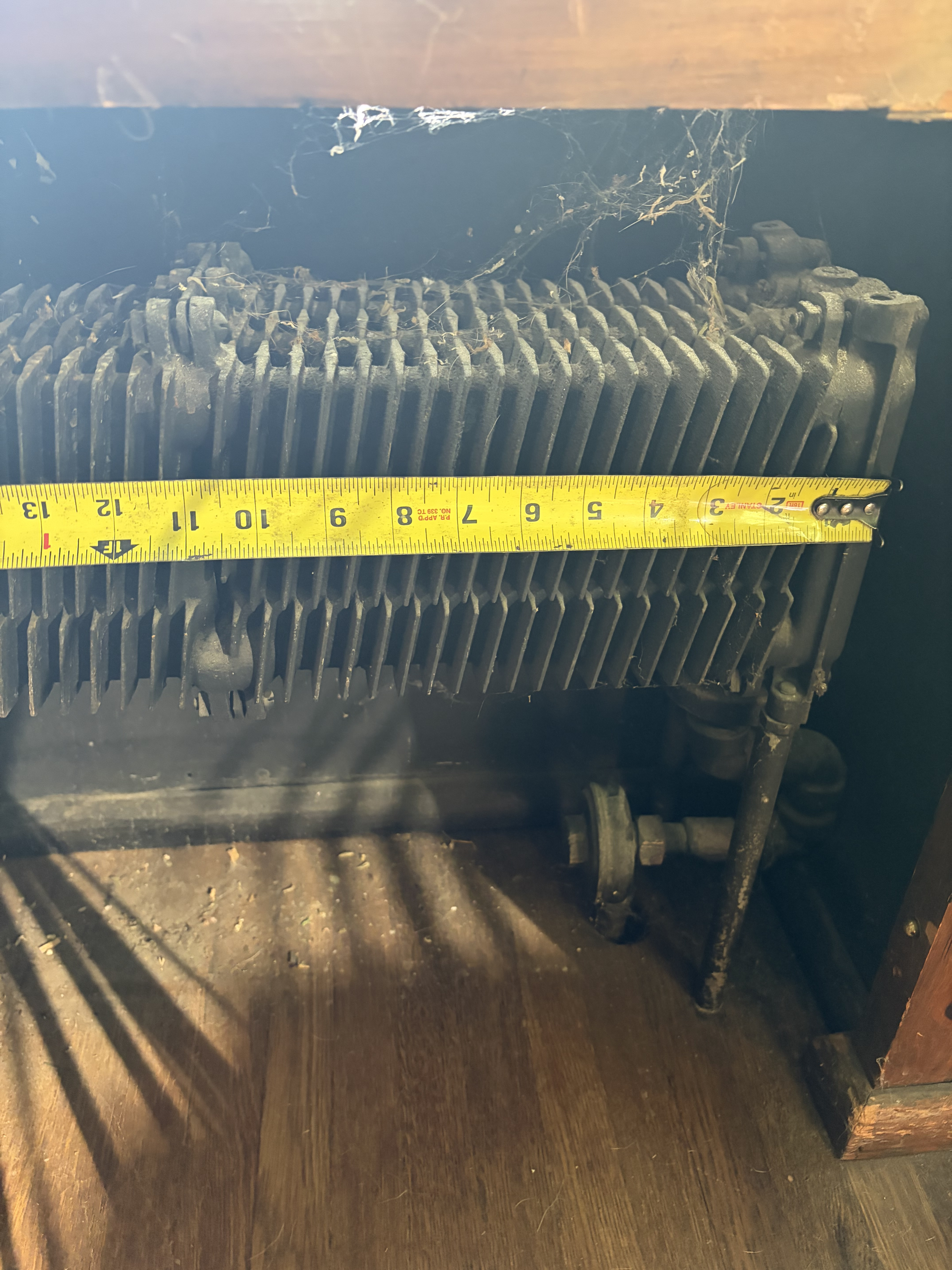
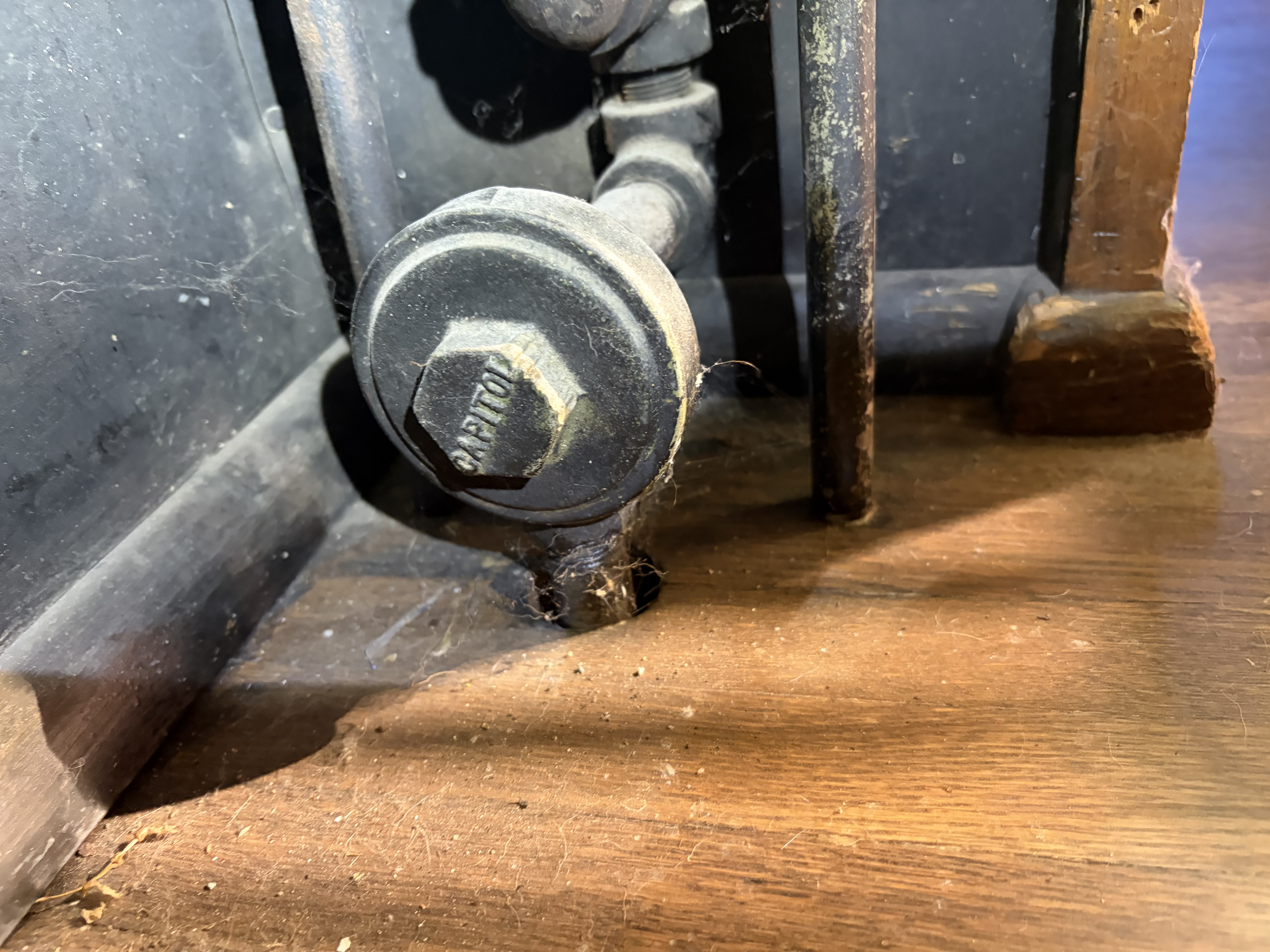
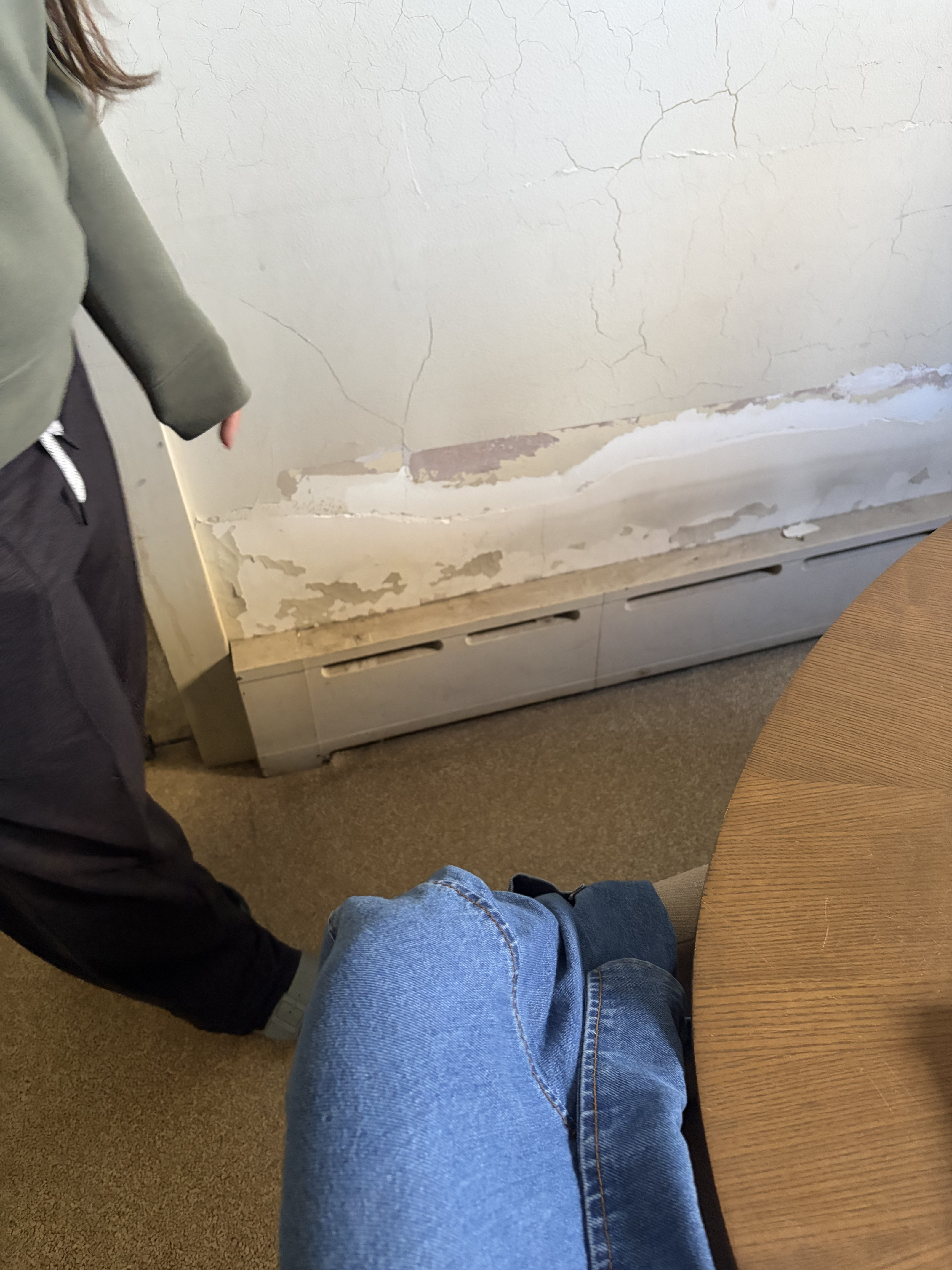
hey all. I have an old Moët vapor system that I’m working on that mainly has original column radiators throughout the house but in two rooms there are radiators with traps. I’ll include photos. The kitchen was re done in the 70’s and they put in cast iron base board with traps. I’m guessing the traps should not be there since it’s vapor. Also in an office there is a unique radiator type that I have not seen before that also has what looks to be old traps. I plan on using Orphase plates as some of the hand valves have need replaced and would also like to remove the traps at the same time to keep my “A” dimention down. If you could help me identify the radiator type and let me know if they should have traps that would be a huge help.
Comments
-
having traps on a vapor system won't hurt anything as long as they are good or failed open. they should never do anything if the pressure is kept under control and the vapor valves are set up correctly or they have orifice plates. I would encourage you to rebuild the original valves if at all possible.
that "radiator" is a pretty standard convector cabinet with a cast iron element, although I don't know the brand. The cabinet acts as a chimney and is vital to getting the rated output of the convector.
0 -
ok thanks for the info and that makes since. As for the base board unit would the theory be the same?
0 -
it is the same but you maybe have to be a little bit more carful about not getting condensate trapped in the baseboard. still not the first thing I would think of if a CI baseboard isn't heating on 2 pipe, but it is a lot more likely to be a problem than on a standard CI radiator because the passages are so much smaller.
none of the returns should be steam hot, if you are having trouble with things not heating or banging looking for that and fixing it is the first step.
0 -
Don't bother to remove the traps unless they are failed — and then you just have to replace the element, not the whole thing. As @mattmia2 said, having them wont hurt anything — and as I said just now in another thread, the key to a vapour system is keeping the pressure differential where it belongs; a vapourstat set at 7 ounce cutout or less, and a 3 ounce differential usually works.
If you have original vapour valves, don't replace them. In fact, don't touch them until you find out that someone else has messed them up. They were probably set correctly in the beginning, so leave them alone.
Br. Jamie, osb
Building superintendent/caretaker, 7200 sq. ft. historic house museum with dependencies in New England0 -
ok thanks for the help. The system was air locked when I showed up. There is only one large air vent on the dry return before it drops to the wet. There are not vents on the steam main. The vent is failed closed so once i got the air out things started to heat. So far things seems to be working fine but that was this afternoon. I still need to replace the vent as I did not have one large enough on the truck. Dry return seems steam free but there is also not a huge load on the system. The vapor stat is set at 12oz so I’ll get that turned down too. I know a few of the valves have been touched for sure or have been changed so those ones are on high alert. Thanks for the help.
0 -
Most vapor systems only have a vent in the return near the boiler, usually near some sort of boiler return trap. The mains should vent in to the returns through crossover traps in most systems(although a few didn't have them and vented the mains through the emitters). The crossover traps need to be good for it to heat quickly.
0 -
AFAIK, the Mouat system used special return fittings on the radiators. These had small water seals in them that kept steam from reaching the dry returns, and small holes that vented the air. Thermostatic traps will work in this system, but you want to keep the air throughput low so the rads with traps won't overheat. One low-throughput trap model is the Hoffman #17C.
@gerry gill is our resident Mouat expert, hopefully he will see this and chime in.
@Onepipe , where is this system located?
0 -
The system is in the Detroit area. You mention to keep the air throughput slow. Should I then use a smaller main vent in the dry return then? There are no vents on the mains, and no signs of crossover traps. The only path for air is through the emitters. I always thought the air regulation was through the vapor valve on the inlet not the size of the trap on the outlet. (Well if there is a trap)
0 -
wait are you talking trap vent speed when the vapor valve has been replaced?? Also if any of the traps do ever close won’t the water column rise sky hi
0 -
This matches the air throughput through the Mouat return fittings.
Not if you keep the boiler pressure low with a Vaporstat.
0 -
cool thanks. So for sizing the main vent would you do that as normal or should I pay attention to venting too fast?
0 -
Can you show us a picture of a typical end of main/end of dry return arrangement? It's possible that, once upon a time, there were crossover traps in that location, and they got "improved"…
You wonder it is possible — or rather if you should worry — about venting the mains or dry return too fast. Not a bit. In fact, it is really quite impossible to vent the dry returns too fast — in many systems back in the day, which weren't intended to drop into a vacuum as the fire died down (that varied) the "vent" was simply an open pipe to the atmosphere. Worked just fine — with the added bonus that if somehow steam got into the returns, where it shouldn't be, you knew about it if you were paying any attention… Later fancier systems had special devices to keep the differential pressure between the steam mains and the dry returns to a maximum value — typically around 8 ounces per square inch. These systems had crossover traps (usually simply larger radiator traps) connecting the ends of the steam mains to the ends of the corresponding dry returns. These did all the required venting for the steam mains. Then, as @mattmia2 said, there was one main vent location where all the dry returns (if there was more than one) joined together before dropping to the wet return or boiler return.
On a modern system, that main vent (or vents) can be as big as one likes, but even in rather large residential systems it's not necessary to have more than two Gorton #2s to be ample.
You mention air regulation. This is not a thing on vapour systems — or any two pipe system for that matter. It's the only way of controlling the output of a one pipe system (the radiator vent), but in any two pipe system it's just not relevant. Prior to the invention reliable thermostatic traps, these systems worked by regulating the steam flow into the radiator with a graduated valve or orifices. Outlet widgets were used — if at all — to prevent any excess steam from getting into the return. Reliable thermostatic traps made the inlet regulation much less important and thus made installation a lot simpler — but also led to people forgetting that the first principle is allowing the radiator to have as much steam as it can handle — but no more.
Regulating the steam flow is still helpful, however, as it drastically reduces the strain on the traps and thus increases their life.
Just to fill out the rosy picture: a vapour steam system with the pressure properly regulated will never see the main vents close, and — oddly — never see the radiator traps close (the crossover traps will close — and stay that way for the rest of a heating cycle). It is quite possible for such a system to run for quite lliterally a century with no main vent failure or trap failue.
Br. Jamie, osb
Building superintendent/caretaker, 7200 sq. ft. historic house museum with dependencies in New England

 3


Categories
- All Categories
- 87.9K THE MAIN WALL
- 3.3K A-C, Heat Pumps & Refrigeration
- 60 Biomass
- 430 Carbon Monoxide Awareness
- 134 Chimneys & Flues
- 2.2K Domestic Hot Water
- 6K Gas Heating
- 124 Geothermal
- 170 Indoor-Air Quality
- 3.9K Oil Heating
- 80 Pipe Deterioration
- 1.1K Plumbing
- 6.7K Radiant Heating
- 397 Solar
- 16.1K Strictly Steam
- 3.5K Thermostats and Controls
- 56 Water Quality
- 51 Industry Classes
- 51 Job Opportunities
- 18 Recall Announcements