Welcome! Here are the website rules, as well as some tips for using this forum.
Click here to Find a Contractor in your area.
If our community has helped you, please consider making a contribution to support this website. Thanks!
Water Heater Anode

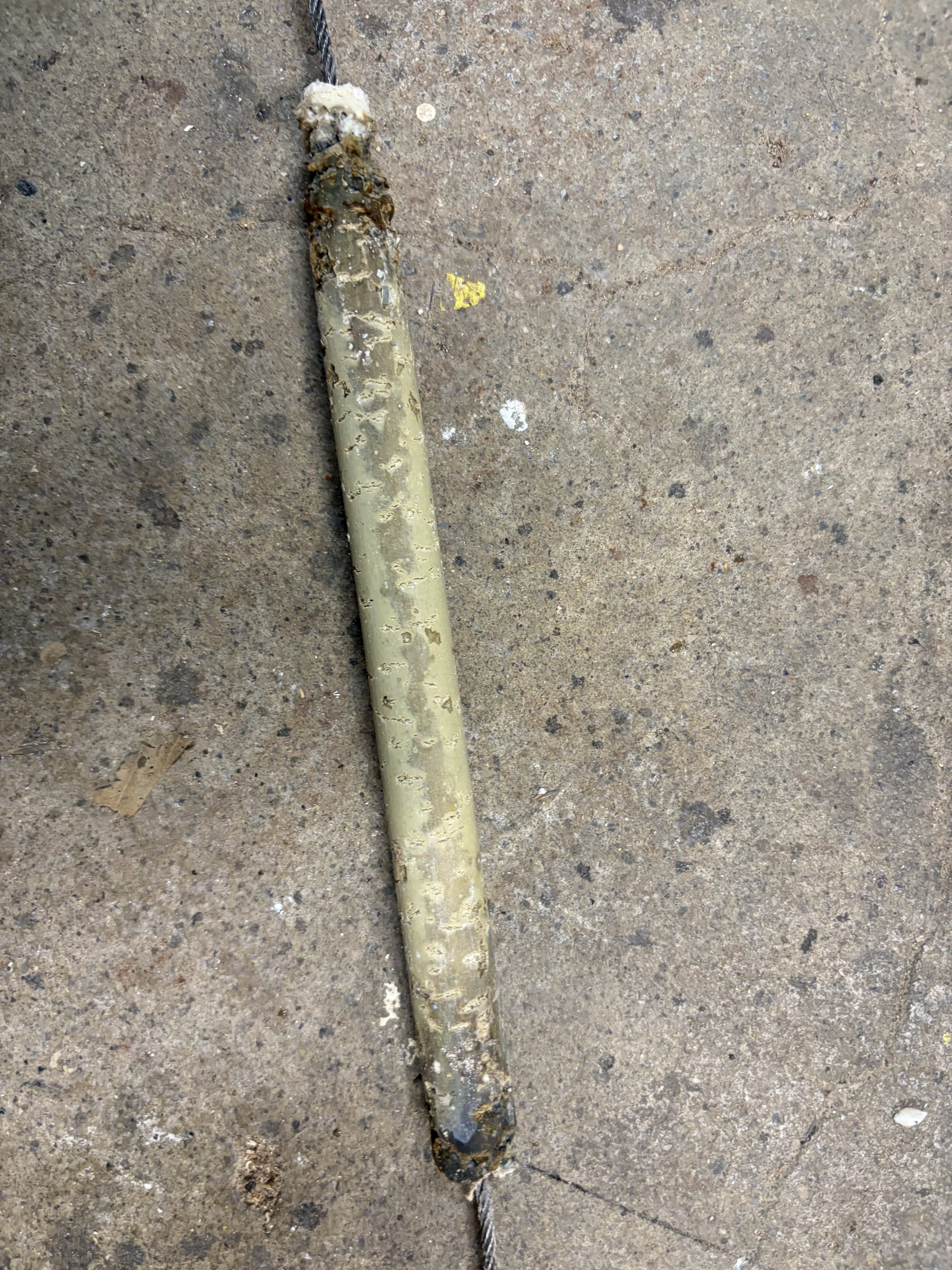
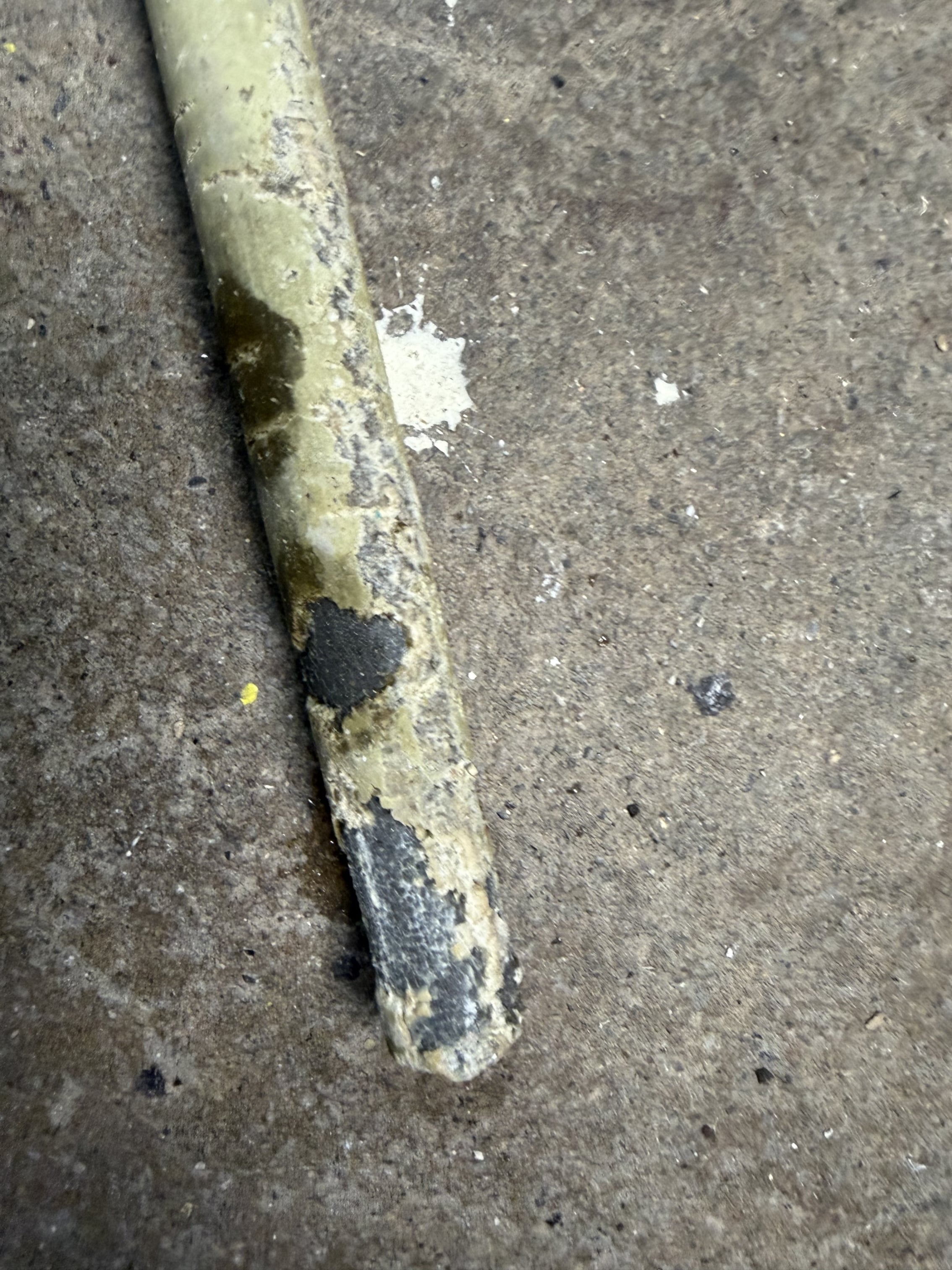
i replaced this anode after 18 months thinking the metal had been completely replaced by some sort of mineral/sediment.
after replacing i took a hammer to the crust and found the metal is somewhat intact under 1/8 inch of crust. Do these things still protect like they’re supposed if completely encased in sediment? Just curious for next time I open it up to check on it.
Comments
-
Yes — the sediment isn't waterproof! And certainly not negative ion or electron proof — and that's what the game really is.
Br. Jamie, osb
Building superintendent/caretaker, 7200 sq. ft. historic house museum with dependencies in New England0 -
Hi, That could be a passivated rod. When the water is pretty clean, the anode can coat over like that. So, if the water has low TDS, I'd consider a powered anode.
Yours, Larry
 1
1 -
passivated eh? I learn something new every time I post on this forum!
I don’t think it’s particularly soft water. Philadelphia suburban tap water. No softener. Tds somewhere around 250 last I checked.ill look at the powered anodes next time i am going to flush it and take a look inside. I assume the new rod I just put in will do the job for a while.
0 -
Hi, As long as you used a magnesuim anode with no resistor built in, it should be doing some good. 250 TDS should give sufficient conductivity. 👍
Yours, Larry
1


Categories
- All Categories
- 87.8K THE MAIN WALL
- 3.3K A-C, Heat Pumps & Refrigeration
- 60 Biomass
- 430 Carbon Monoxide Awareness
- 133 Chimneys & Flues
- 2.2K Domestic Hot Water
- 6K Gas Heating
- 124 Geothermal
- 170 Indoor-Air Quality
- 3.9K Oil Heating
- 79 Pipe Deterioration
- 1.1K Plumbing
- 6.7K Radiant Heating
- 396 Solar
- 16.1K Strictly Steam
- 3.5K Thermostats and Controls
- 56 Water Quality
- 51 Industry Classes
- 51 Job Opportunities
- 18 Recall Announcements