whistle noise when boiler stops calling for heat

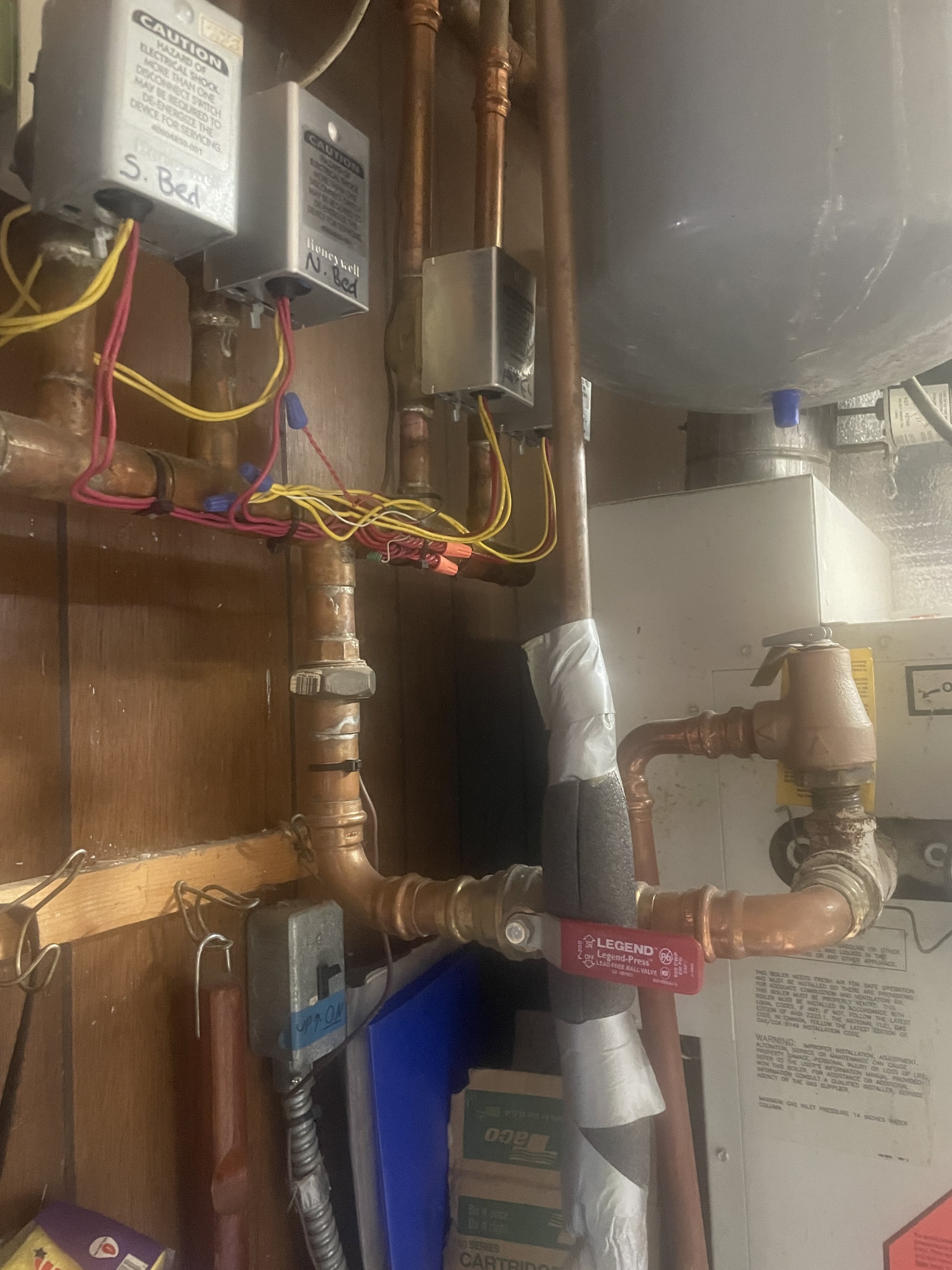
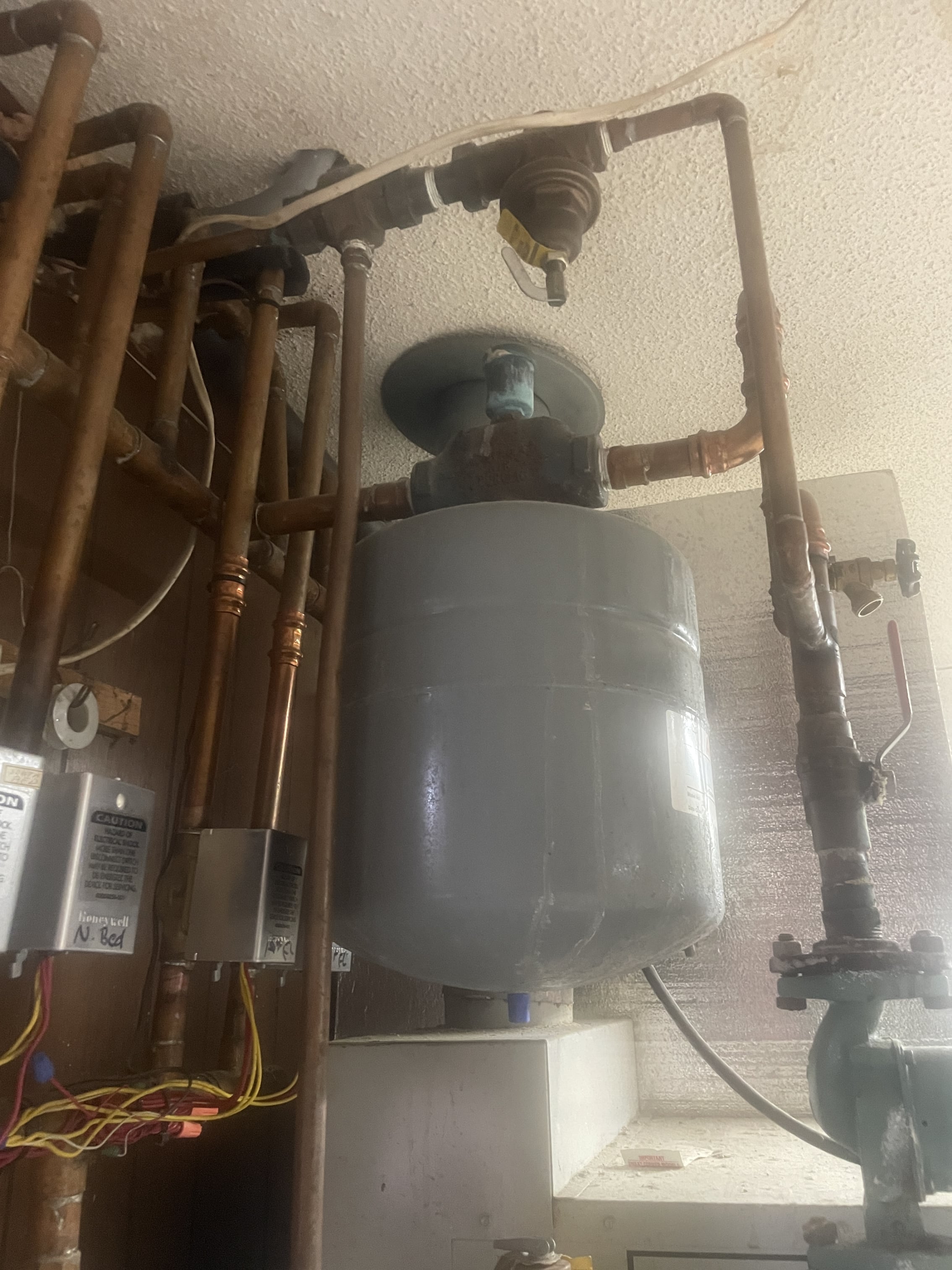
when I had the boiler reworked to have separate thermostats upstairs there began a banging sound. the Honeywell valves were closing too quickly causing a water hammer. Unhooking one spring causing the valve to close slower fixed the problem. Forward 6 years. Now I am hearing a very loud whistle type noise when the boiler stops calling for heat. reattaching the springs on 2 of the valves has only made the noise worse and it lasts longer. Approx half a minute compared to 15 seconds previously. I read it can be air in the lines (Baseboard not radiator) but there is an air scoop on top of the boiler (rather large one} Do burners whistle when shutting down? I hate to have to call the repair as its quite expensive when its not clear what is wrong.
Comments
-
Try and narrow down the location. Does it make the noise if the gas valve is off? That would help determine if it is from the burners or percolation in a hot boiler block.
Bob "hot rod" Rohr
trainer for Caleffi NA
Living the hydronic dream0 -
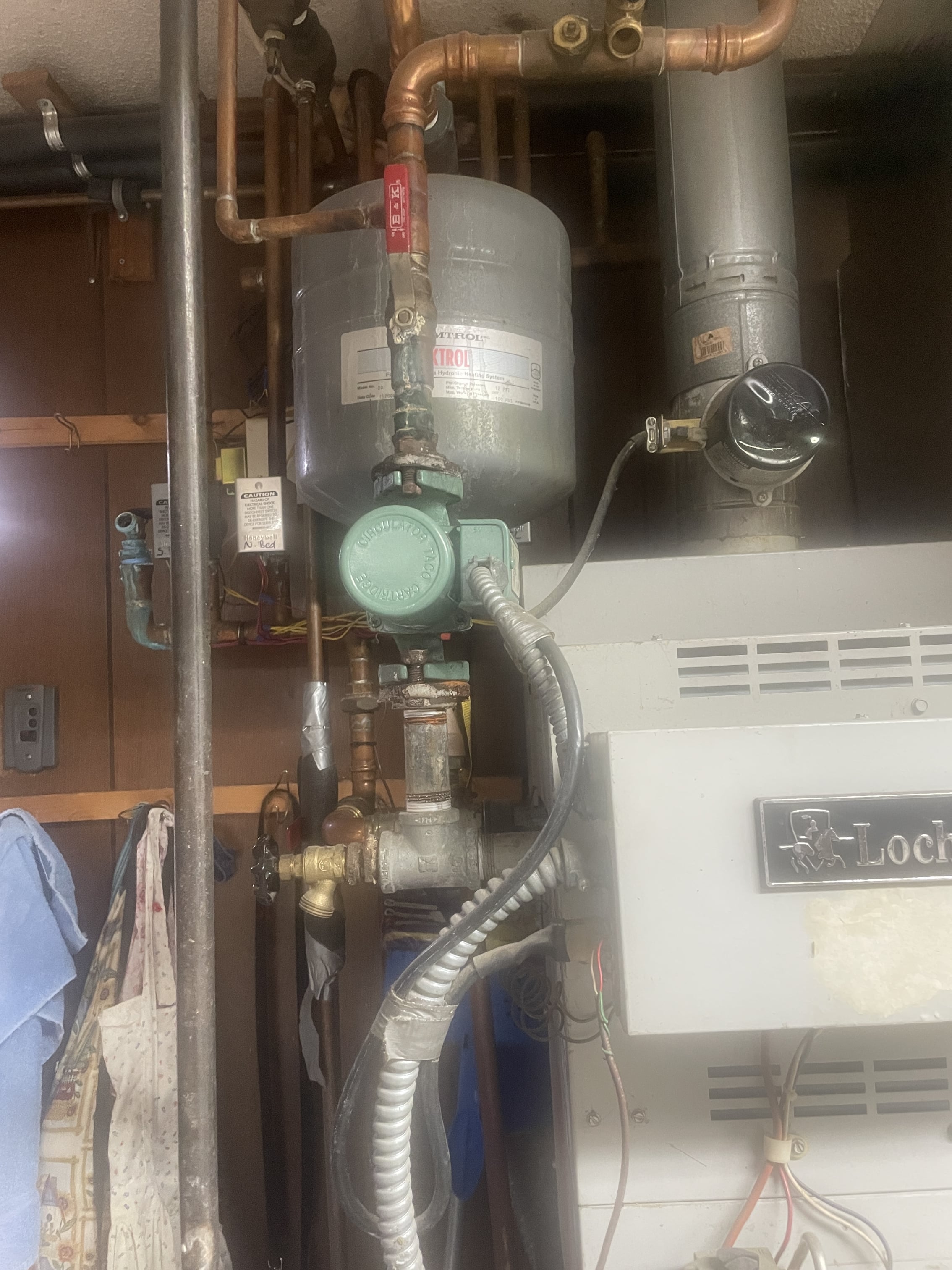
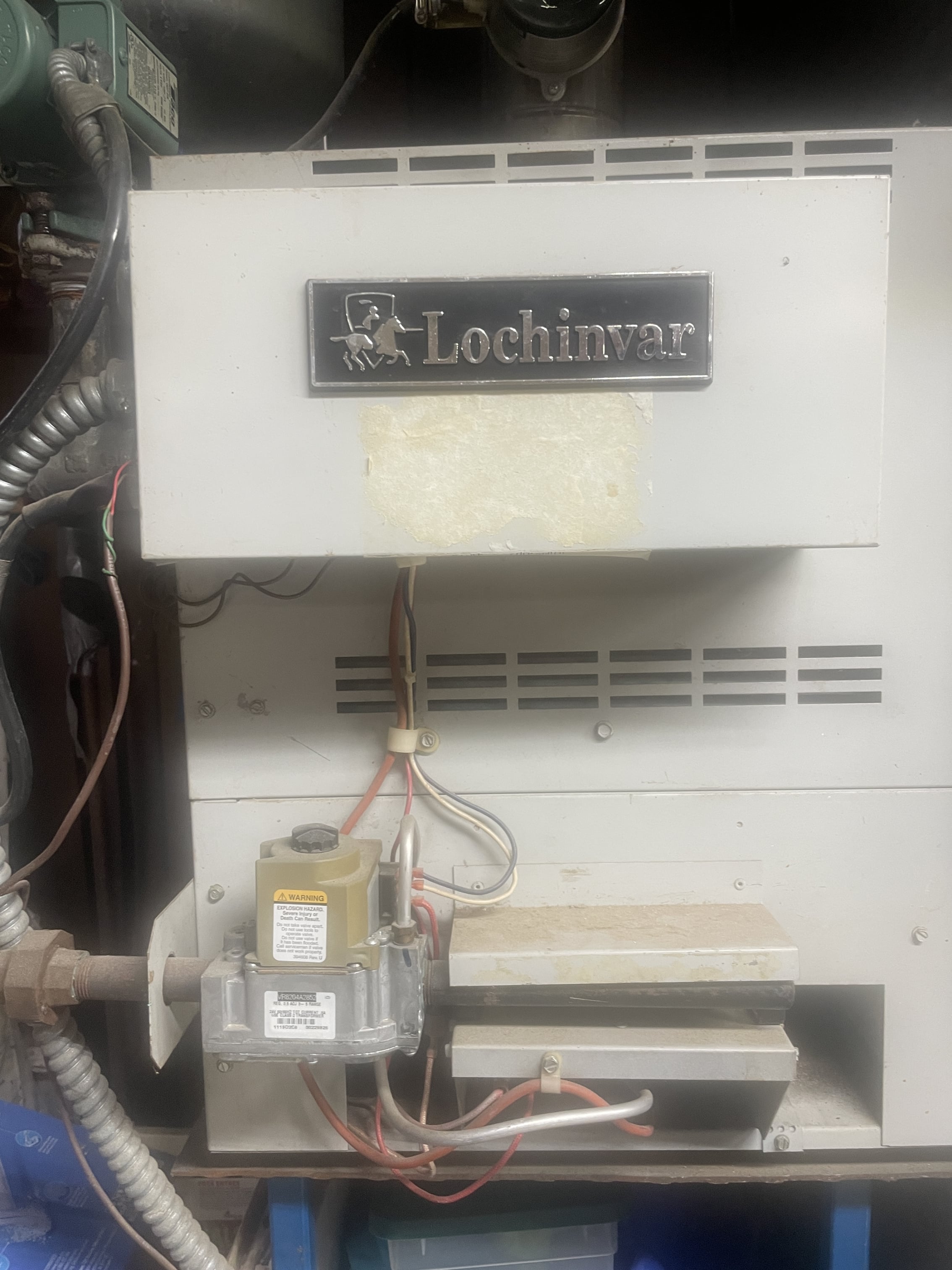
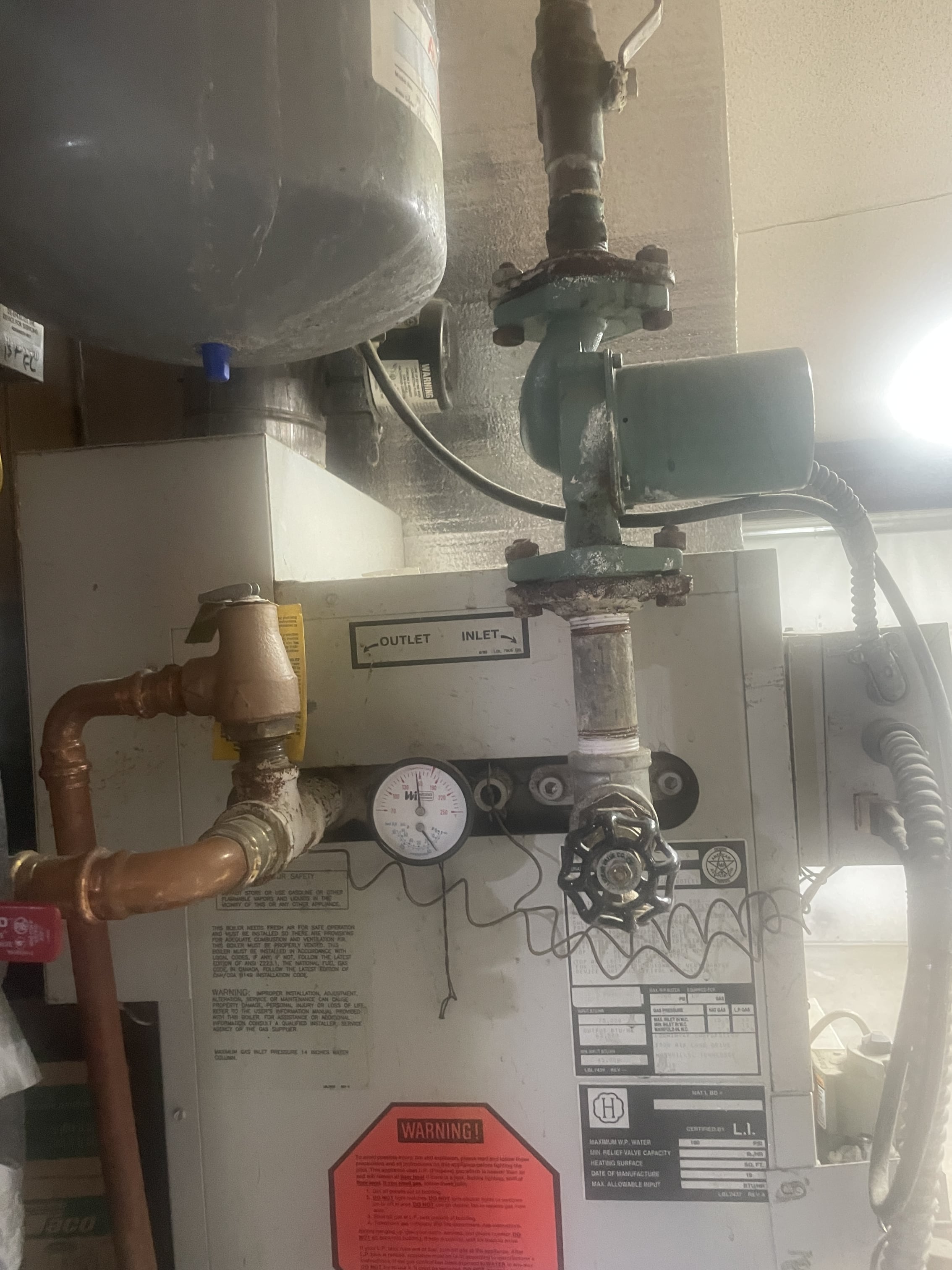
What is the make and model of your boiler? Some pictures of it might help.
8.33 lbs./gal. x 60 min./hr. x 20°ΔT = 10,000 BTU's/hour
Two btu per sq ft for degree difference for a slab0 -
-
the thing about this noise is it has only recently started doing that. I do have an old stethoscope and I will try to go out there and try to listen where it might be coming from. I am thinking if I turn the Gas valve off to check for noise, the boiler won't light and it only makes the noise after burning.
0 -
Loss mass boiler should have been piped w a full sized by pass or primary secondary i believe its in the installation instruction that are included w the boiler , I would check if you have been taking in make up water these low mass boiler do not like taking on water and will lime up and cause whistling or kettling sounds .They generally work quite well when piped correctly and water quality is taken into account. but usually the issue does not appear directly after install unless theres some serious piping sizing issue and flow issues from the get go not to forget some massive short cycling which does not help anything . This is just from what i ve seen and its been some time since i ve had to deal w one . Its a place to start . Greatest thing about them is one guy and carry it down and the old one out . I had a teledyne lars combi for bout 18 years until i did a munchkin which is still going made it past the lars life span .
peace and good luck clammy
R.A. Calmbacher L.L.C. HVAC
NJ Master HVAC Lic.
Mahwah, NJ
Specializing in steam and hydronic heating 1
1 -
I'd try to install a device that keeps the pump running after the call for heat is satisfied, like a delay-on-break relay. That would help to remove the build-up of heat in the heat exchanger which is possibly causing the harmonics.
8.33 lbs./gal. x 60 min./hr. x 20°ΔT = 10,000 BTU's/hour
Two btu per sq ft for degree difference for a slab 1
1 -
lowering the operating temperature of the boiler may help also. Run it as low as possible as long as the home stays warm
Bob "hot rod" Rohr
trainer for Caleffi NA
Living the hydronic dream1 -
so I took the advice to try to track down or narrow down where the noise was coming from. So I went out there repeatedly when I heard the noise sometimes I made it in time and sometimes I but I finally realized that the noise happens at the end of a burn cycle. And when I listen with it sounds for all the world like it's actually coming from the burner as it slows down down down and stops. Then the noise stops.. do burners on boilers actually make noise? Also, I did listen to the little control on the front that someone suggested, but no noise came from it.. do burners need replaced when the boiler ages?
0 -
possibly the gas valve moans just as it shuts off?
If it was kettling from mineral build up, the noise tends to last for a short period until the sediment cools. If the noise stops quickly it could be related to the gas train.
Bob "hot rod" Rohr
trainer for Caleffi NA
Living the hydronic dream1 -
Can you replicate the problem noise by shutting down the burner by way of removing a wire from the gas valve during the run cycle after everything is up to temperature. The reason you want to do this electrically and not by manually closing the gas valve is because the only change that happens automatically, takes place electrically and not by manual intervention.
There are a couple of scenarios that can happen
- the call for heat stops = burner and circulator stop at the same time
- the burner goes off by the high limit = burner stops but the circulator continues to operate.
- this happens on both #1 and #2
Knowing if it is 1, 2, or 3 can help in the diagnosis.
Edward Young Retired
After you make that expensive repair and you still have the same problem, What will you check next?
0 -
circulator continues after gas flames turn off
0 -
But does the noise continue with the burners off?
0 -
Which makes me assume that the burner stopping is the source of the noise. Is that correct? There is an earlier comment about a zone valve being a possible source, but your answer seems to rule that out.
If yes is the answer to the circulator running but the burner stopping, and the noise happens at that time, then you may have something that is making a sound similar to the way someone might play a flute or blow a whistle with compressed air (or steam on an old locomotive). Air and gas is moving through the burners, and when the burner no longer gets gas fuel, the airflow does not stop immediately, but the density does change. The air slows down gradually and then almost stops. You never get the airflow through the heat exchanger to completely stop until the automatic vent damper closes, and even then there may still be a little movement.
I can only think that there might be a burner with some dirt buildup that is creating the proper pitch for the noise you are describing. Cleaning the burners with a brush may solve your noise problem. You may want to get a professional to clean your burners if you don’t feel comfortable taking heating appliances apart.
The fact that putting the spring back on the zone valve makes the noise last longer does not seem to fit with my explanation, though. Are you saying that when the thermostat call for heat stops on a particular zone, that makes the noise? Your answer to my question about whether the burner and circulator both stop at the same time indicates otherwise.
Please be more specific when you answer. Ambiguous answers will result in an ambiguous diagnosis of your problem.
Edward Young Retired
After you make that expensive repair and you still have the same problem, What will you check next?
0



Categories
- All Categories
- 87.8K THE MAIN WALL
- 3.3K A-C, Heat Pumps & Refrigeration
- 59 Biomass
- 430 Carbon Monoxide Awareness
- 132 Chimneys & Flues
- 2.2K Domestic Hot Water
- 6K Gas Heating
- 124 Geothermal
- 170 Indoor-Air Quality
- 3.8K Oil Heating
- 79 Pipe Deterioration
- 1.1K Plumbing
- 6.7K Radiant Heating
- 396 Solar
- 16.1K Strictly Steam
- 3.5K Thermostats and Controls
- 56 Water Quality
- 51 Industry Classes
- 51 Job Opportunities
- 18 Recall Announcements