Rheem Water Heater

Hi,
I had a bad water leak so got a NEW Rheem 29gal gas water heater installed in a mobile home
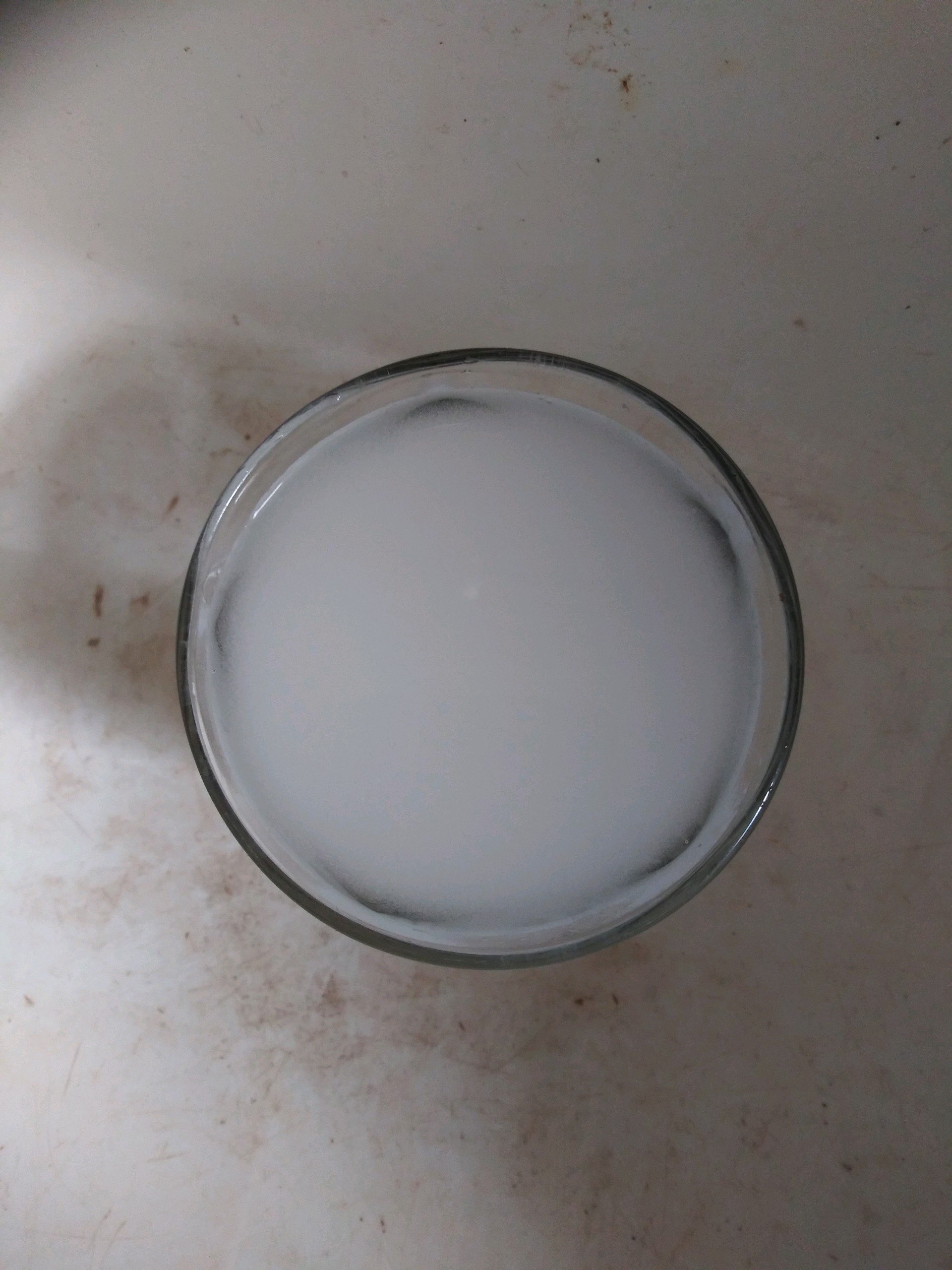
. Everything went fine, but I noticed that more so in the bathrooms, the HOT water has merky water (might be bubbles) but it isn't going away. Before the install there wasn't an issue like this. I have a picture posted. I don't know where it is coming from. I took off the Is the Female Water Saver Faucet Aerator and it still had the same color of water. Can anyone tell me where this is coming from?
Comments
-
Some times the anode rod inside the tank has a reaction with your water and creates some gasses. Give it a few days and see if it clears up. Or it may need a different anode rod, @Larry Weingarten is the pro in this area.
Bob "hot rod" Rohr
trainer for Caleffi NA
Living the hydronic dream1 -
Even though it is a brand new heater installed two days ago? It is the exact same model as the one replaced as well. The cold water doesn't do it.
0 -
If you let the glass of water sit for 2hrs does it clear up? Do the microbubbles dissipate out?
What temp is this water heater set to? What temp was the previous?
1 -
the old anode was probably completely dissolved if the tank leaked.
is it just dissolved gas, does it dissipate from the glass if you wait a few minutes to half an hour?
0 -
Hi, Do you get the same murky water from all of the hot taps? Also, do you get more of this on first use in the morning, or is it consistent all day? If it were gas in the water, it would usually clear in a few minutes. Do you know if you have "hard" water? If so he water is more conductive and will make the anode work harder, producing more gas. Another question, is there an instant hot water line? Sometimes if there is one connected at the drain, sediment can be pulled backwards through it. This should be figure-out-able. 😎
Yours, Larry
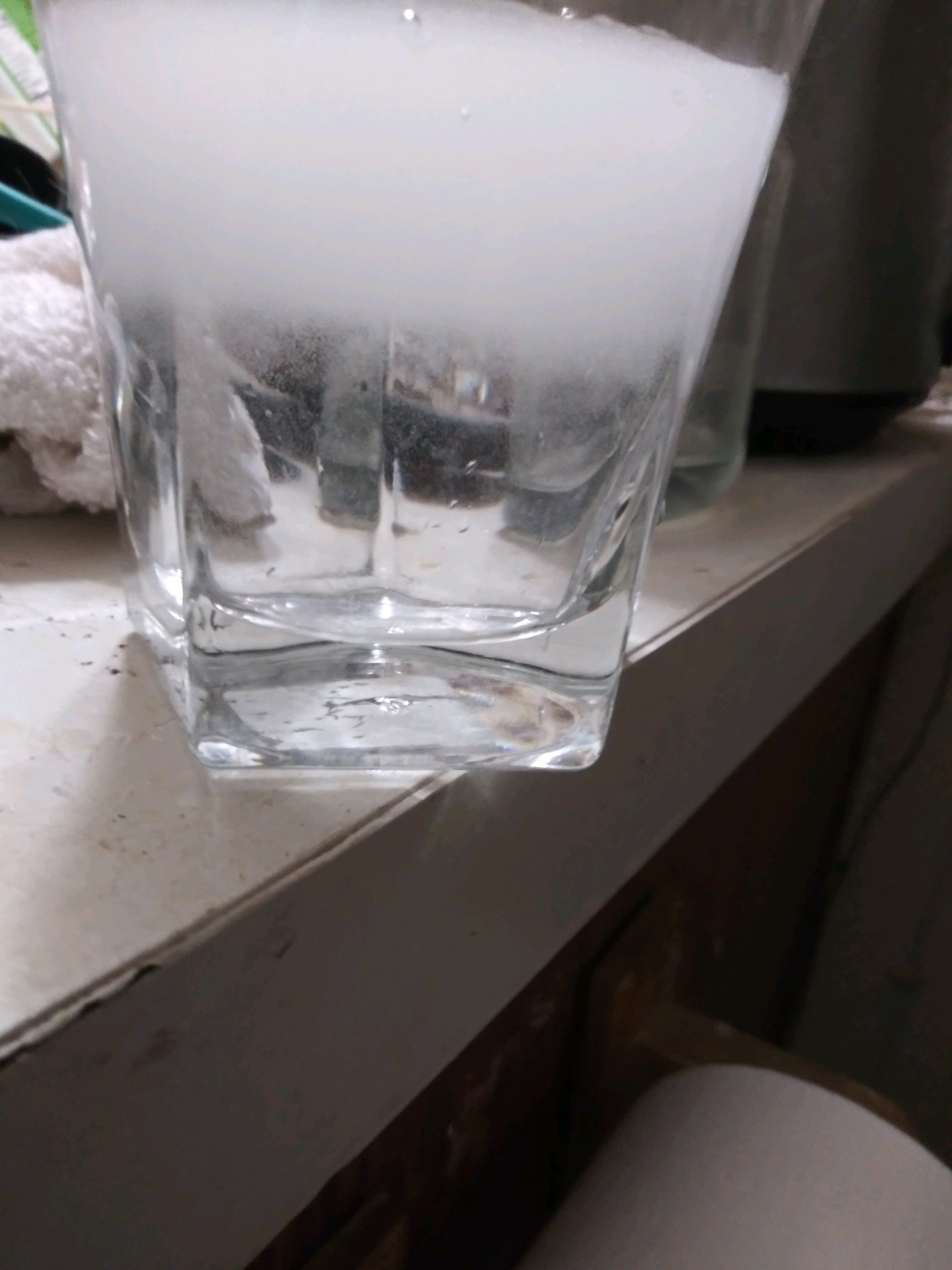
ps. A photo of the side of the glass will show if water at the bottom is clearing.
1 -
here is a picture. My concern is why every other Rheem water heater never did this after install. It is just from the two bathrooms, hot water. the kitchen hot water is fine. cold water clear from all taps.
 0
0 -
what happens if I open the T&P valve now it's really hot at the connection? Oh I just read this:
Sure. The "air pockets" happen when the tank is either installed or drained. Air can enter the lines and the tank during this process. When the tank is filled with water, that air gets compressed and becomes pressurized. It's important for the T&P valve (Temperature and Pressure) to stay open during filling to let that compressed air escape.
0 -
These are just air bubbles as you have figured out. Nothing to worry about. If there is a slightlet bigger pocket in the tank, it will eventually work it's way out. Opening th t&p at this point will not help. Maybe just air in lines to those bathrooms.
This new water heater may be set hotter than your last one, which can make the dissolved gases come out easier. As the water is heated, the dissolved gases come out. If heated to higher temp, more of the gases come out. Therefore, You don't see it in the cold water.
I would personally try to set the temp to lowest you can (down to 120minimum) but still not run out of hot water.
1 -
Great Thank you!!!!! I guess none of he water heaters to date have done this so I don't know what would have caused this water heater to do it… :-(
0 -
Hi, It may just be air pockets in the lines that will get absorbed and work their way out, or it could be very conductive water that's making the anode work too much. If this problem goes away shortly, it was just air. If it continues, it's probably hydrogen gas from the action of the anode. A trick I've used, but am not fond of as it's just one more thing to fail, is to put an air vent on top of the tank in the hot line. This will vent off any accumulation of gas. In any event this air or gas in the water isn't a health risk. 😽
Yours, Larry
1 -
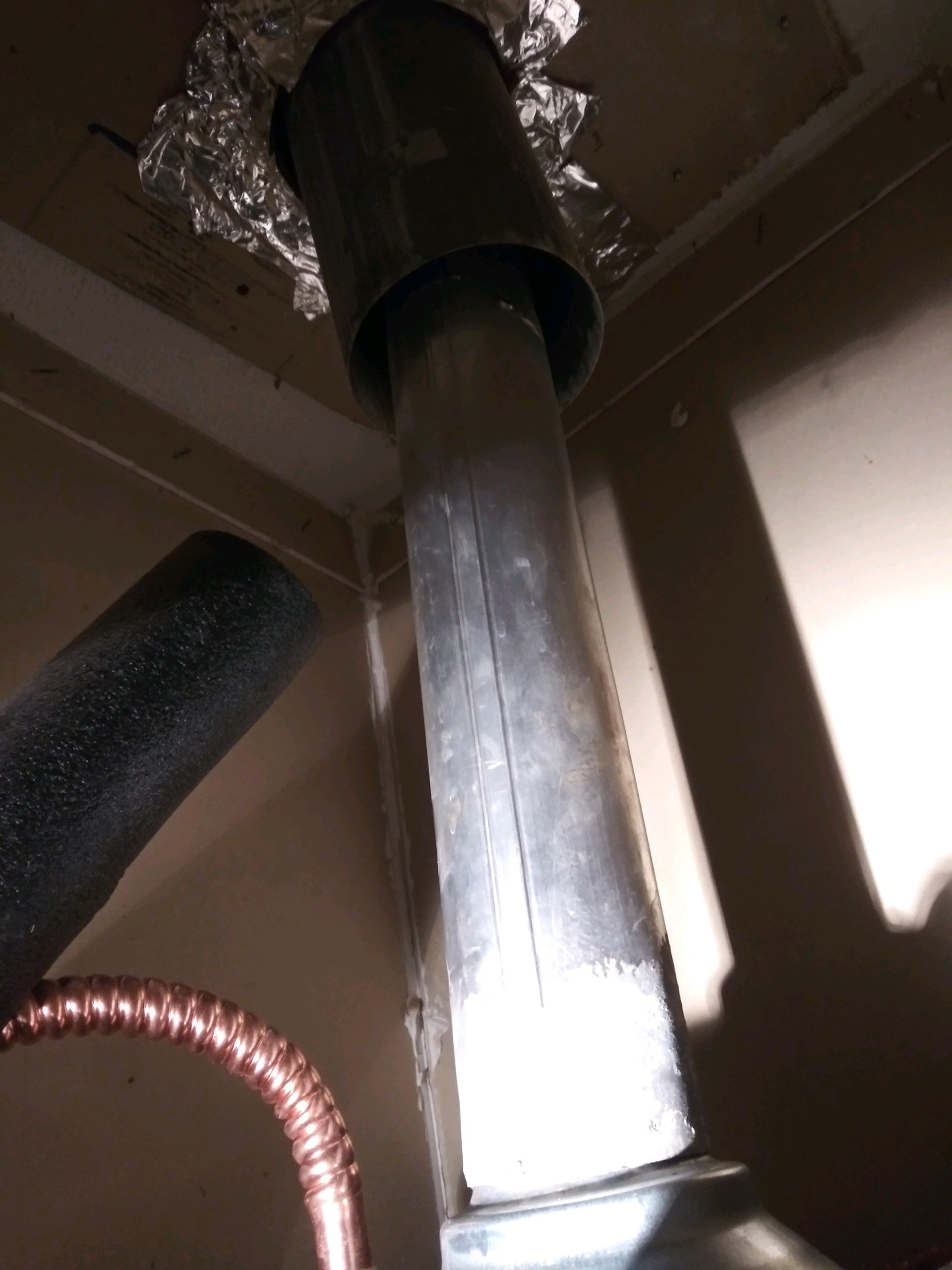
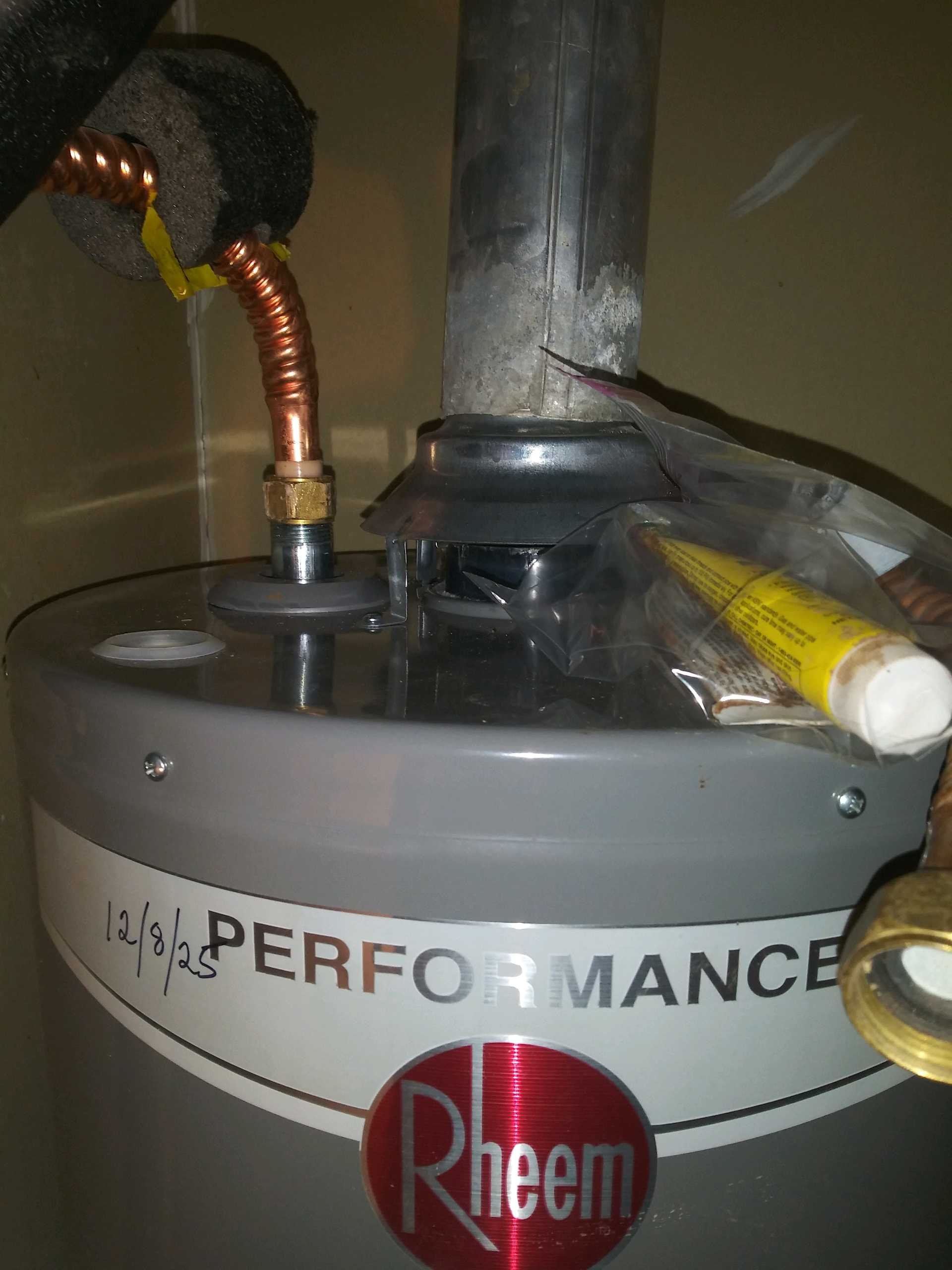
I think what I have is like the air vent see pic as well as air under tank (a hole with screen to underbelly of mobile home)
our Rheem XG29T06MH3201 water heater uses a Magnesium anode rod for tank protection, typically around 44 inches long with a 3/4" NPT thread, but you should replace it periodically (every few years) with a compatible magnesium rod for best results, like Rheem part #AP11524C or similar flexible/solid version
 0
0 -
Hi, I think we're talking about different sorts of venting. Your picture shows the vent pipe for removing combustion gasses. I'm talking about a float vent that removes air or gas from the water. Gas can accumulate at the top of the tank, so with a trap in the hot pipe, this sort of vent can work automatically to get rid of the gas. 😊
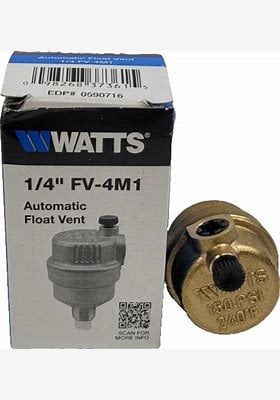
Yours, Larry
1 -
ok
0 -
Update: After going nuts on this microbubble issue, I went to the shed and got the old bathroom fauces and unscrewed the aeriator off them. I thought it won't hurt to try it. I put them on the faucets I was having the issues with…WOW that was the problem. The hot water is now coming out clear.
It still baffles me, why the exact same model water heater before installing the new one I did not have this ssue with the same faucets…AND the kitchen one was not affected. I don't understand why changing the aeriators made a difference when it never happened on the old water heater(s).
Thank you all and Larry for your help..
0 -
Hi and thanks! I'm always trying to learn as well, so a question or two… Are the old aerators a higher flow rate than the ones you replaced? Also, some aerators mix in more air than others. Is the water you get now less foamy? With these questions, I'm trying to figure out just where the air you saw in the water came from. 🤔
Yours, Larry
1 -
You're welcome Larry. Well with the old water heater (same exact model) there were no issues with the water faucets, esp the hot water.
I had older faucets (from Lowes) in the bathroom before and put new ones in last year. The lowes faucets were a few years + old. I got them out of the shed I took the aerator off them and exchanged with the current faucets. The issue went away. I saw there were a little variance in the visual of the aerators, but I didn't think it would make a difference, but it did. I'm glad I keep parts LOL
I still don't get it. I googled the model number of the water heater to see if there were any mfg changes to this heater made 10/22/2025 and apparently not. So why all of a sudden the aerators were an issue..to me that isn't logical unless the water heater is made with more pressure, but that doesn't make sense either. The only parts of the water heater replaced was the T&P CPVC pipe everything else stayed the same.
And what doesn't make sense is why just the bathrooms and not the kitchen sink. Hmmm Things like this make me feel like I'm in the twilight zone LOL
0 -
Hi, Twilight zone and plumbing often go together 😄 There may be something in the plumbing configuration that trapped air, which them came out of solution after it was under no pressure (leaving the faucet). Some aspects of physics just aren't too obvious. 😇
Yours, Larry
1 -
in the winter in cold parts of the country the water coming in to the municipal water system is usually much colder than in the summer. cold water can hold more dissolved gas than hot water. the water brought in to the system will have more air dissolved in it than in the summer. when this water is heated under pressure the pressure keeps the gas in solution. when the heater water has the pressure released at the faucet, the water than is hotter so it can now hold less dissolved gas at atmospheric pressure releases that dissolved gas.
1 -
Possible that the air finally got out of the system aerators or not. Coincidence?? As @Larry Weingarten said "Twilight Zone" exists in Plumbing, Heating and Electrical work.
Even Yankee Stadium has Babe Ruth's ghost
0



Categories
- All Categories
- 87.5K THE MAIN WALL
- 3.3K A-C, Heat Pumps & Refrigeration
- 59 Biomass
- 429 Carbon Monoxide Awareness
- 124 Chimneys & Flues
- 2.2K Domestic Hot Water
- 5.9K Gas Heating
- 118 Geothermal
- 168 Indoor-Air Quality
- 3.8K Oil Heating
- 78 Pipe Deterioration
- 1K Plumbing
- 6.6K Radiant Heating
- 394 Solar
- 15.9K Strictly Steam
- 3.5K Thermostats and Controls
- 56 Water Quality
- 50 Industry Classes
- 50 Job Opportunities
- 18 Recall Announcements